
Tucson 2018 - Shortwave LED Debut!
3/5/18 Fixed some 360s not loading.
Another year another Tucson. It's the place where people debut their new finds, discoveries, and innovations. In my case a heavy emphasis on innovation. This would be the first place I debuted the first shortwave LED light for the hobby. If you haven't seen it yet check out my post

This was the first sight of good things to come. I had quite a bit of a journey getting to Tucson this year. I usually like to get to the airport 60-90 minutes ahead of time for domestic flights but this year I was close to missing my flight. Starting things off with my Uber ride to LAX, my driver missed two turns in LA traffic. Normally that'd be fine but because he missed the turns the GPS moved us onto the more congested highways. After that the security stopped me. I assumed he was looking at the 360 camera in my bag. After several minutes of taking it out, examining it, and swabbing it he called over his supervisor to get a final ruling. I was about to explain that it's a 360 camera before they finally let me go. After walk running to my terminal I made it with 10 minutes before my flight departed! Phew!
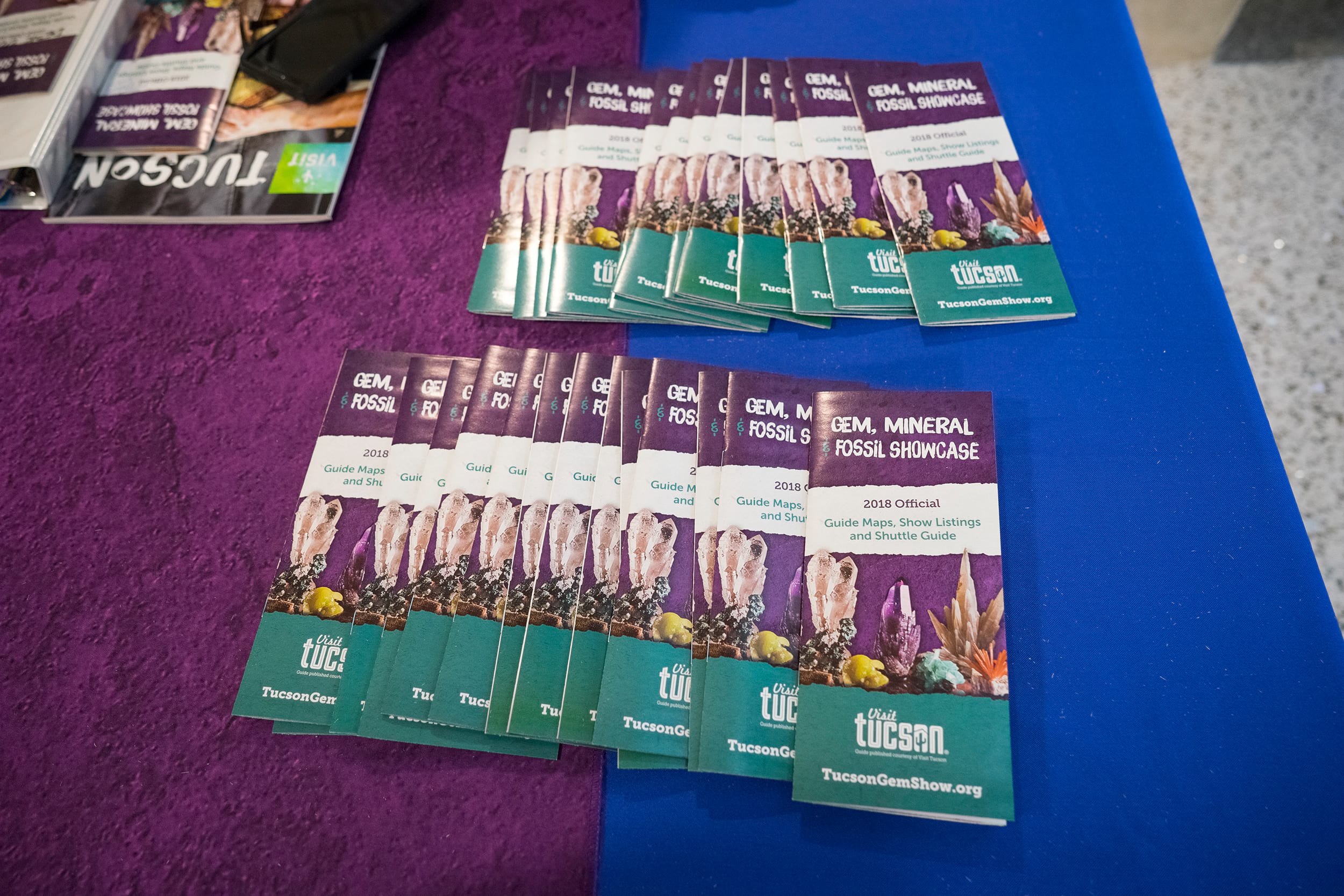
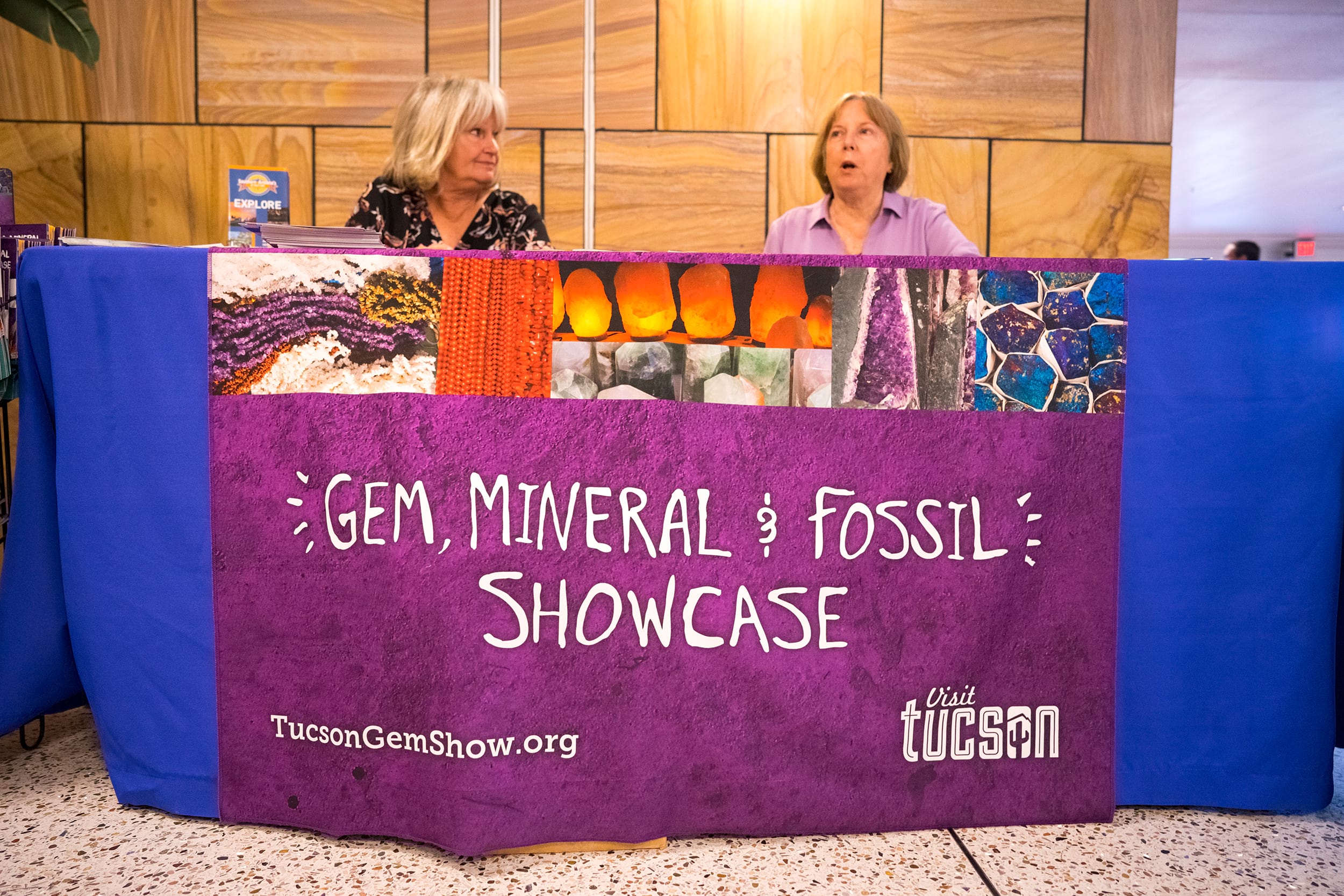
Back to the welcome banner at the airport. This wasn't here last year! Either that or I missed it last time. Either way this little booth they had setup was nice because it had show opening/closing times and shuttle location.
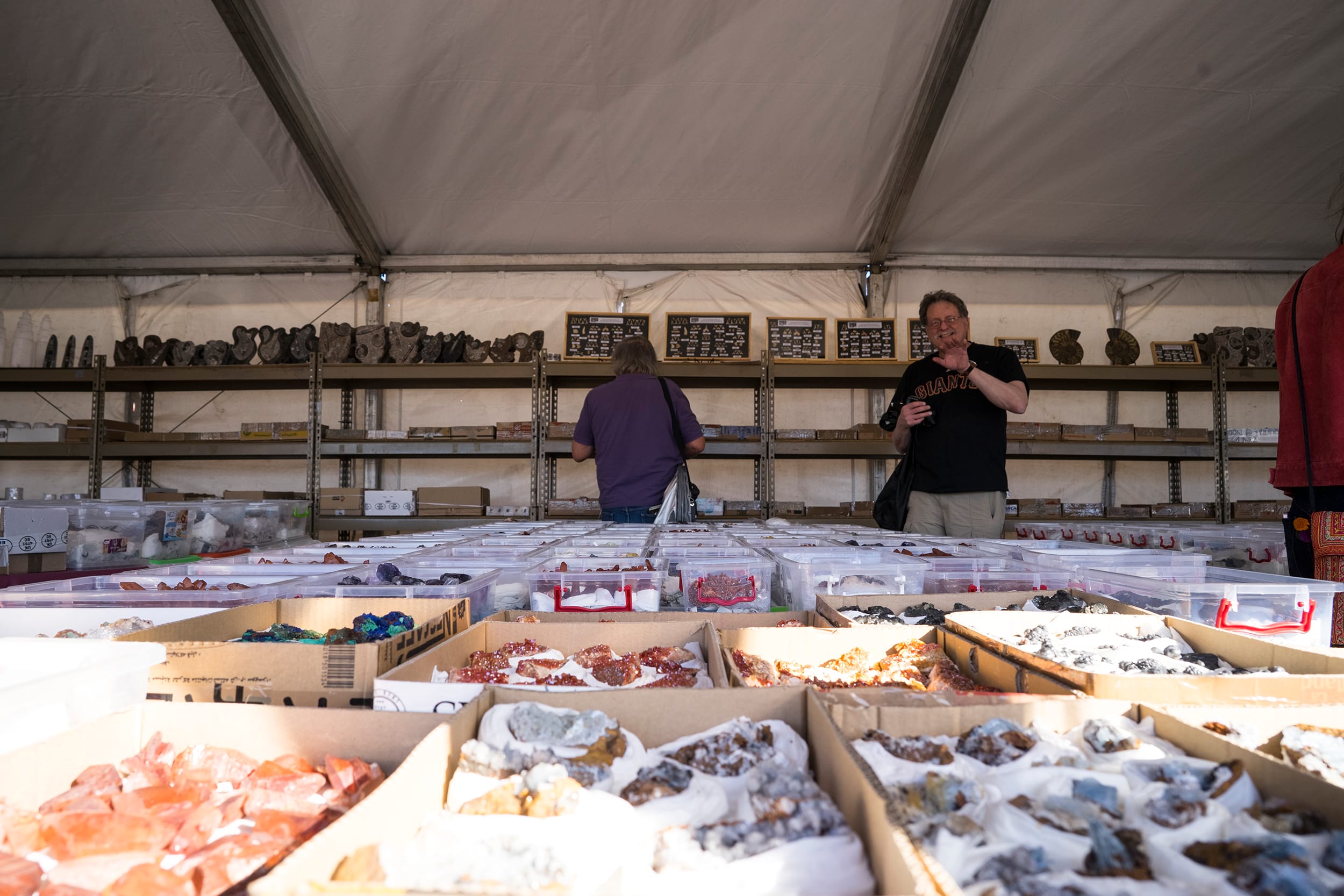
This was the start of an interesting day. The first stops we went to were Top Gem (not pictured) and then several of the Moroccan booths. We learned of a booth in Kino Sports Complex that was advertising a fluorescent party BYOL (Bring Your Own Light!) with over 50 different fluorescent species and many flats. They certainly weren't wrong but when we got there we were the only ones there! Seems like they didn't advertise it well enough or chose a bad day. They did have it on a Friday night and most people that come early tend to do so for the weekend. That danburite in the next photo was definitely the highlight of the booth for me though. A wonderful large cluster of well formed crystals and brightly fluorescent under longwave. Too bad they wanted nearly $1,000 for it though!

$890 for this beauty!
While the fluorescent party was a bit of a disappointment I did score a wonderful hemimorphite from the Ojuela Mine in Mexico. What beautiful crystals but also what an absolute pain to keep intact! So many delicate crystals!


365nm LW

265nm SW
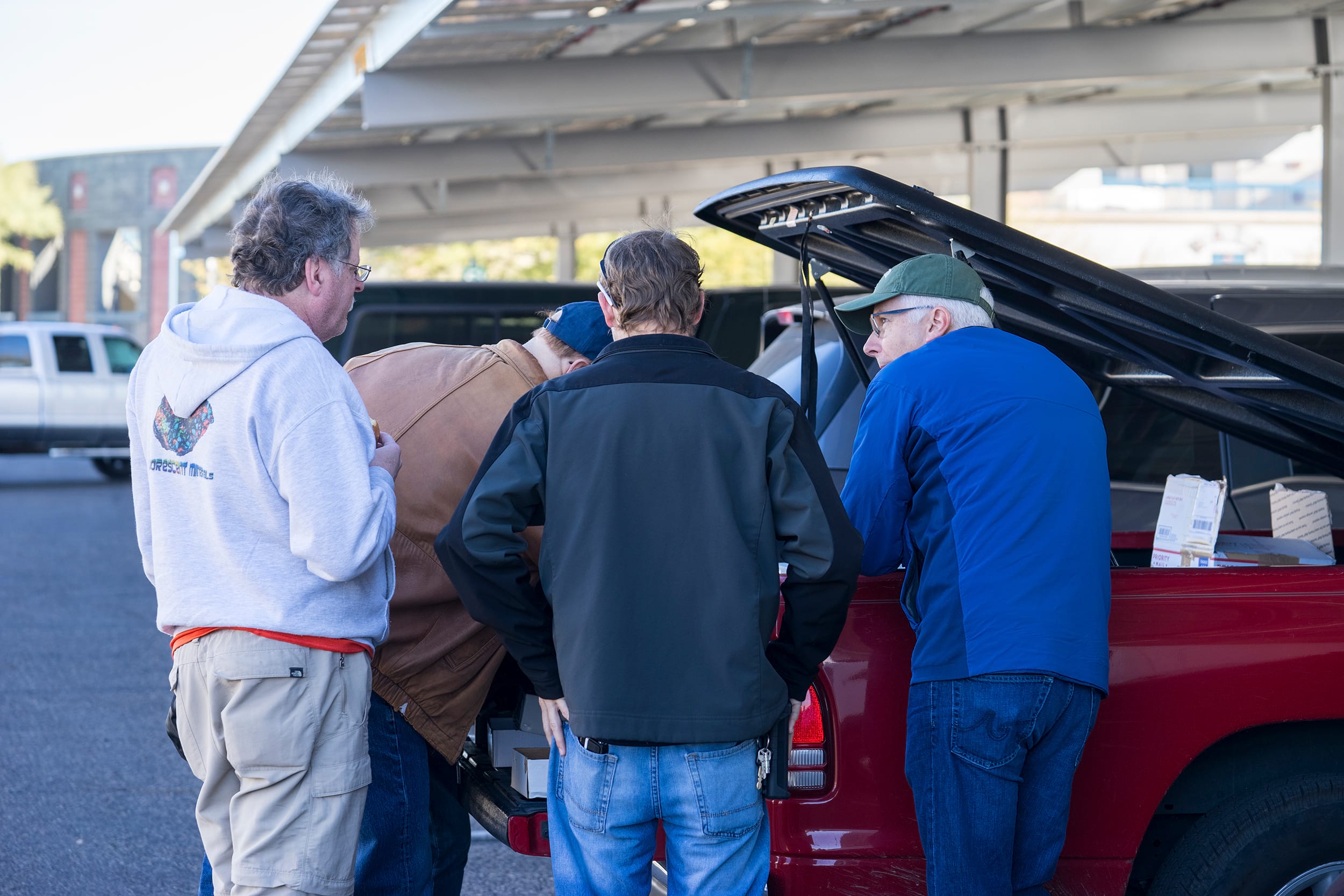
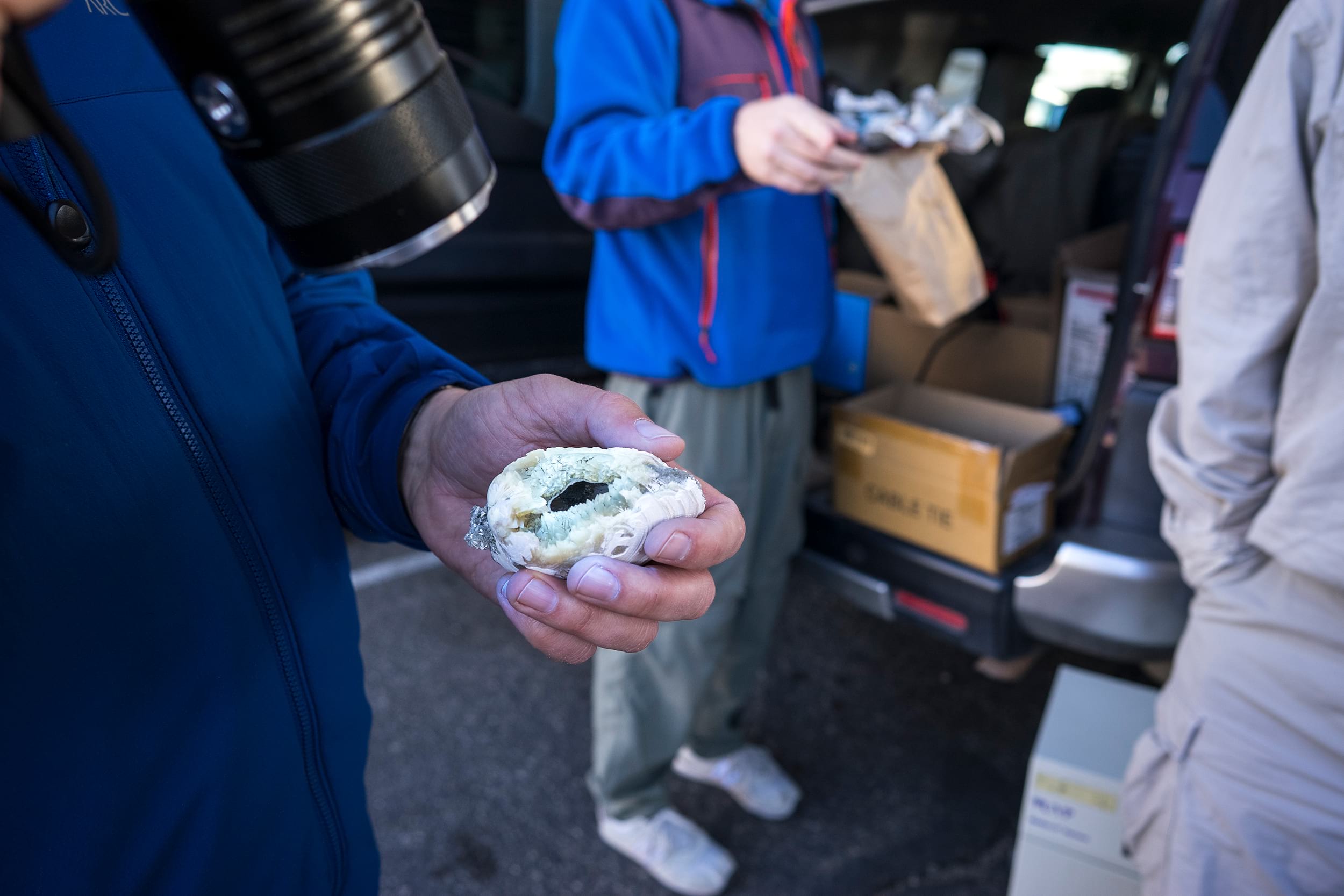
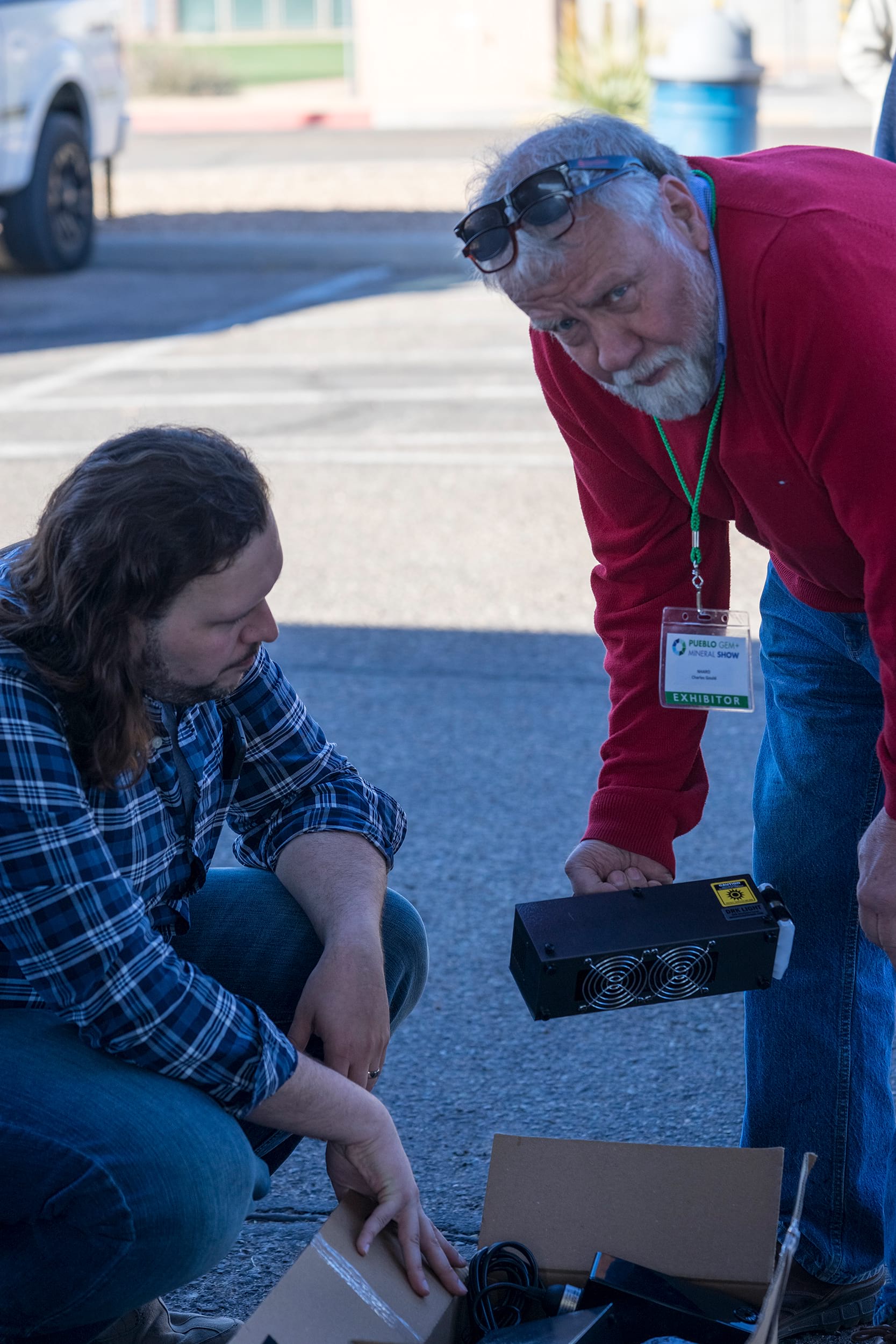
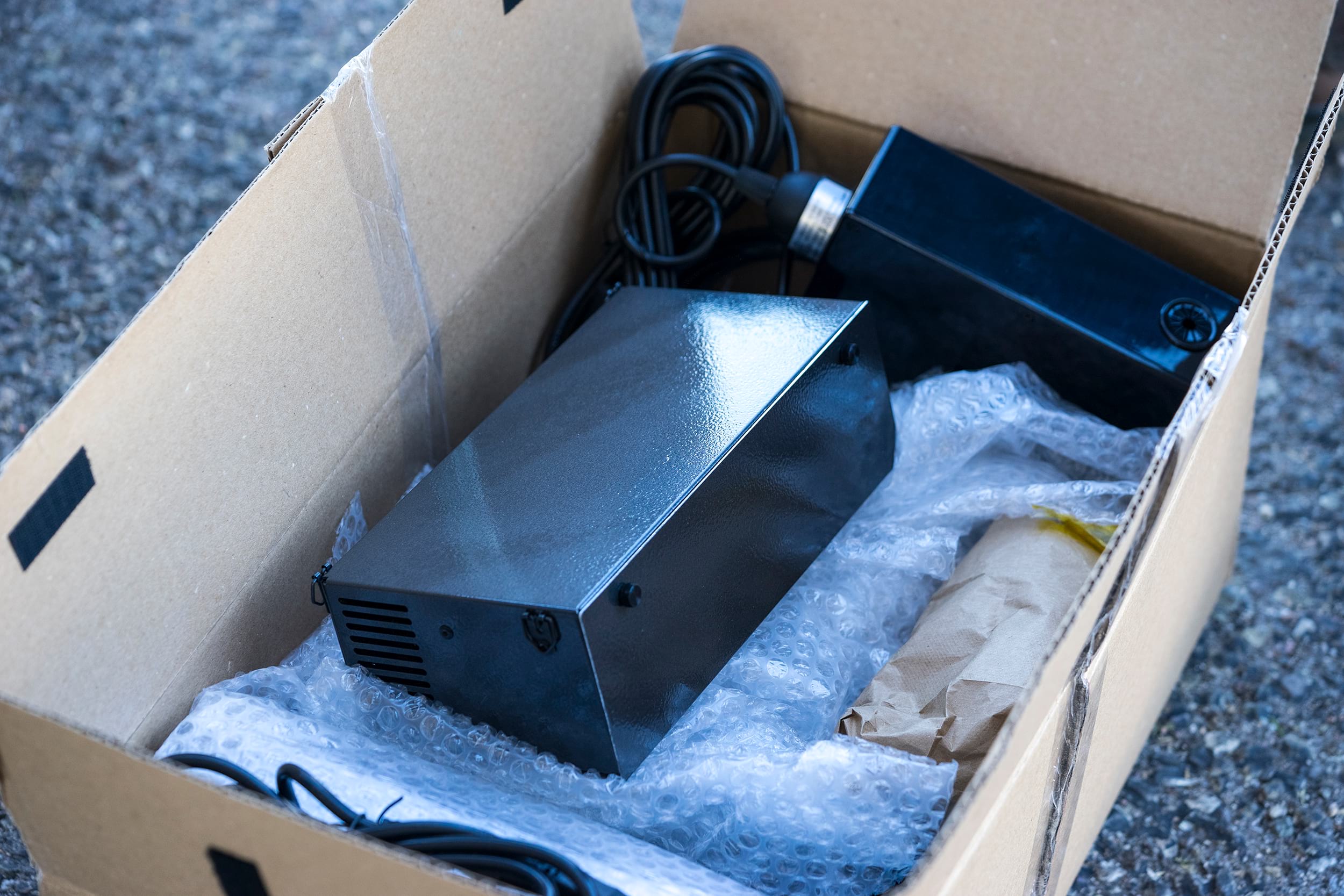
First night's dinner! Lots of familiar faces and some new ones! I'm told I missed a very long and drawn out conversation about Greenland. This was where my light got its first litmus test in the hands of other collectors. It turns out that there are some massive heat problems, primarily because these LEDs are so new. At this point, 2018, they're barely hitting the 1% efficiency mark with the leader hitting 4% - albeit at a higher, less useful wavelength for the hobby. In other words 96-99% of the energy being generated becomes heat! I hadn't noticed it because the majority of my testing was at Yosemite in December, where it was reaching 20-30F daily. One thing I did notice was that my flashlight wasn't transferring heat efficiently. It would all stay in the head without conducting to the body. Add better thermal pathing and possibly a larger heatsink to the R&D list!


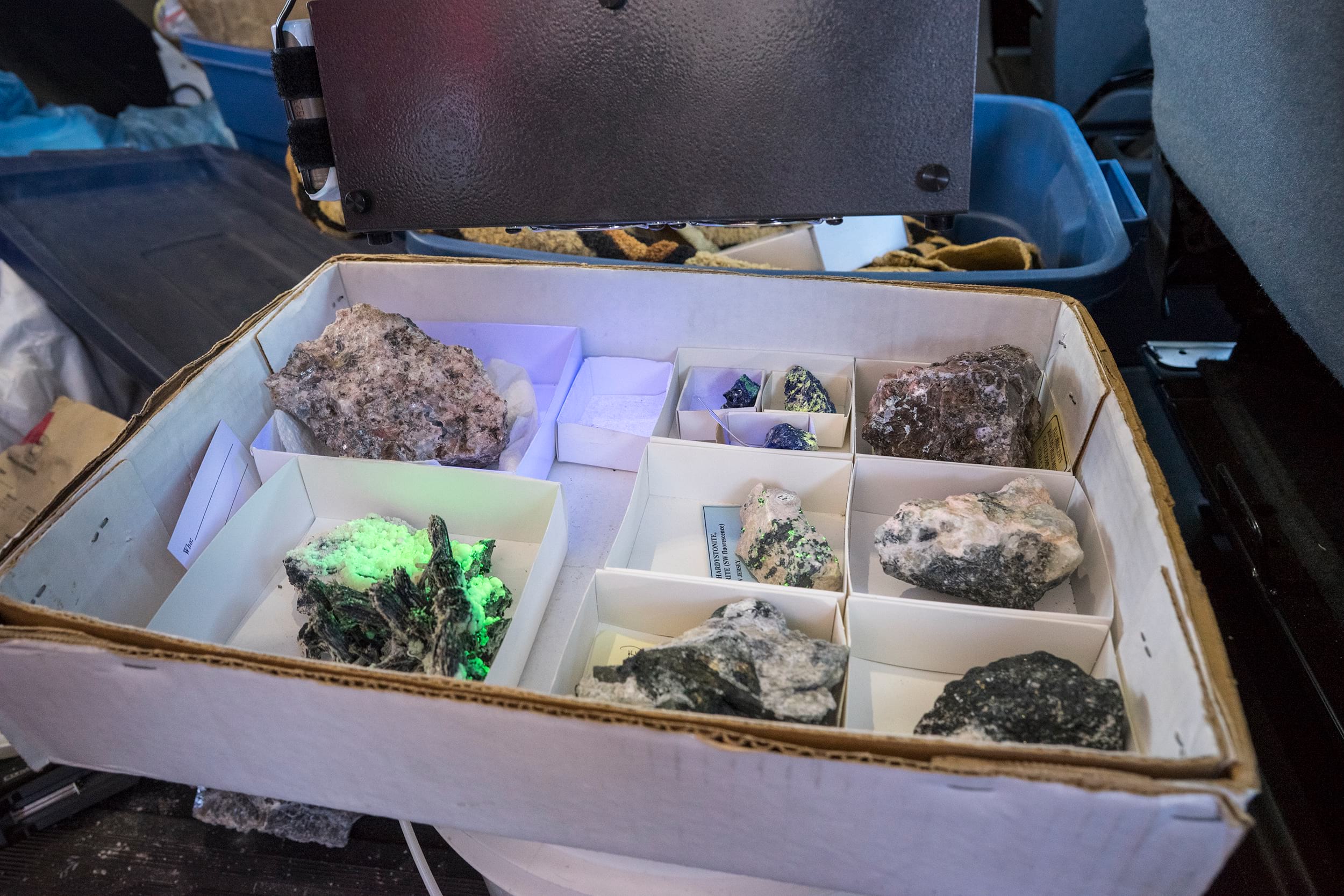
And as is tradition we show off our finds for the night. Some wonderful fluorescent minerals on display.

"It's pyromorphite. It shouldn't do anything"
- Howie Green 2018
Boy how wrong Howie was with that! When he handed a piece to me I checked it anyways. It was so easy to do with my new light. Might as well! Flashbacks to last year when I found that red fluorite because it's just a simple matter of on/off with LEDs. This led to what is easily and comfortably my second favorite purchase this year. The combination of colors combined with the wonderful crystals make it quite an aesthetic piece.

「你好煩」
trans: You're annoying
- Chinese dealer when haggling with Mark 2018

Quite interesting banded fluorite that Pat had bought. The normal purple fluorescence with the rarer red Eu3+ band

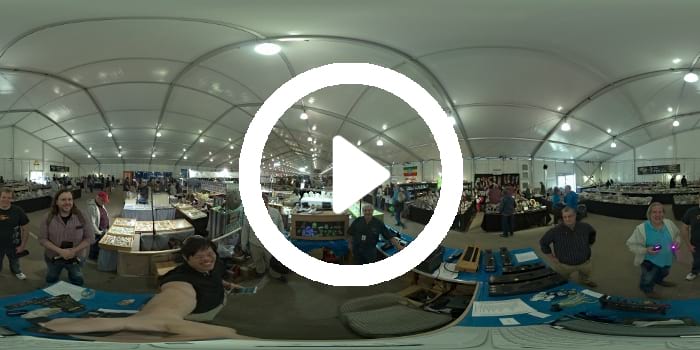
The next day started off with the 22nd street show. As always there were some wonderful fossils on display. Some cast, some real. All wonderful. As usual there are a plethora of large fossil and mineral specimens from all over the world. Germany, Morocco, Afghanistan, Pakistan, Mexico, USA. These are just some of them.
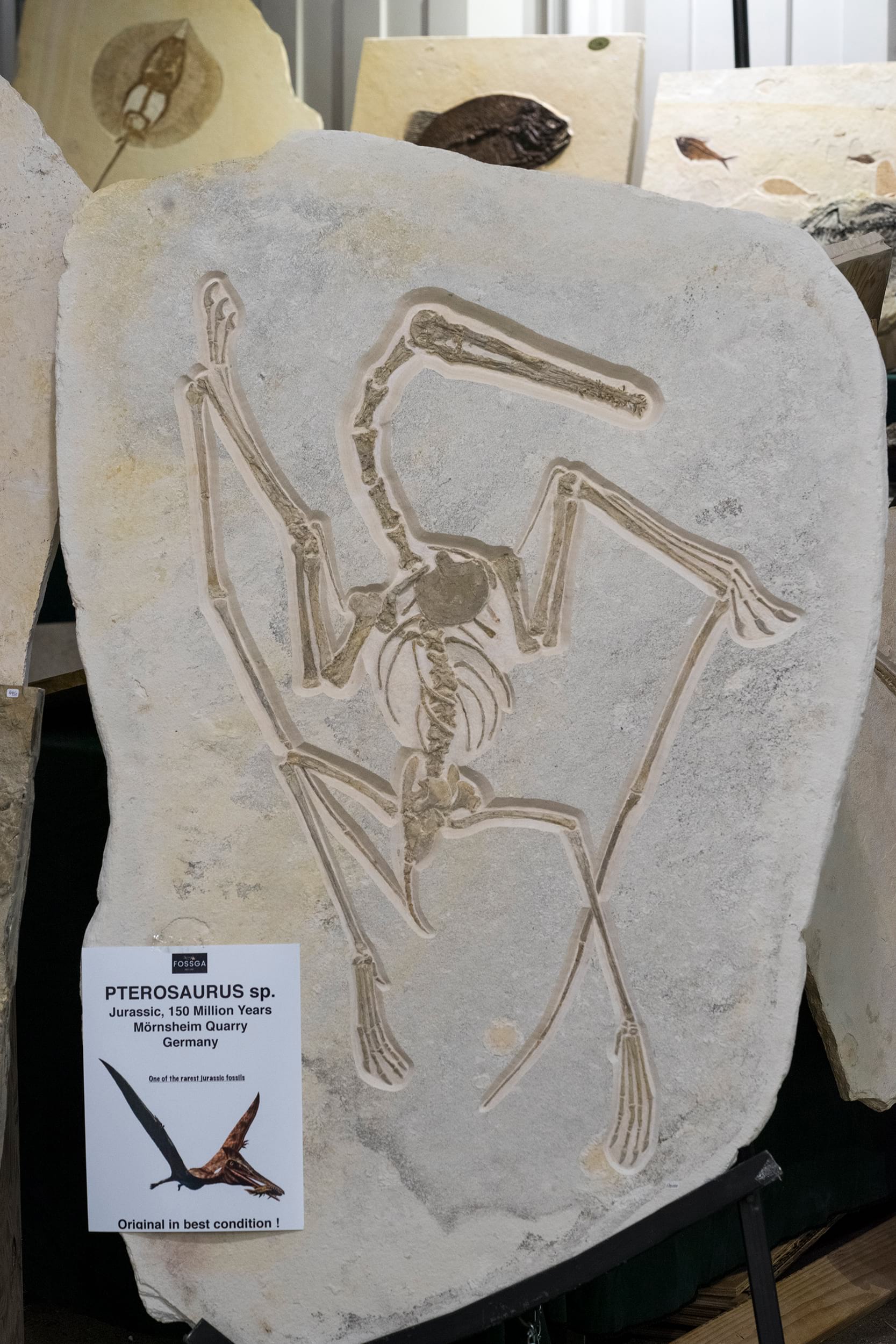
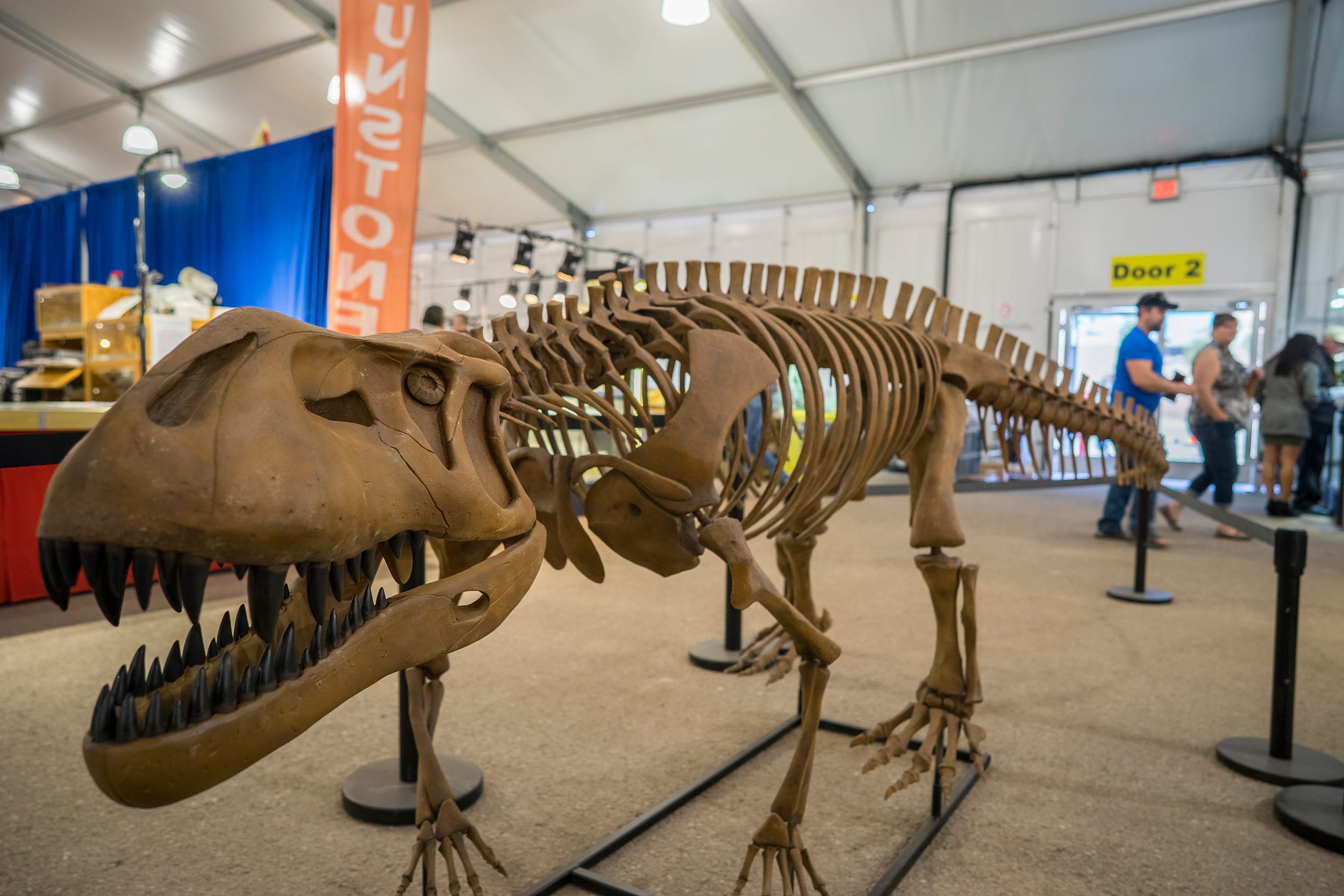
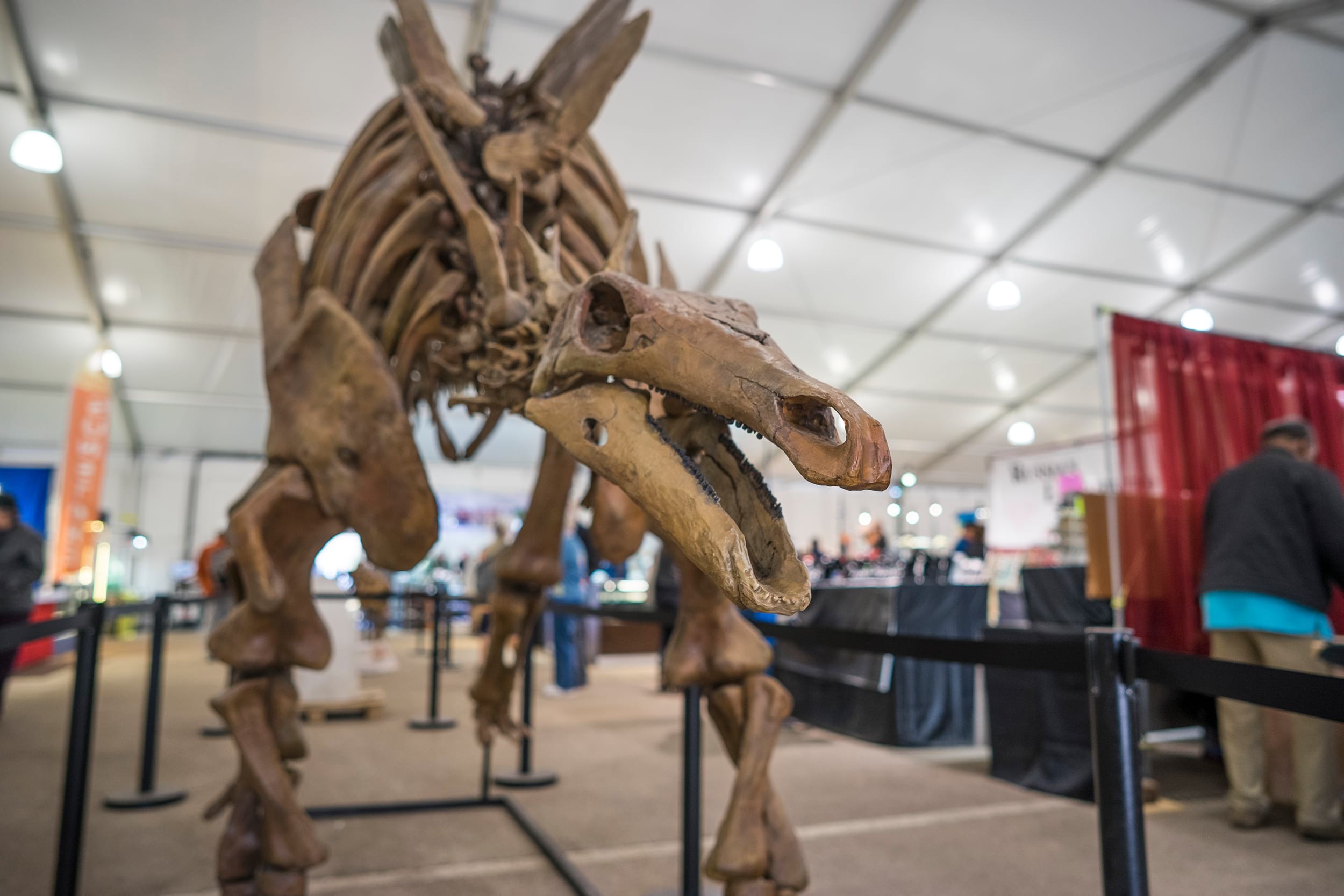
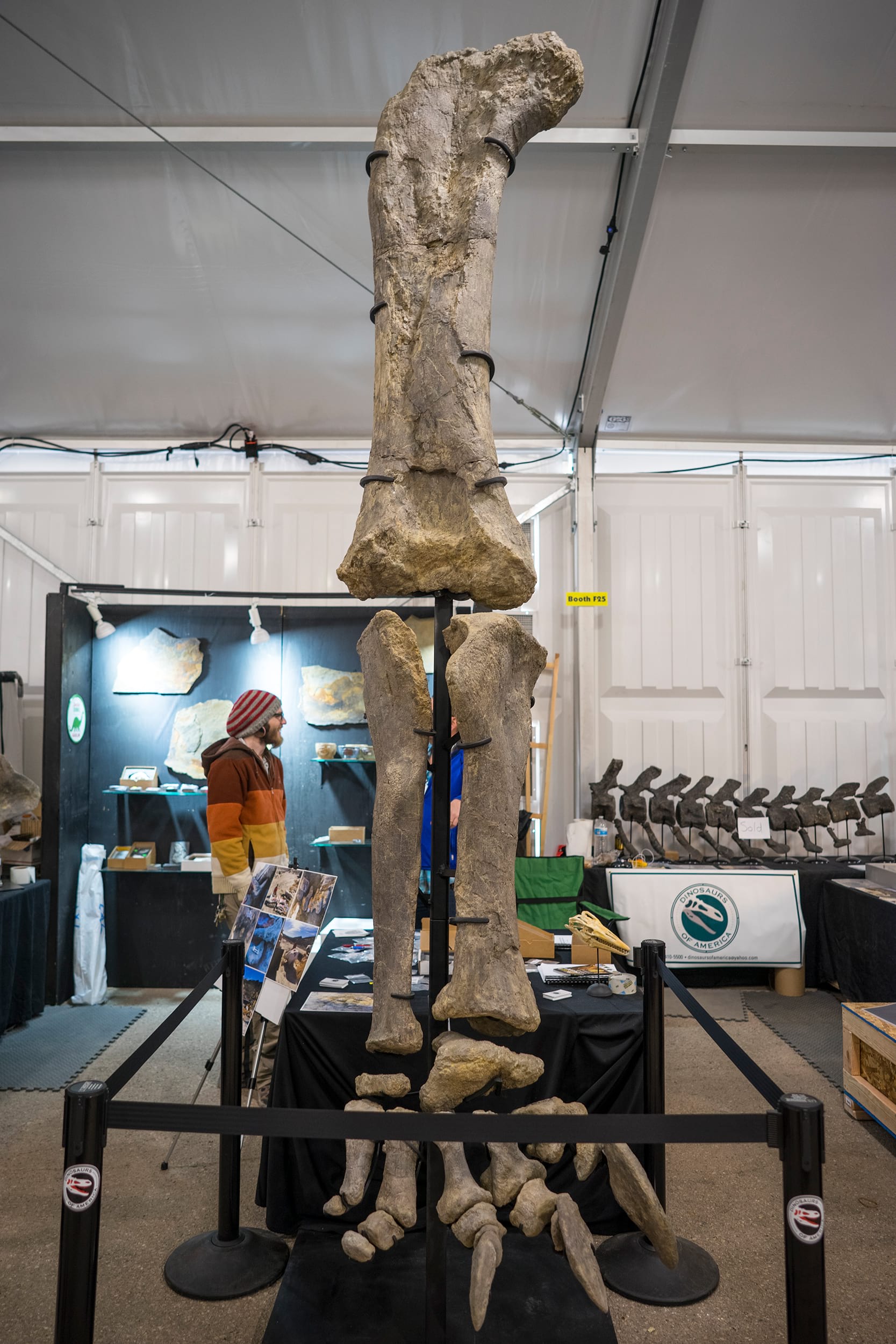
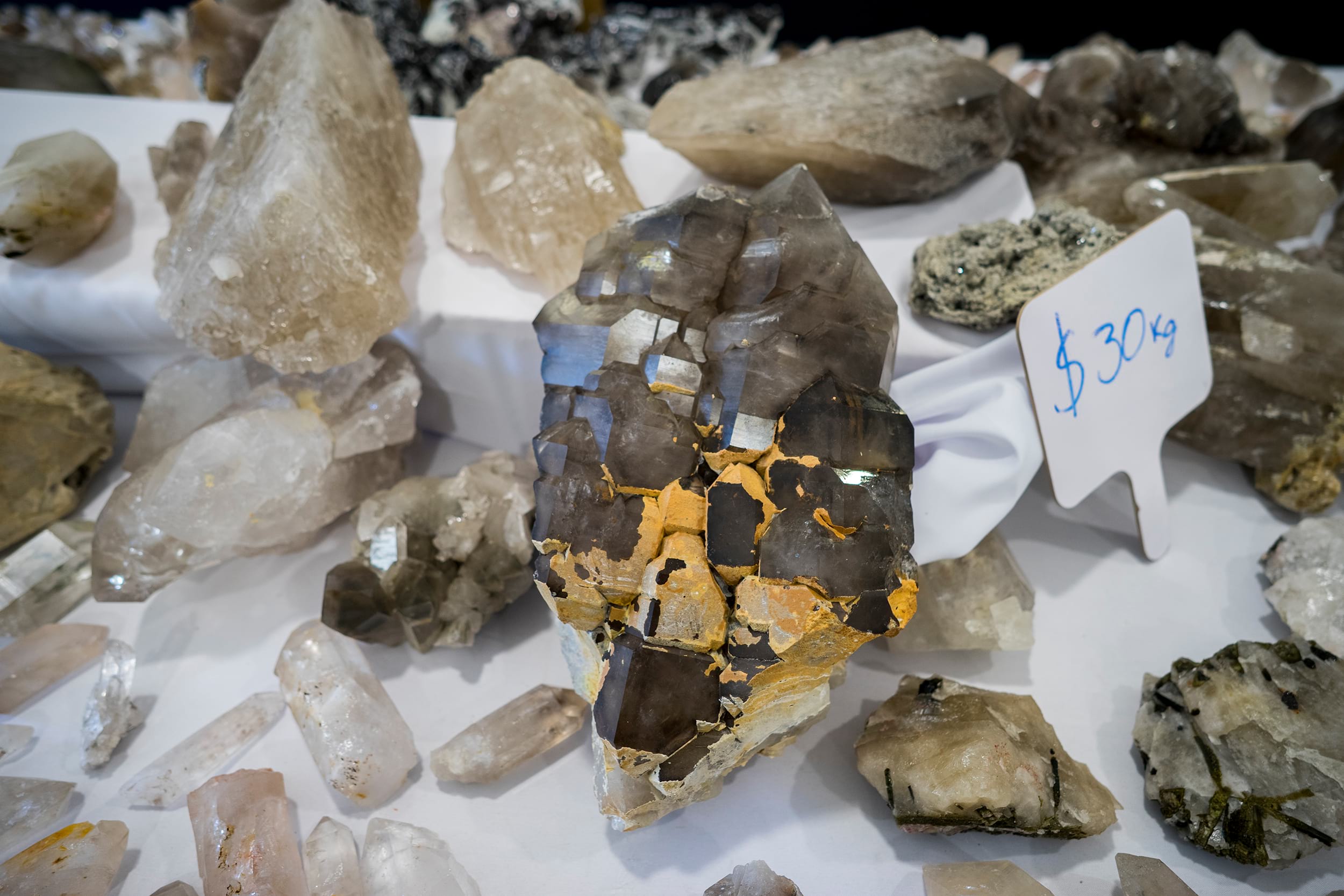


Way Too Cool, a fellow UV light maker also had a booth. This being after a very long hiatus of not going to Tucson shows. It was awesome to meet Bill Gardner and see a fluorescent mineral display. This was also the first time that I had met Rhett Peterson, another person that was making lights for the hobby.

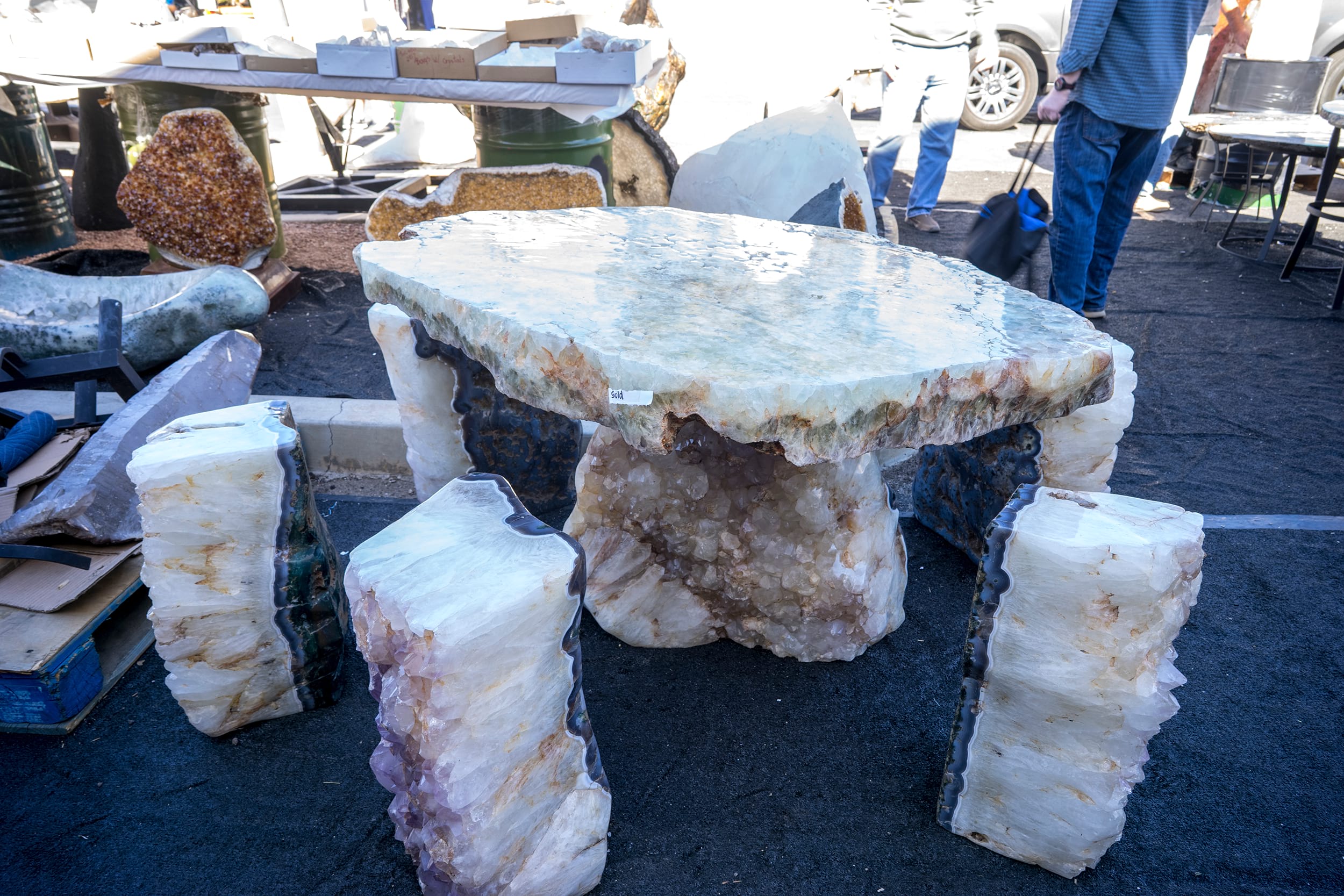
Some very interesting pieces along the way. Whoever bought that quartz tableset is going to have a very interesting conversation piece!
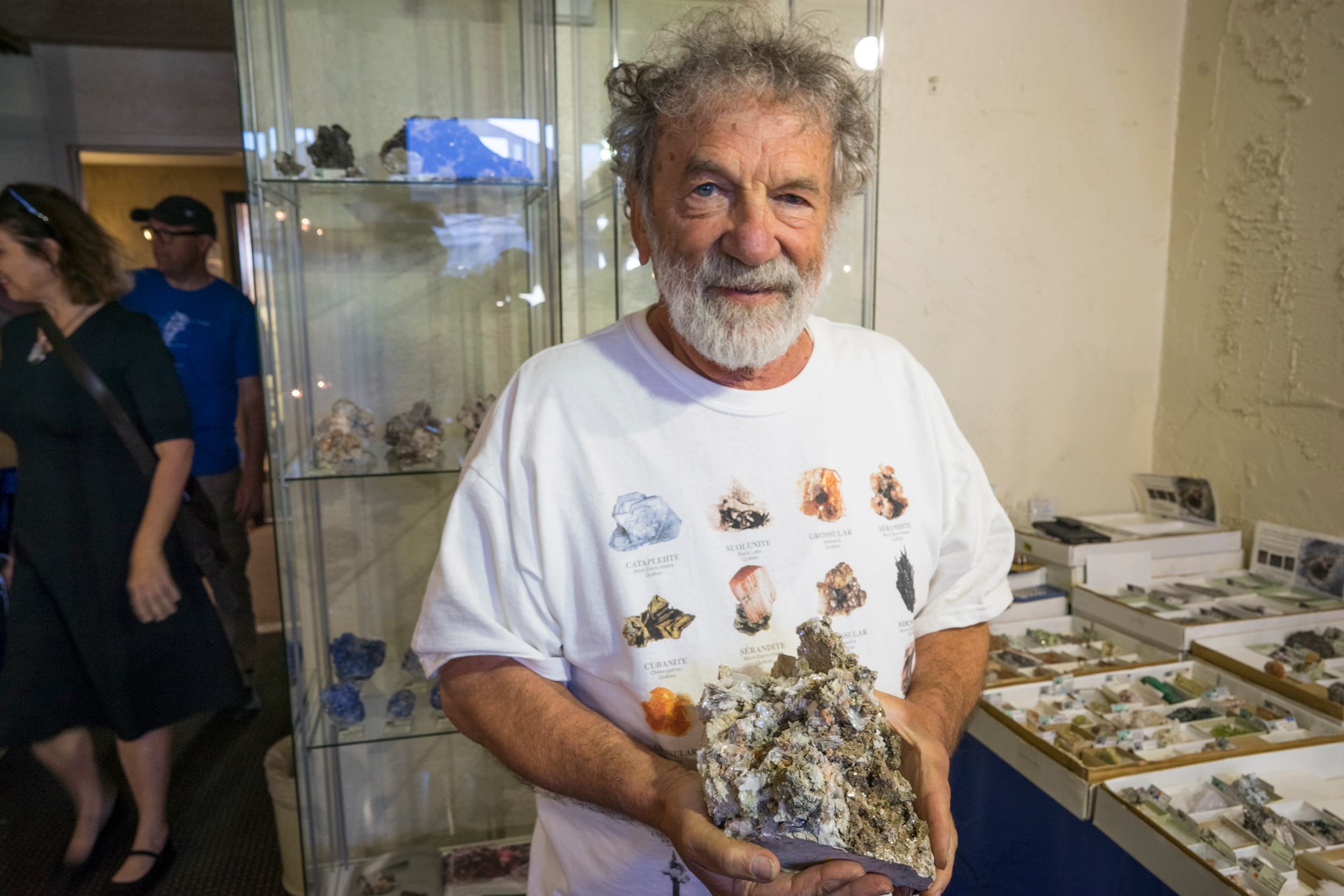

I bought a Mont Saint Hilaire piece from this gentlemen, Jonathan Levinger. He was the person that had worked the pockets in MSH and extracted many of the minerals he was selling. He even signed the book I bought from him! Admittedly I paid more than I could afford at the time but it has wonderful provenance and will be a great addition to my collection. That and he gave me a really good deal.

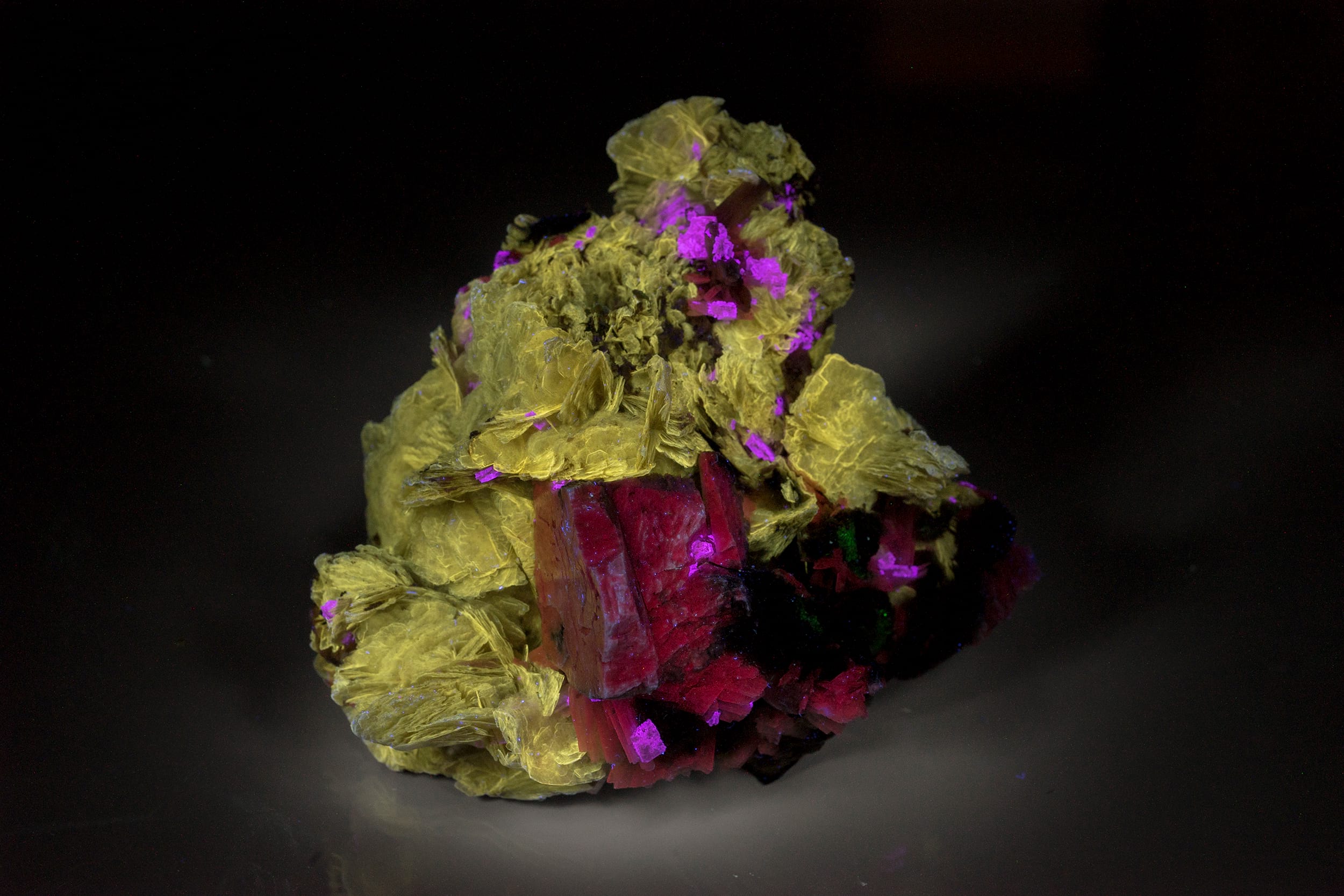
265nm SW
Off to Inn Suites! There are always world class mineral specimens here with a world class price tag. Also too bright to see fluorescence in these sorts of display unfortunately!

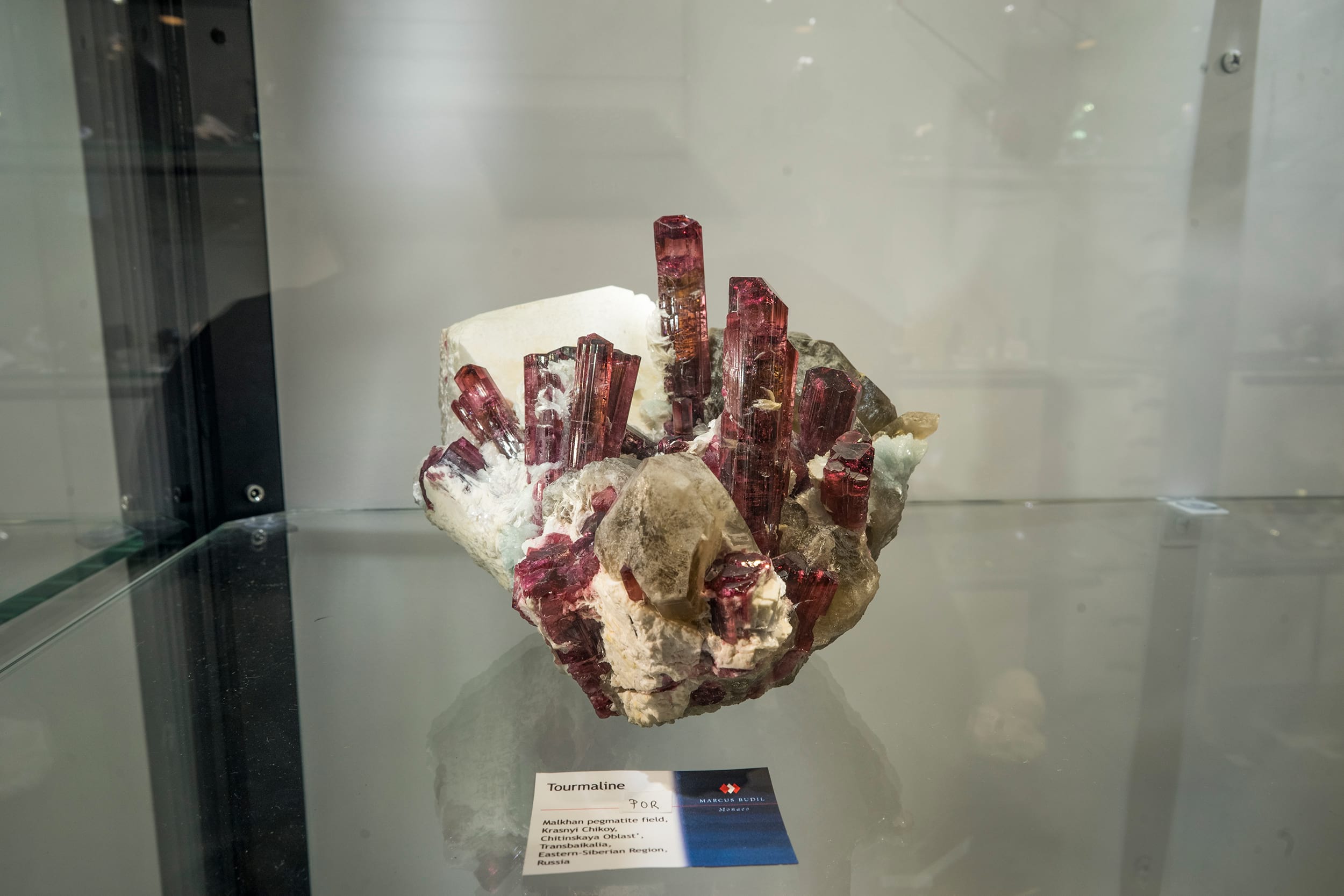
On the way
to Graham Fraser
Graham's fluorescent minerals of Australia. Almost everything he sells is self collected, sometimes from thousands of miles into the Outback!
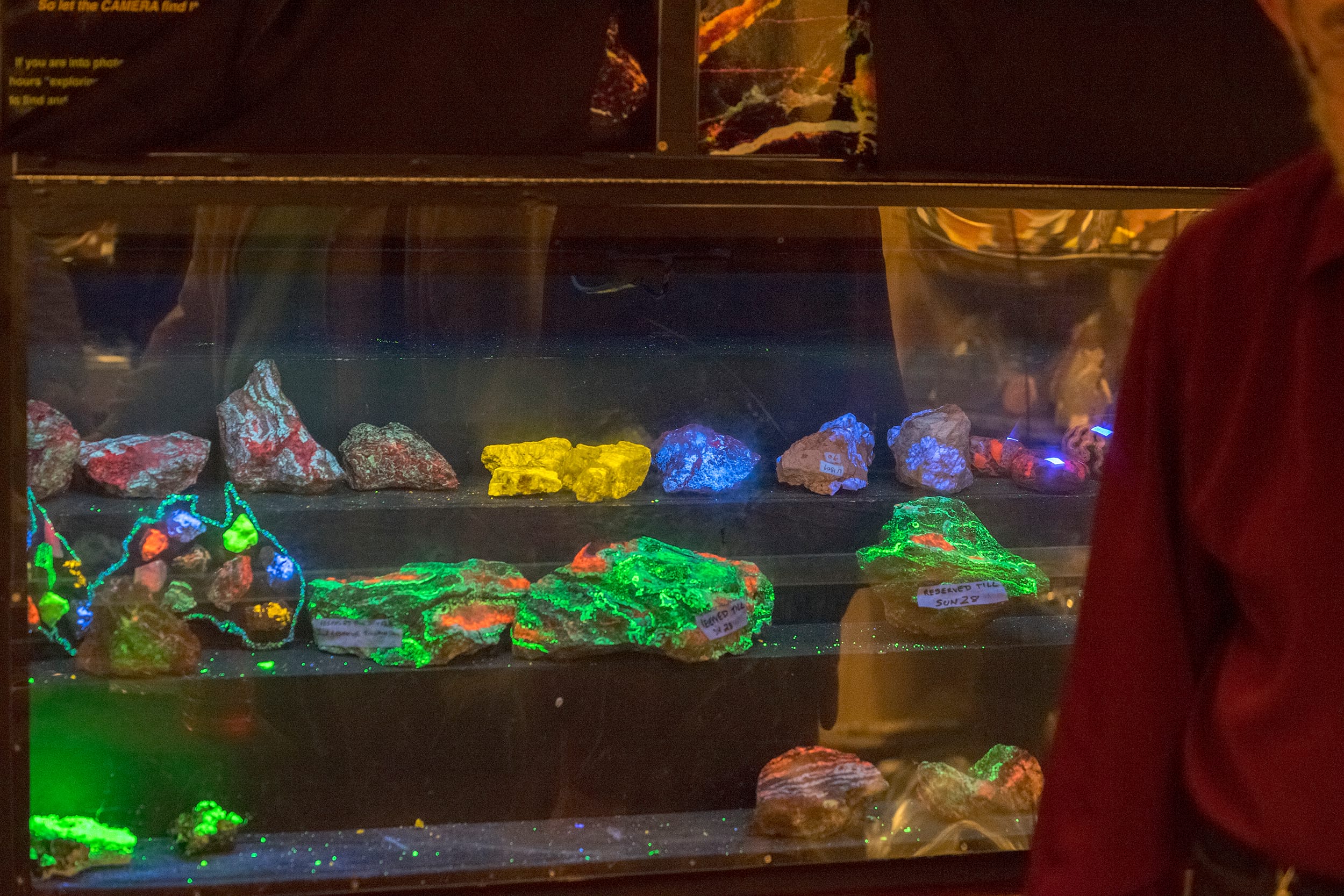

Garpenberg, Sweden material. Very pretty multi colored pieces.


A light that's seen a ton of field use!

Dinner at La Cocina

Fluorescent Mineral Society
Facebook Group Meeting
With a wonderful awe inspiring, revolutionary, dynamic, thrilling, exciting, breakthrough speech of the millenium by Fearless Leader that I missed because I couldn't find the meeting.
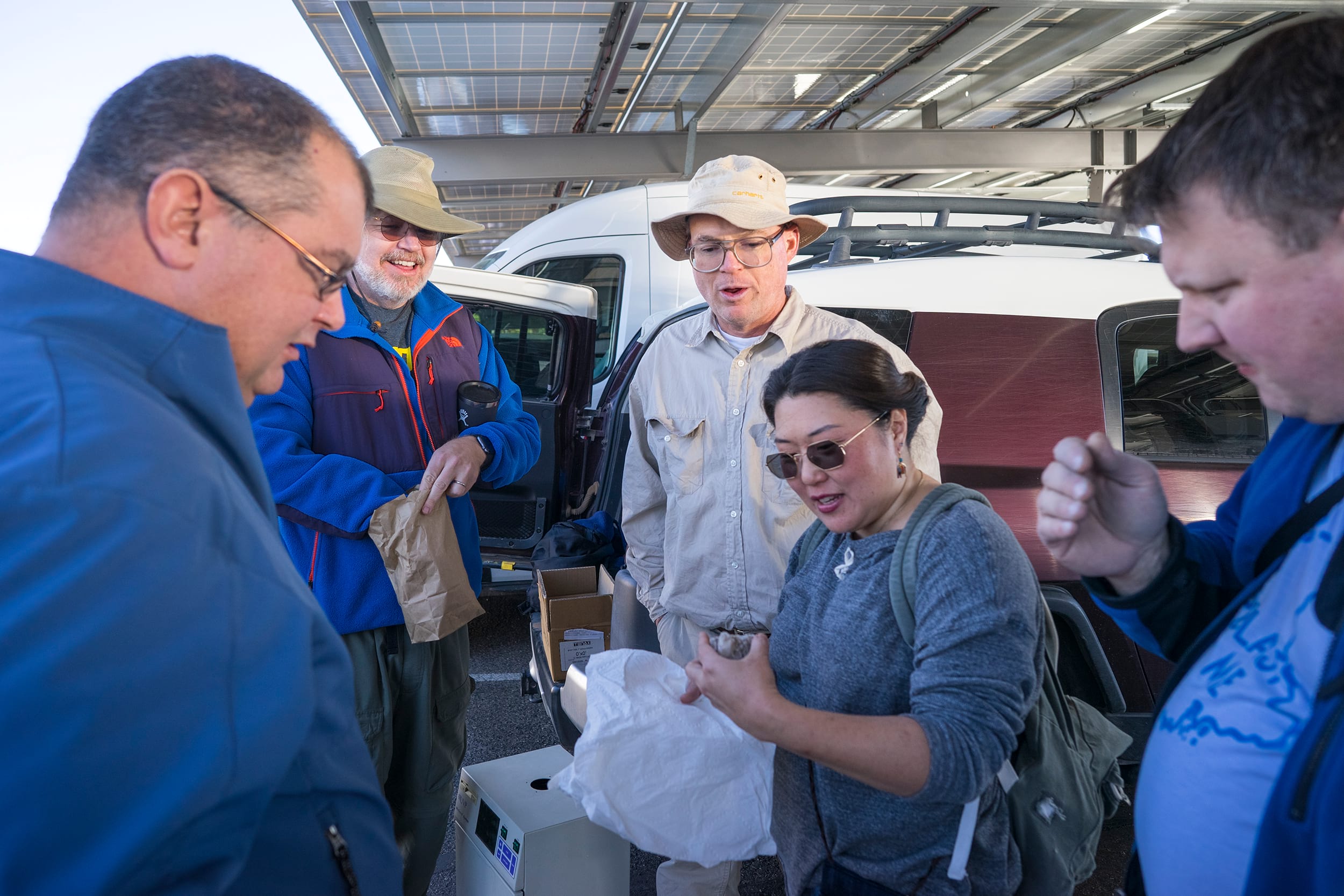
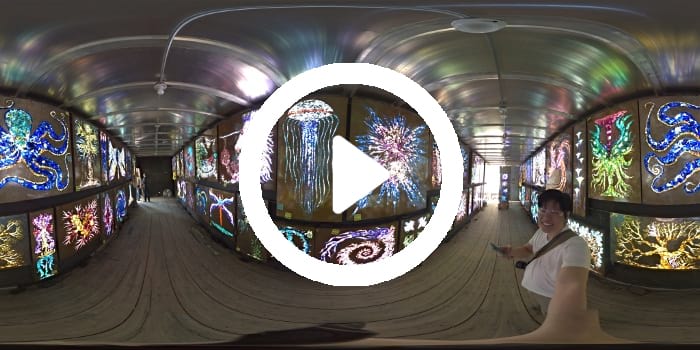
One of the booths I greatly enjoyed last year was Zee's. He makes wonderful art pieces out of raw minerals. I actually got to meet their team this year after they caught me taking some 360s. He and his team were glad to take a 360 with me! Wonderful artwork and great people. I'd love to own a piece someday https://www.zeesminerals.org/
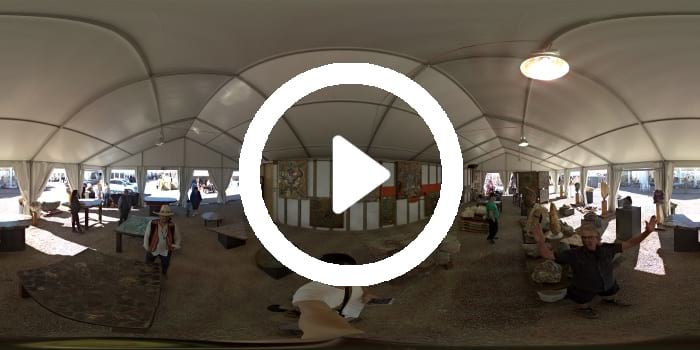
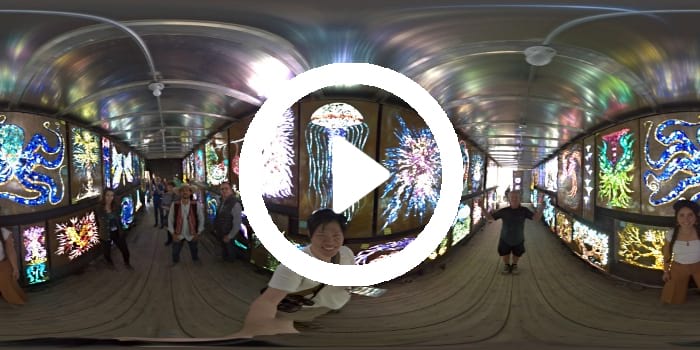

Wonderful amethyst cathedral!

A fellow FMS member at the Miner's Co-Op
This was my first year at the Miner's Co-Op show and I love the idea of it. Miners selling the minerals that they themselves collected and cutting out the dealer middleman. Everyone wins! Now it just needs to get a lot bigger. I bought a wonderful danburite from Mexico here. The miner had collected it about 4 years ago.


365nm LW

One of my favorite photos from the day. Definitely the face of an experienced miner. I believe that amazonite, smoky quartz combo was sold for $38,000

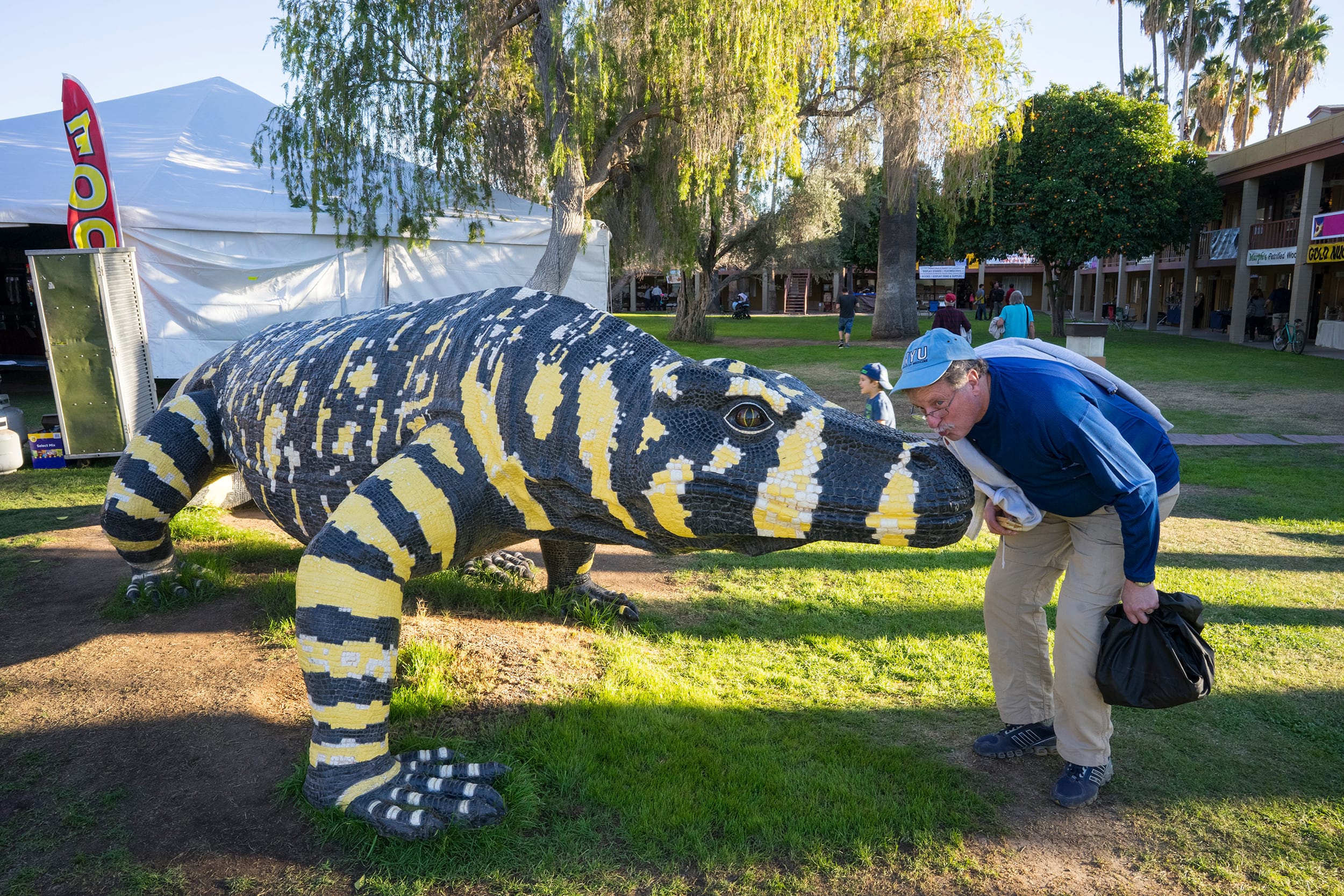
One of the favorite buying locales of fossil collectors is Ramada Inn. They've got an incredible selection of dealers peddling almost anything I could imagine. I even saw some from places I had wanted to collect in the past, namely Bakersfield. The spot welded stegosaurus photo above was taken there. They've also got several mineral dealers. In fact, this is where I purchased my favorite crystal by a country mile! A wonderfully formed large fluorite octahedron from Inner Mongolia. I've got a full photoshoot coming up in a later post but here's the main attraction. Wonderful red calcite, white barite, and incredibly bright purple inclusions inside of the octahedron under 365nm longwave. Under 265nm SW the octahedrons turn a ghostly green-white and the real stars shine. Multiple bright fluorescent inclusions of pinkish red and yellow!

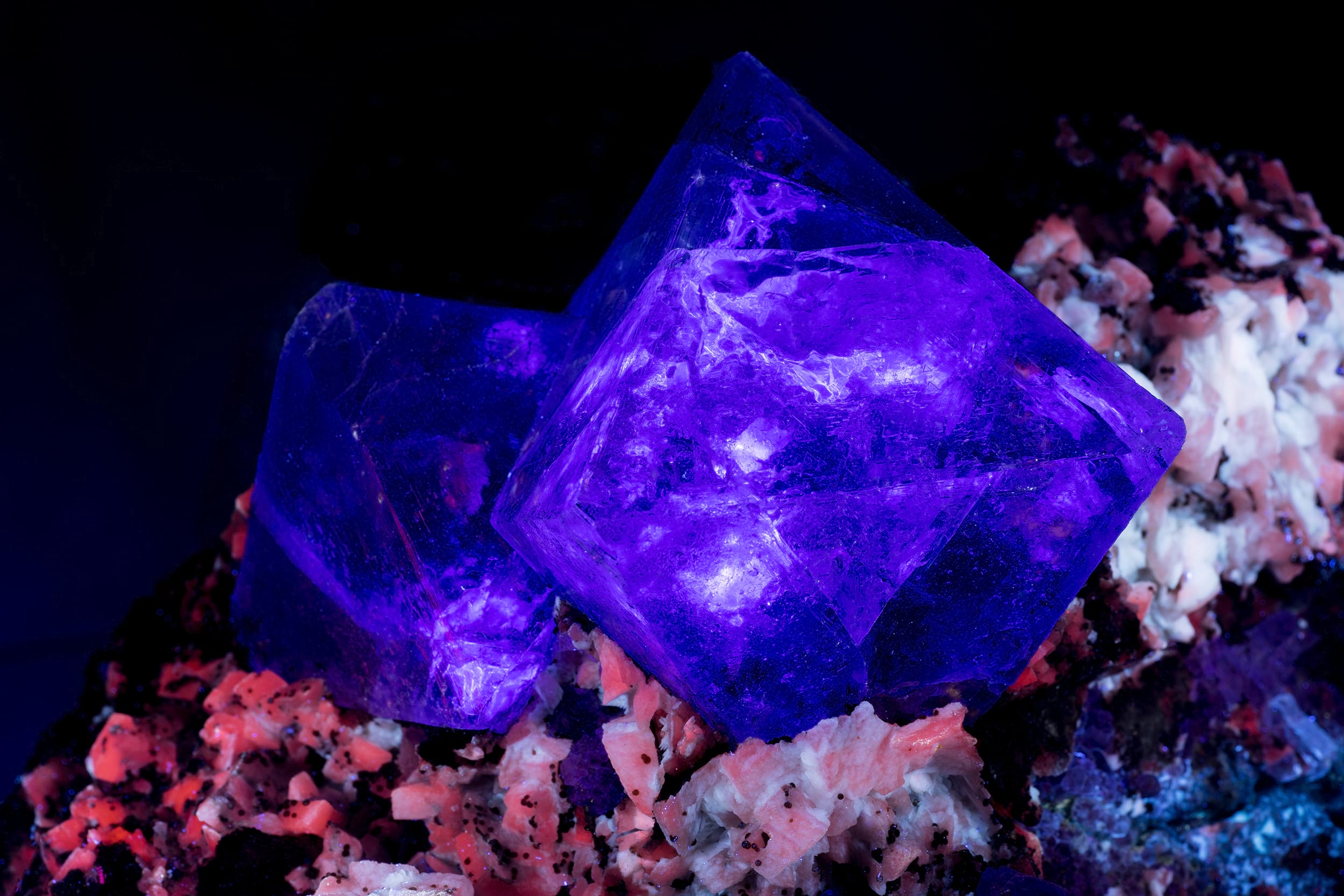
365nm LW

265nm SW
And also a Pakistani zircon that I purchased. It's not a great crystal but I recognize that crystals of this size and species are rare. The price was also much cheaper than if I were to buy it online so it was somewhat of an impulse purchase.

265nm SW

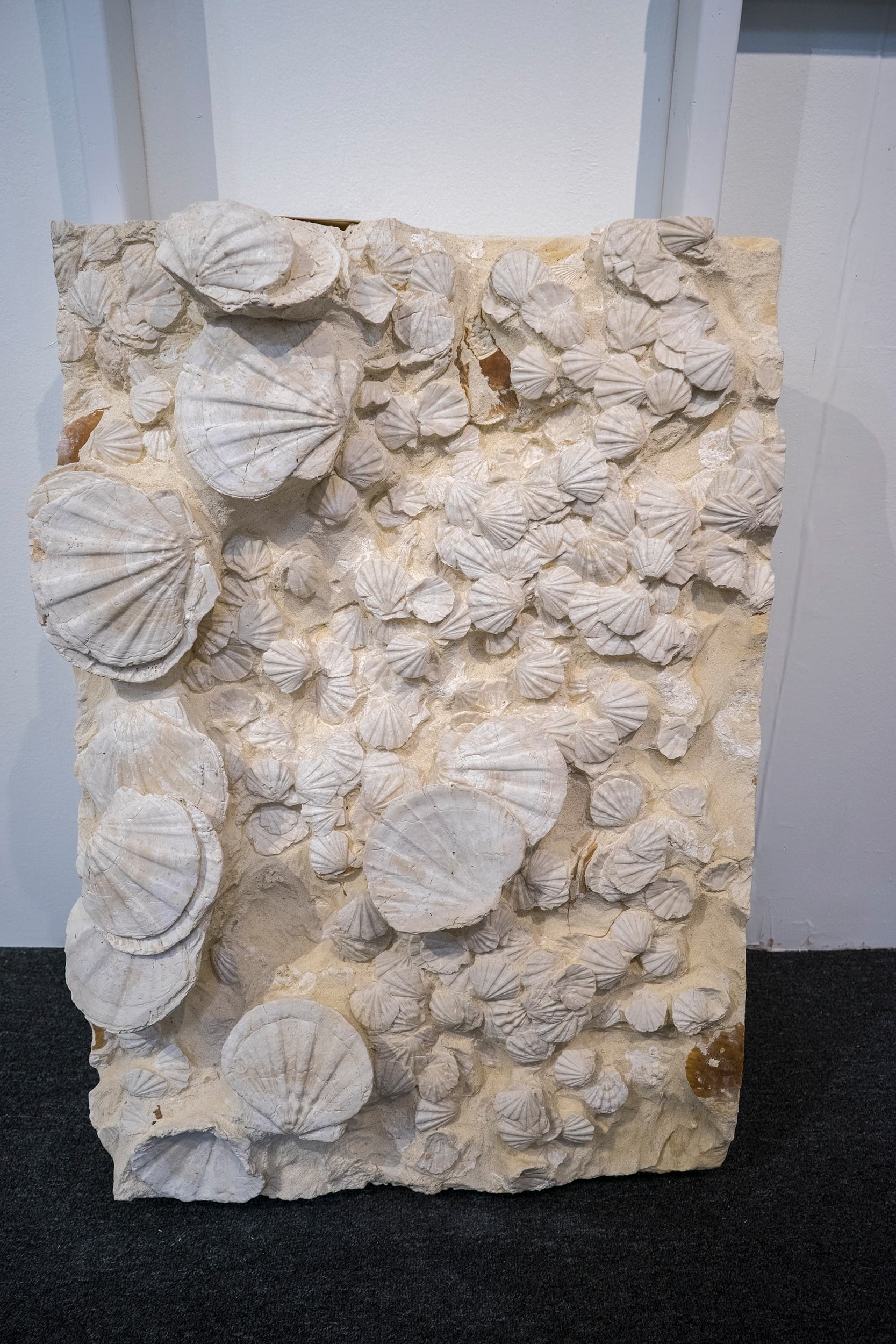
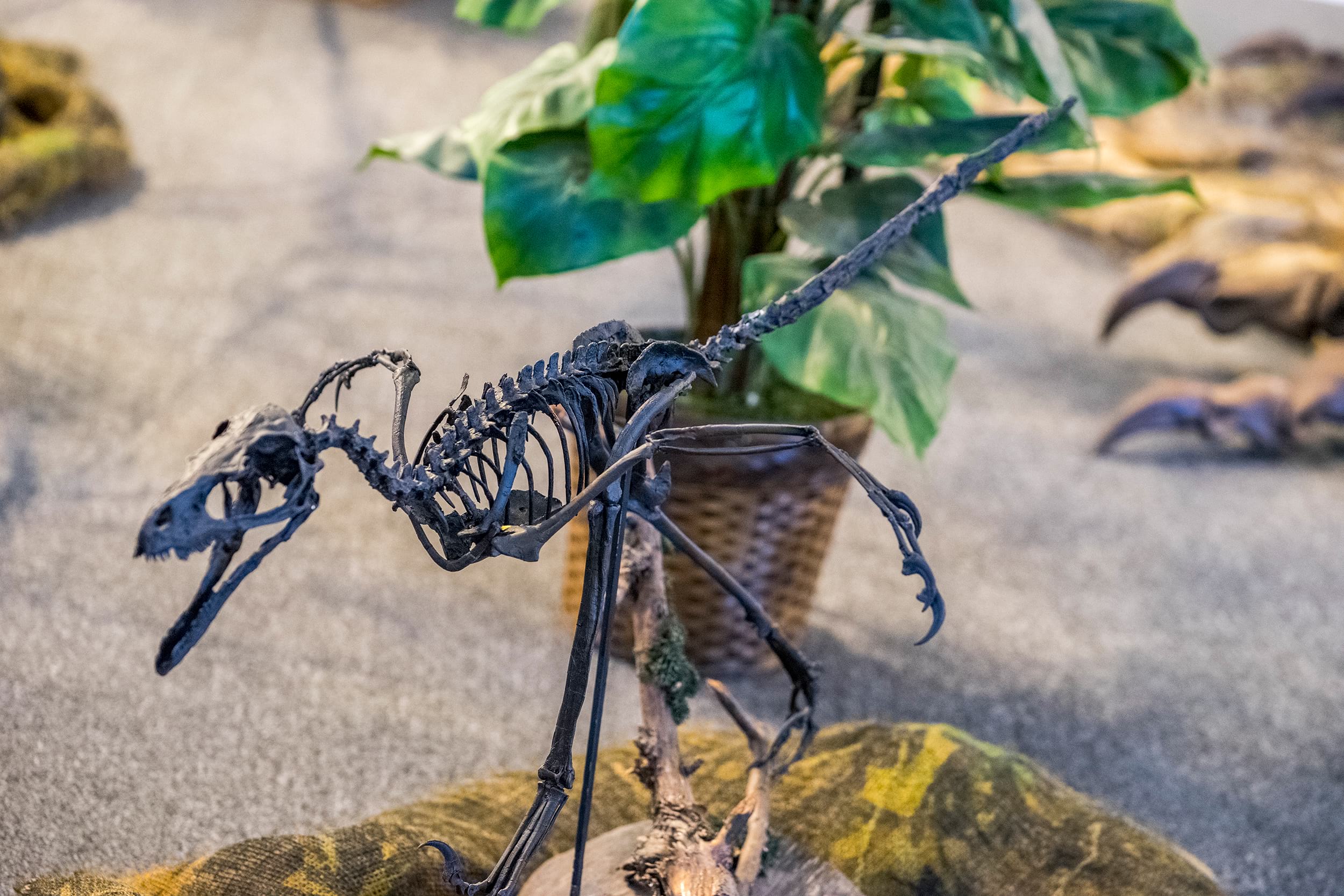
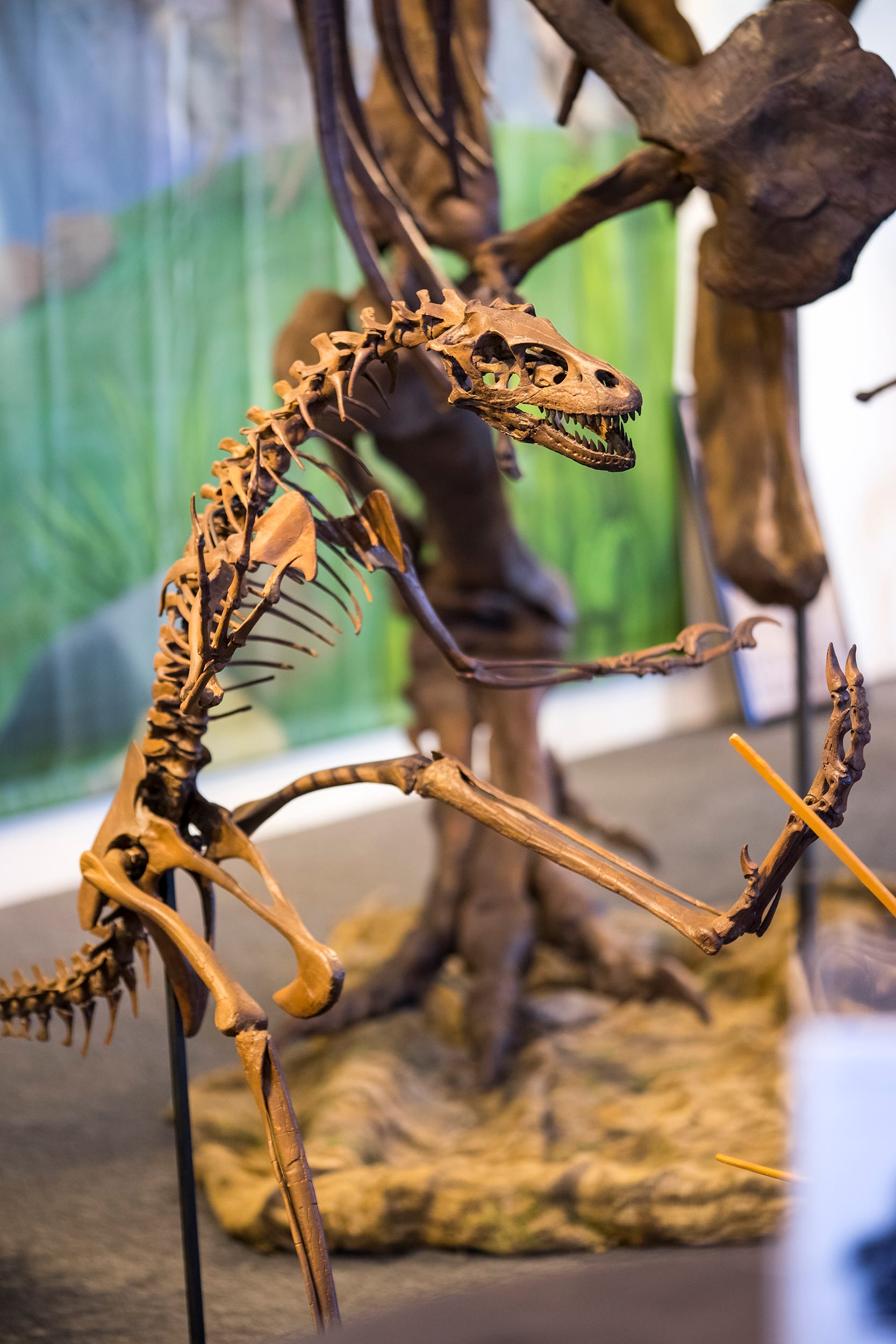
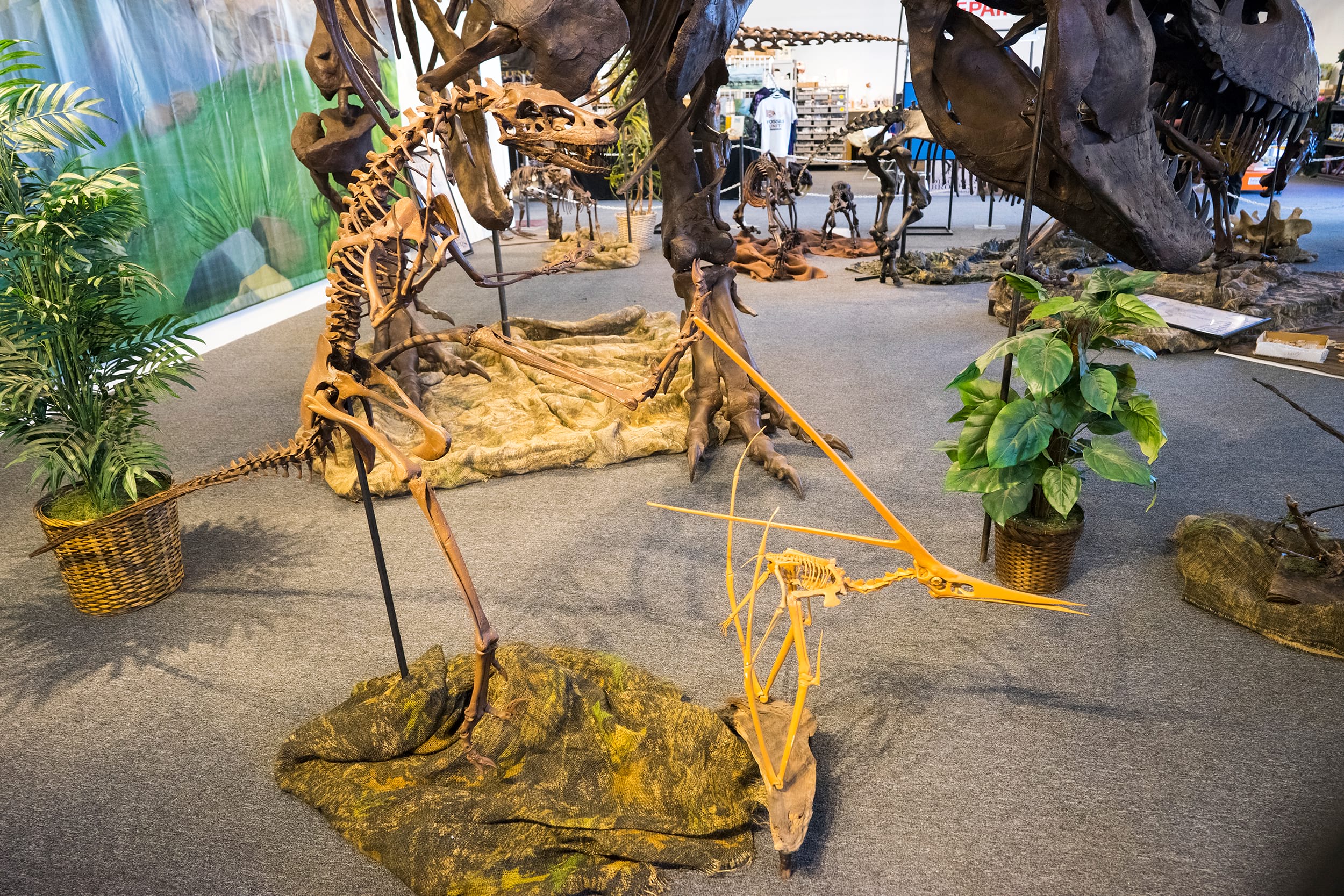
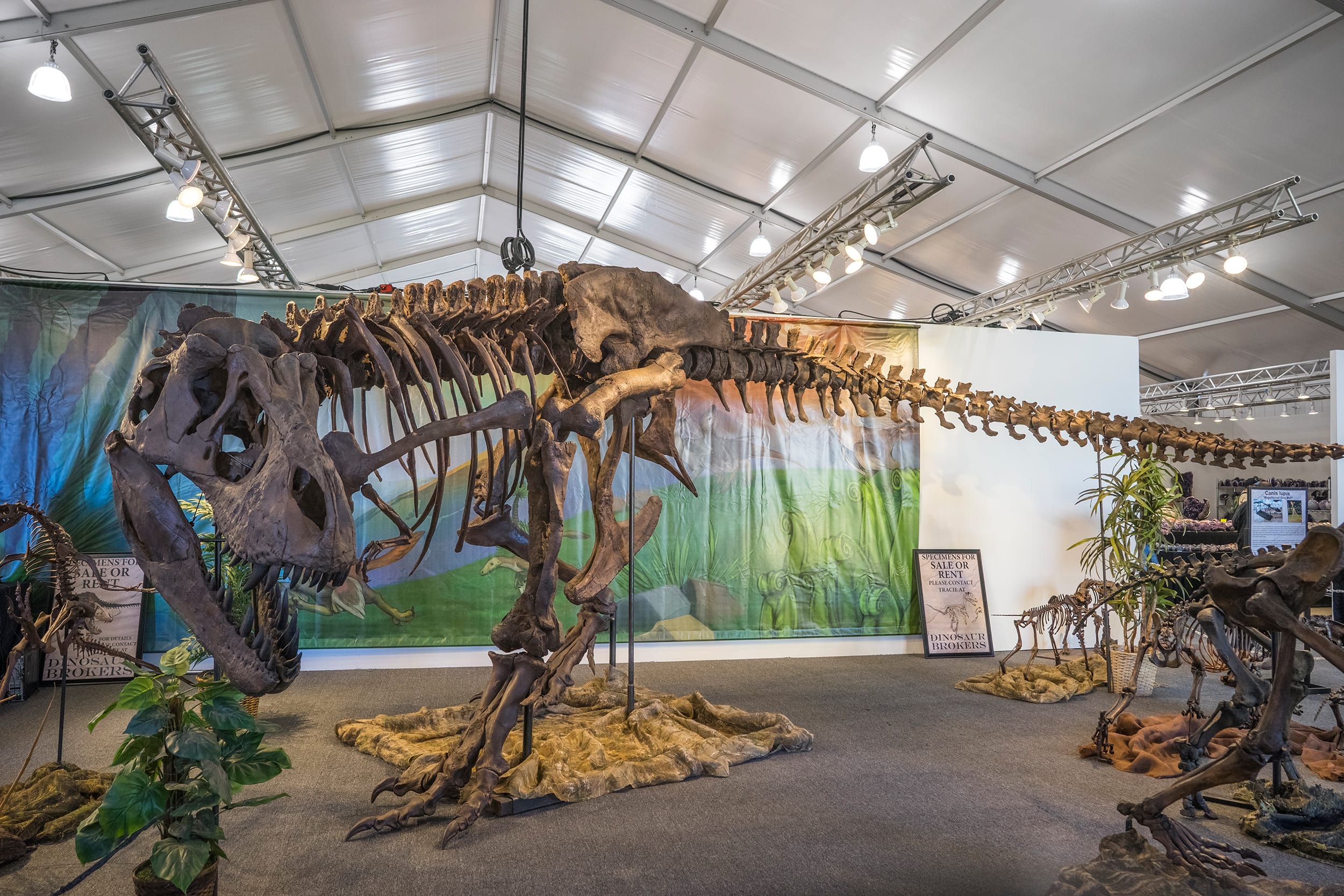
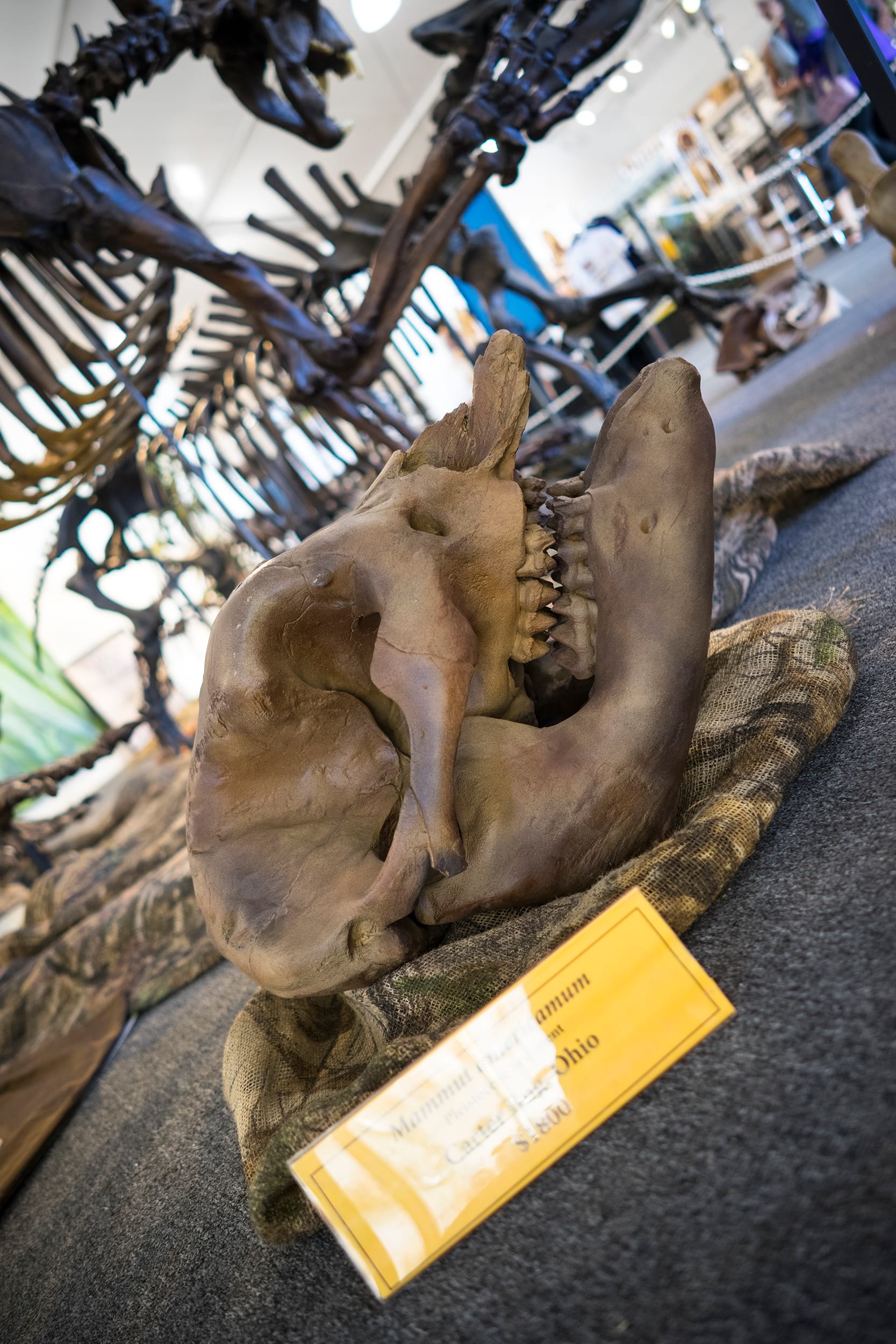
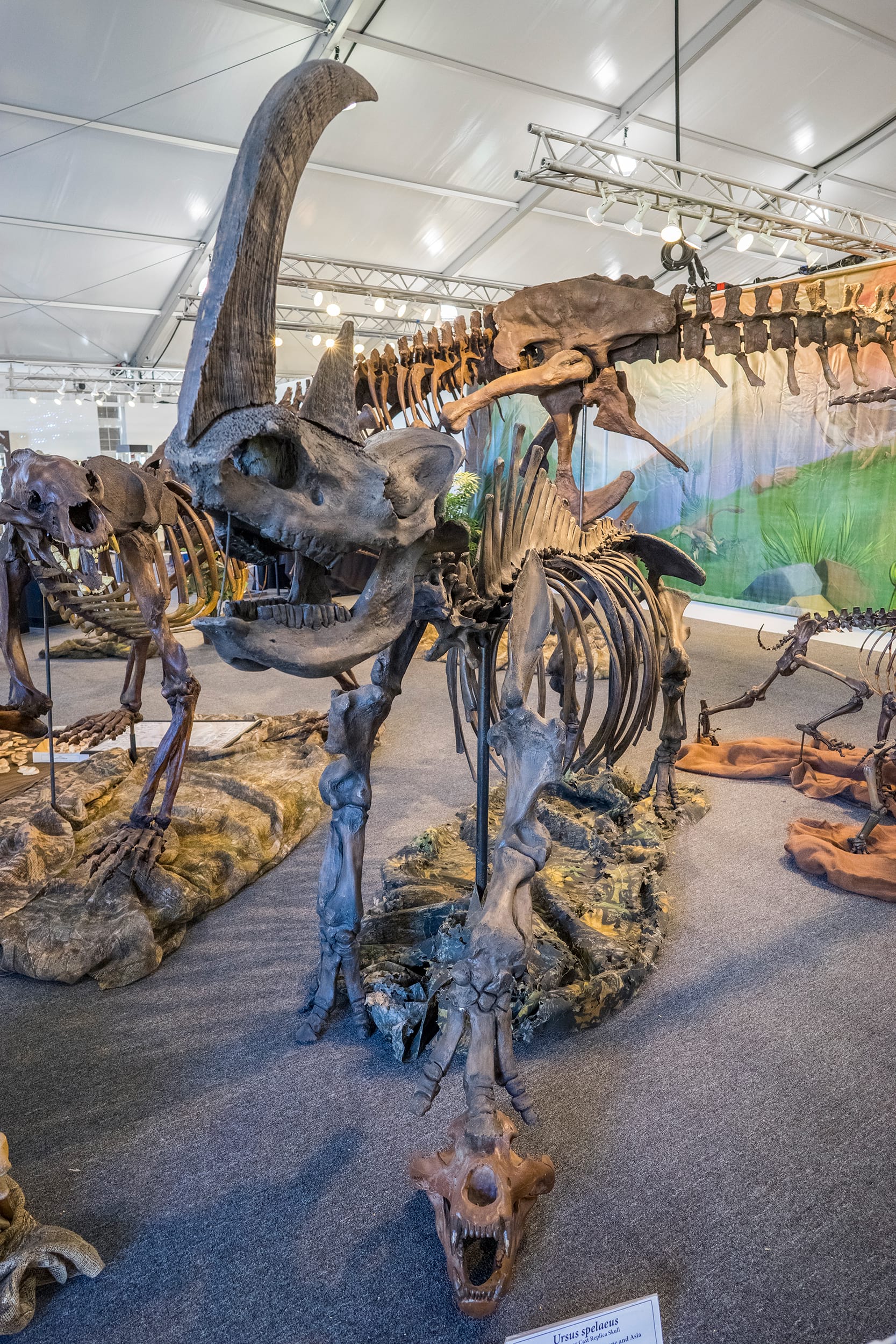
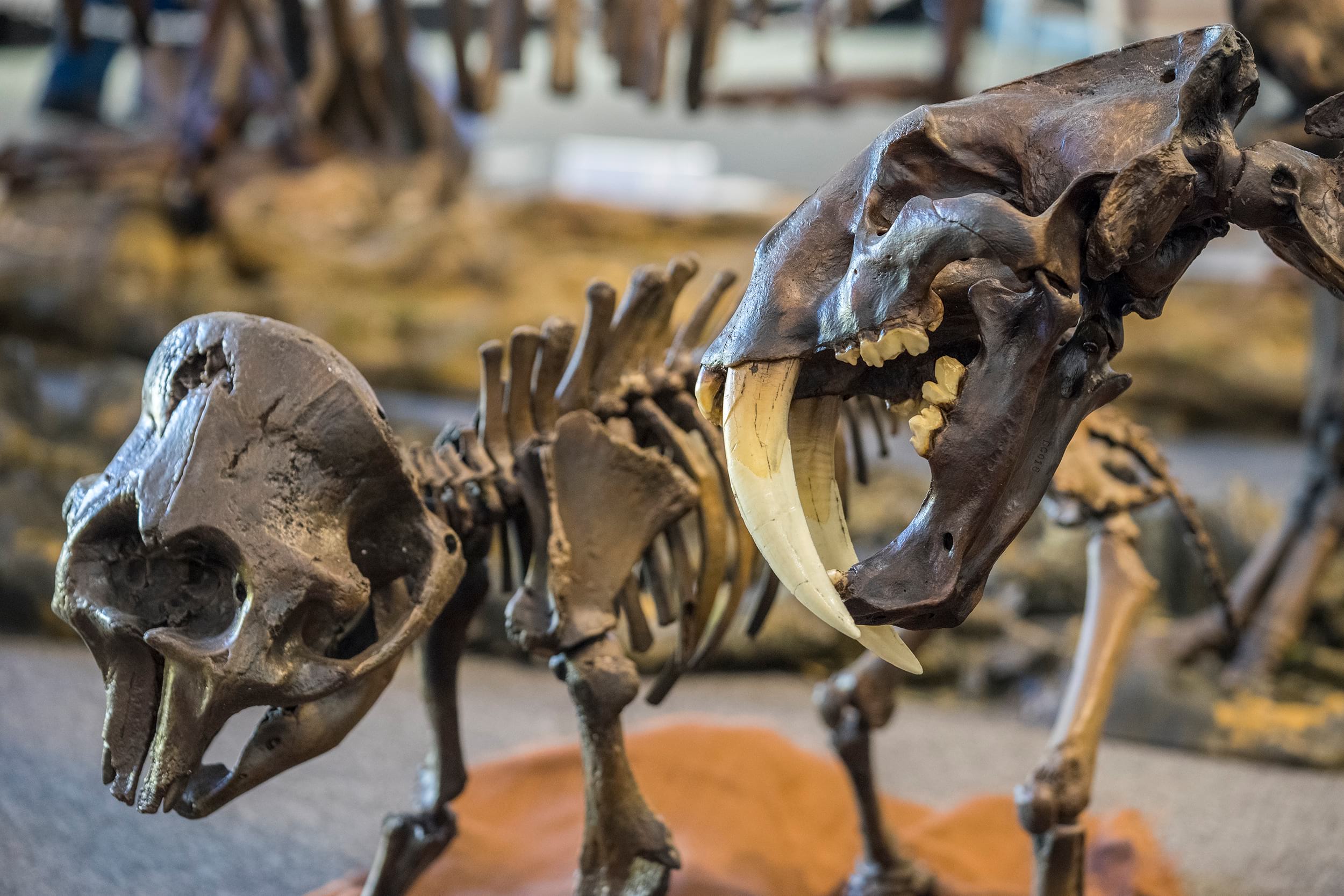
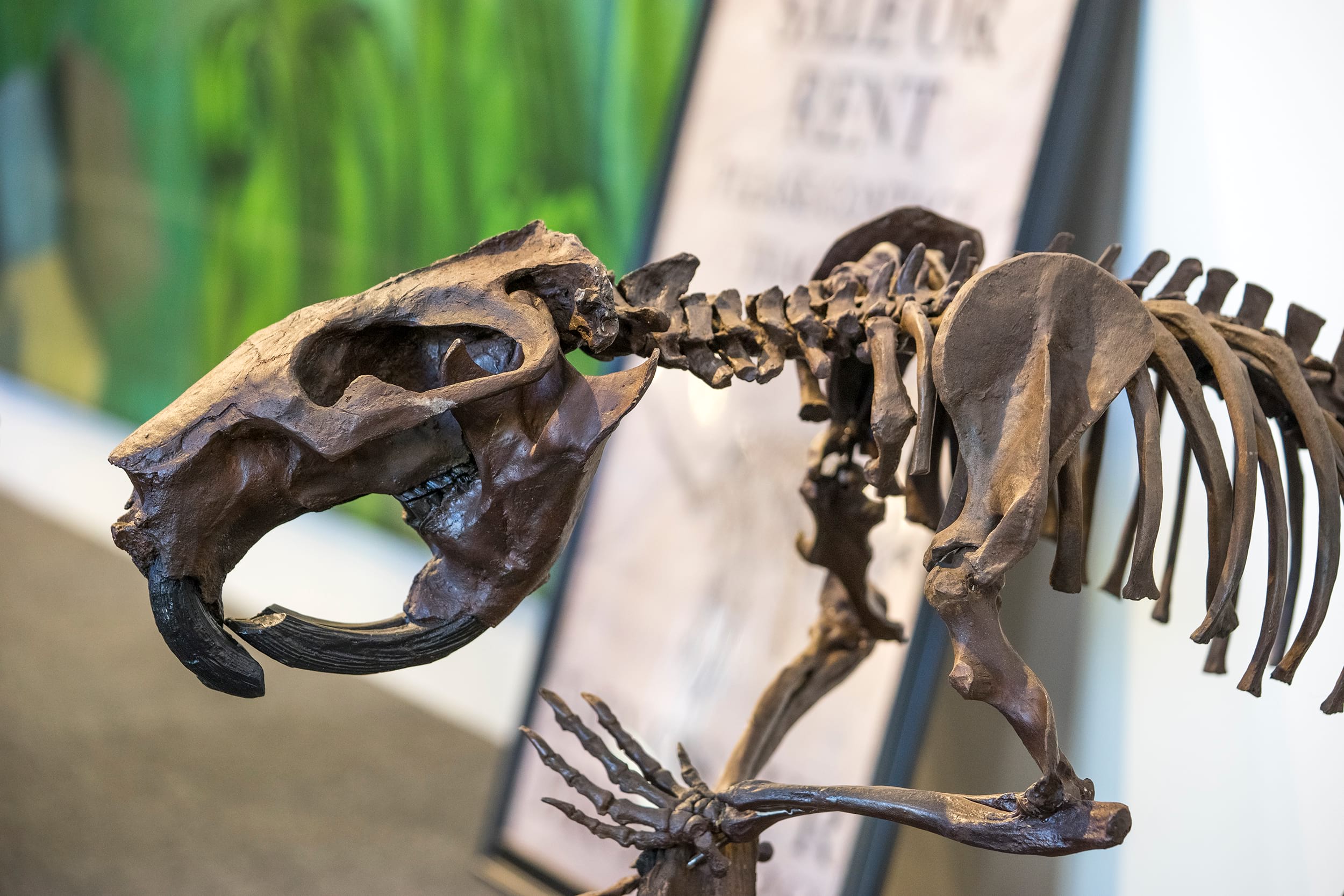
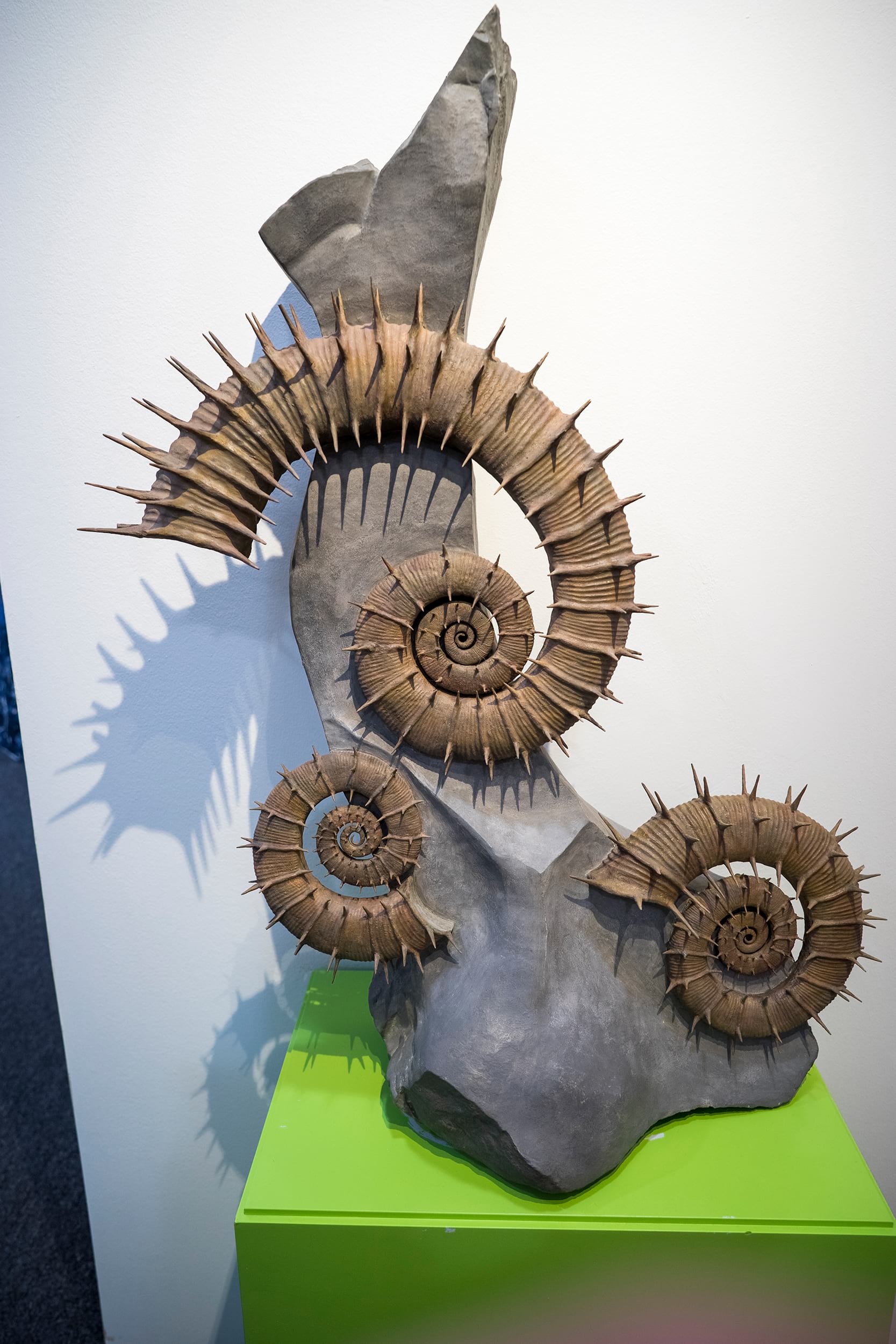
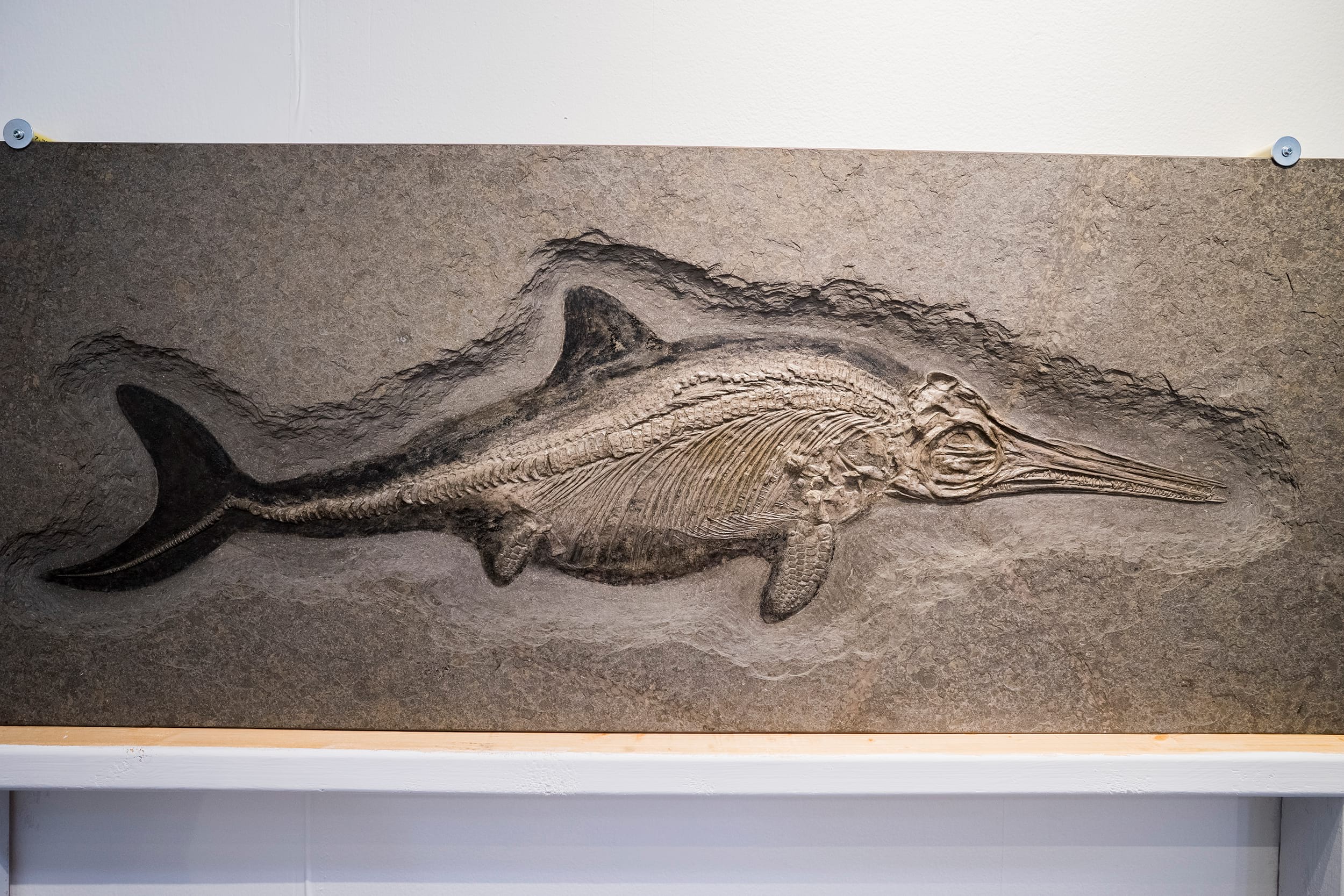
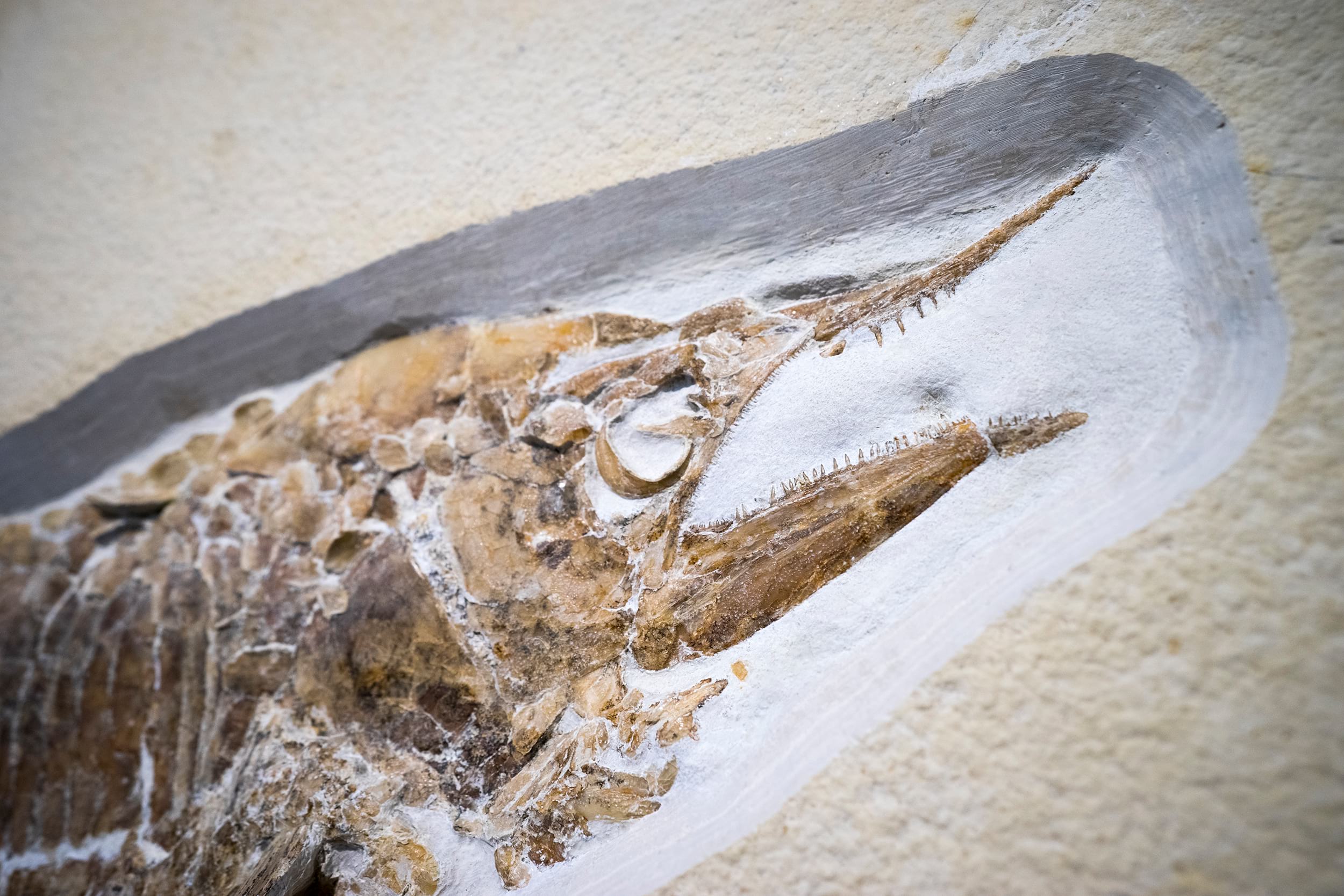
As always there are just so many wonderful fossil displays throughout the show. It's been a while since I've done any serious fossil collecting but I still enjoy seeing well prepared and presented specimens from various locales.
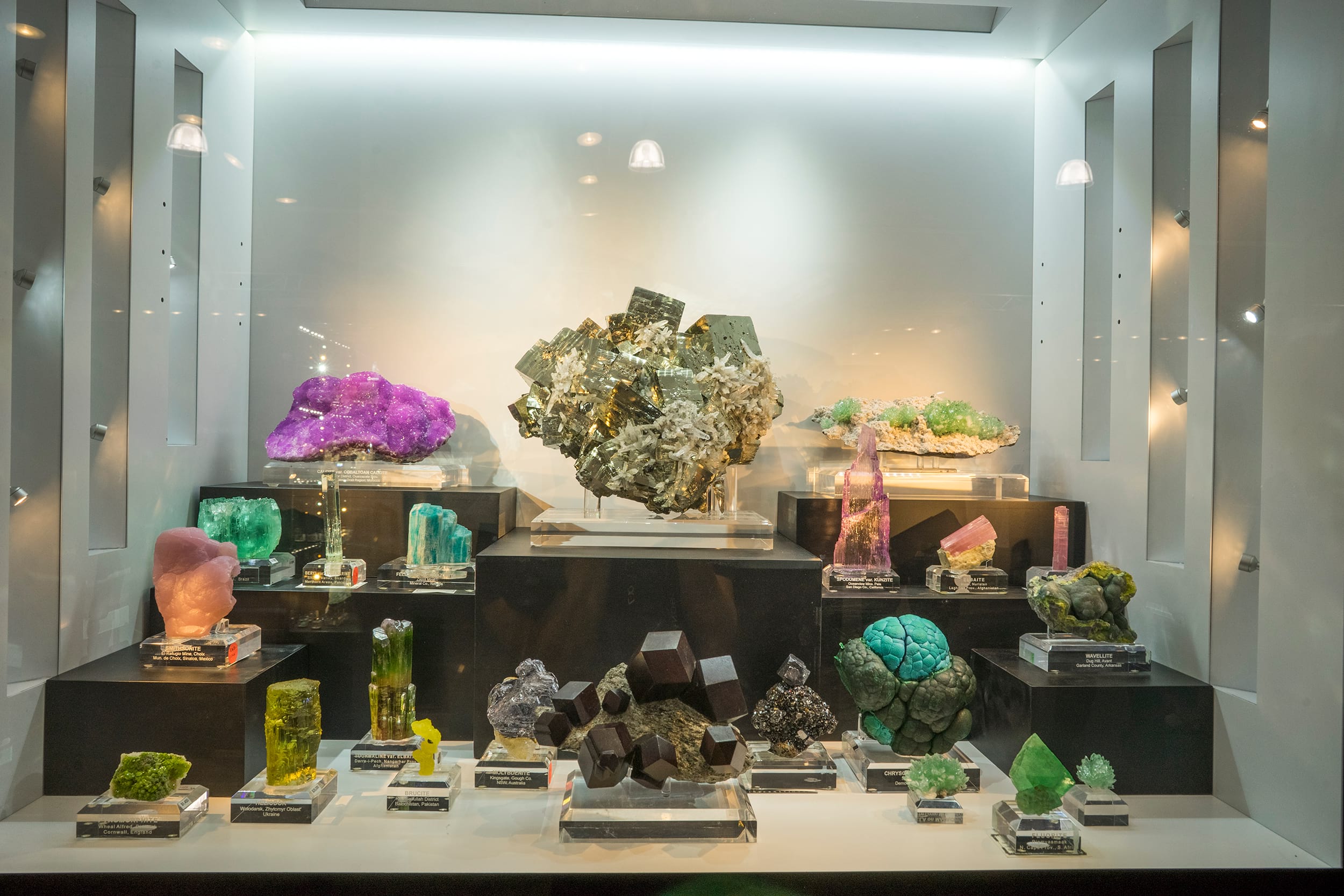
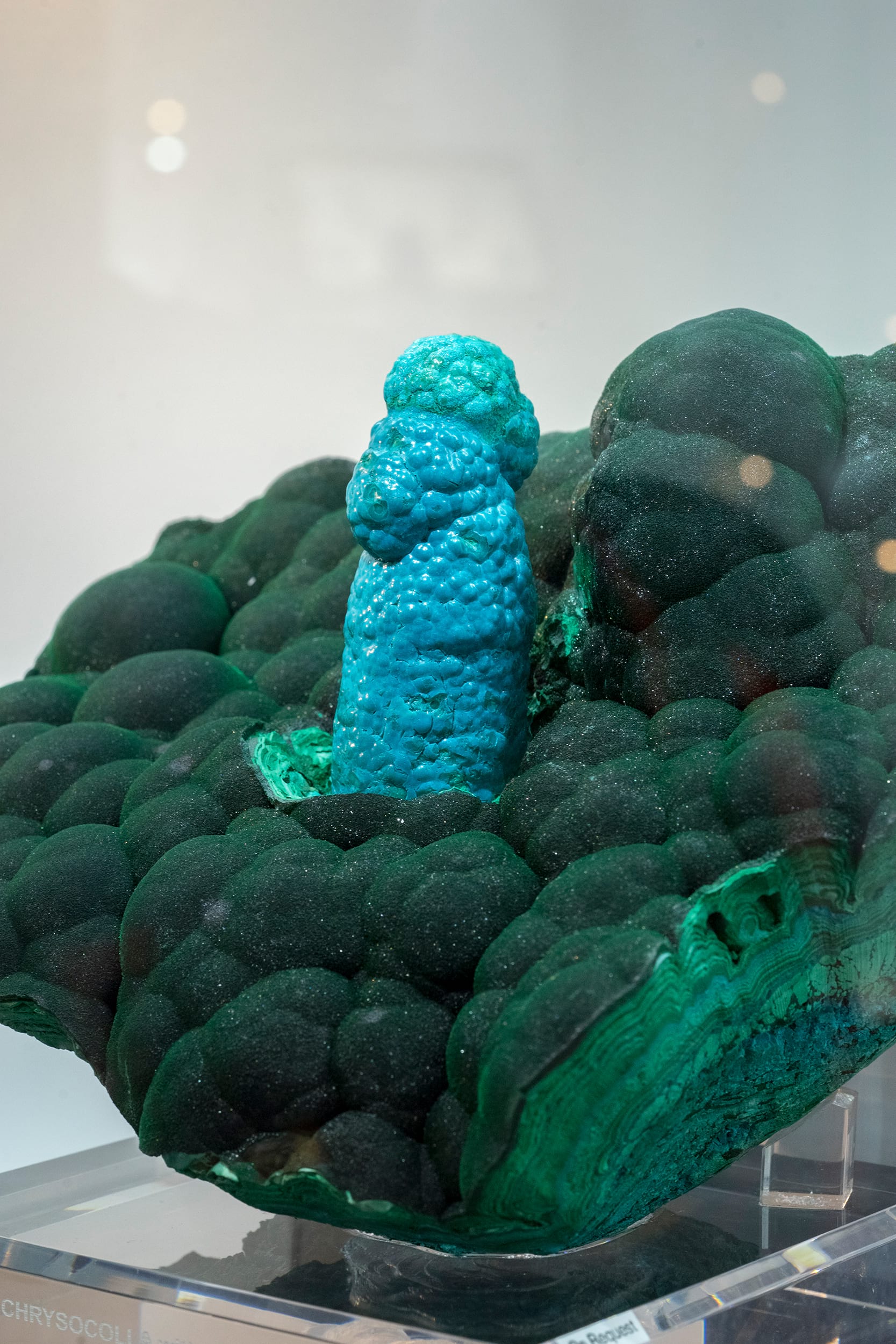
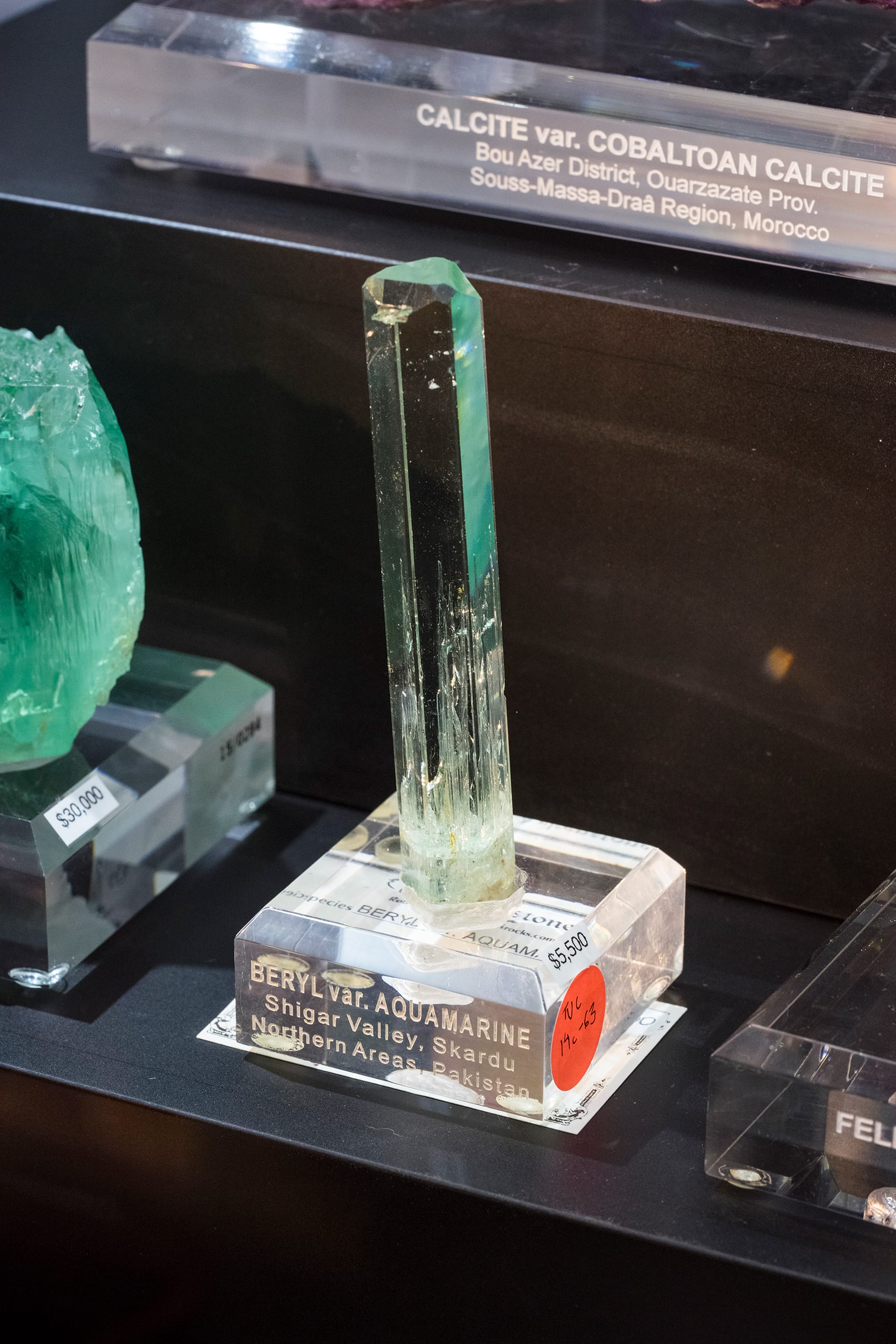
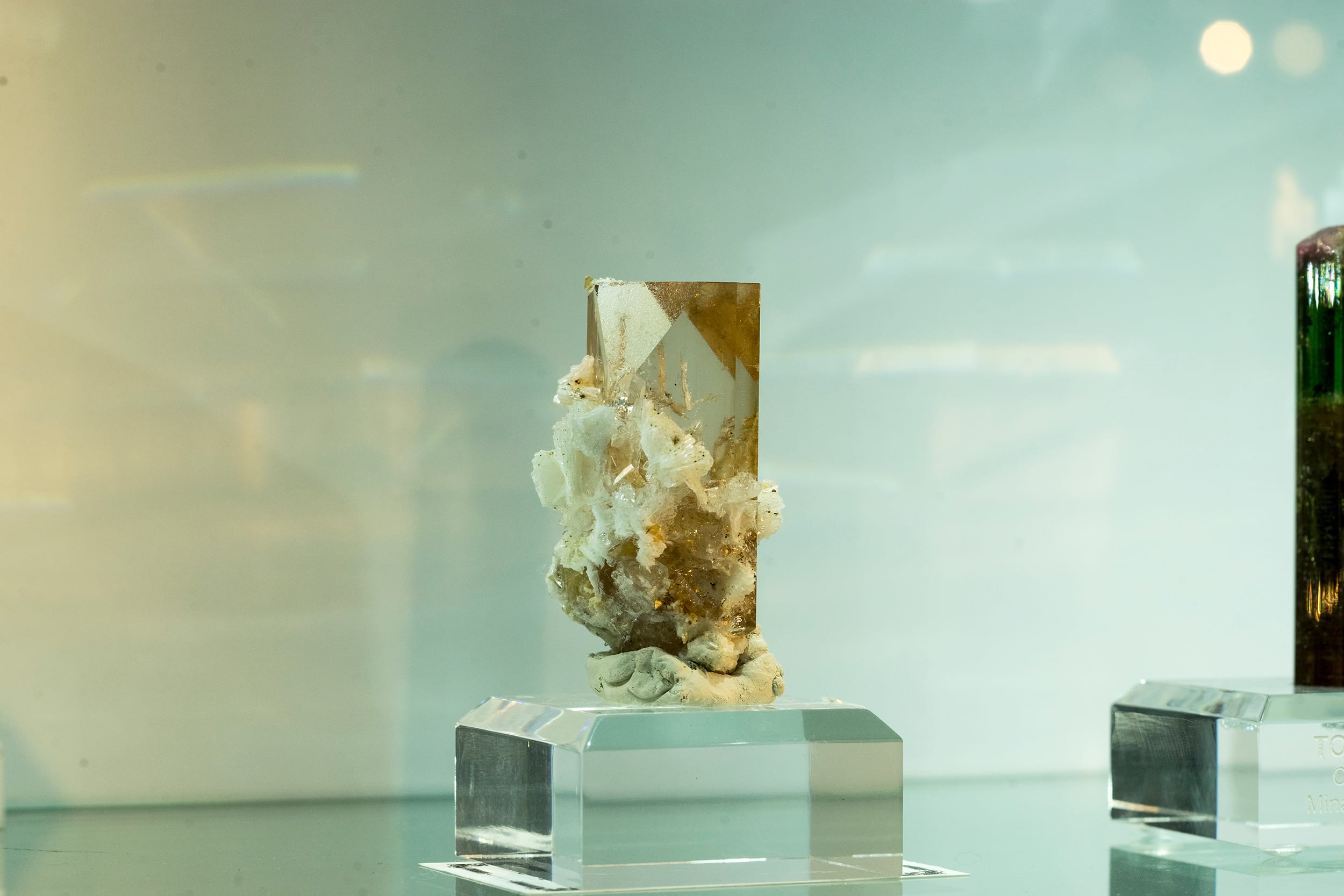
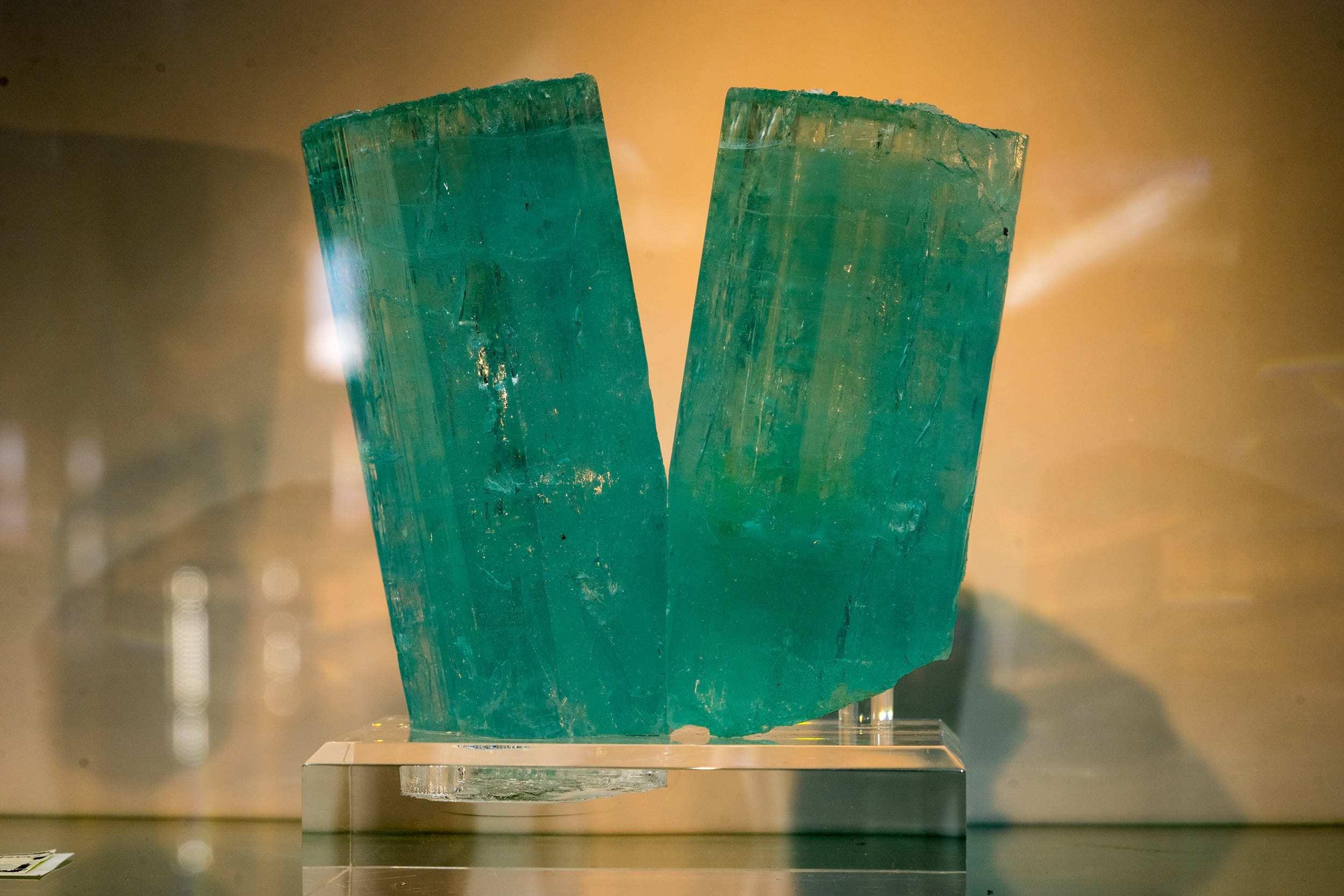
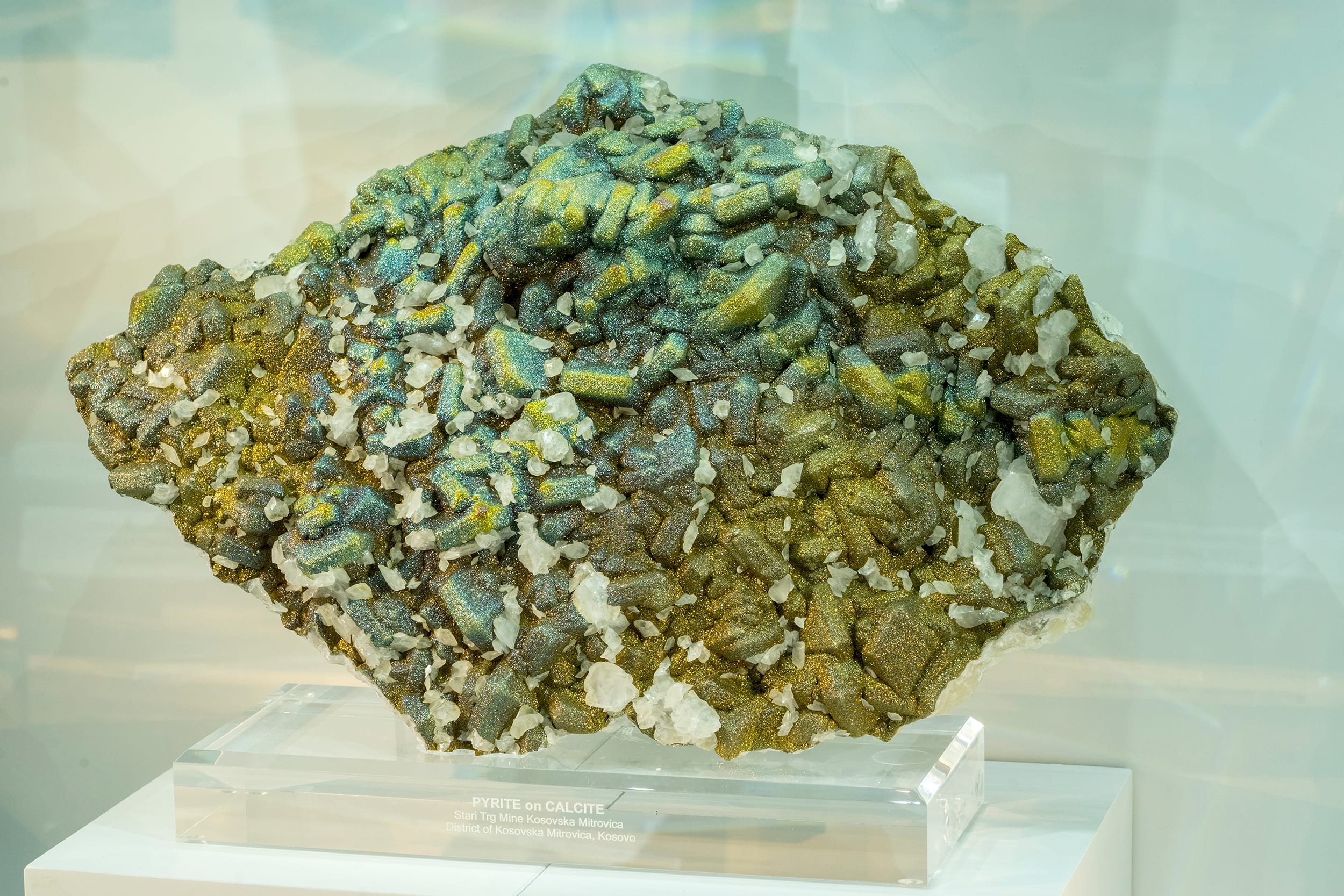
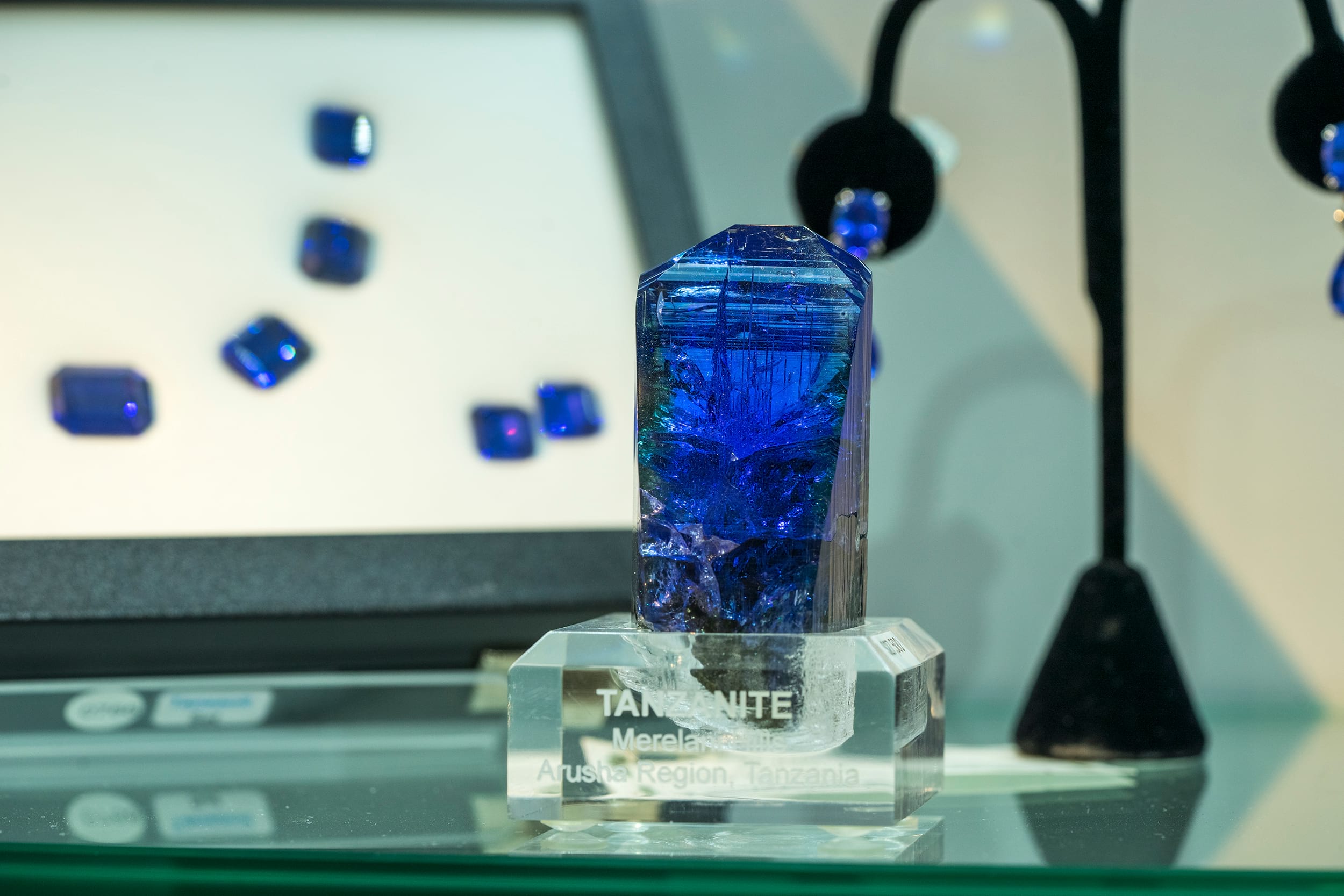
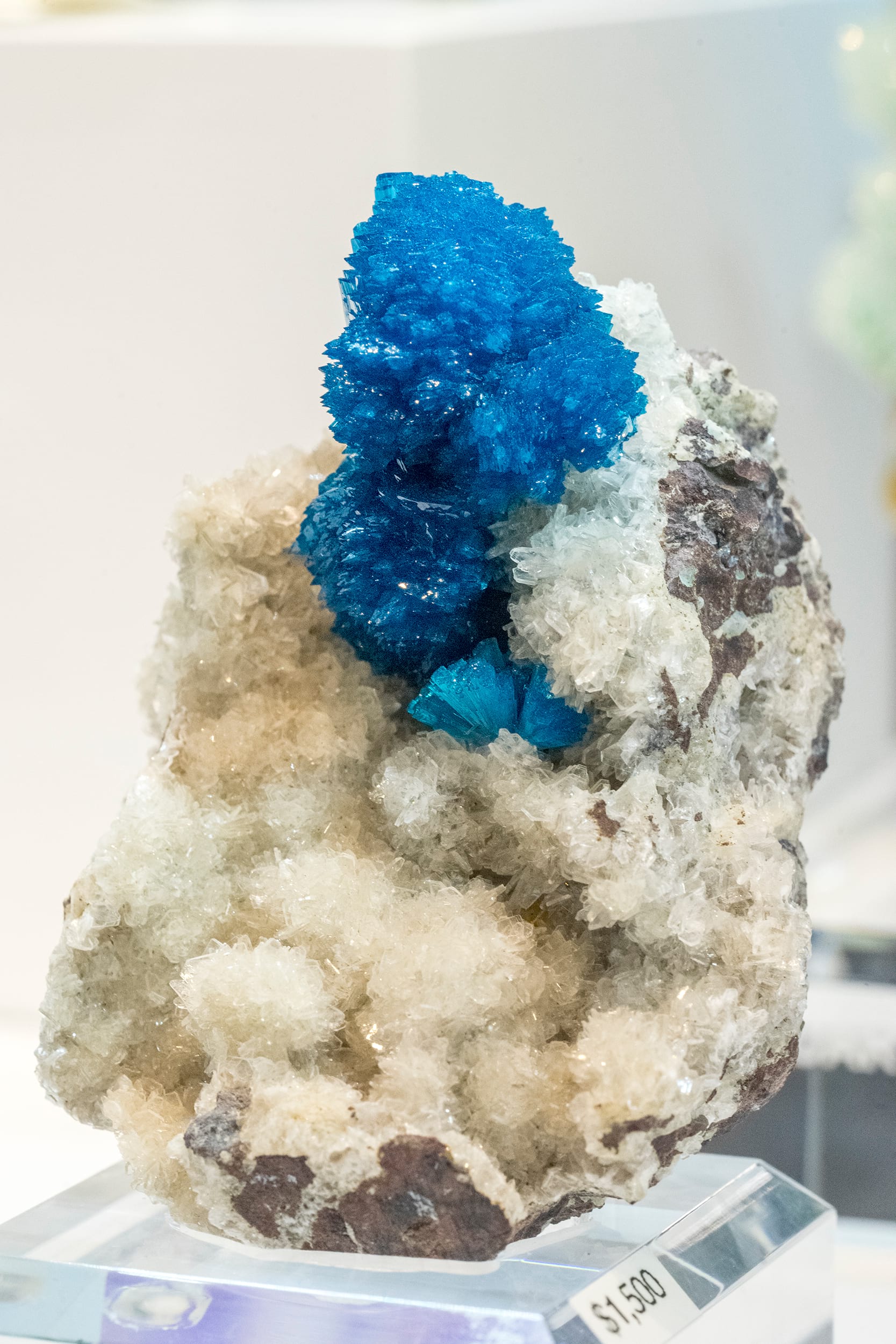
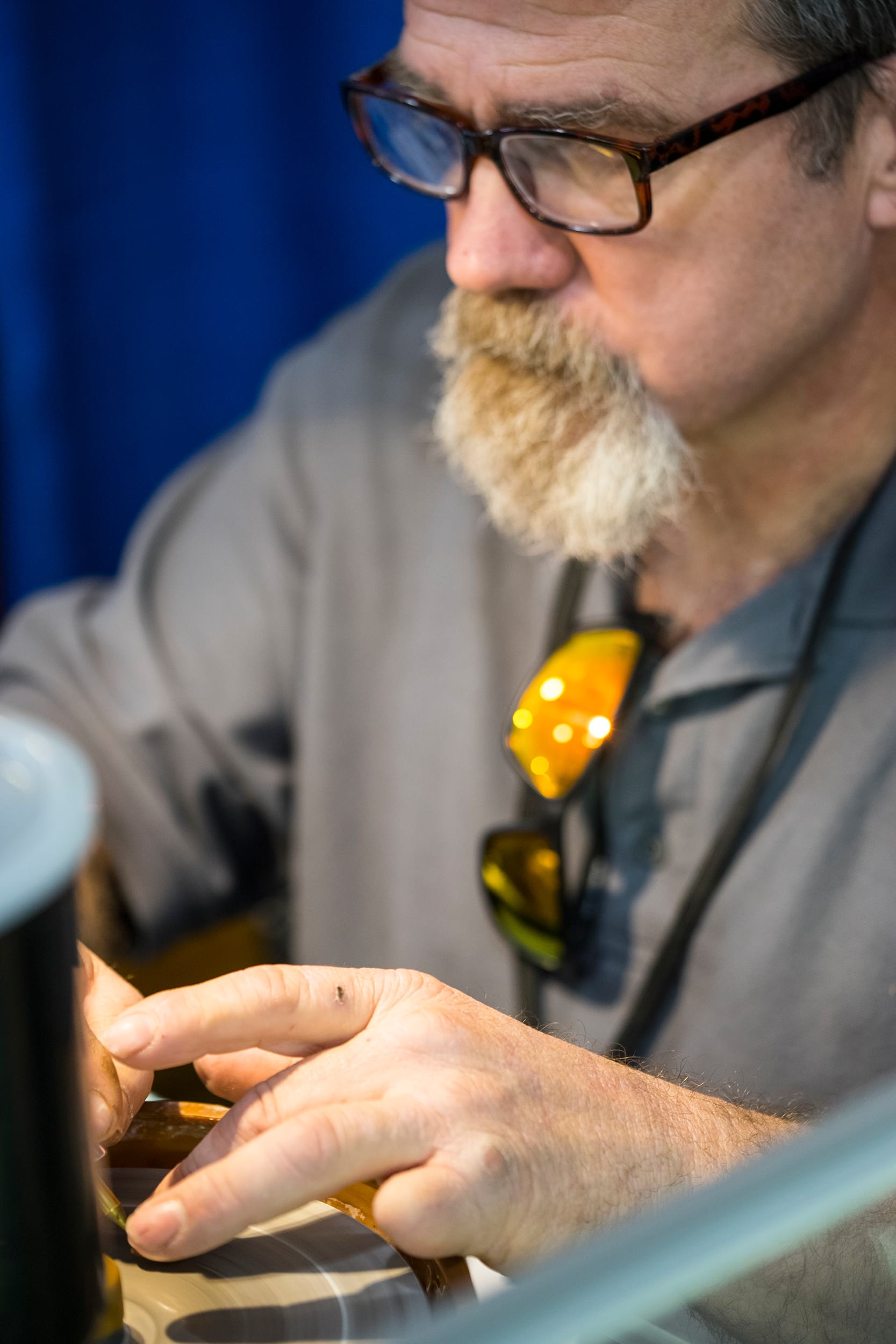
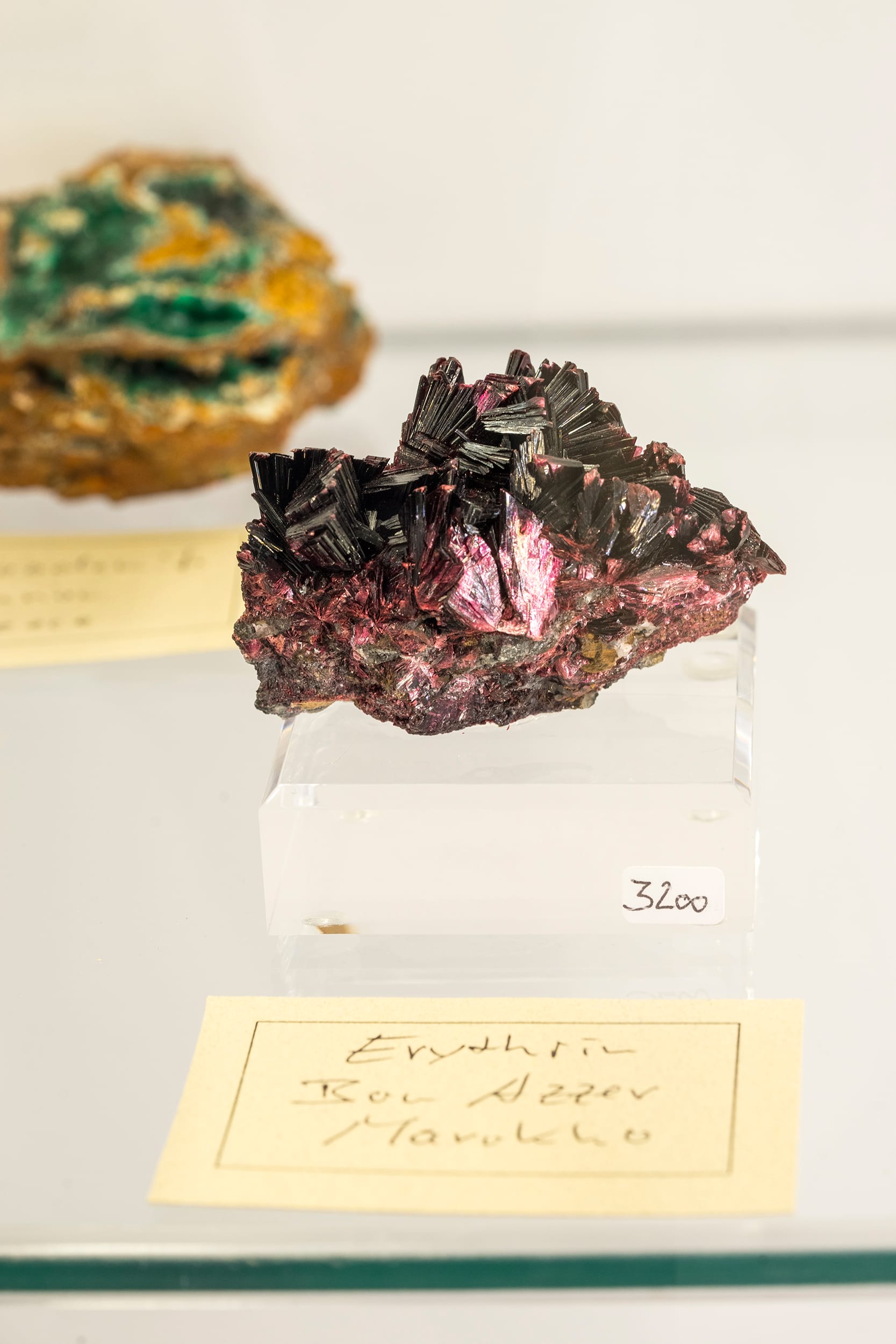
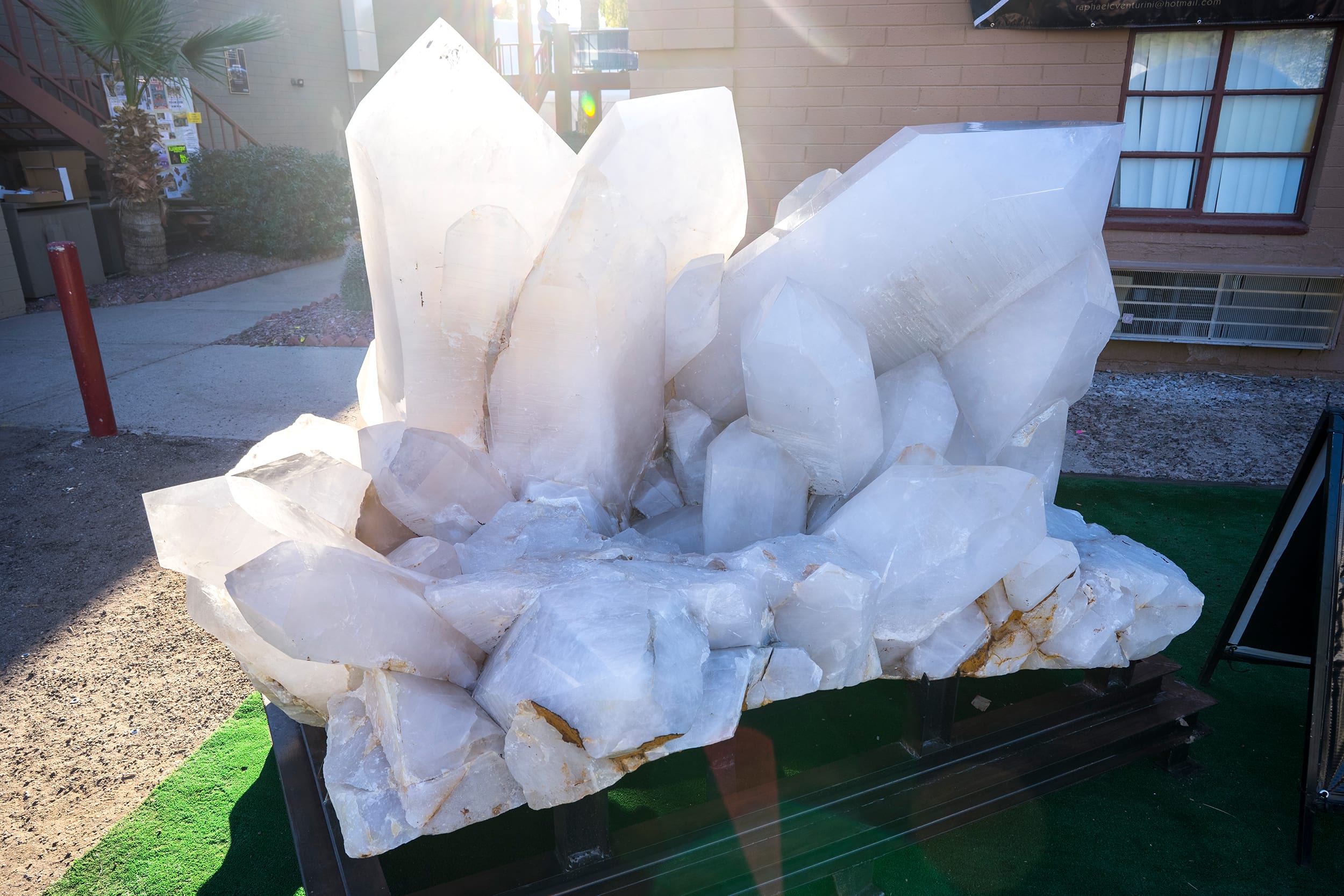
And the same goes for minerals. While most of these aren't fluorescent I can appreciate the effort it took to prepare, transport, and light them to show them off in the best possible light. It was a wonderful show and I'd love to go back again next year!
![[ONGOING] Photos from Afghanistan & Pakistan](https://images.squarespace-cdn.com/content/v1/55add304e4b0372eed4367a2/1517514272182-OZ7AZG3IY3RTTZJP2TTL/27048998_363211187475592_1293048903_o.jpg)
[ONGOING] Photos from Afghanistan & Pakistan
2/1/18 More photos/stories from Pitwak mine. Reuploaded broken Vidme
11/16/17 Added video and photos from Skardu, Pakistan
11/14/17 Creation of article with photos of Pitwak Mine, Afghanistan
During my conversations with dealers and miners I usually stumble across videos, pictures, and other miscellaneous things pertaining to the geological, socioeconomical, political, and more. Rather than having them get forgotten about in a long lost chat log I've decided to host them here. All of this information is entirely based off of first hand experiences of the people I speak with.
$42,000 Aquamarine
Weighing 5 kg and standing 1 foot tall. Perfect terminations, shape, and color.
Skardu, Pakistan
According to the person that sent me this video this shows the intersection of three mountain ranges: Hindu Kush, Karakoram, and the Himalayas. It is also en route to the mining that goes on in Skardu.
At about 3:00 into the previous video you can see a truck driver with very elaborate decorations. I almost didn't believe that this was real and sure enough he showed me a National Geographic segment showcasing Lawari Pass and other truck drivers with similar attire. What a cultural difference!
Some other miscellaneous videos showcasing the beauty of the area.
Pitwak Mine
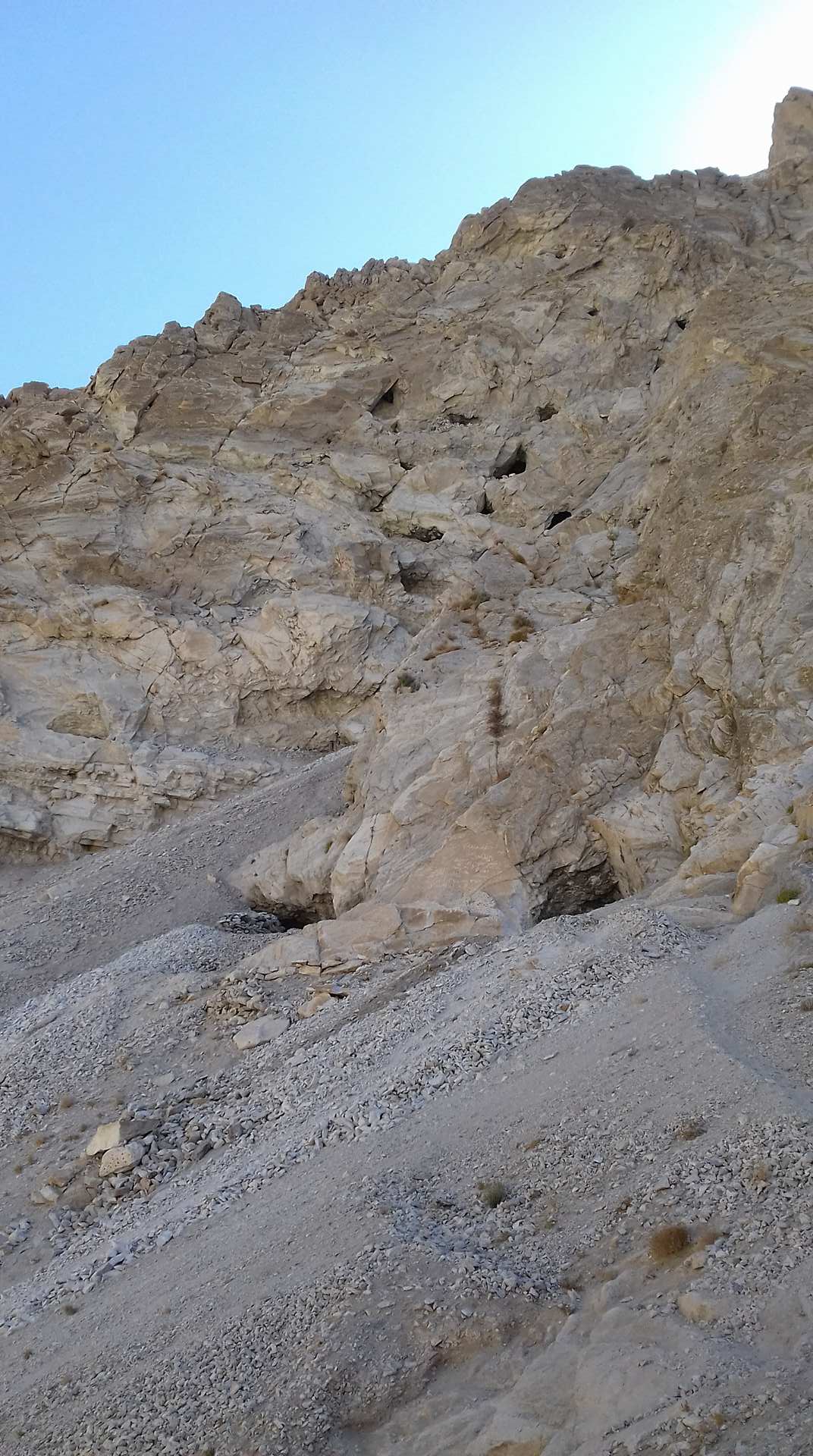
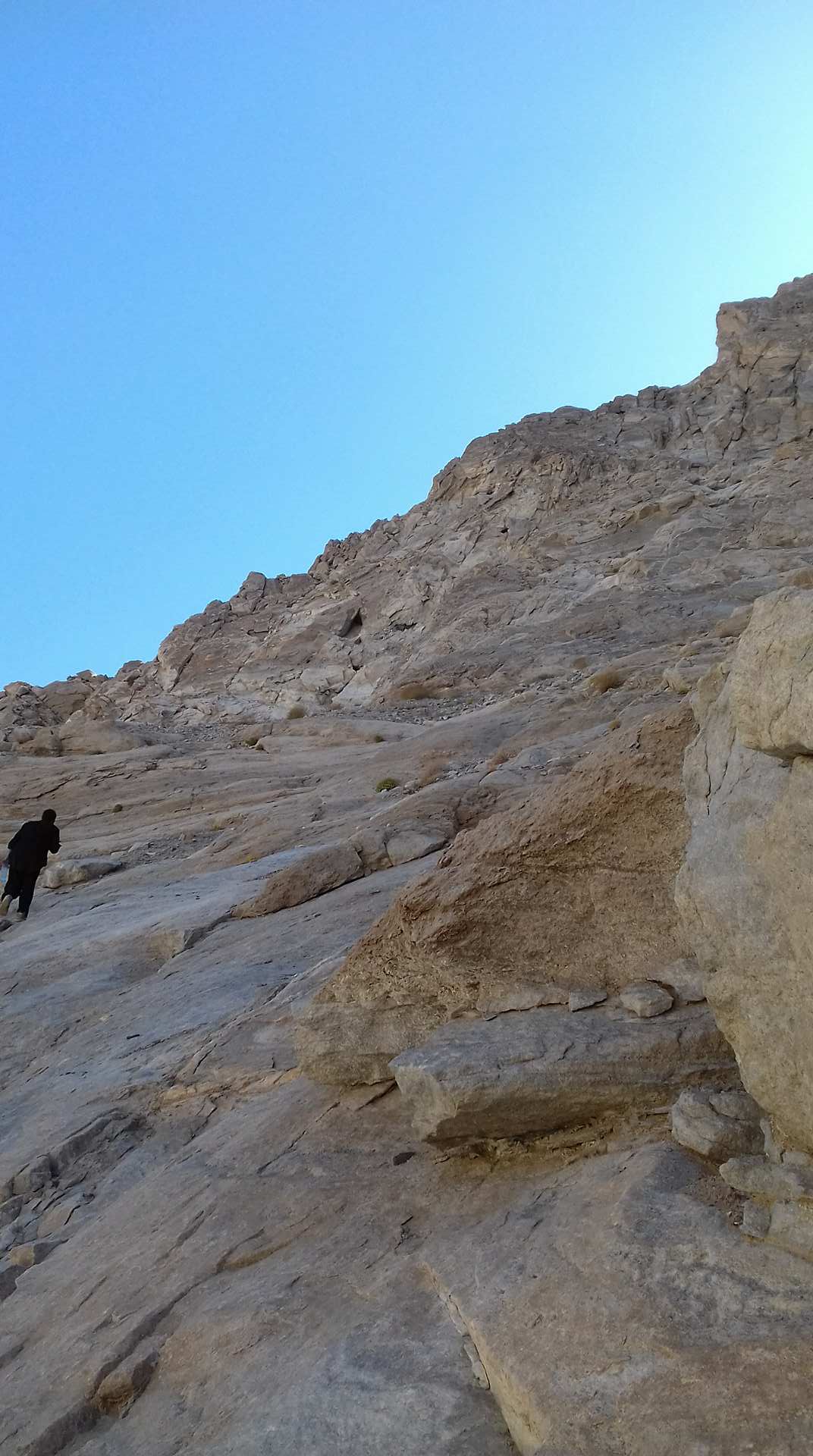
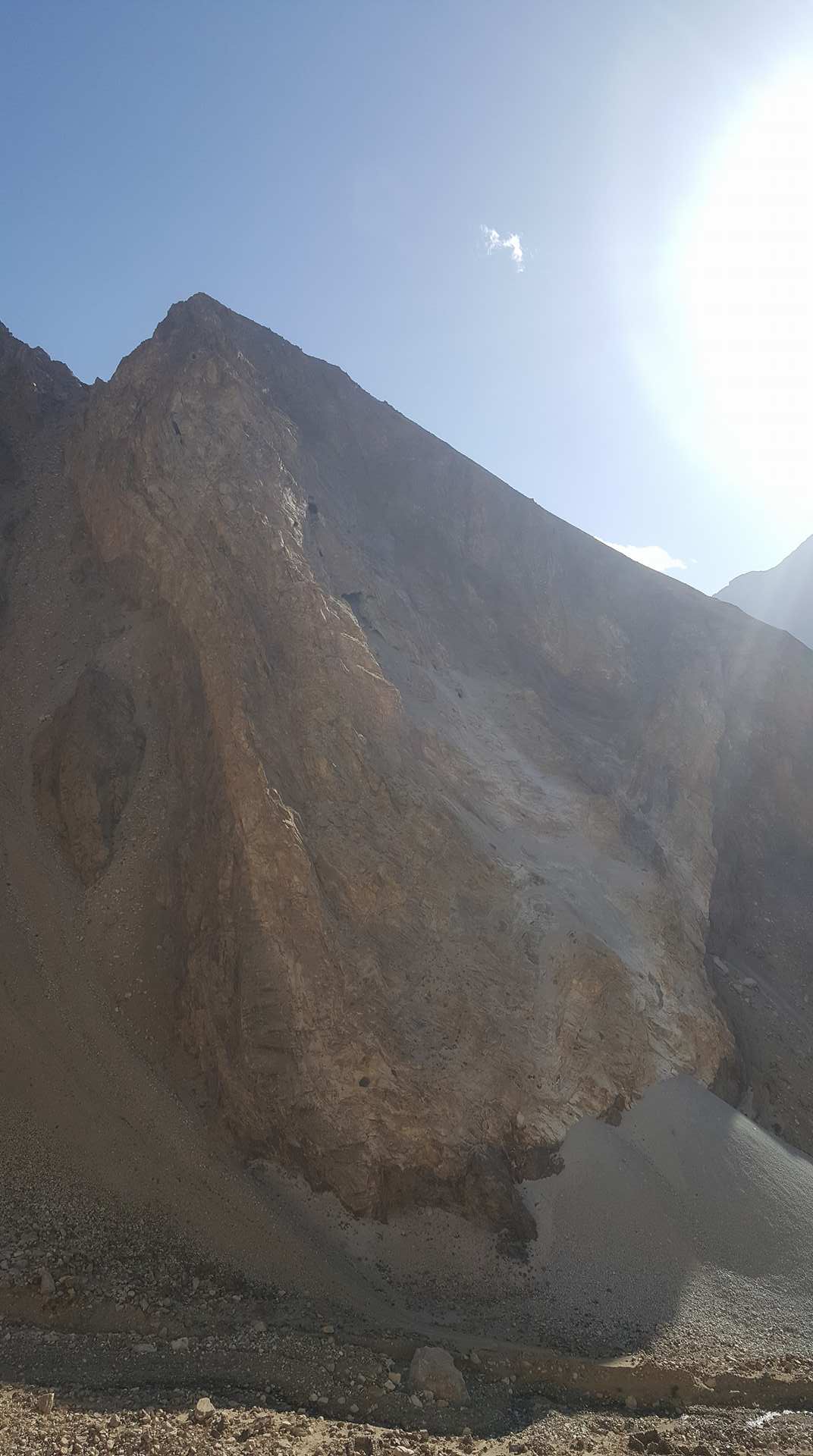
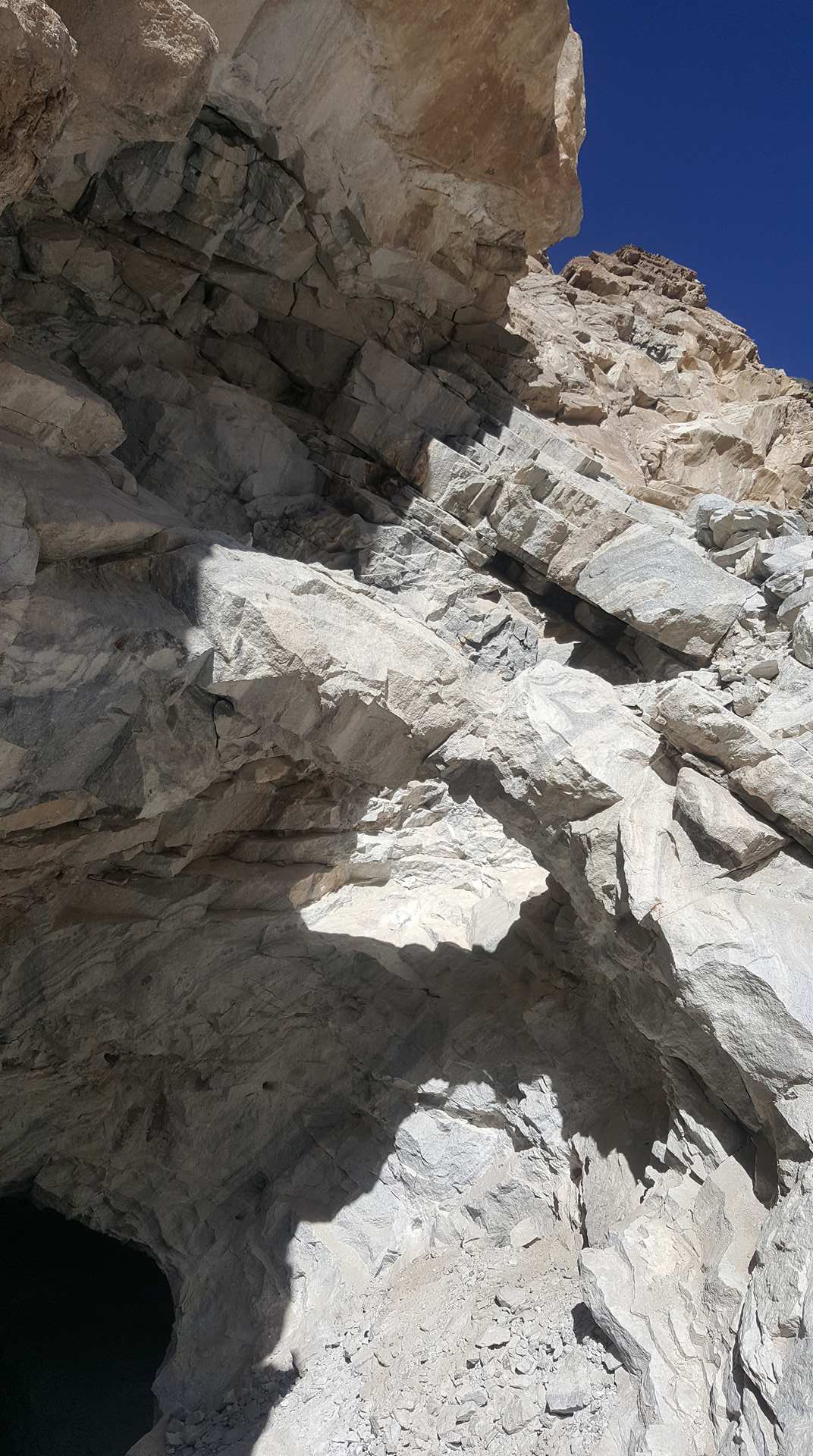
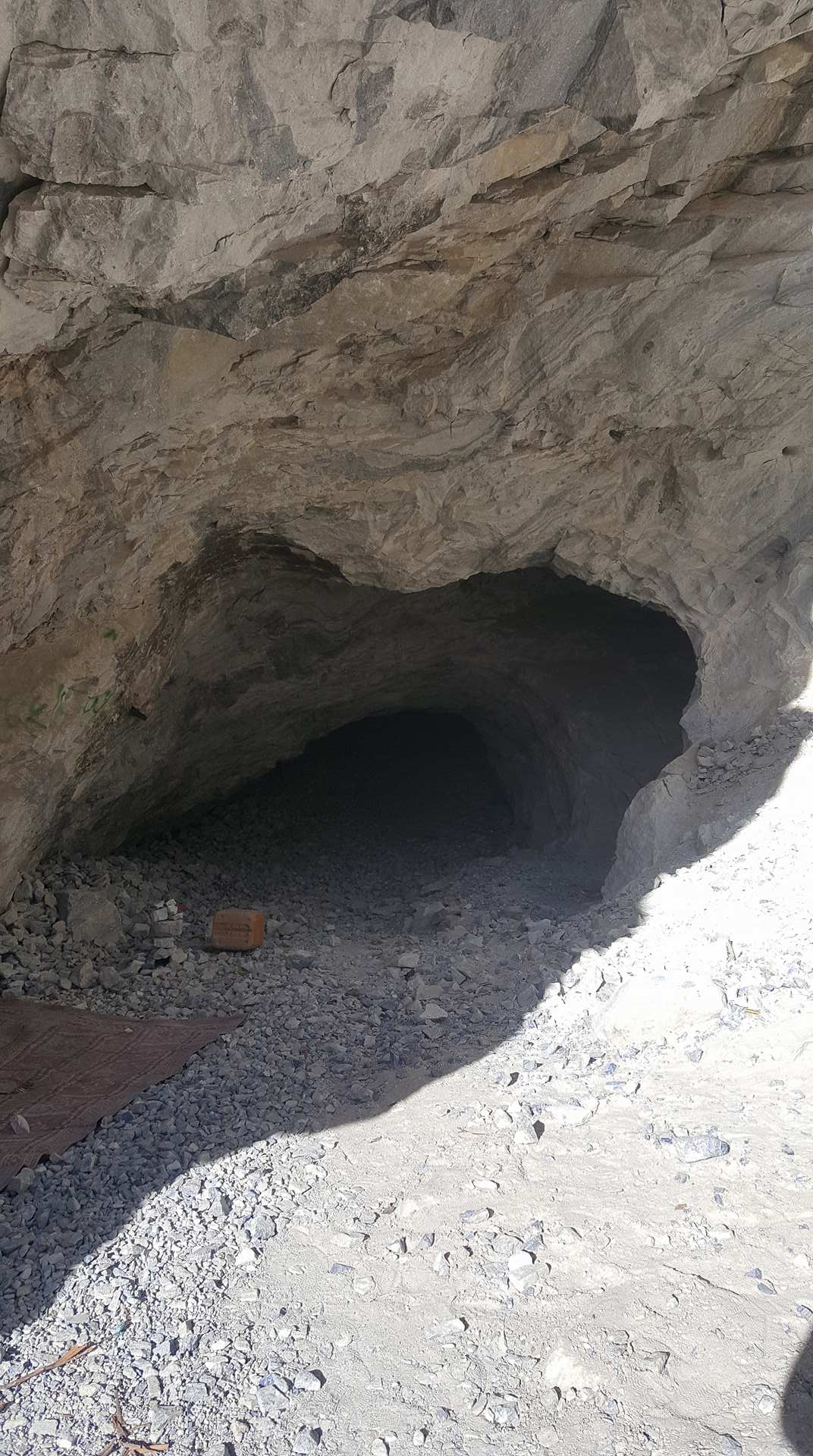
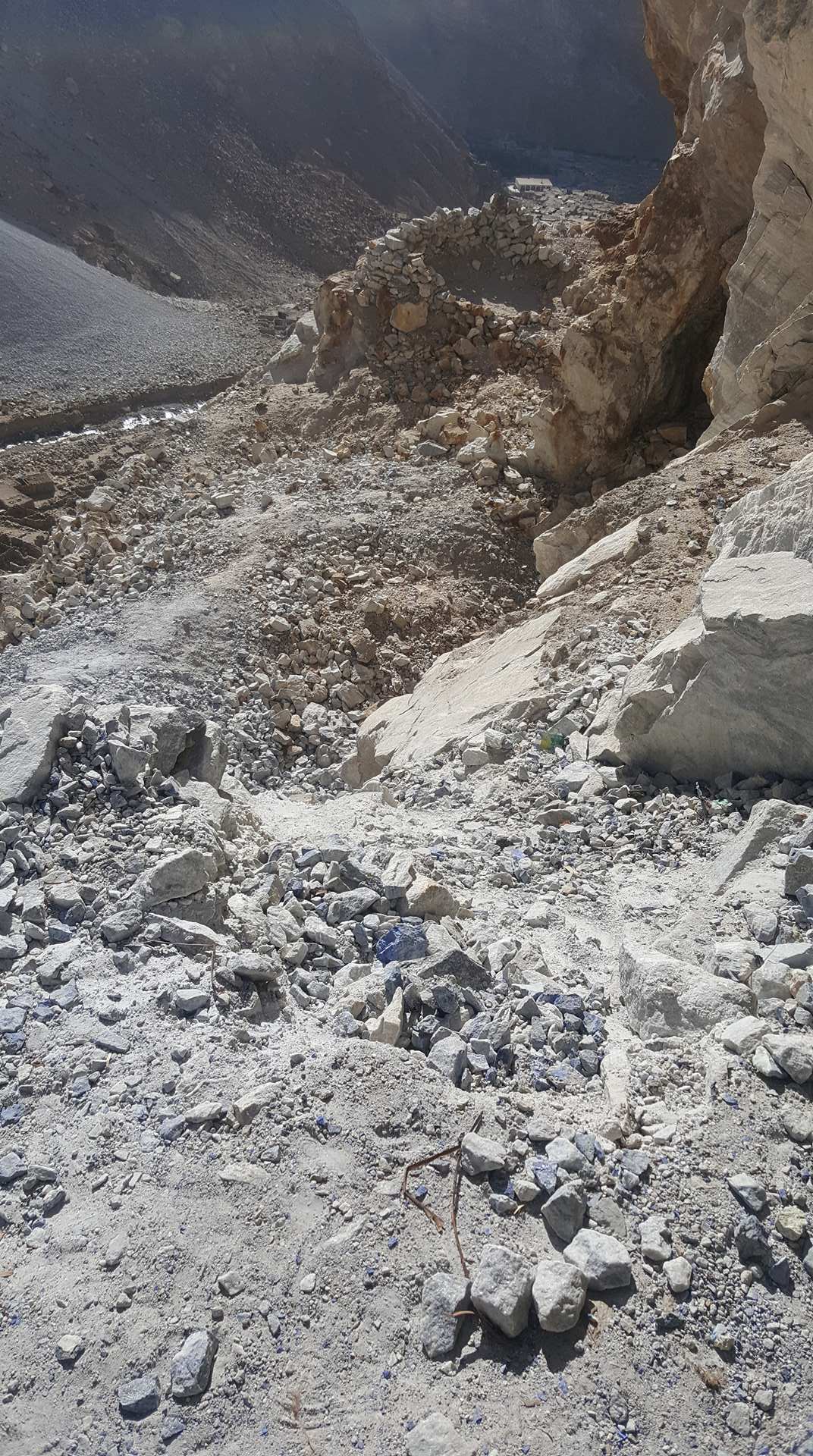
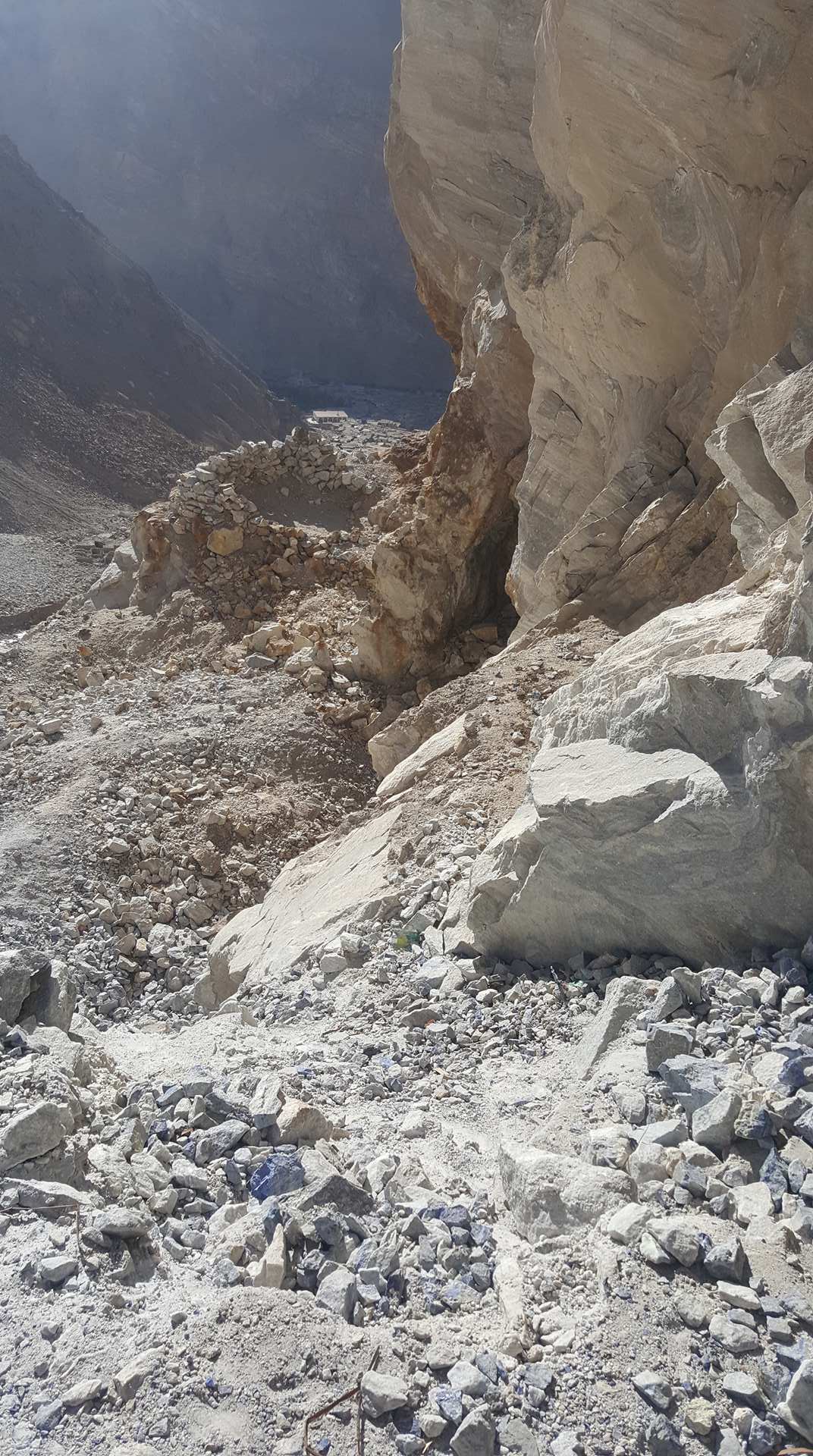
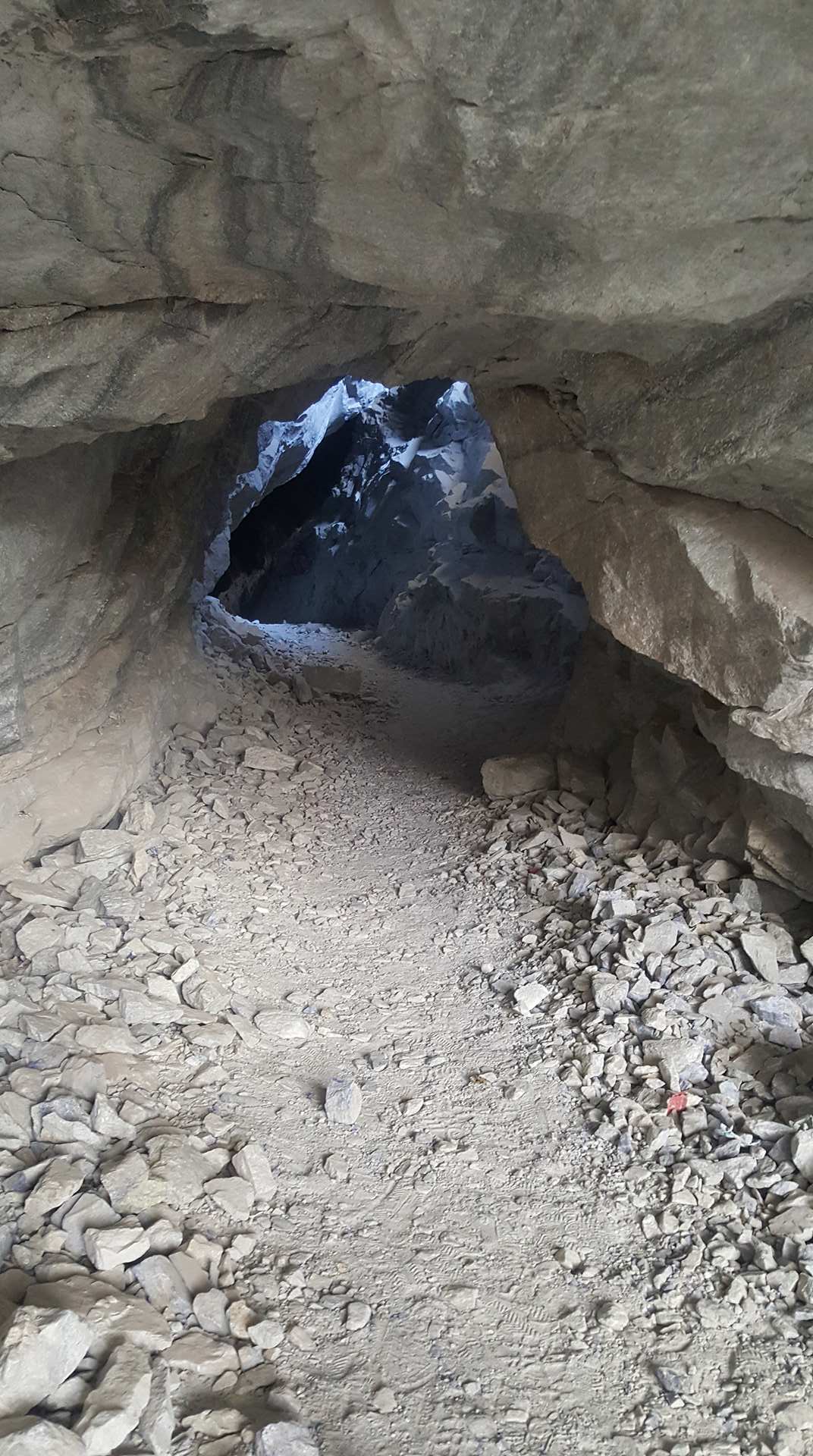

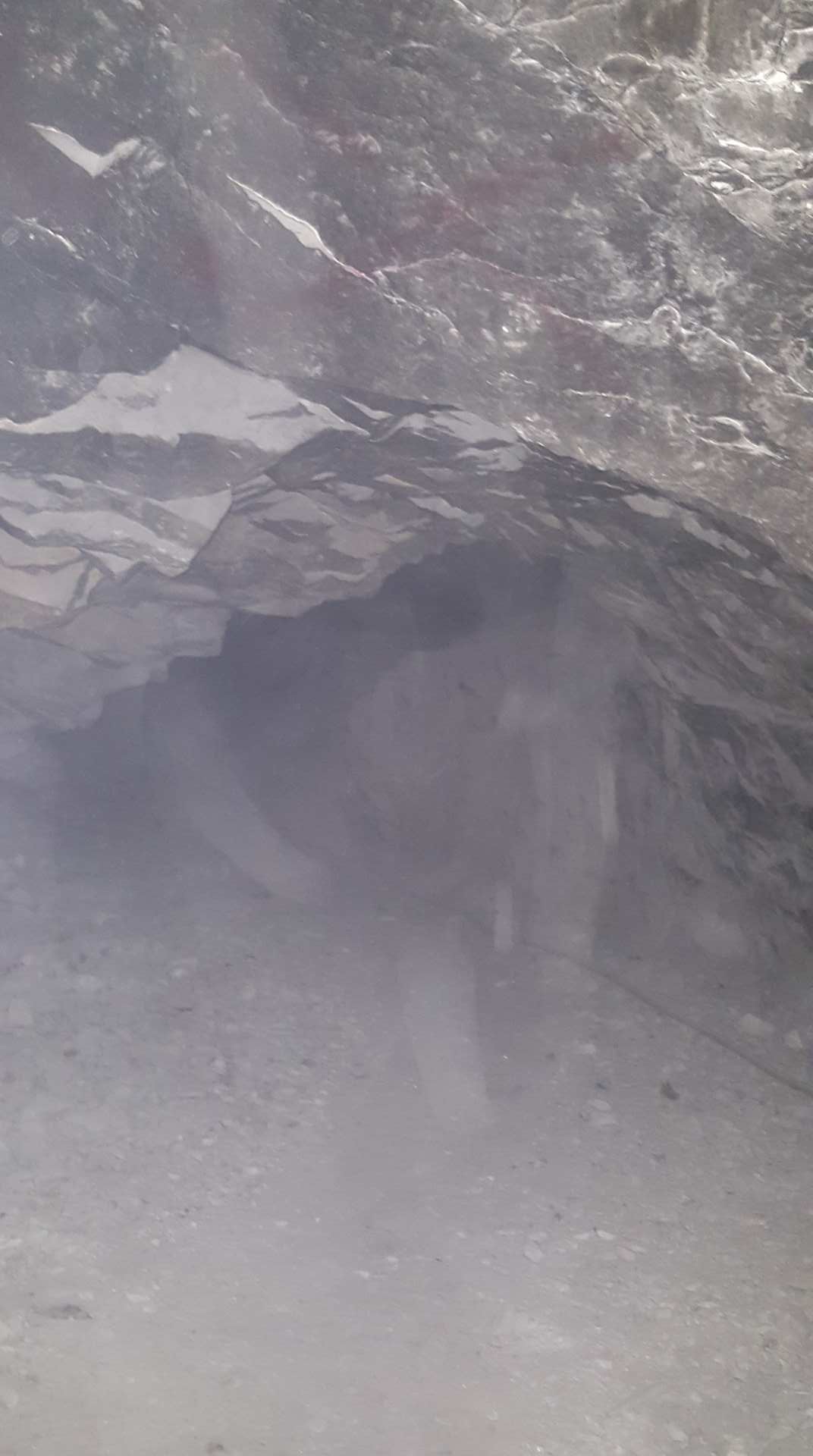
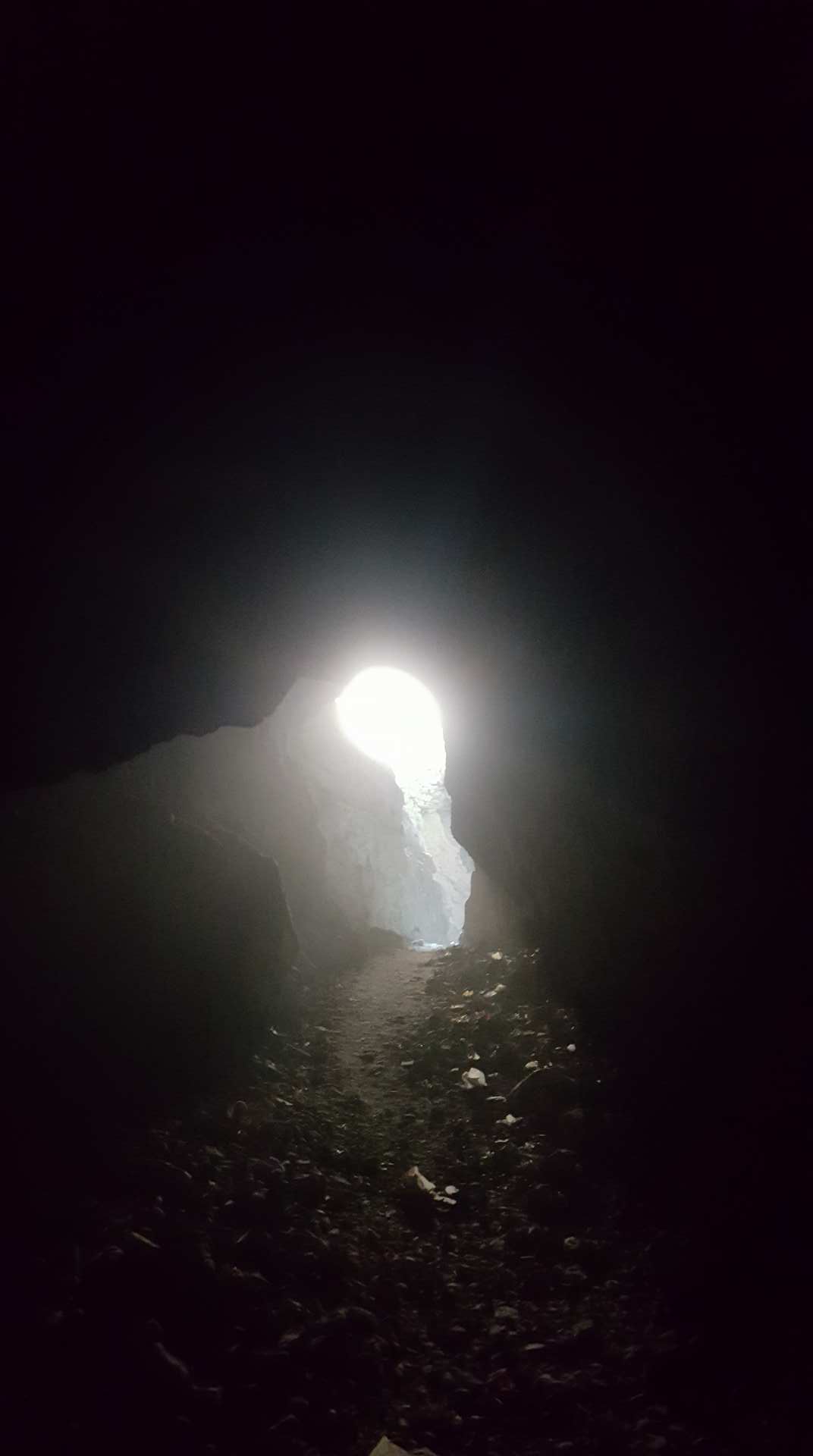
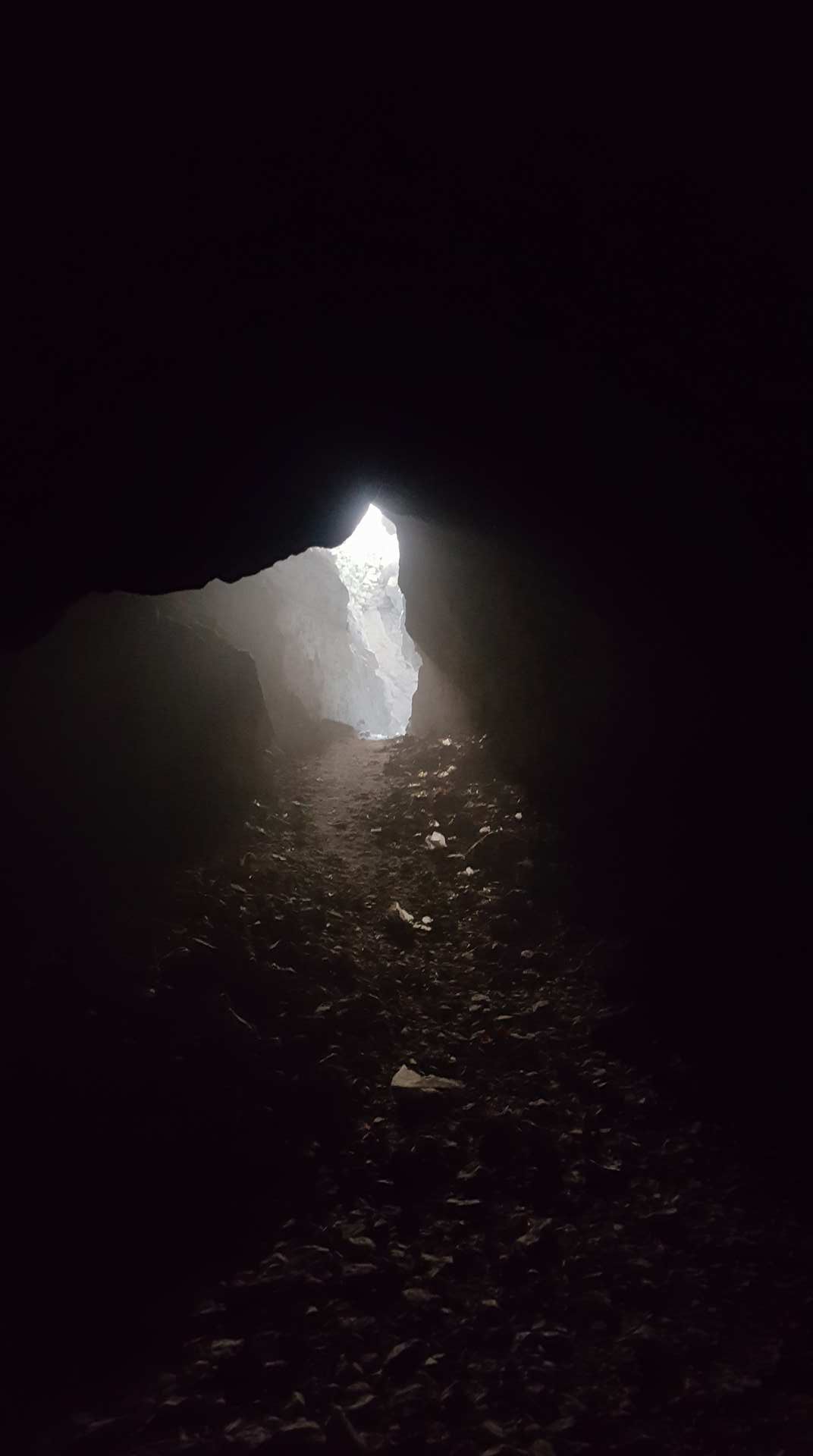
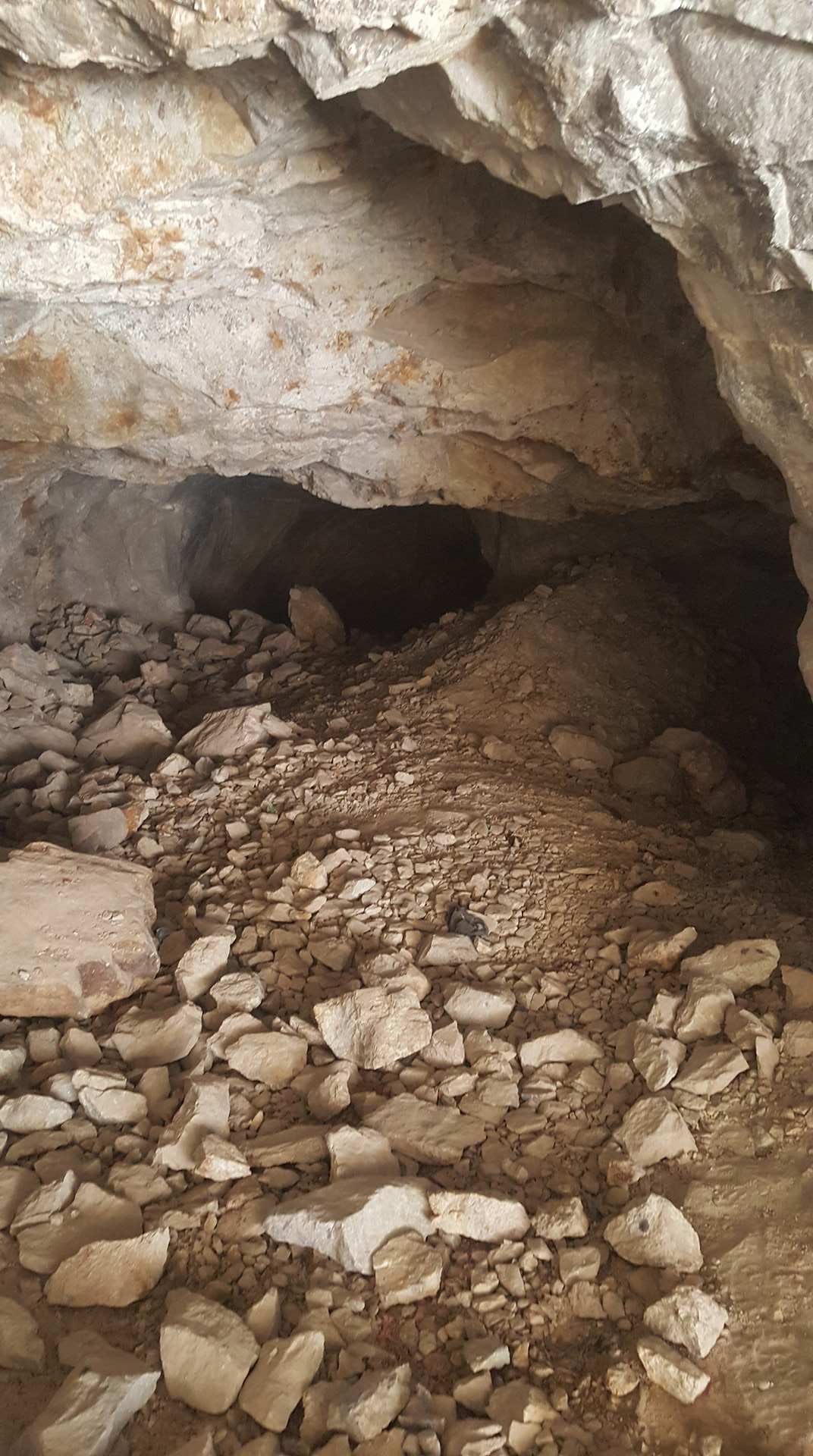
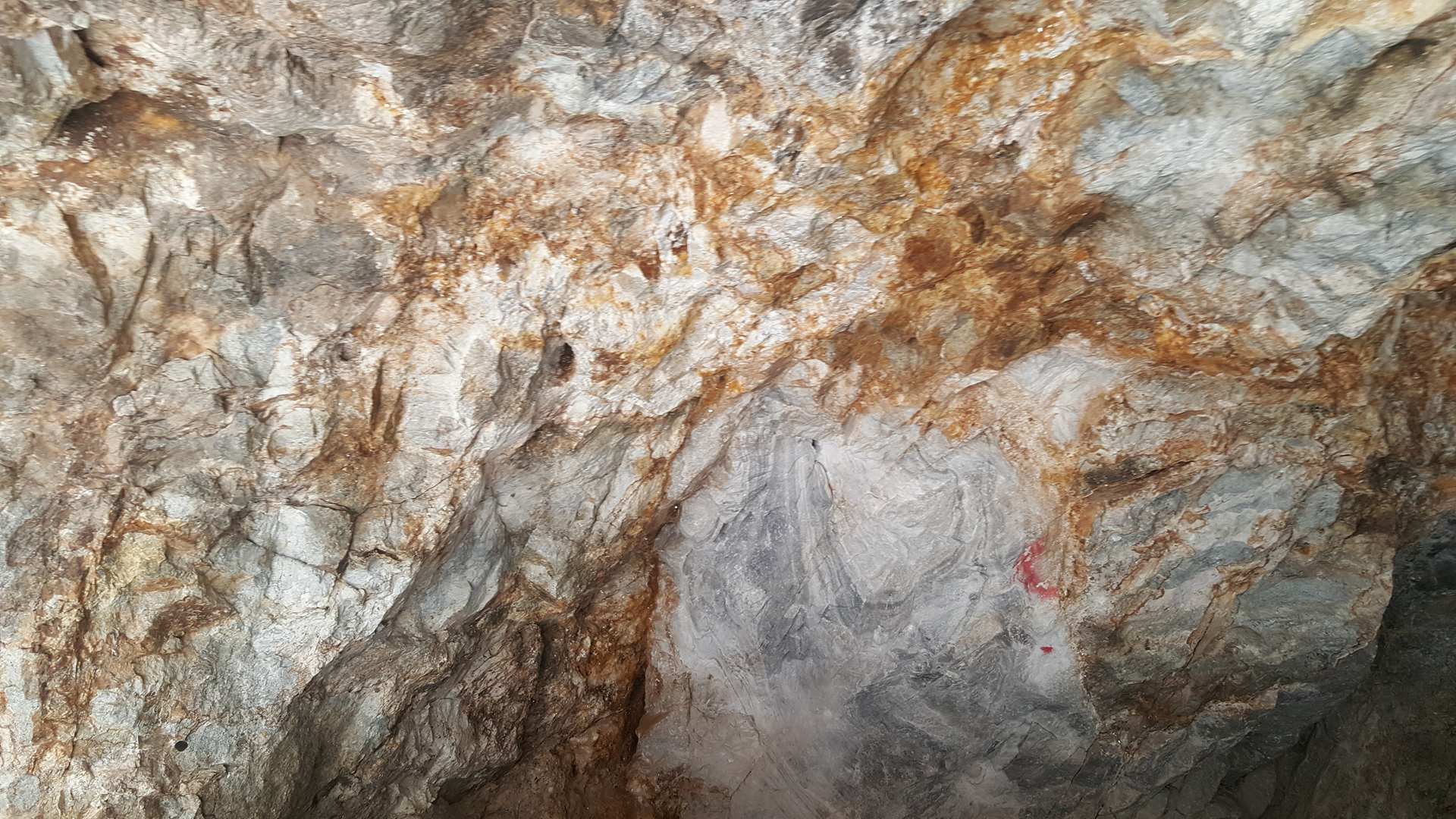
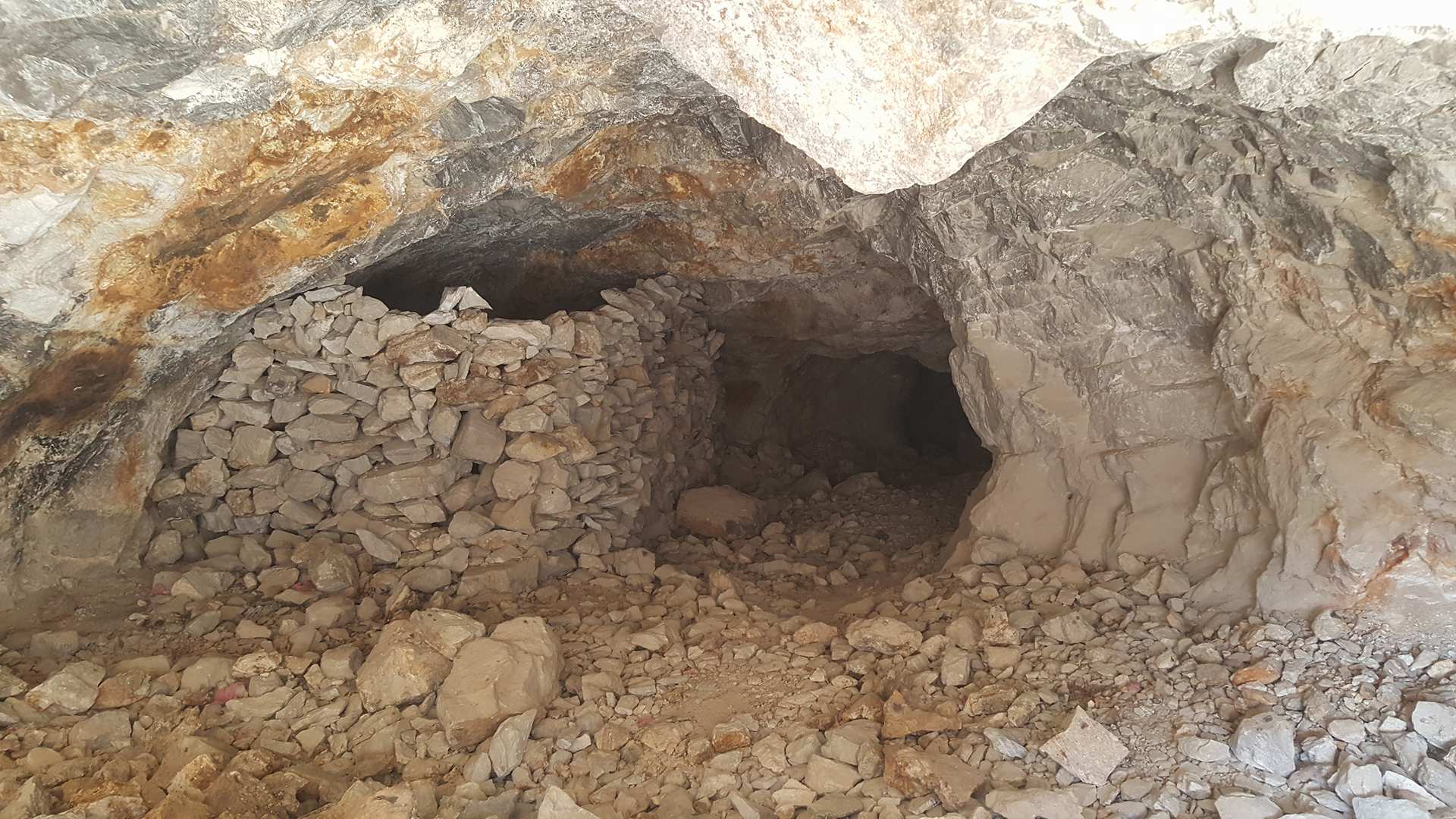
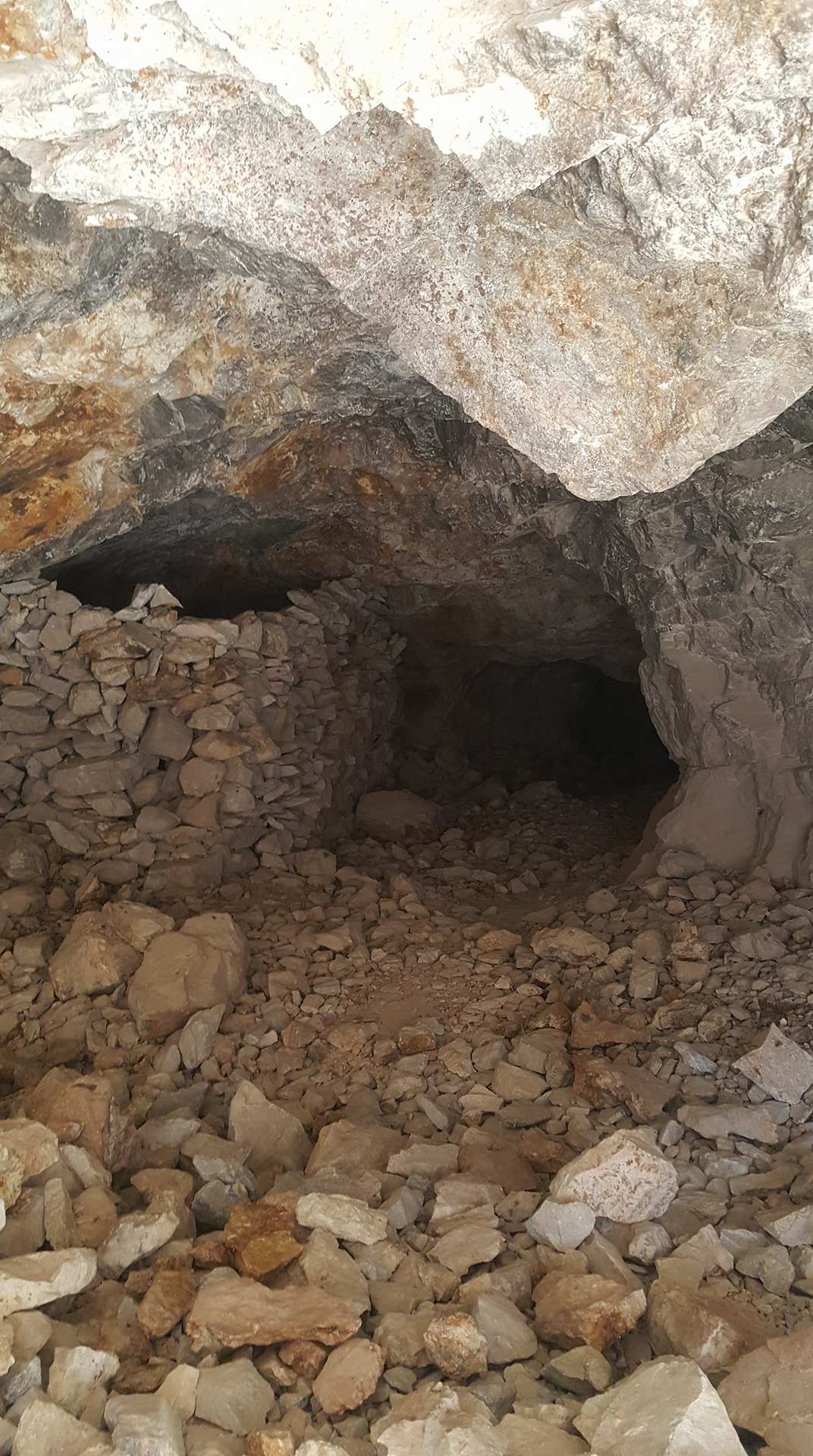
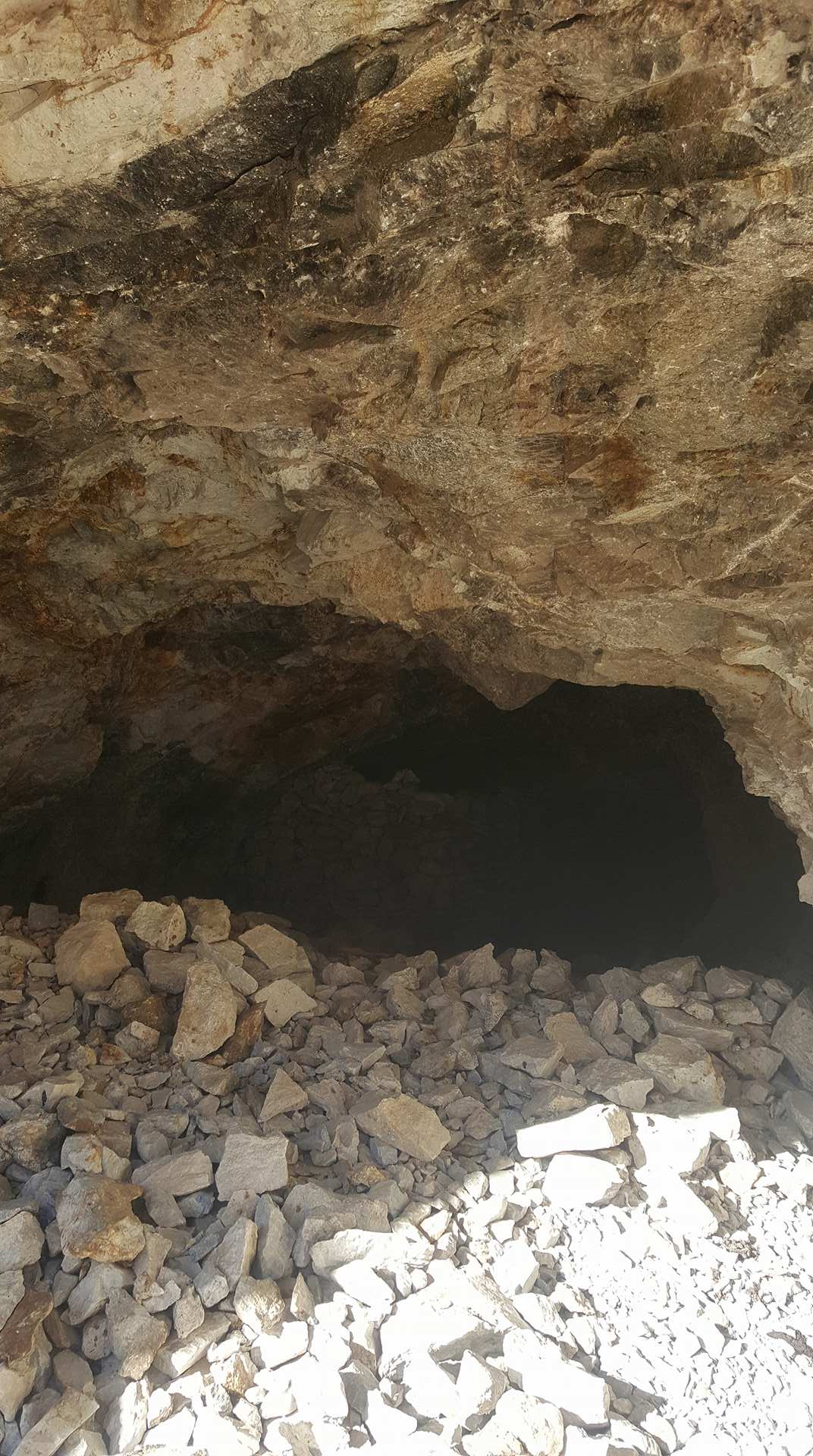
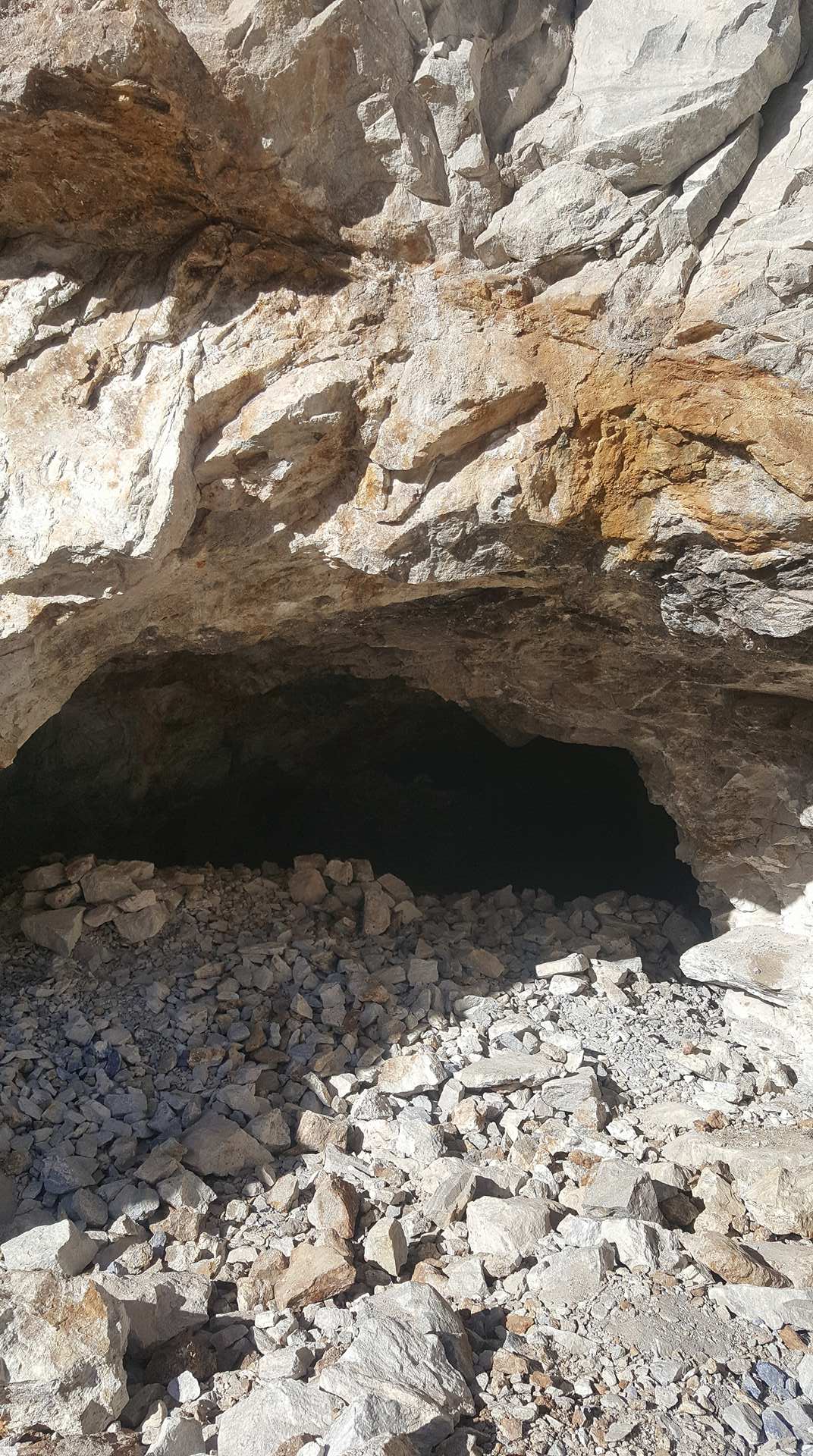
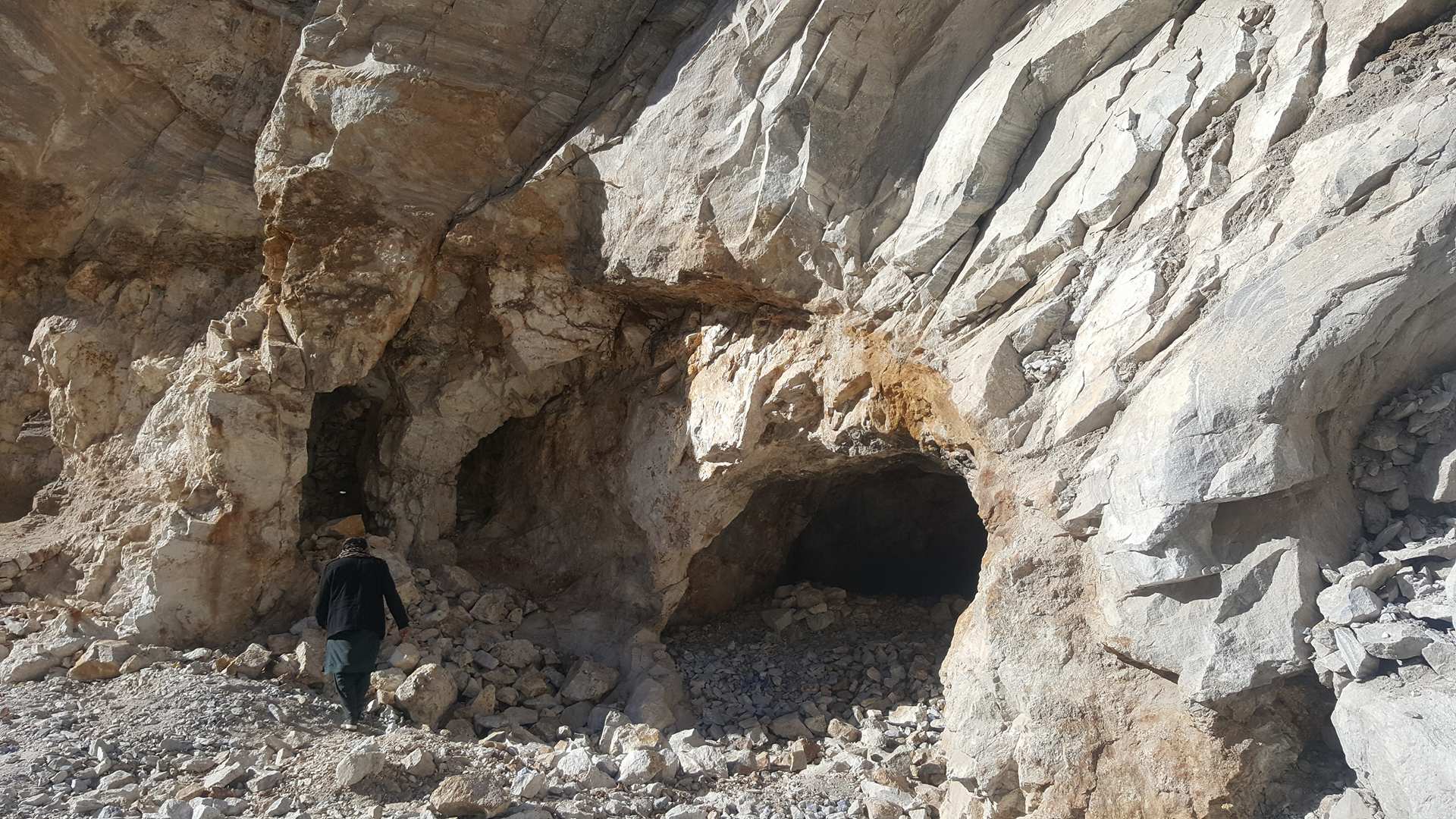
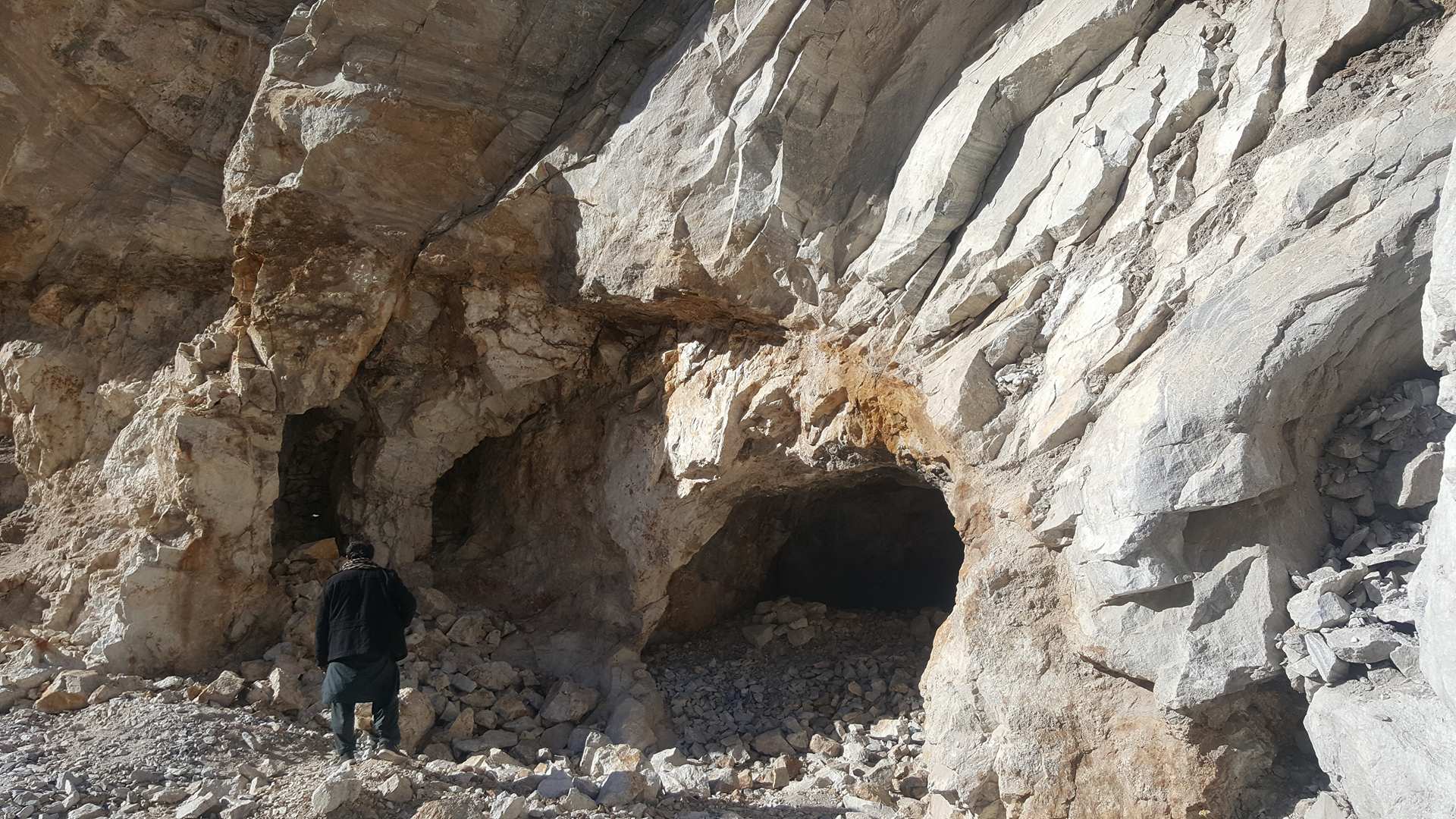
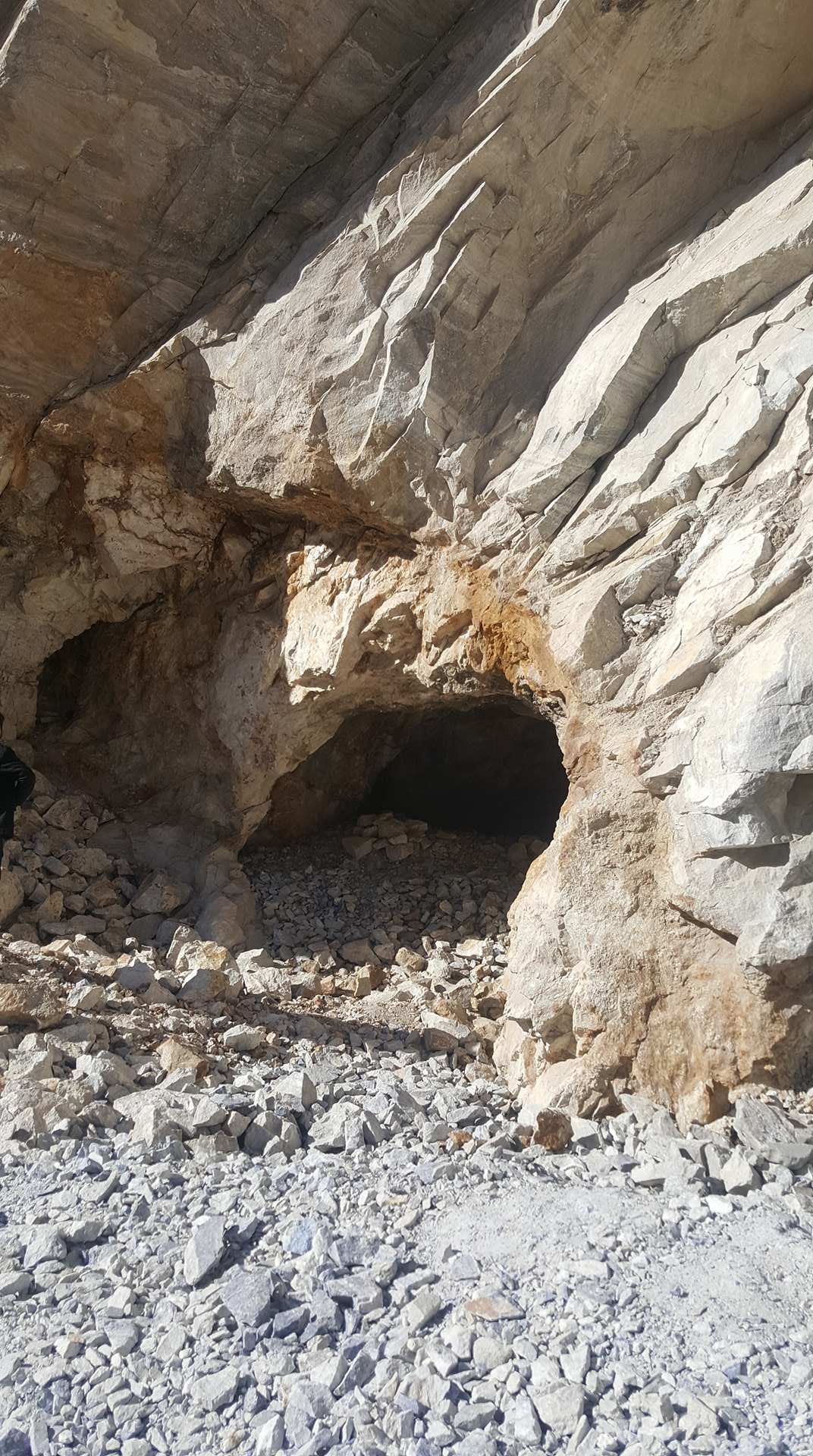
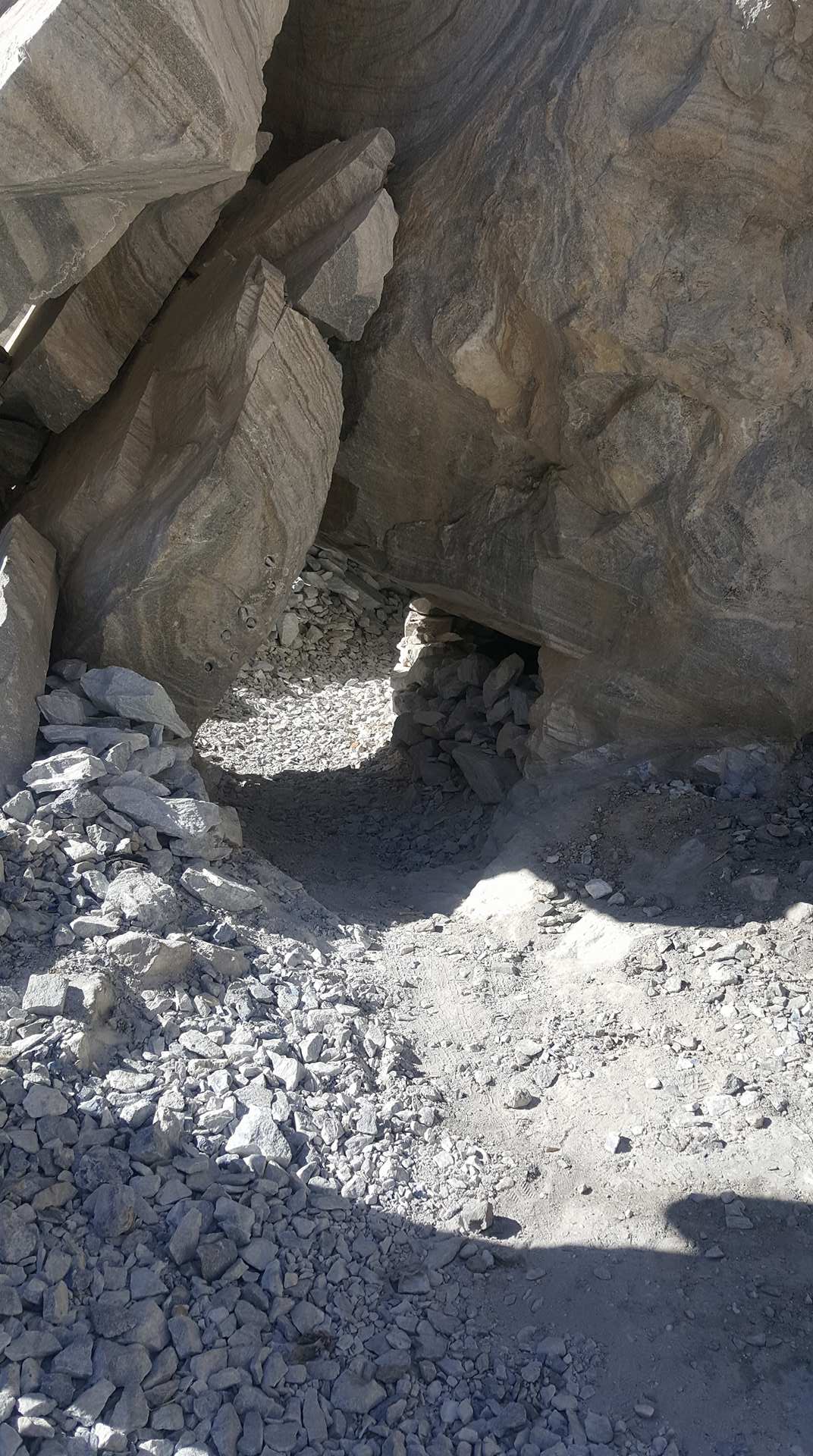
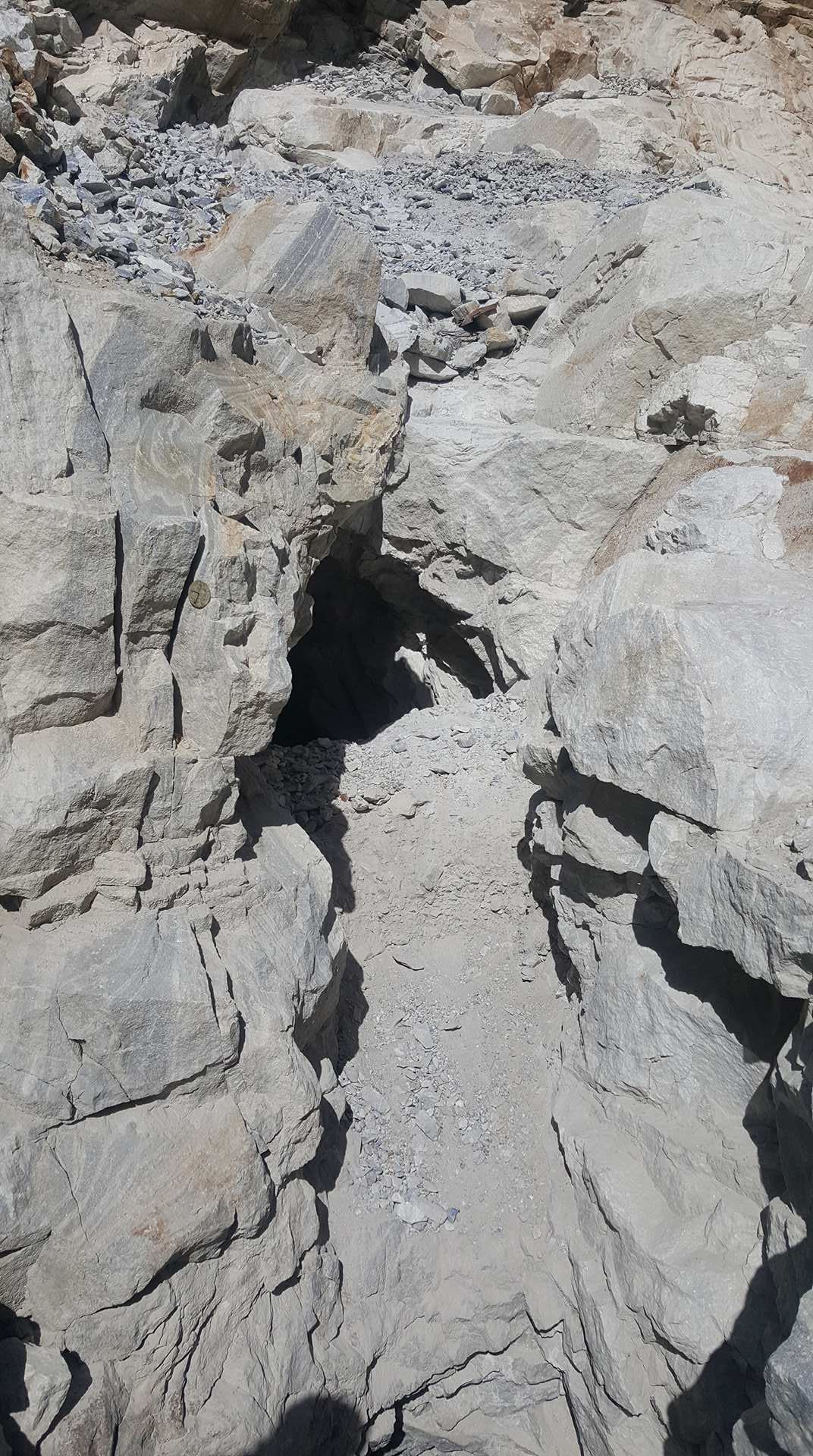
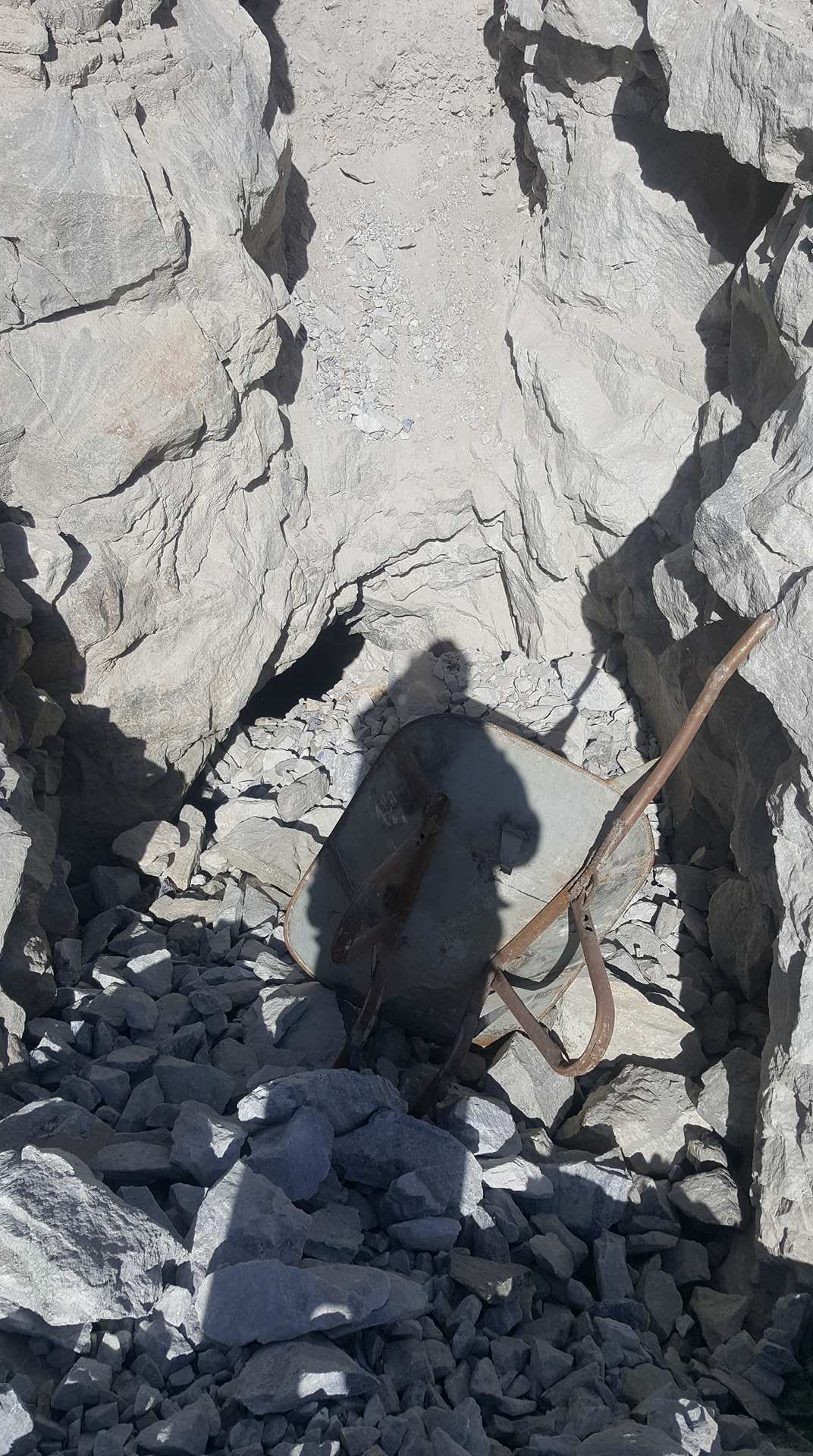
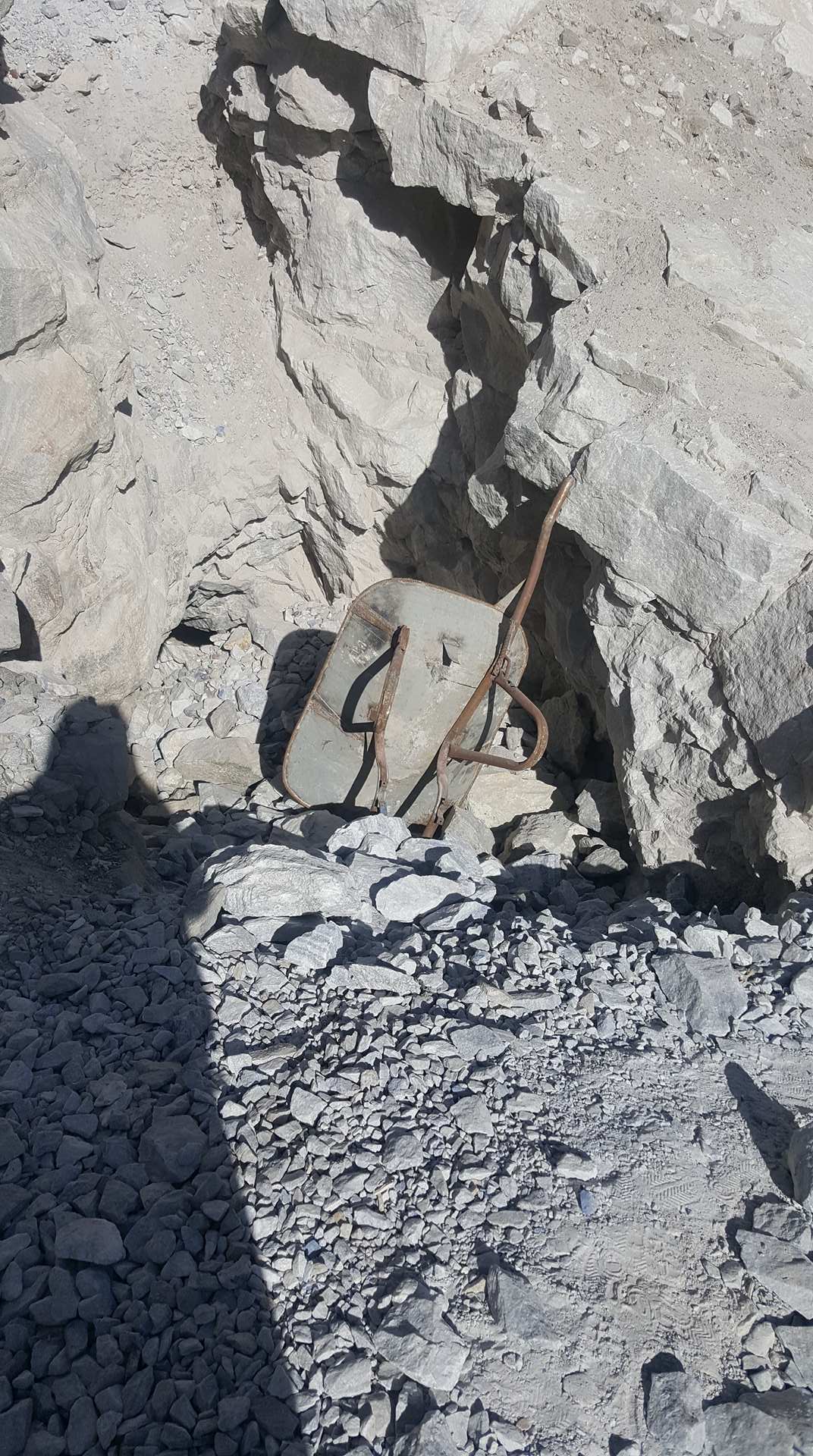
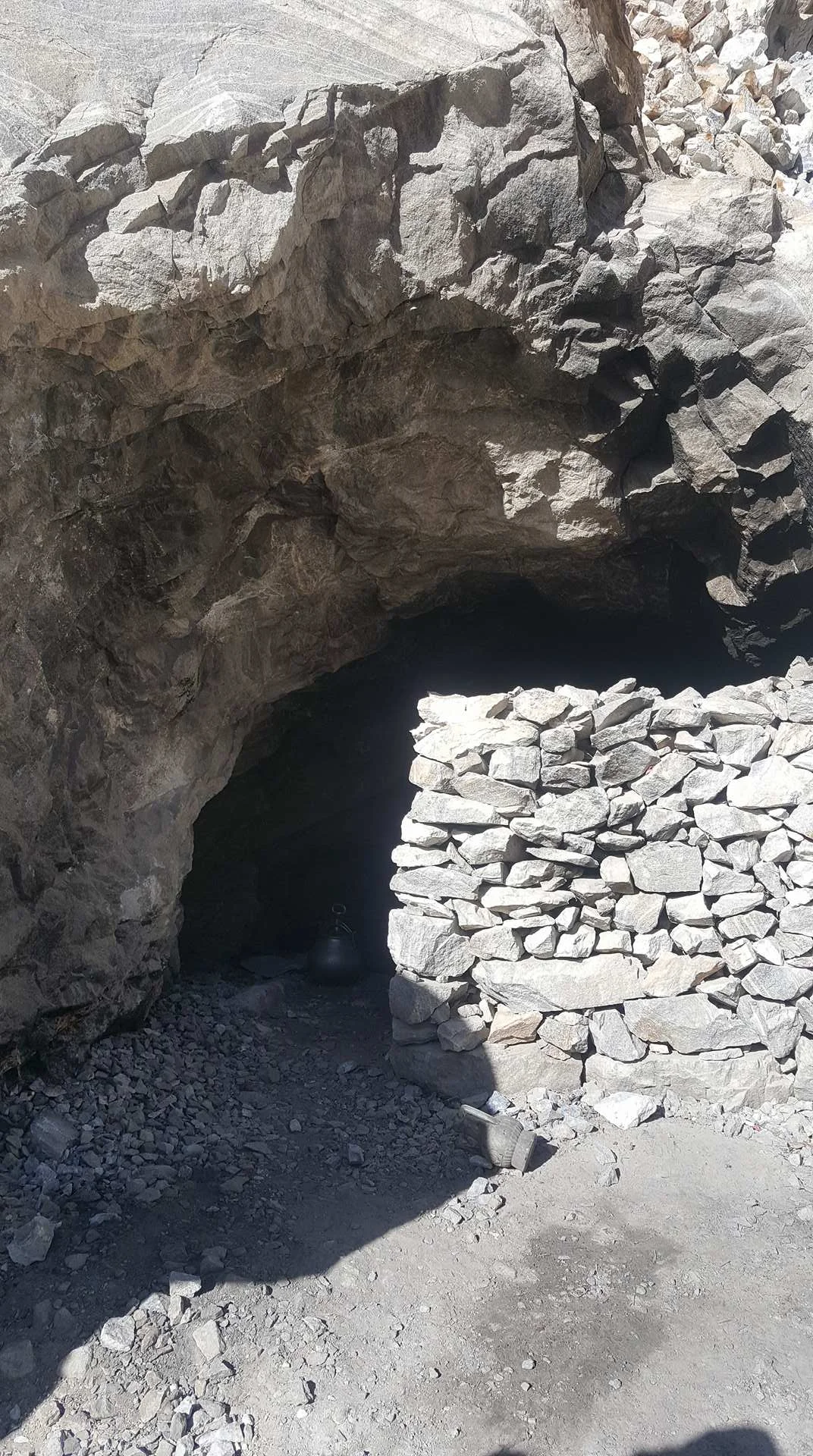
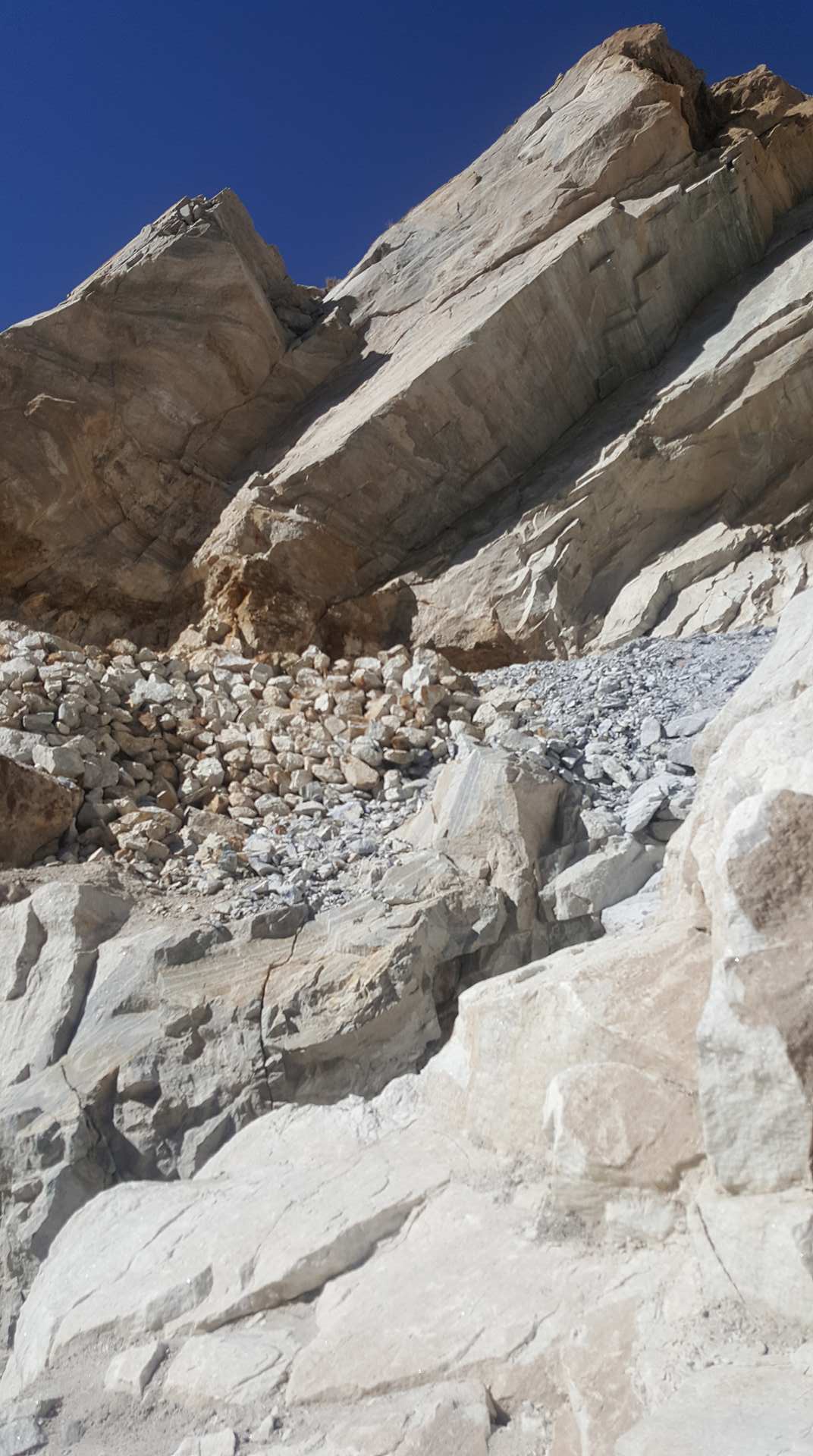
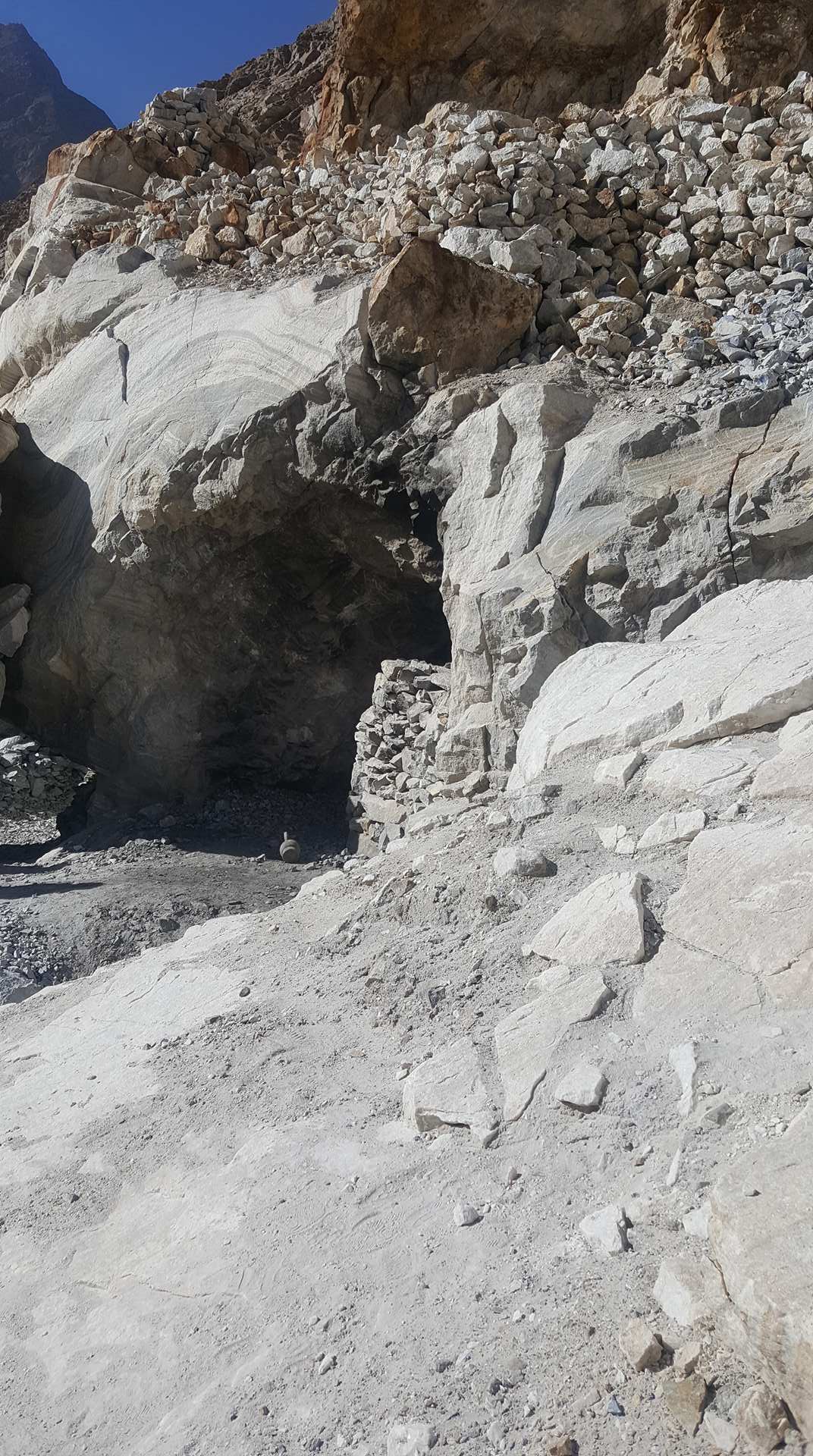
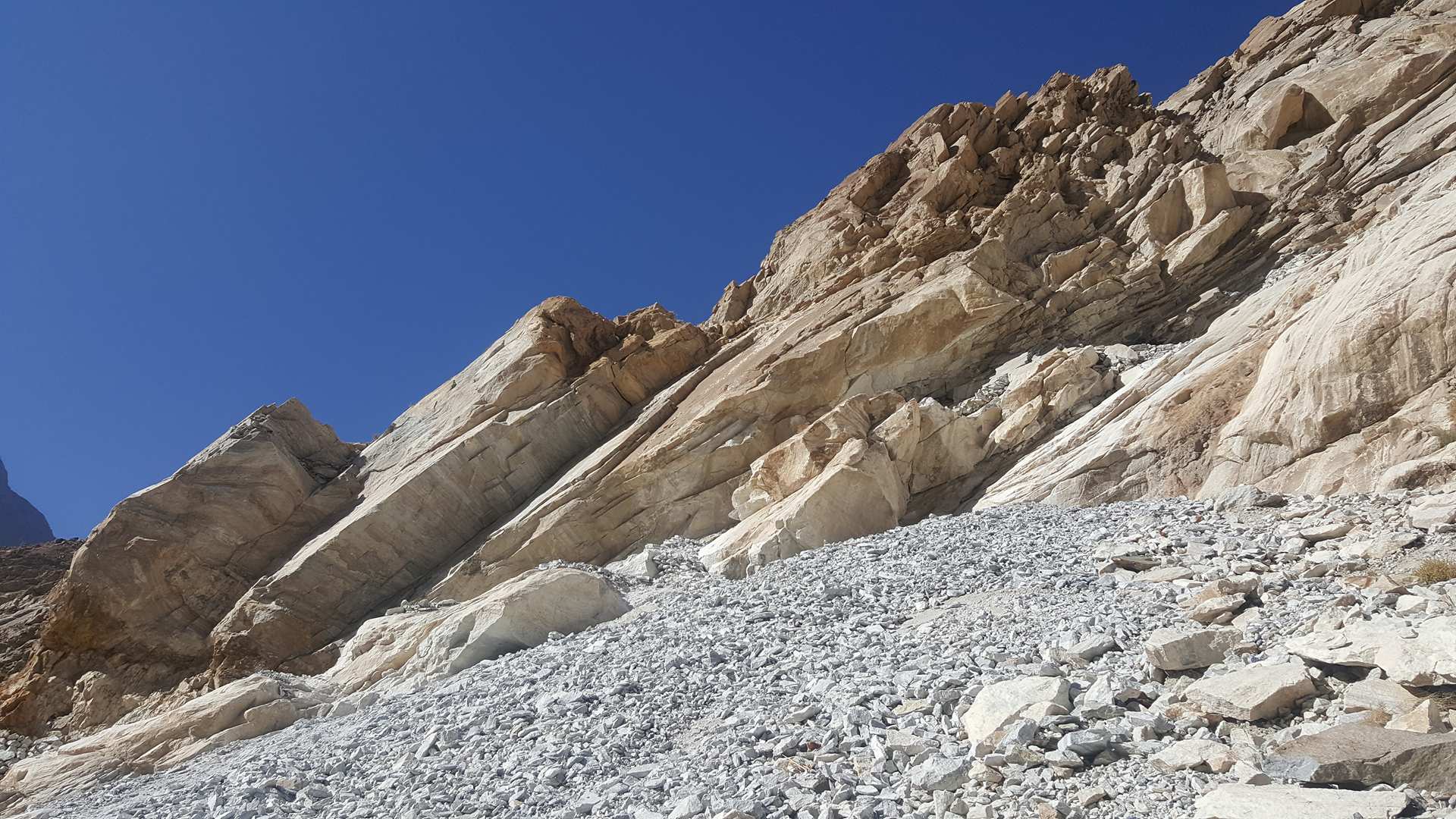
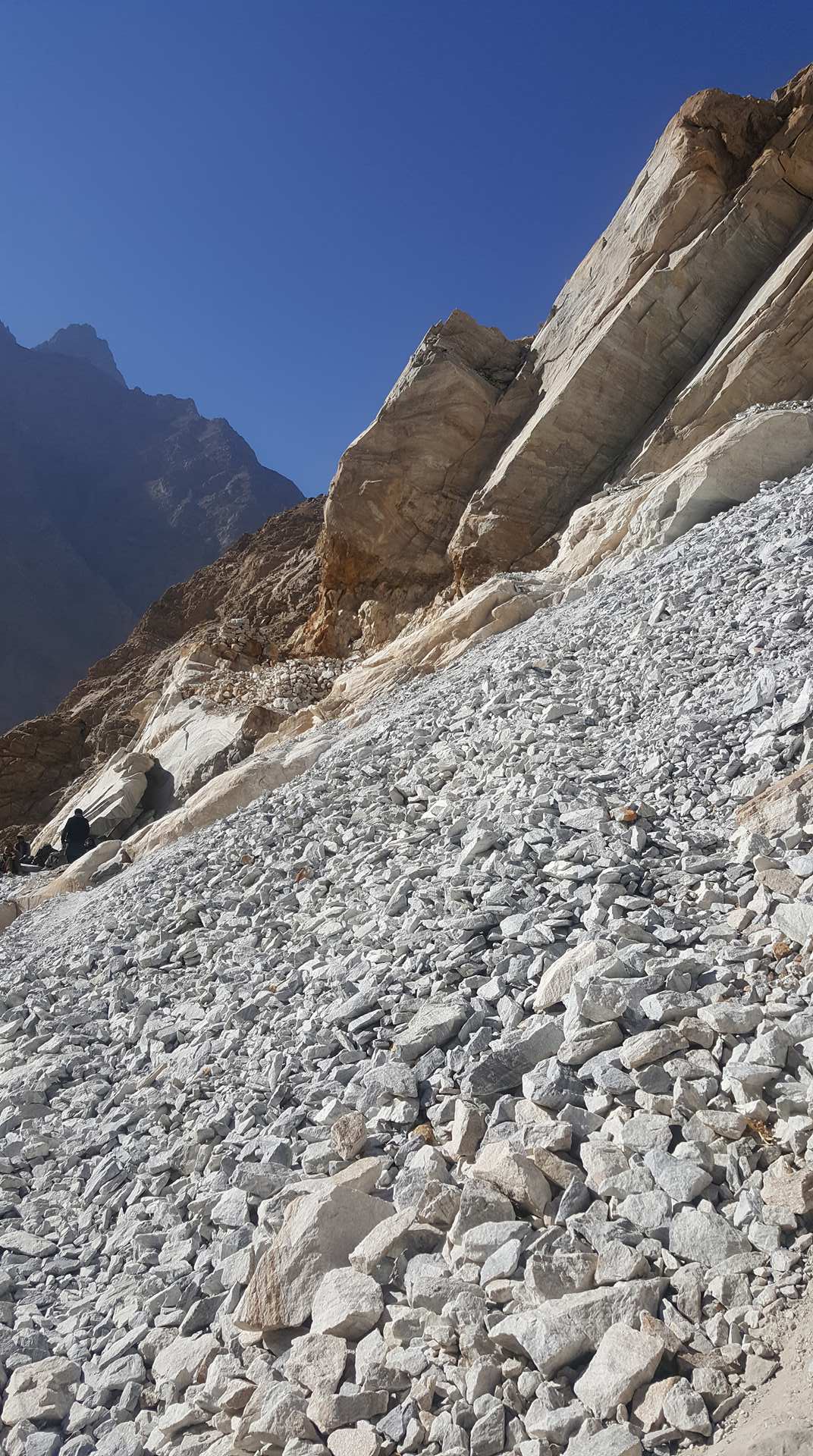
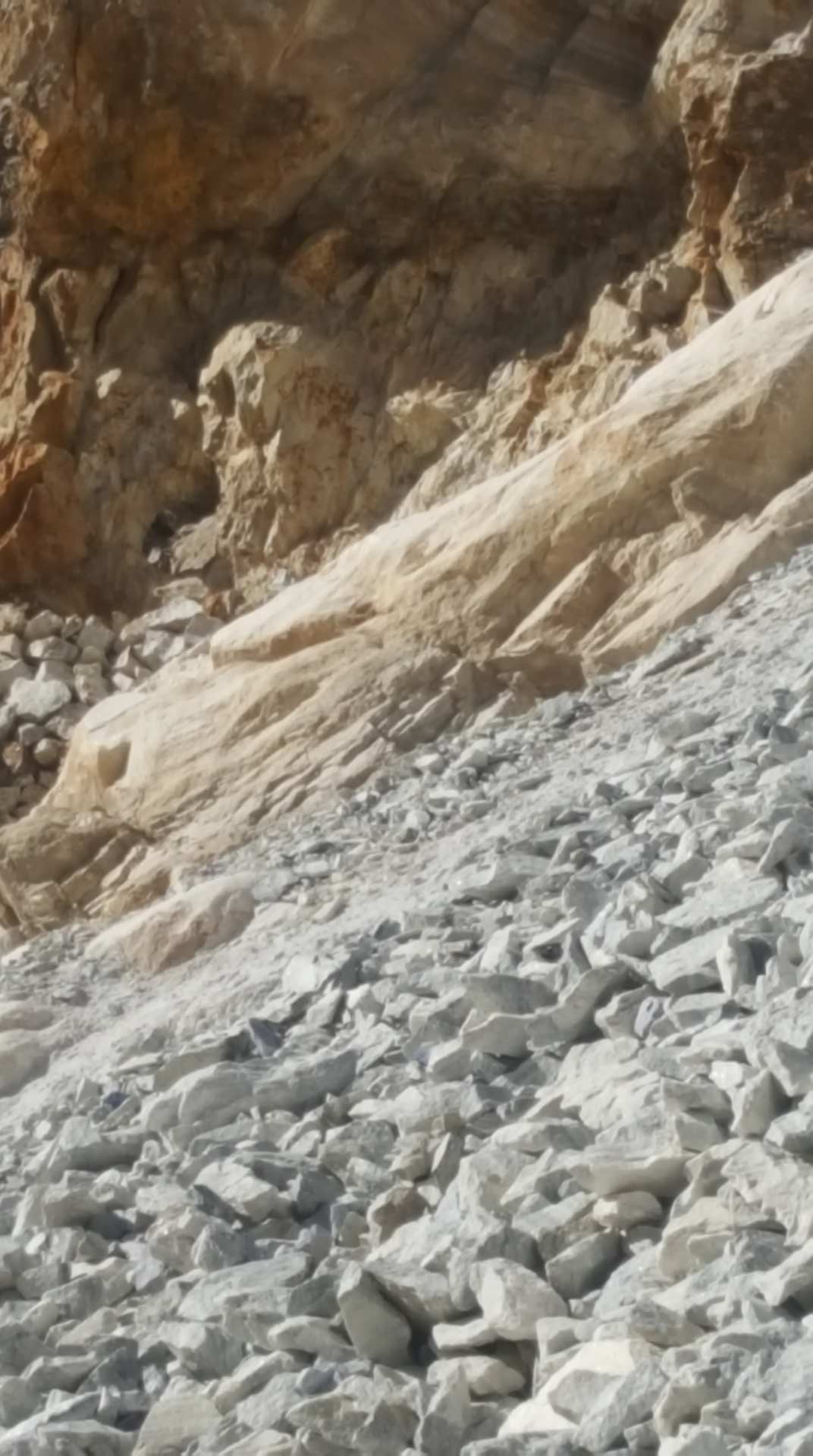
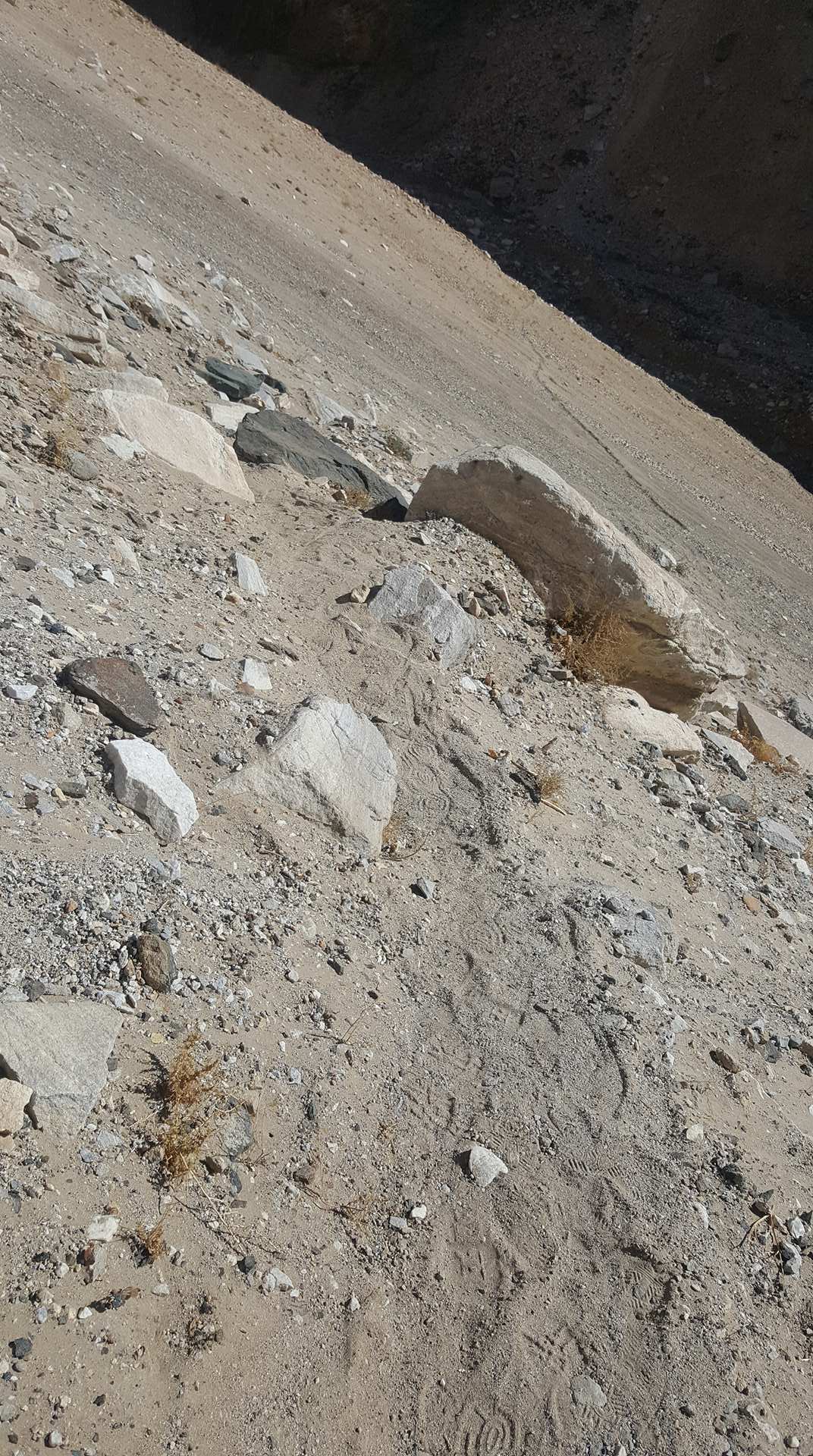
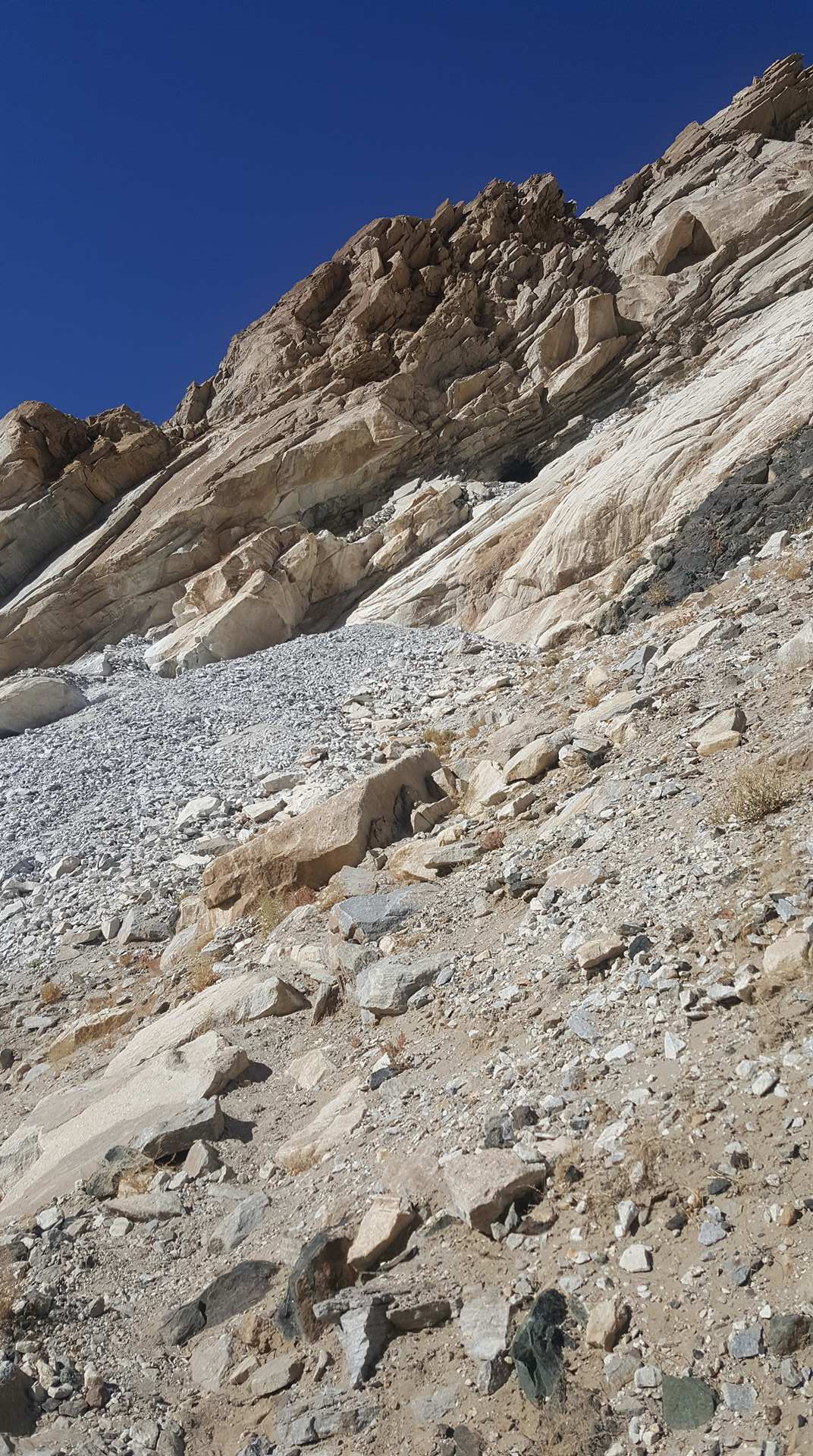
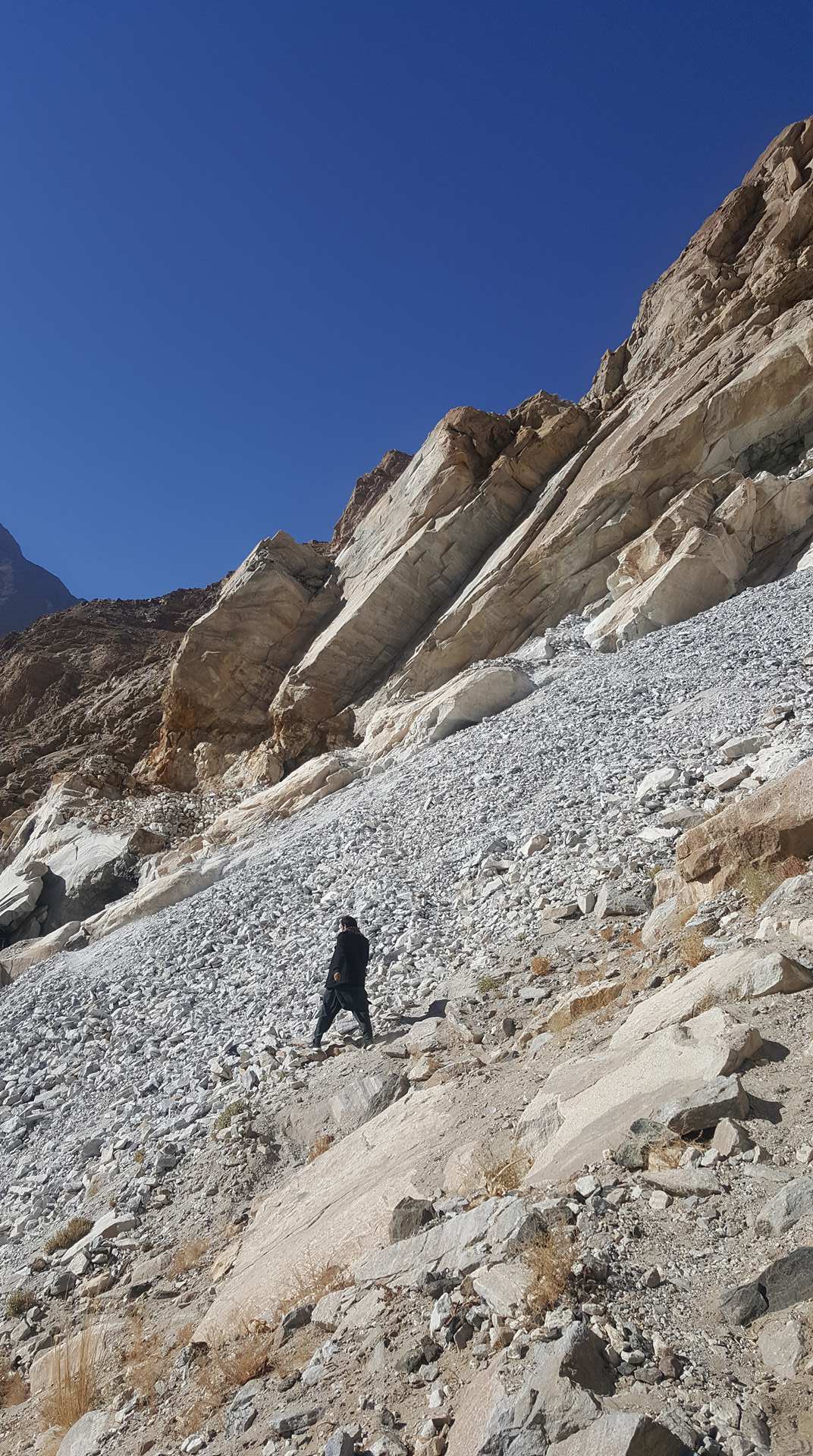
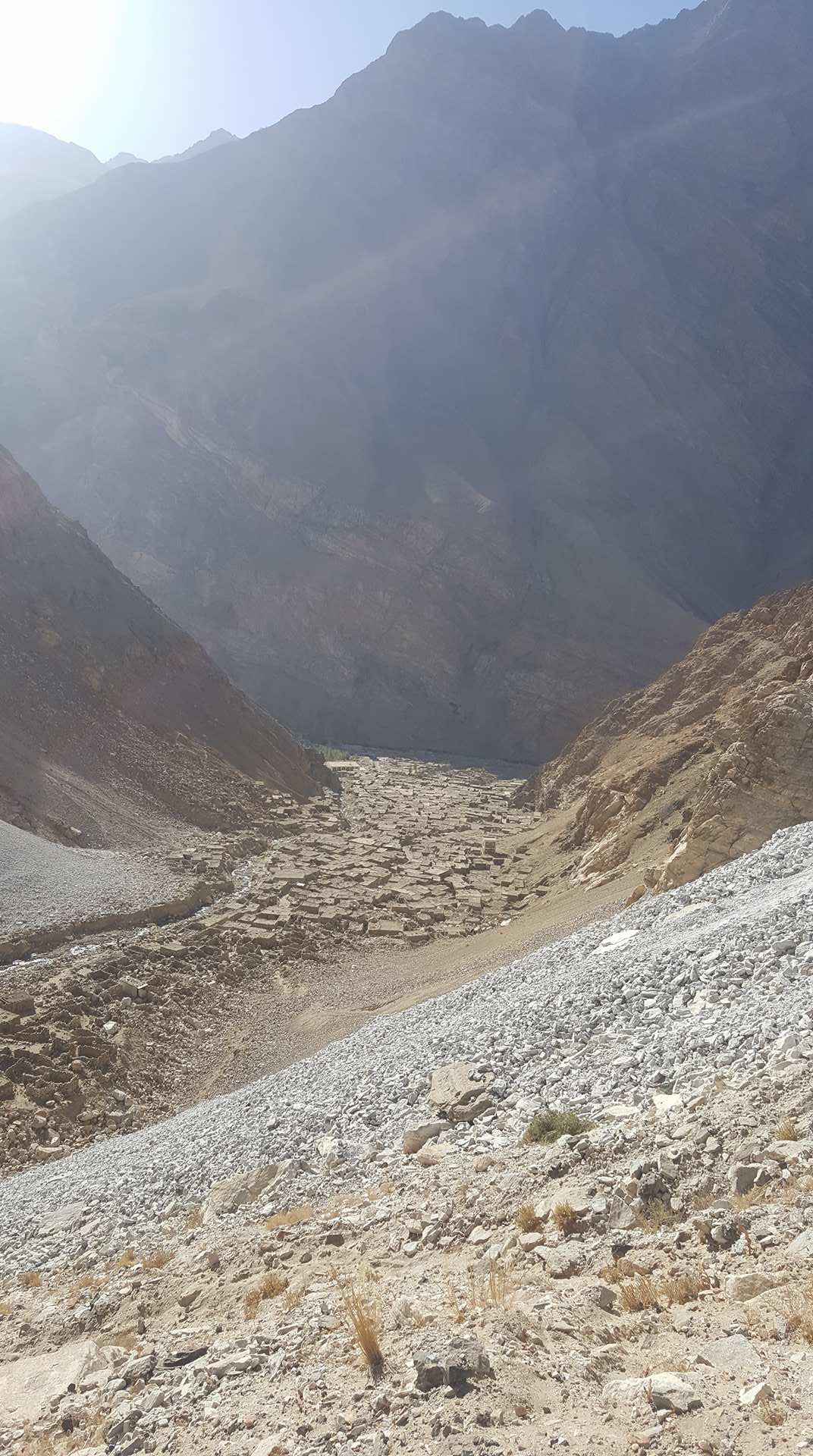
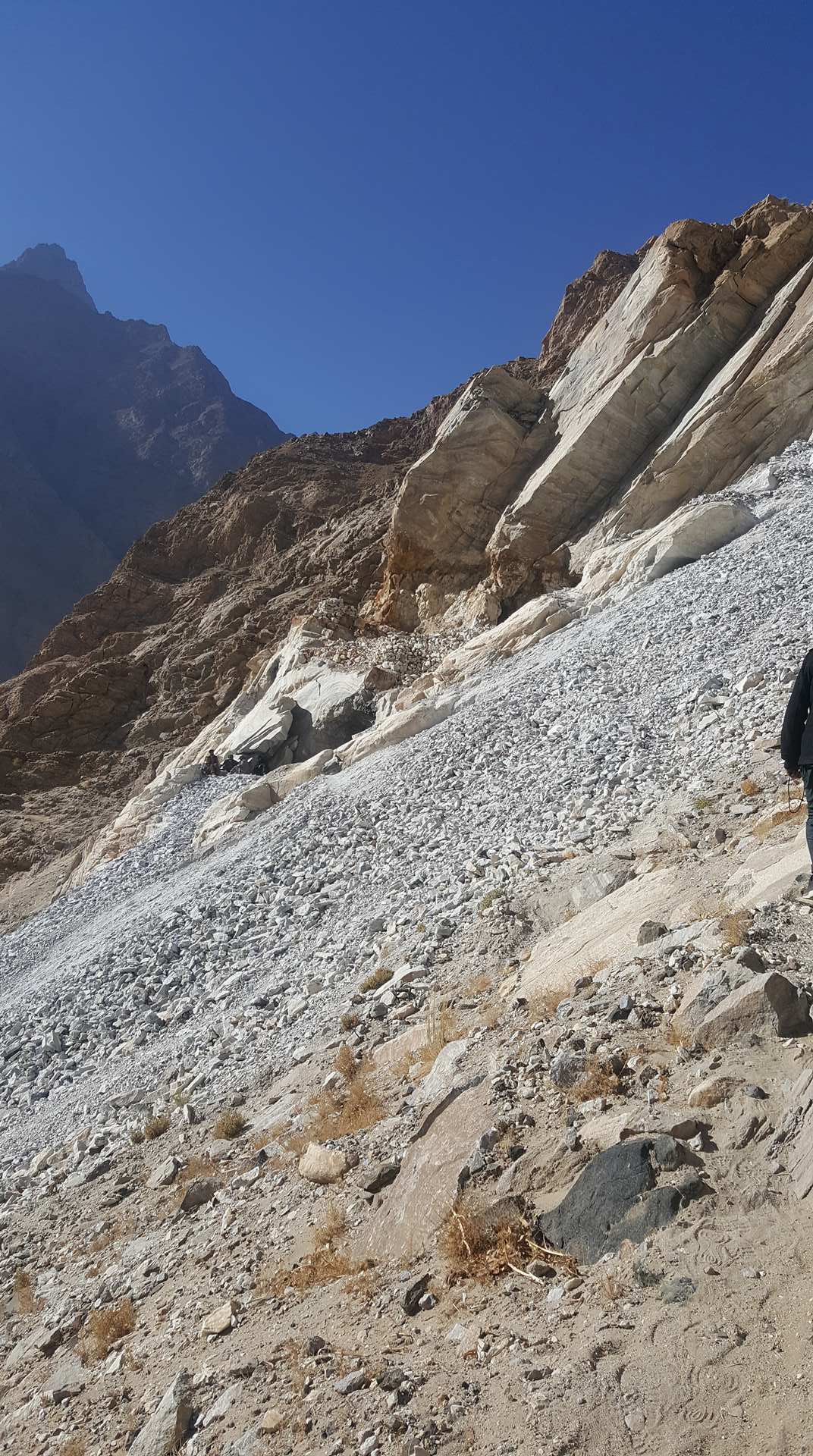
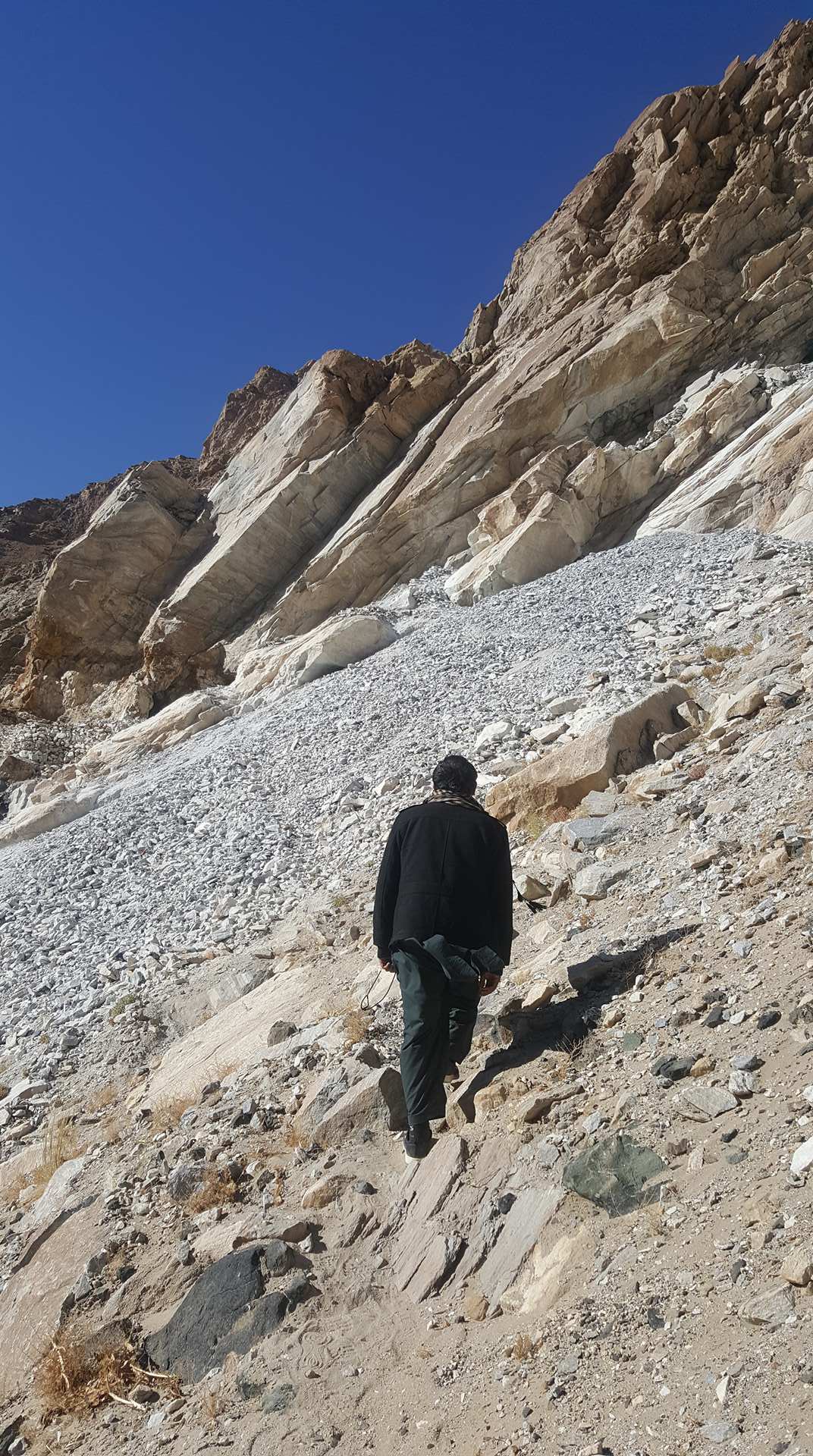
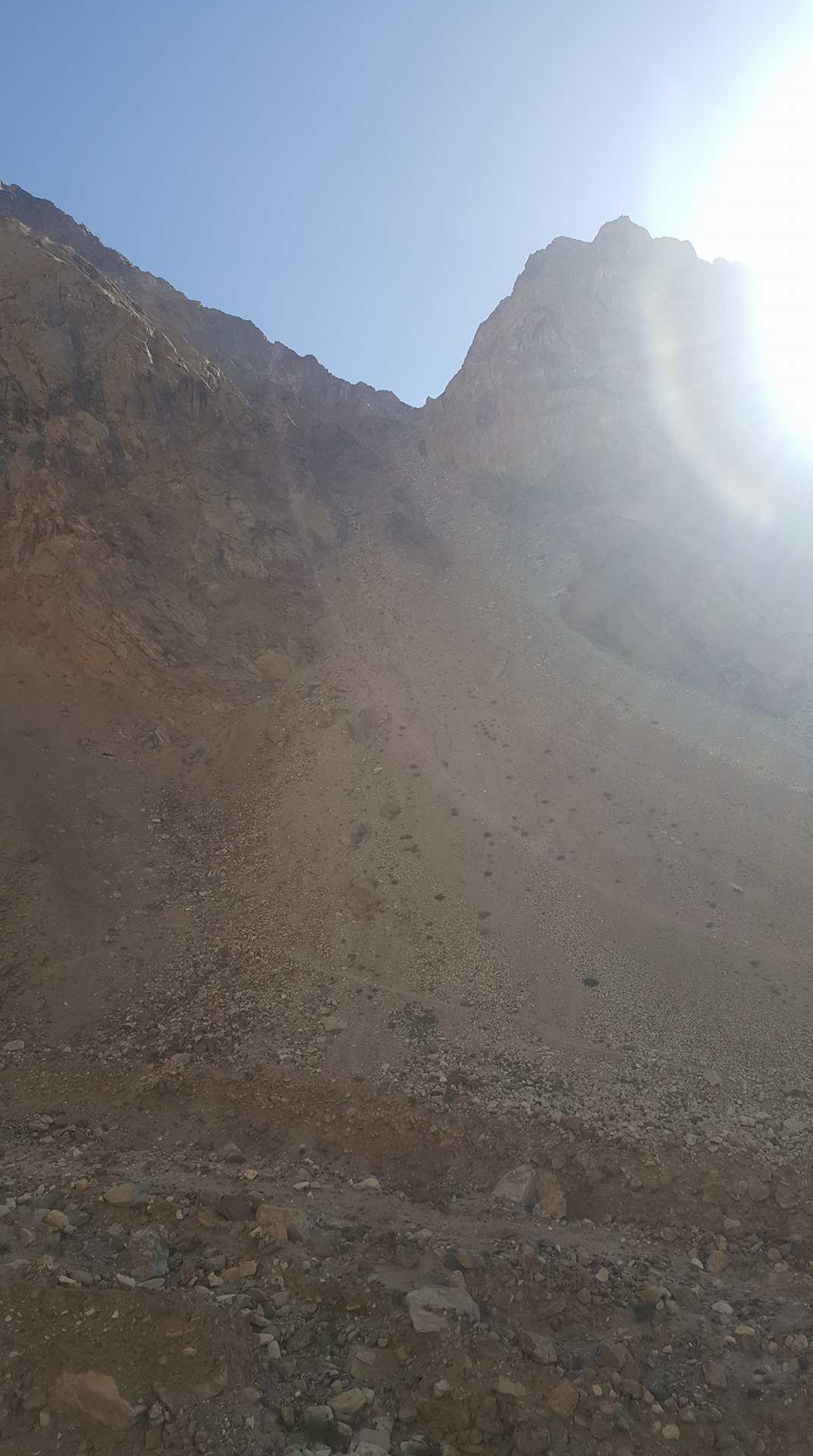
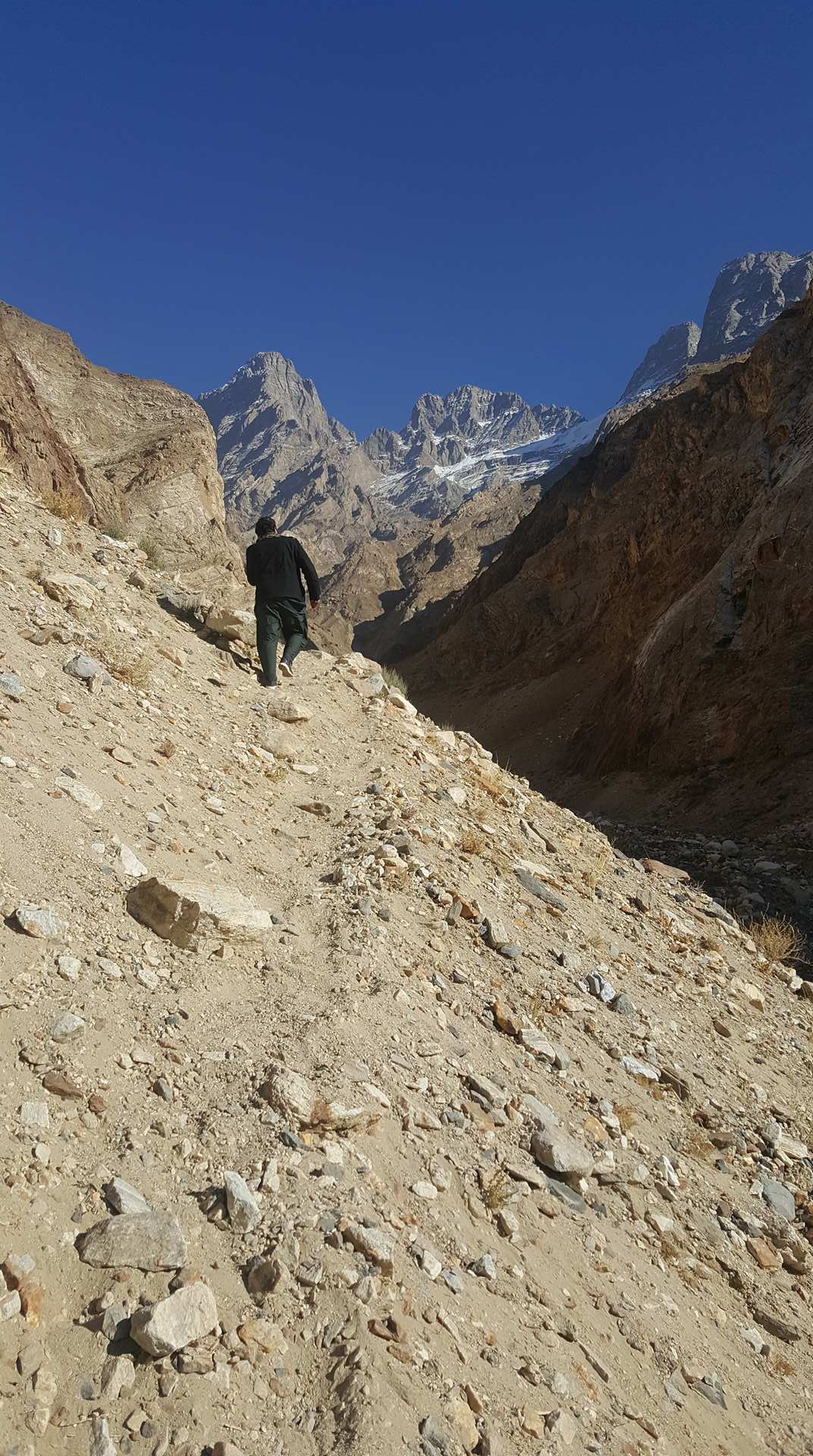
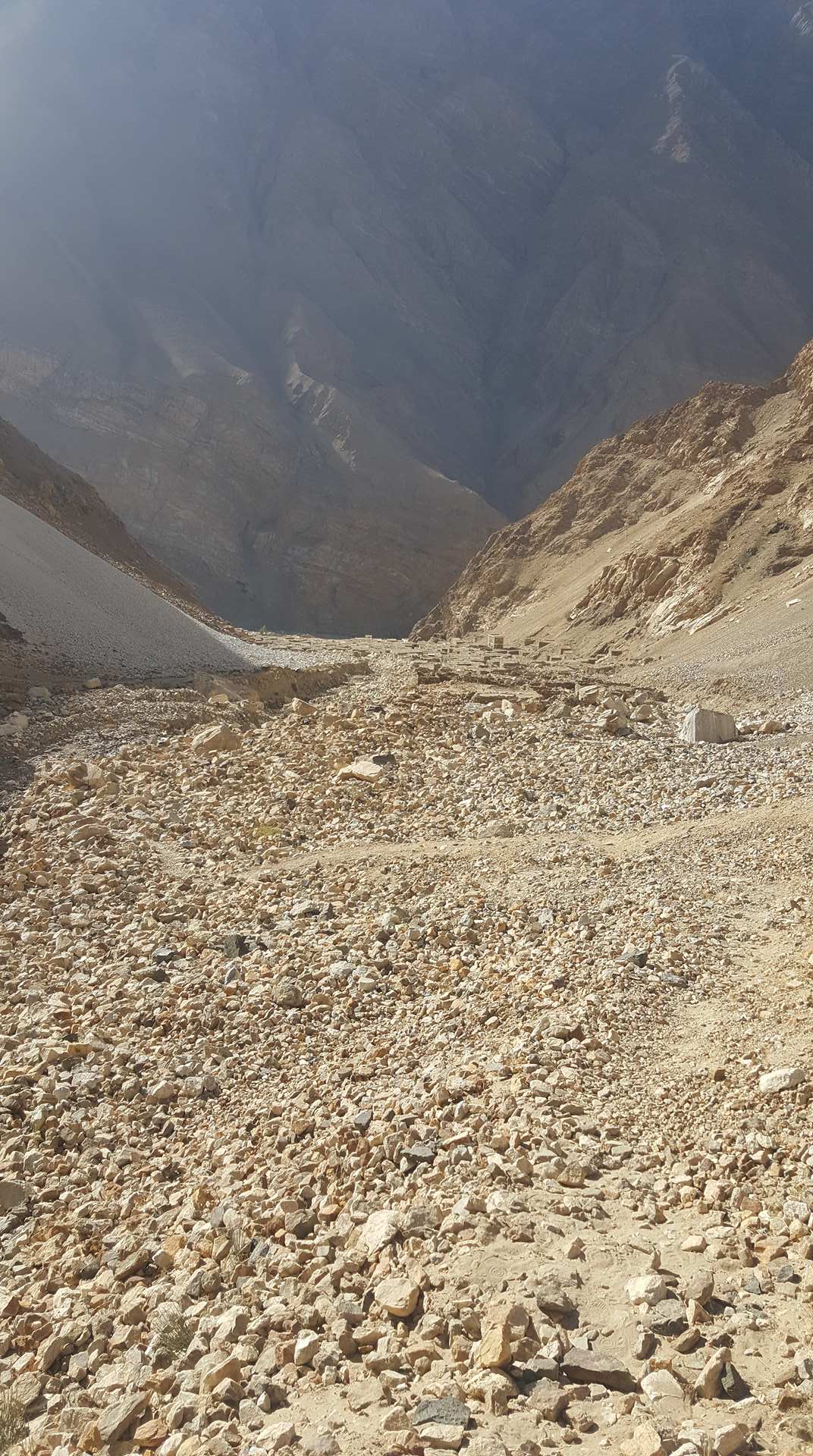
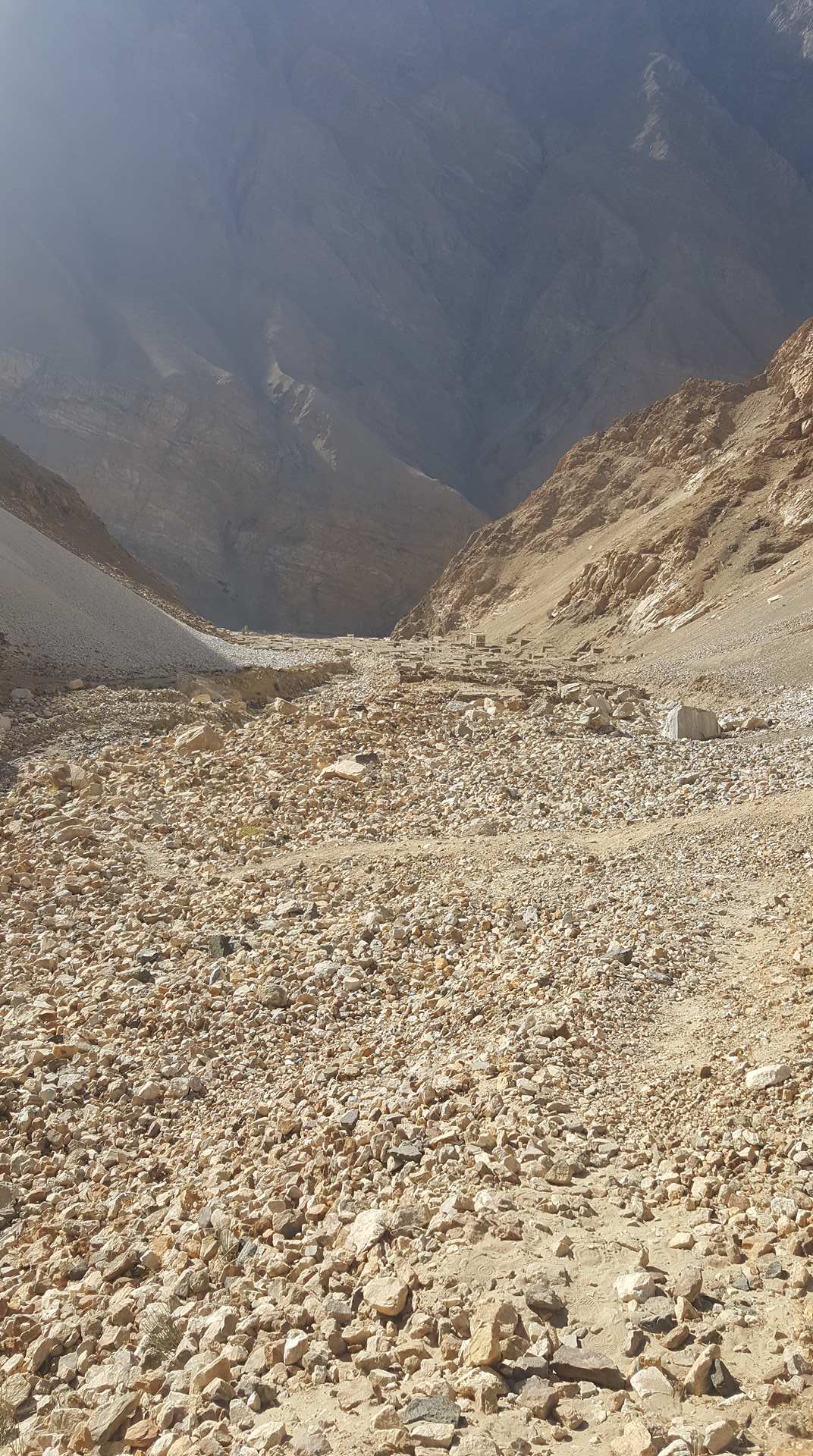
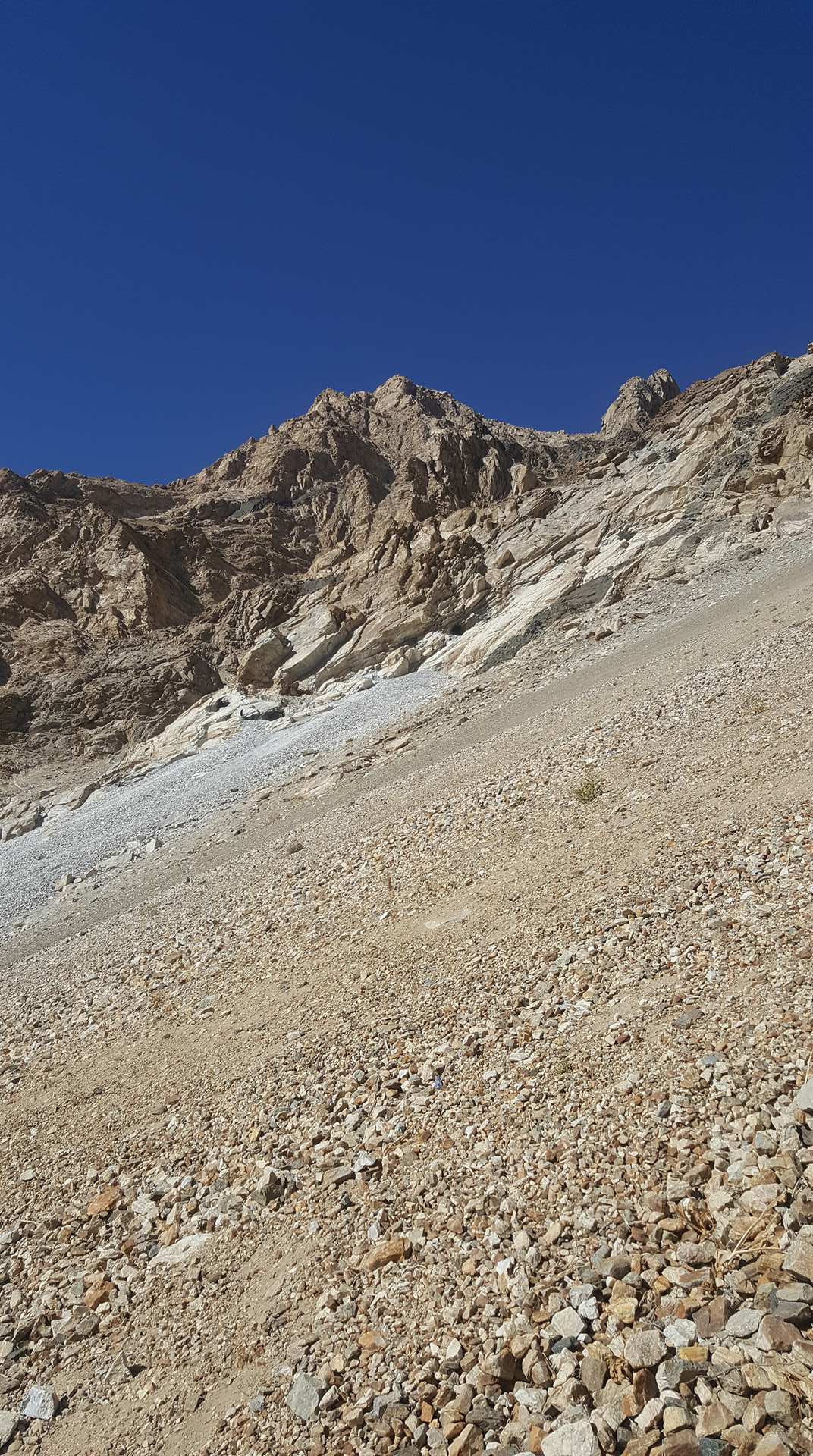
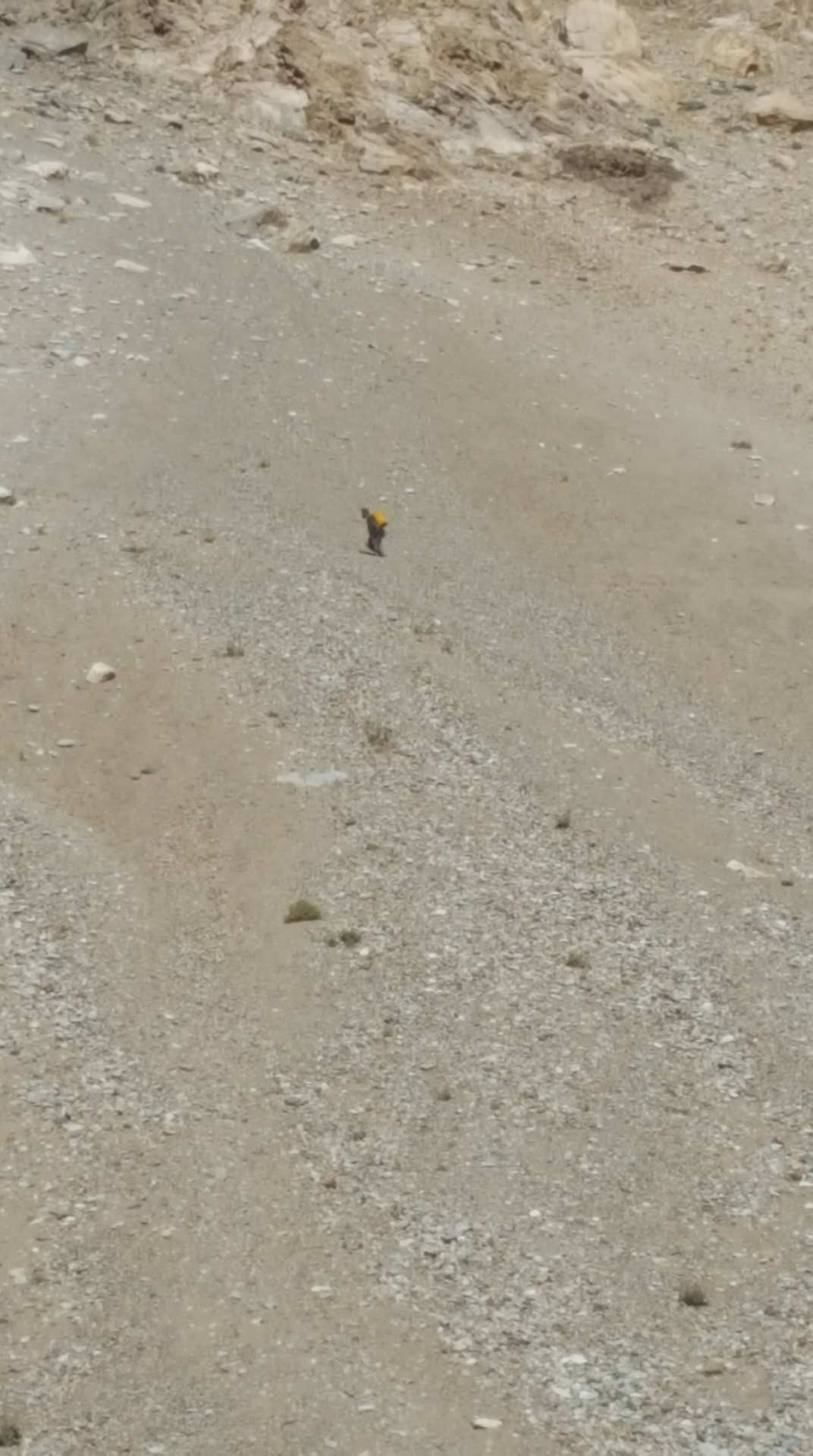
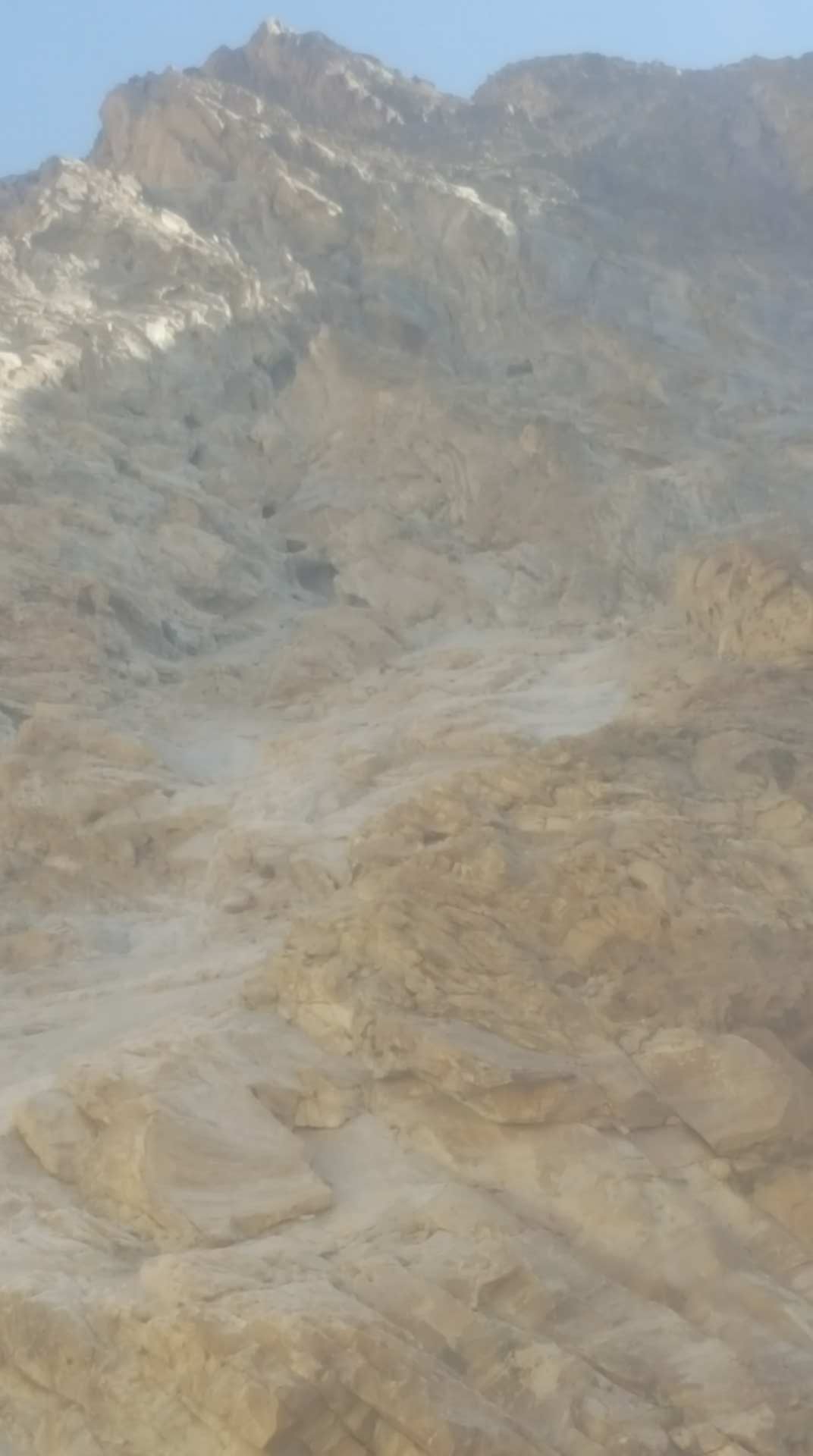
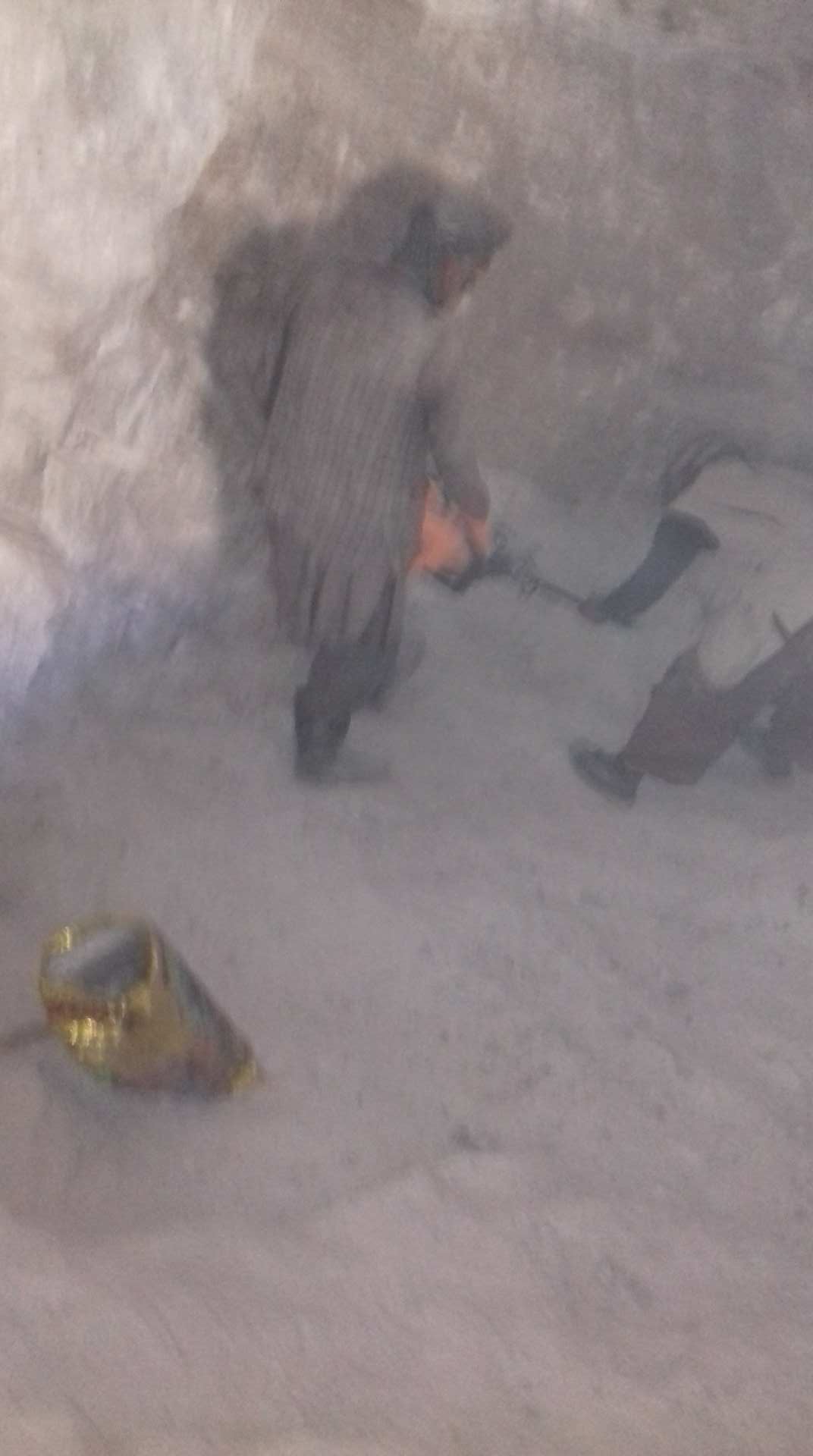
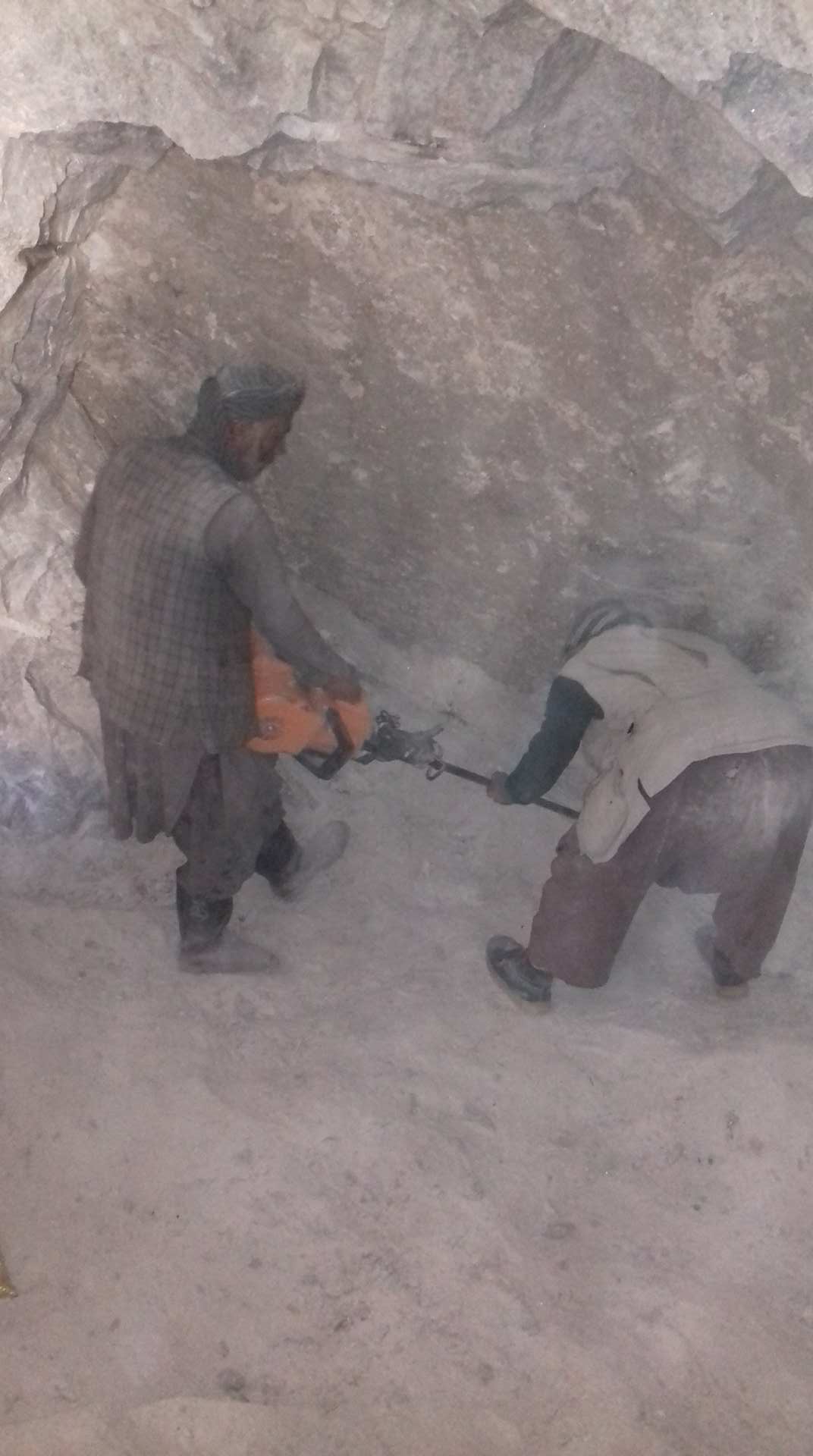
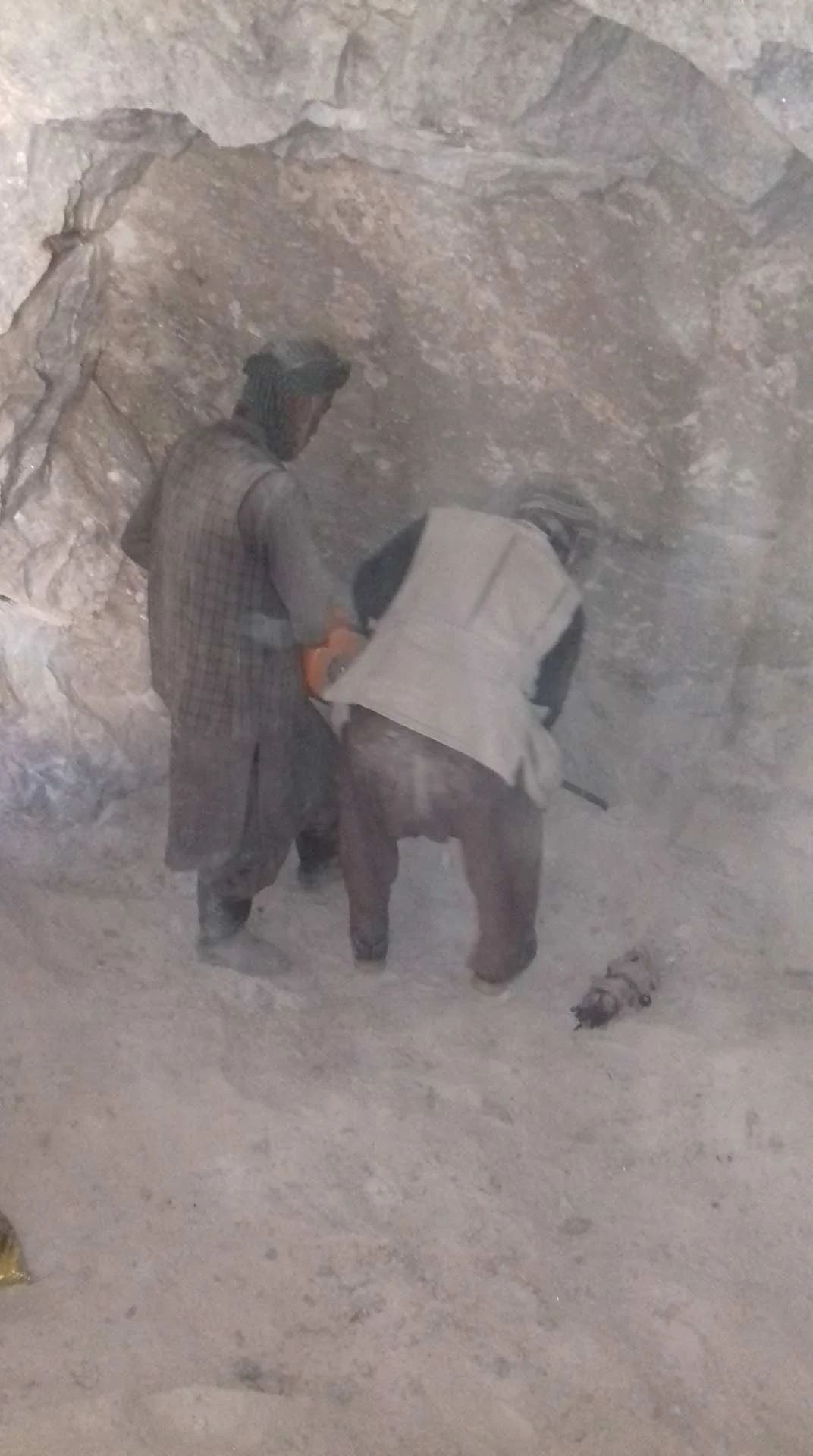
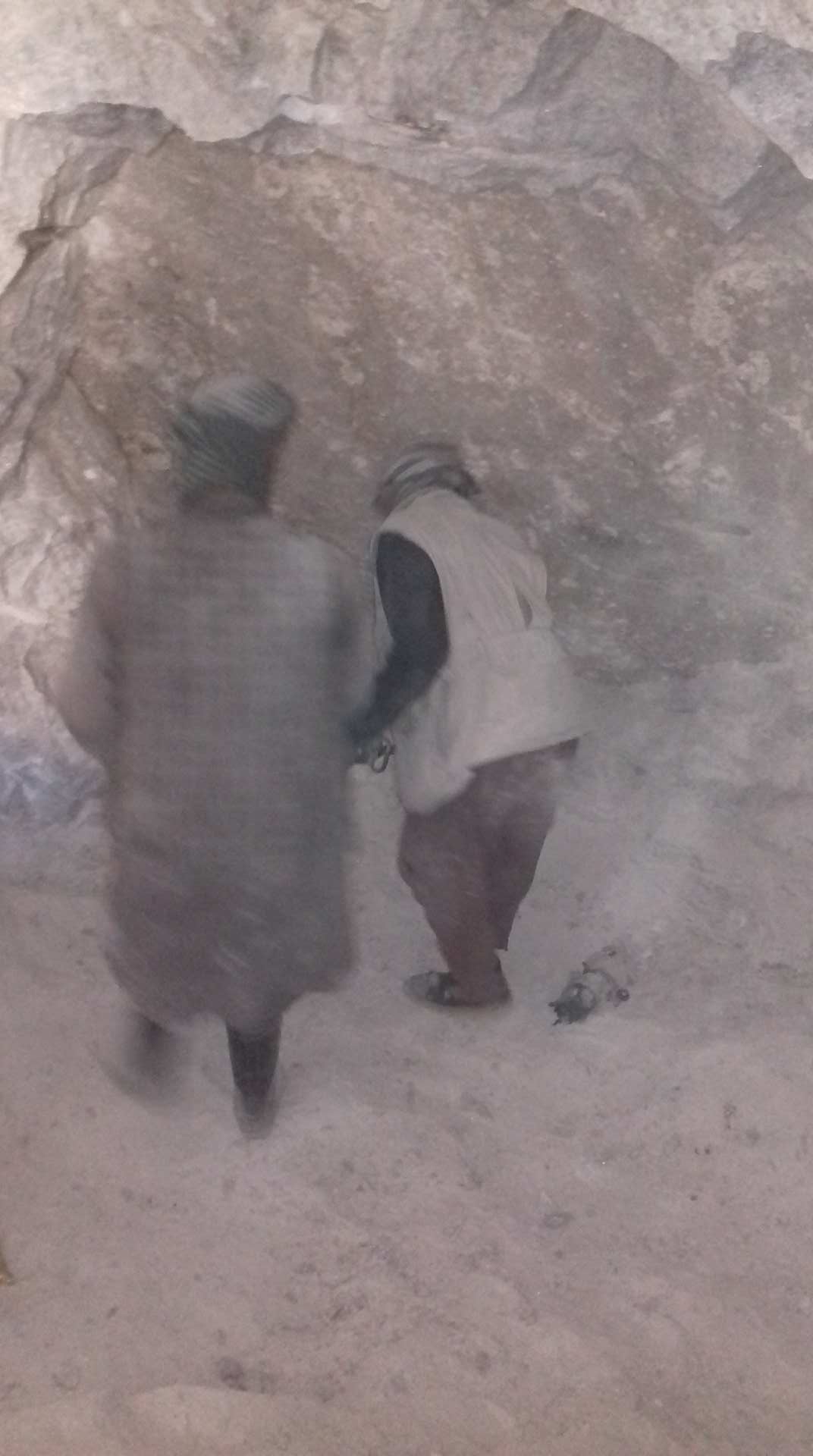
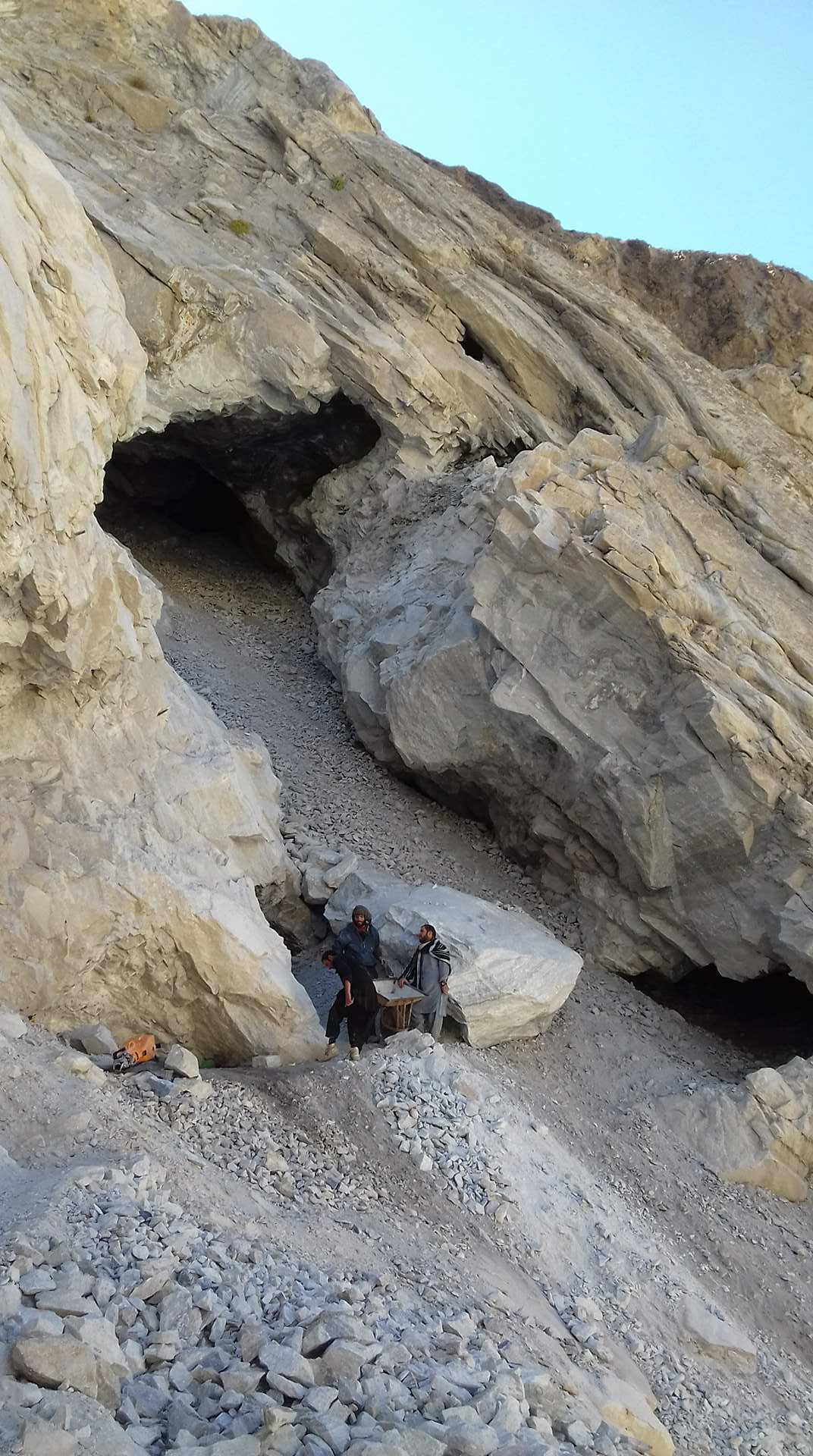
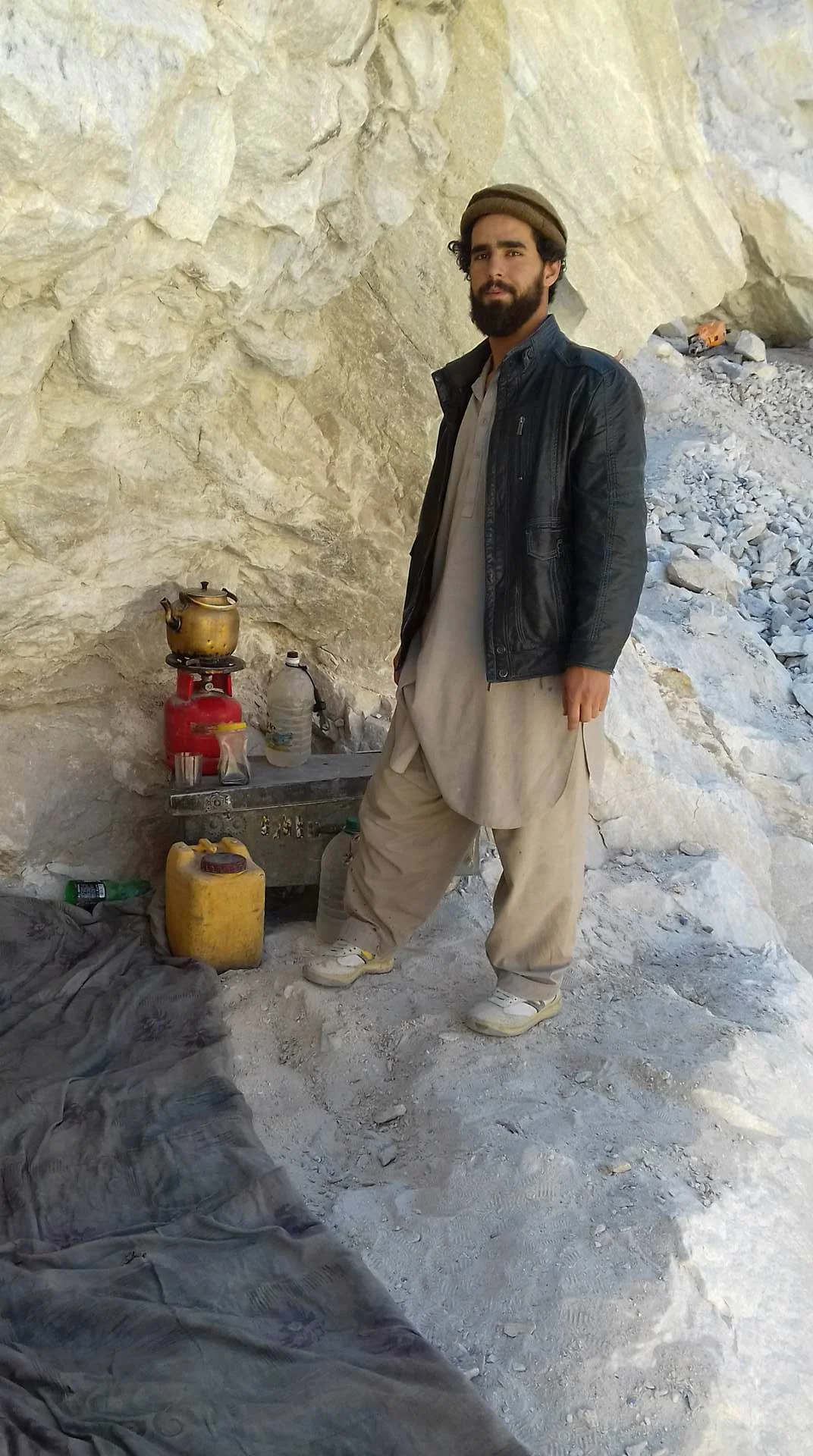
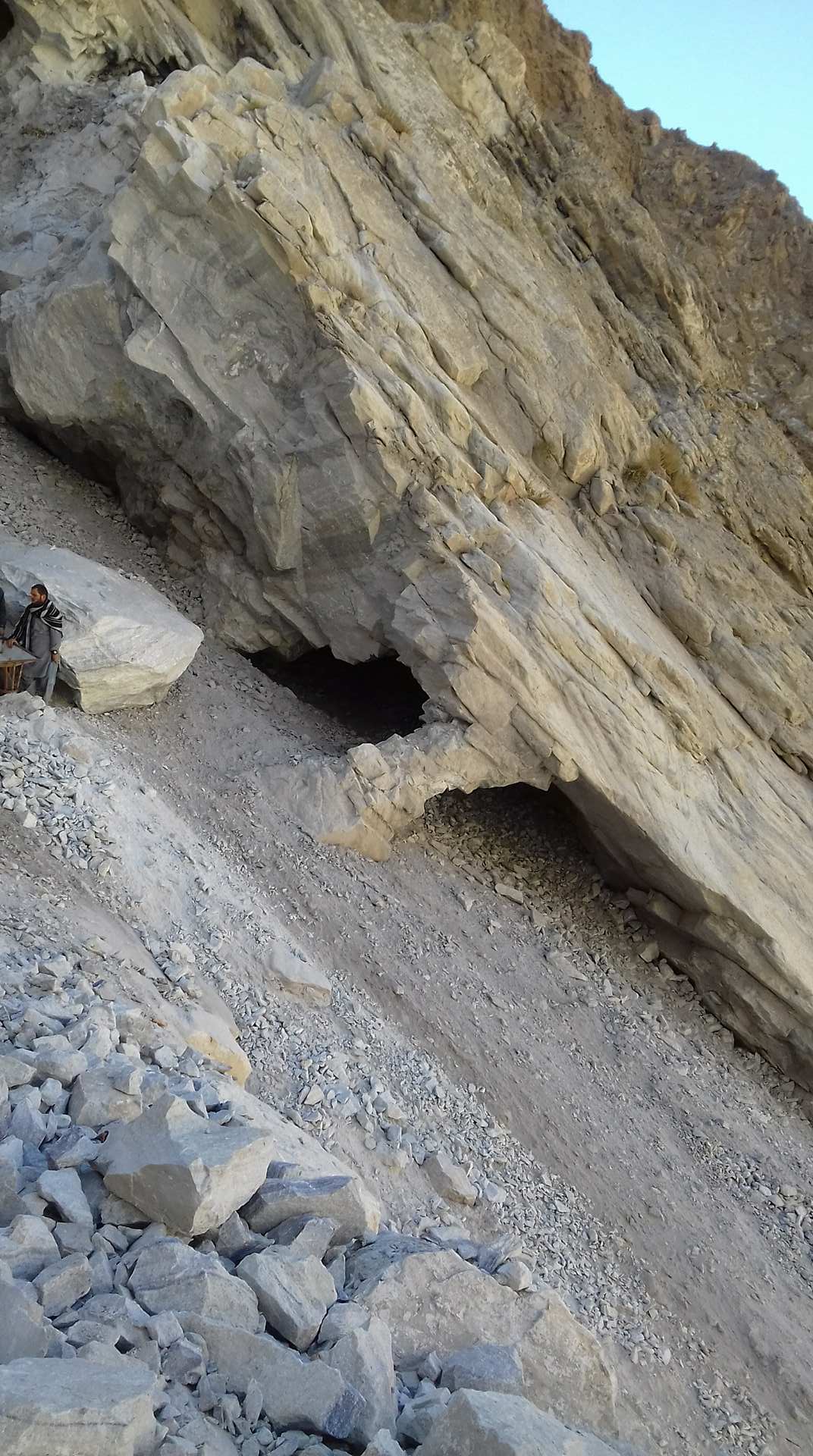
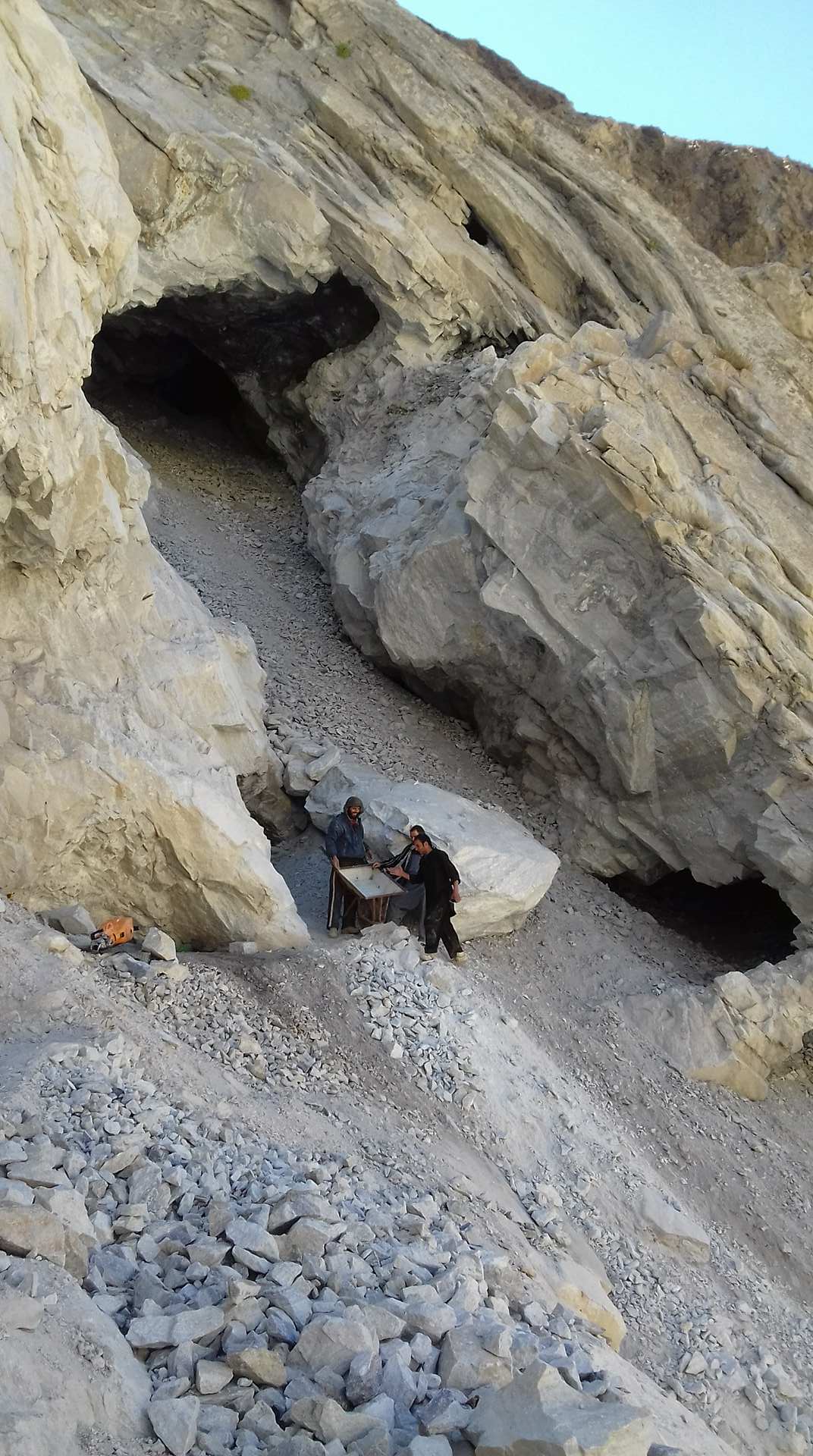
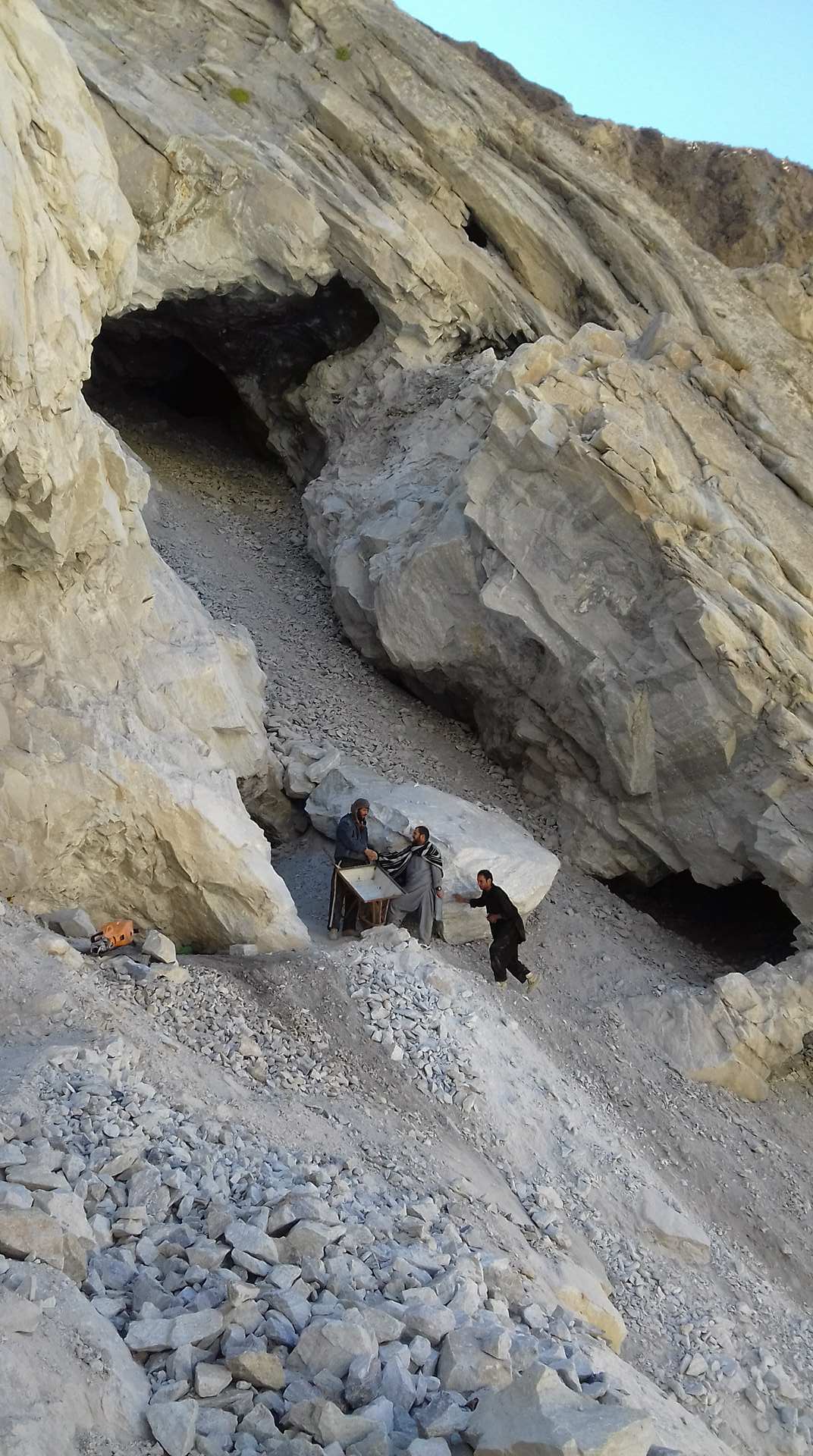
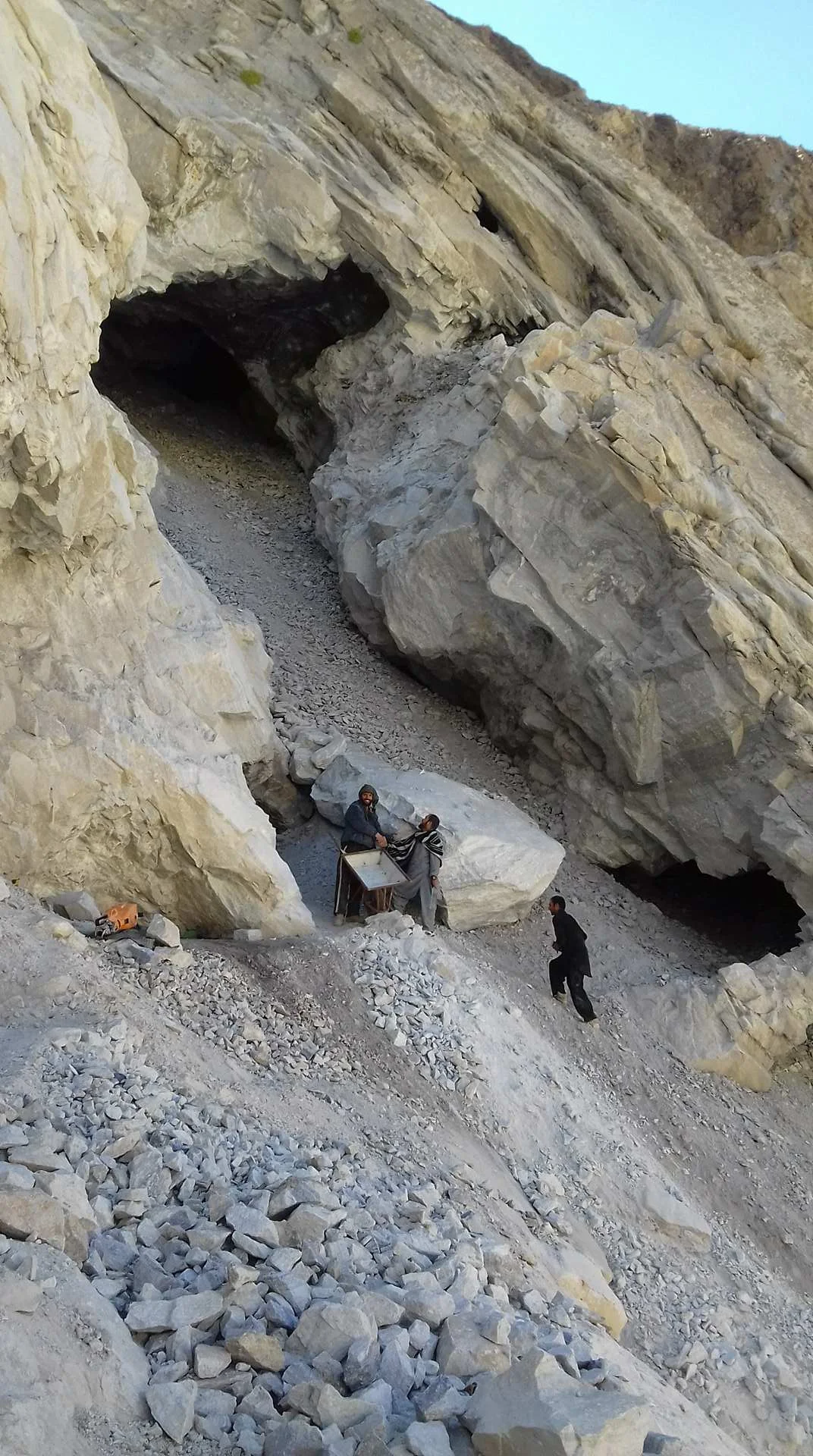
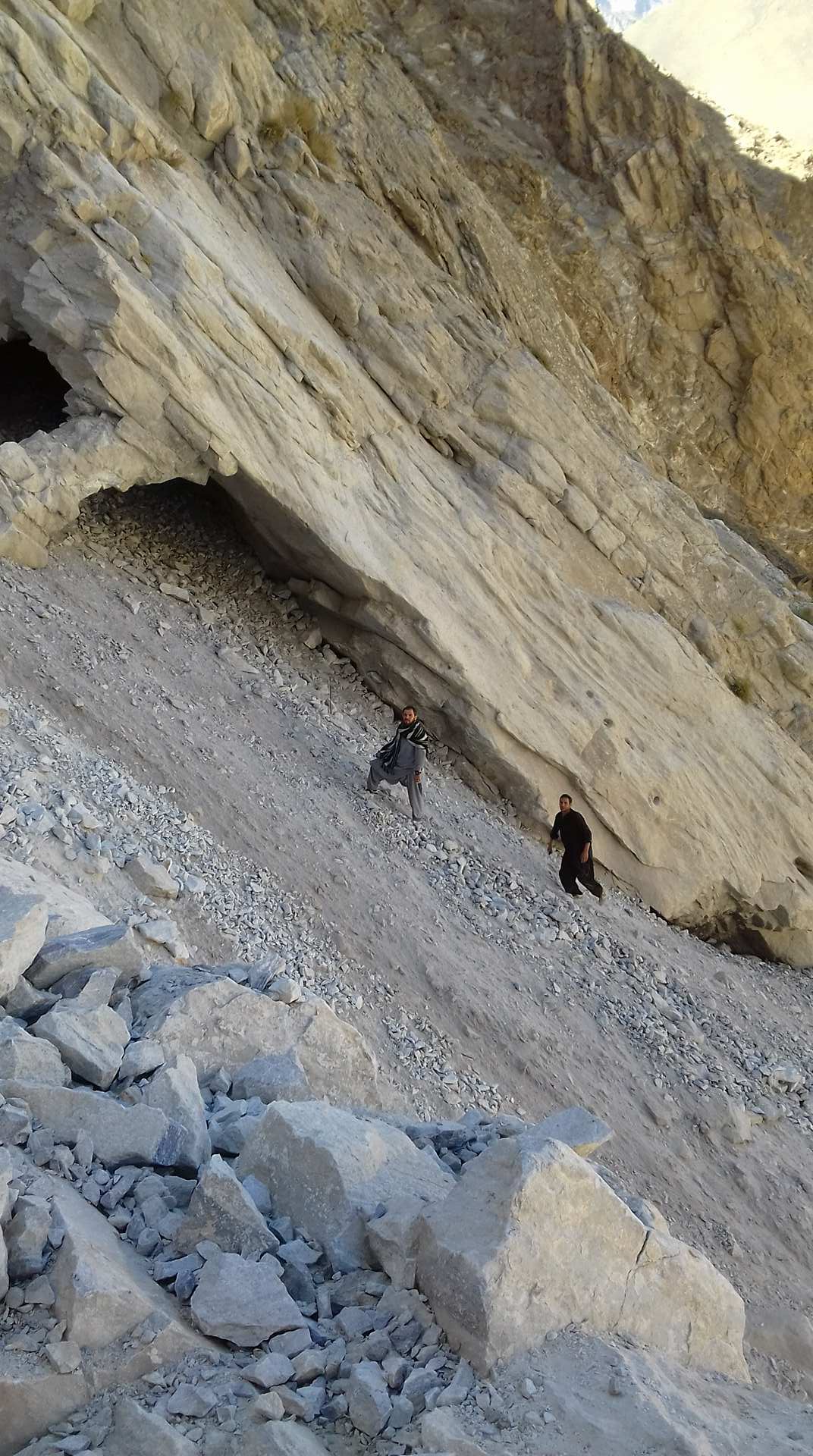
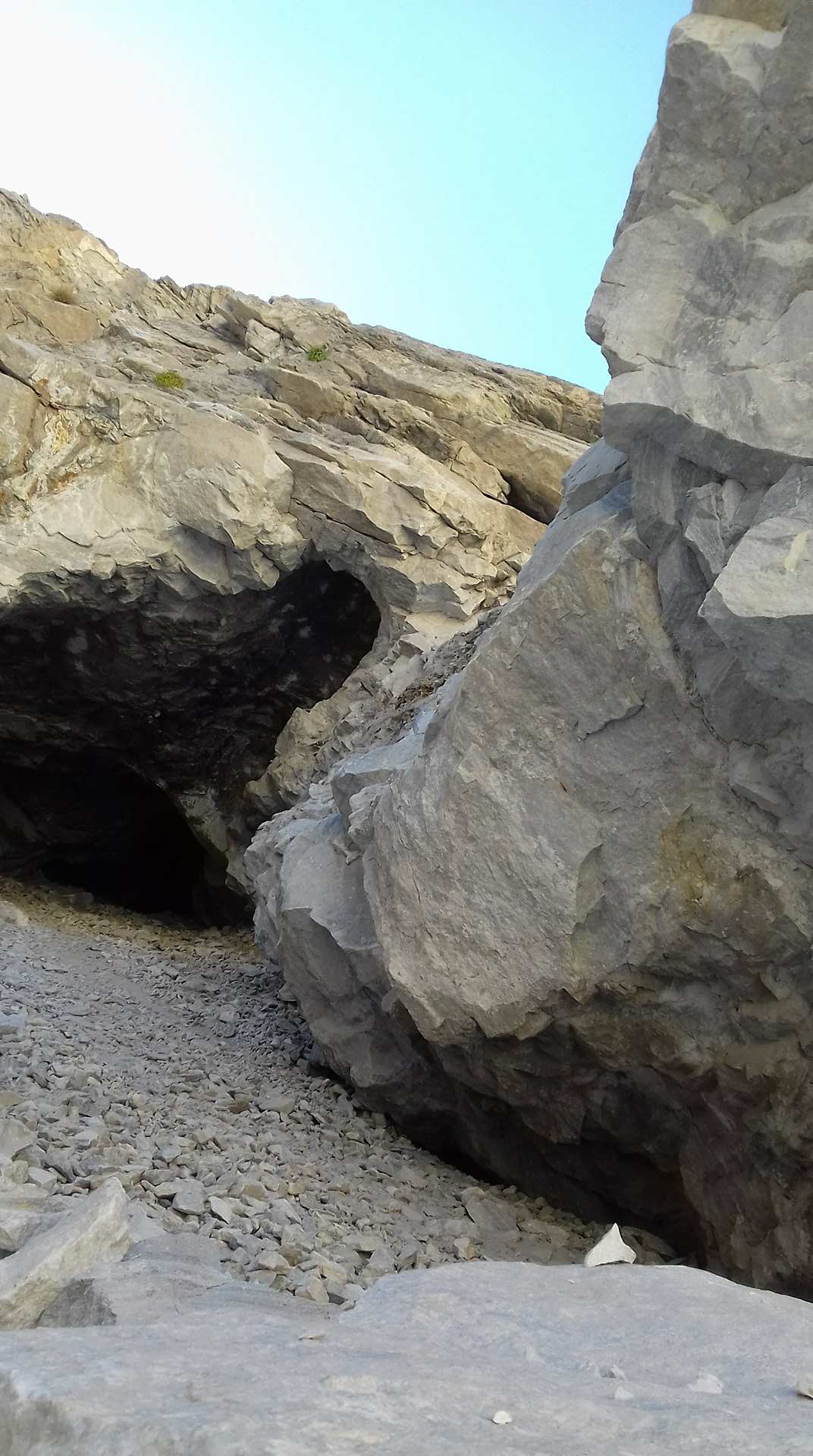
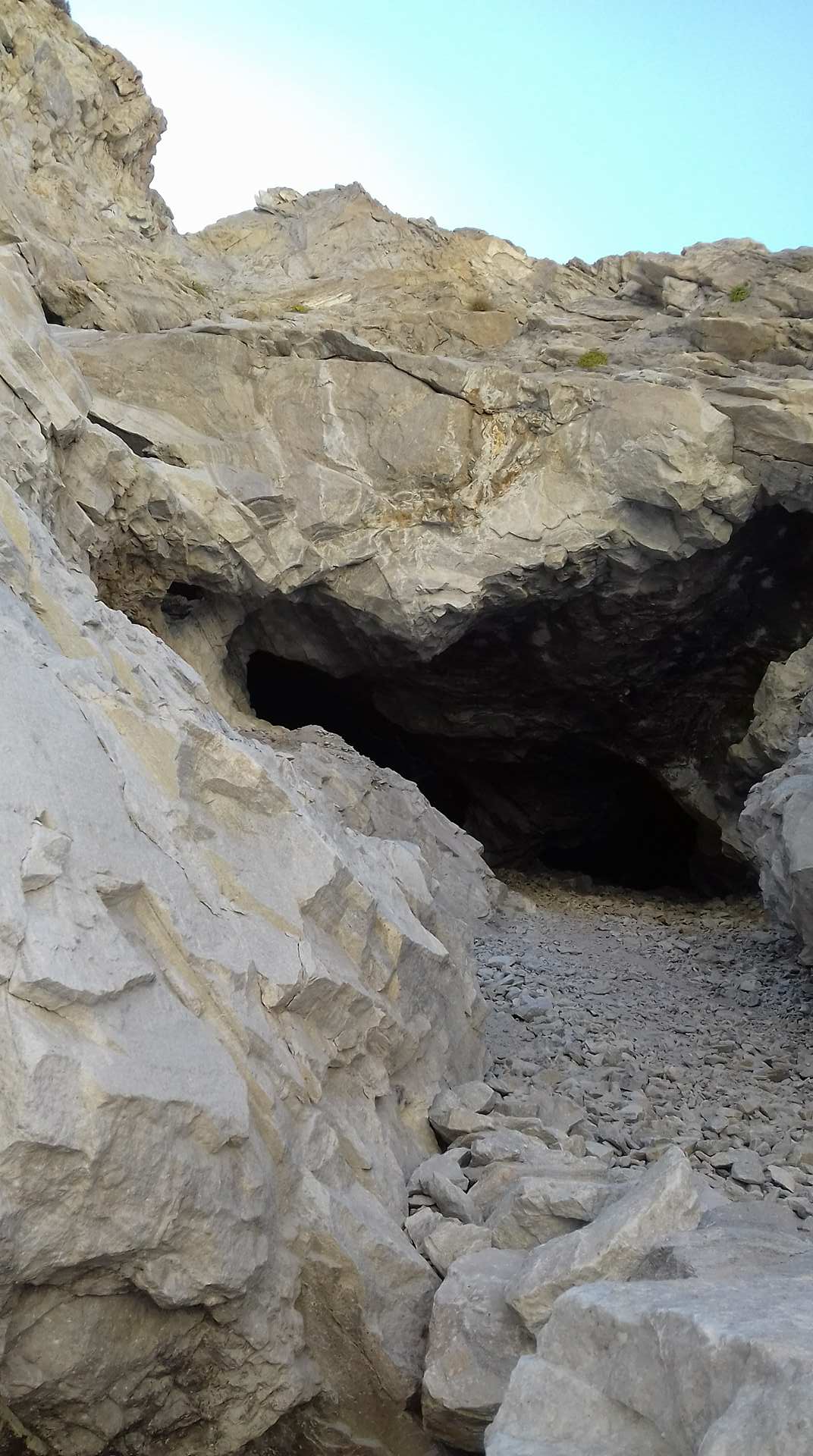
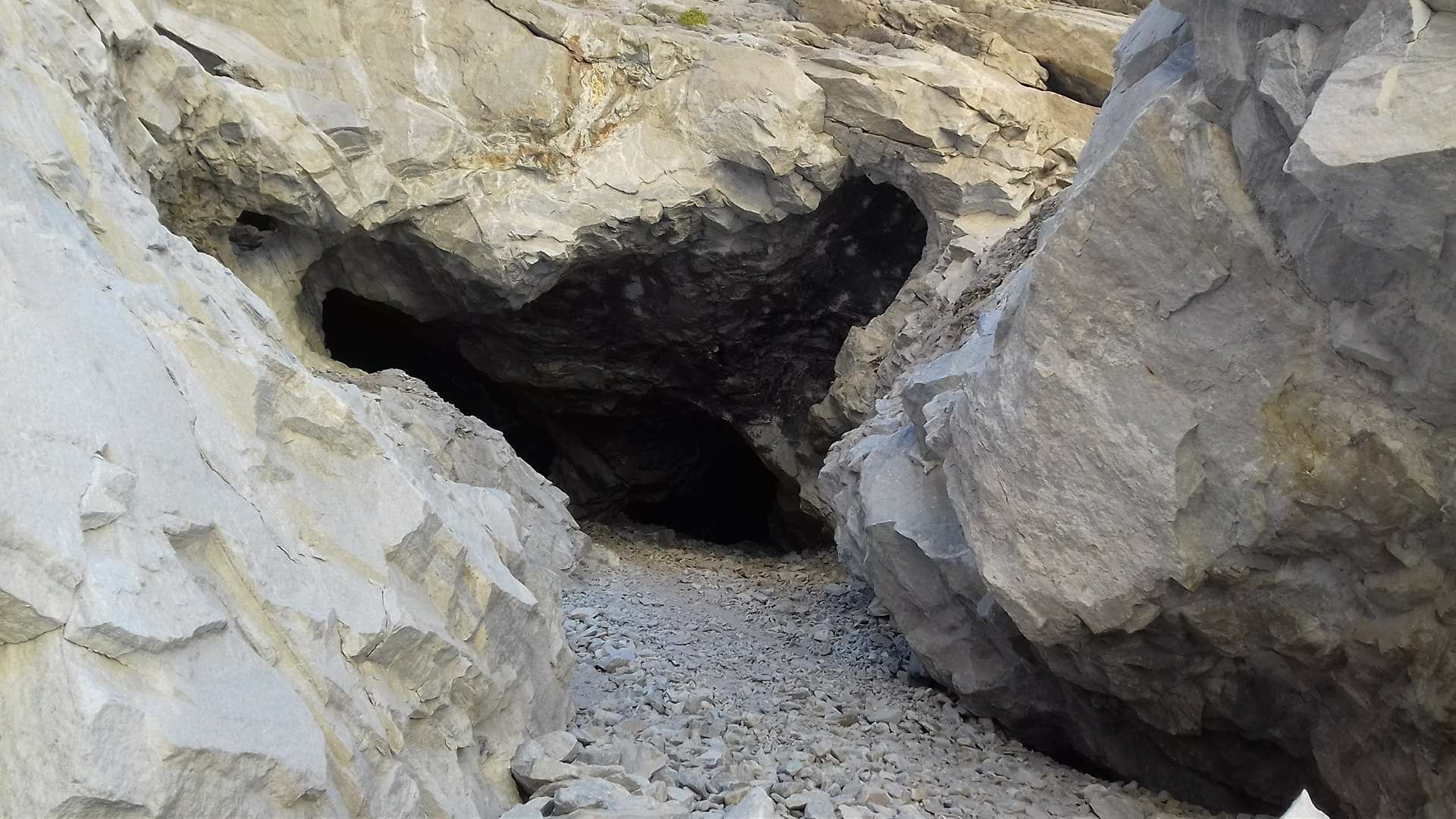
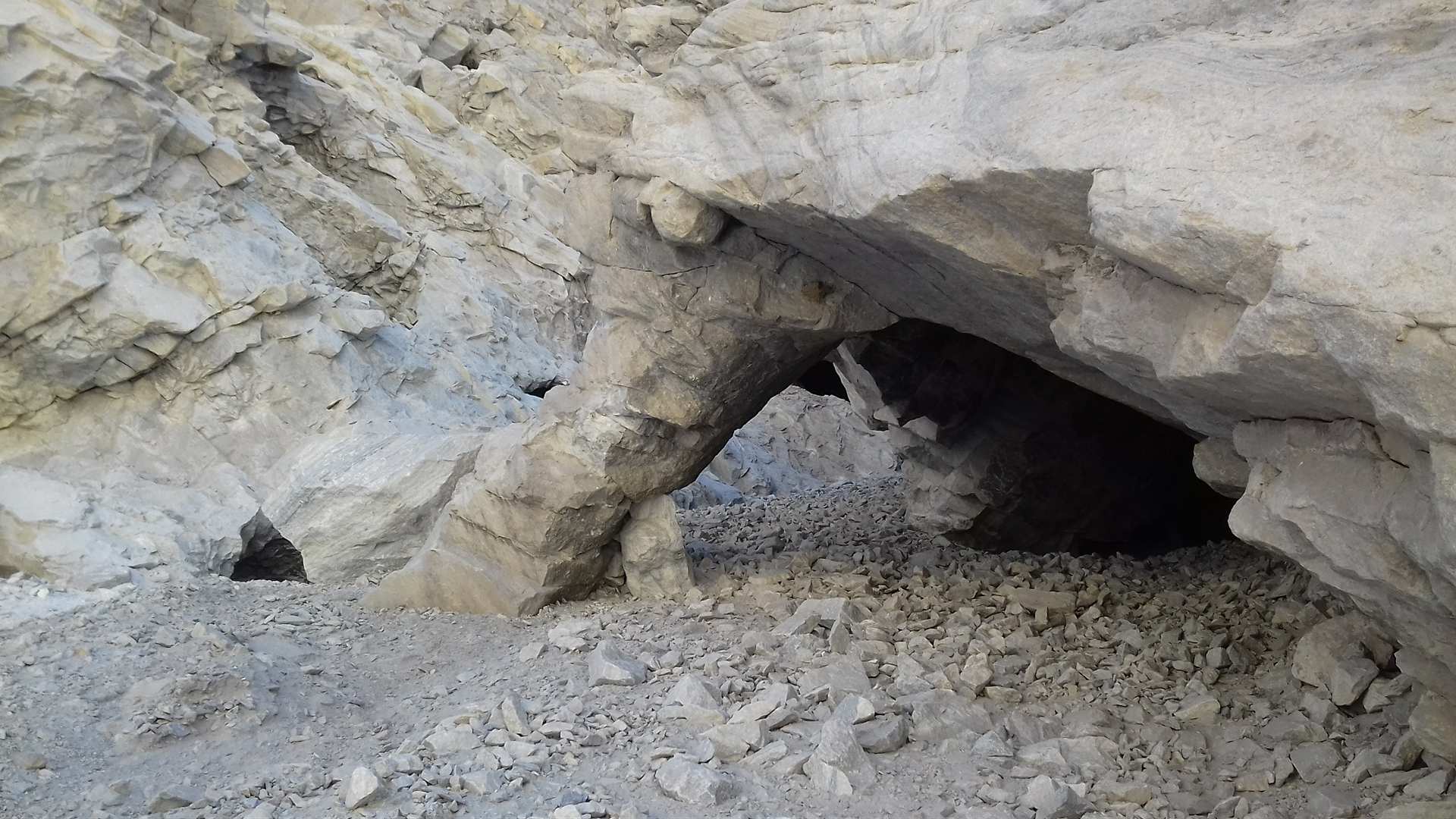
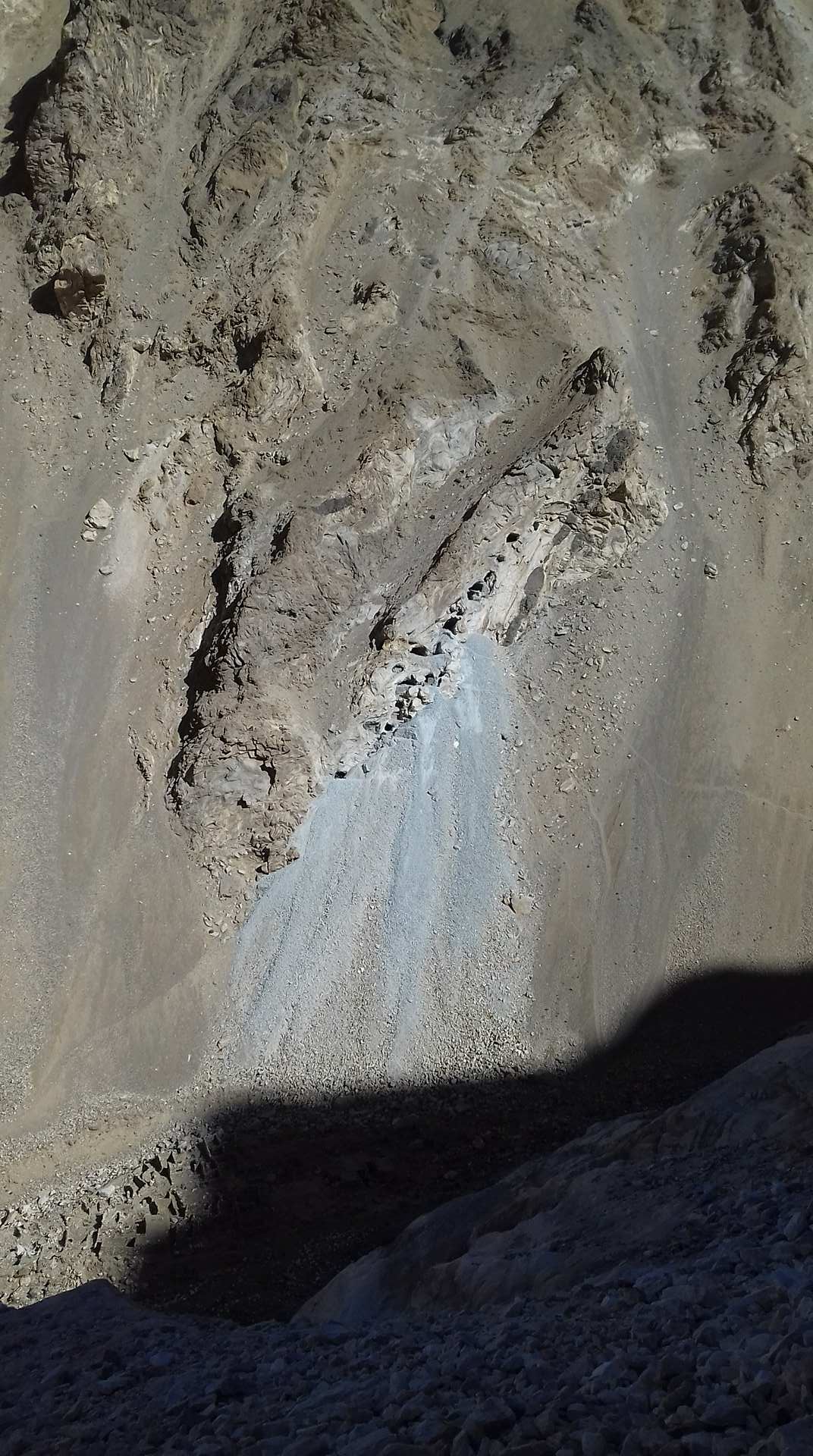
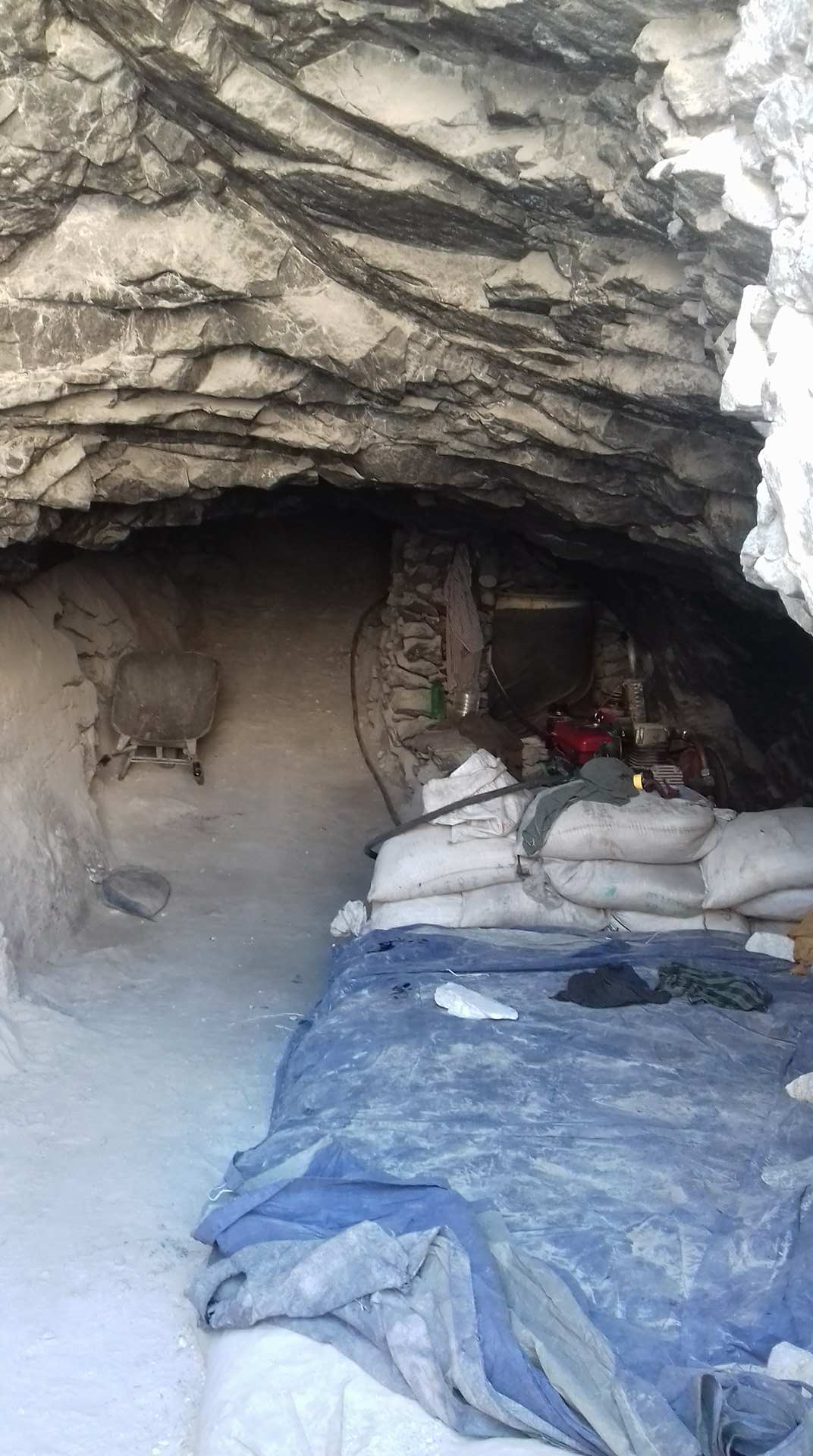
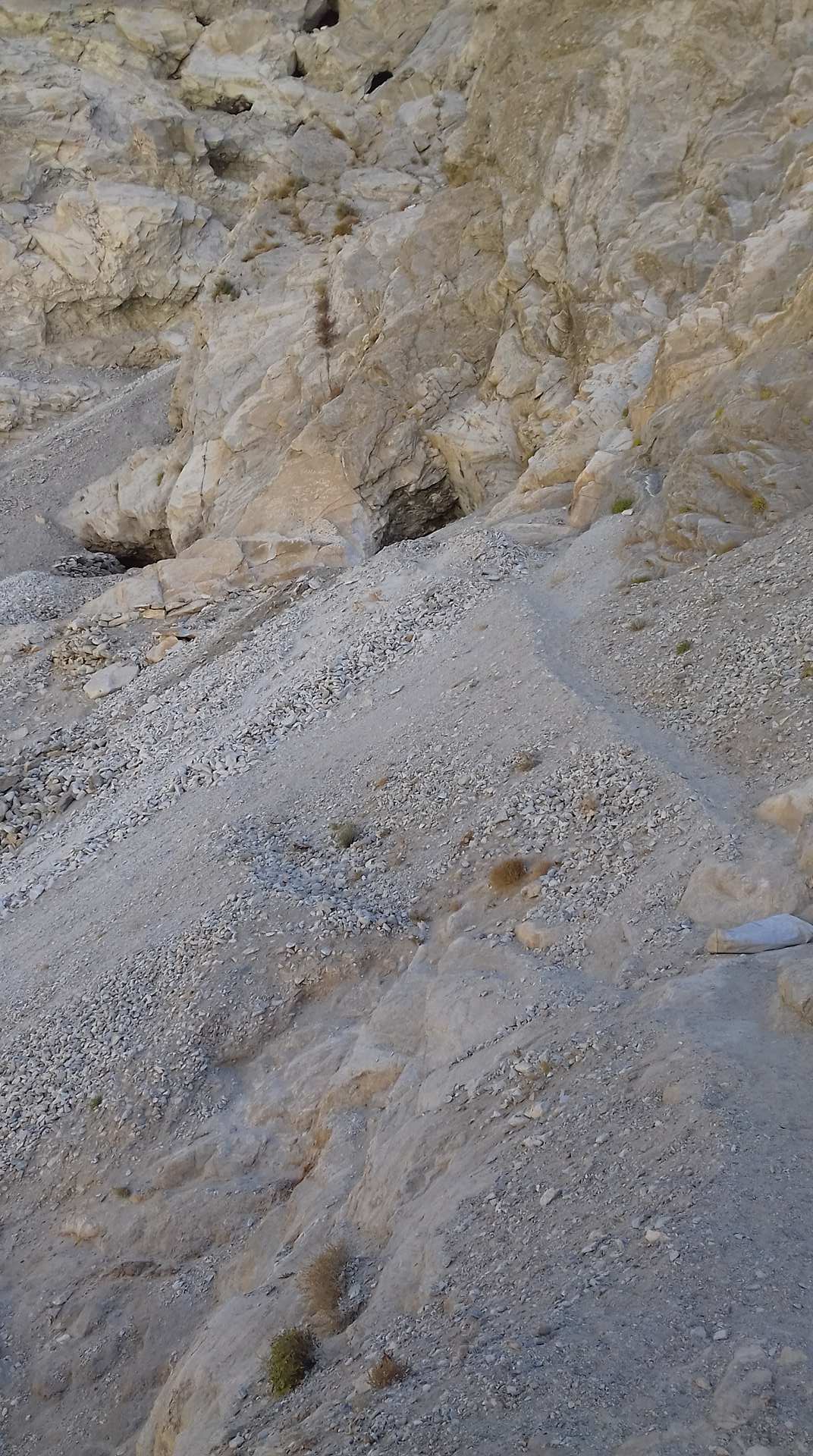
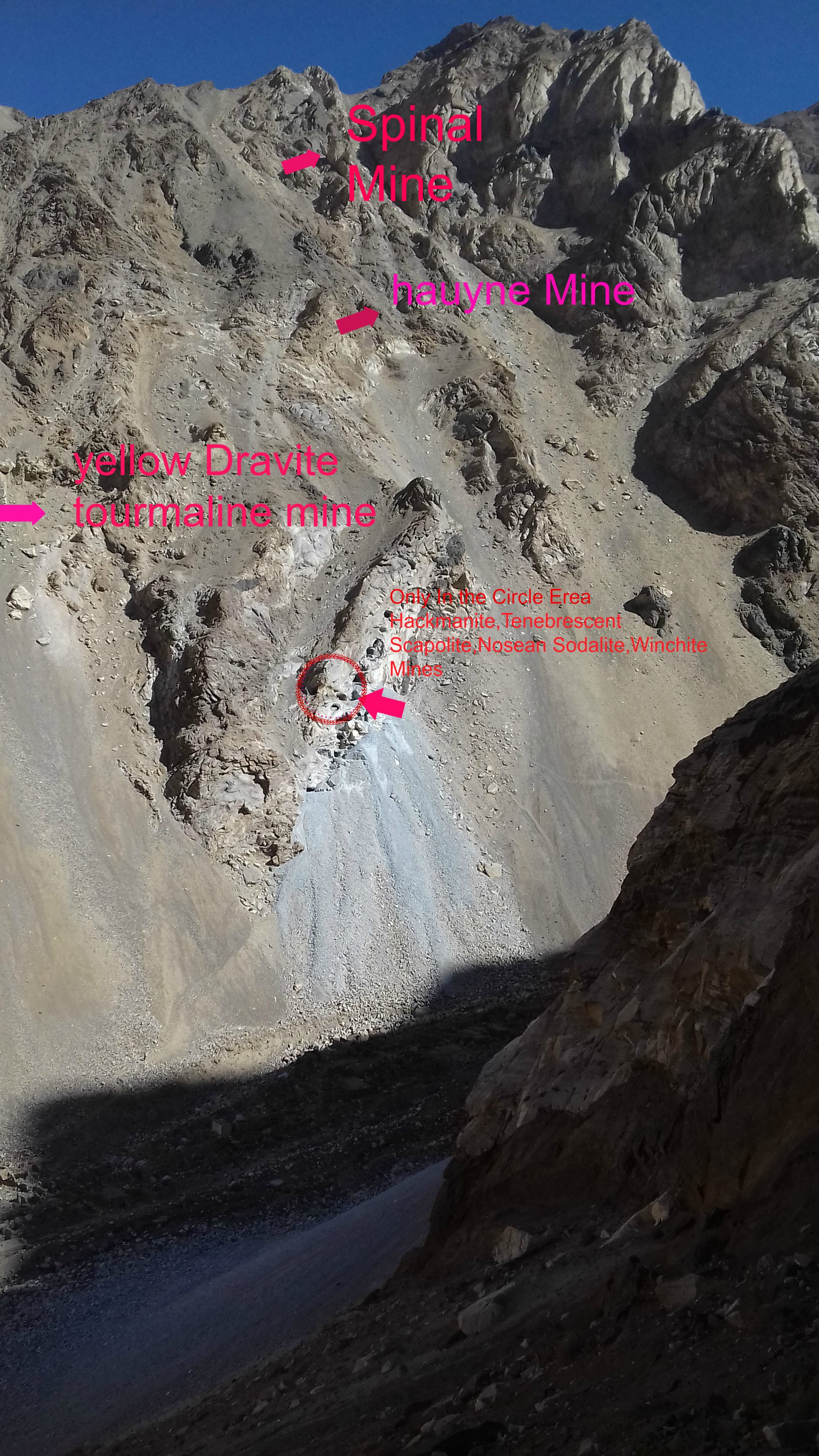
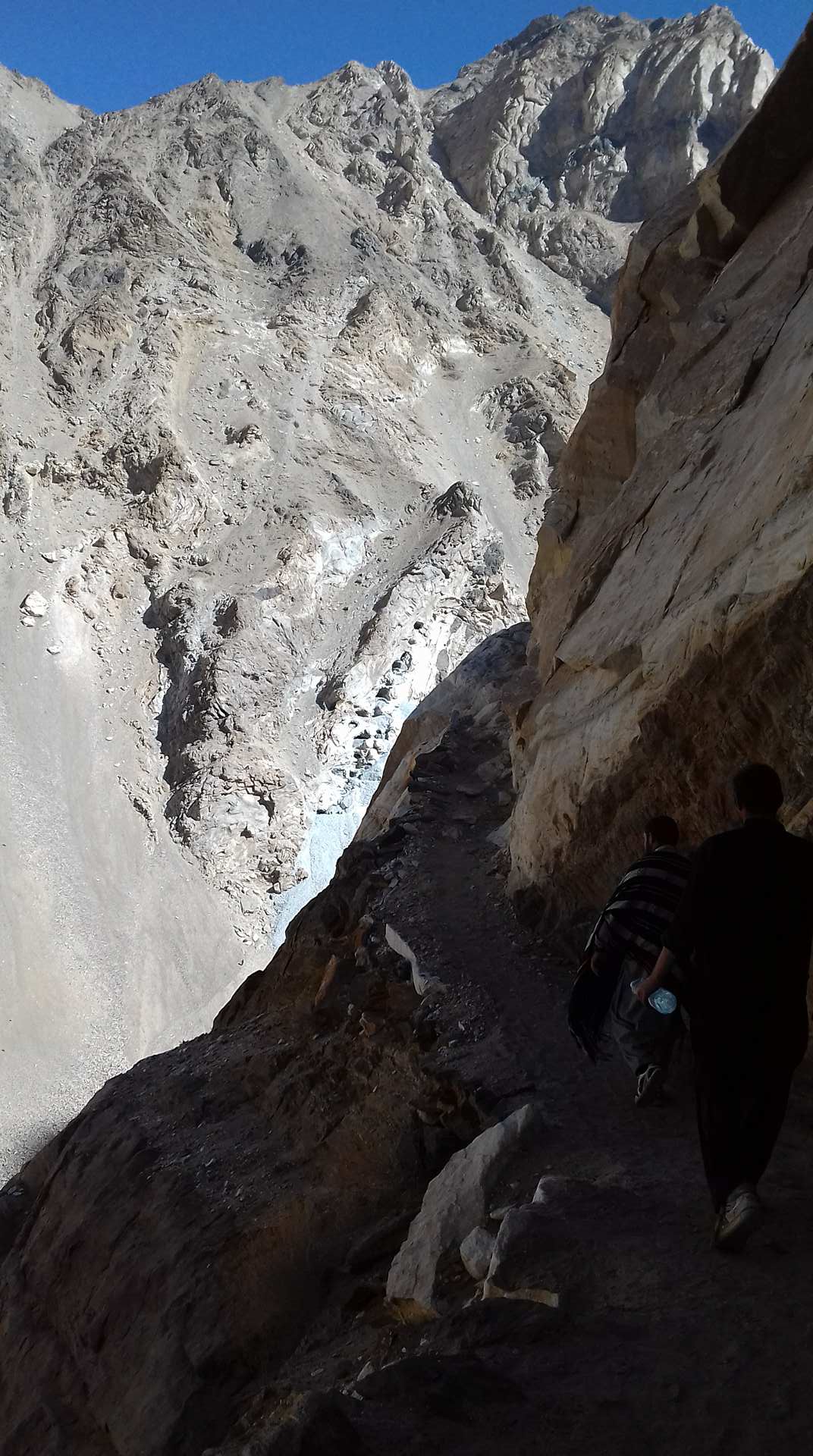
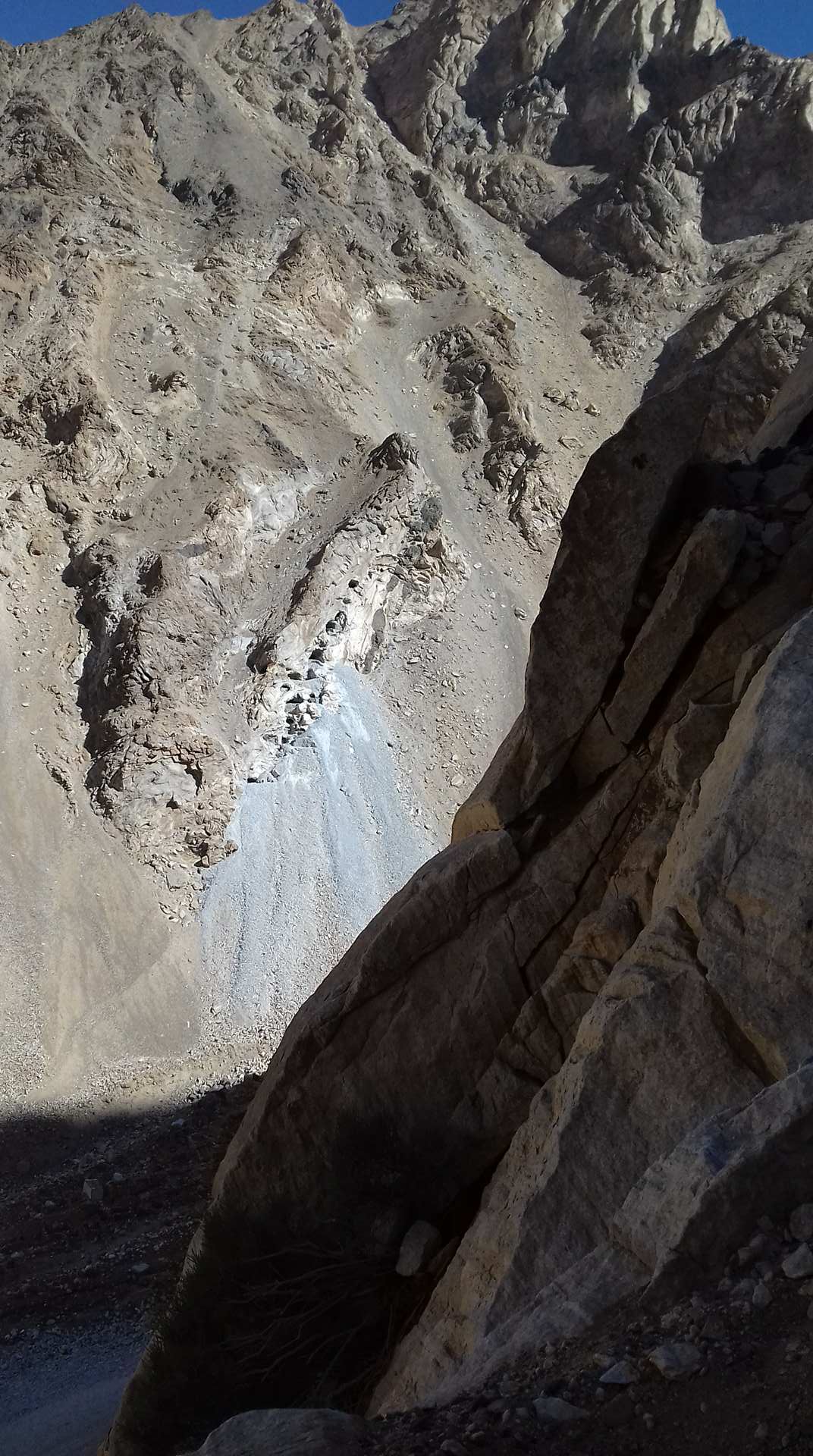
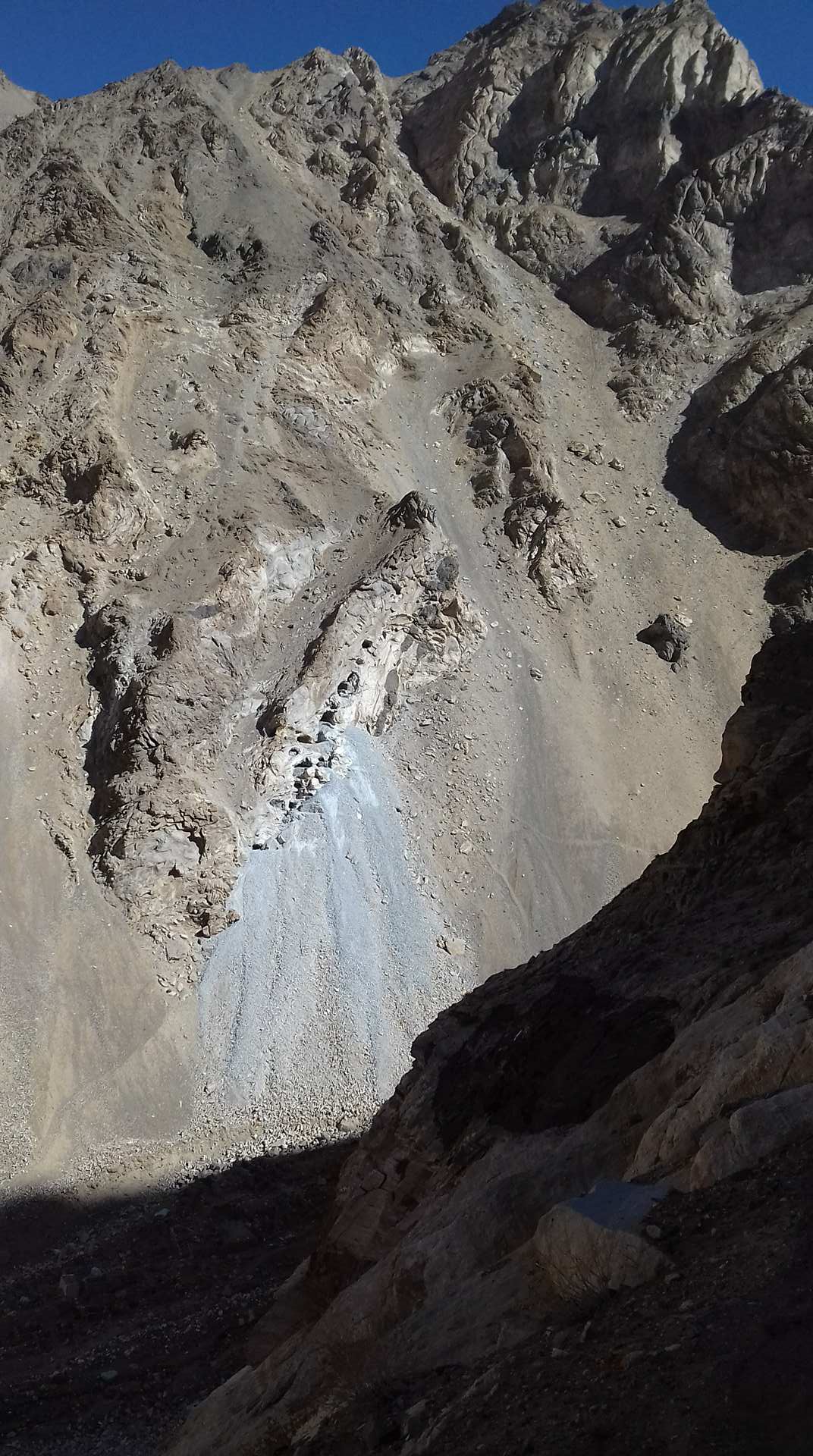
A quick overview of the many parts surrounding the Pitwak mine. The miner I've been in contact was kind enough to give me some insight into what is found where on the mountain. They are named in a combination of Urdu and Persian. From the top down in the first photo the spinel mine is called madan spinel, hauyne - madan sodalite, dravite - madan daane zard, hackmanite - madan pitwak. What wonderfully diverse geology in such a small area. This is only half the mountain as well!
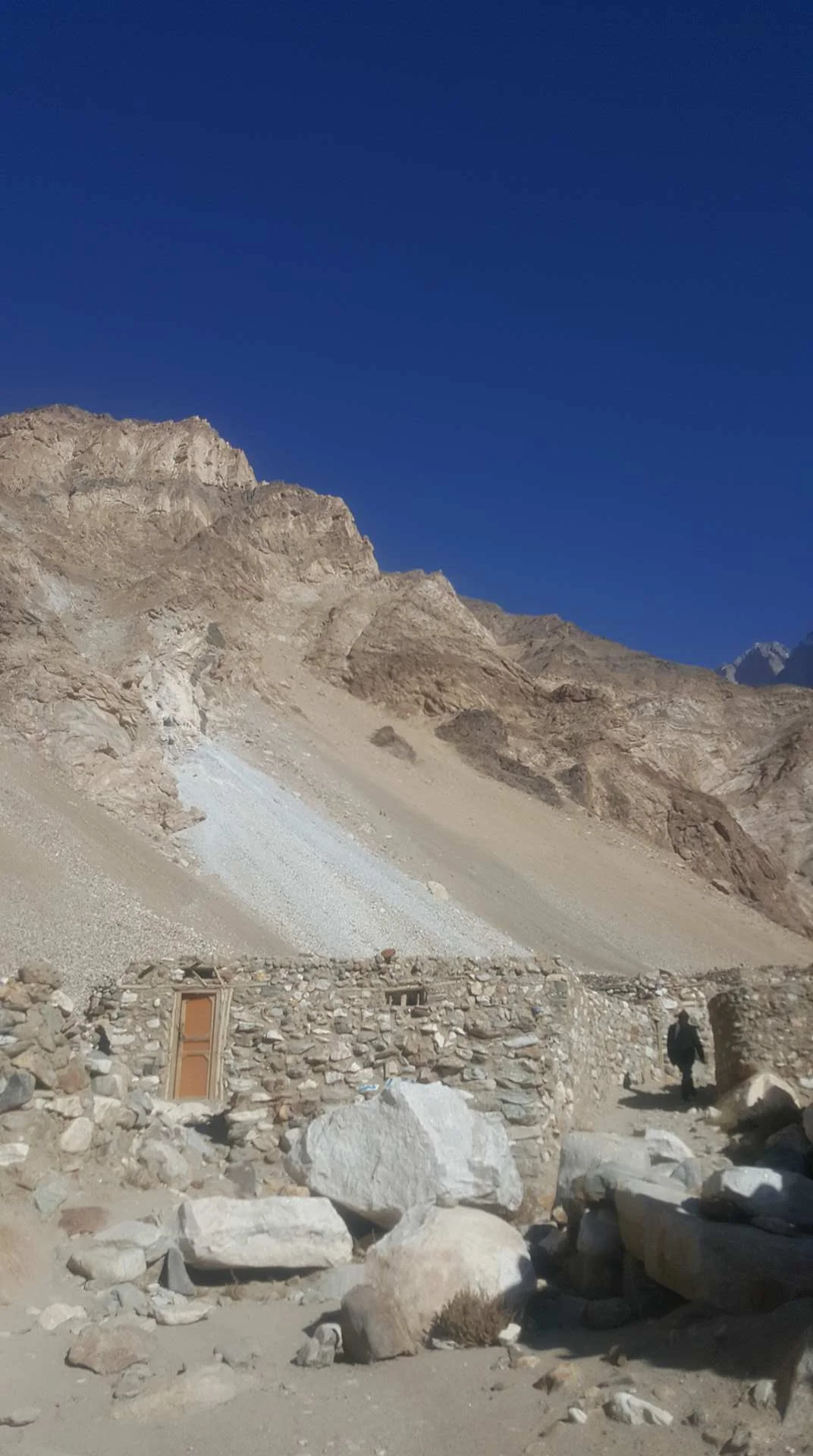
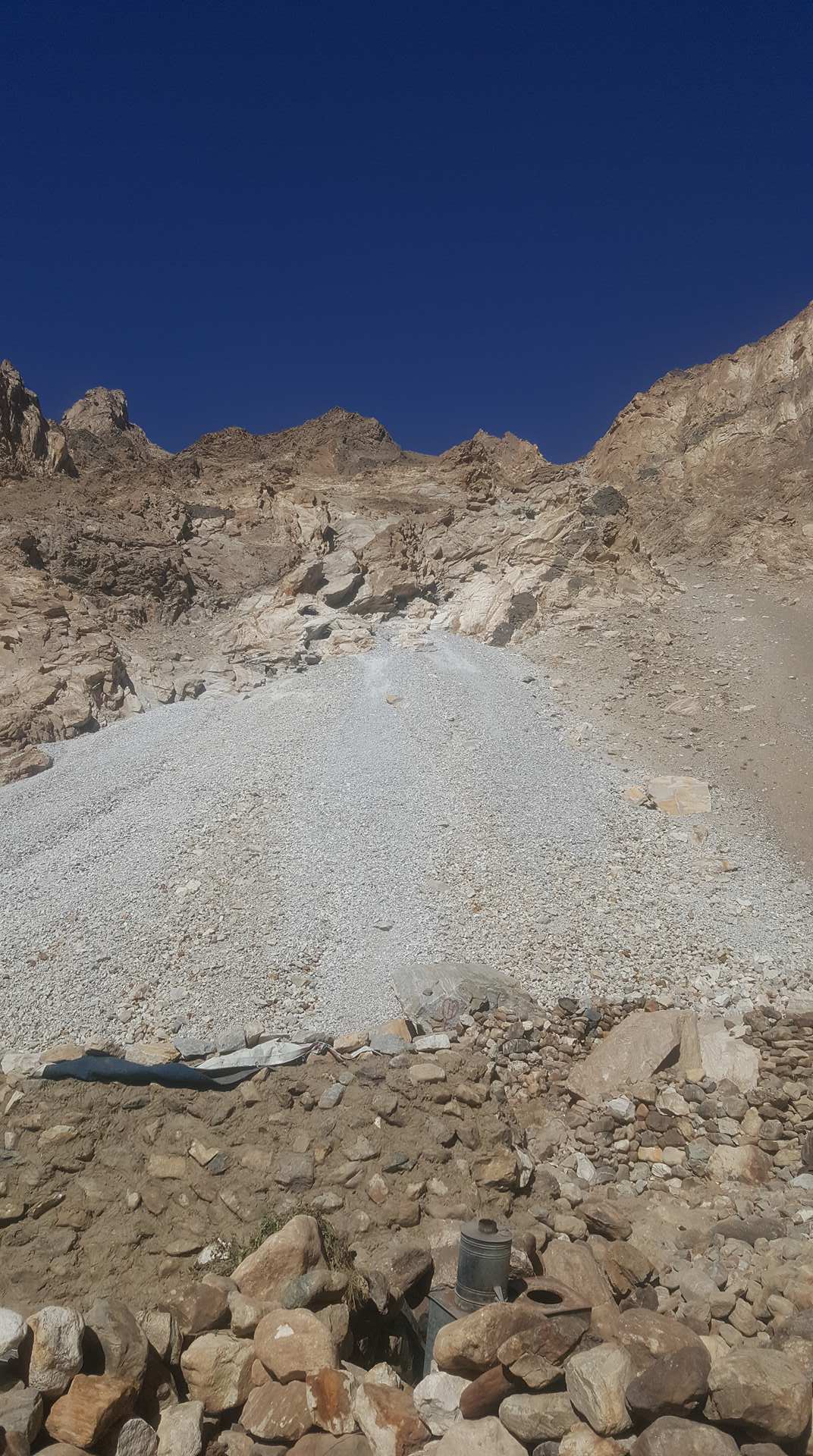
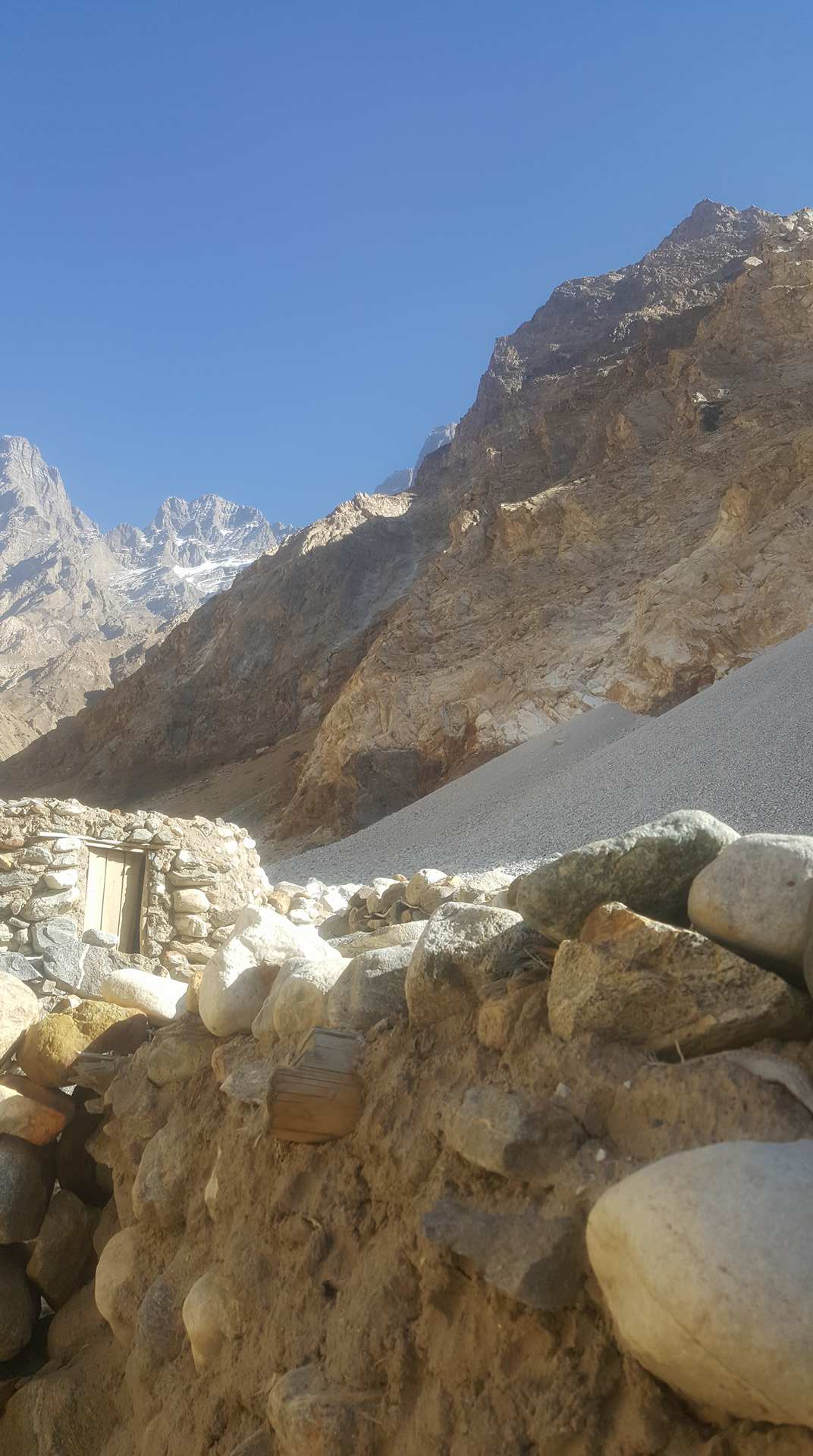
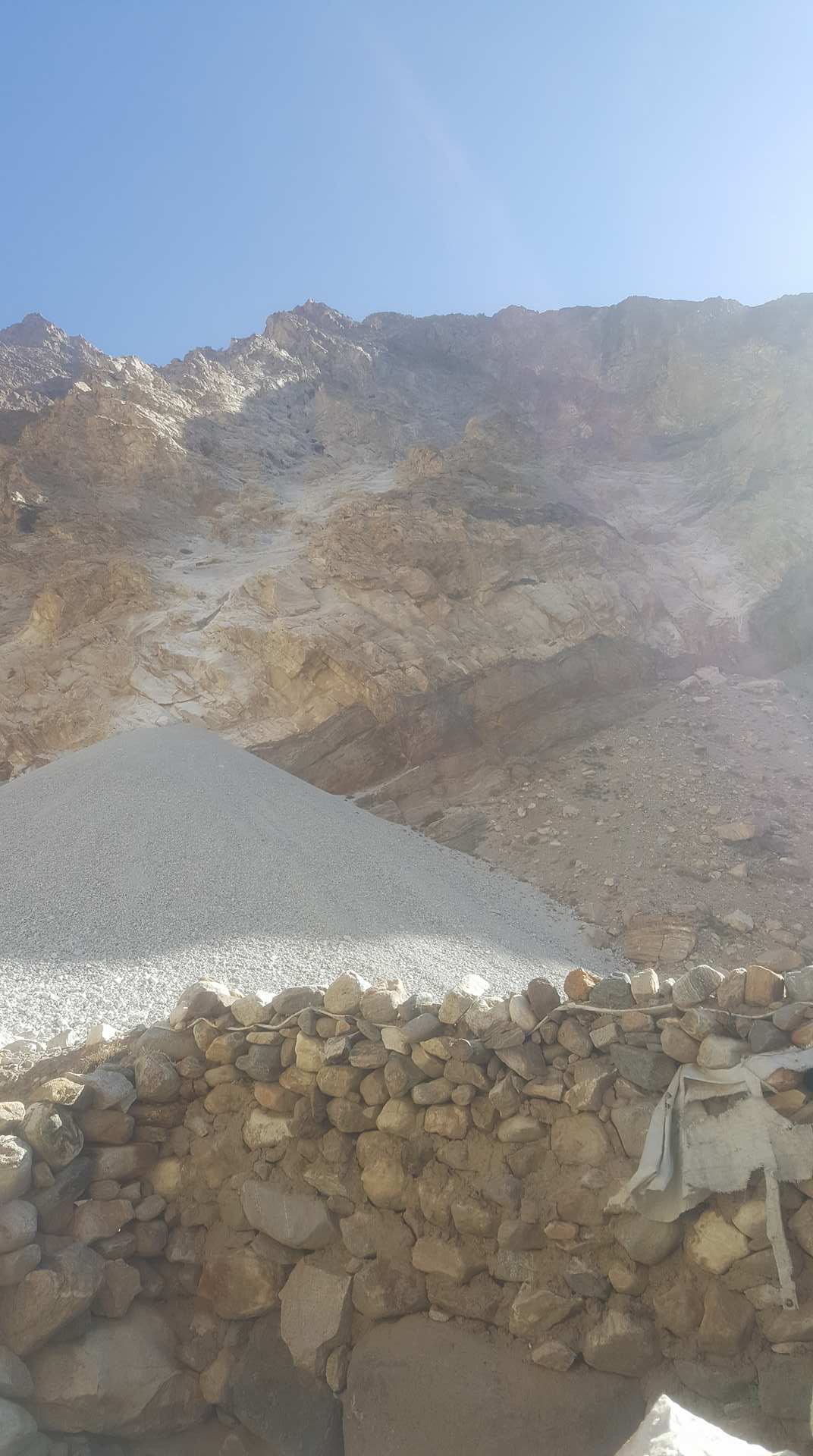
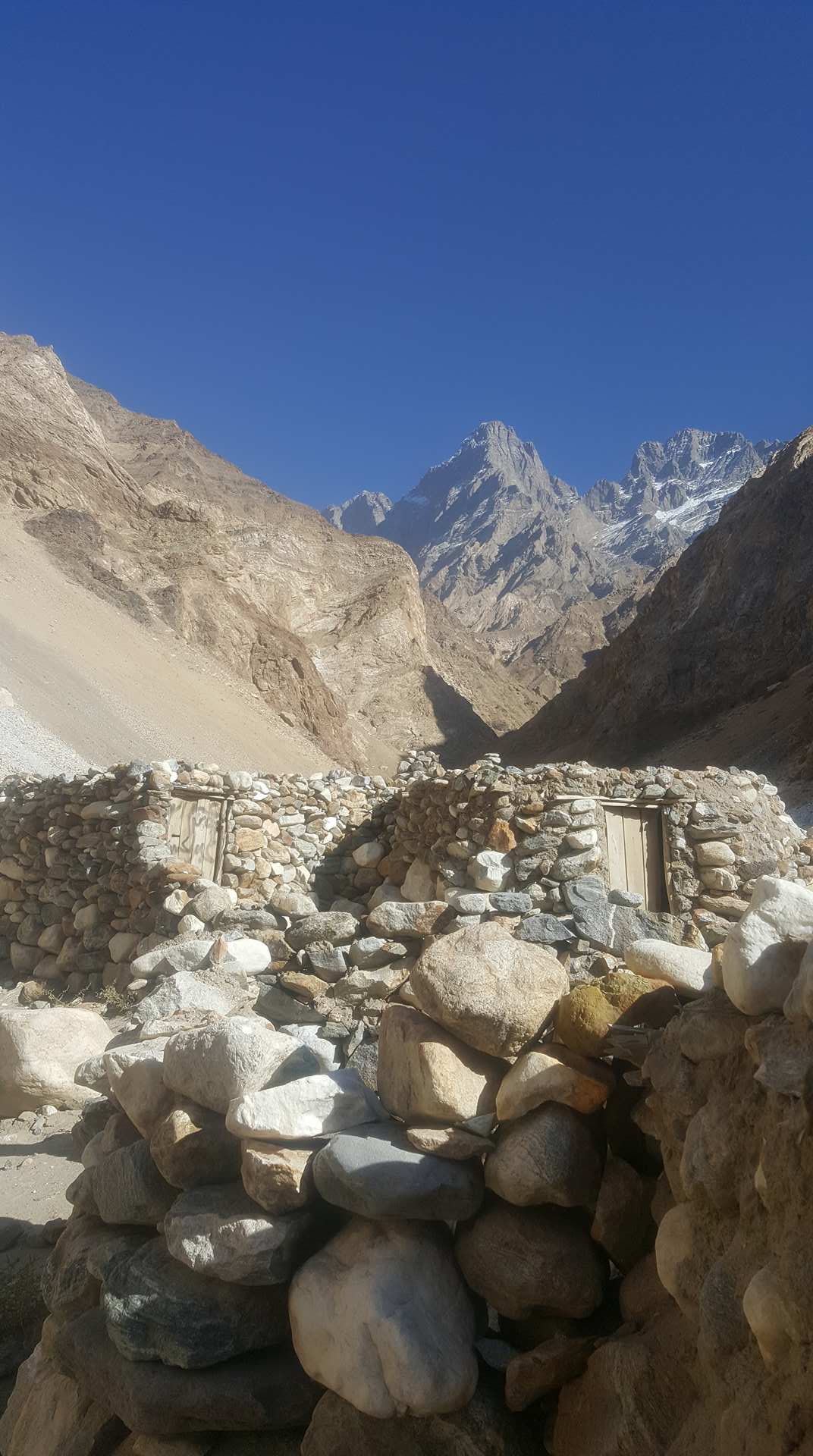
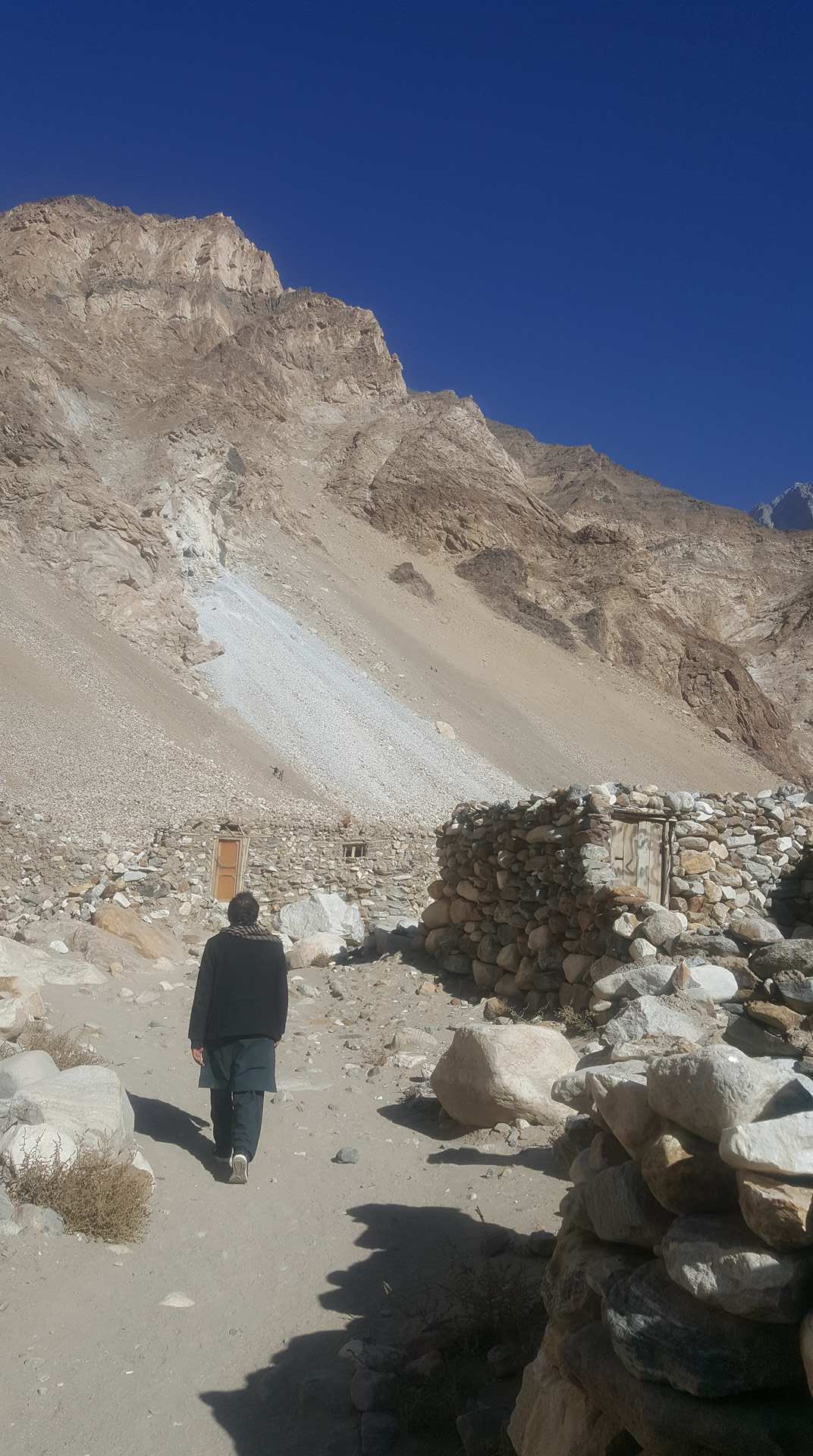
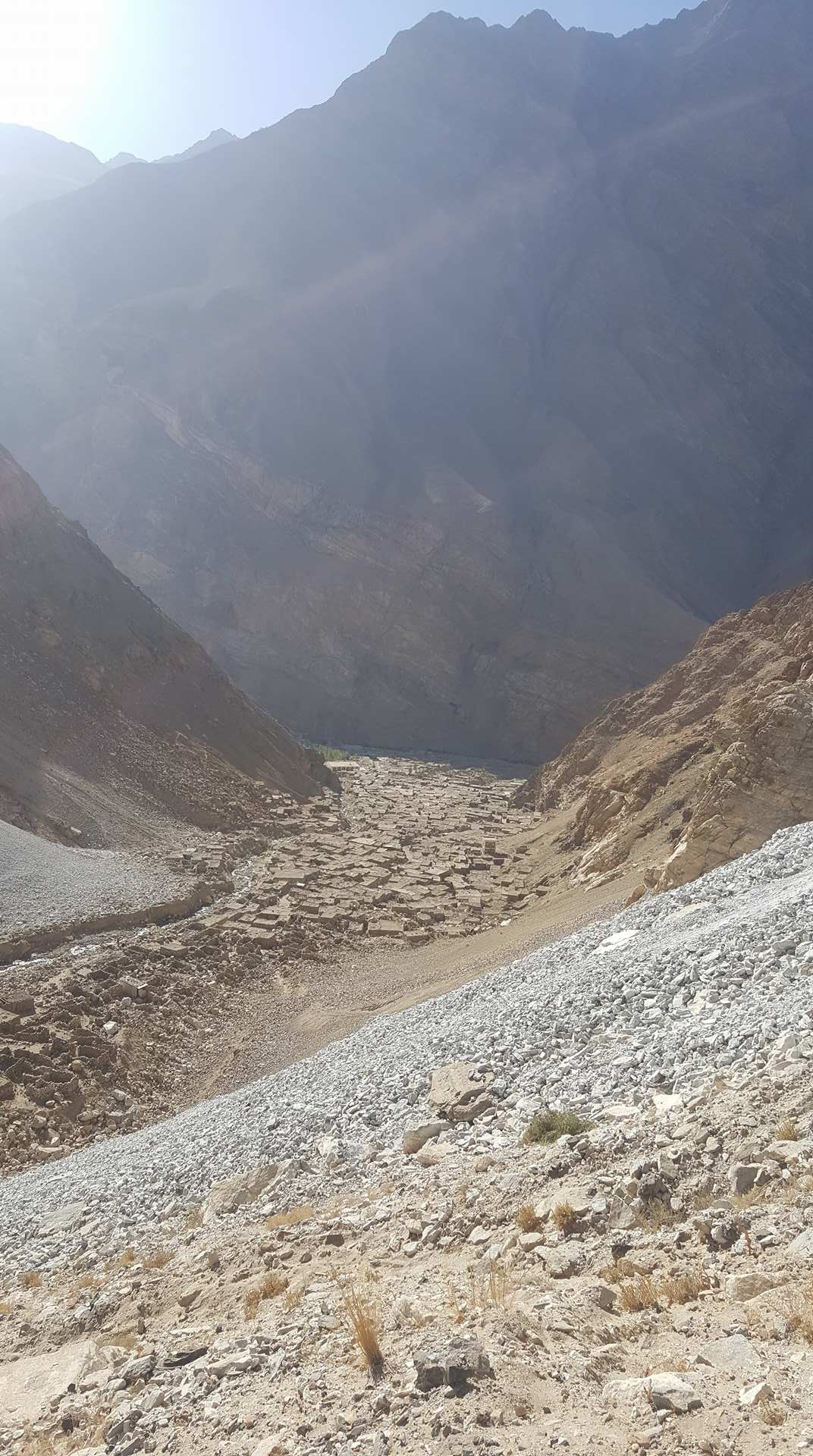
Some photos from base camp. As you can see it's quite close to the mines. However, it's quite difficult to grasp the scale of how large this area is from the few photos I have. You can see a large cluster of the makeshift houses in the last shot. There are roughly 500 homes, 200 shops, and a total of 4000 people living here during mining season. Speaking of which now would be a great time to interject the life of a miner in Badakhshan. First of all every mine has its own boss. At the start of the season miners can choose which mine they work at. They then get permission from the clan of the area (note: his words exactly. Need more info on what part the clan plays). This part is important because miners are able to buy specimens they mine and get the first pick at nice pieces. For example, the tenebrescent scapolite I most recently posted (http://www.raymond-wu.com/all/2017/11/10/tenebrescent-scapolite) was bought by this miner for $200. 5% then goes to the clan (note: reason unknown) and he can then go on to sell it for whatever price he wishes. In this case he sold it for over double that and it eventually made its way into my hands. For this reason alone some businessmen set up camp here to be the first ones to get the newest material being mined! Of note is that no women are allowed here.
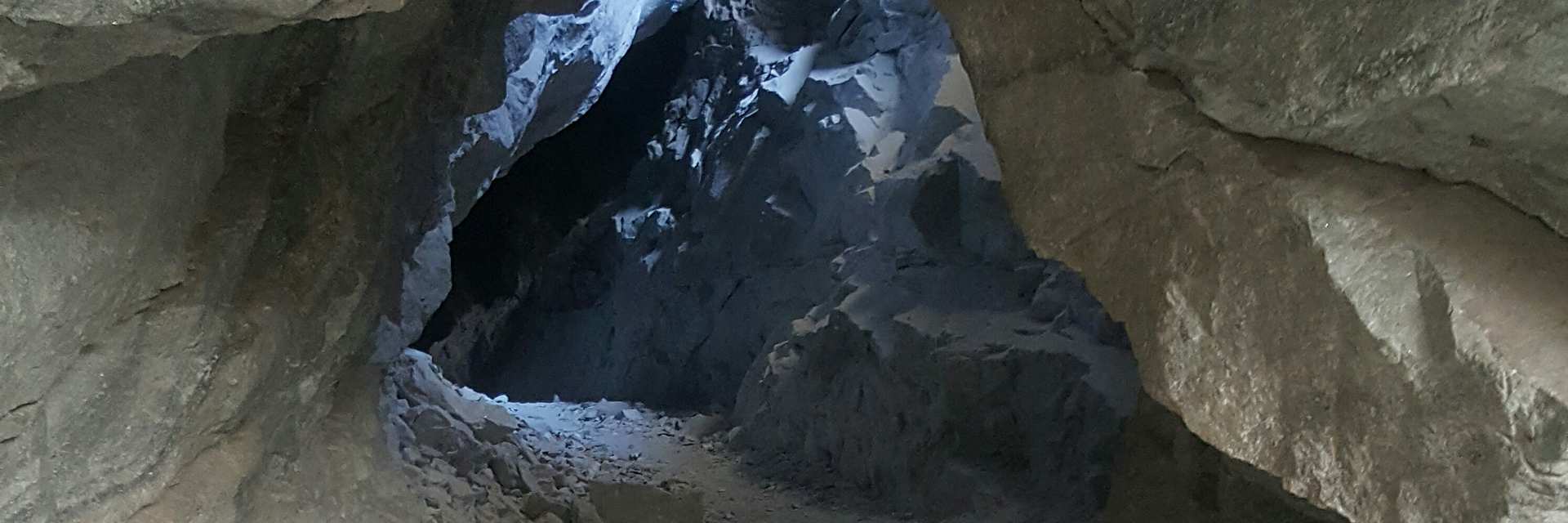
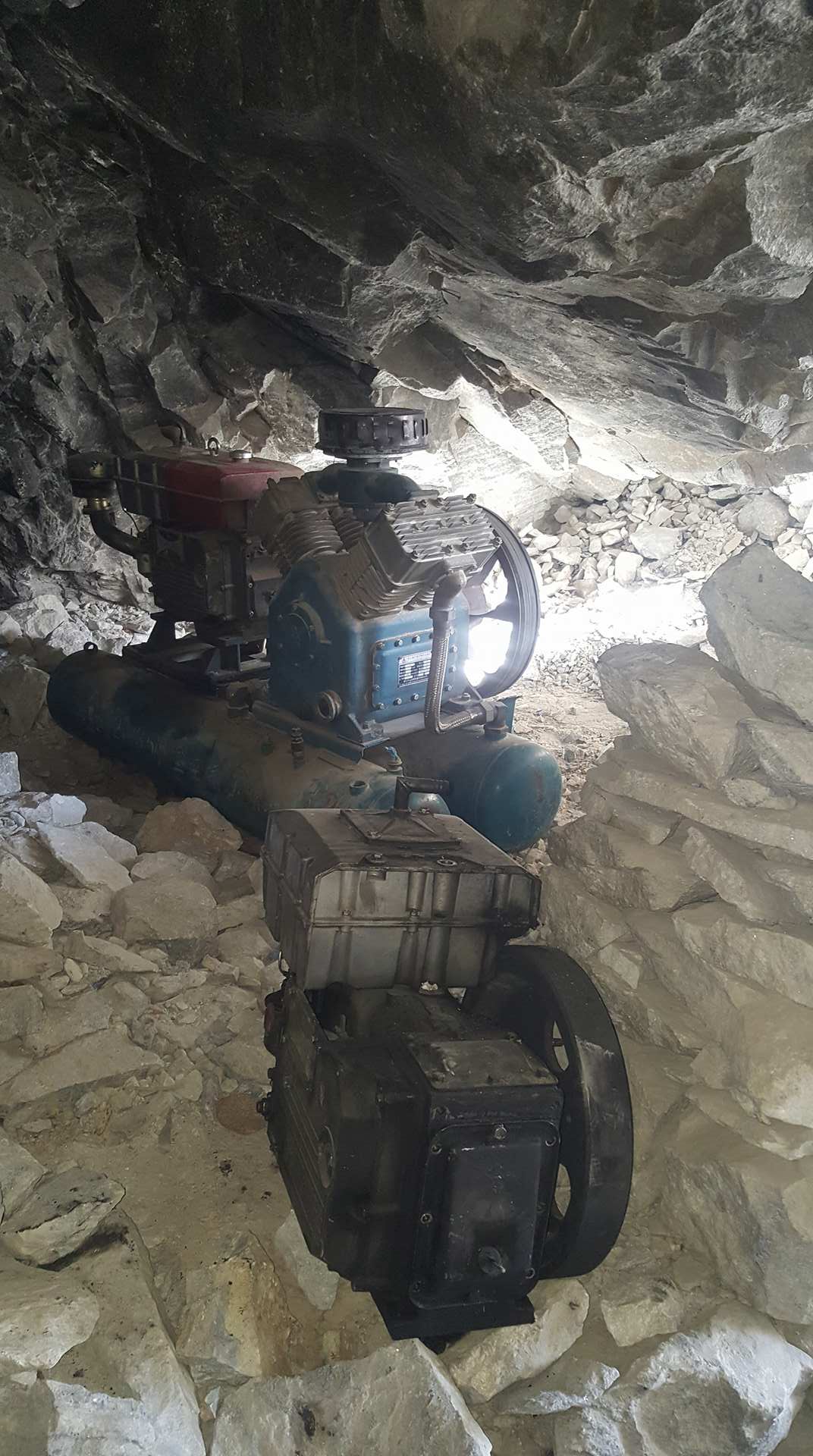
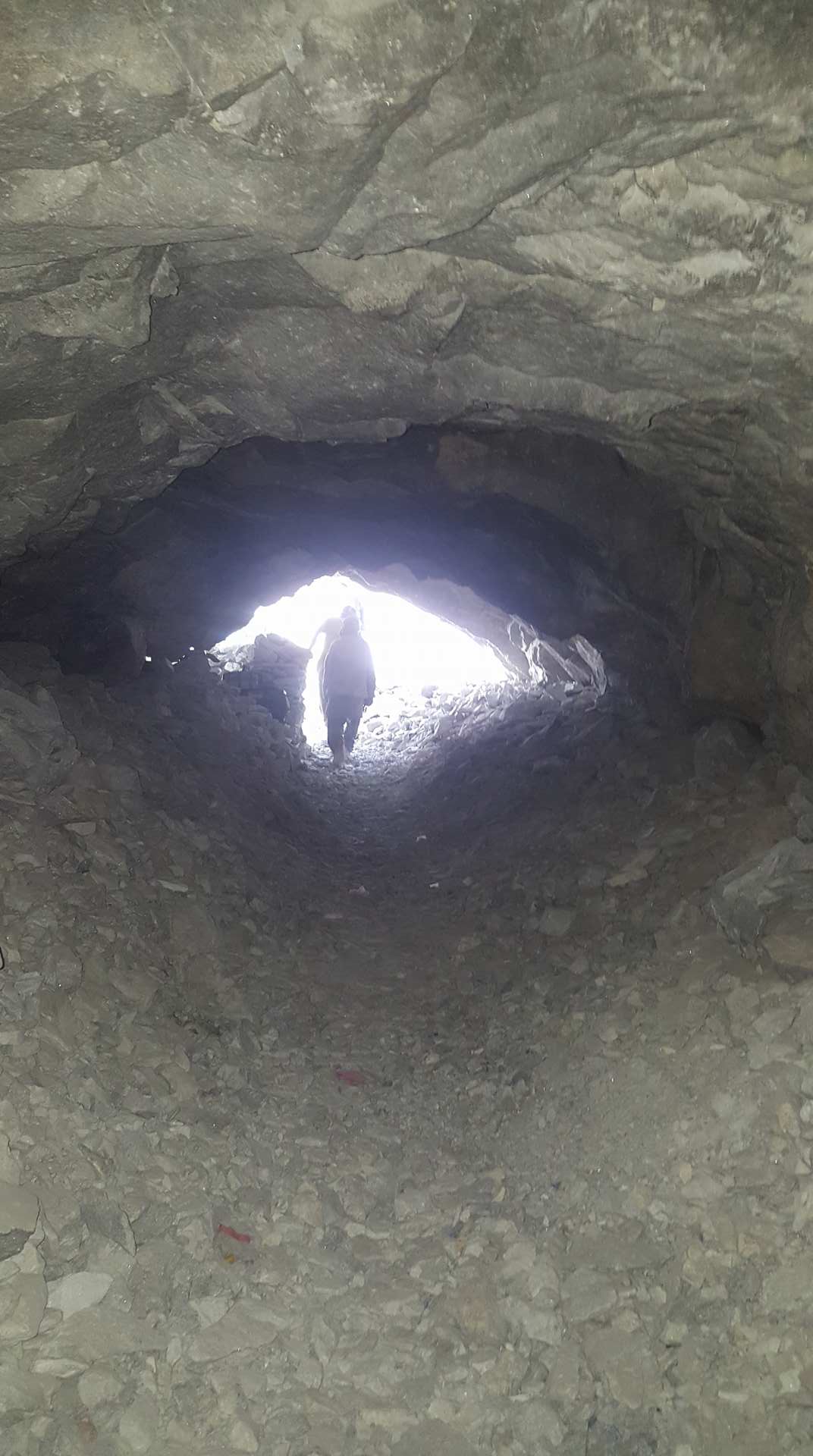
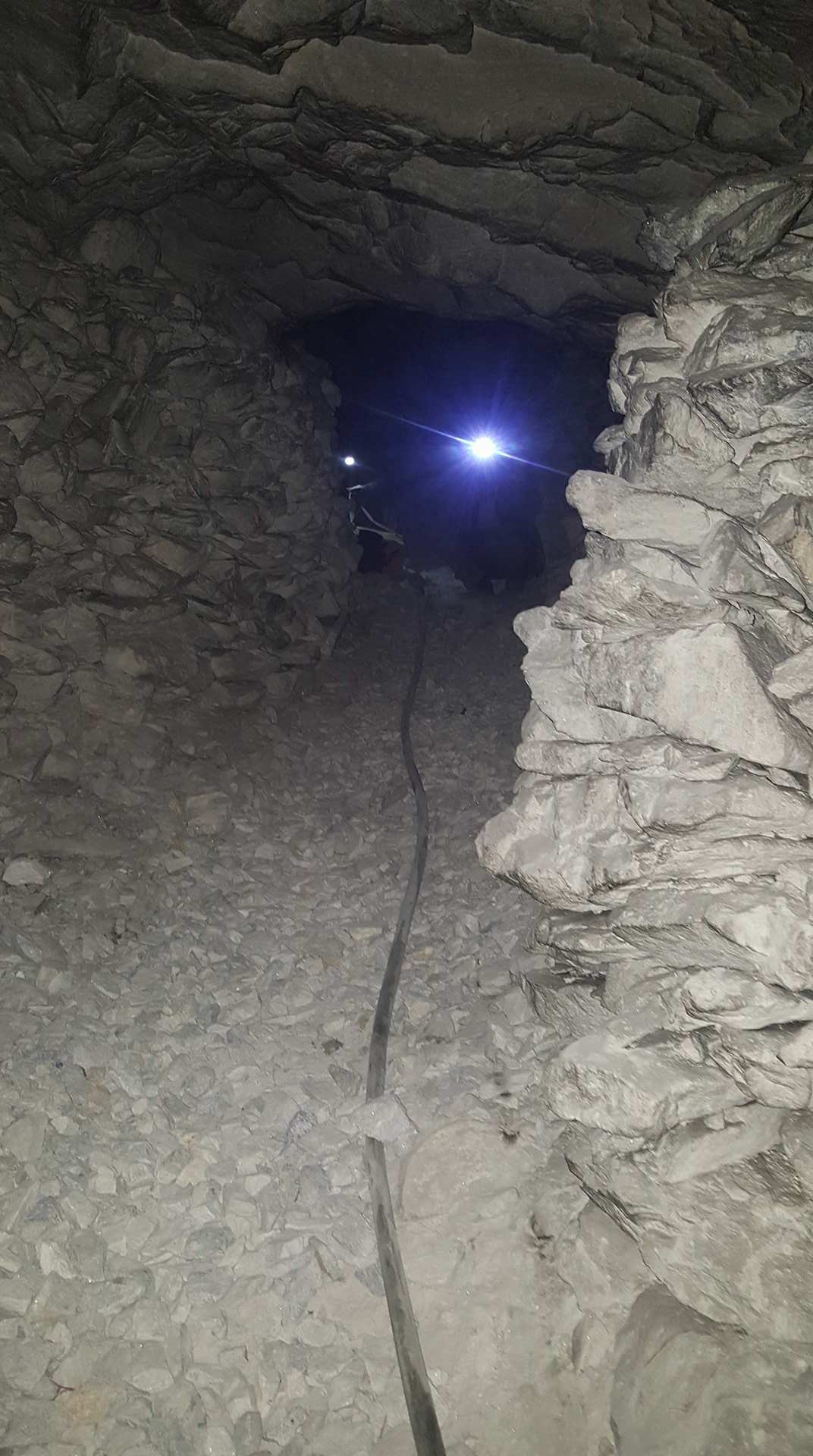
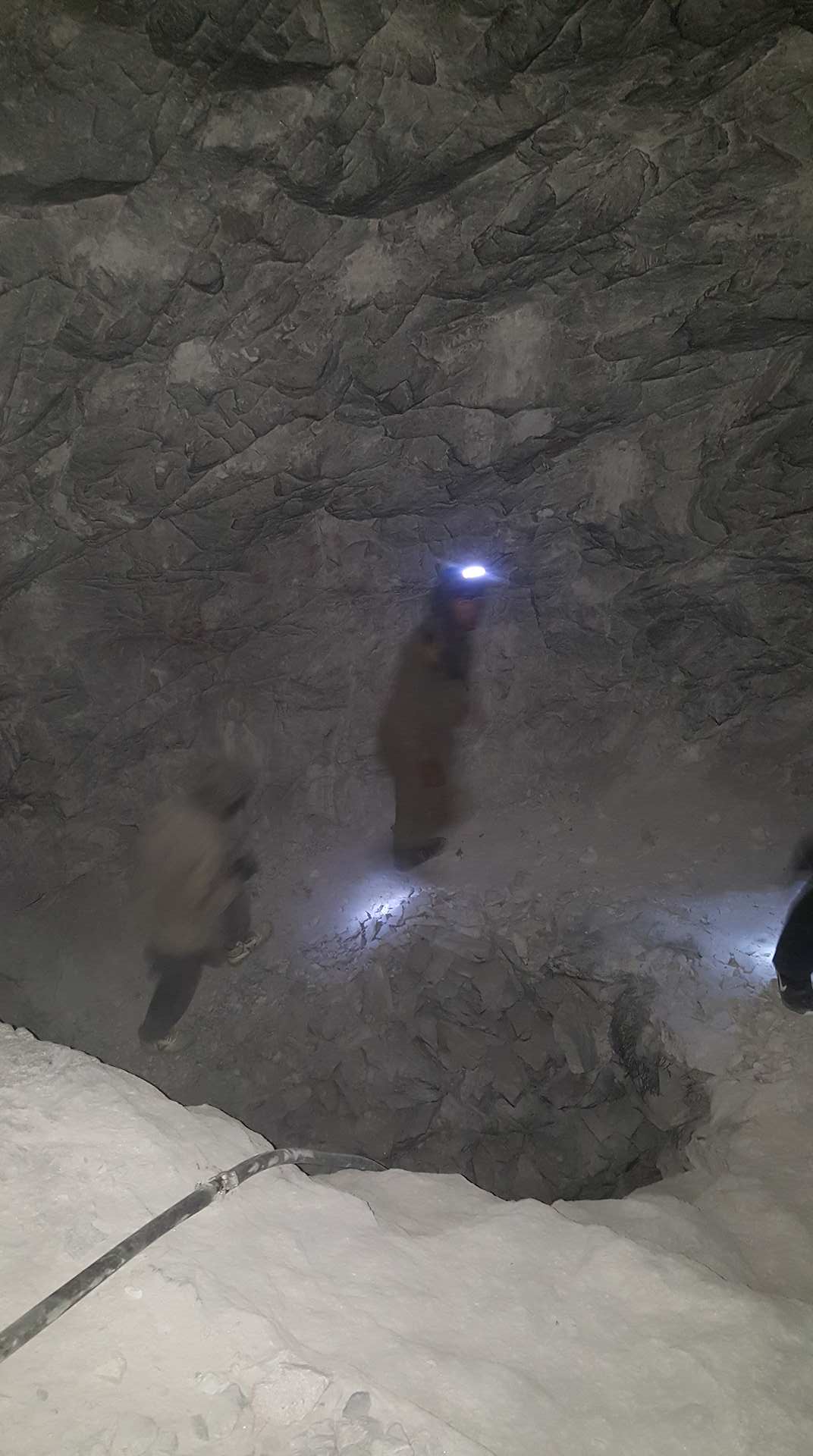
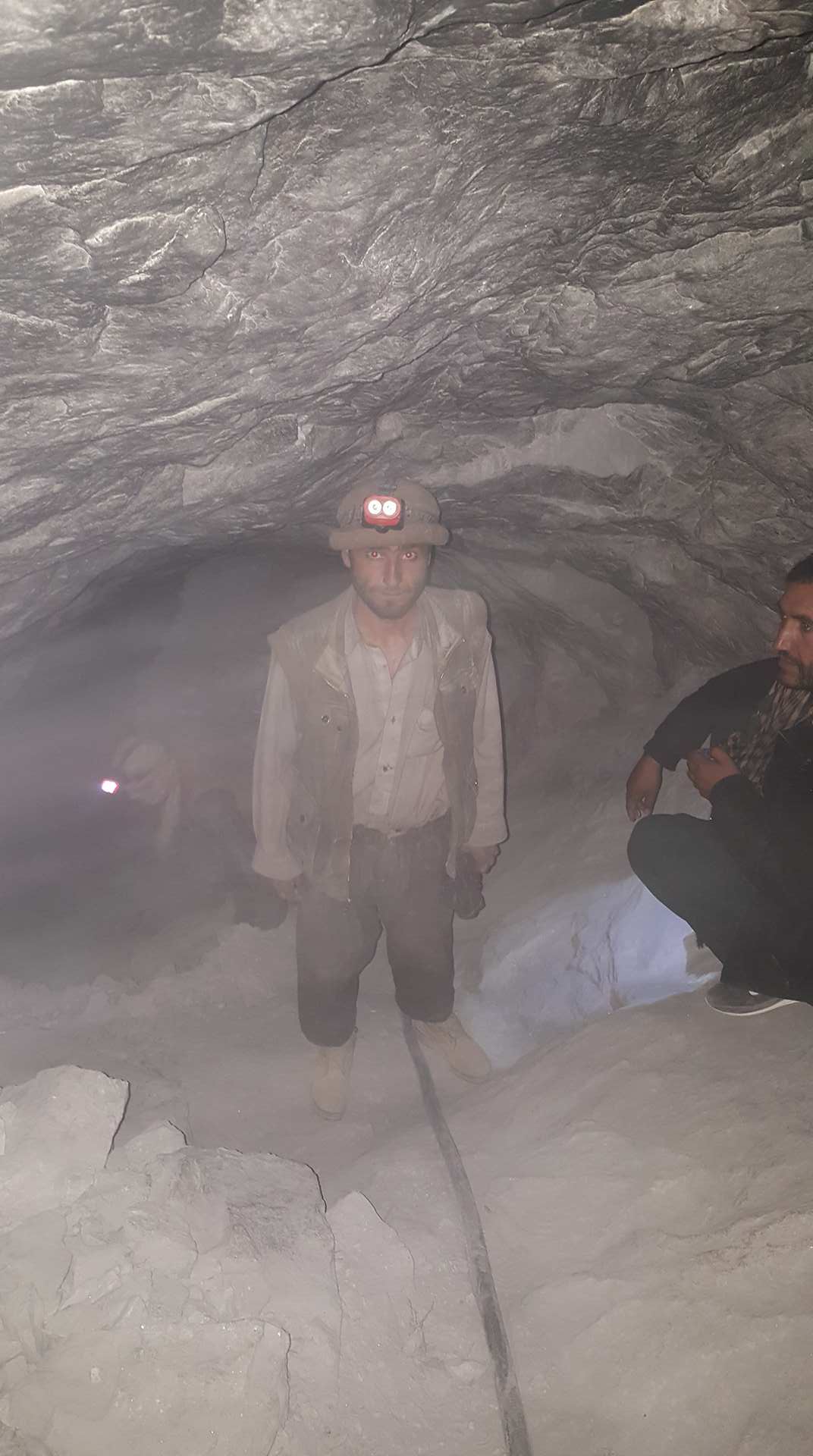
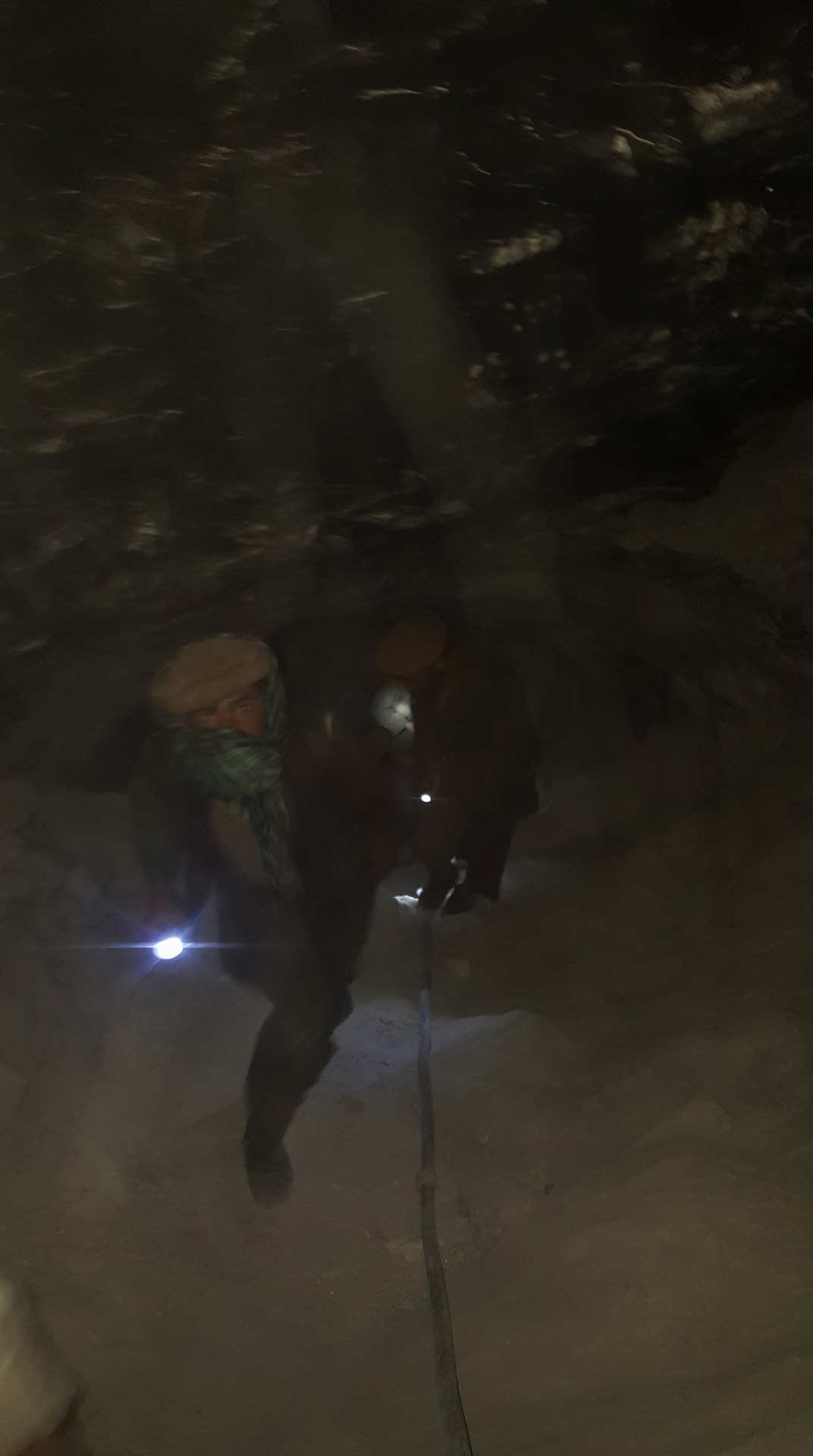
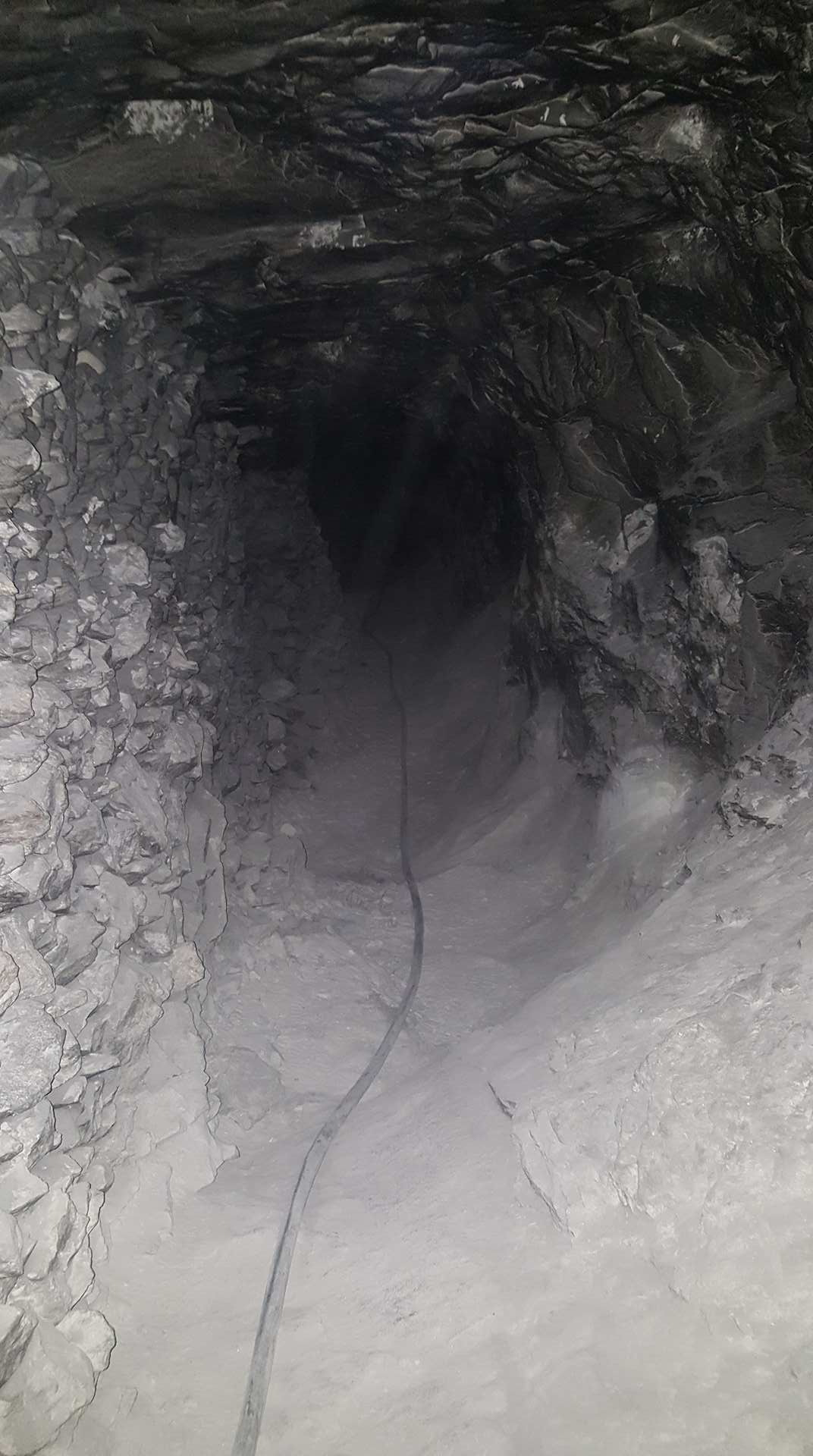
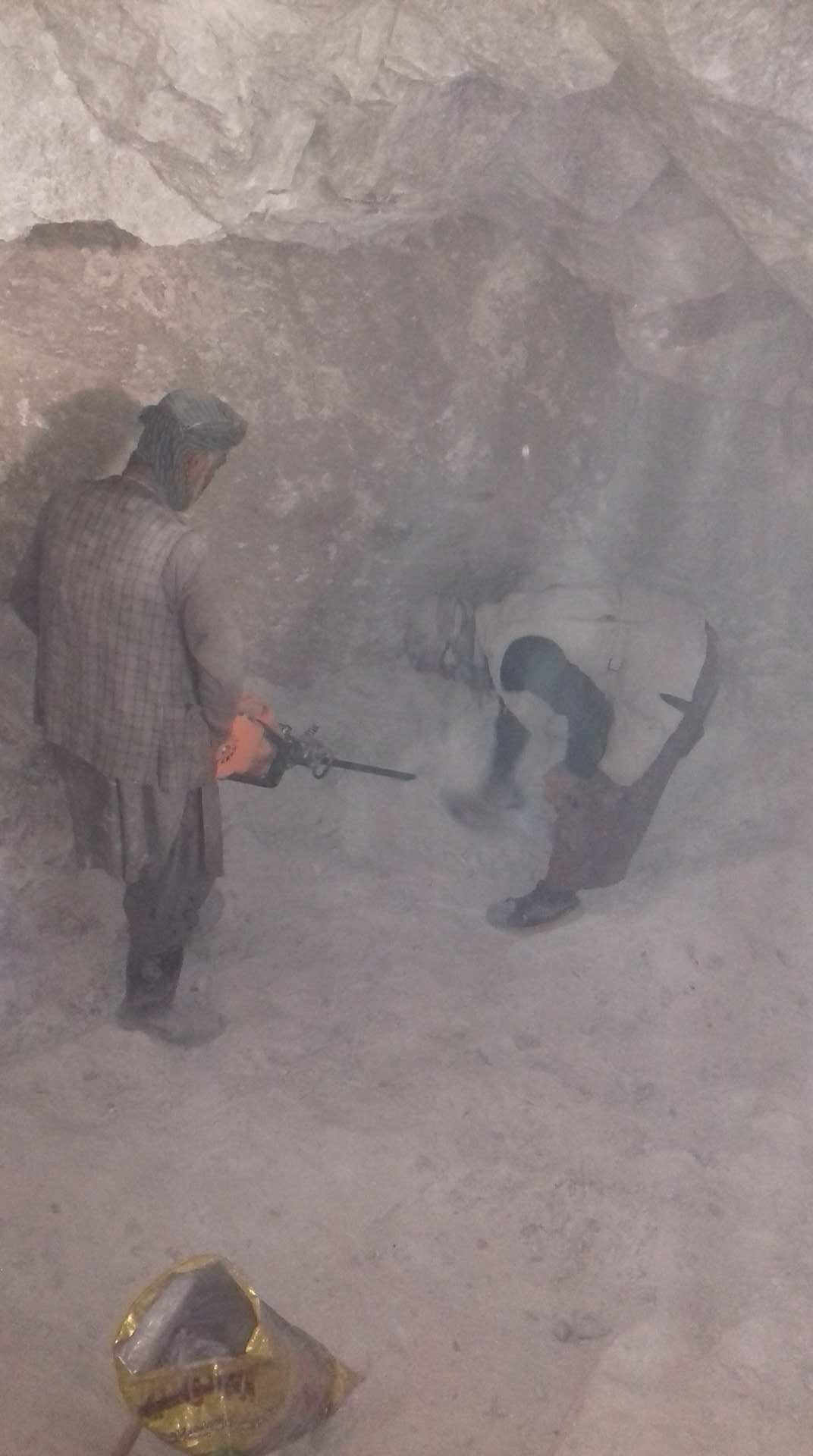
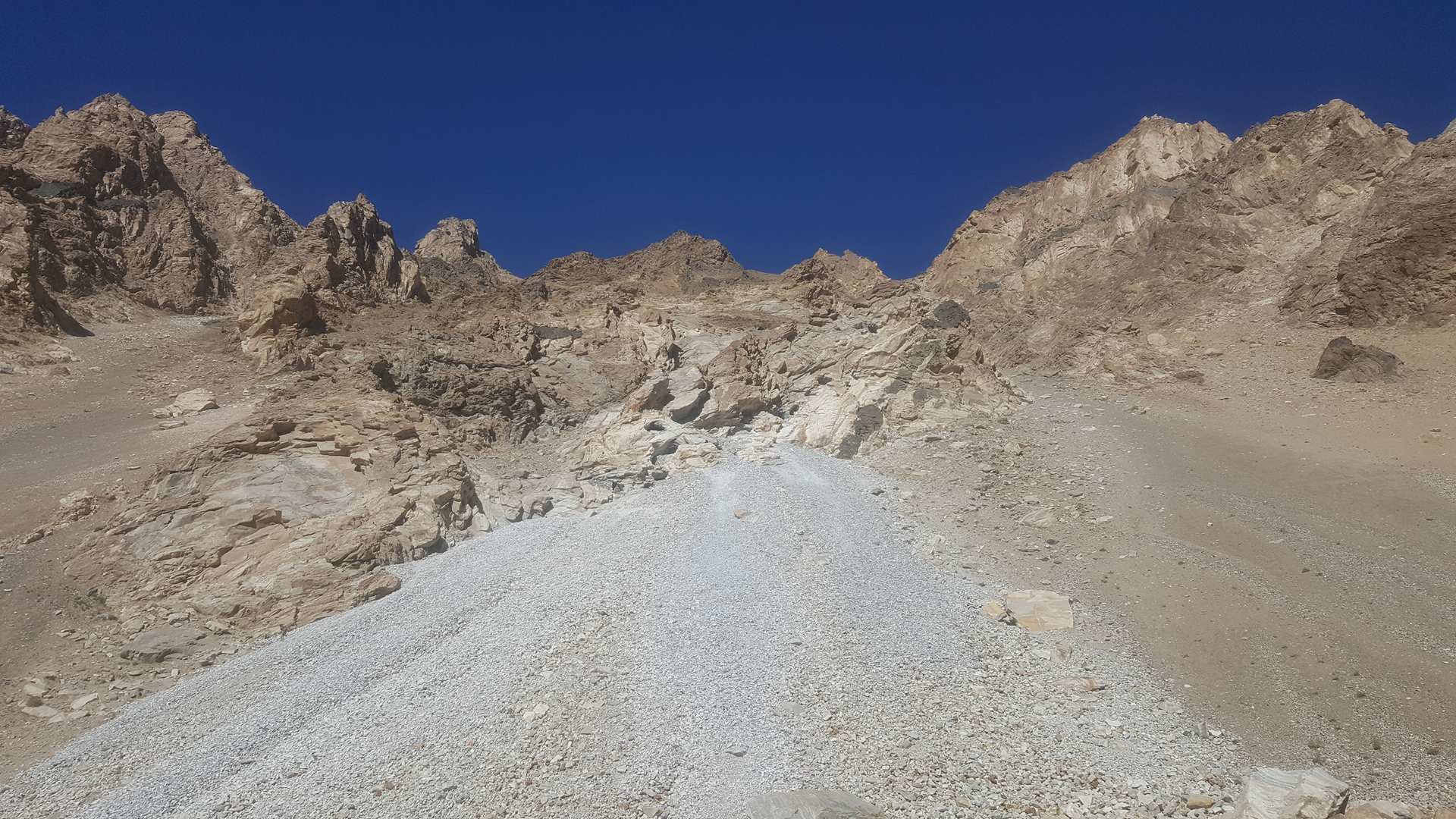
Photo set #1 of Pitwak. Specifically this is within the area where tenebrescent scapolite, hackmanite, winchite, etc. are found. This isn't the most productive mine in terms of money earned per hour, that goes to the lapis mines. That's primarily because good crystals are rare and the material isn't as coveted as the lapis. As a result this part of the mine is seldom worked with at most 6 people working on it at once.
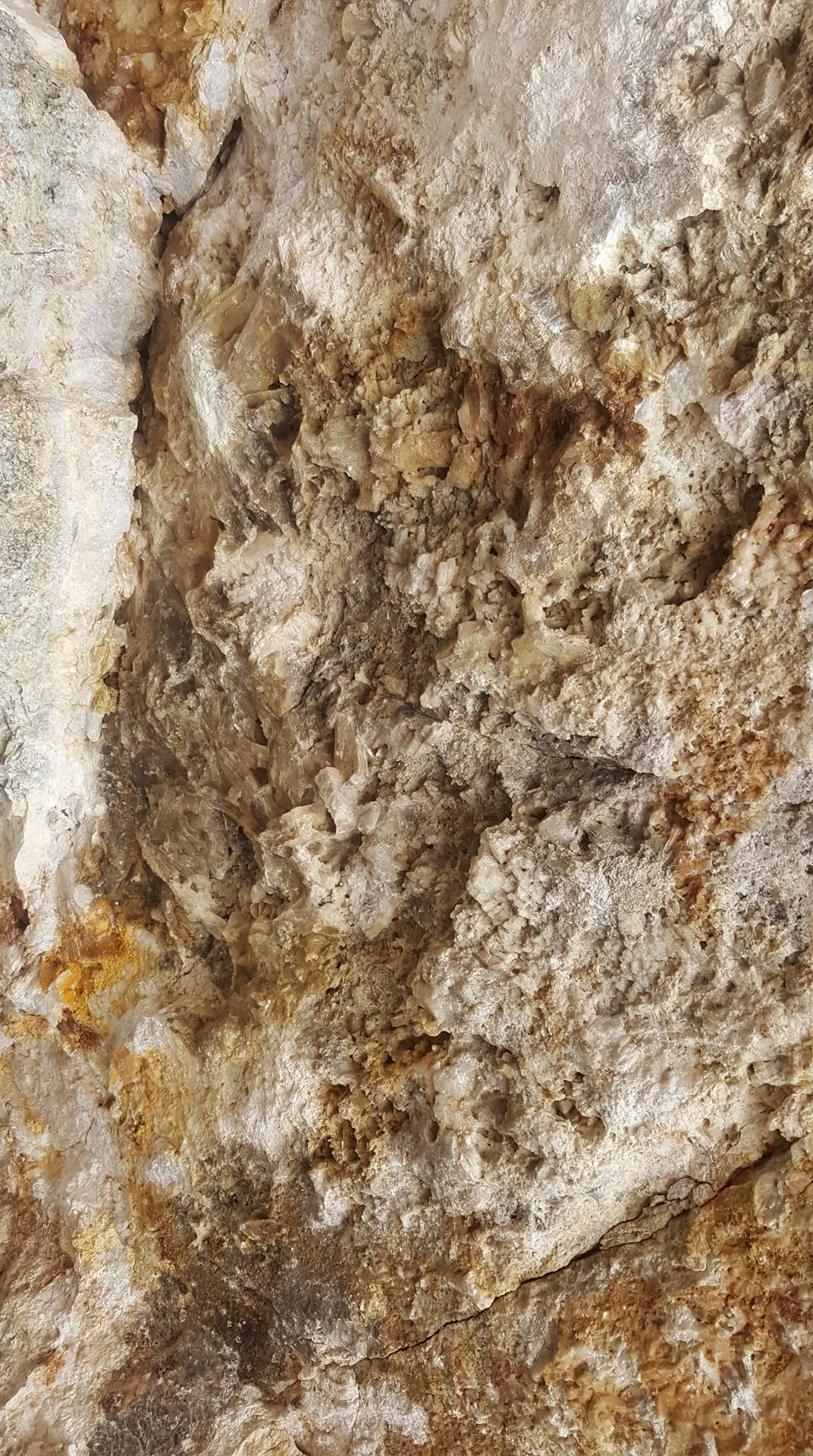
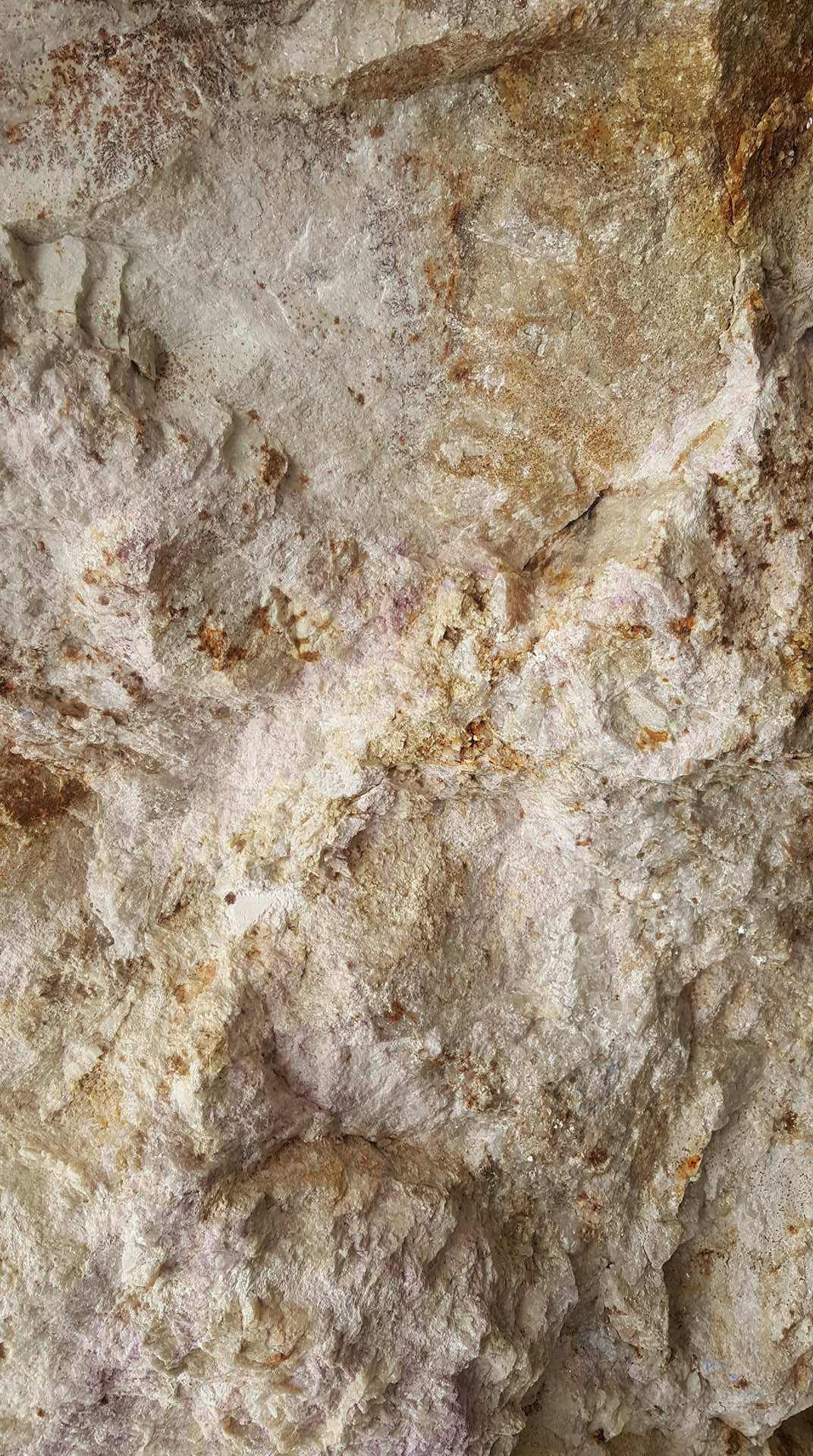
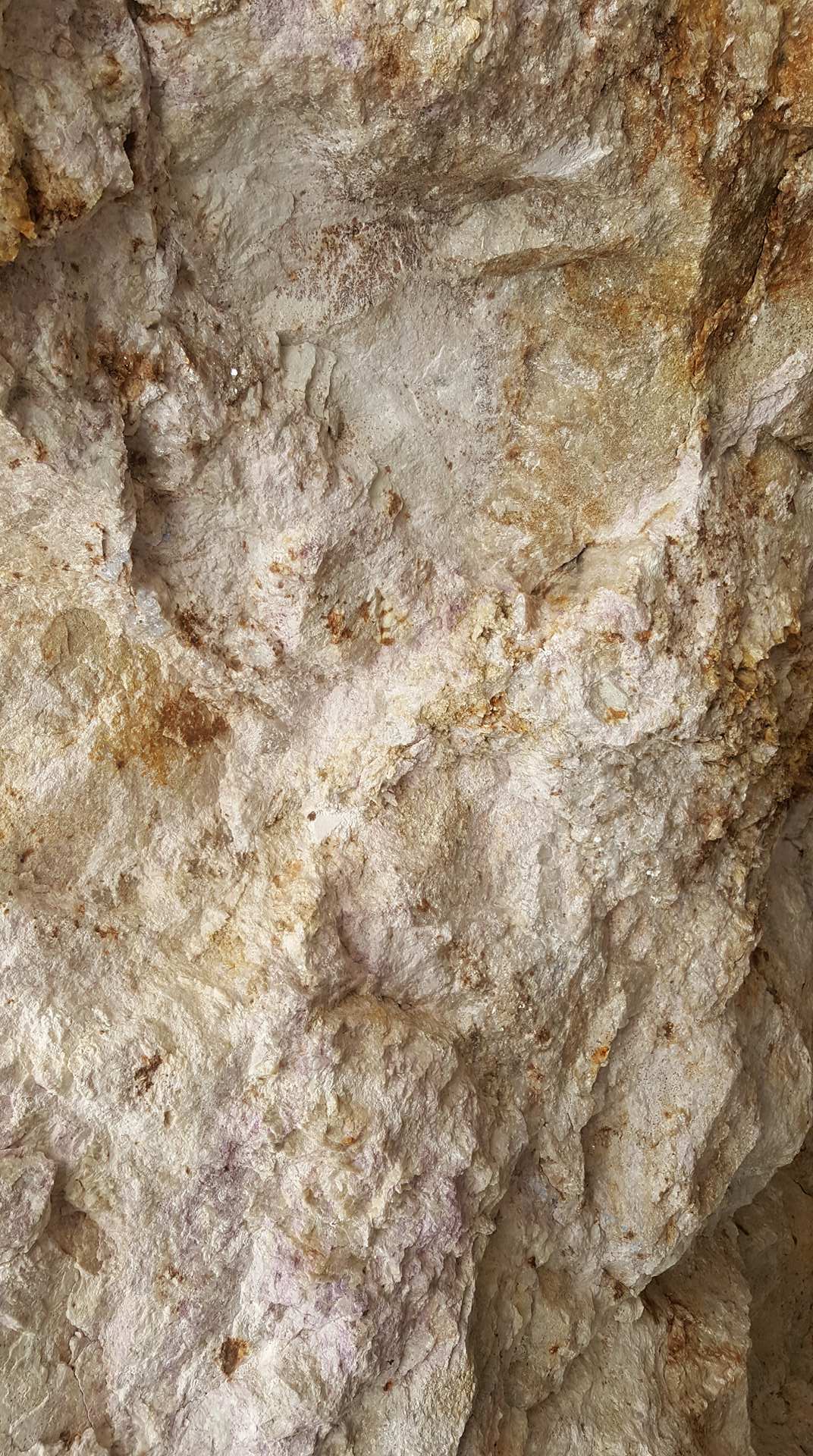
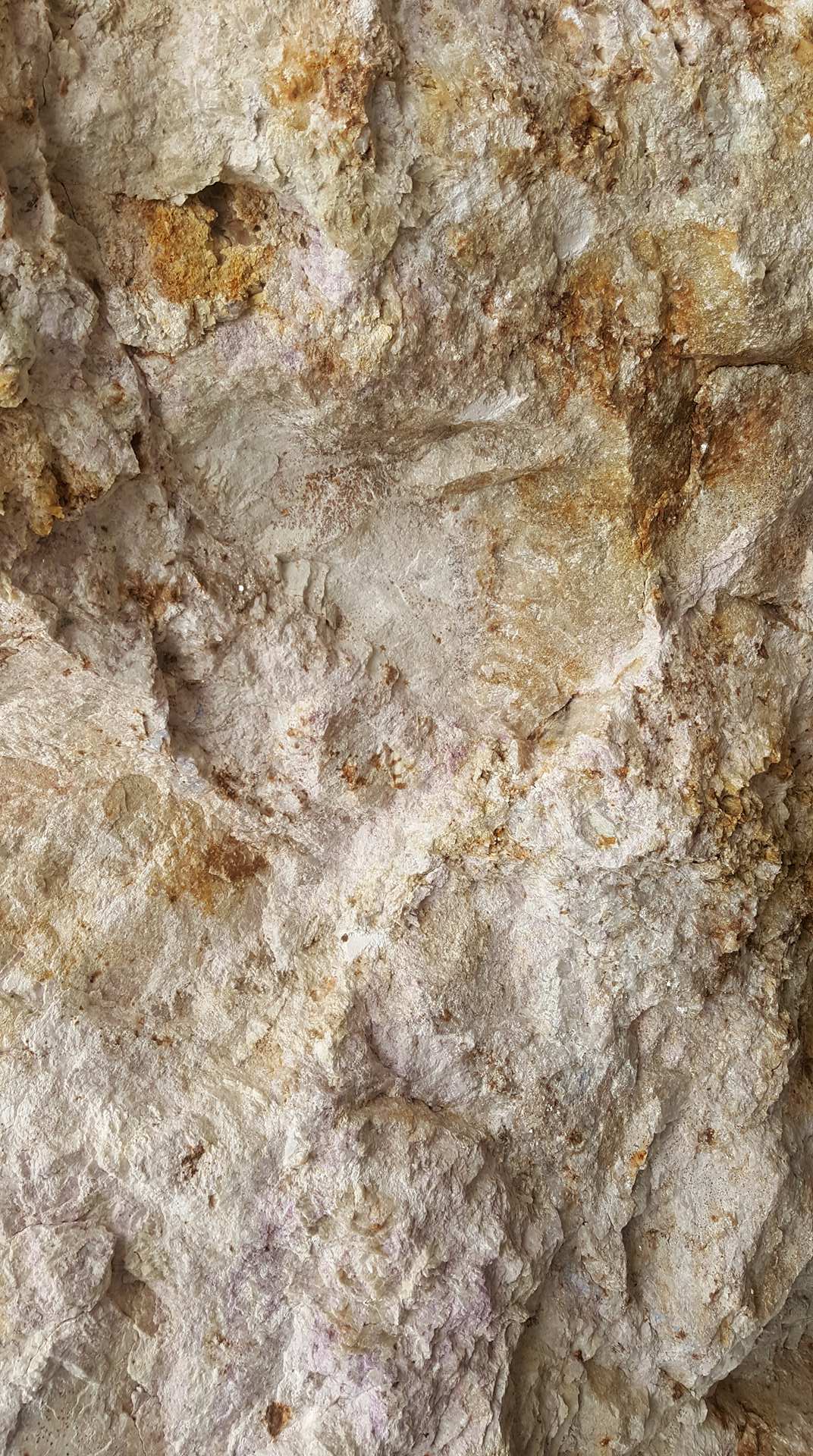
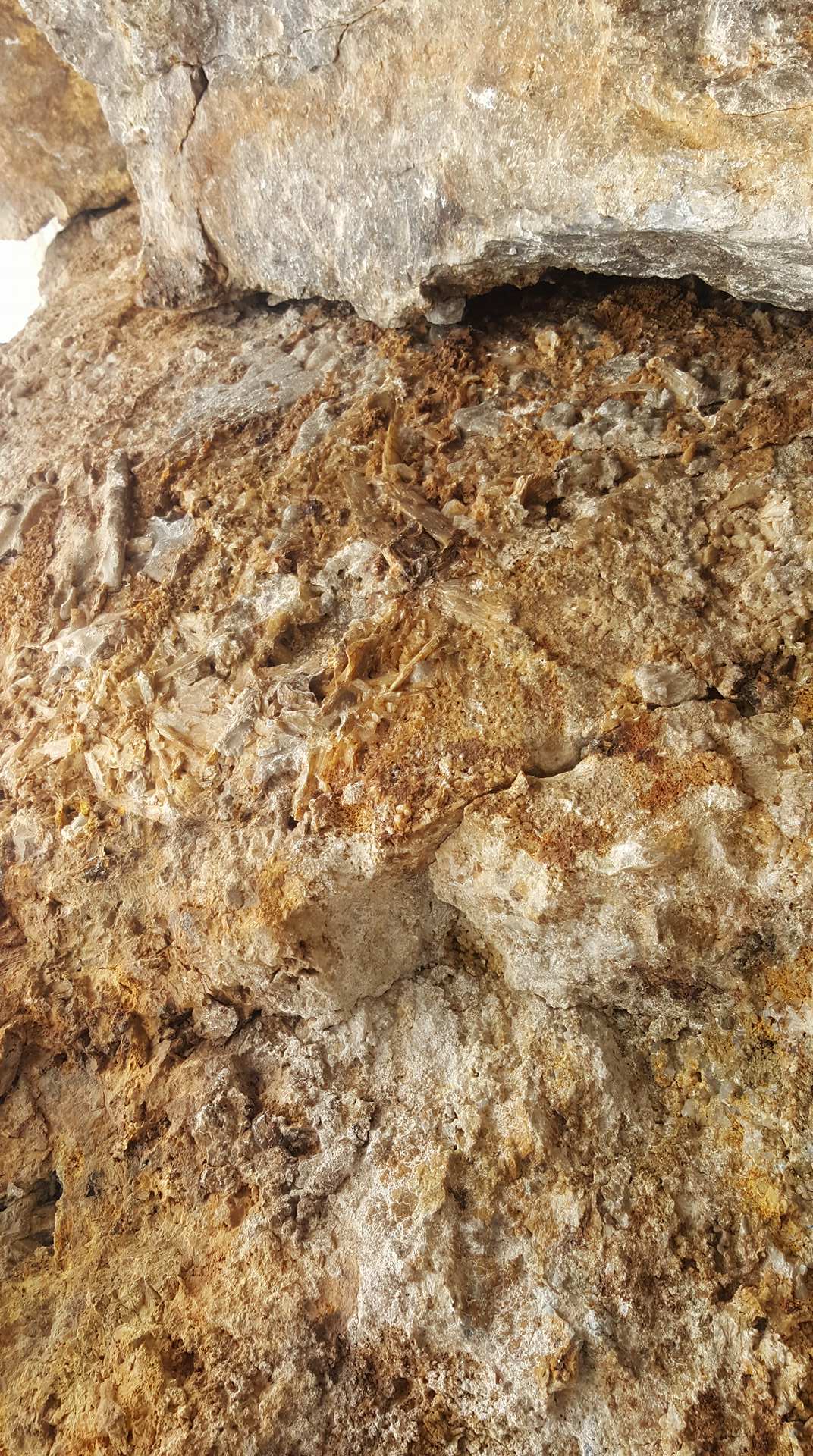
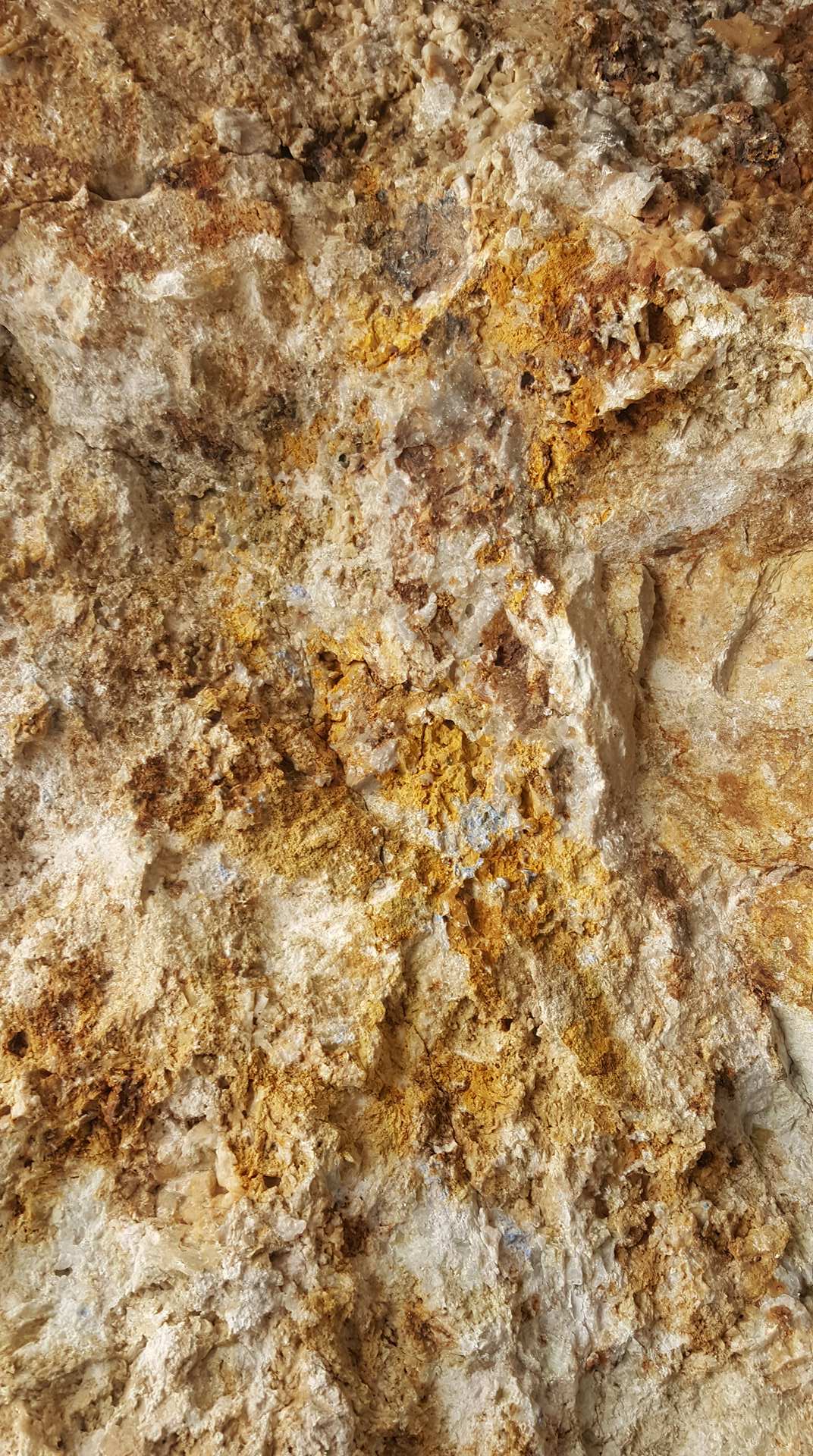
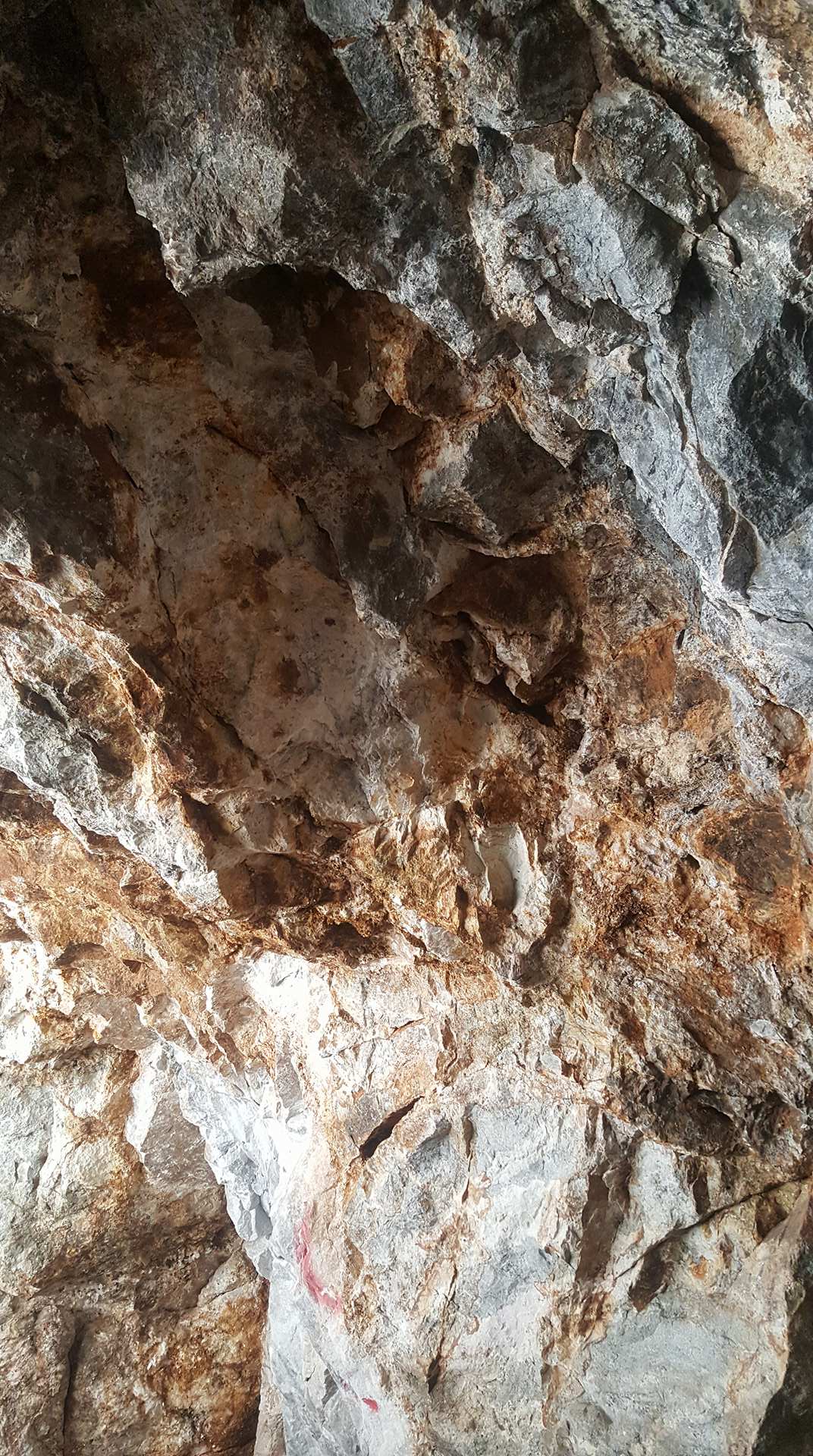
Part of the sodalite var. hackmanite vein. You can see that some areas of the photo are slightly purple. I'm told that the sections of the mine are referred to by what's found there. So for instance in Persian this section would be called shab chragh شب چراغ (?) which means phosphorescent and what the locals refer to when they talk about hackmanite.
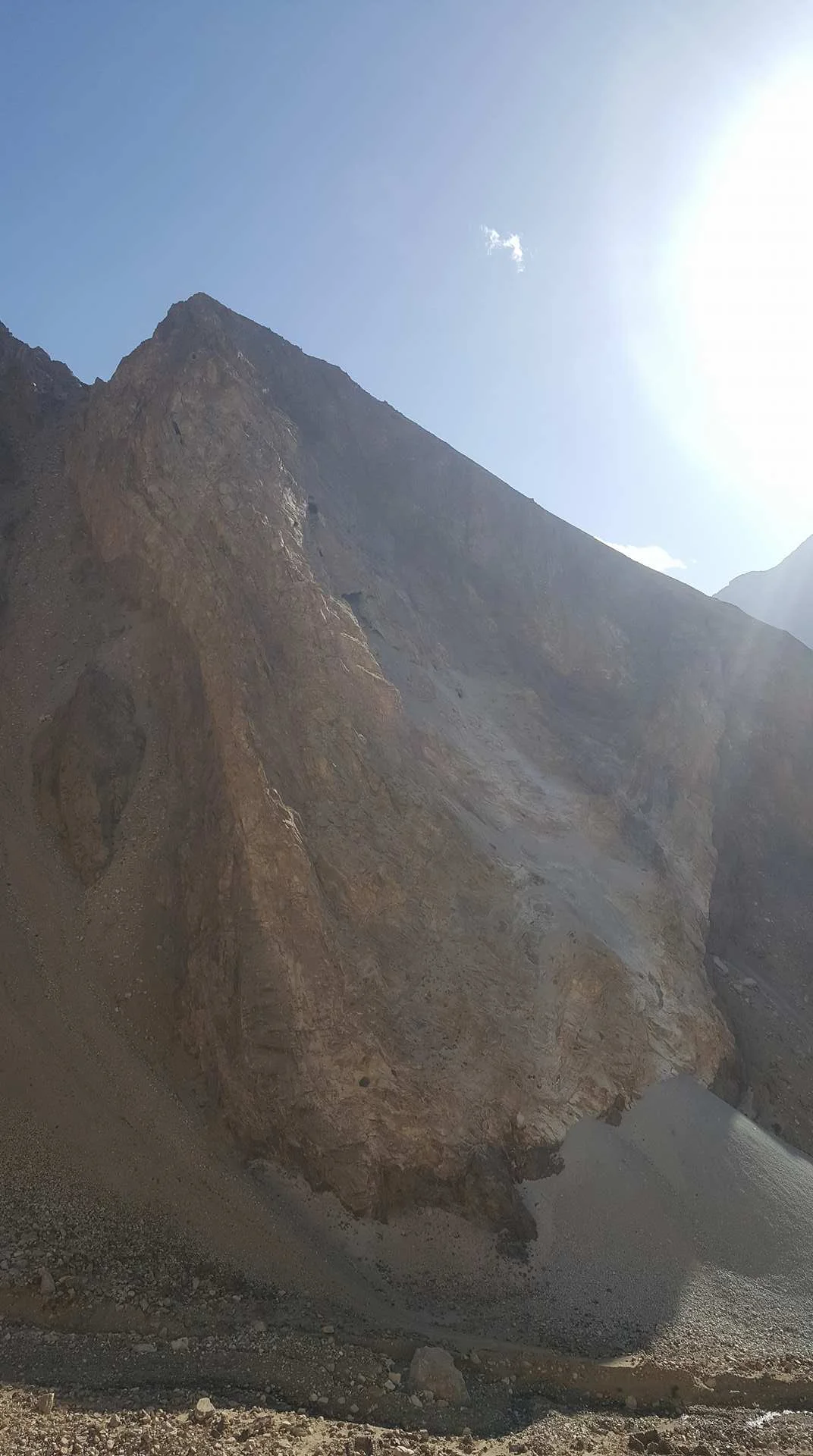
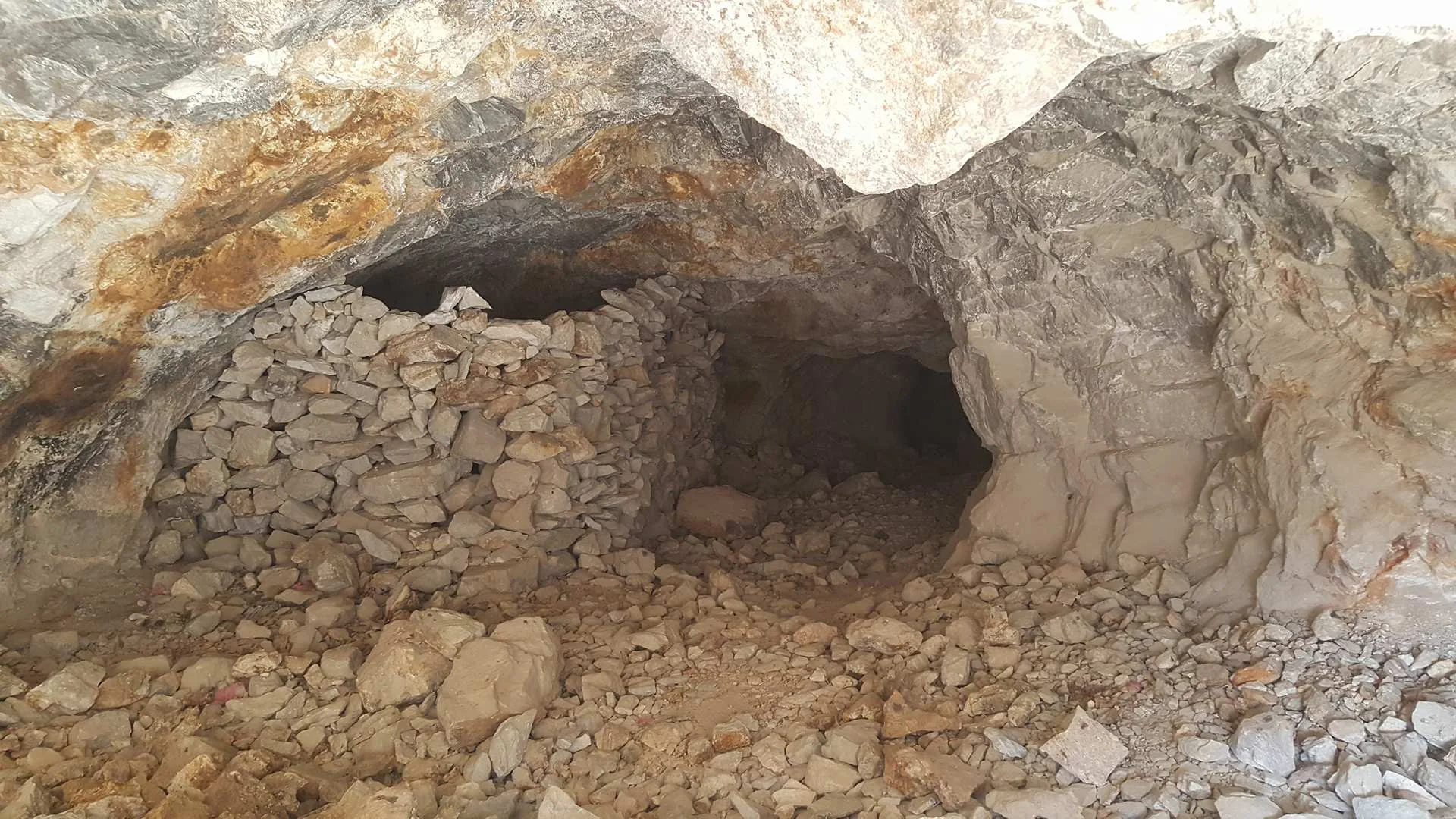
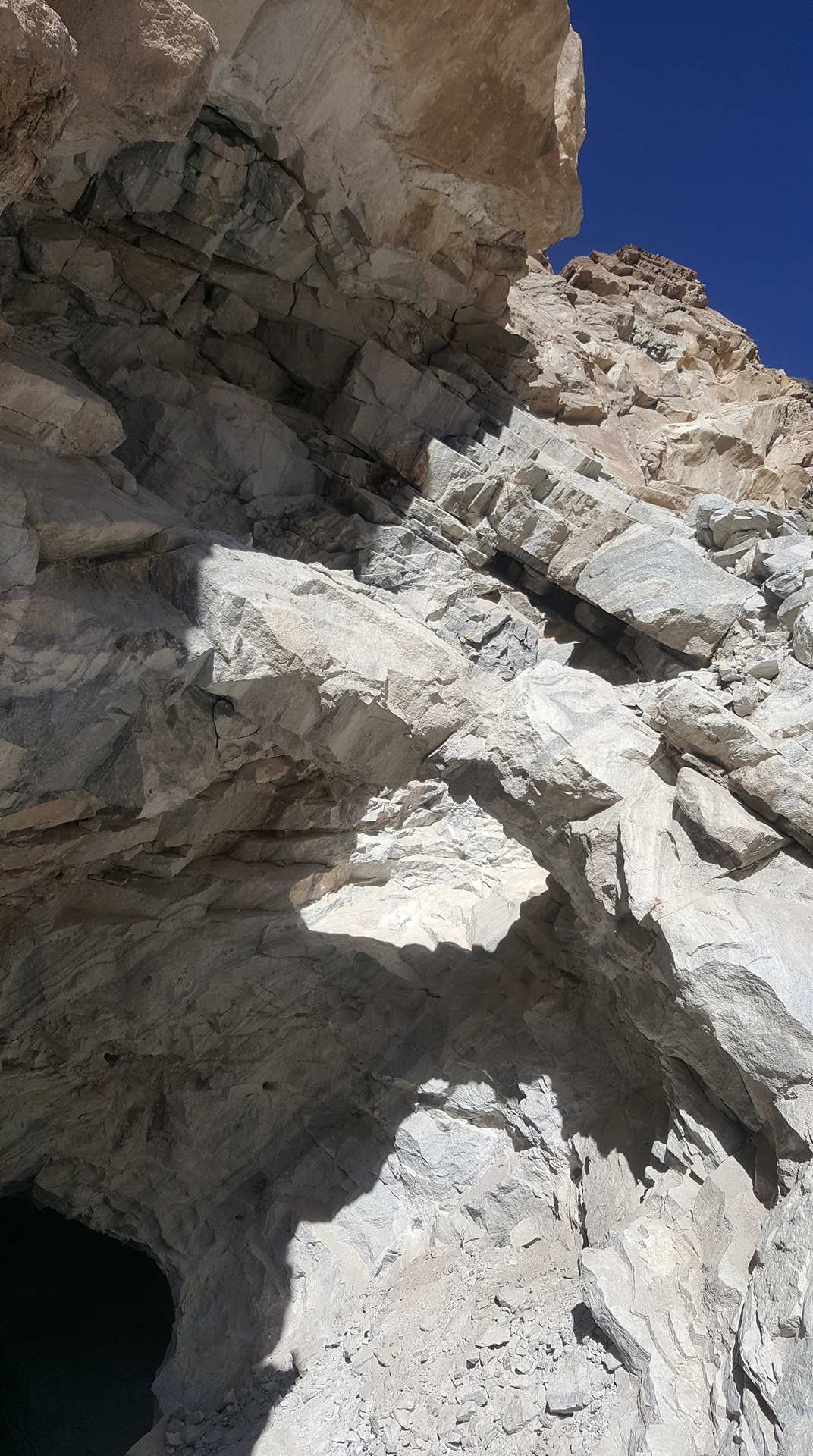
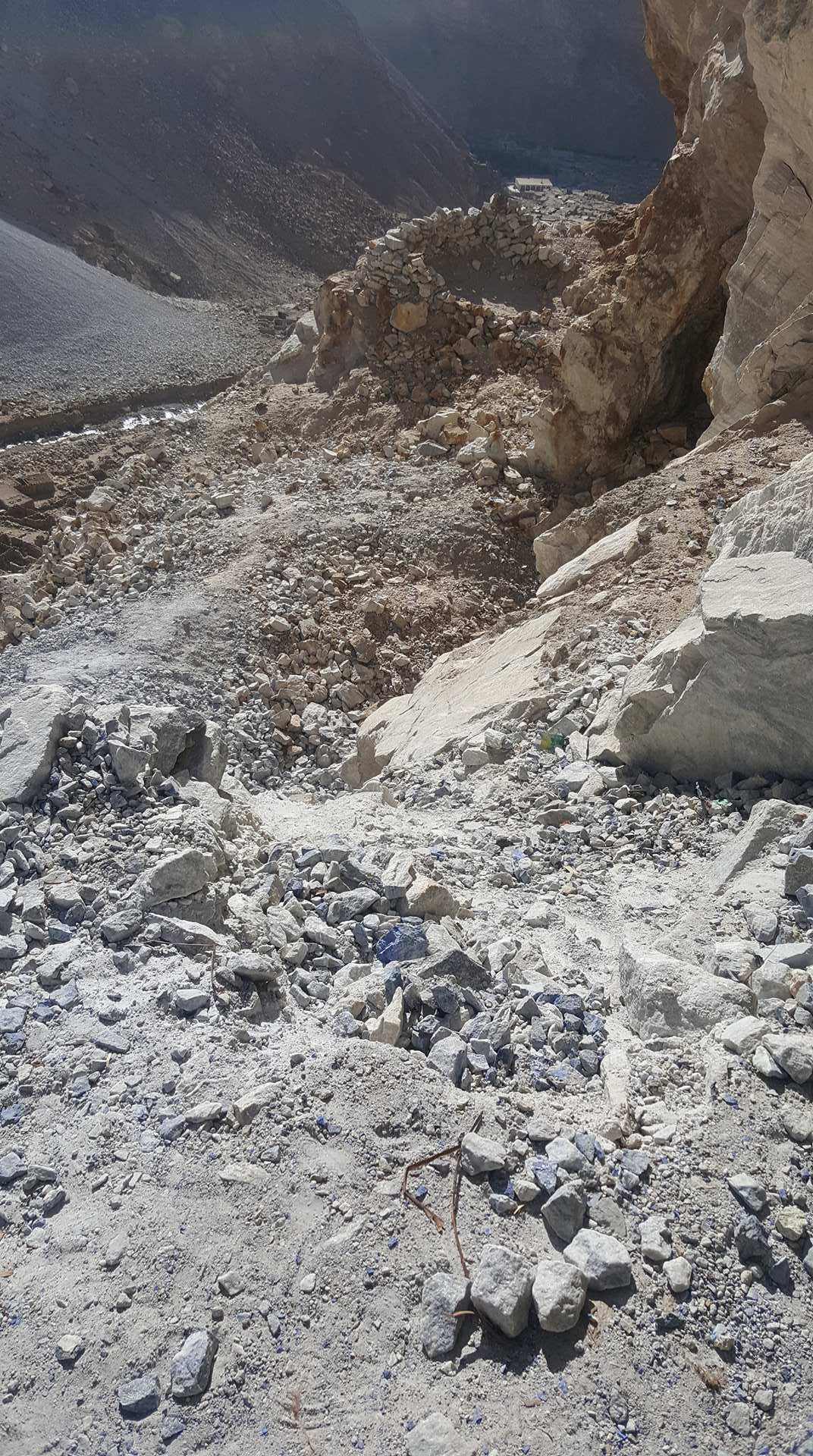
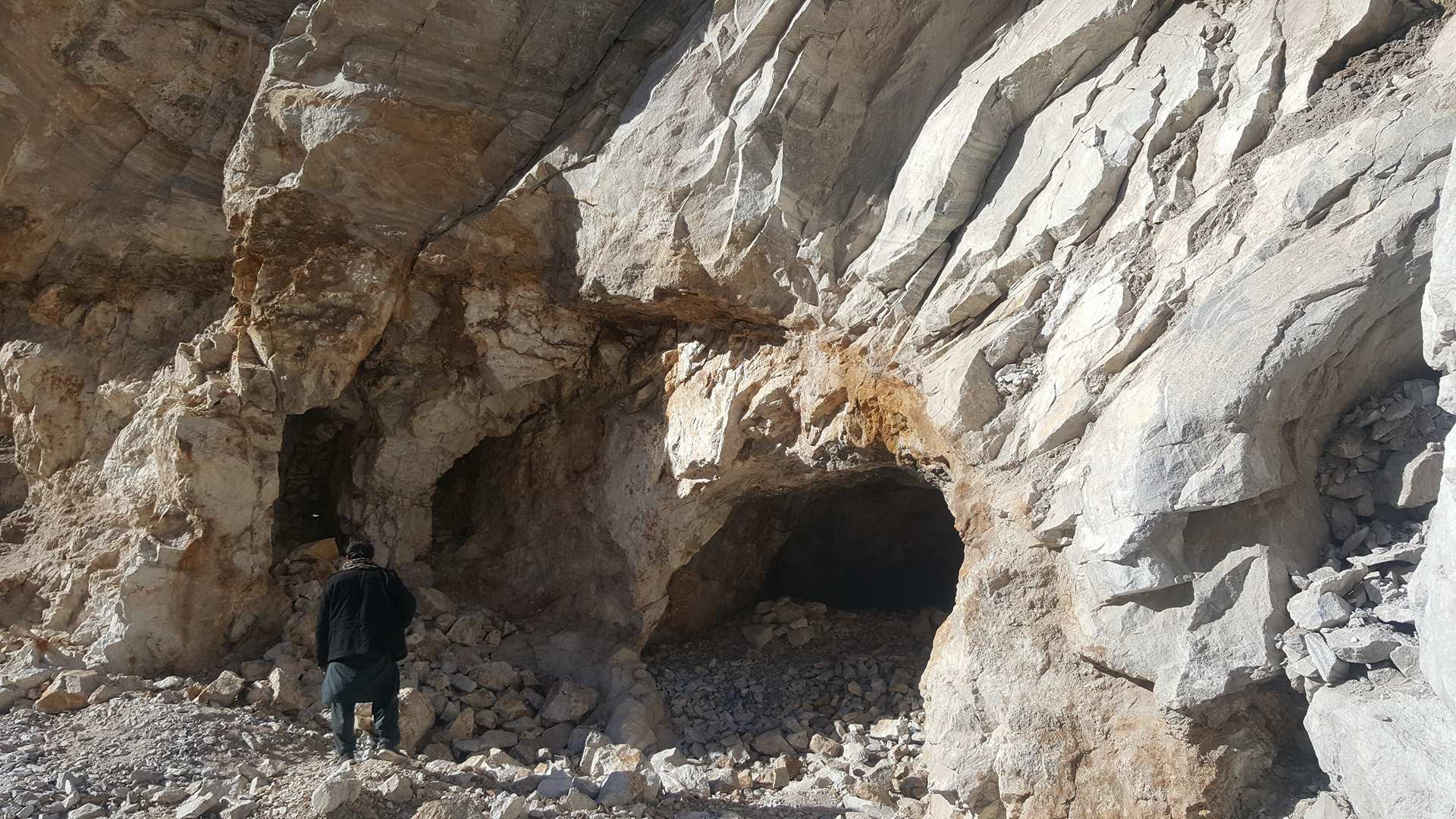
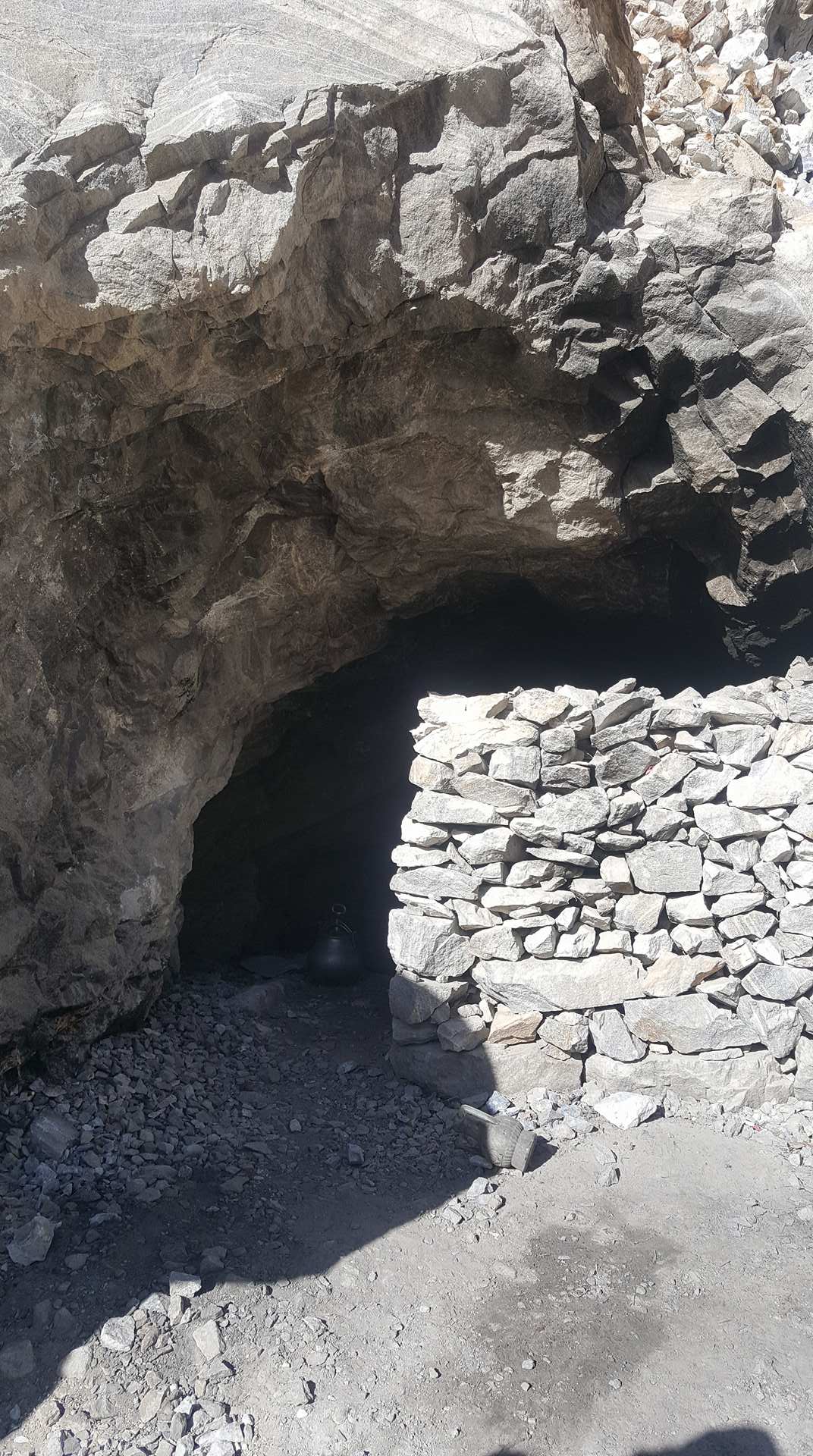
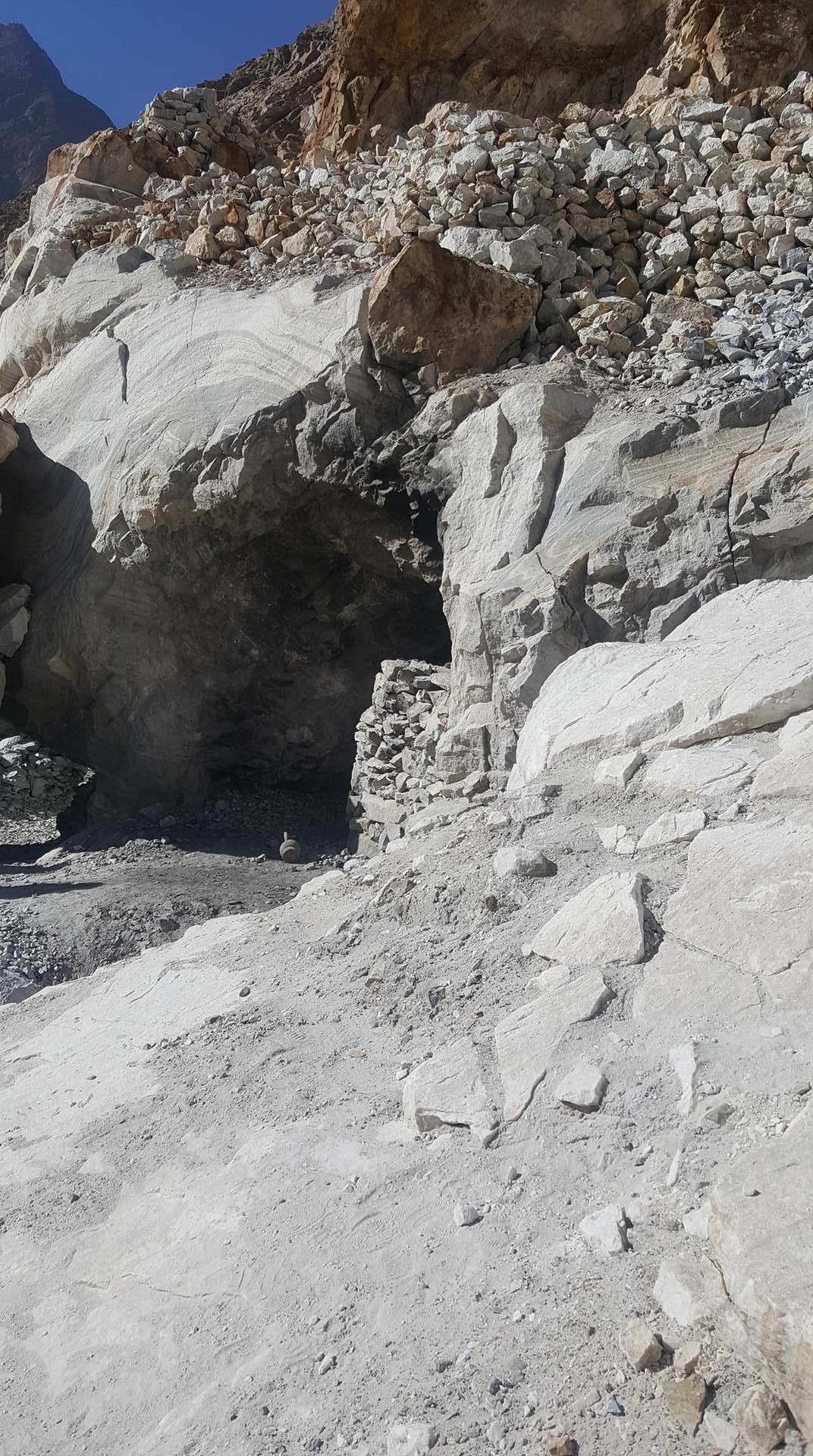
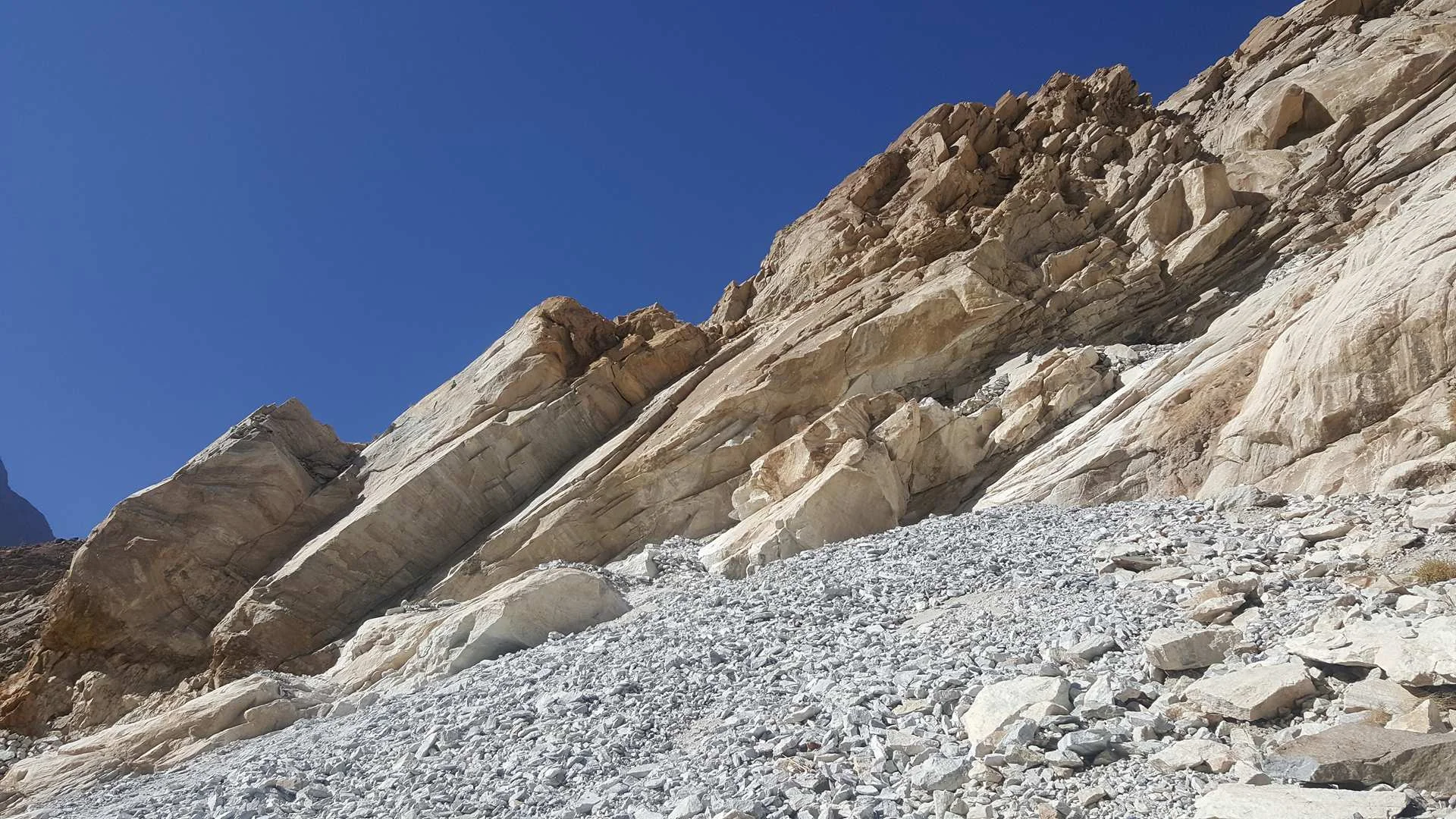
Photo set #2 of Pitwak mine. This is a slightly different entrance to the Pitwak. I'm told that the mine is named after the first person that worked on the mine: Pitwak Haji Baba. Supposedly this happens after in the 1990s (though I can't find any sources that confirm this). The name also comes from pitawo, which refers to the spot where the sun's rays fall (confirmed by 2 speakers). A spot where you sit in the winter morning to get some warmth.
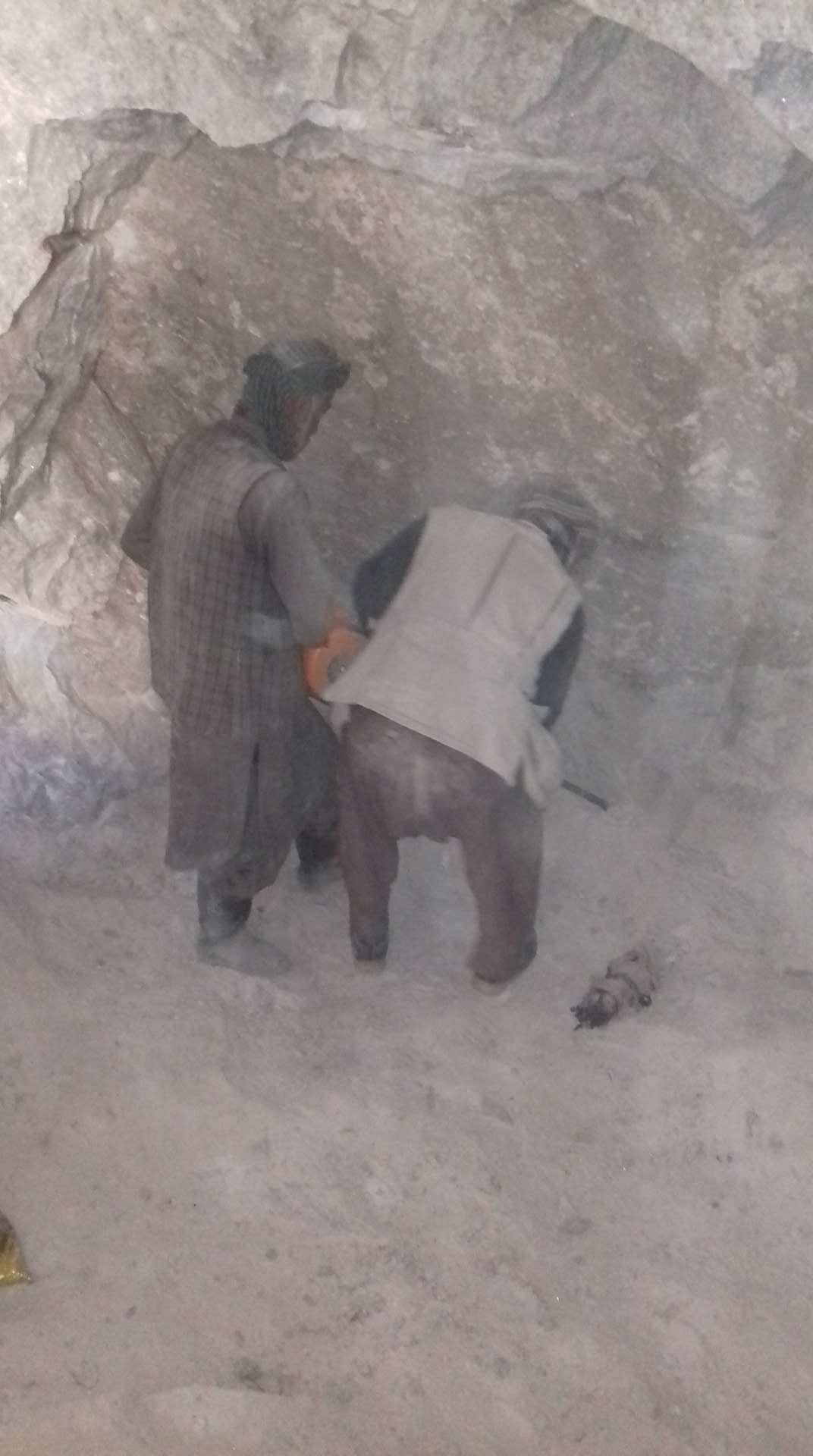
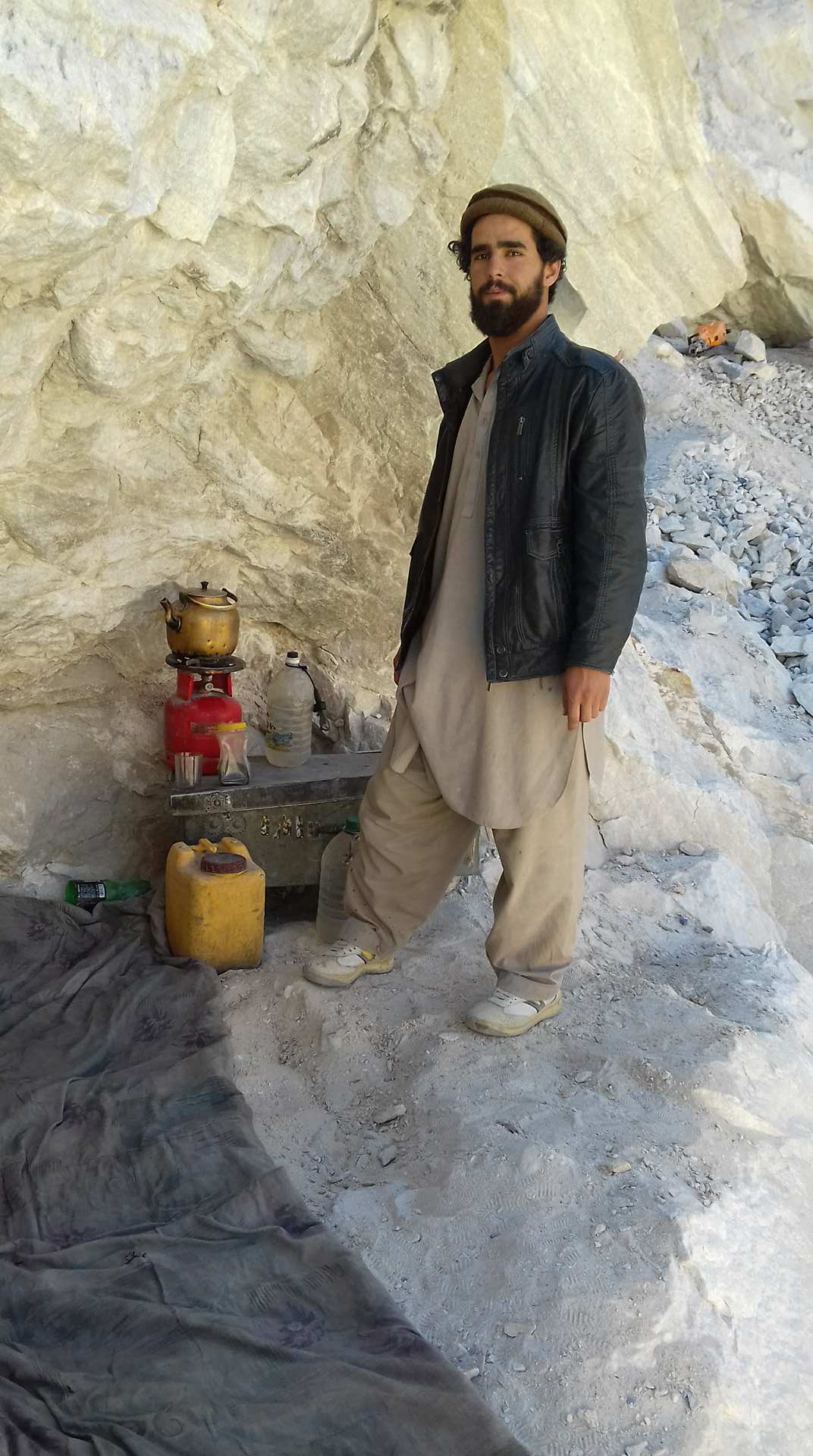
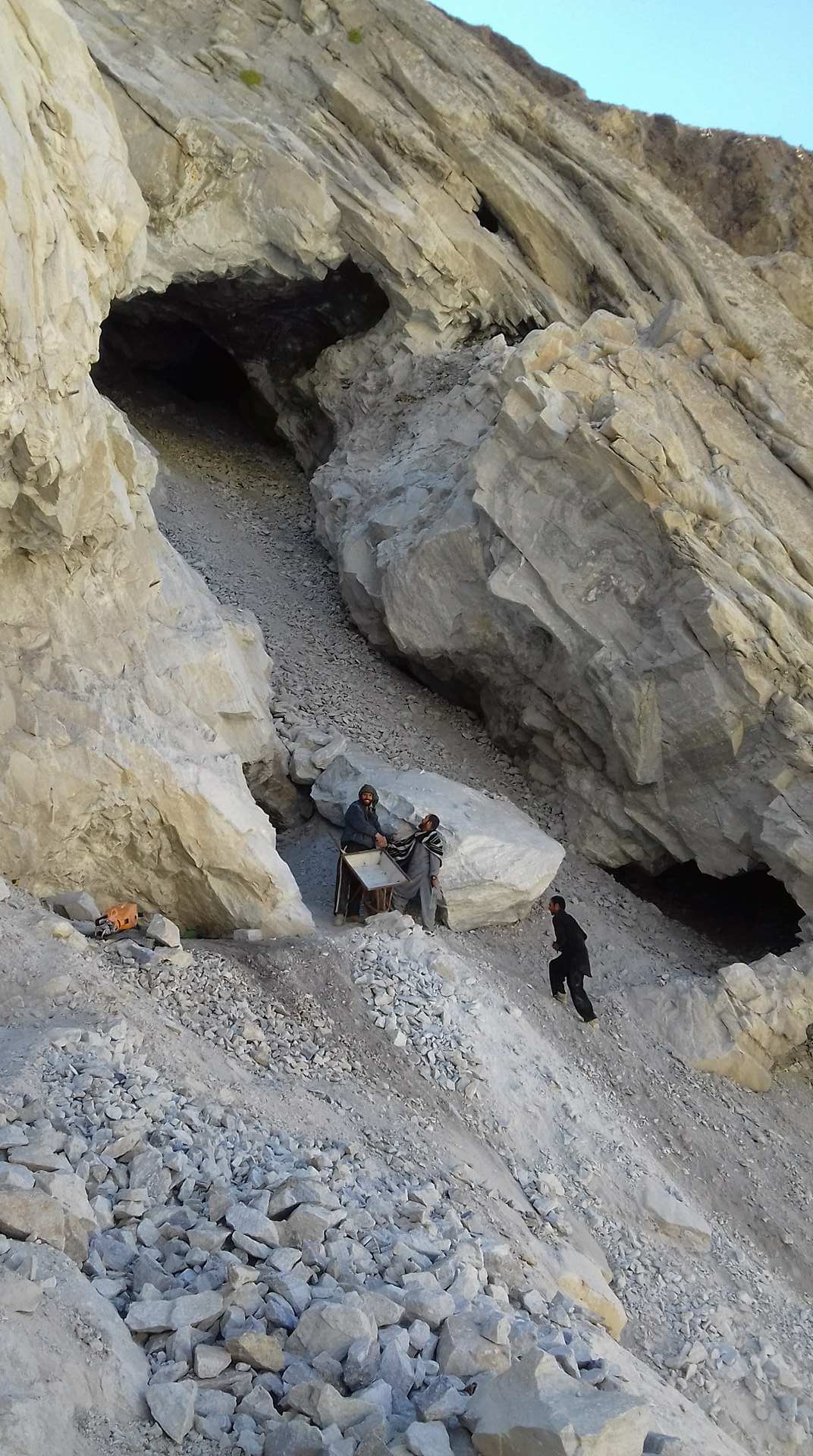
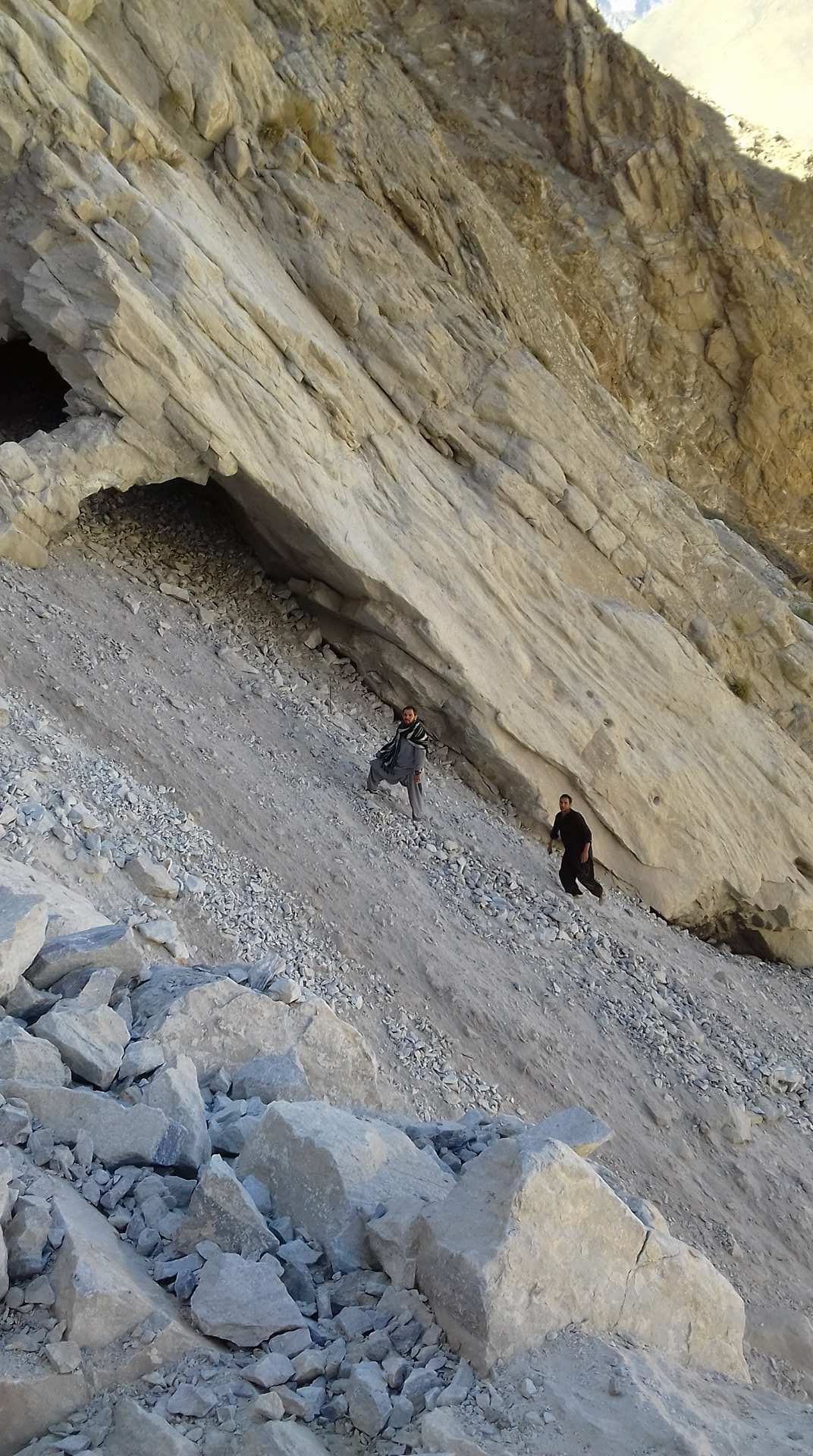
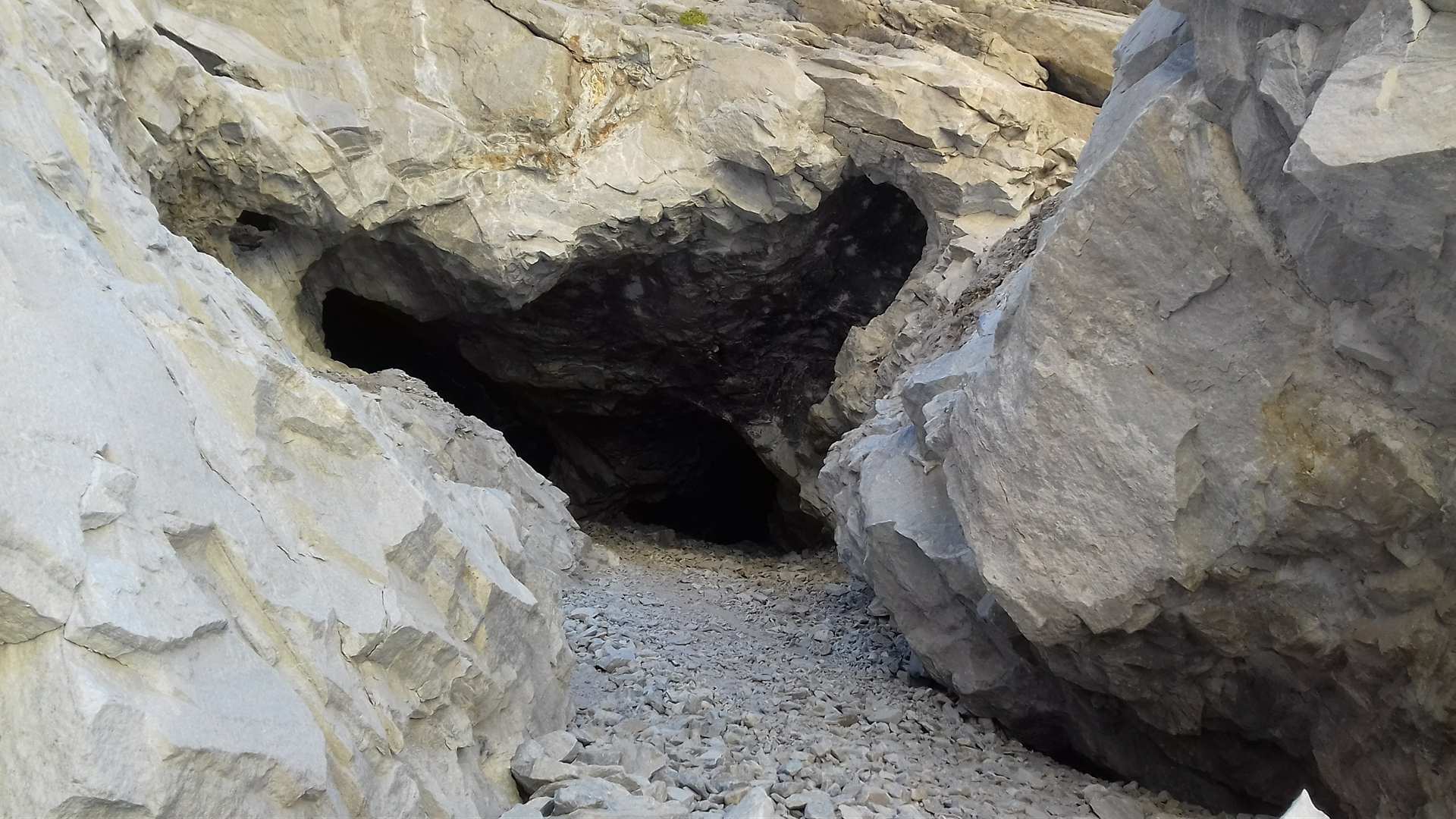
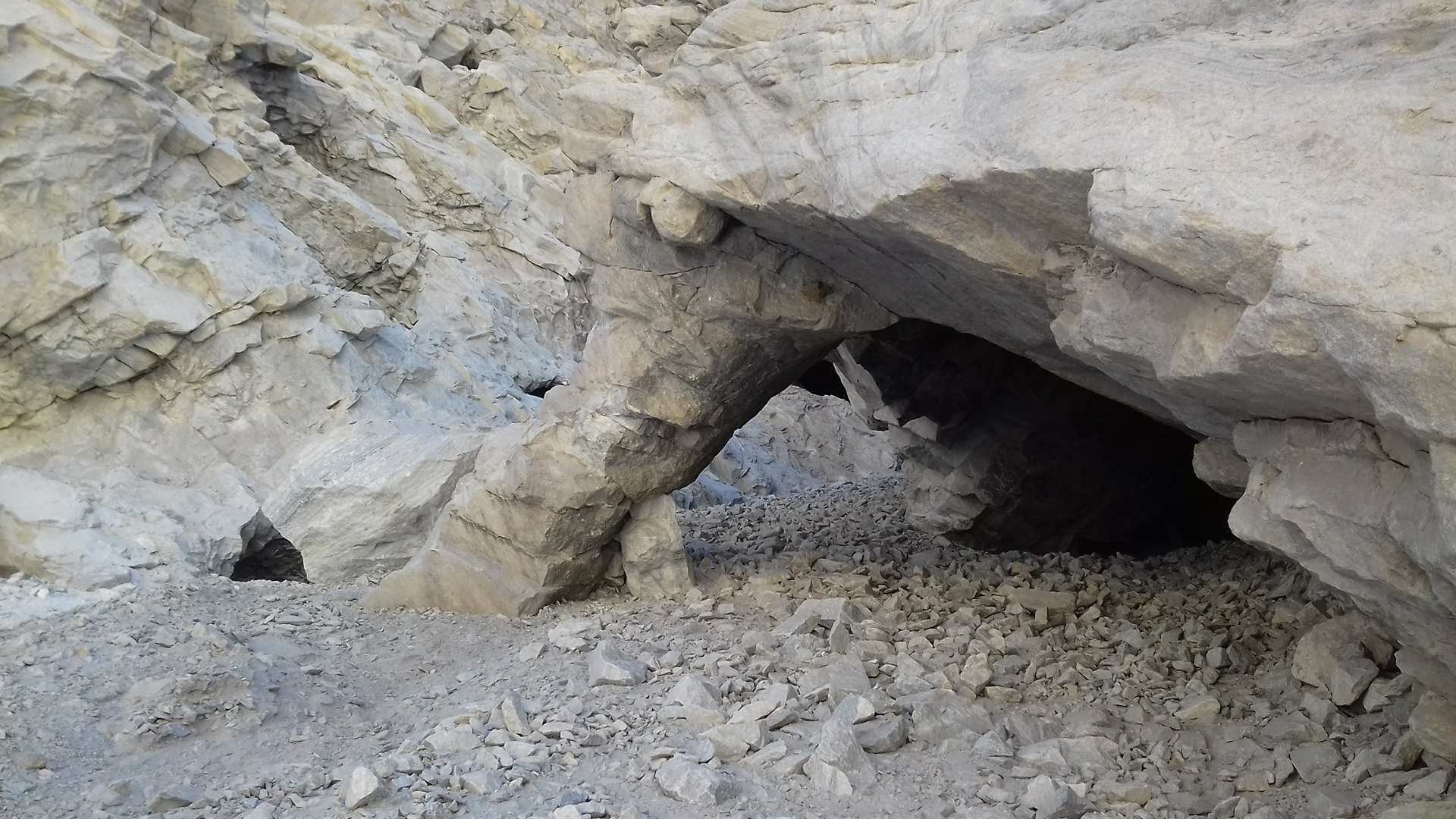
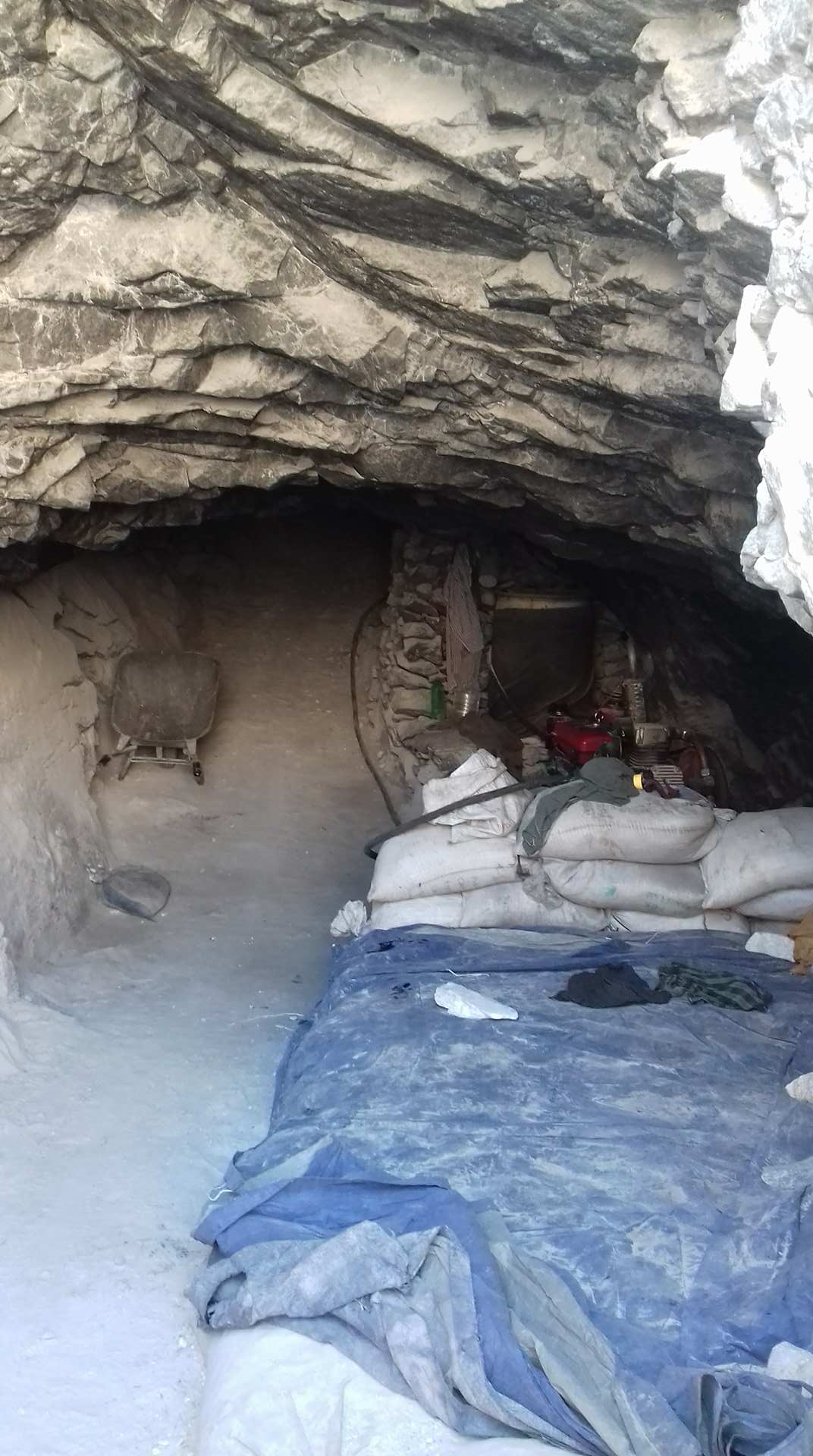
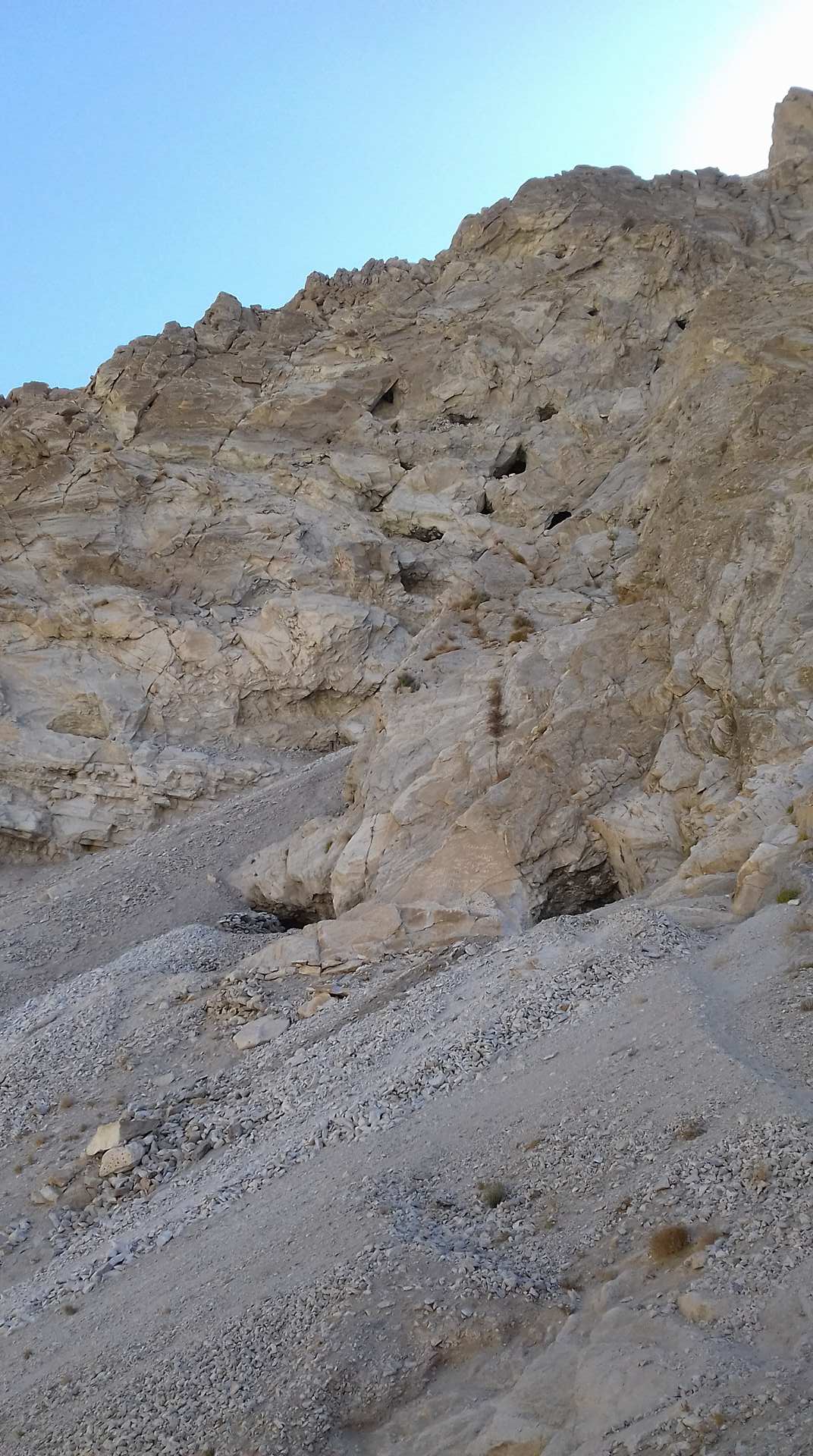
This last photoset is of madan chaar, one of the many lapis mines on this mountain. The area has been mined for lapis for over 4000 years. There are tunnels ranging from the back of the mountain all the way to the front. There are many mines dedicated to solely lapis: madan chaar, madan panj, madan jarok, madan regi. The area is collectively known as madan ladjuar. This is by far the most worked area with mining going around 24/7 at peak.

A list of mines as well as what is found there.