
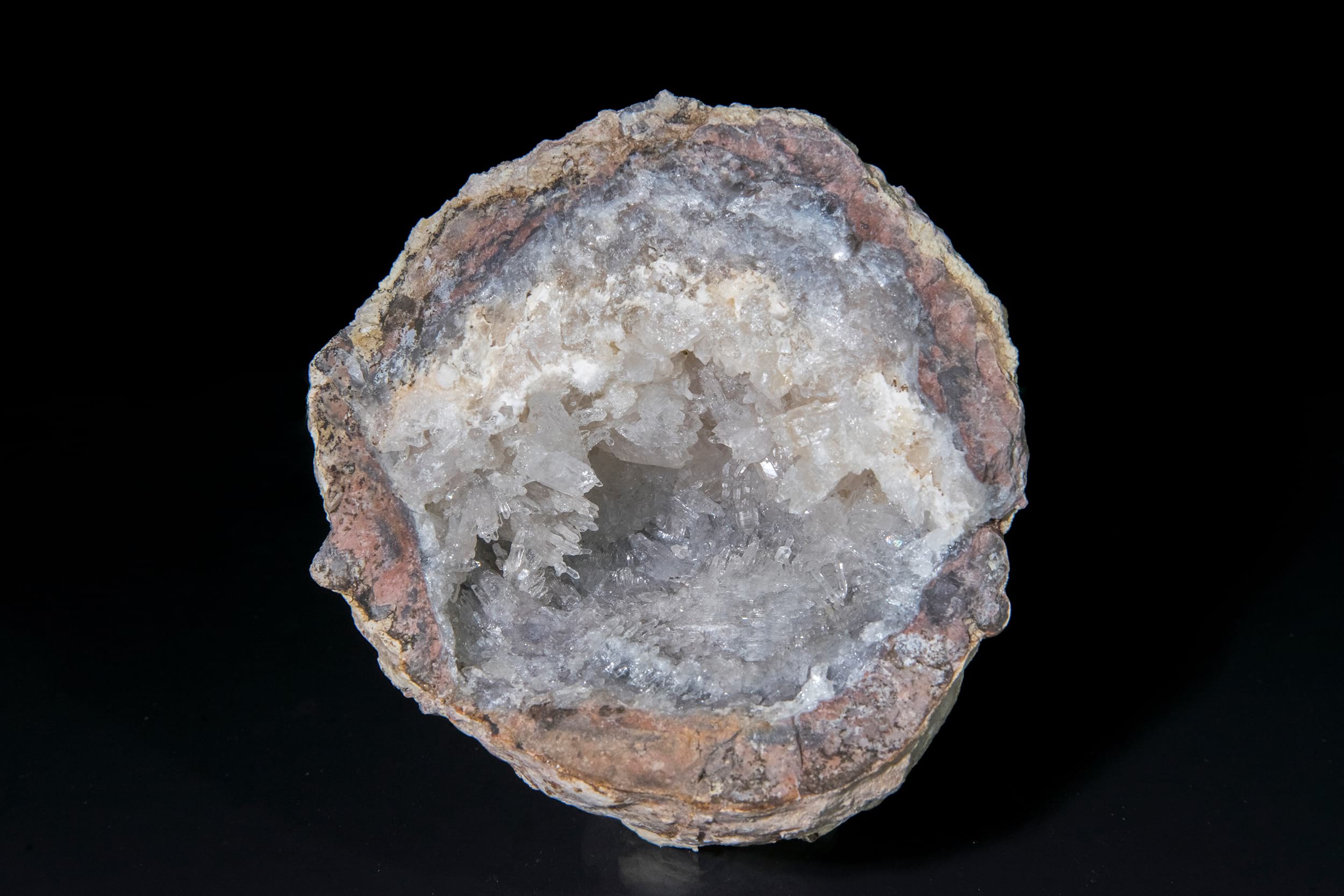
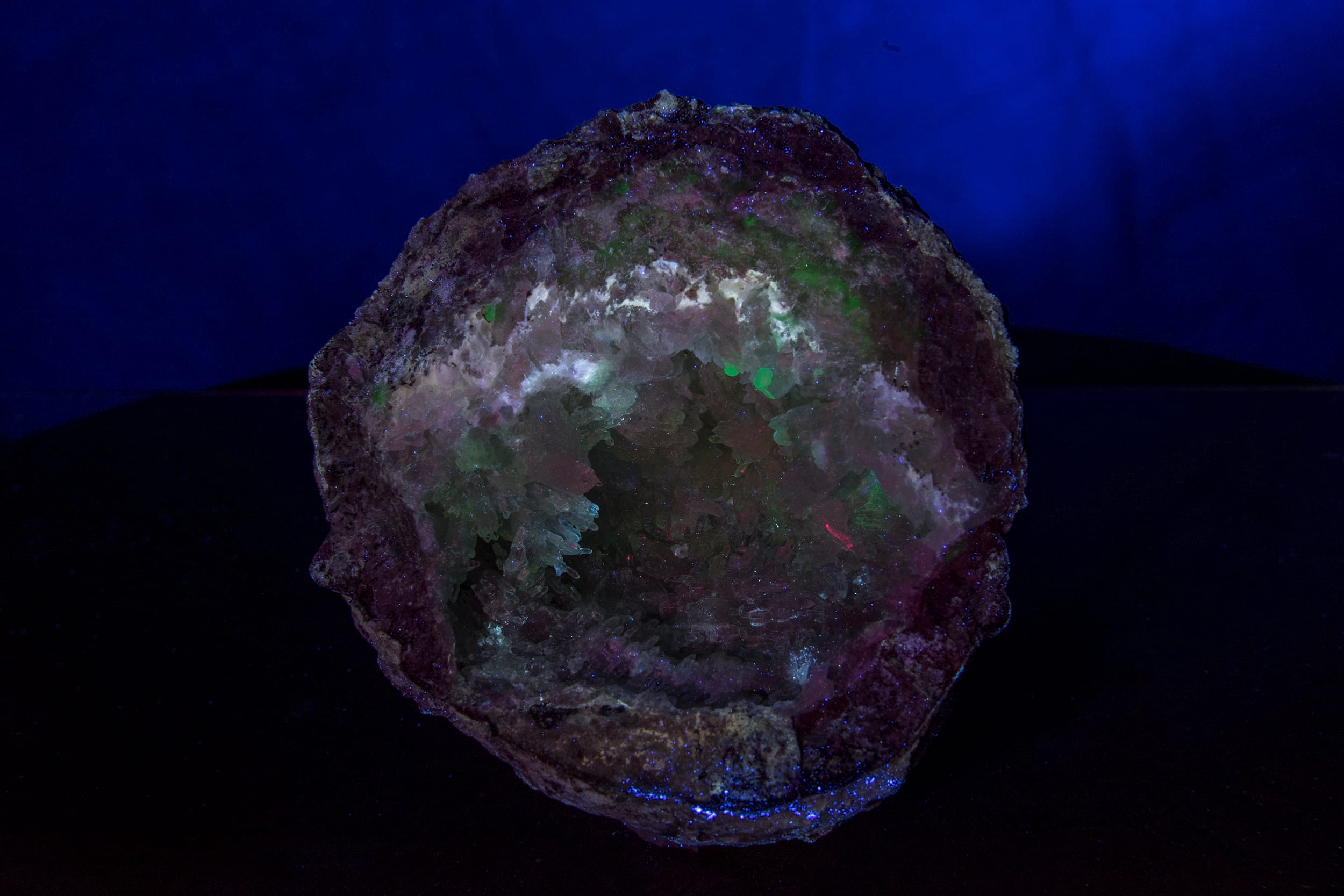
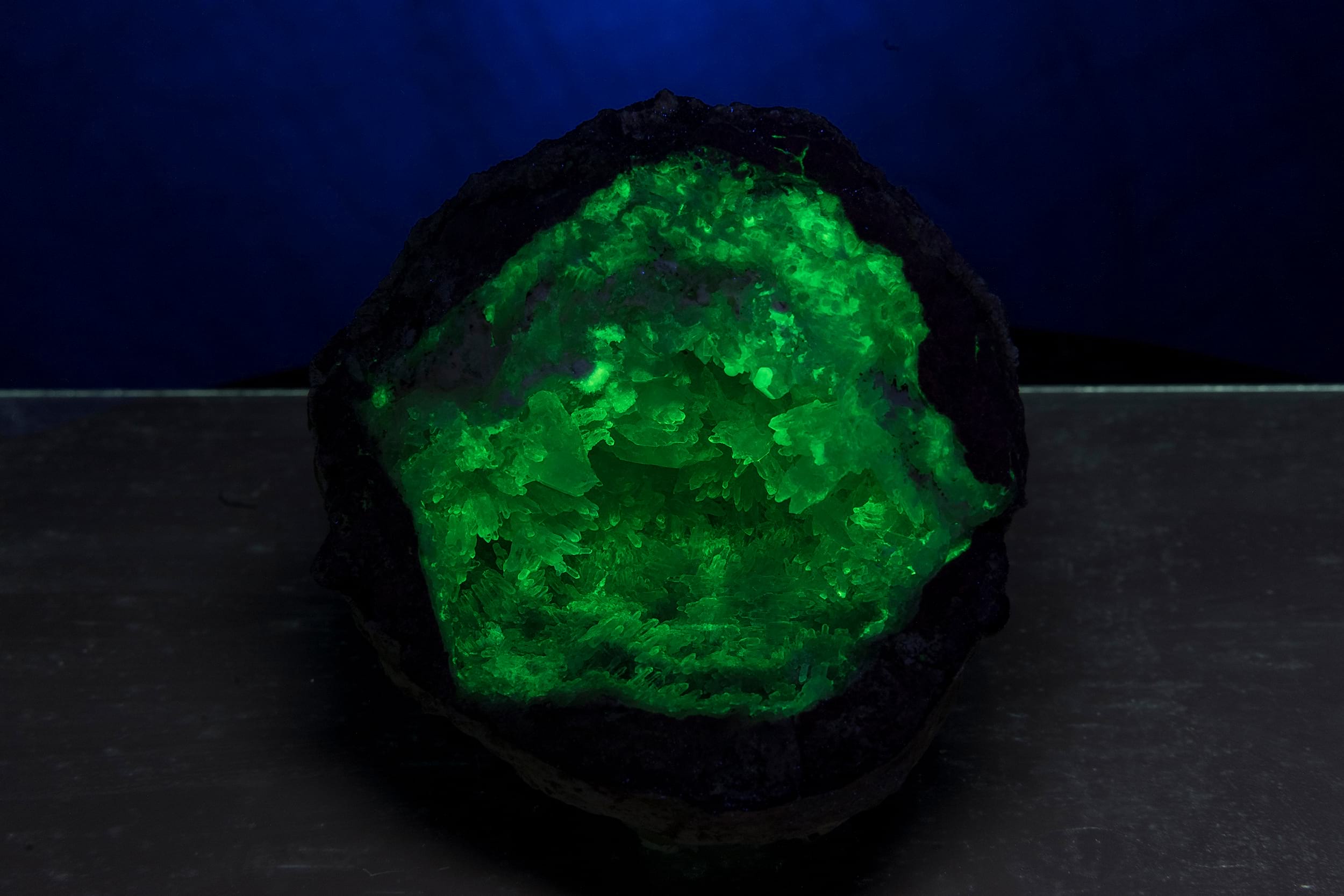
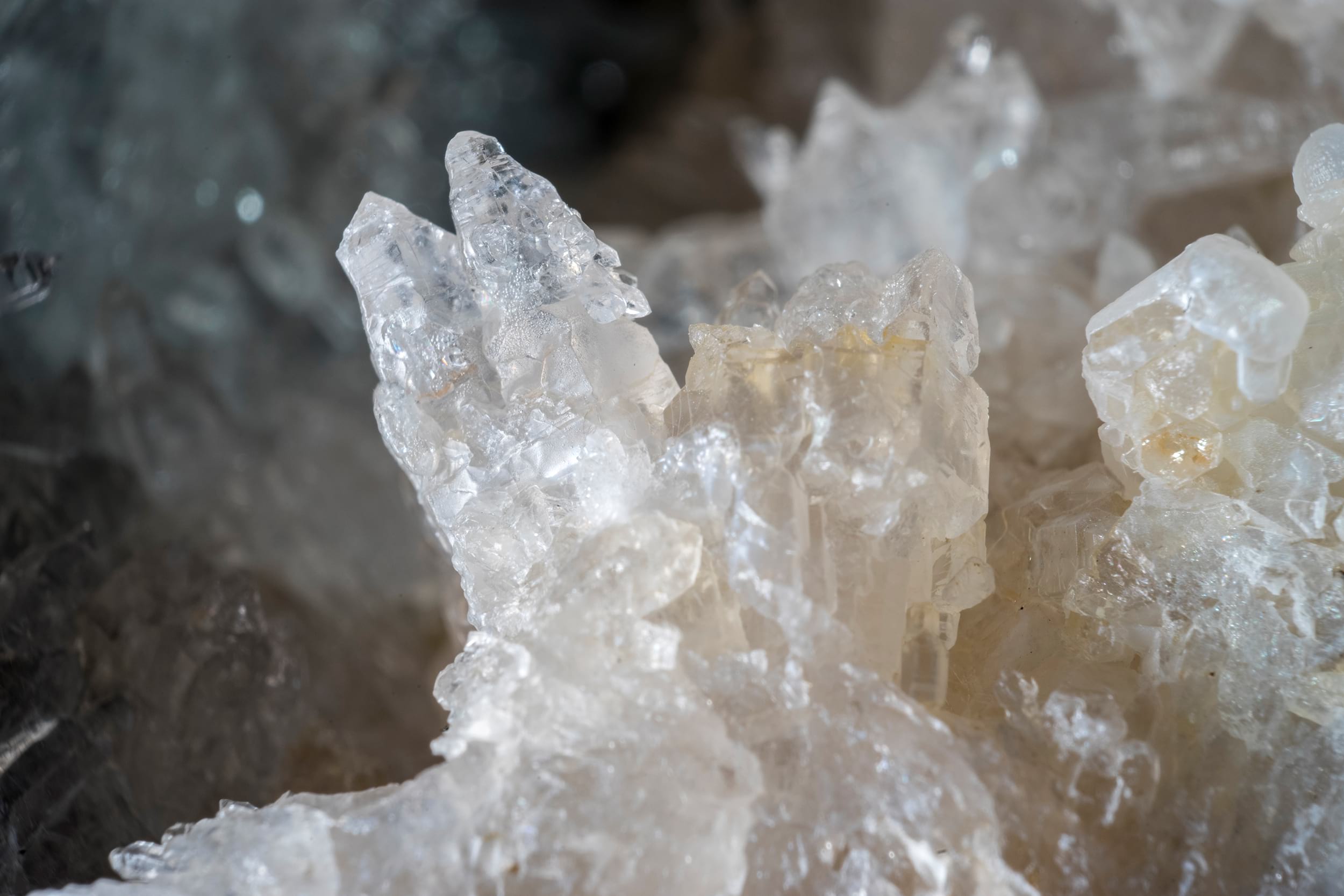
Chalcedony Covering Quartz Geode
Update: 10/23/17 It has been pointed out that this could possibly be chalcedony instead of the original hyalite that was guessed. I've updated the title to reflect that until I've properly tested it.
Update: 10/26/17 Was not able to scratch it with a 7 mohs hardness pick. That would make it chalcedony. Article updated.
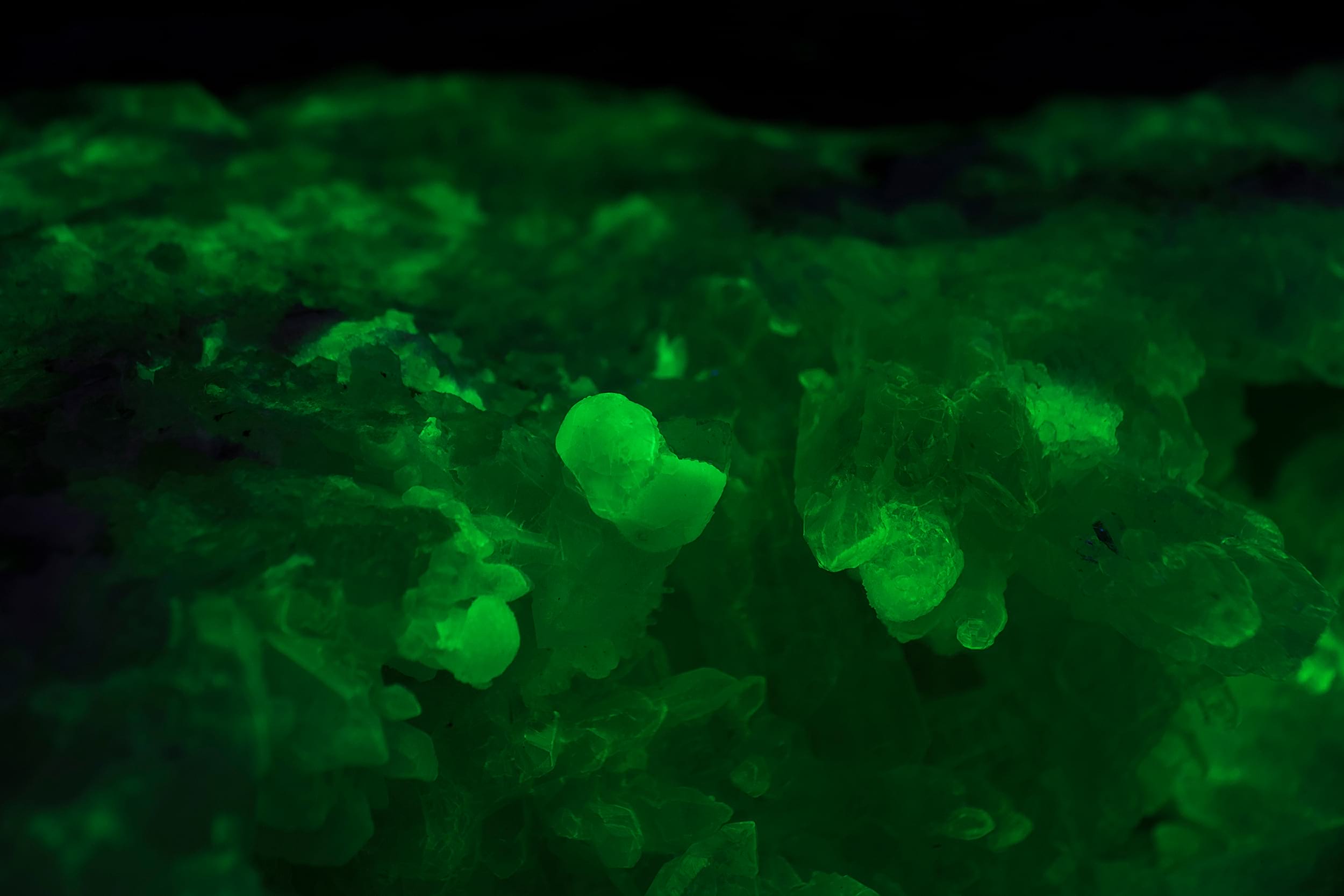
This was an interesting specimen that I got while looking for fluorescent quartz. The seller showed me a poor quality UV photo and claimed that the quartz was responding to the UV light. Unfortunately this is one of those times where I took the risk and it failed. While it was fluorescent, it wasn't the quartz itself that was fluorescing. Instead, there is a secondary formation of chalcedony. I can'tfault it as a daylight specimen though. It has many wonderful quartz crystals that are well formed. As a photographer it provides a very interesting contrast that many would not have experienced while collecting geodes. The background is fluorescent providing a light colored background amongst the darker non-fluorescing quartz.
Locale: Nuevo Corral, Ruby District, Arizona
Weight: 15.9oz | 451g
Dimensions: 3.6 x 2.2 x 3.5 in | 91 x 55 x 90 mm
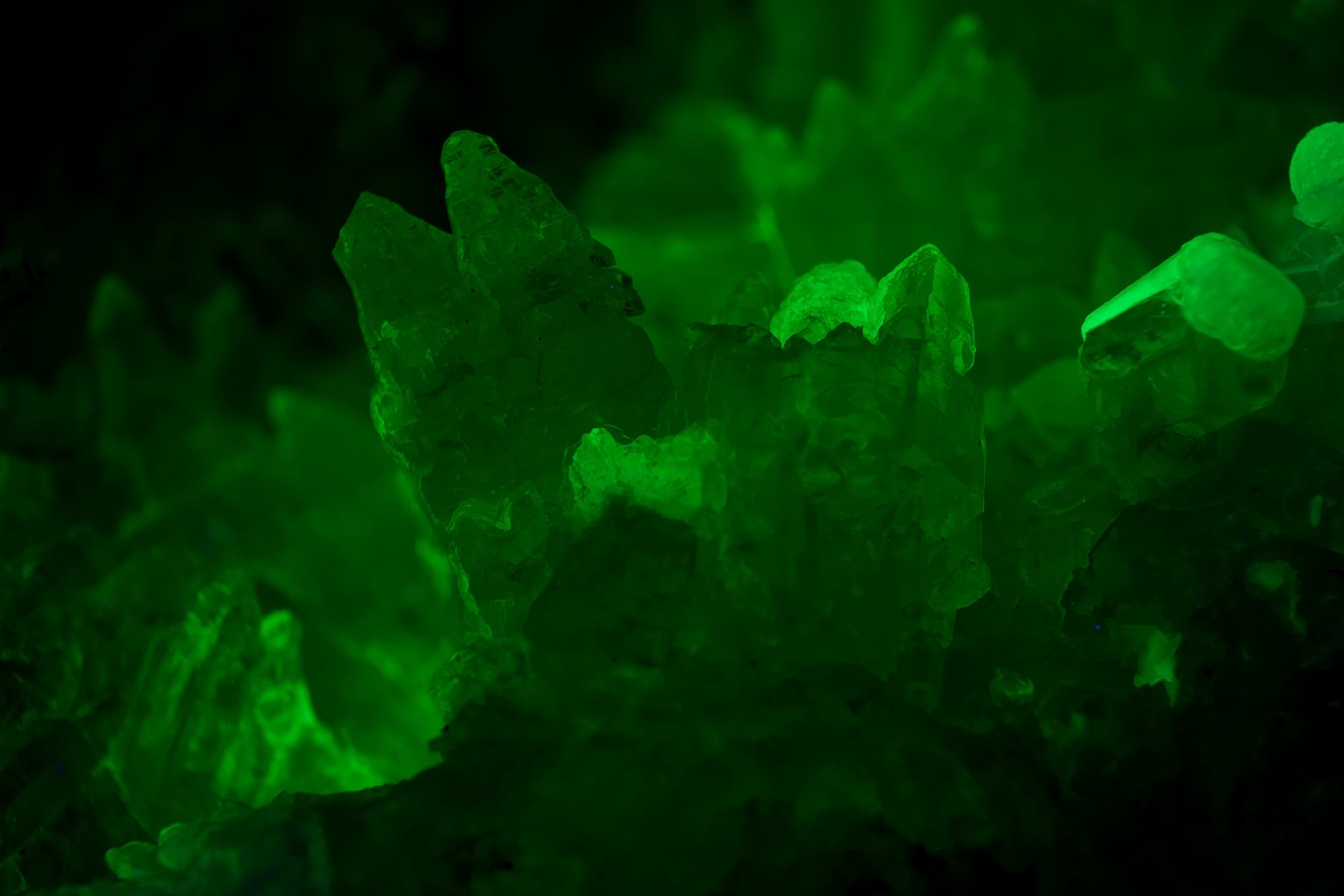
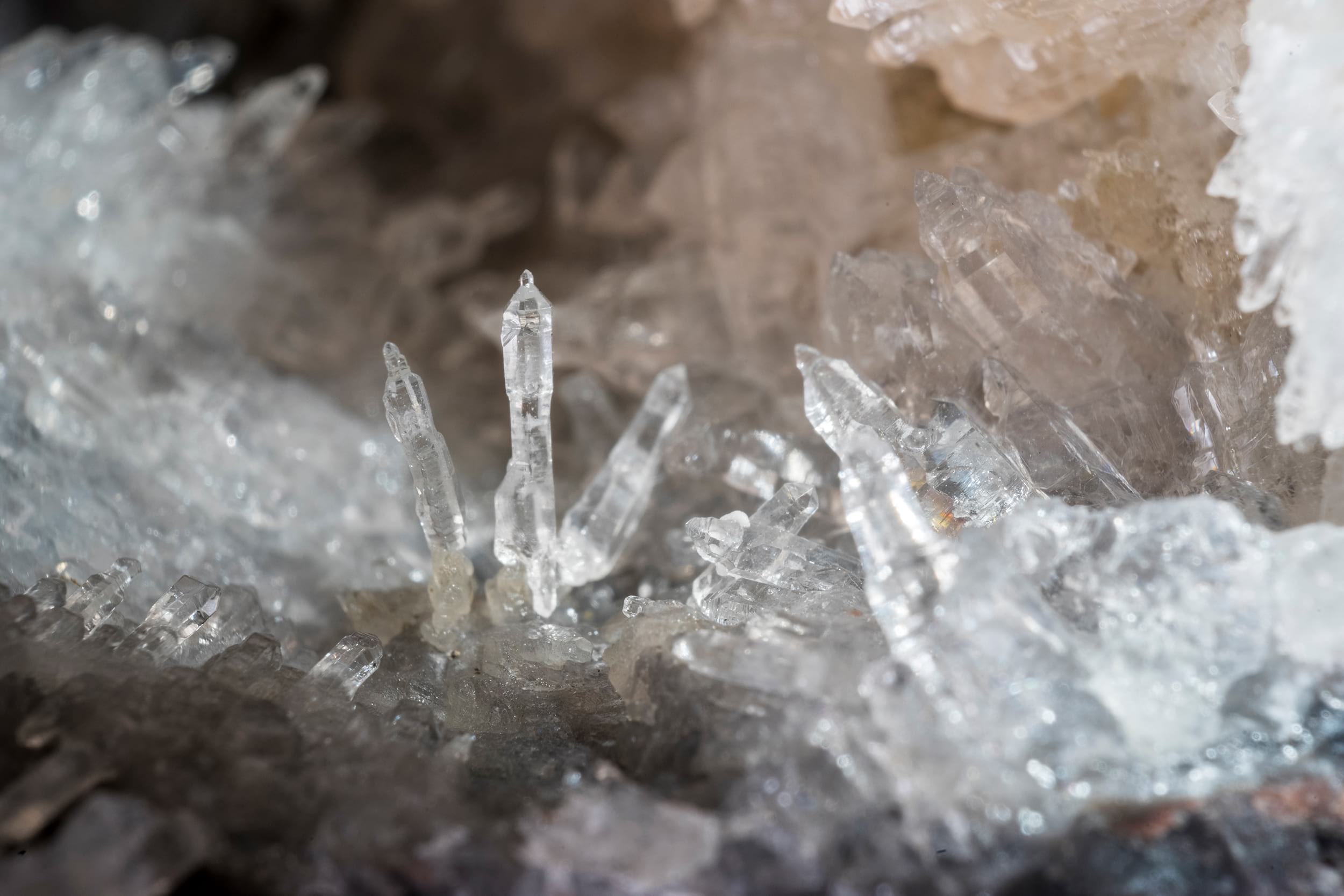
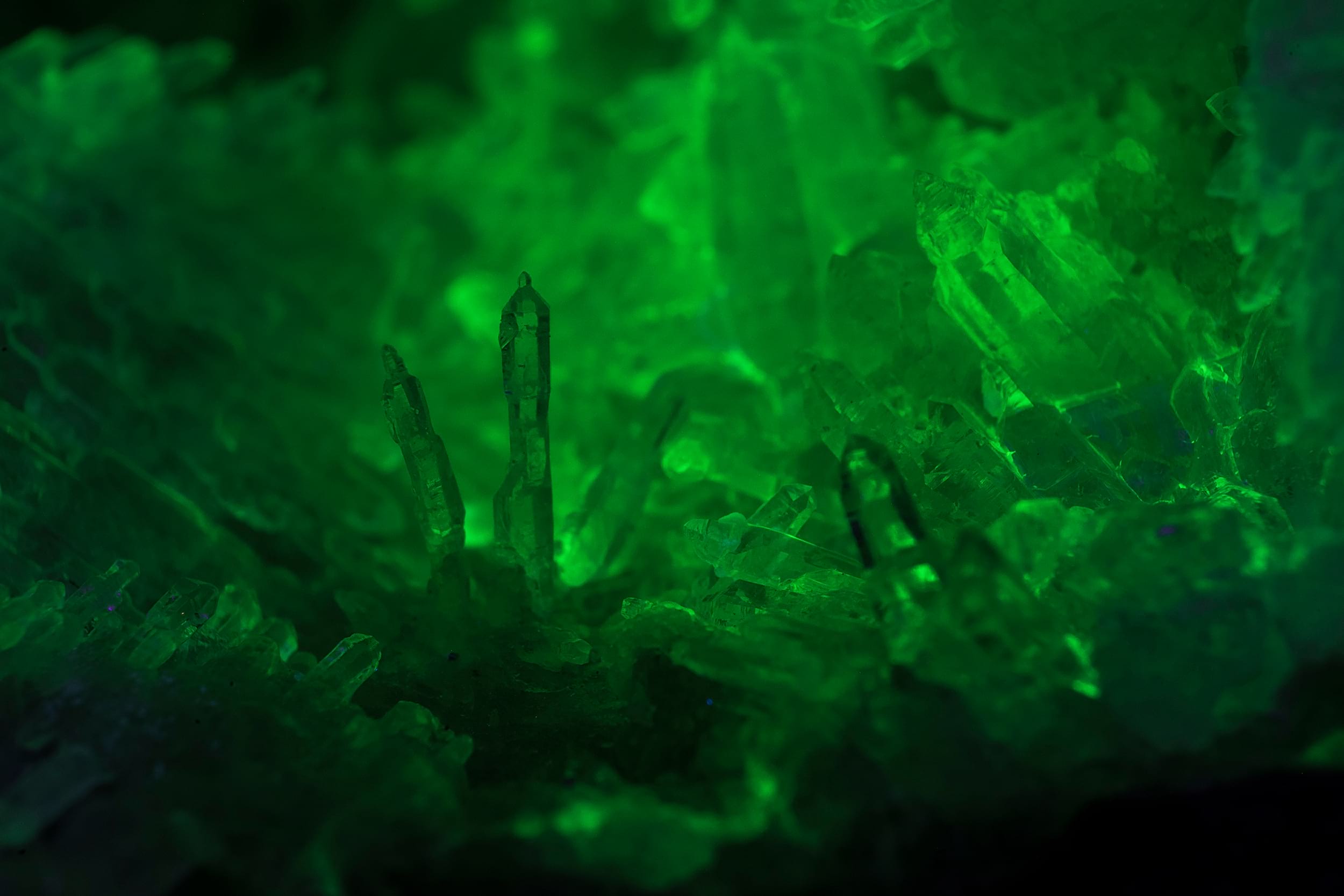
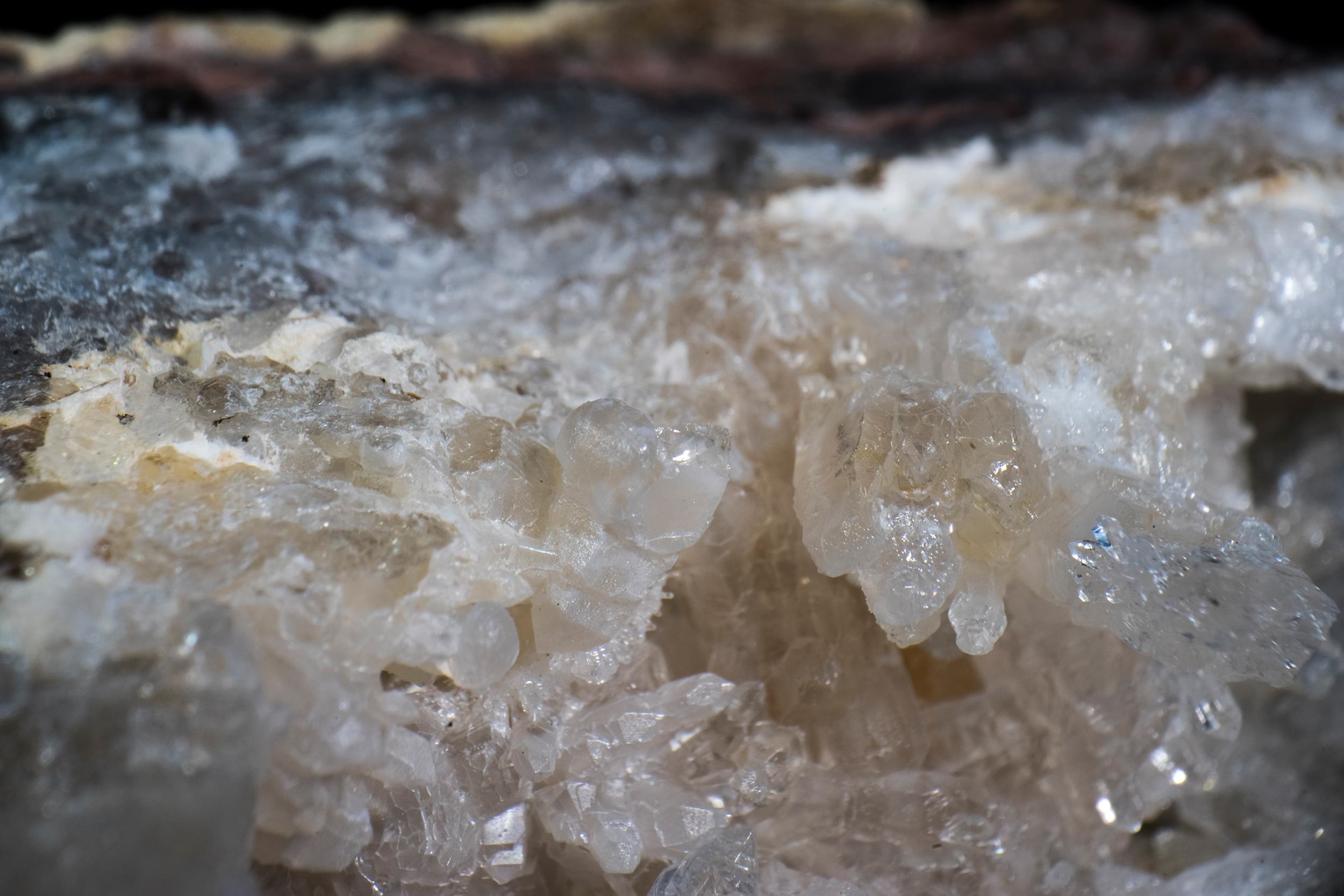
Hope Mine & Amboy Salt Flats February 2015
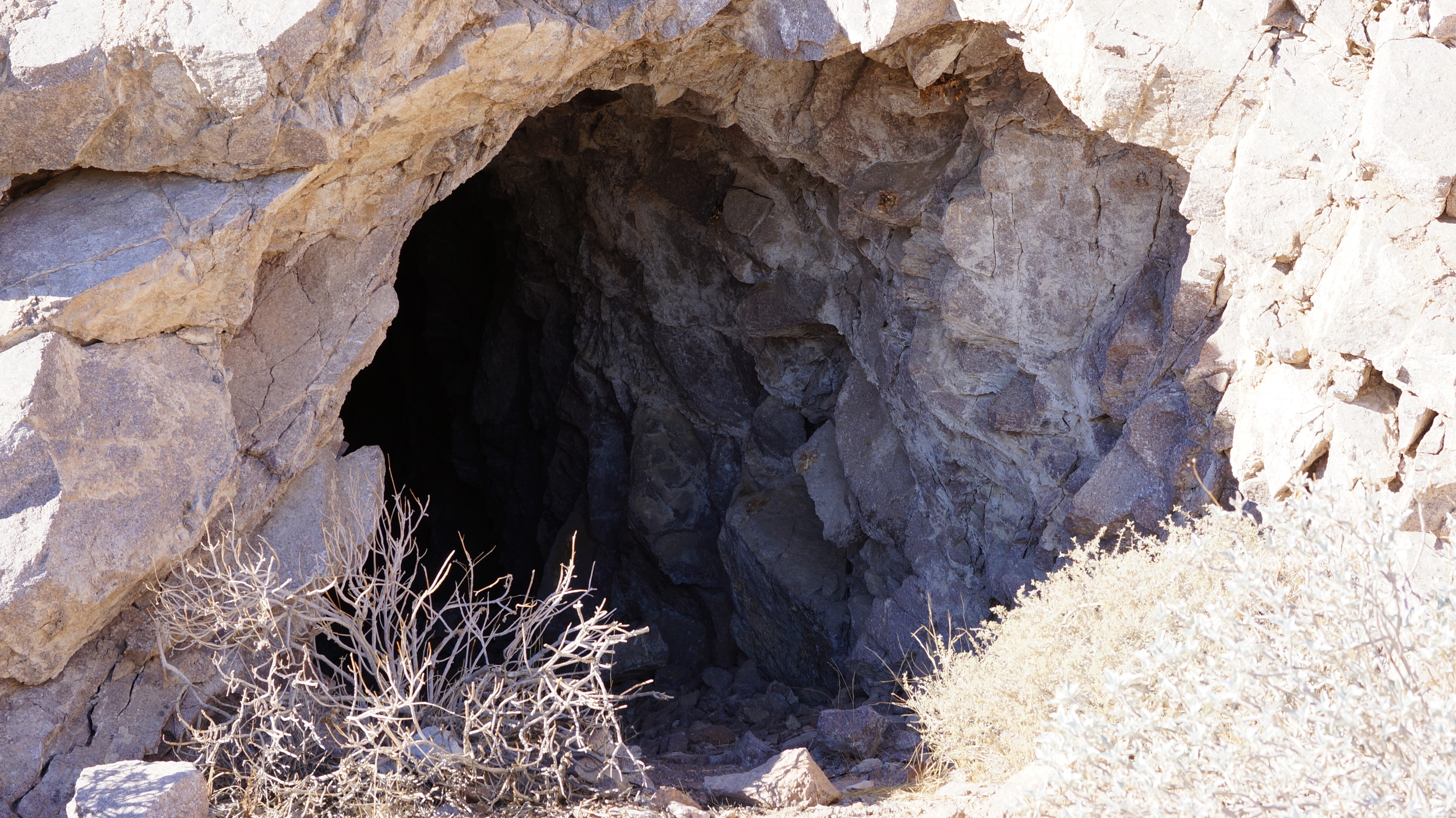
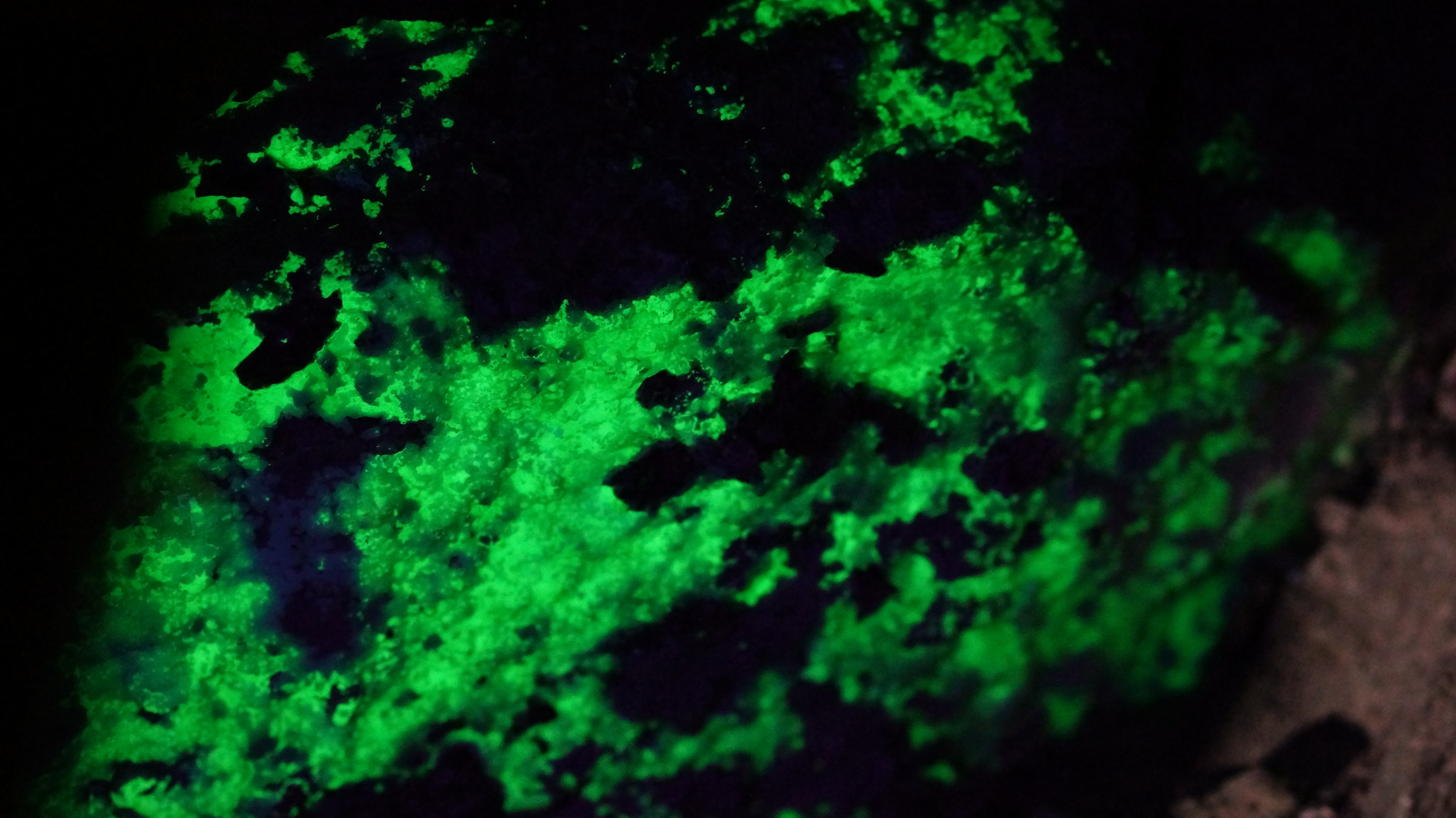
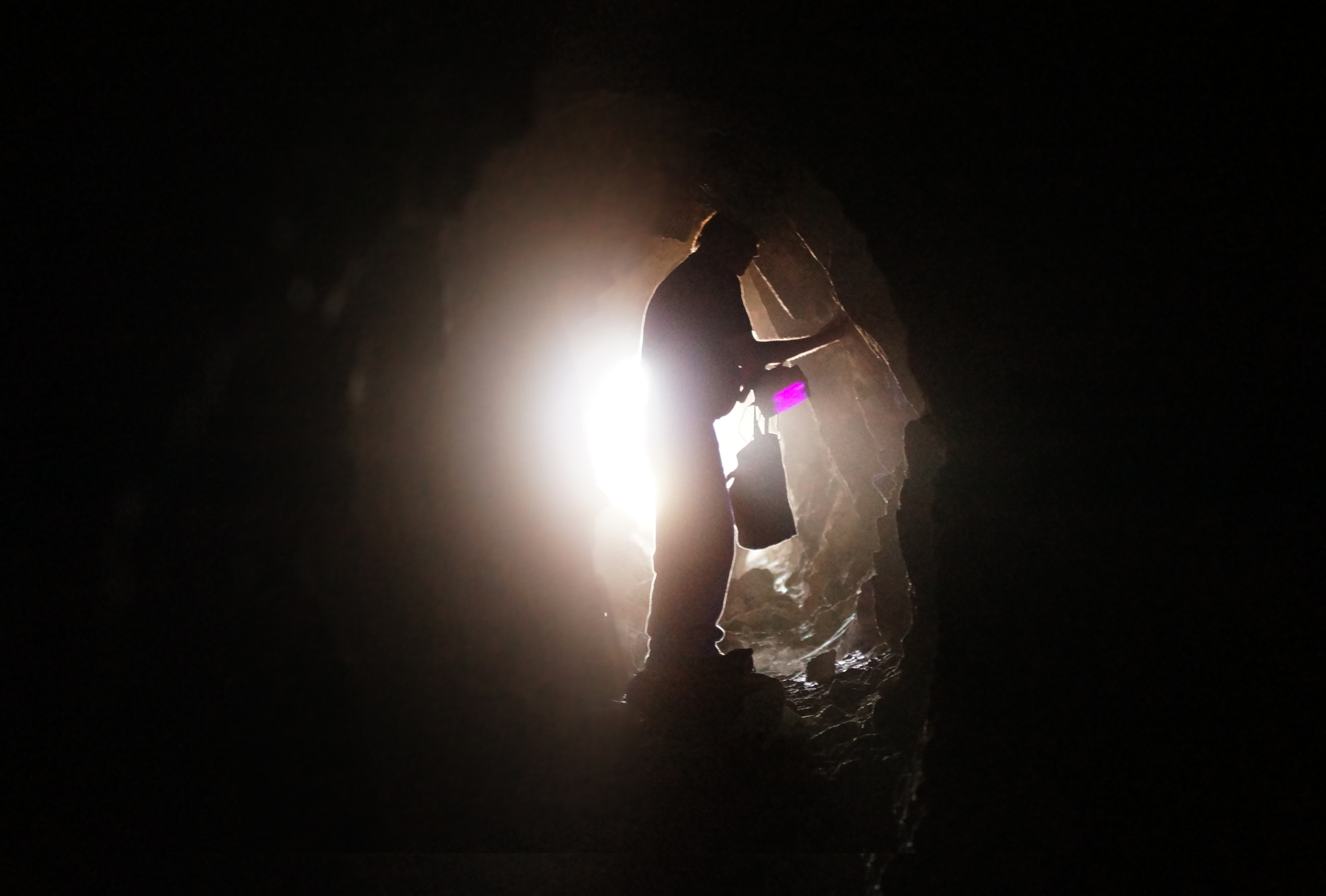
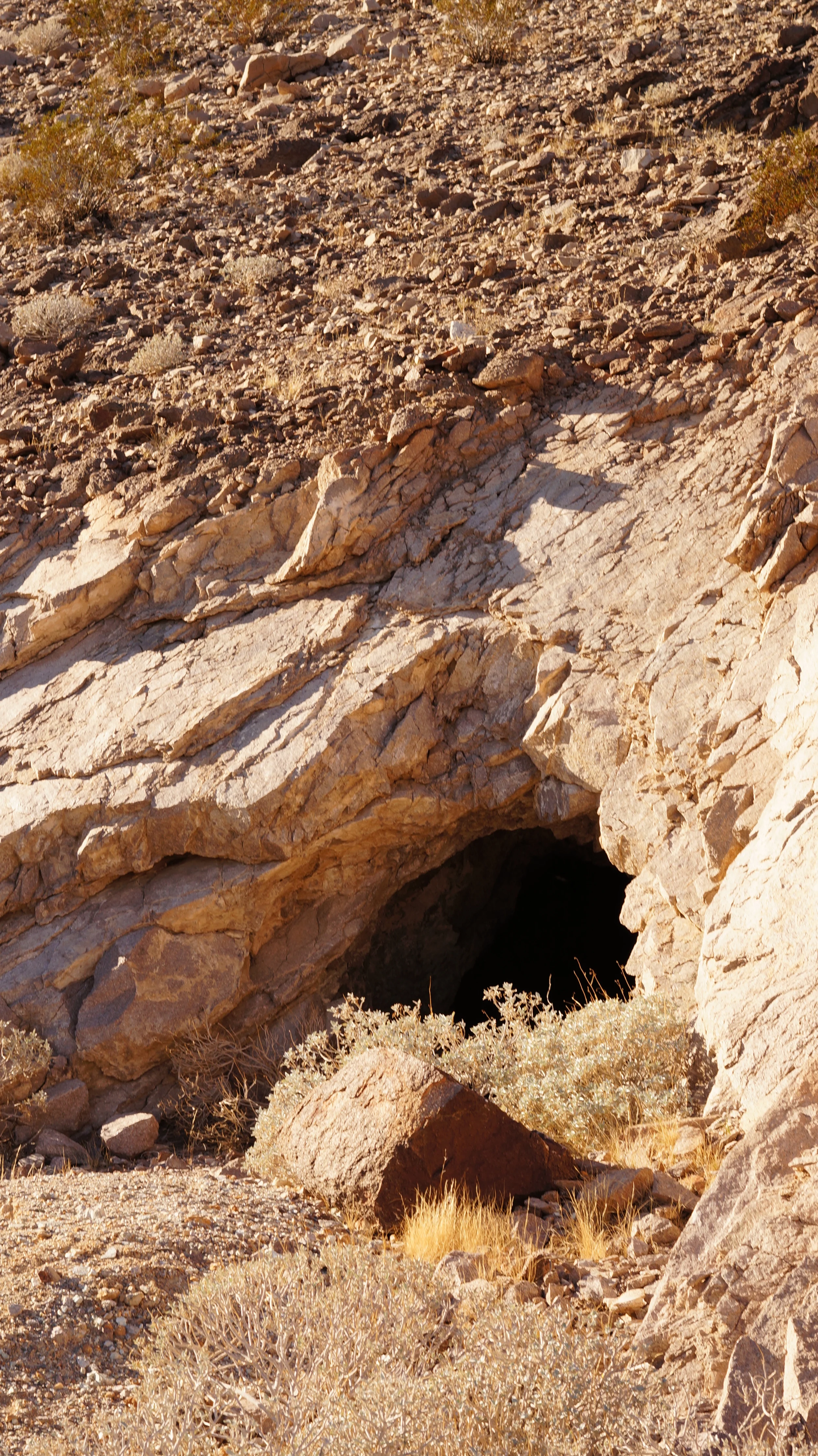
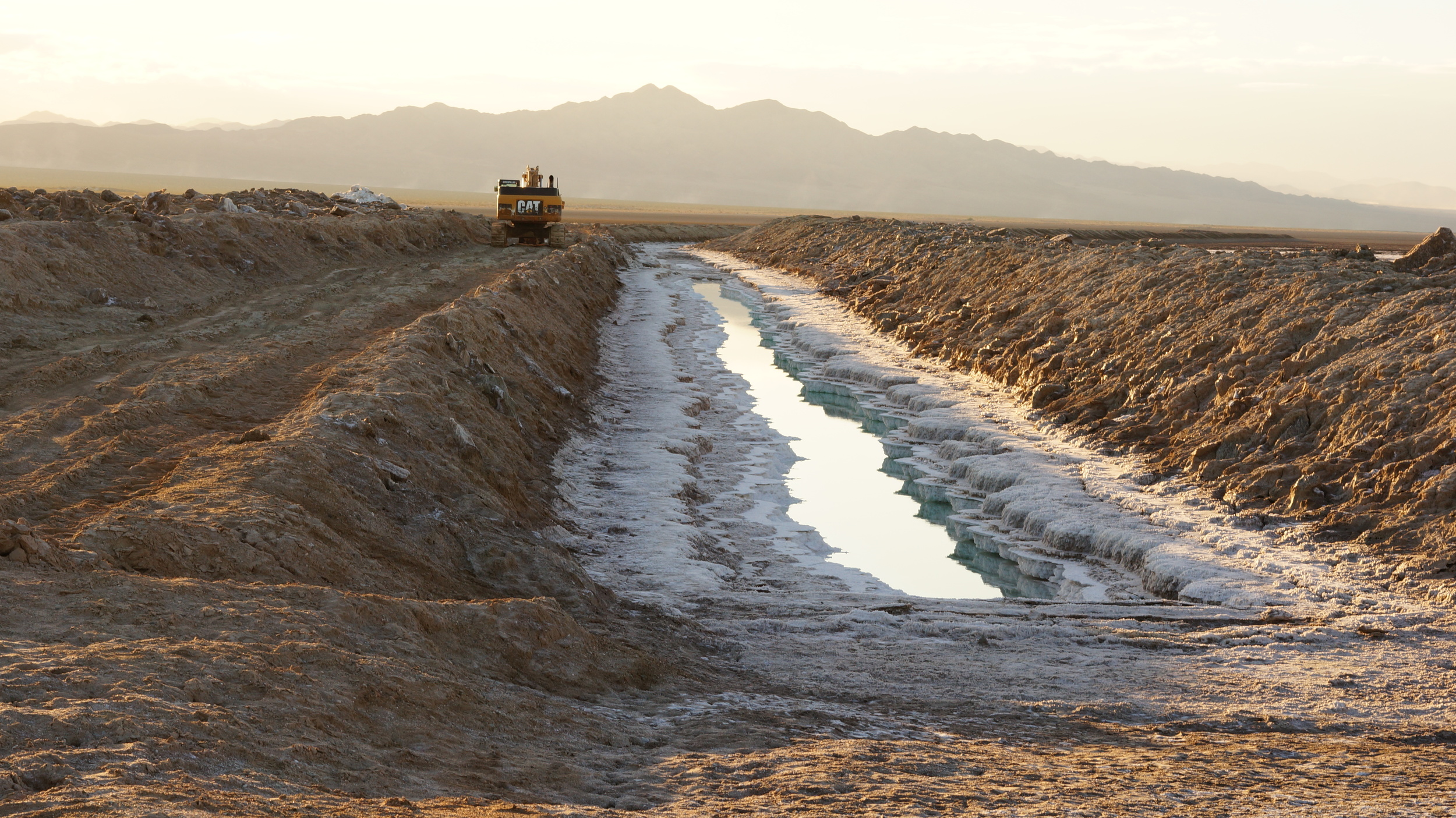
Shortly after Cliff and I had met at the Princess Pat Mines trip I organized he organized one. He had seen some pieces of fluorescent halite from the Amboy salt flats on eBay that he wanted to collect. Quite crazy considering he lives in Nevada! That was about a 4 hour drive just to go prospecting for halite. I think that's what turned off all the people that I had emailed: the possibility that the trip would end with nothing being found. There were only two of us during this trip. The day started out with us going to Hope Mine, an abandoned uranium mine. Nothing too spectacular here so I focused a good amount on photographing.
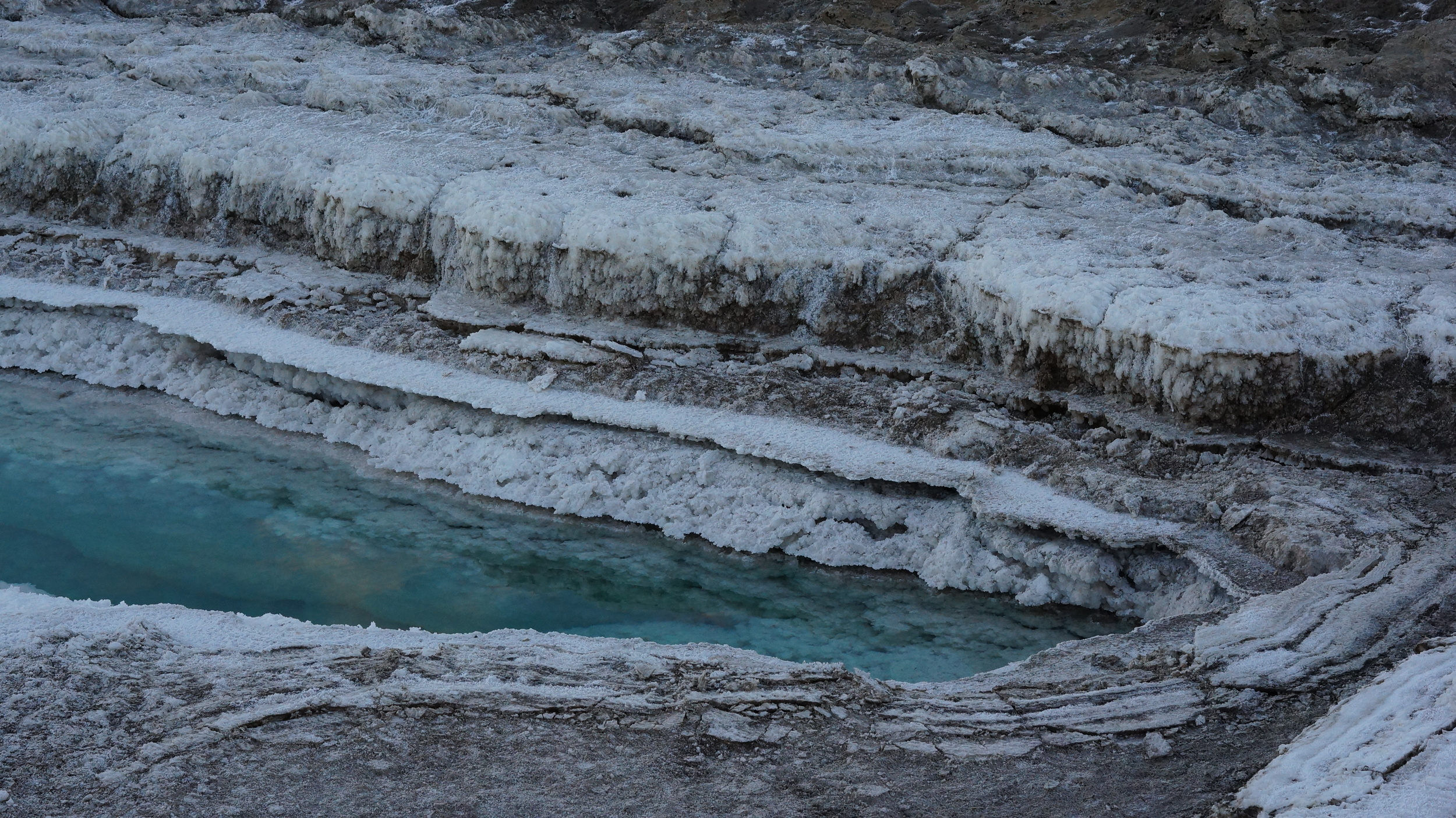
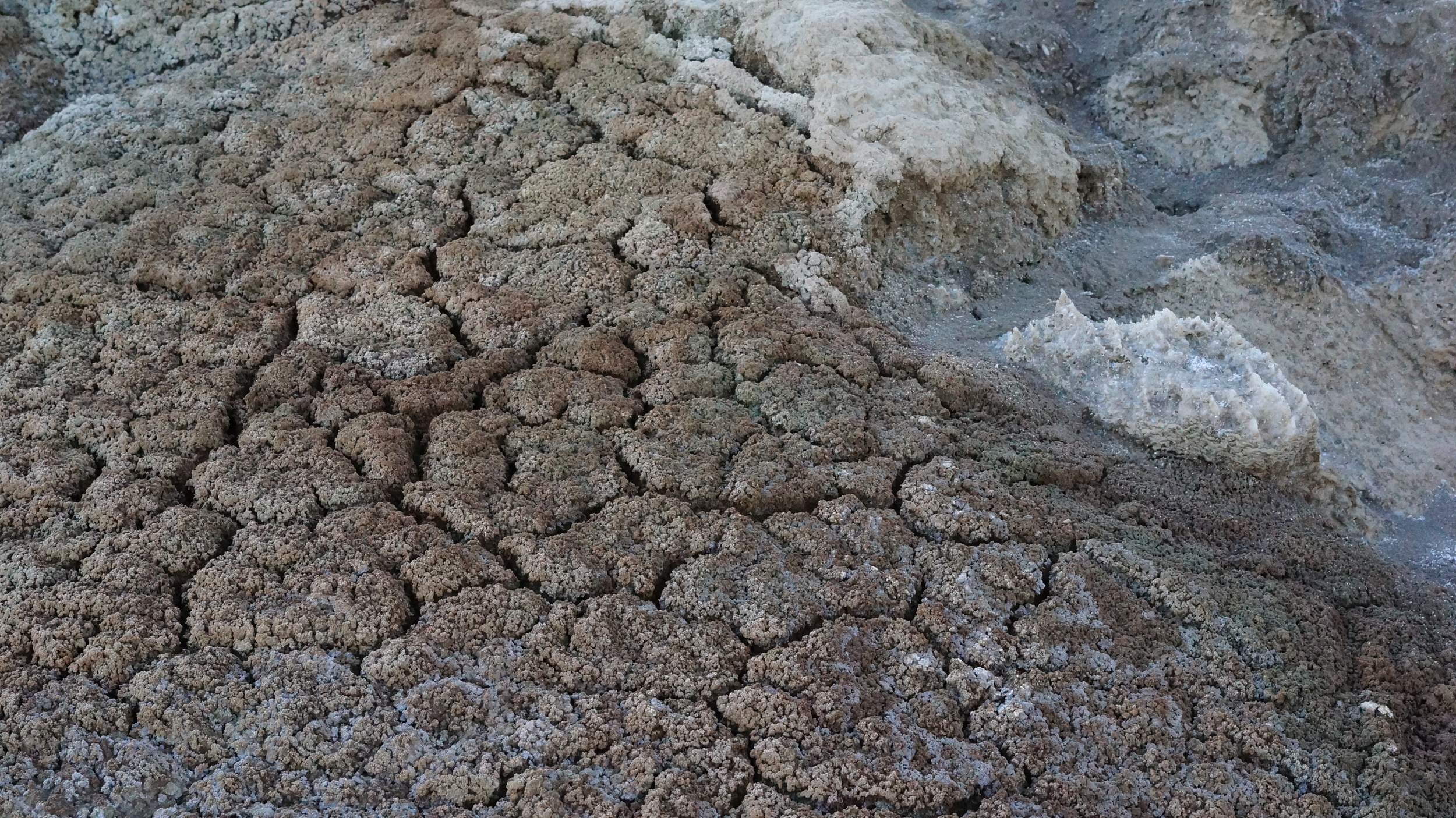
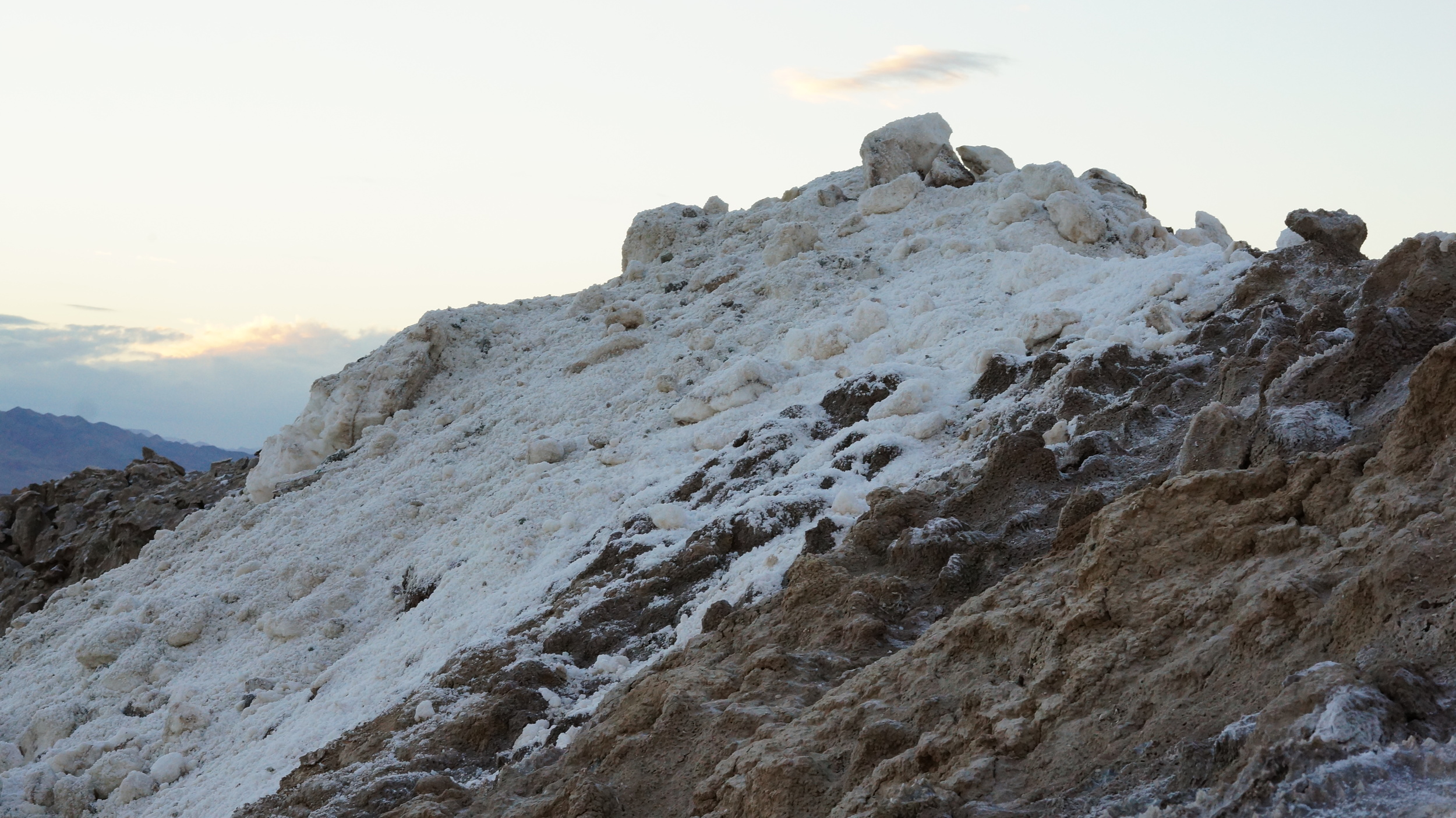
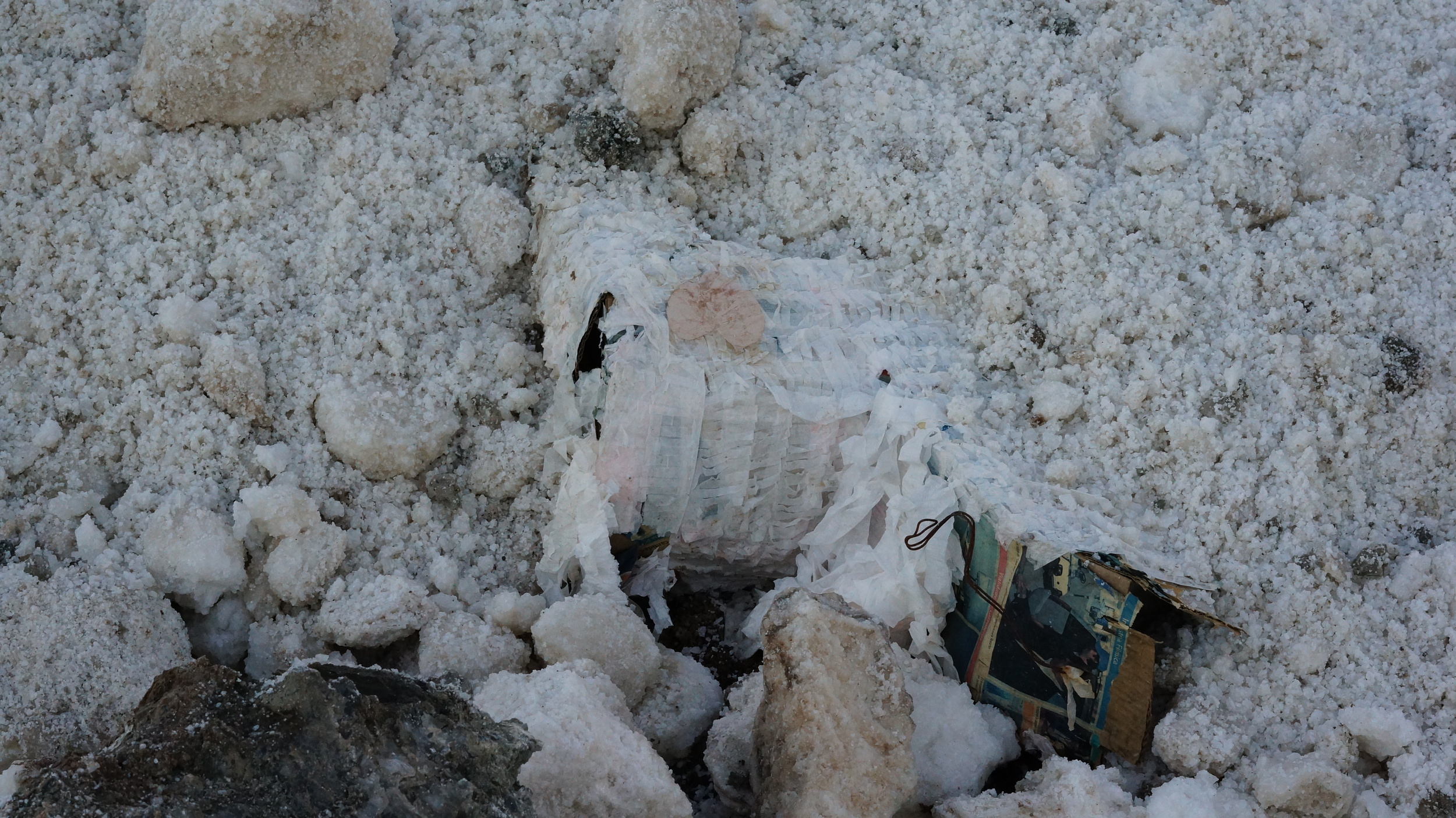
After that we went to the Amboy salt flats along route 66. Talk about a different landscape. Talk about a desolate area. The area had way too much salinity for anything to be able to grow or thrive off the land. I took several shots of the brine fields that were being cultivated. We eventually we found a discard pile that looked very different. This salt (NaCl/sodium chloride/halite) was noticeably different. It was white so we immediately thought to lamp it. Boom. A bright red fluorescence with plenty to pick from. The trash (presumably the reason all this halite was in the discard pile) was also fluorescent but we didn't take those haha. Mission accomplished!