Calcite, Aragonite, Hyalite, Caliche
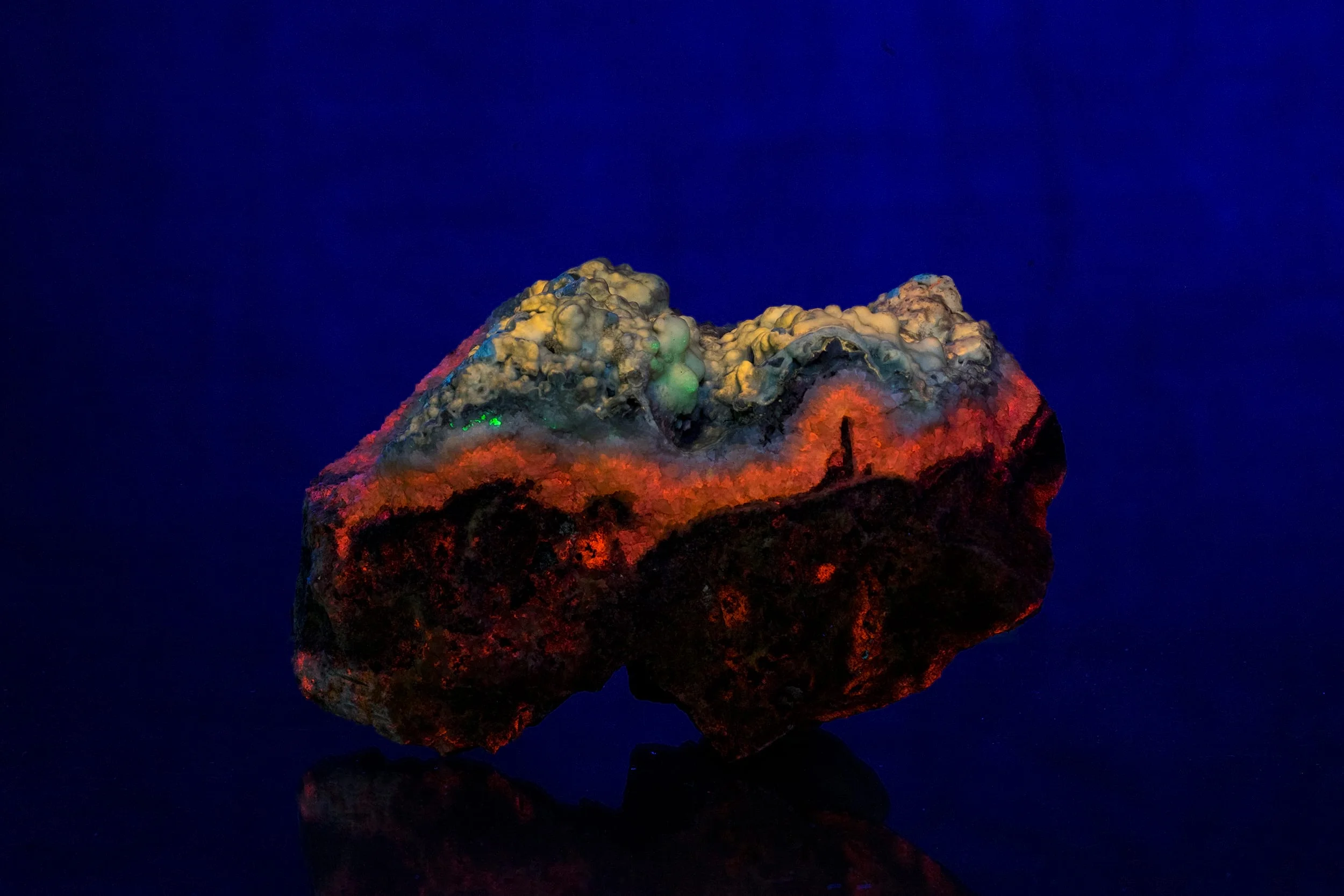
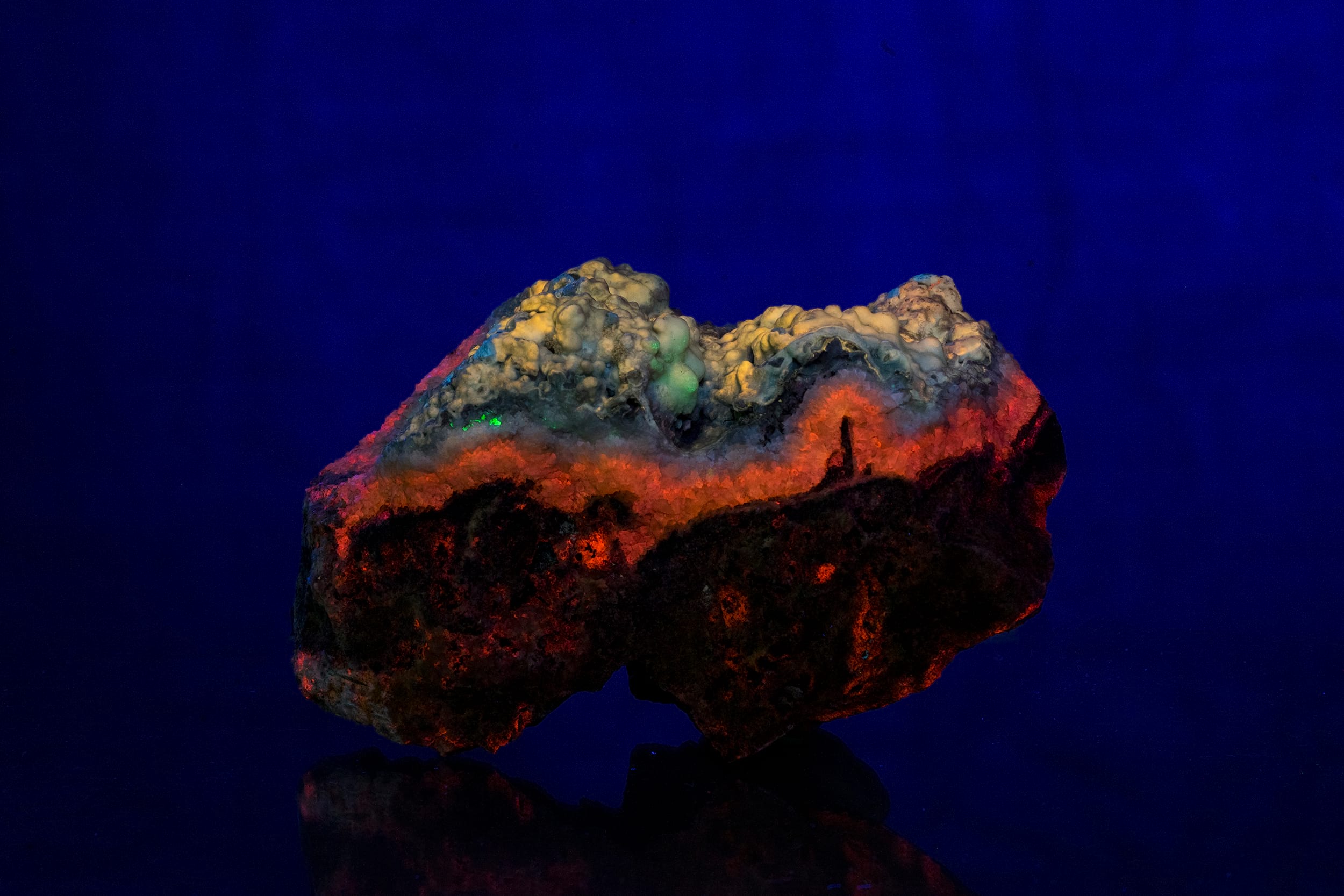
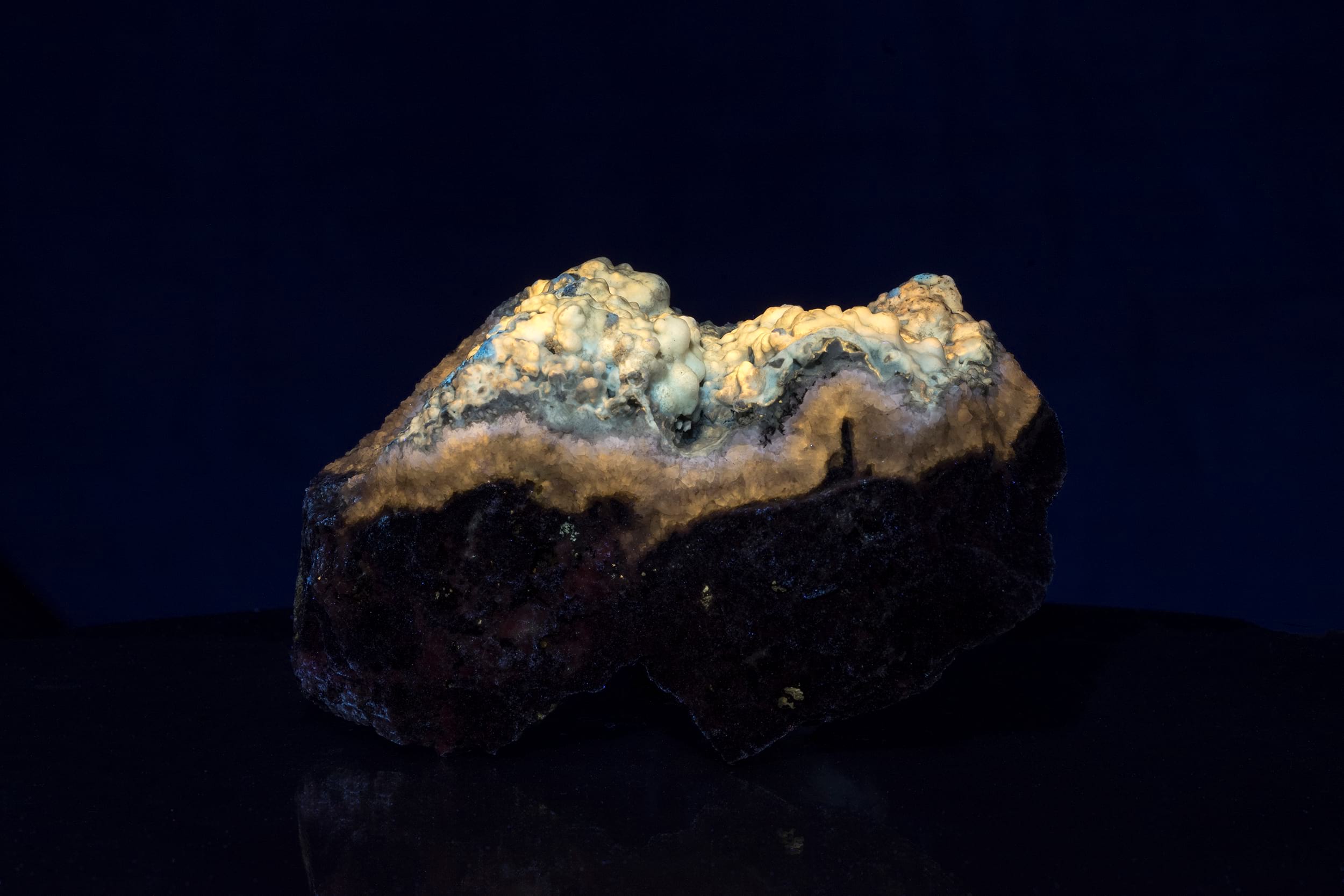
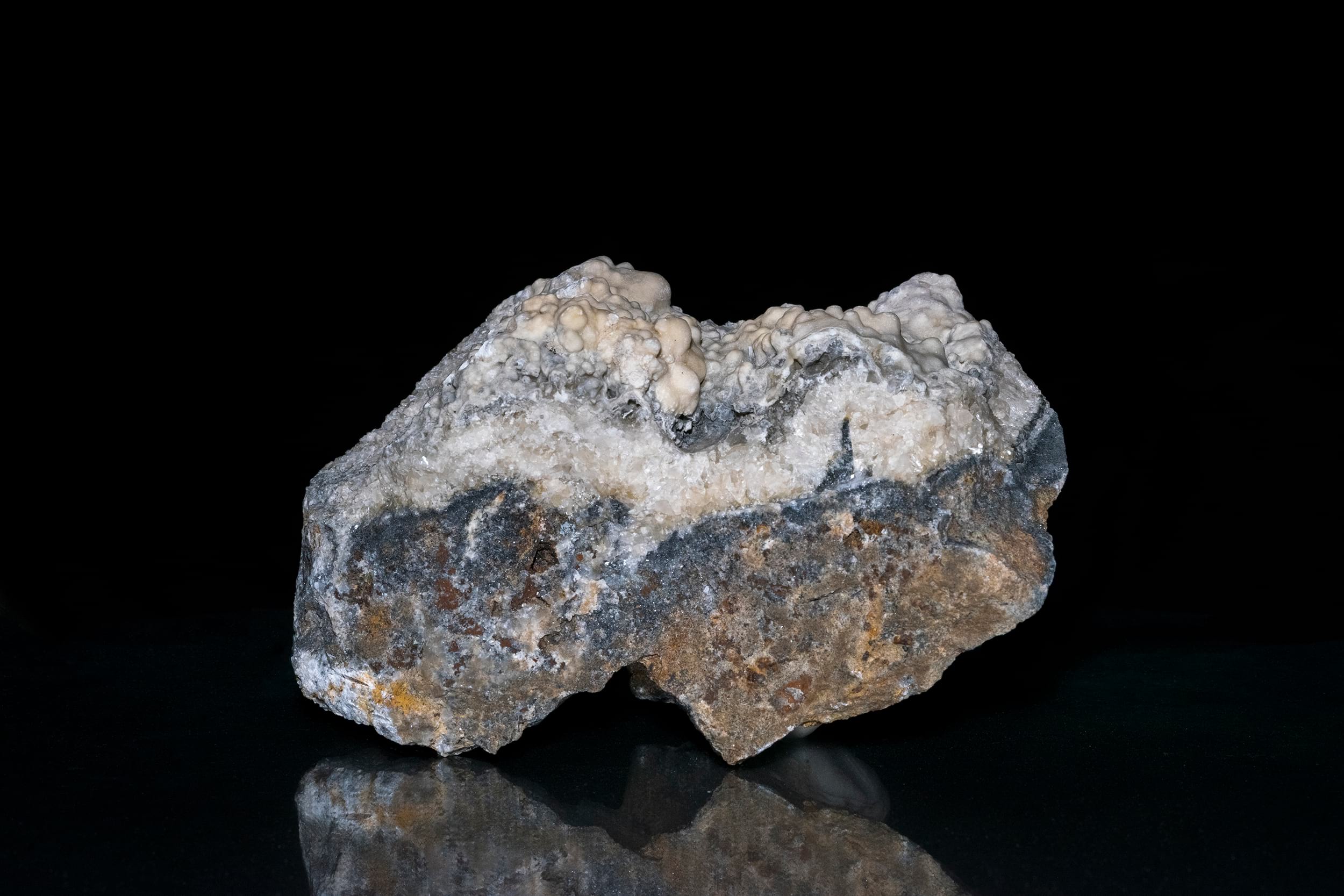
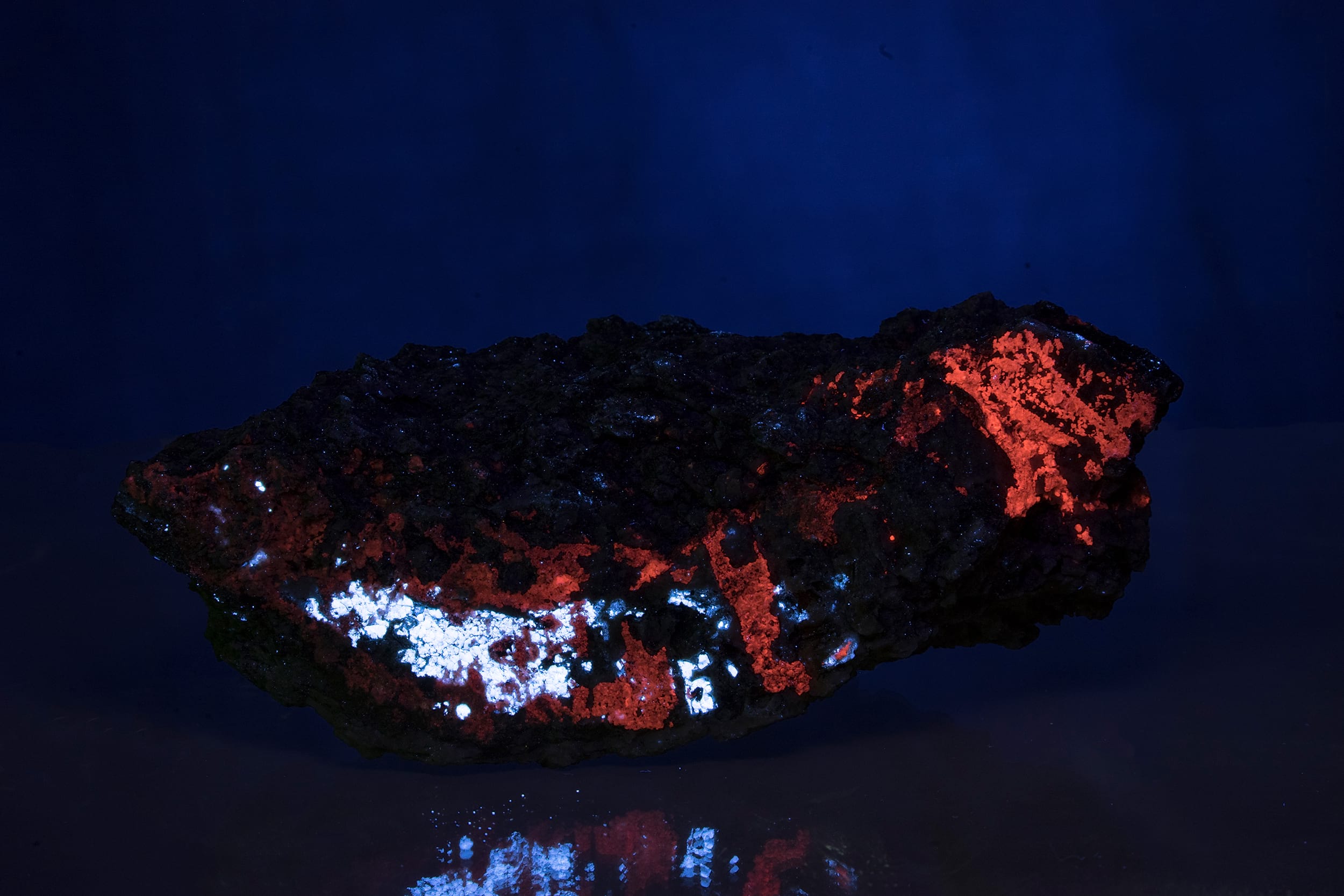
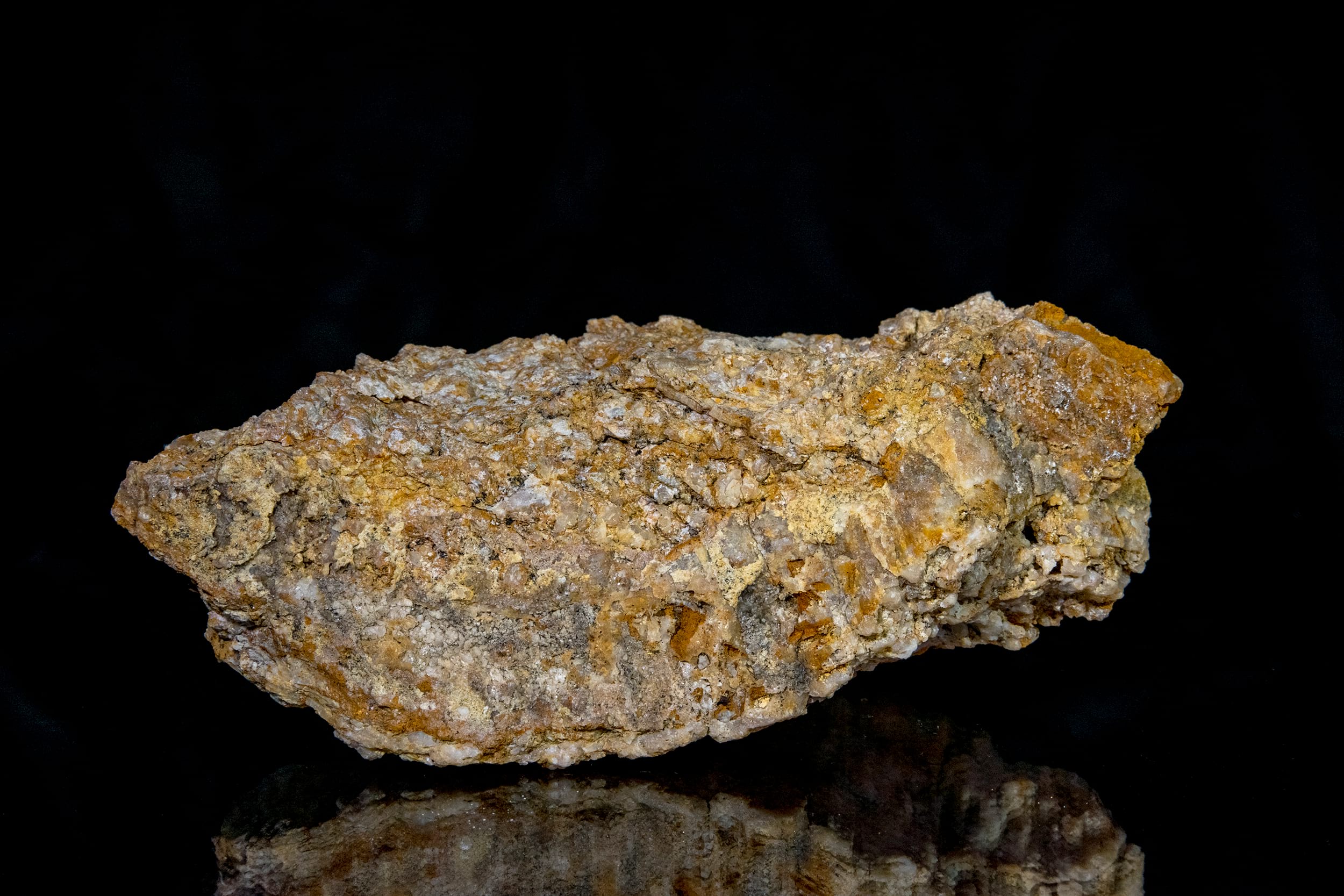
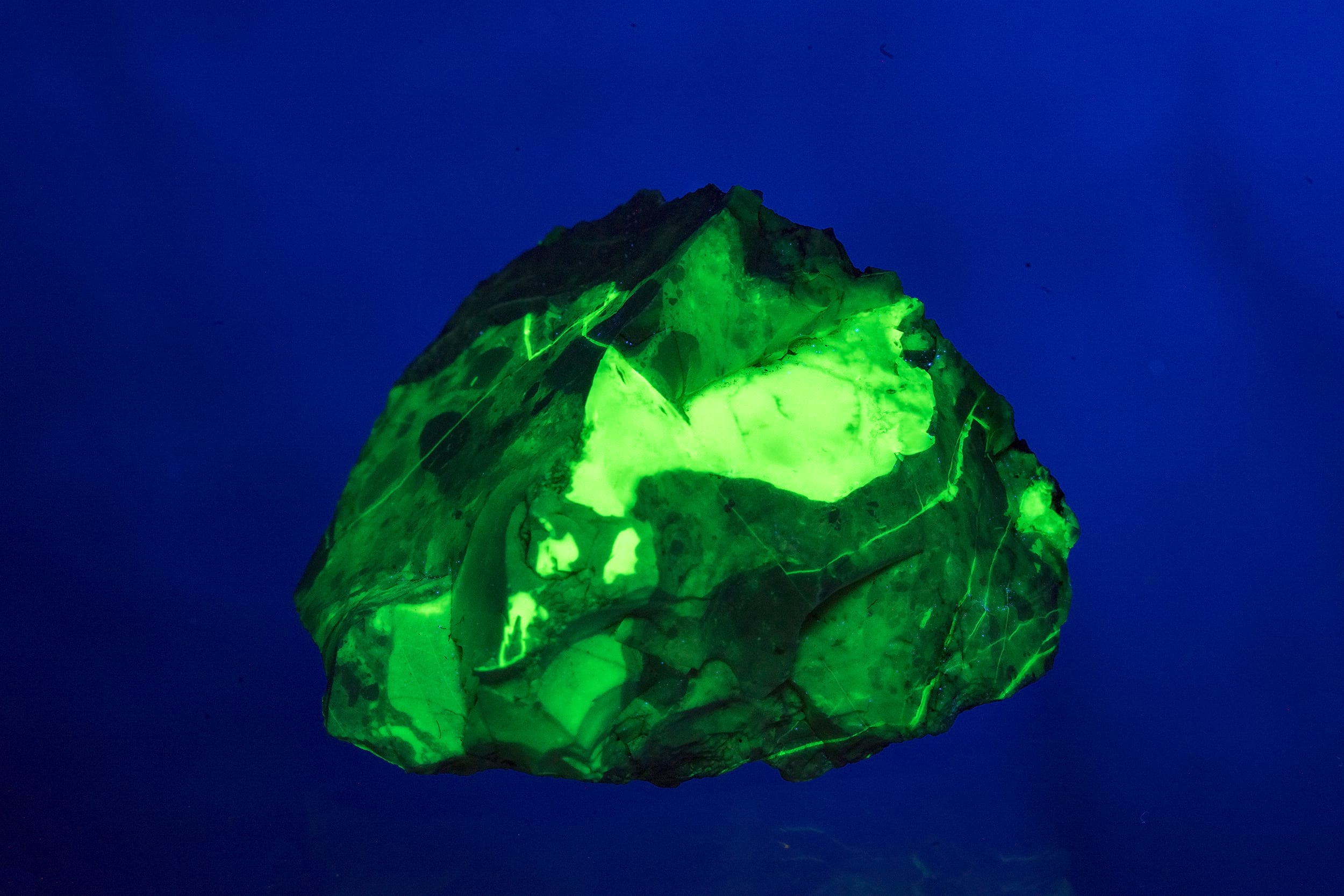
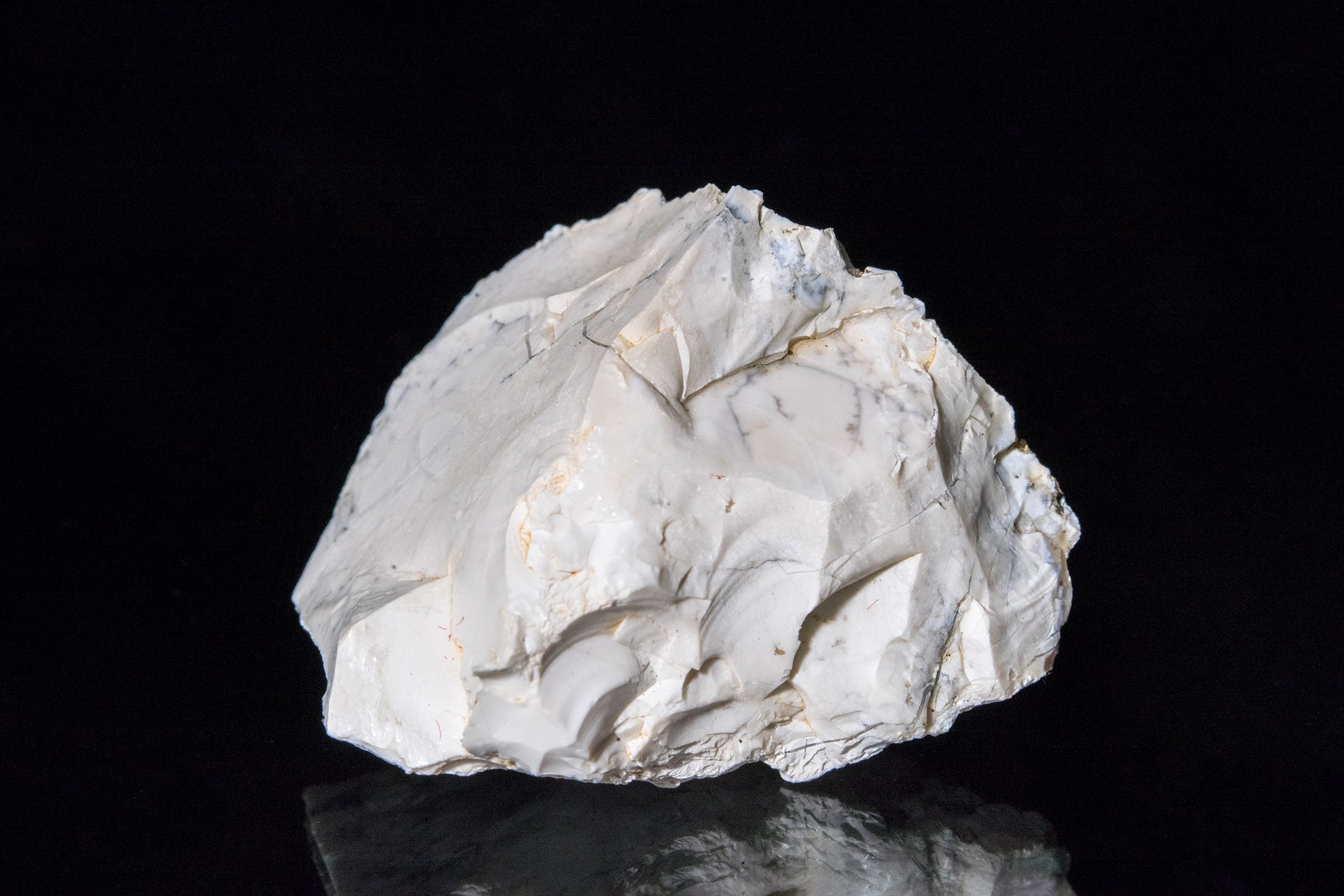
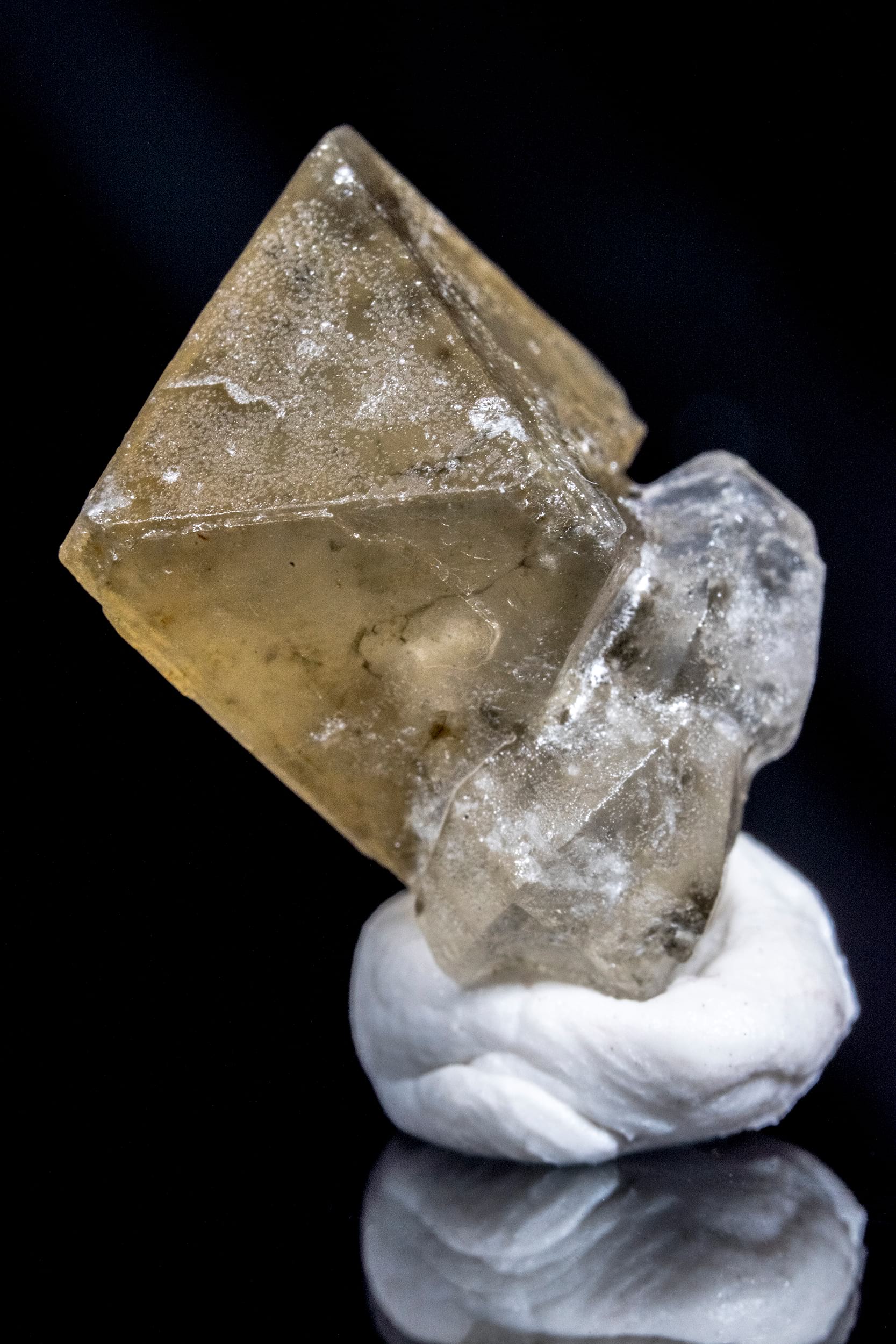
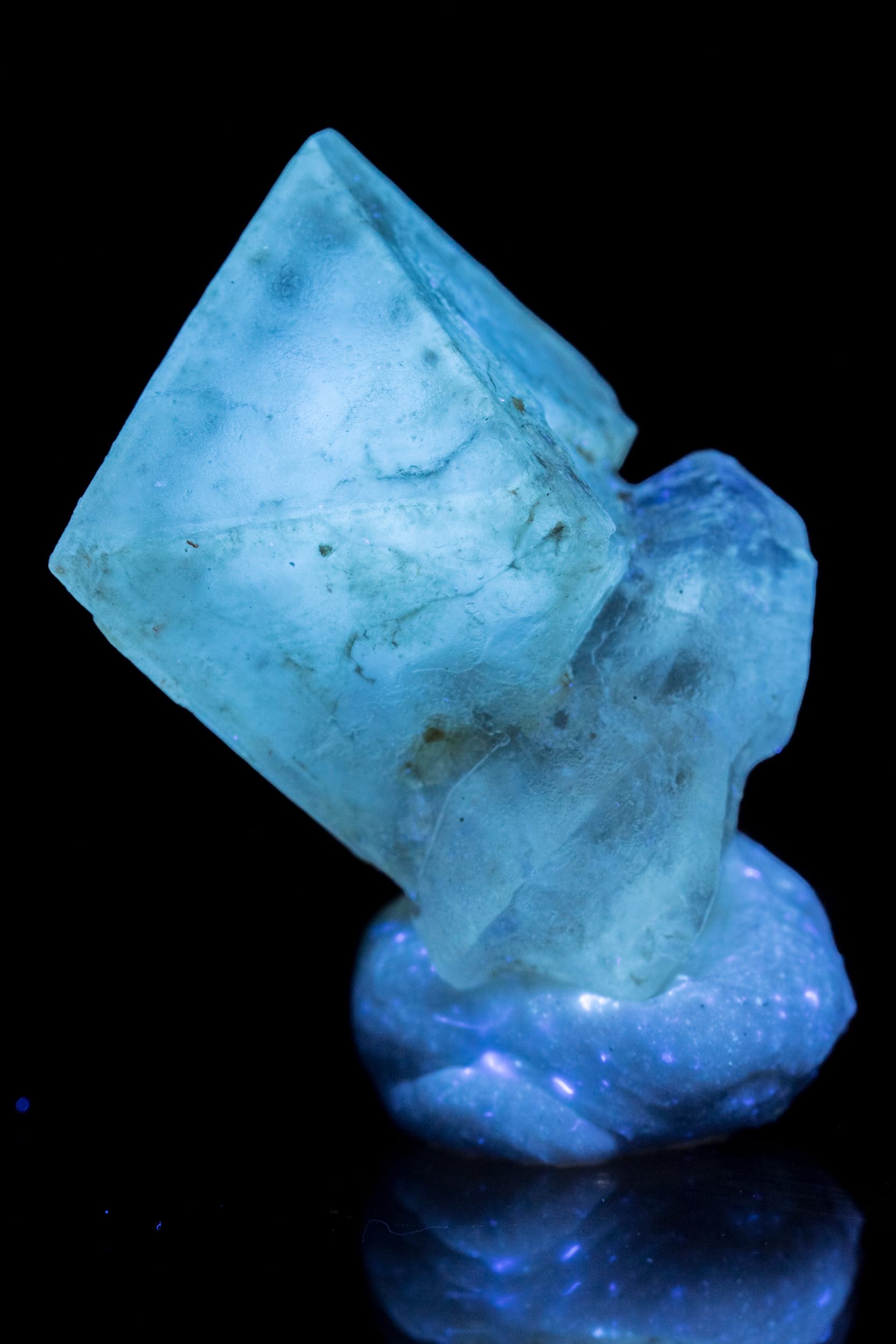
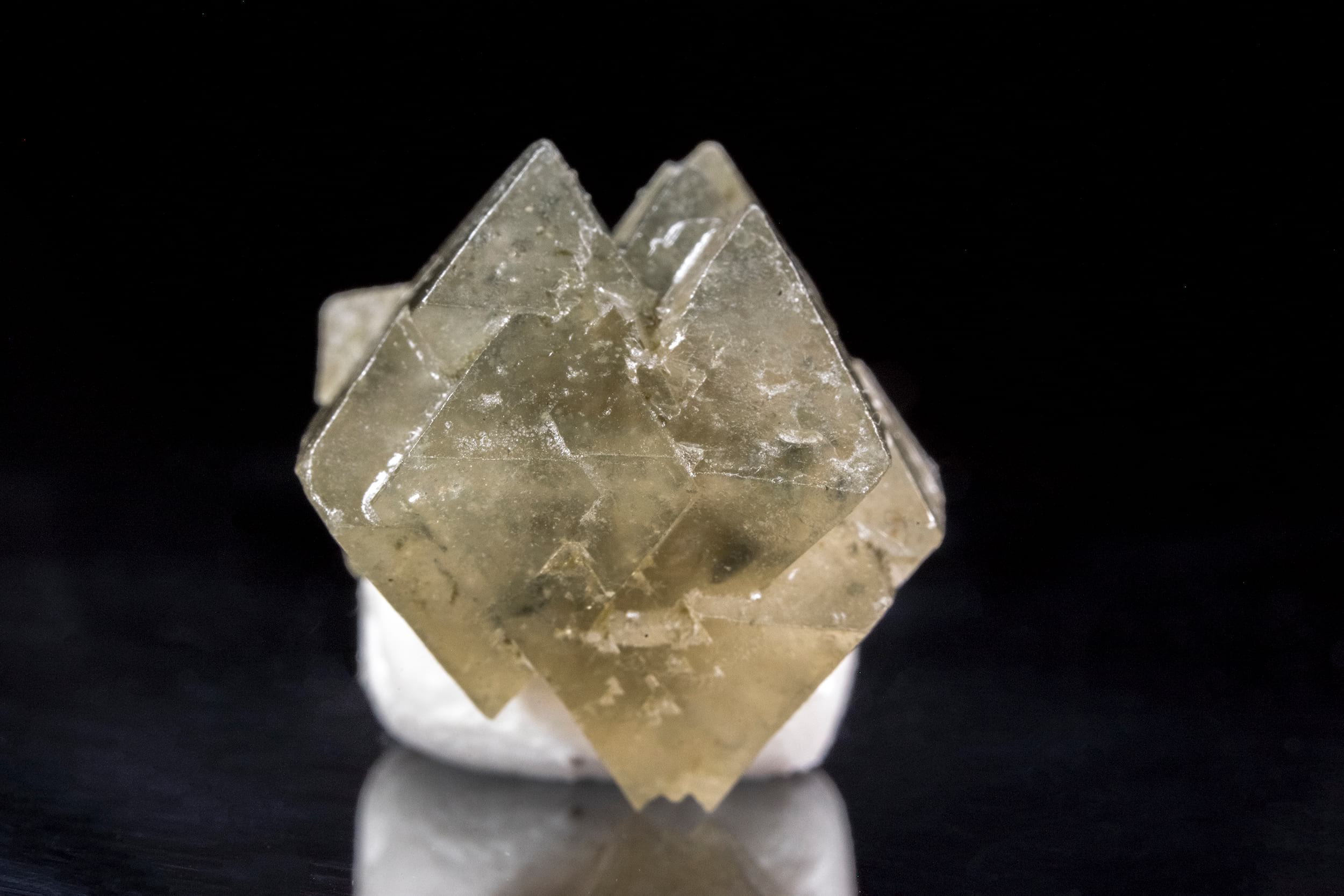
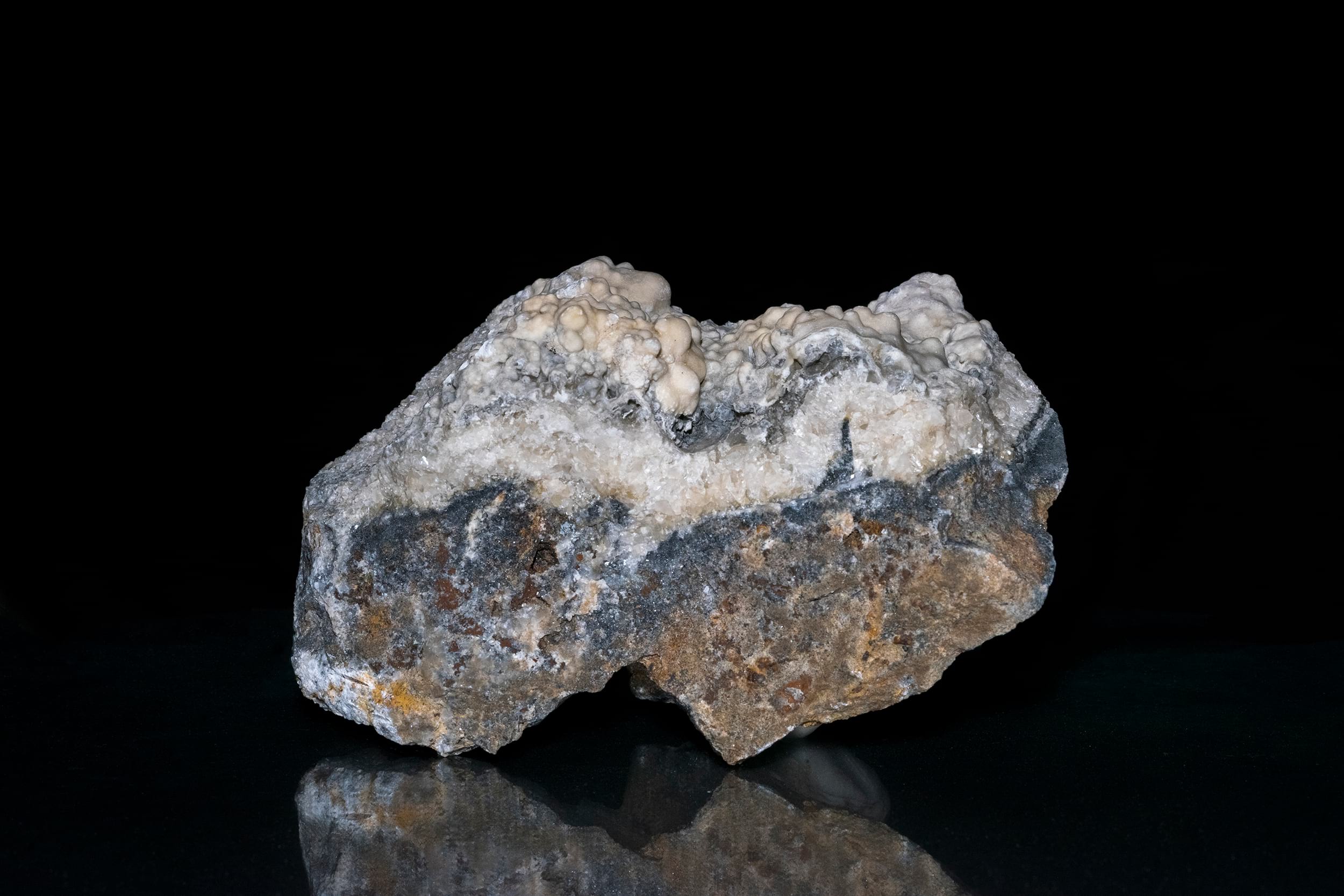
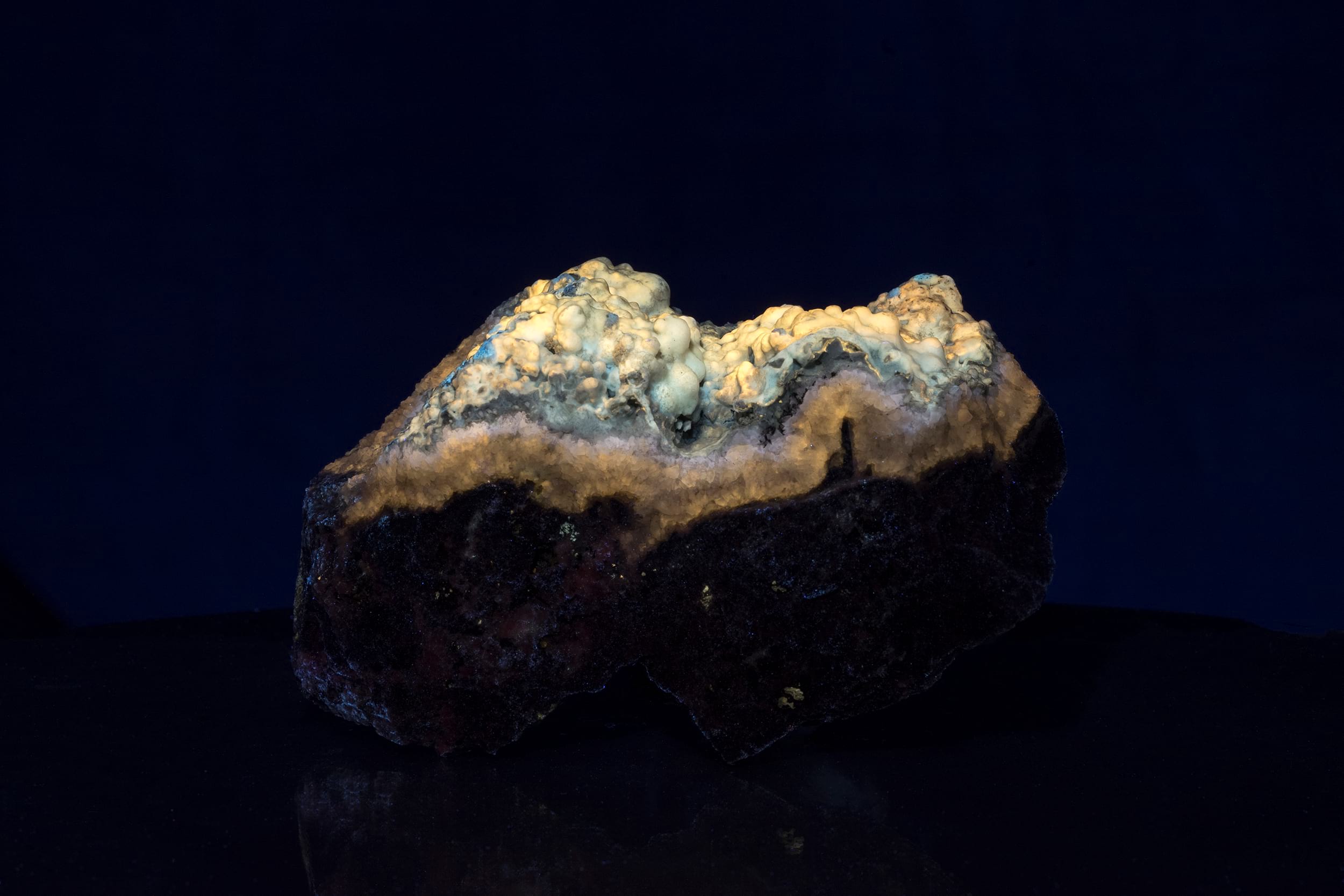
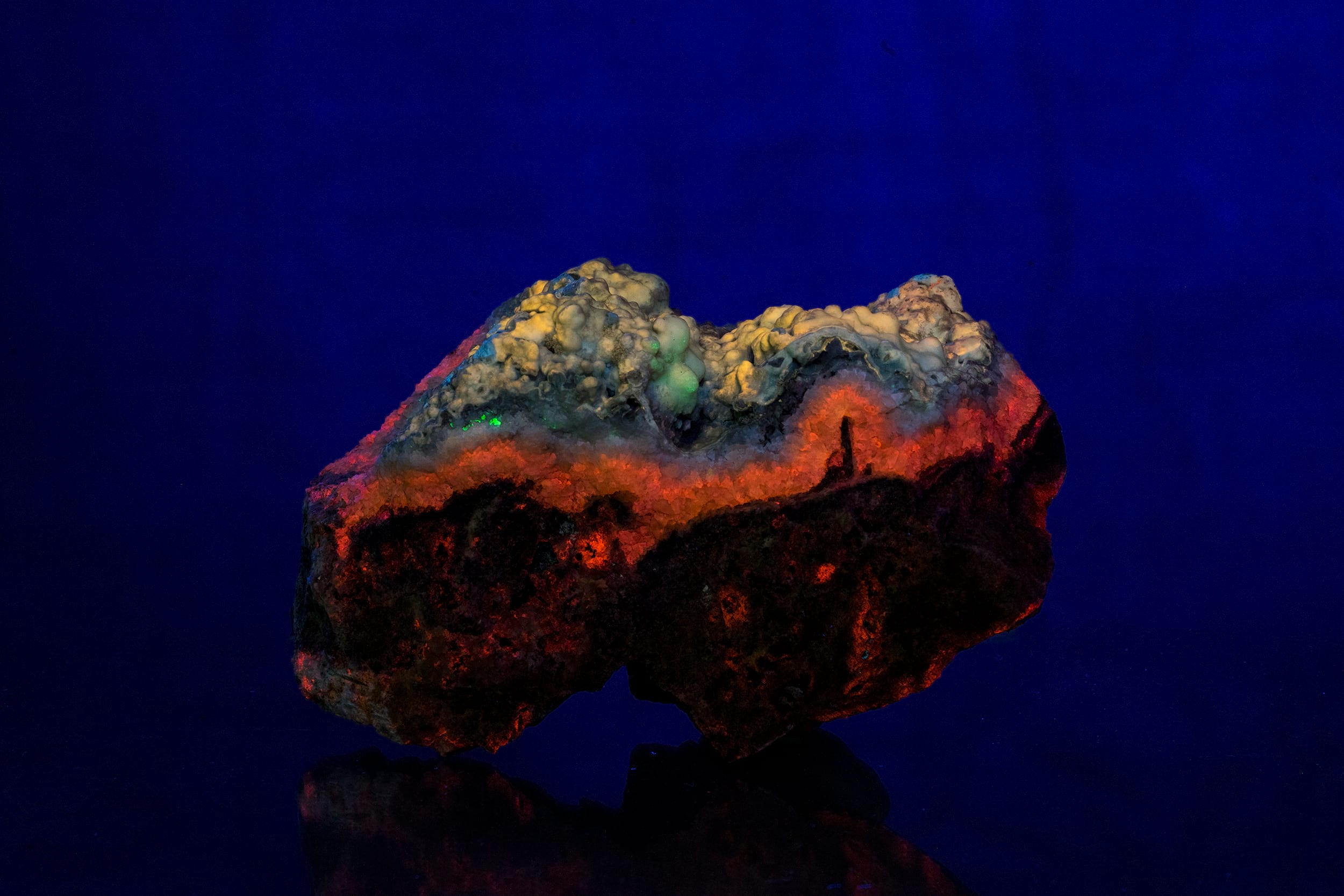
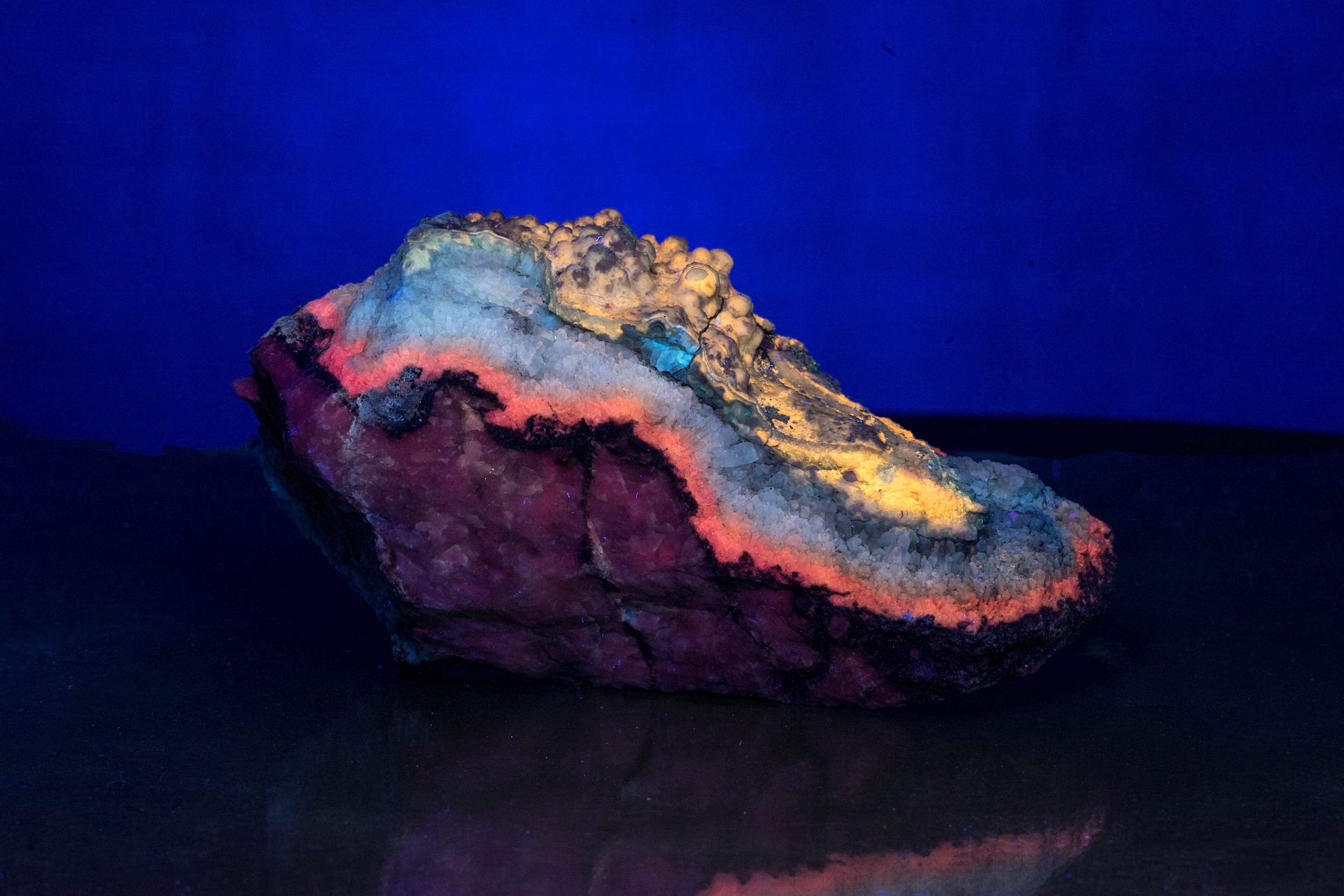
One of the few pieces of Helvetia that I took home from last year's collecting trip. I absolutely love the multiple generations of calcite that this mine produces. The combination of minerals form a wonderful fluorescent combination.
Calcite - red, orange, white
Aragonite - botryoidal white coated with caliche
Hyalite - Green
Locale: Helvetia, AZ
Weight: 1lb 4.7oz | 586g
Dimensions: 5.1 x 2.1 x 3.0 in | 129 x 52 x 77 mm

Gem-O-Rama, Atolia, Grimes & Sexton Quarry October 2017
Update 11/13/2017: Fixed 360s not loading on mobile
Update 11/25/2017: Fixed videos not having audio + added missing blow hole video
Day 0
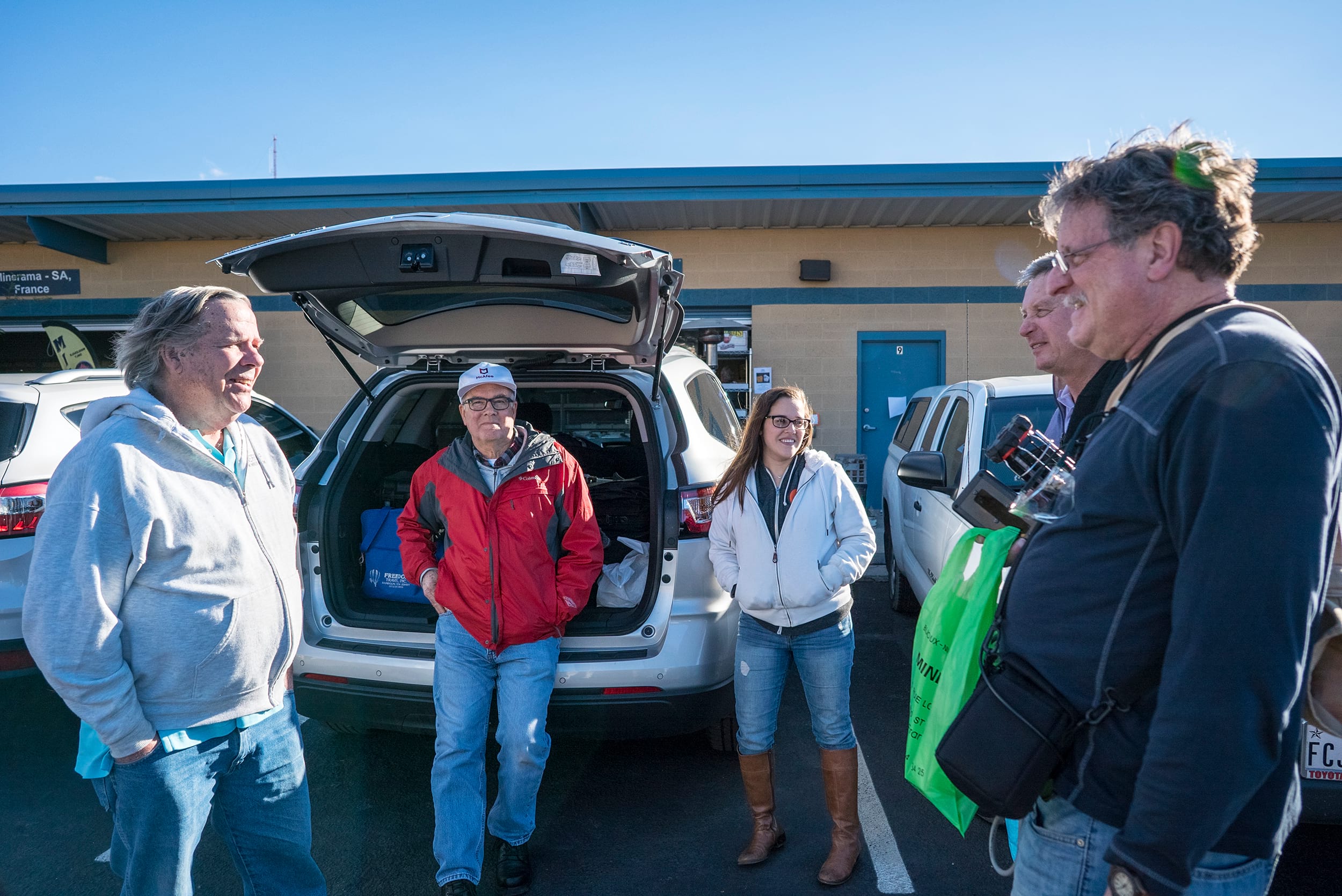
Searles Lake is something that I've been wanting to do for several years. However, the opportunity never quite lined up. Either I had previous commitments or something came up last minute. Luckily the stars aligned and I was able to get time to go to this year's Gem-O-Rama. We originally had 6 people saying they would go to this trip when I planned it out a month in advance. However, my "luck" seemed to have rubbed off on the other people that were coming as they all slowly but surely cancelled until it was just me and SoCal FMS President Dave Stuck left. It worked out for both of our schedules as we got there at roughly the same time - 6 pm. Perfect for fluorescent mineral collectors as there's still some sunlight left to see the road and trails but just before it gets dark. Let the adventures begin!
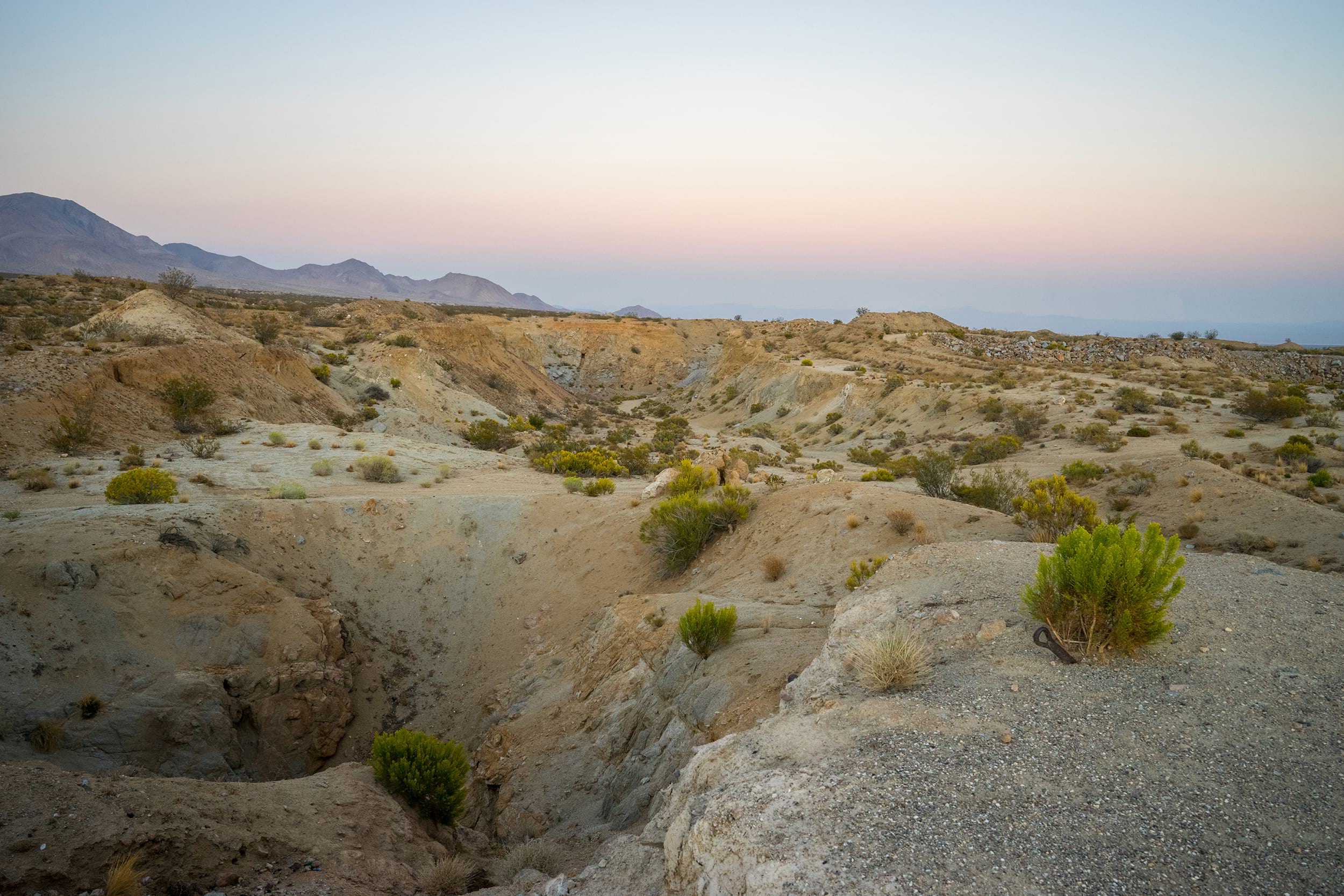
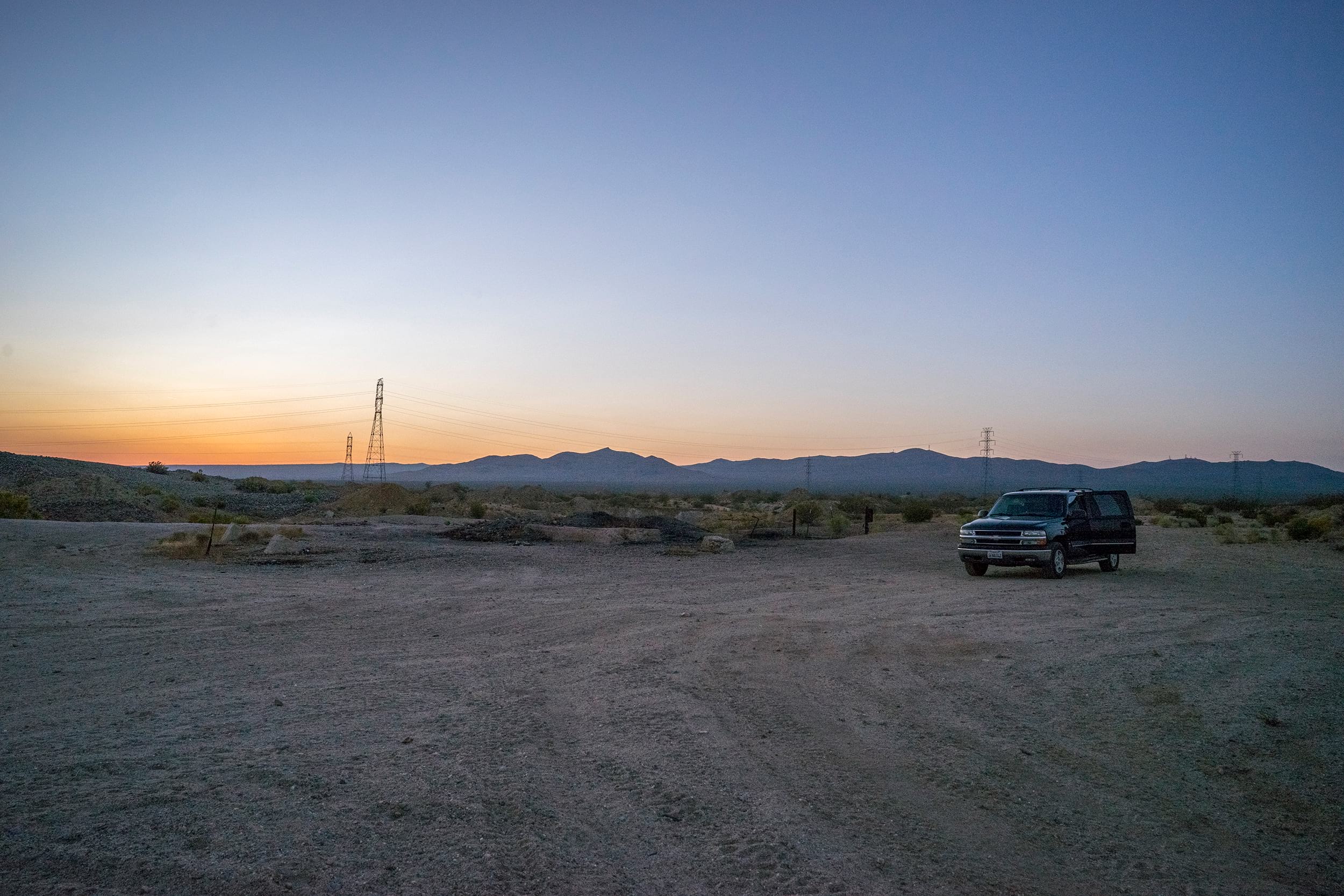
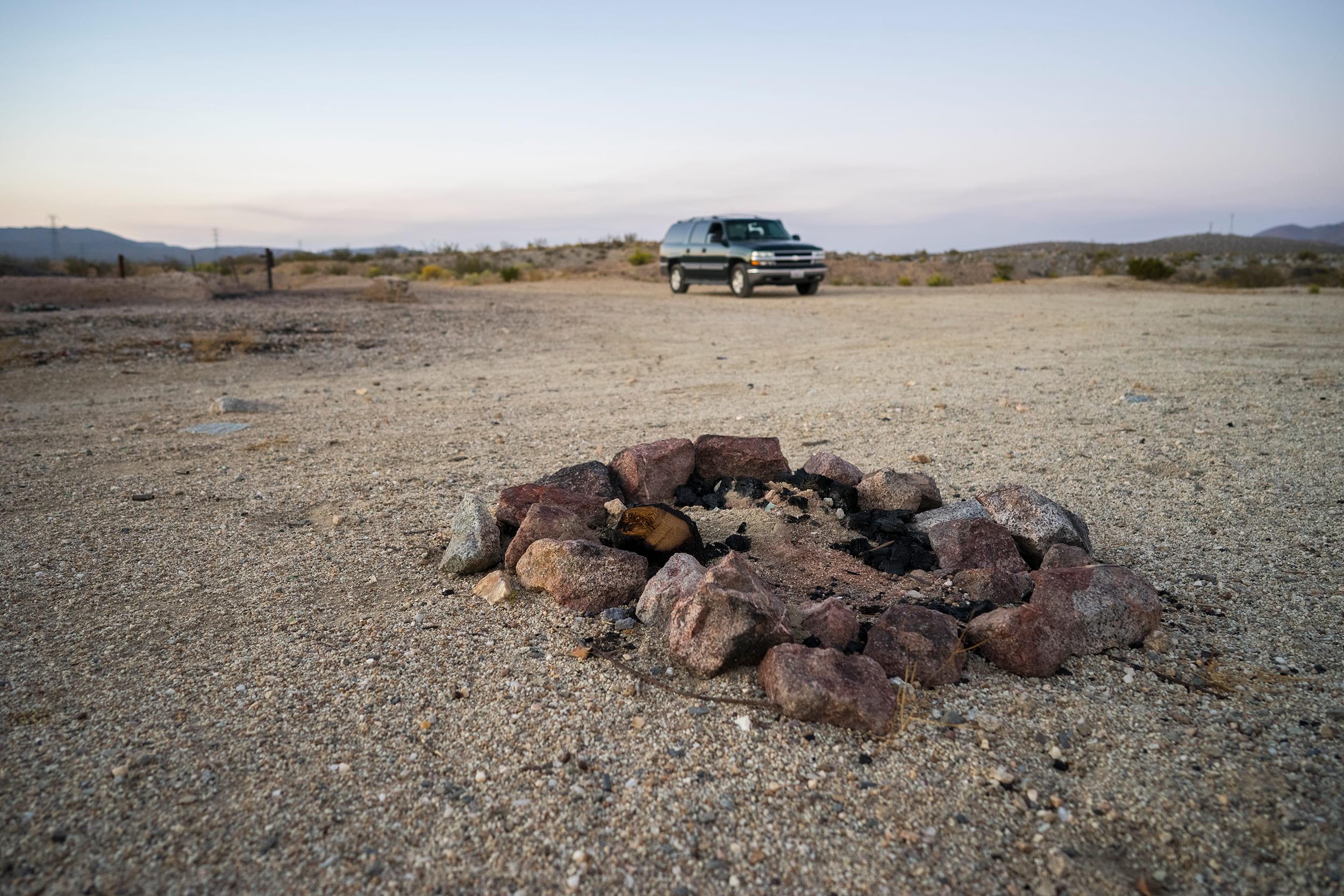
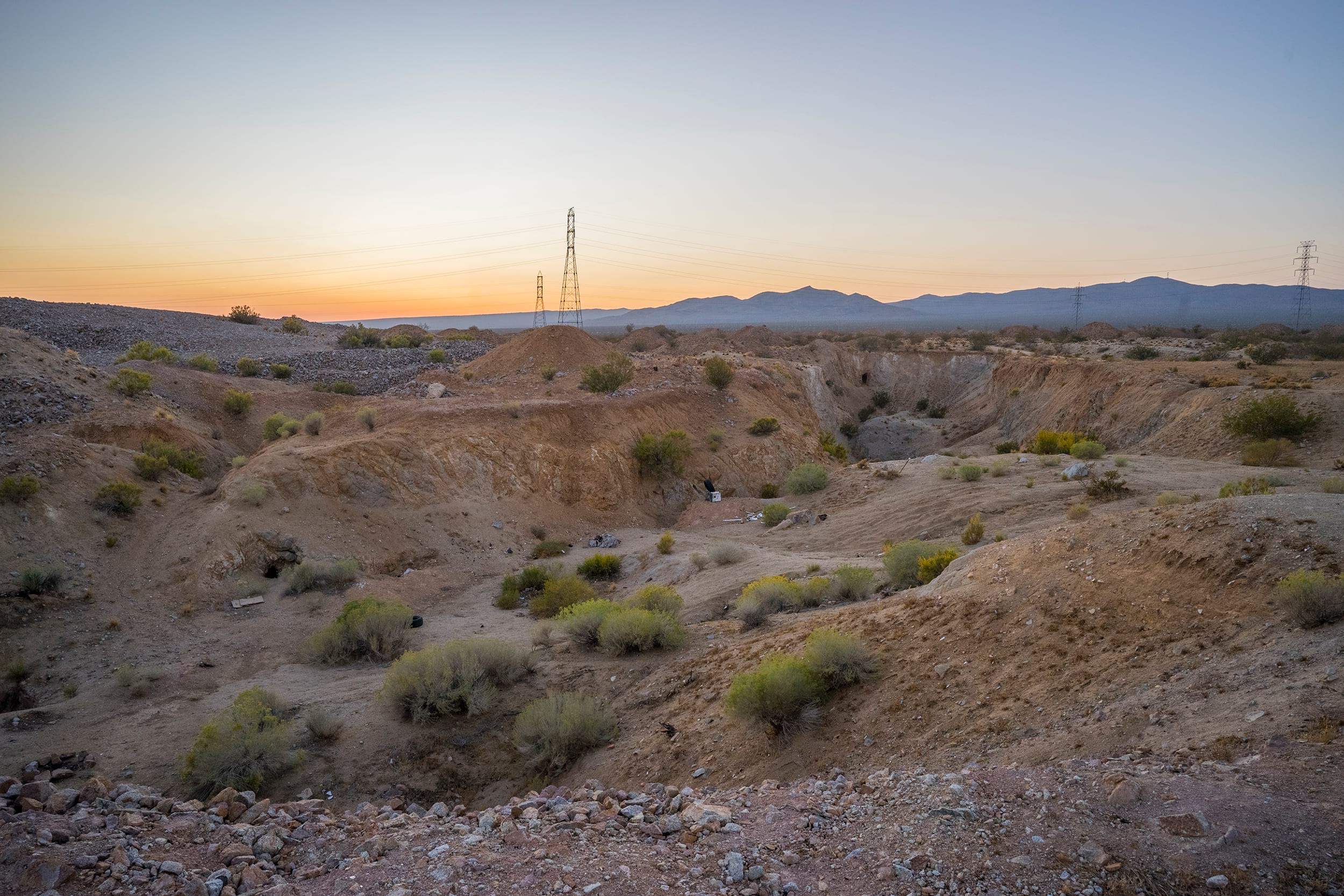
Here's the first site we went to on Friday, before the Gem-O-Rama began. Luckily I had a hotel in Ridgecrest so we were only 30 minutes away from the historic Atolia mining district where there was a massive amount of tungsten being mined. Just look at how wide these veins ran. Some 360s and photos will really put into perspective just how rich of a tungsten area this was.
First stop: Union Mine

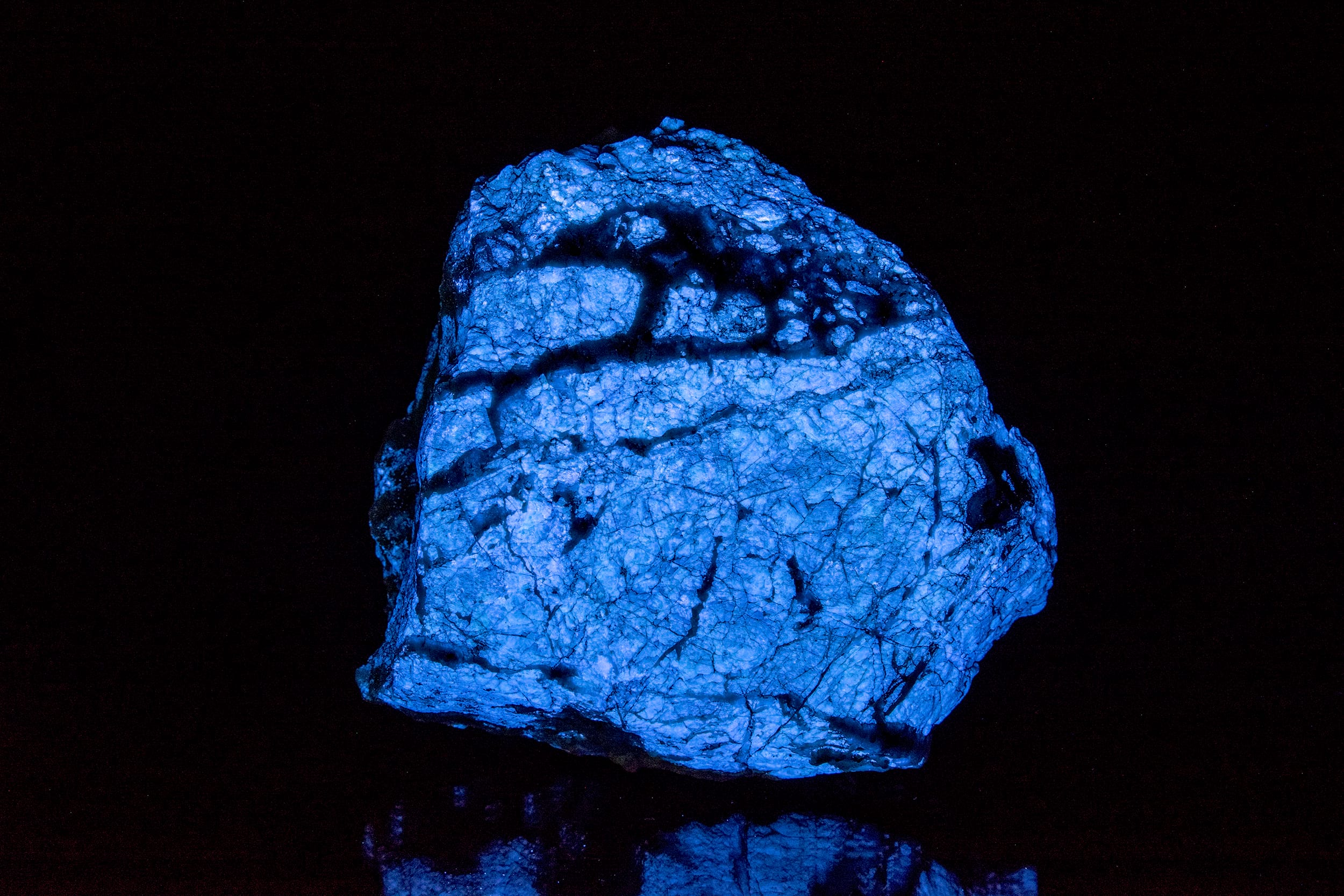
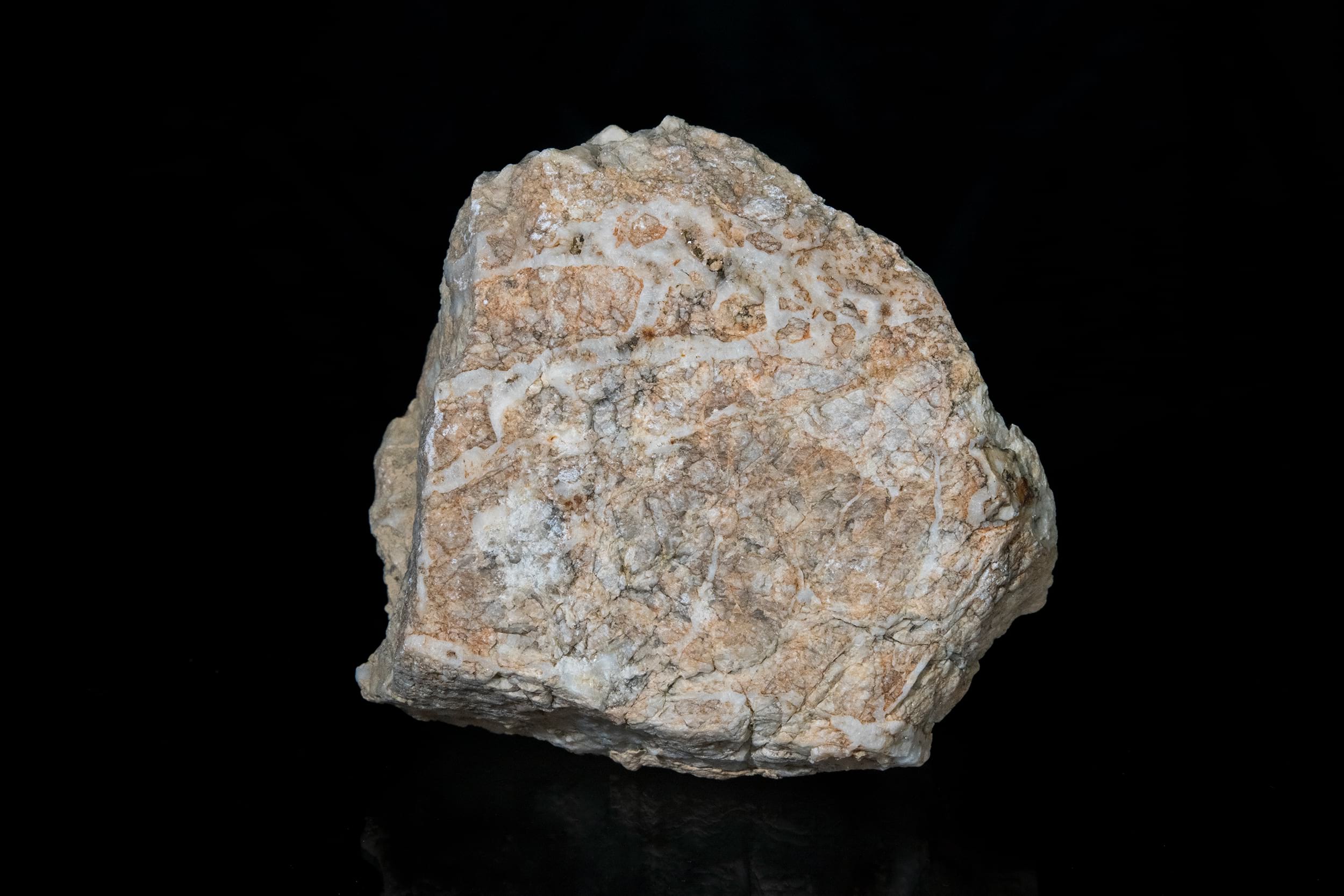
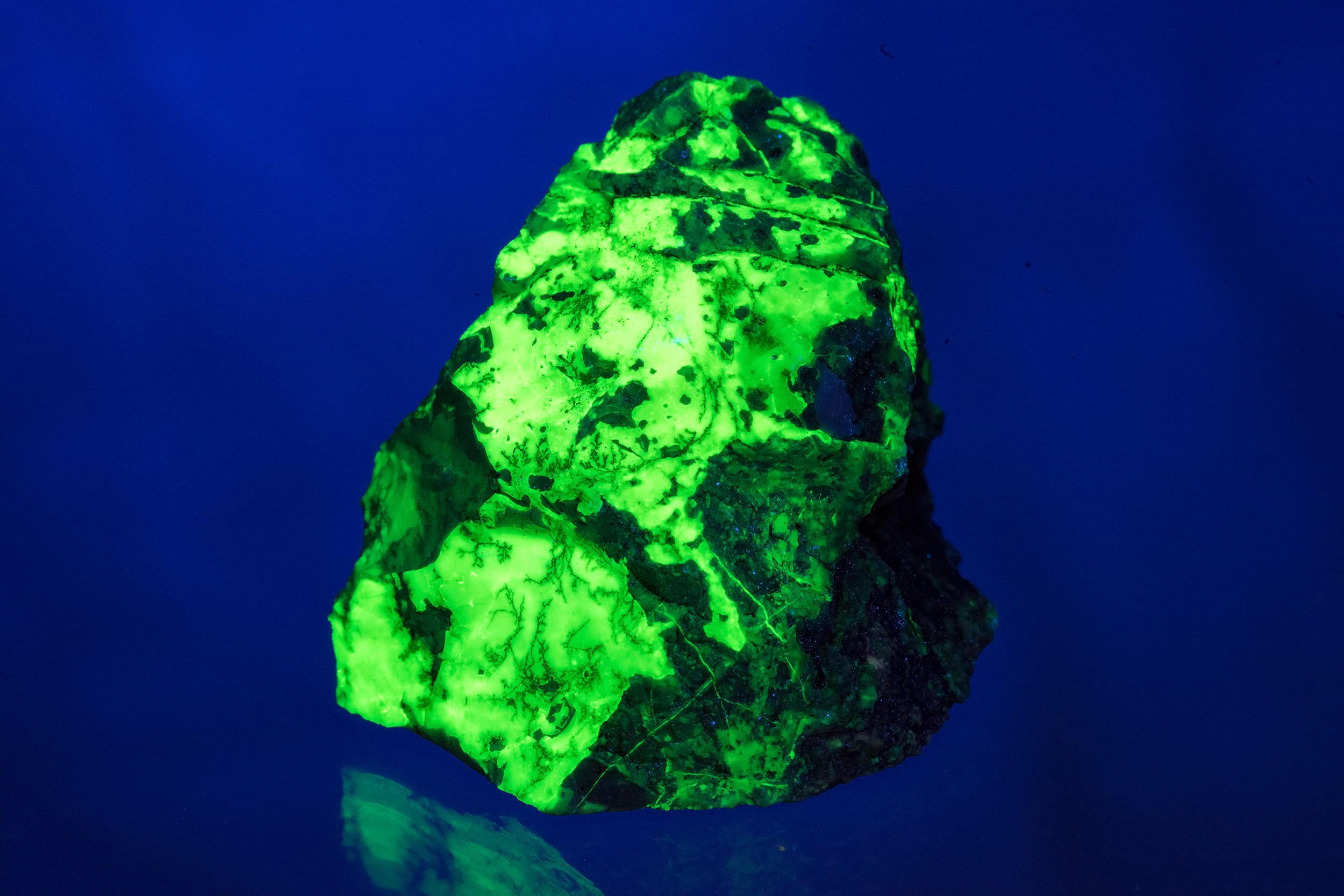
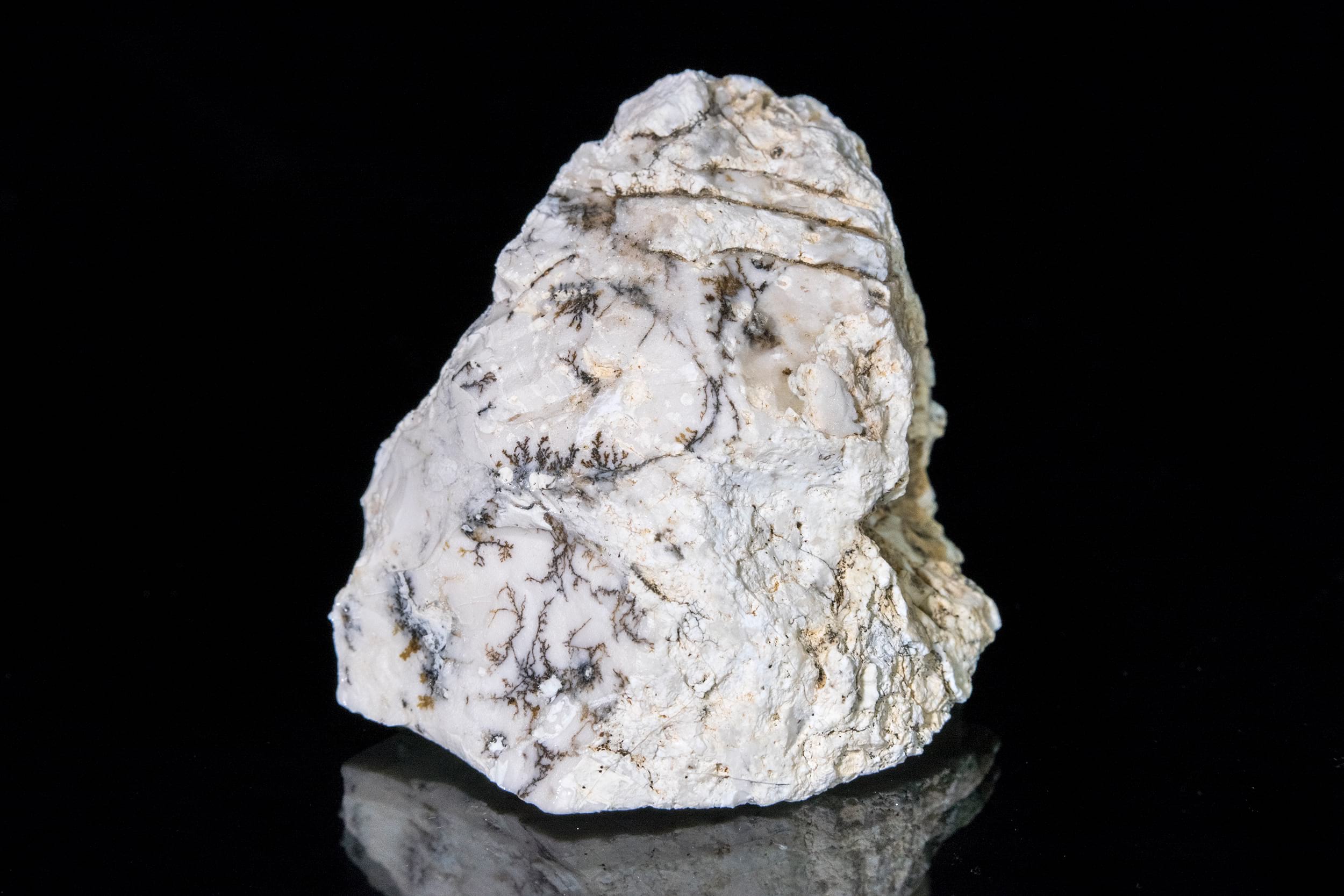
And here's the group shot of our finds for the night. Some massive chunks of bright fluorescent blue scheelite. There's a nice fluorescent red calcite combination with blue scheelite as well as a nice fluorescent green. When I collected it I thought it might have been hyalite or chalcedony but after testing it it's able to be scratched with a 4. I'll leave it as an unknown for now.

My haul for the night

Dave's haul
Followed by some more formal photos I took after I got home.
Day 1
So while we were up late last night, coming home around midnight from Atolia, we weren't technically late. As an old friend would describe it, "You were late for being early!" We got there around 30 minutes before they were supposedly starting. However, look at this lineup of cars that got there way before us. Looks like most people got there at least an hour before us. Some possibly stayed overnight! That's quite a long time to wait just to have maybe a 10 or 20 minute head start!

While we were waiting we kept hearing a bird cannon. It made an incredibly loud noise to scare off any curious avian that might enter the brine pools for whatever reason. Someone's job is to look for birds and to make sure the cannons are armed. That's quite ecologically responsible!
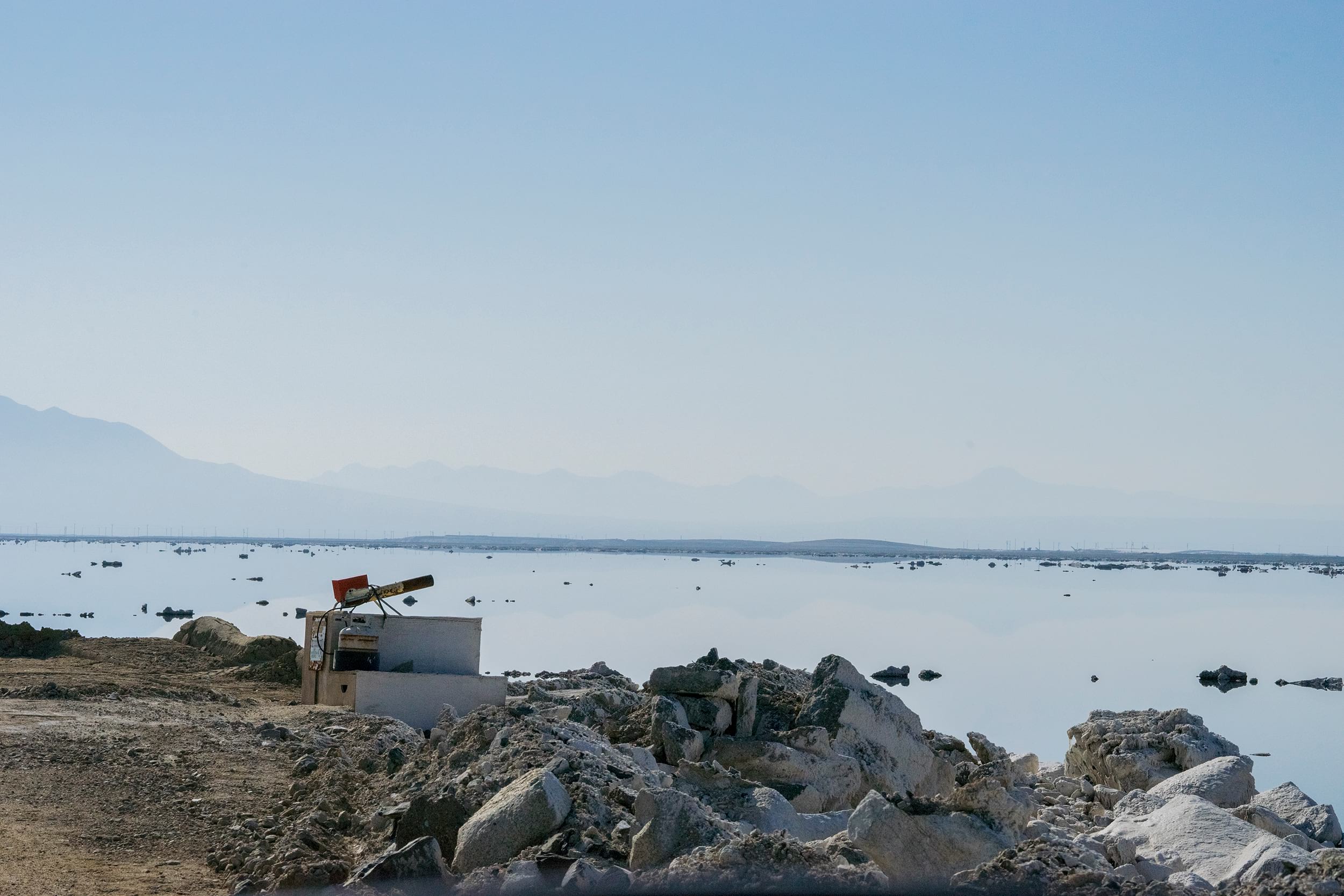
Finally it was our turn to get to the piles and look forward to some beautiful crystals. Boy was it packed though! The only downfall of being "late".
Some ground photos before we get to the 360s. Note to aspiring rockhounds: Tools like the Dewalt rotary hammer I show are not allowed on public land. However, this collecting site is on private property and I checked their rules for anything barring power tools - which there weren't. In addition, there were several officials on the hills watching over everyone. None of them batted an eye with my usage. Be sure to check your local laws!
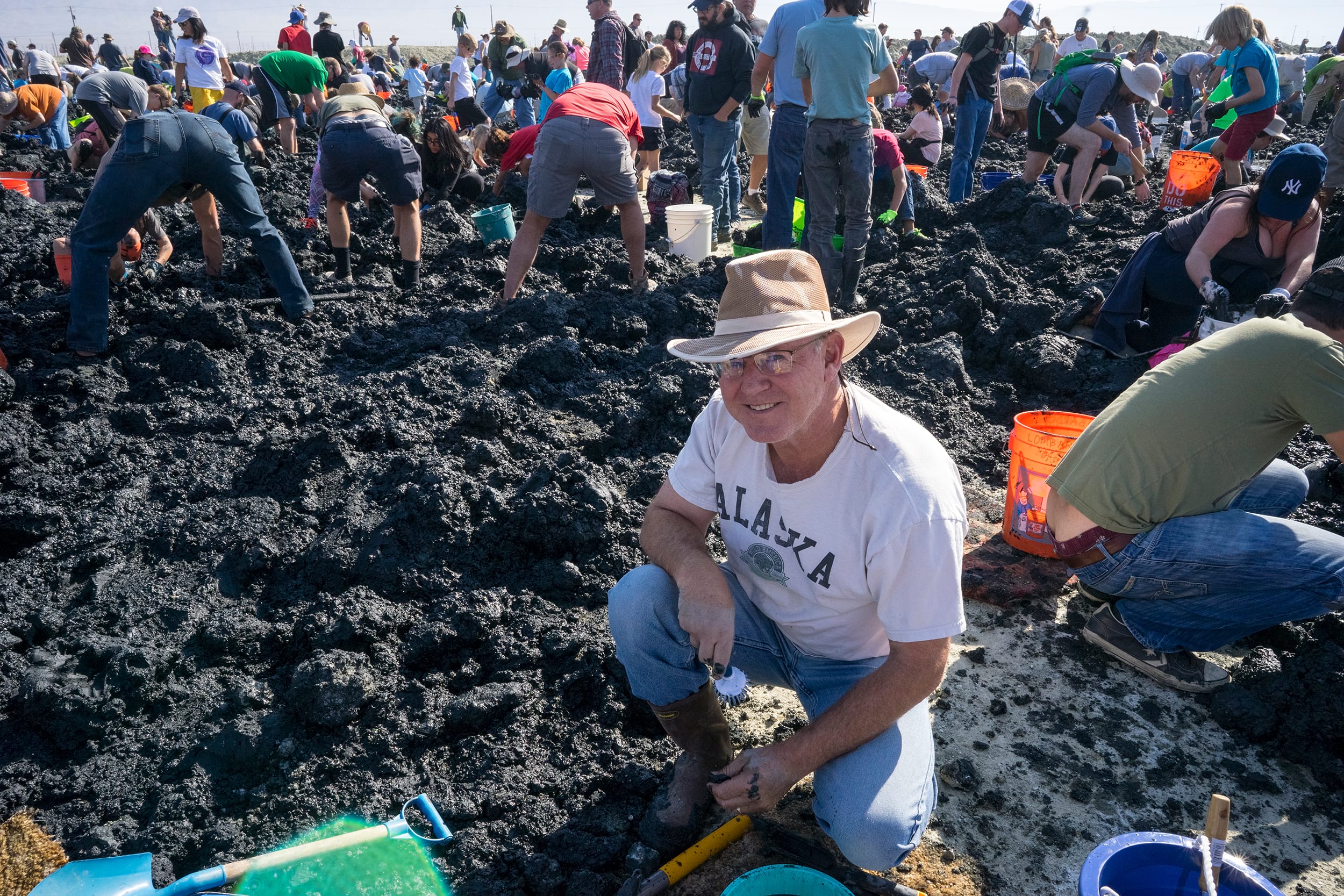
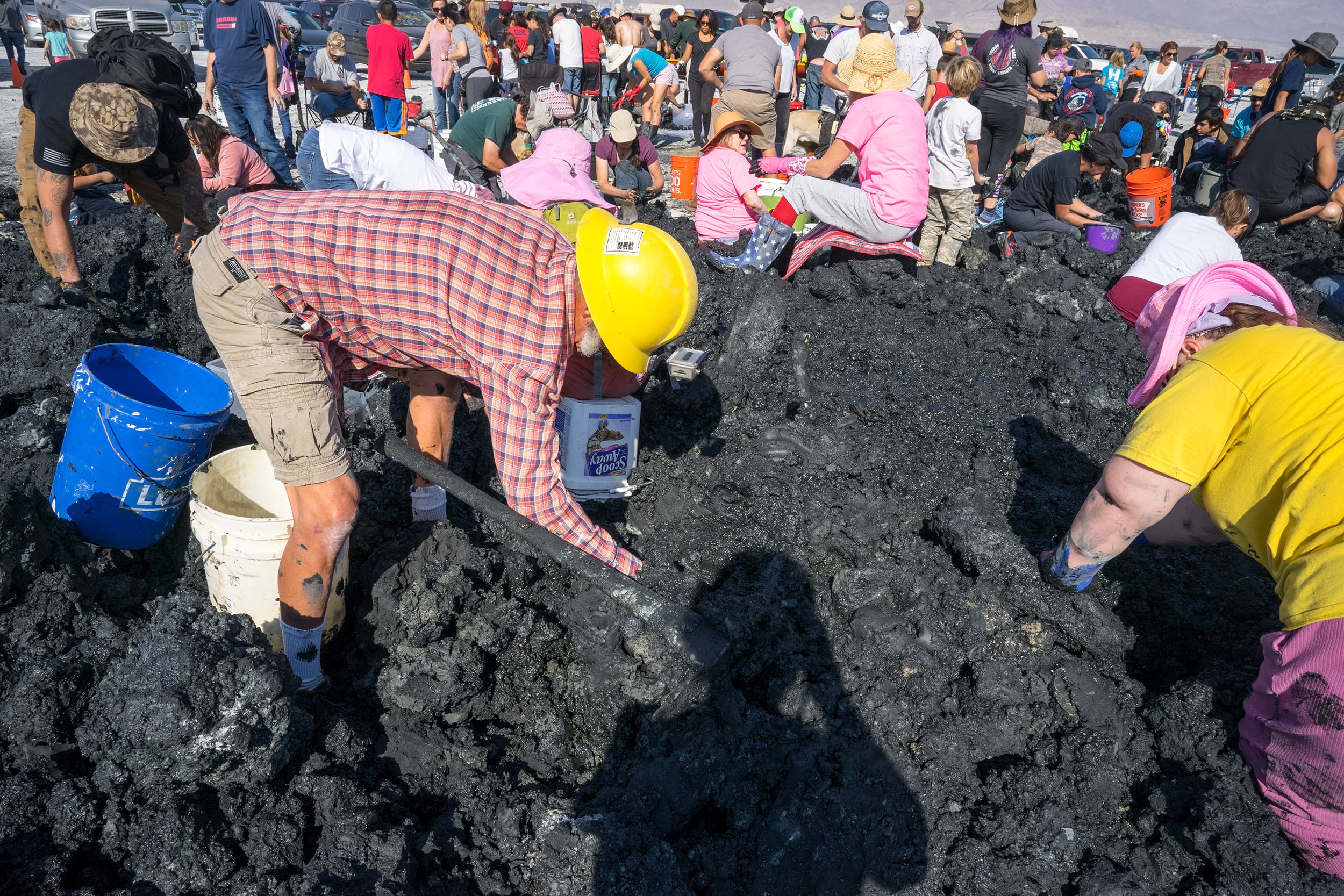
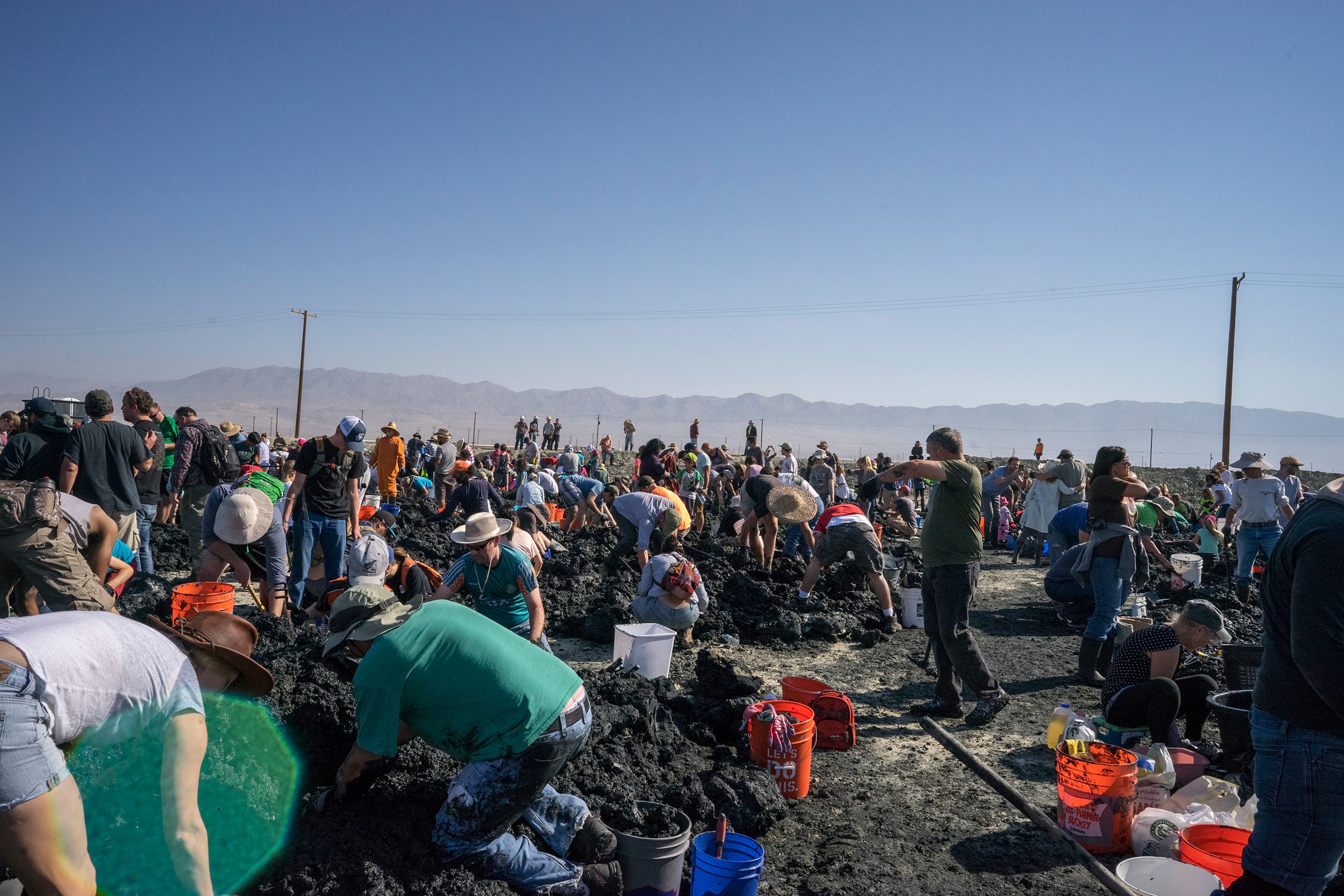
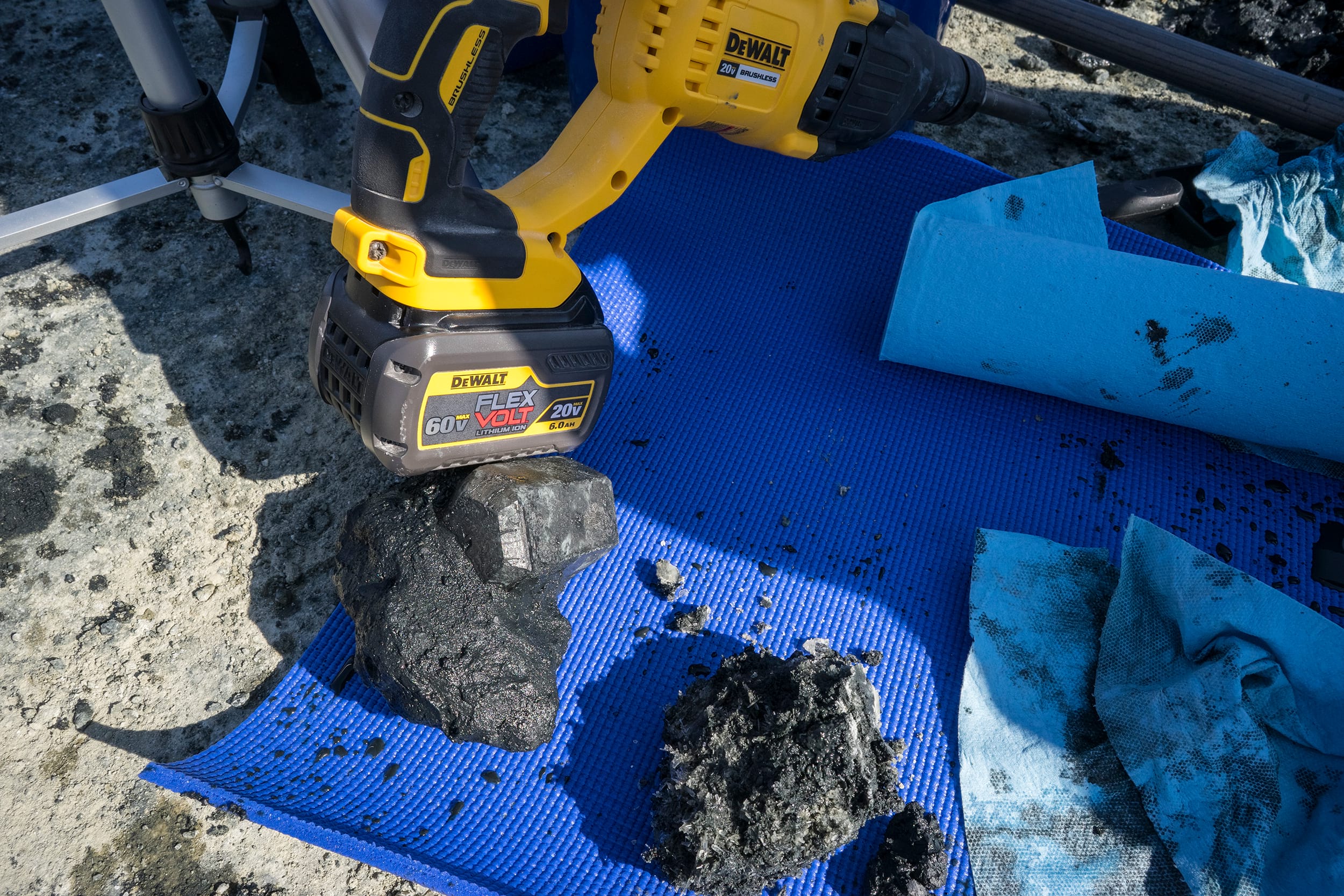
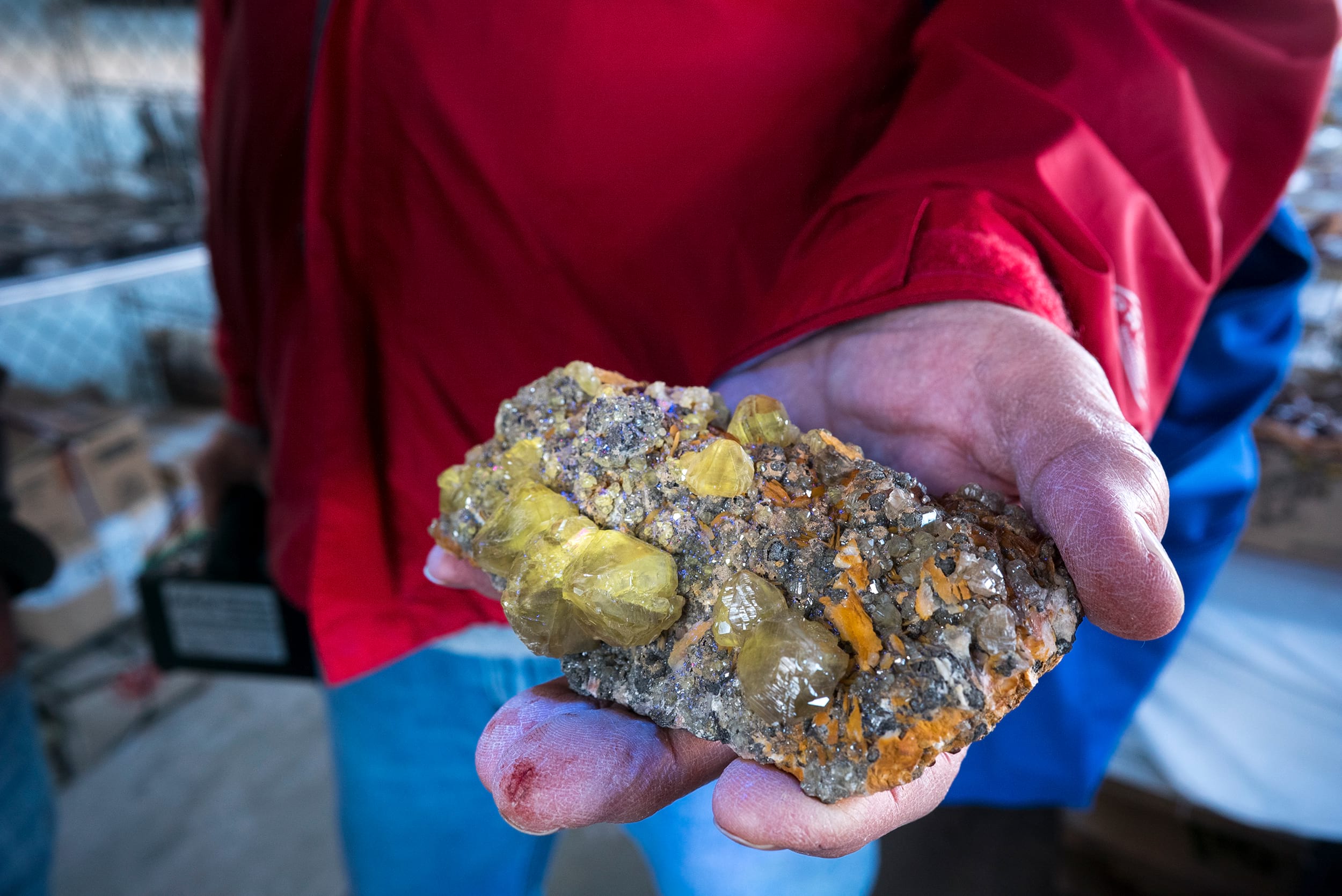
One of the more interesting characters I met here was the person in the orange jumpsuit posing with a beautiful hanksite he had found. He's a boyscout leader named Dave that was taking his troop to the Gem-O-Rama so they could experience something new. That's quite an amazing (and muddy!) experience to have at that age. Hope they had fun!

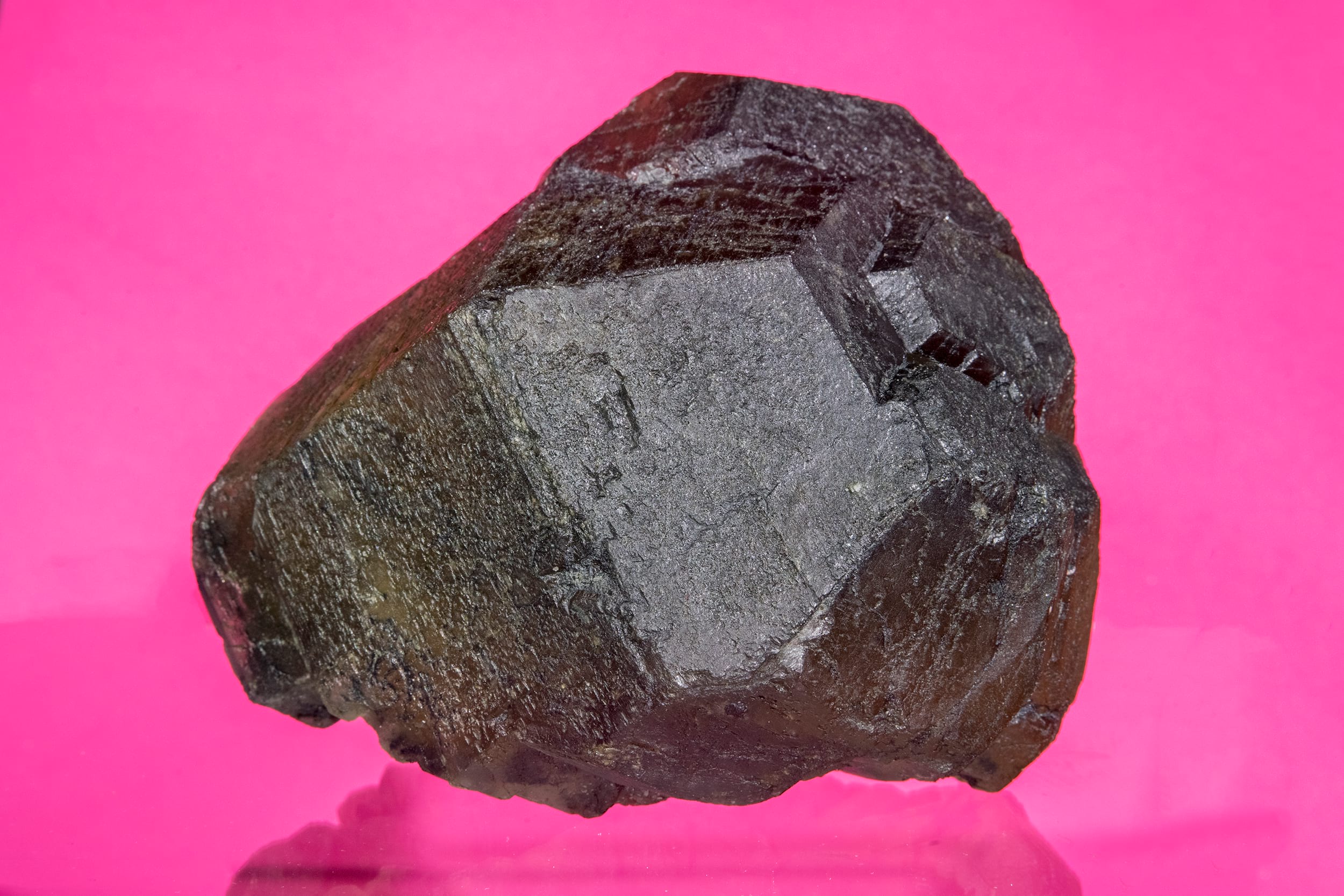
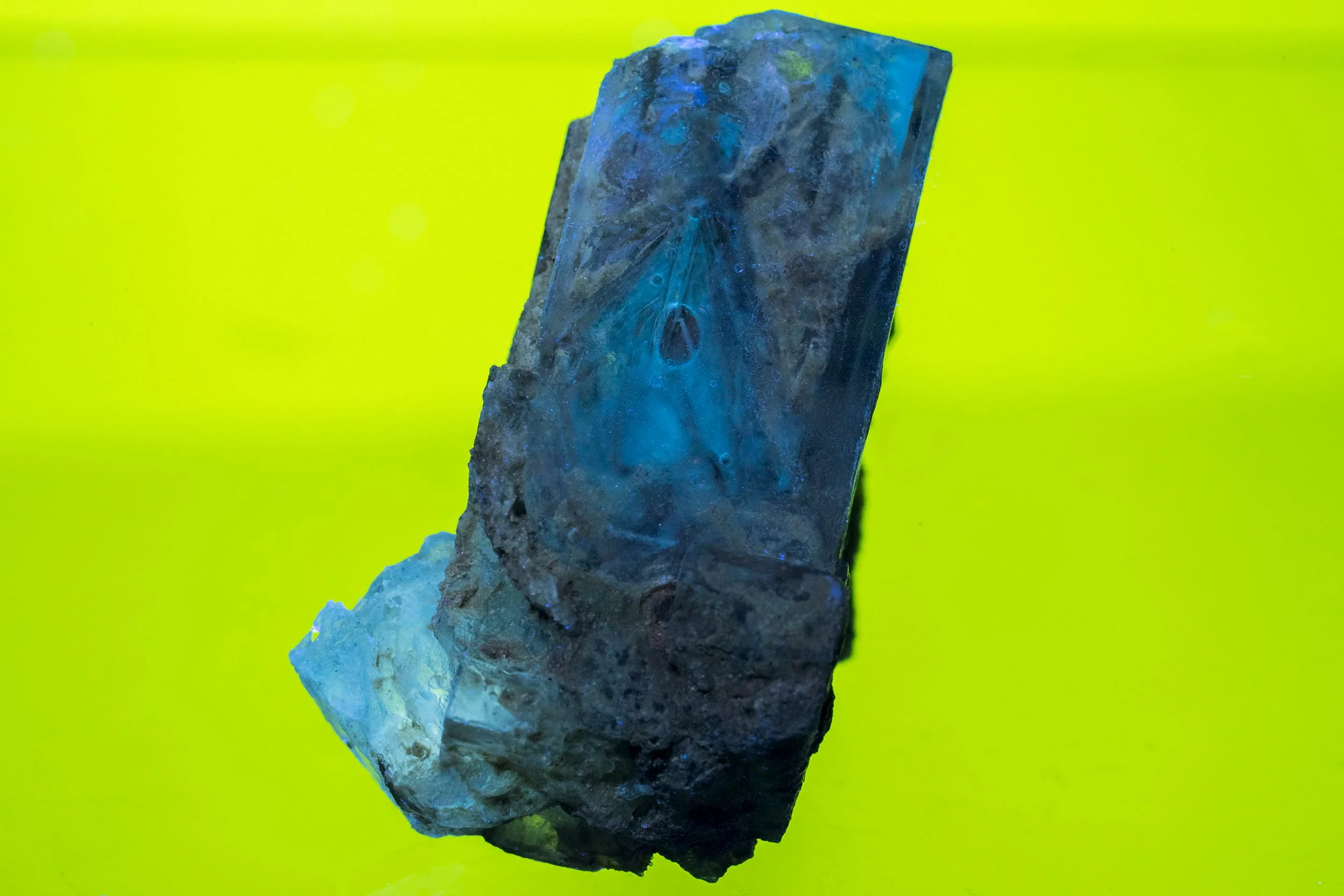
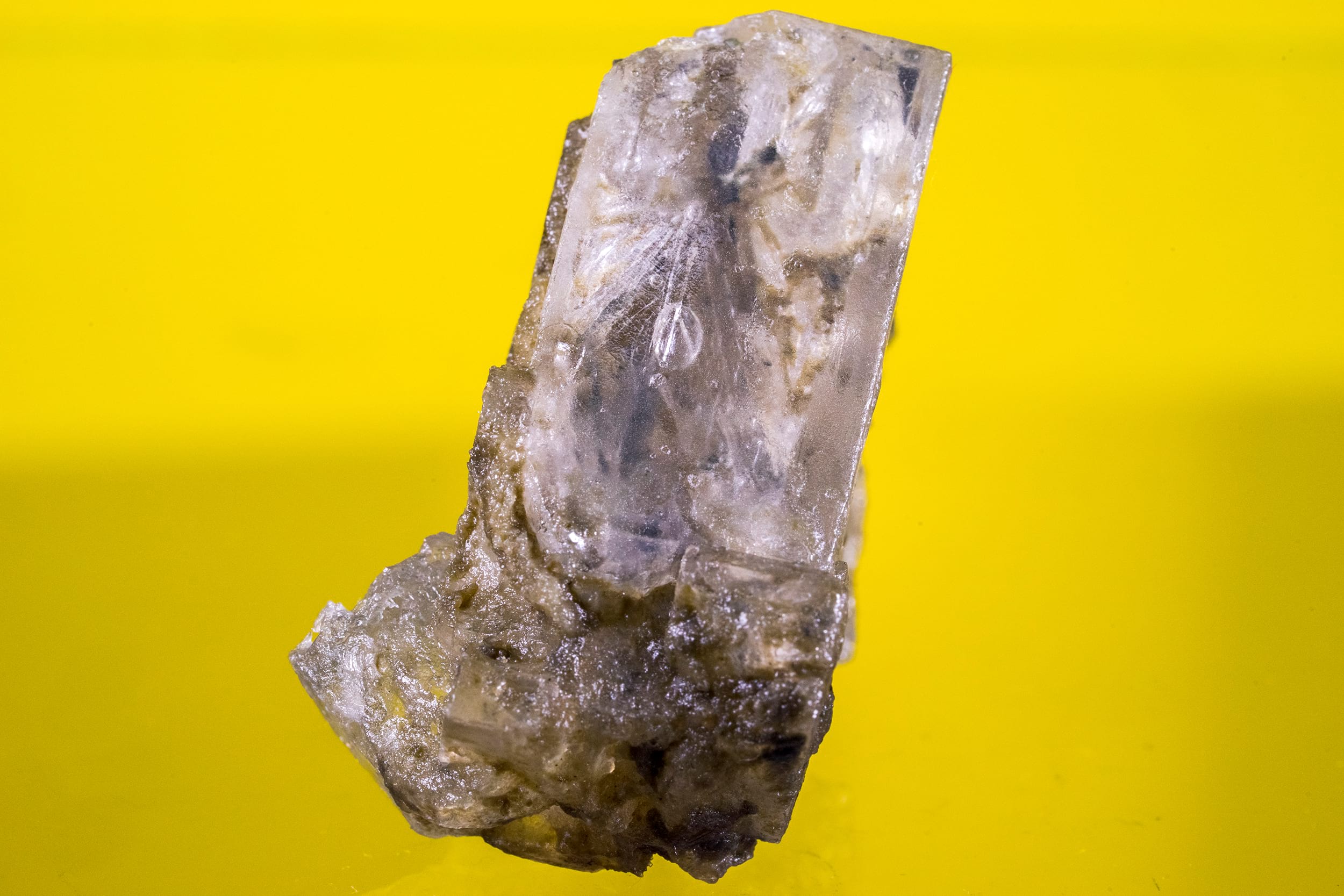
And here's my haul from the mud piles. The first specimen has a lot of lint on it. Because hanksite is an evaporite and will get damaged over time by humidity I covered it in acrylic. However, I left it inside so all the lint that was flowing around landed on the specimen and is now encased in that acrylic layer. The halite in the fourth photo originally had a pink fluorescence that I found interesting. I'm guessing this was originally the halobacterium because this has now faded likely due to some combination of shining UV wavelengths, some of which were designed to destroy bacteria at the cellular level and direct sunlight exposure while the acrylic I covered it with was drying.
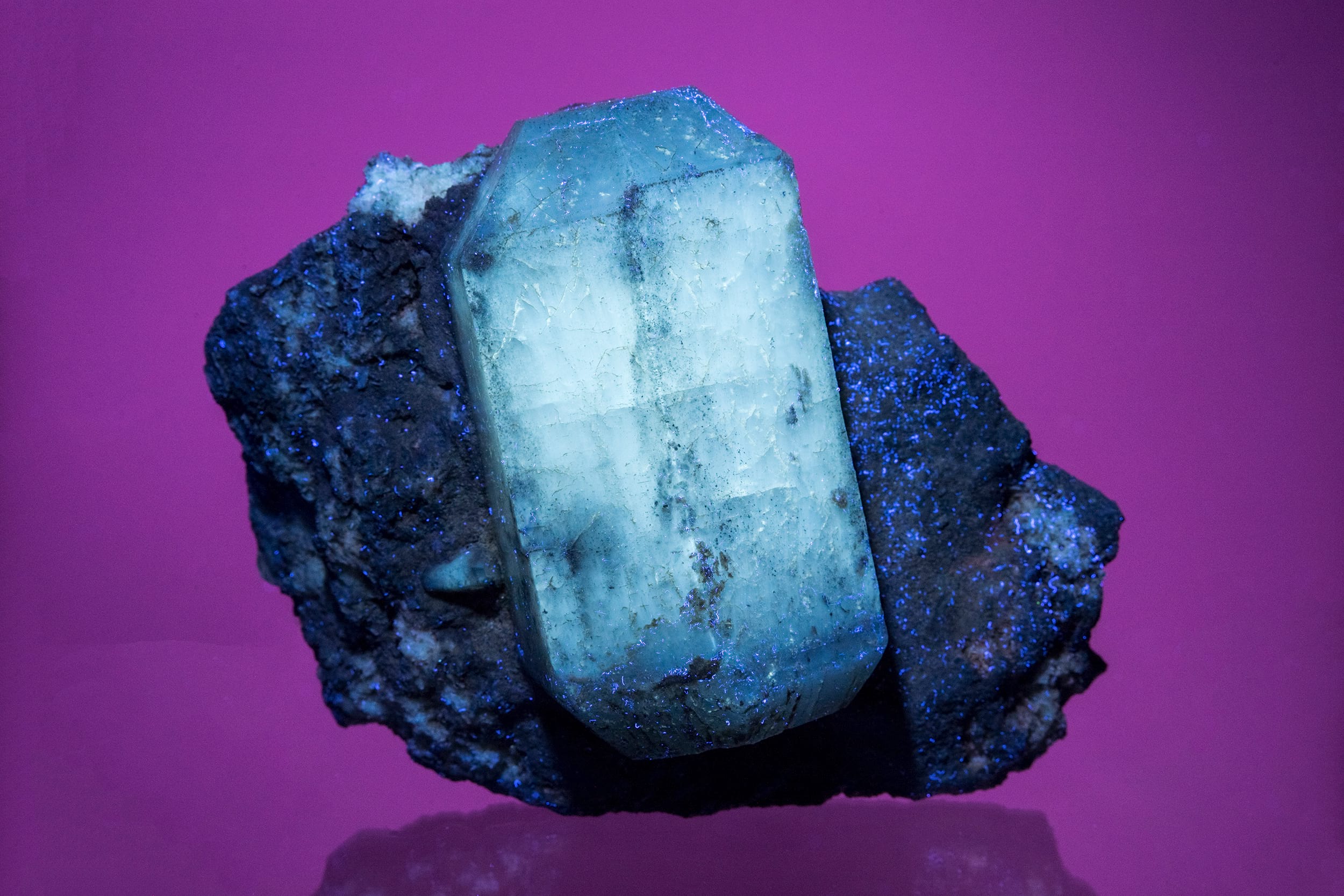
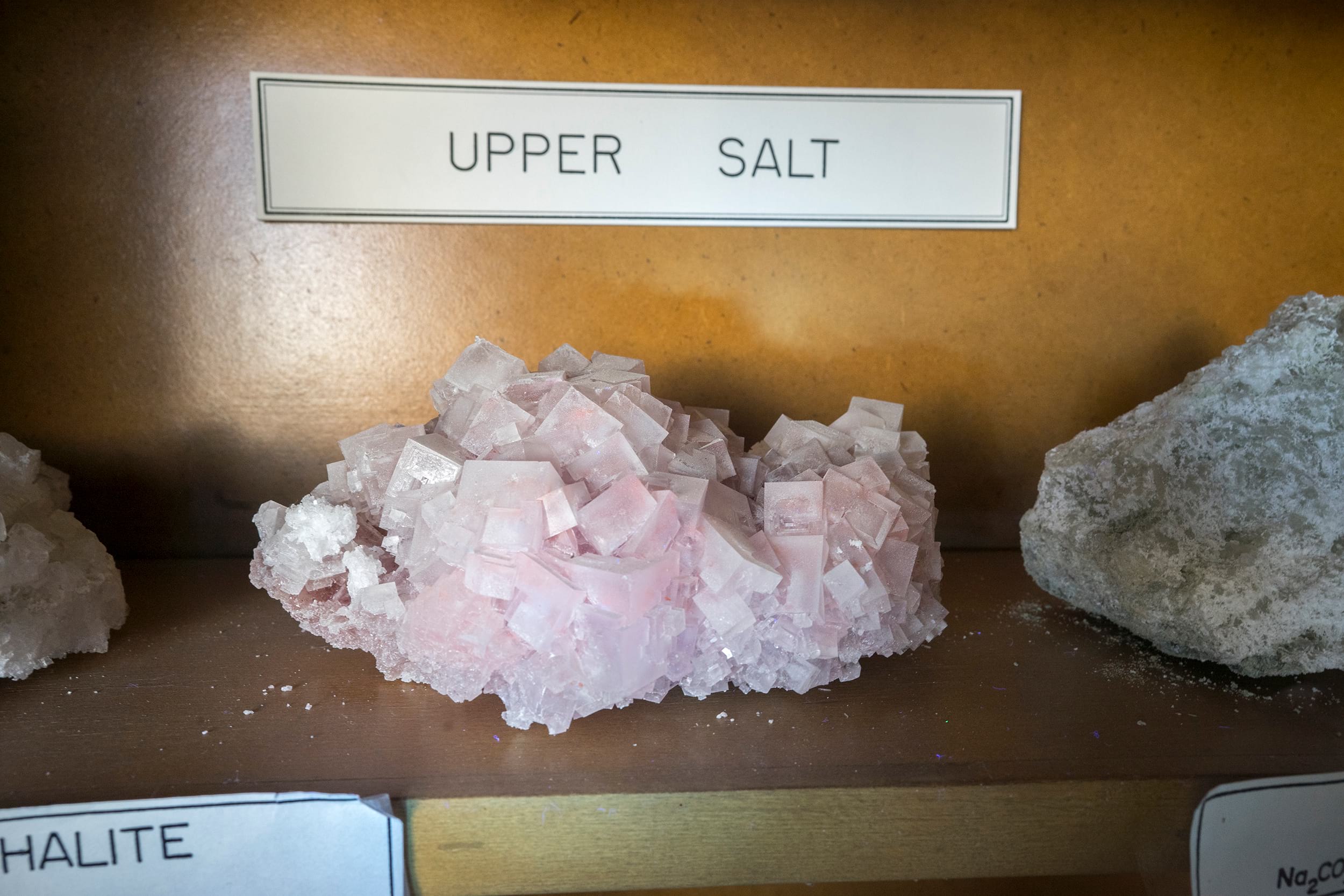
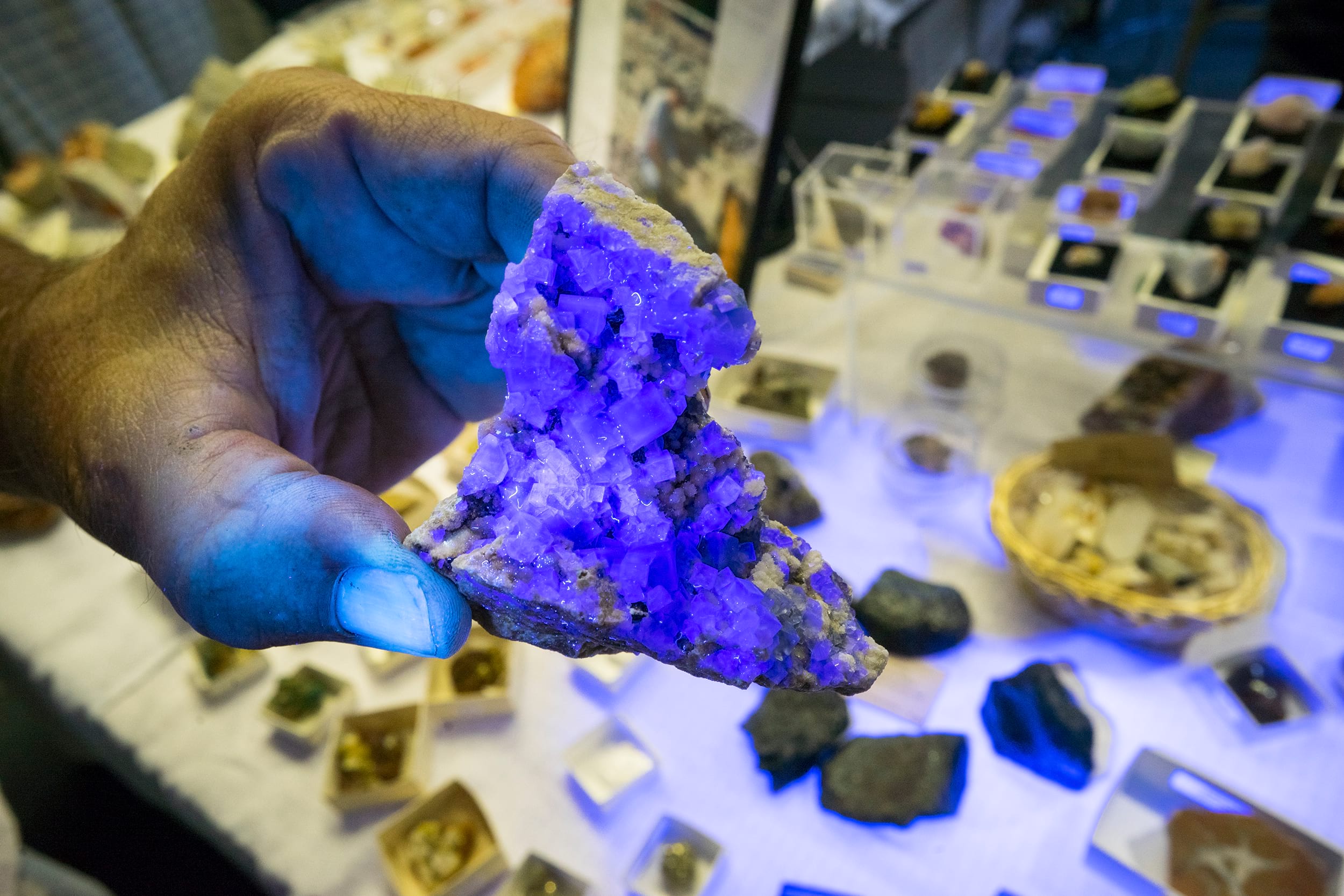
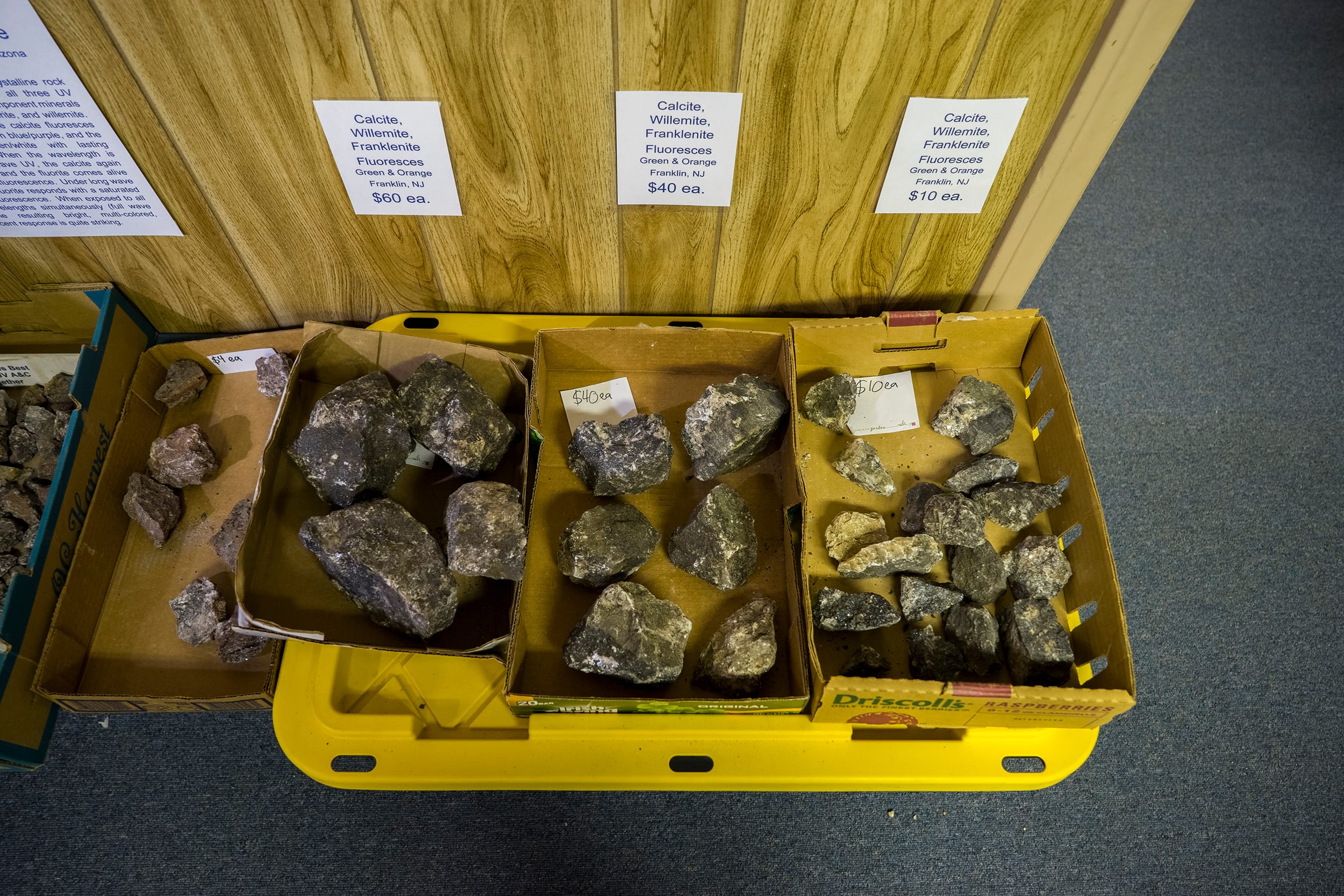
After this there was a bit of a gap before the next event so that people could get lunch and whatever else they needed. While some people took this opportunity to clean the specimens they just found I took the opportunity to explore. They had a miniature museum set up as well as a miniature show with maybe 15 or so dealers. There were wonderful minerals on display with this halite being one of my favorites on display. It had an interesting reddish pink fluorescence akin to Salton Sea or Amboy halite. However, this was mined from a different level to the mud pile minerals so I have no idea if this proves or disproves my guess that it was caused by the halobacterium. Note that this specimen is actually white. Any pink to red spots were from my LW UV source.
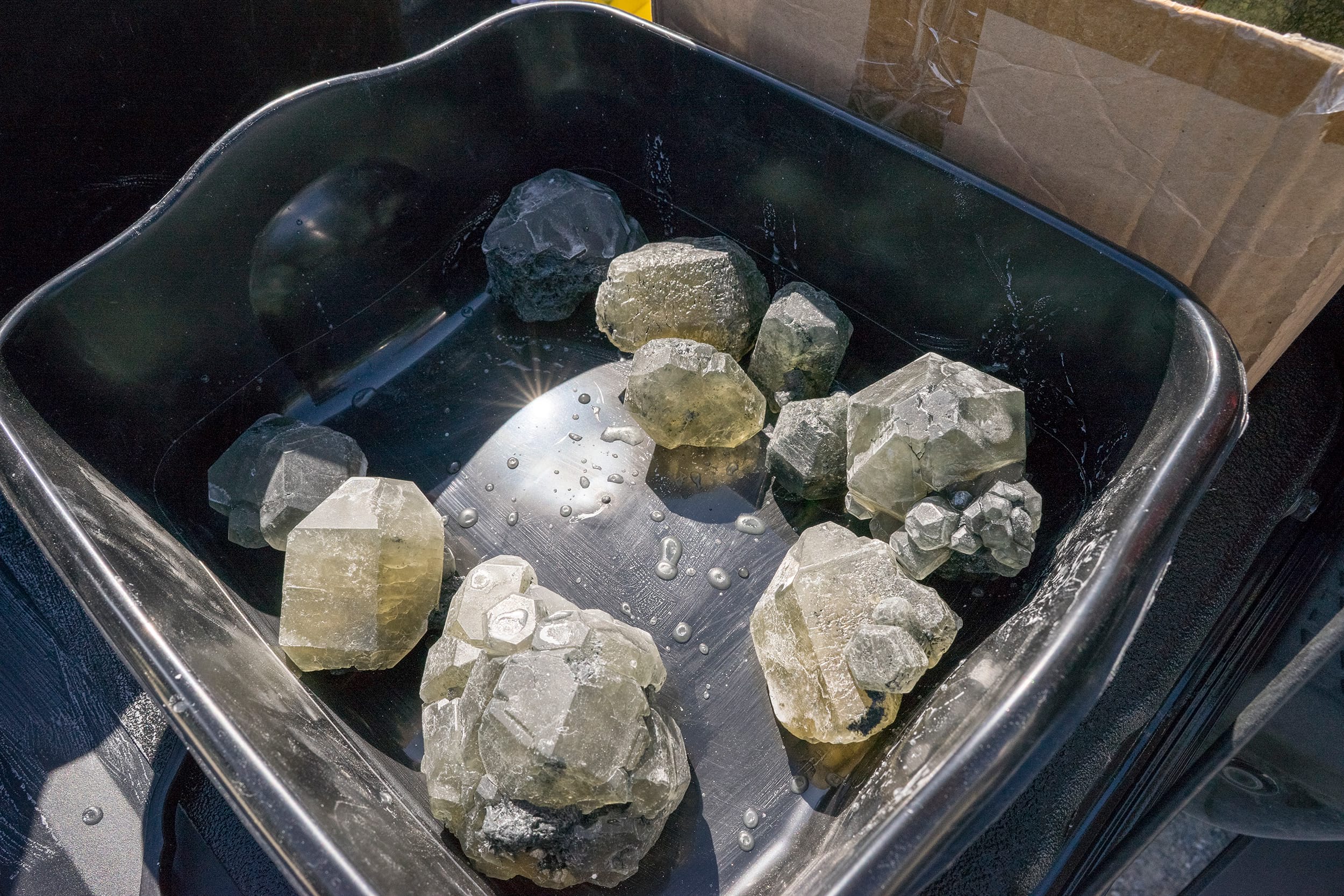
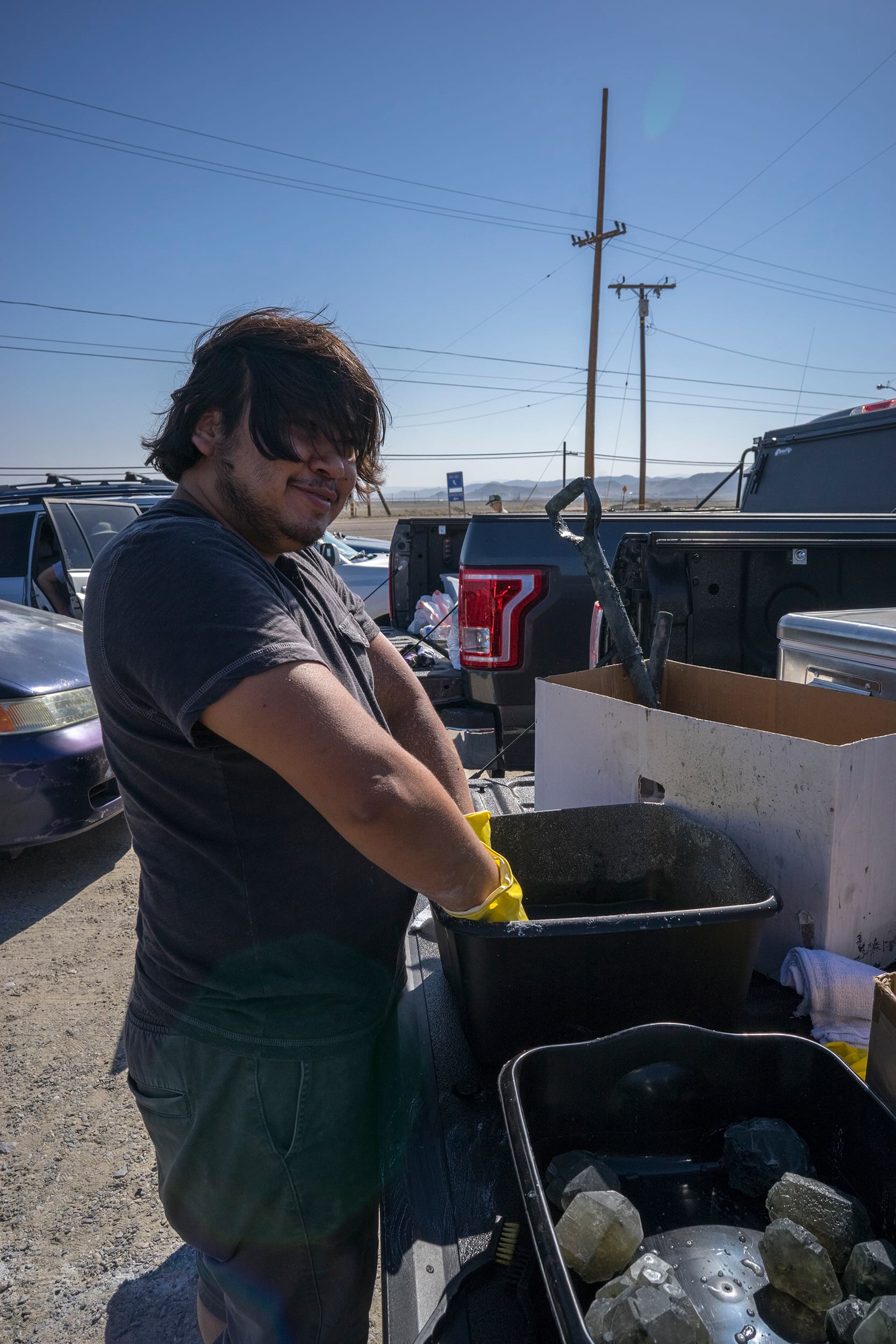
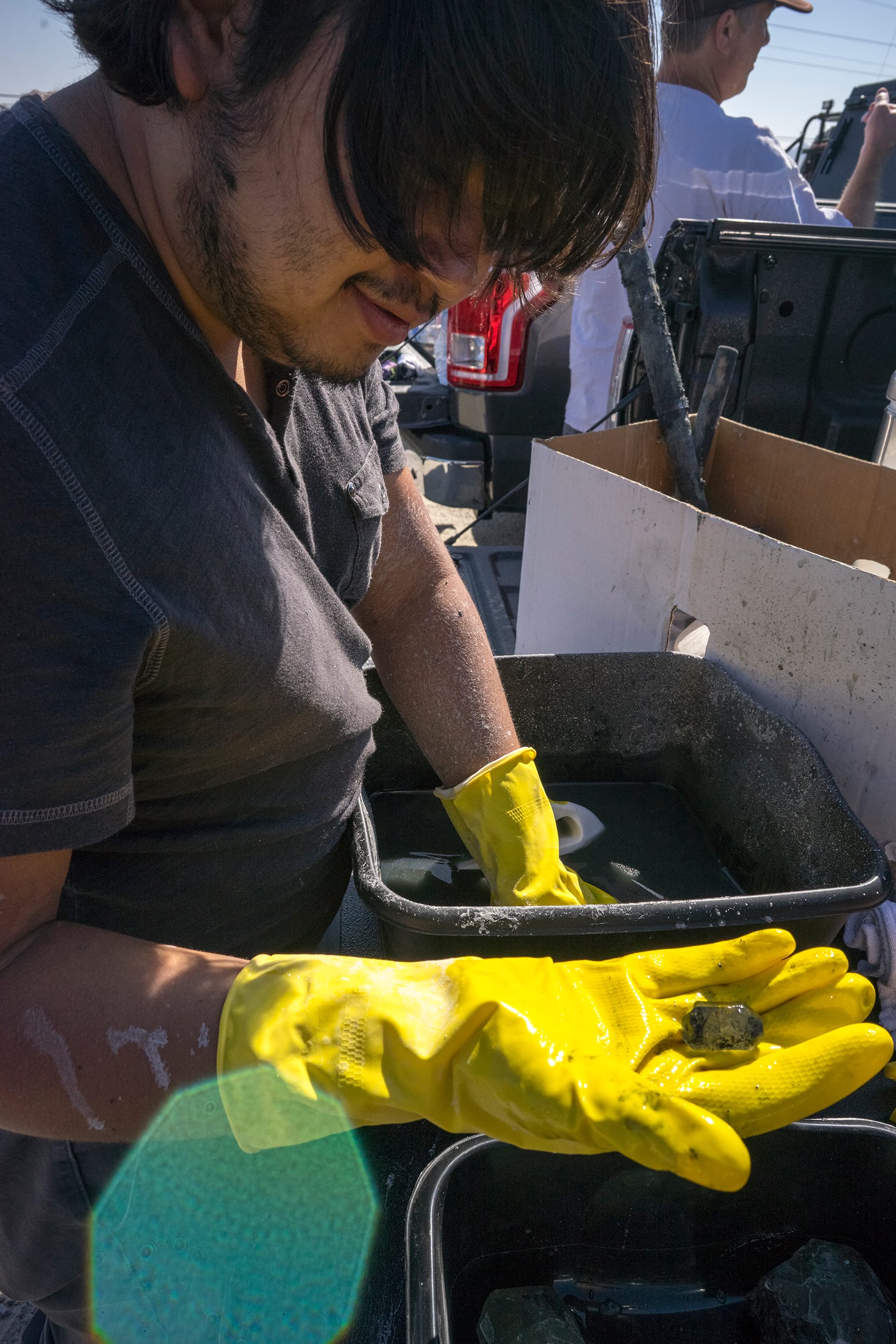
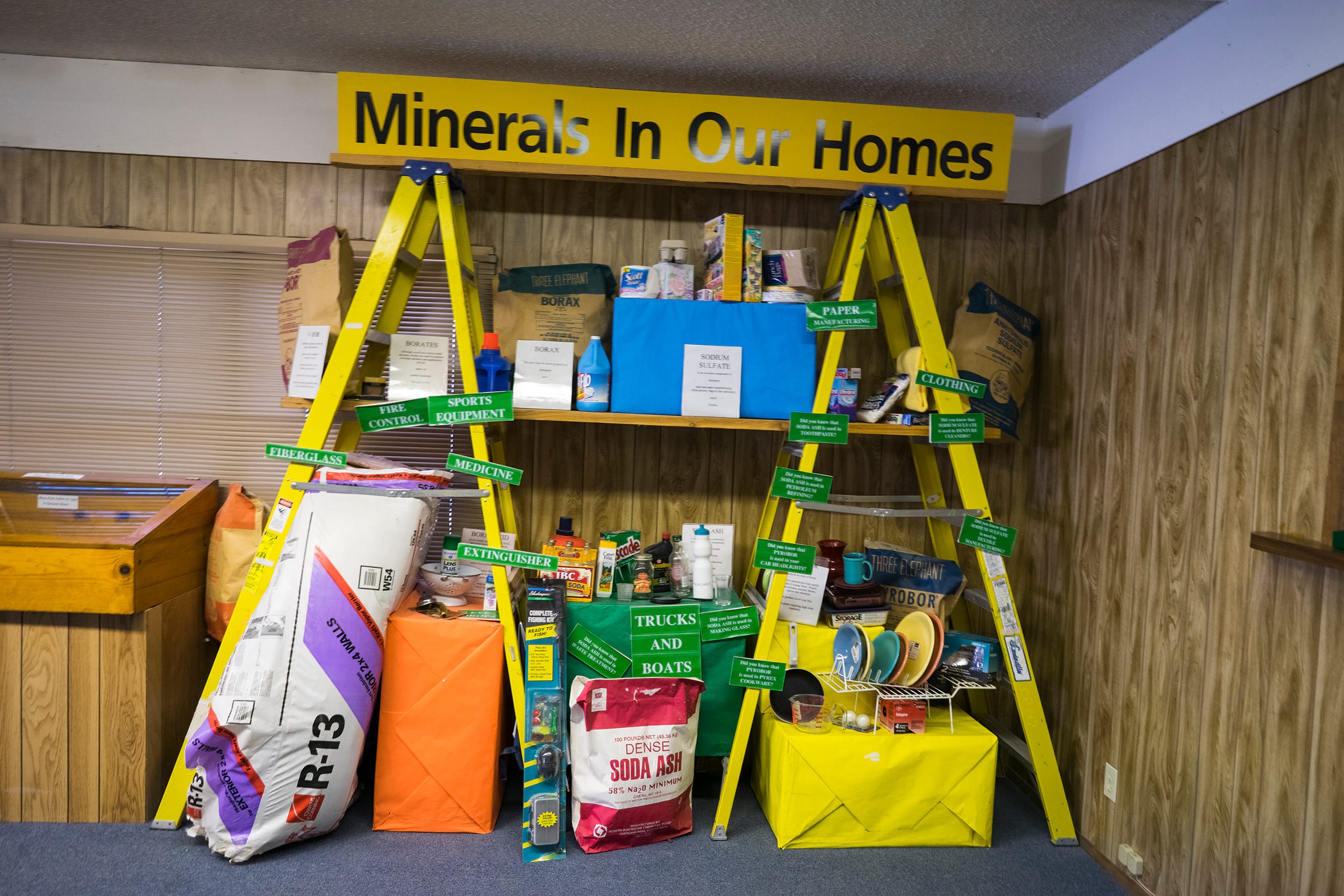
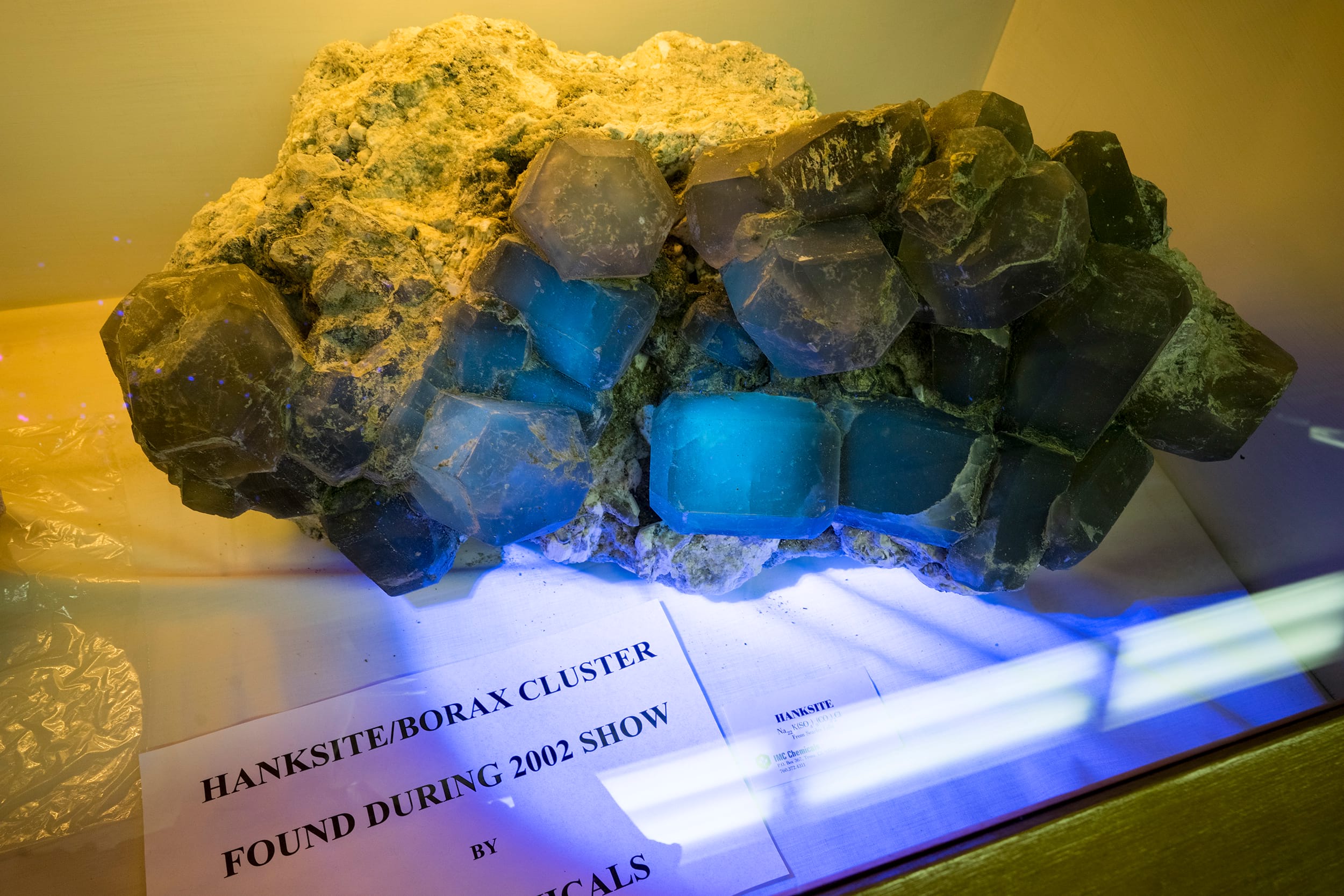
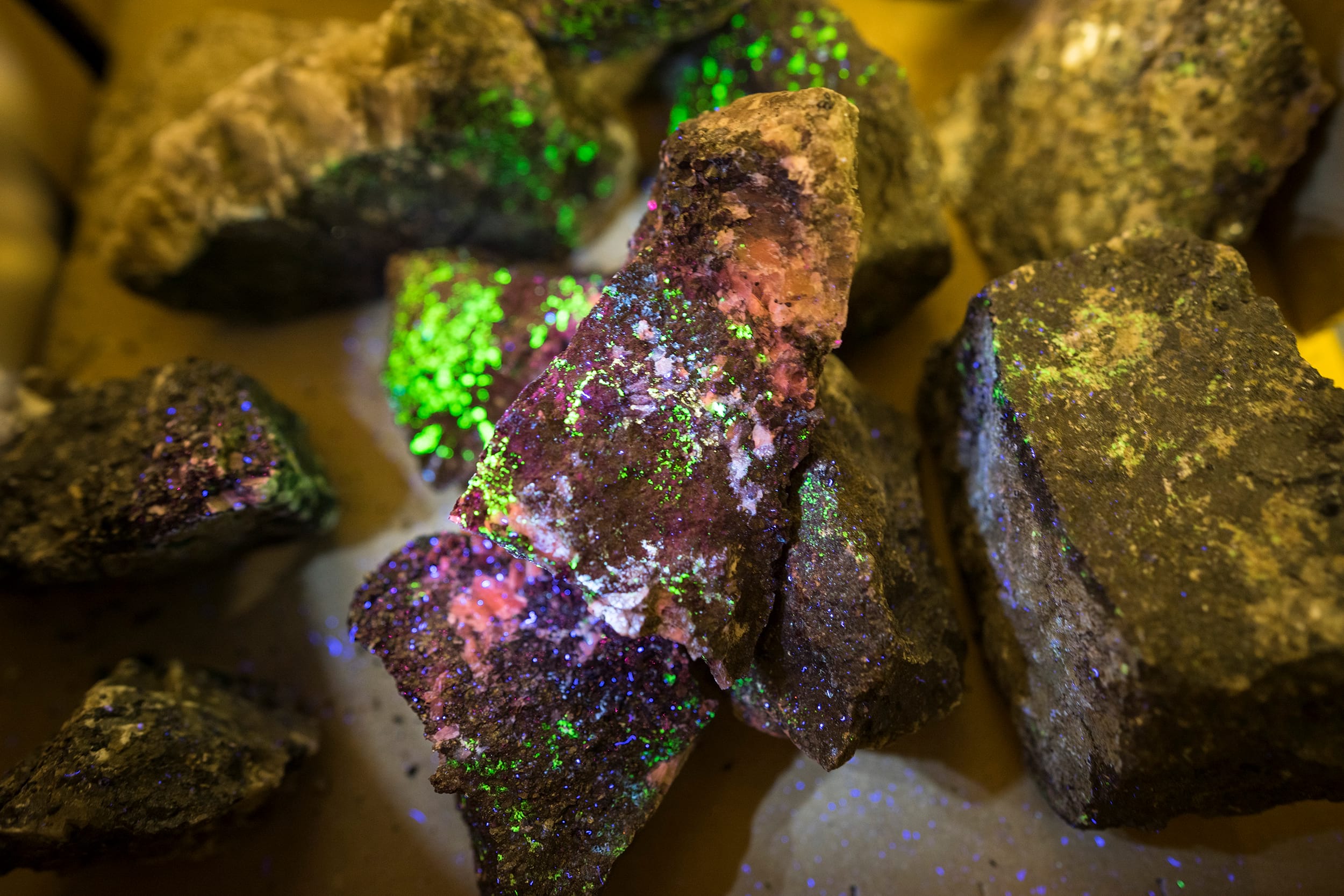
Once we had our bellies full (just a quick sandwich from their general store. Those delicious looking breakfast burritos sold out fast!) it was time to go to the blow hole. What a wonderful change of pace. After being incredibly muddy this was a place where you simply picked the minerals up off the floor. My tip is to bring plastic tools to this event. The crystals would get dinged otherwise.
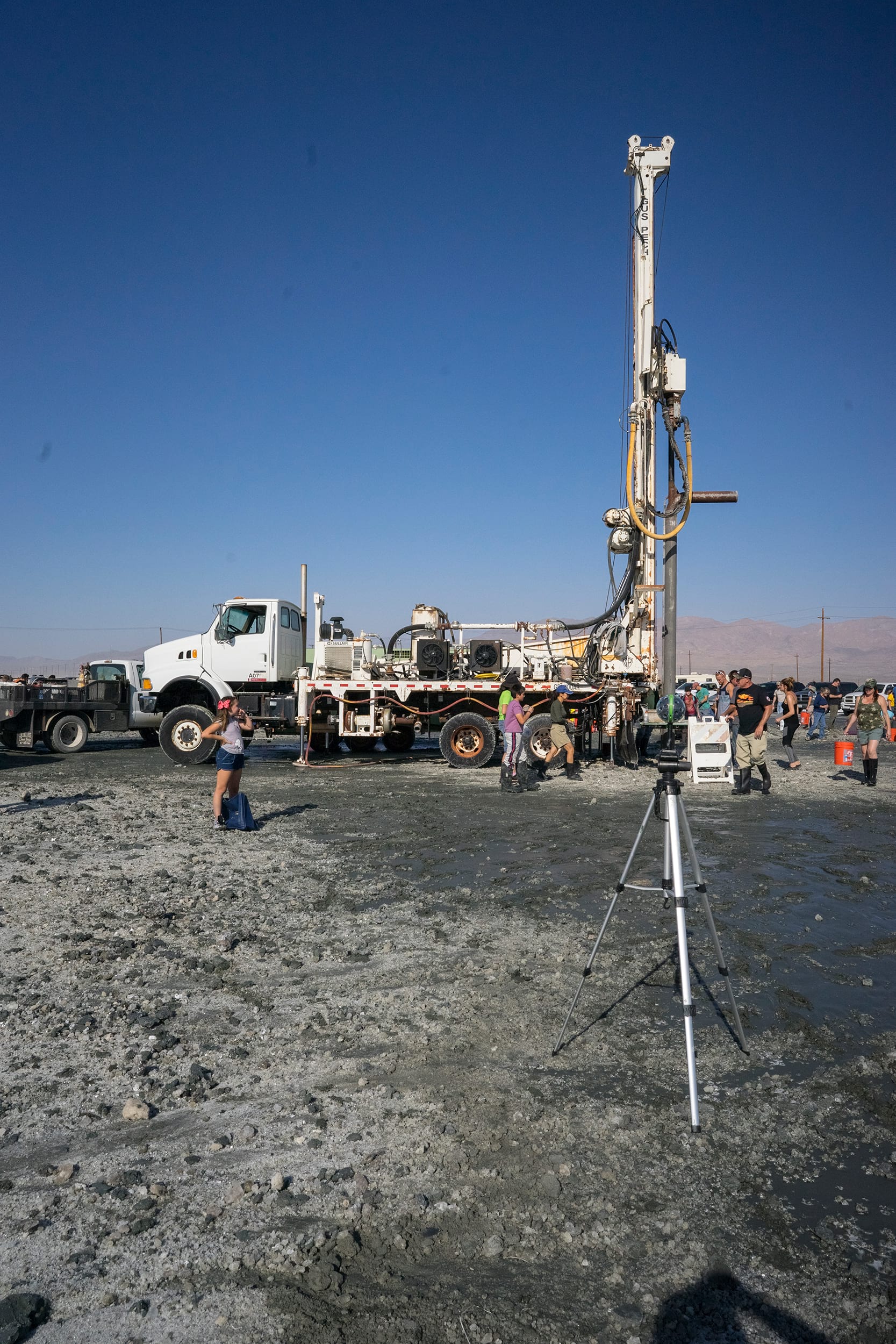
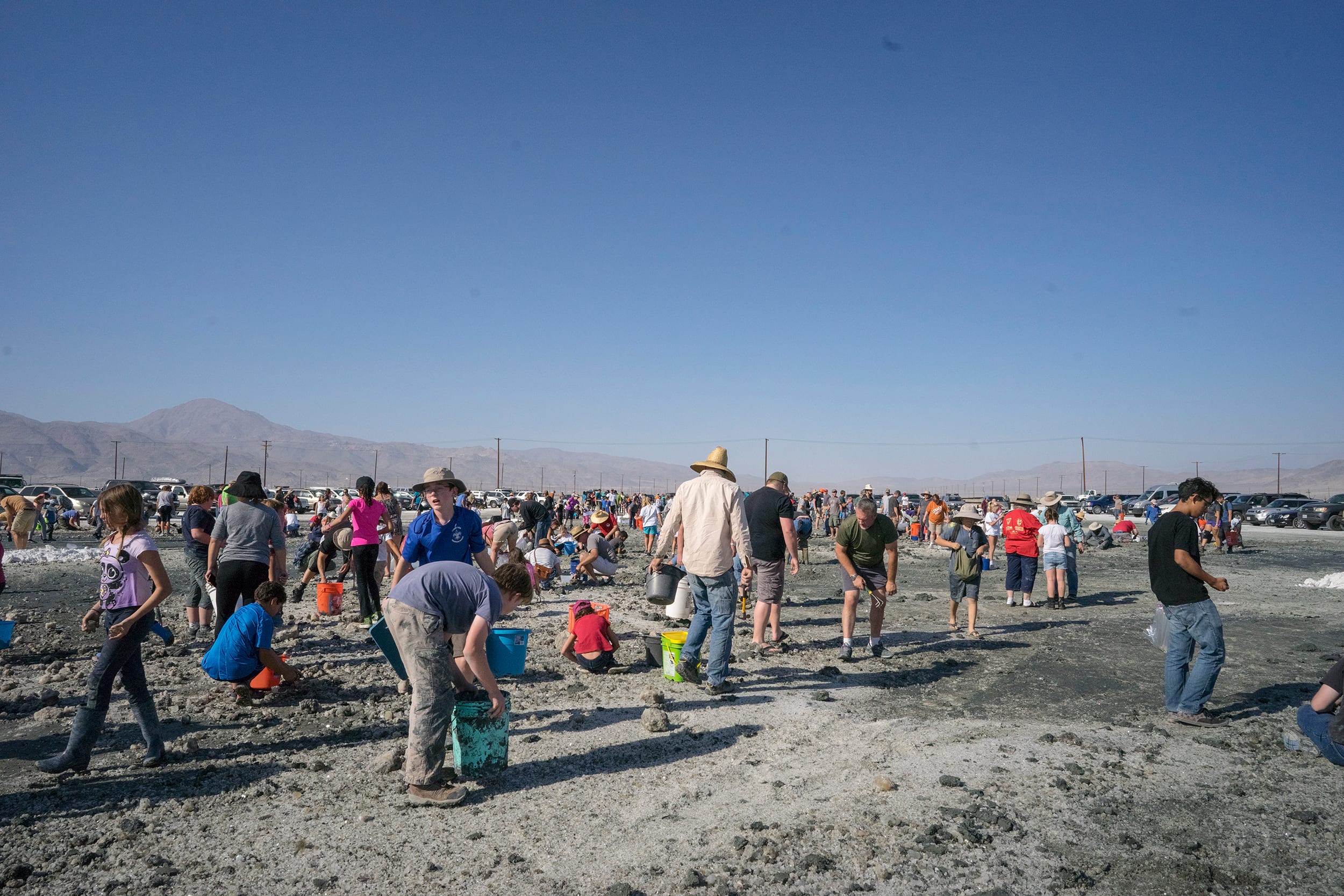
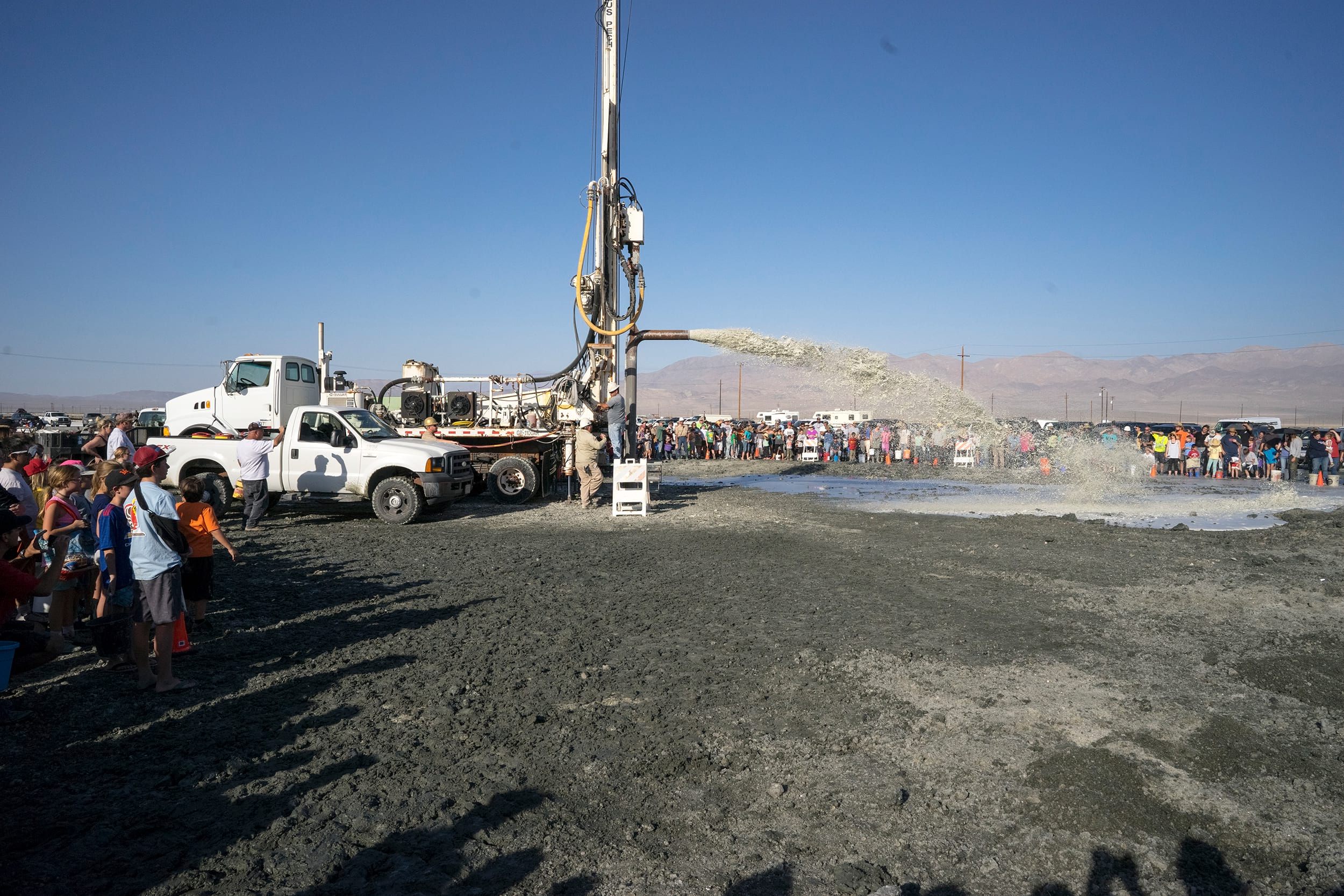
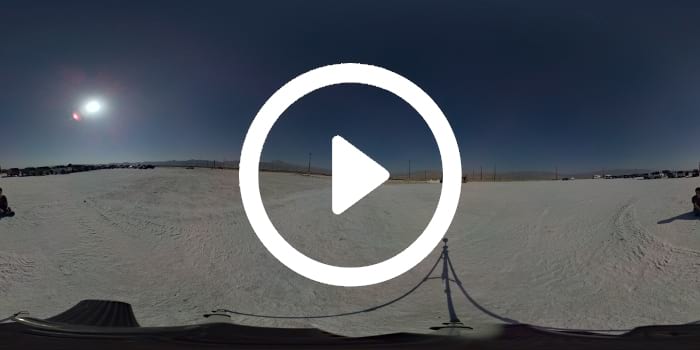
The first 360 is me sitting on the bed of salt that became our collecting area. The scale of the Searles Valley Mineral company is just mindblowing and even my 360s don't do it justice! Add a drone to the list of things I want. The next is me showing off a doubly terminated hanksite crystal while being stared at by the person next to me. Trust me when I say this happened a LOT! Everyone wanted to know what my 360 camera was.

And here are my finds from the blow hole section. My favorite piece is by far the twinned sulfohalite though. The perfect terminations as well as the twinning make it quite aesthetic to me. Plus, it's noticeably the brightest fluorescent mineral out of everything I collected.
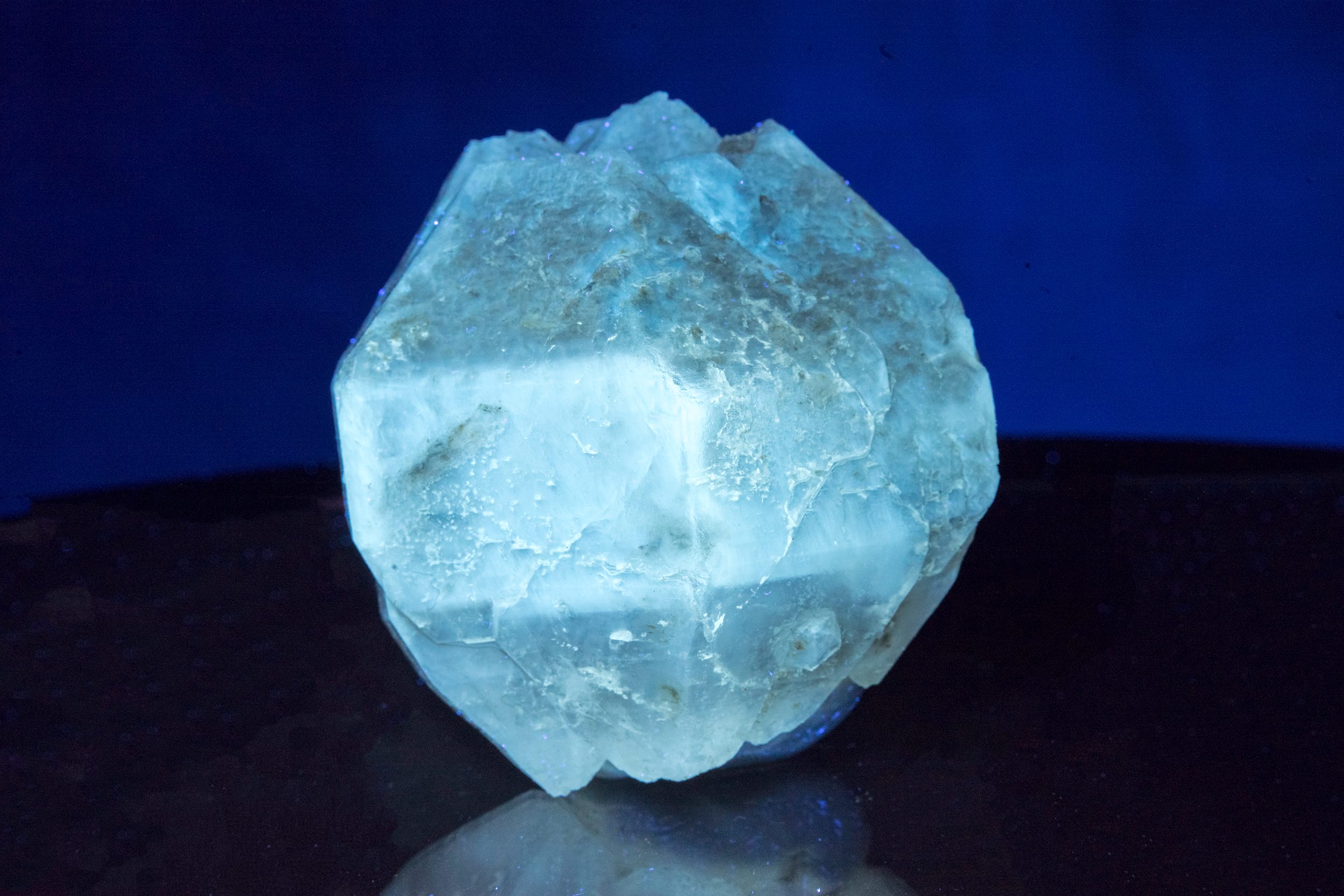
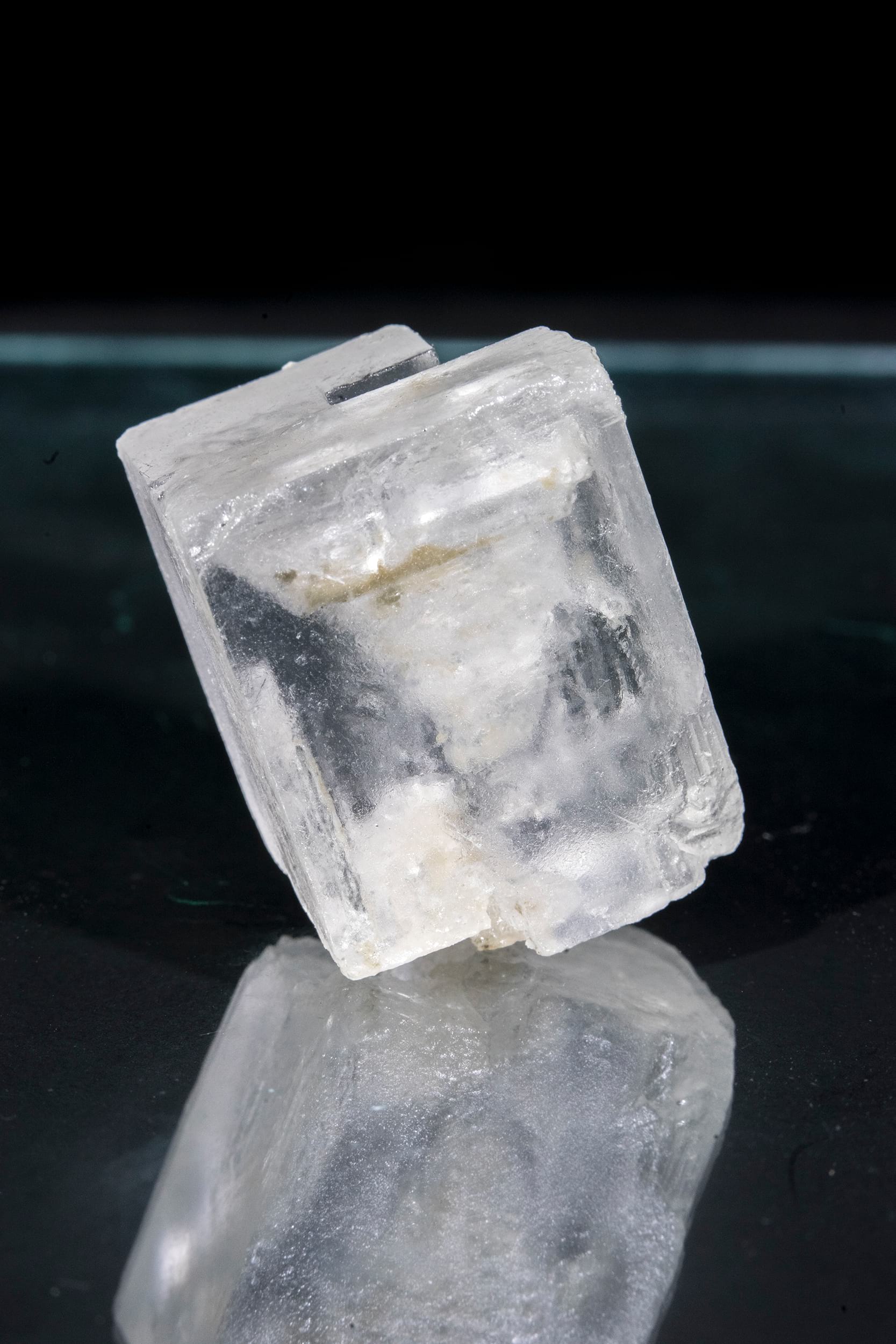
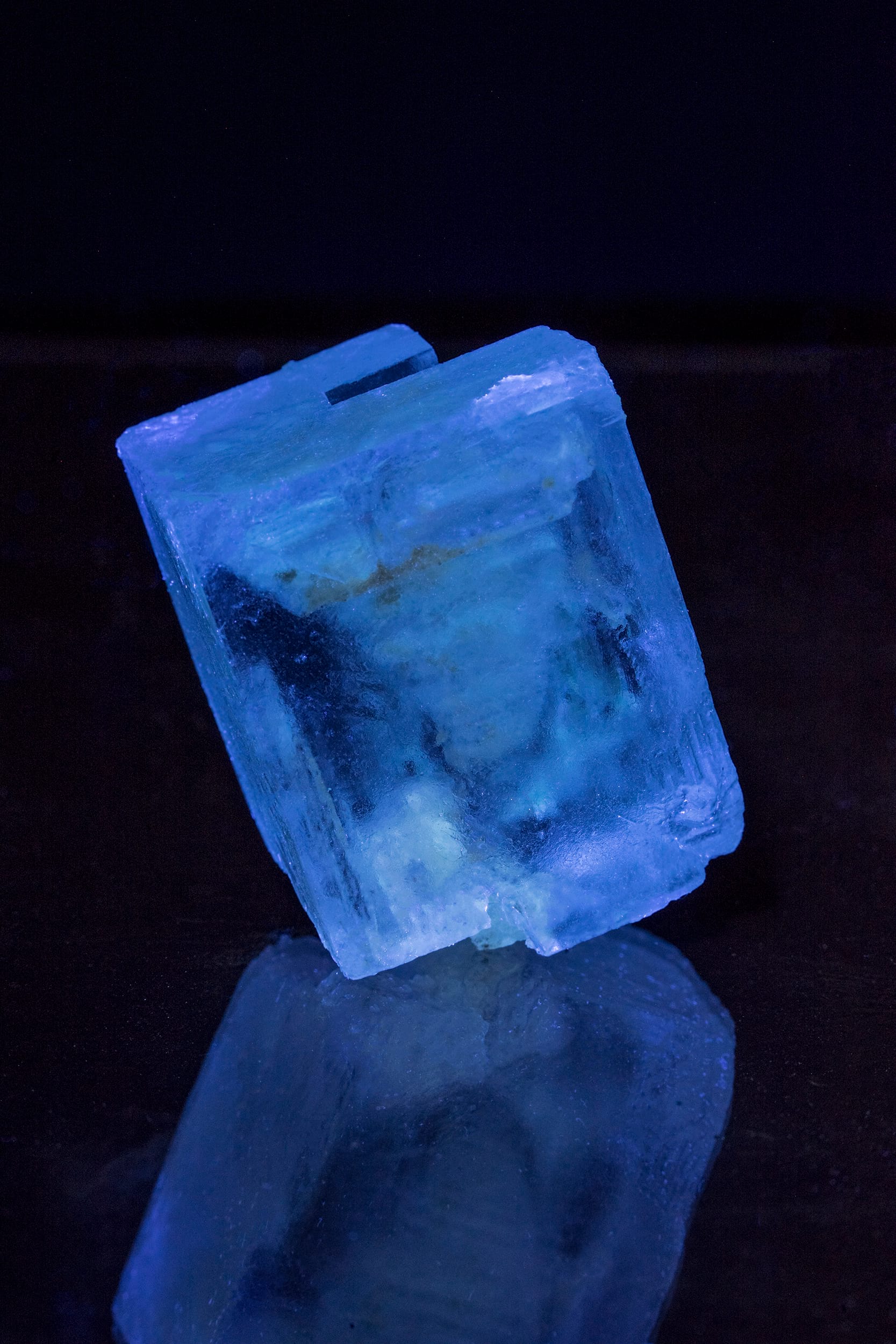
Oops! I took vertical video with my camera. It shows the phosphorescence nicely though.
While that was it for the Searles Lake events of the day it certainly wasn't the end of the day for us. After all, we're fluorescent mineral collectors and we thrive at night! The adventure would just be beginning for us. The first stop was the Grimes & Sexton Quarry. https://mrdata.usgs.gov/mrds/show.php?labno=10236095. According to the MRDS it was primarily a lead quarry with some other metals (copper, gold, silver). However, just look at the sheer scale of it! This was the one time I forgot to take a 360. Oops! This picture only depicts about 1/3 of the quarry too! What a lead deposit this must have been.

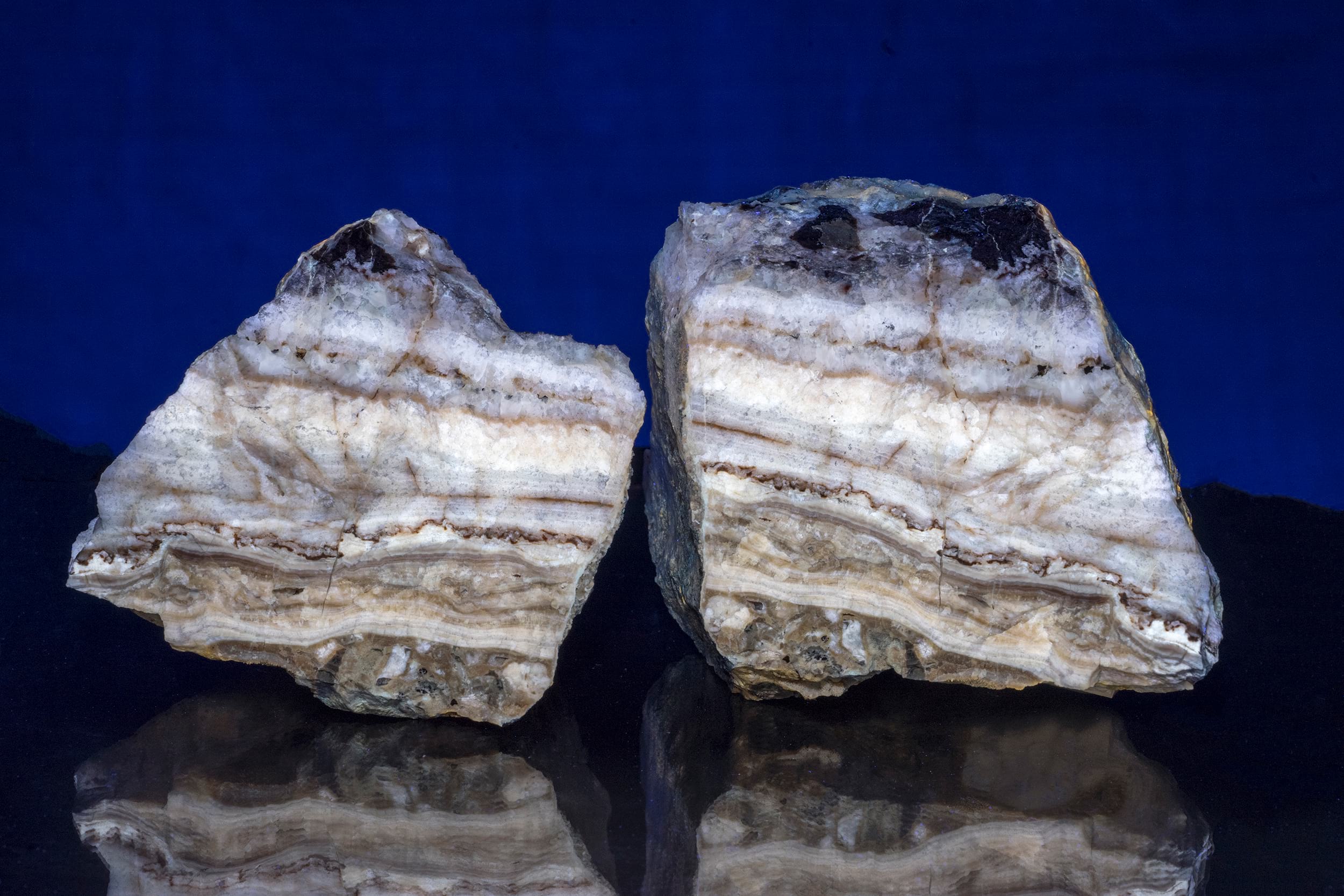
Not that we cared for the lead minerals. We were there solely for fluorescents! There was plenty to choose from but this was the piece that I took home.
http://www.raymond-wu.com/all/2017/11/4/calcite-chert-travertine
After this is where the night came short though. Dave's other place that he wanted to explore ended up being a bust. It doesn't seem to have been registered with the USGS so I don't know what the name of the mine is. It was just a small tungsten occurrence and I had already been spoiled by Atolia! Of note is that there were still huge piles of tungsten ore that should have been crushed. Nothing spectacular like the solid scheelite chunks of Atolia but large 100+ lb boulders with significant scheelite specks. The crusher stockpile that was left there still had a large amount of scheelite in it as well. It was almost as if the place was abandoned for whatever reason.
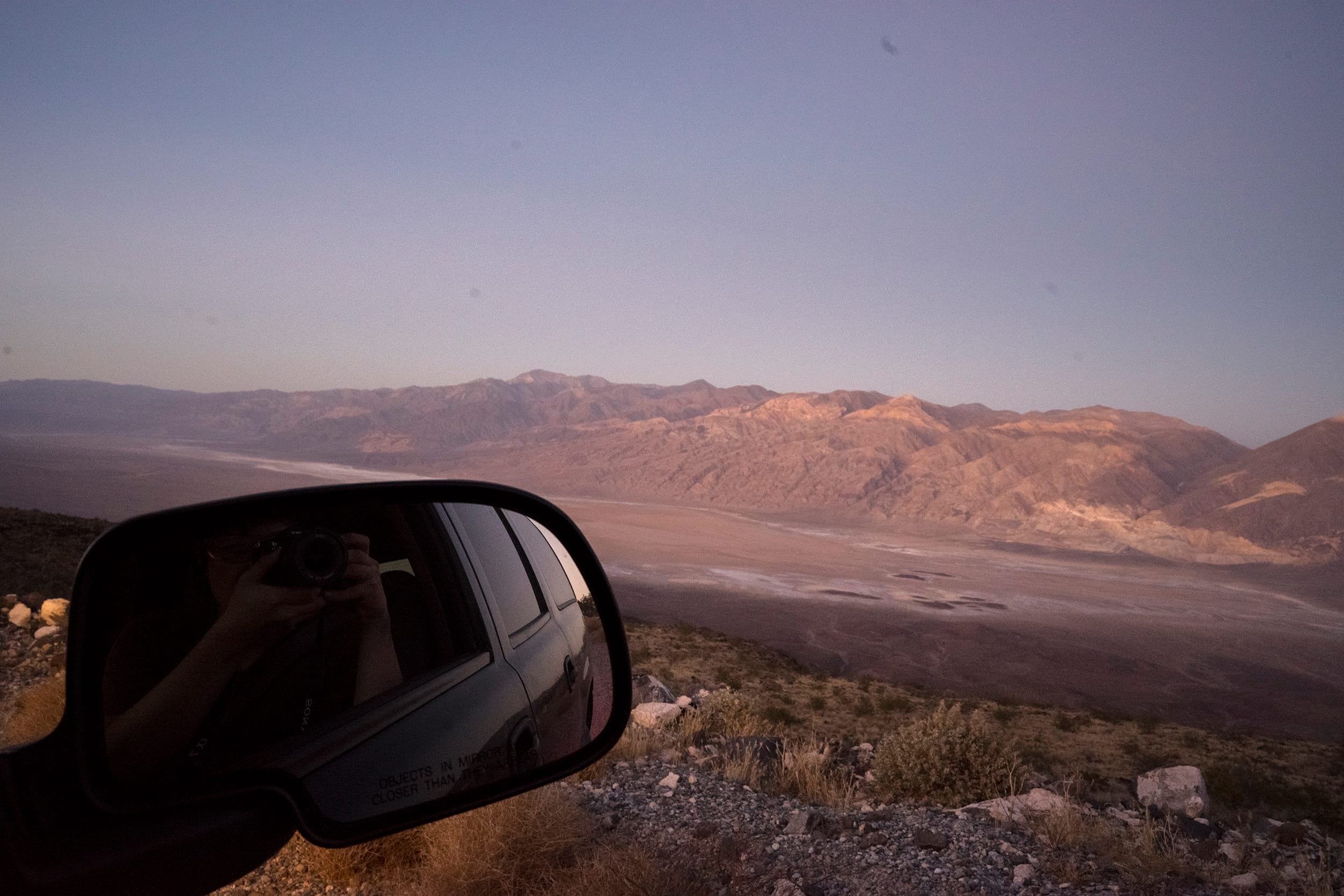
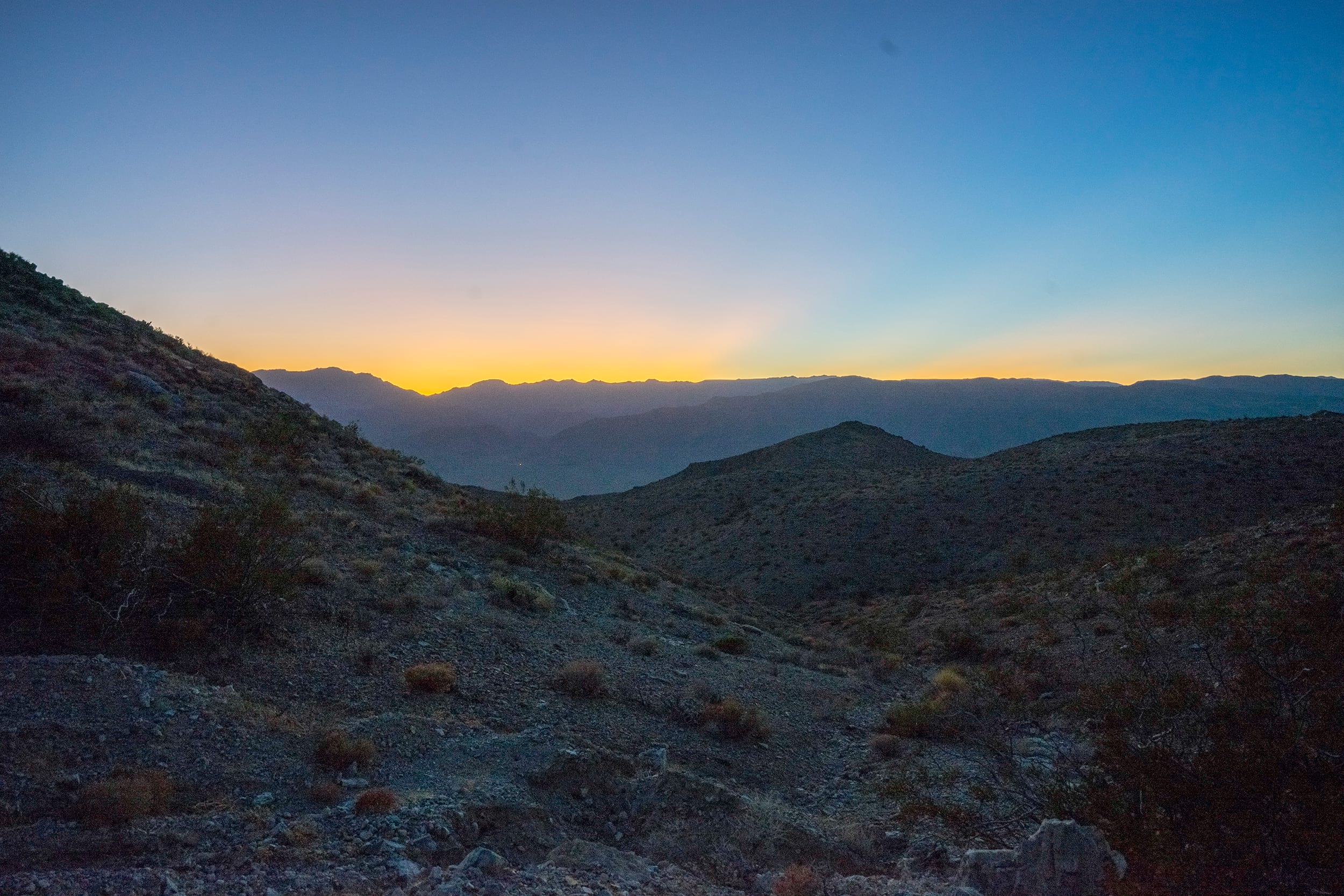
The next day is where Dave and I parted ways. He had to prepare for some job responsiblities on Monday. My thinking was "I'm already here. Might as well go through with the full experience. I knew full well that the pink halite was not a good fluorescent specimen as I had seen plenty at shows and even purchased a piece when I was first starting out. Needless to say I didn't intend on bringing any home. I said to myself that I'd only bring home a piece if I found a small plate with exceptionally large crystals. Another tip is to not use the pry bars that they supply. I tried it out for about 20 minutes before I just moved straight to the rotary hammer I had brought. Much quicker and I could flip over larger amounts of pressure ridges (bumps on the surface of the salt bed where crystals form) in record time.
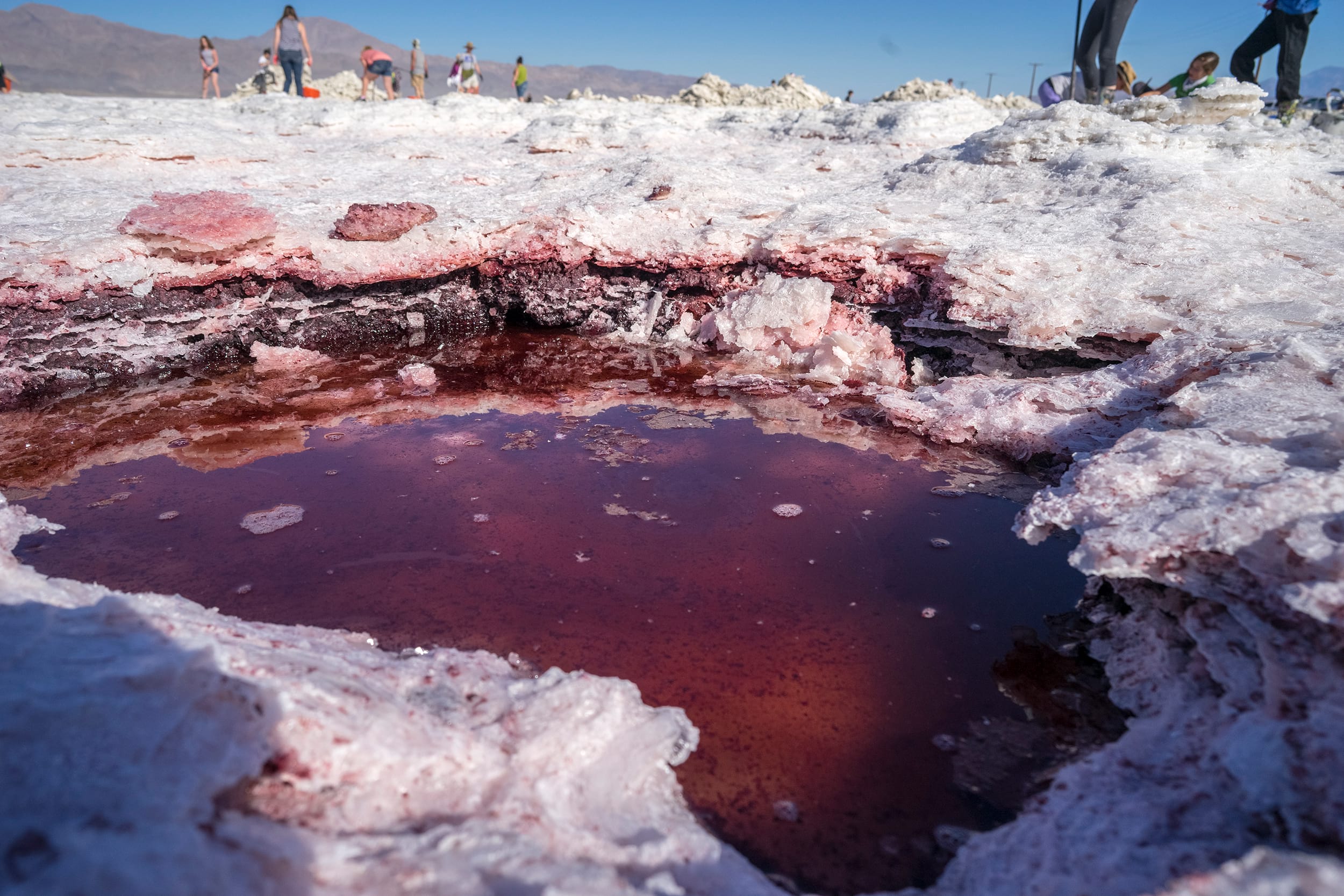
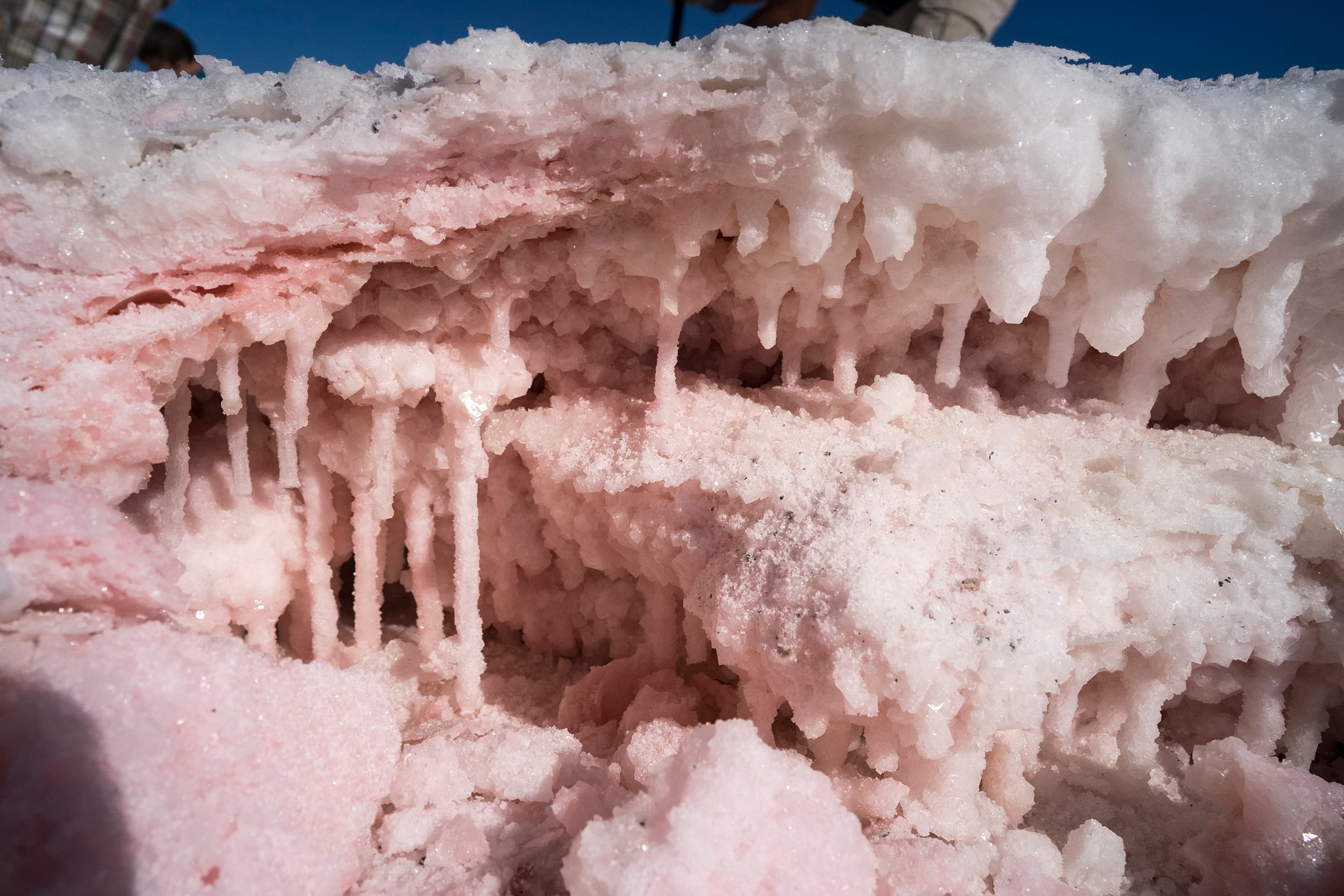
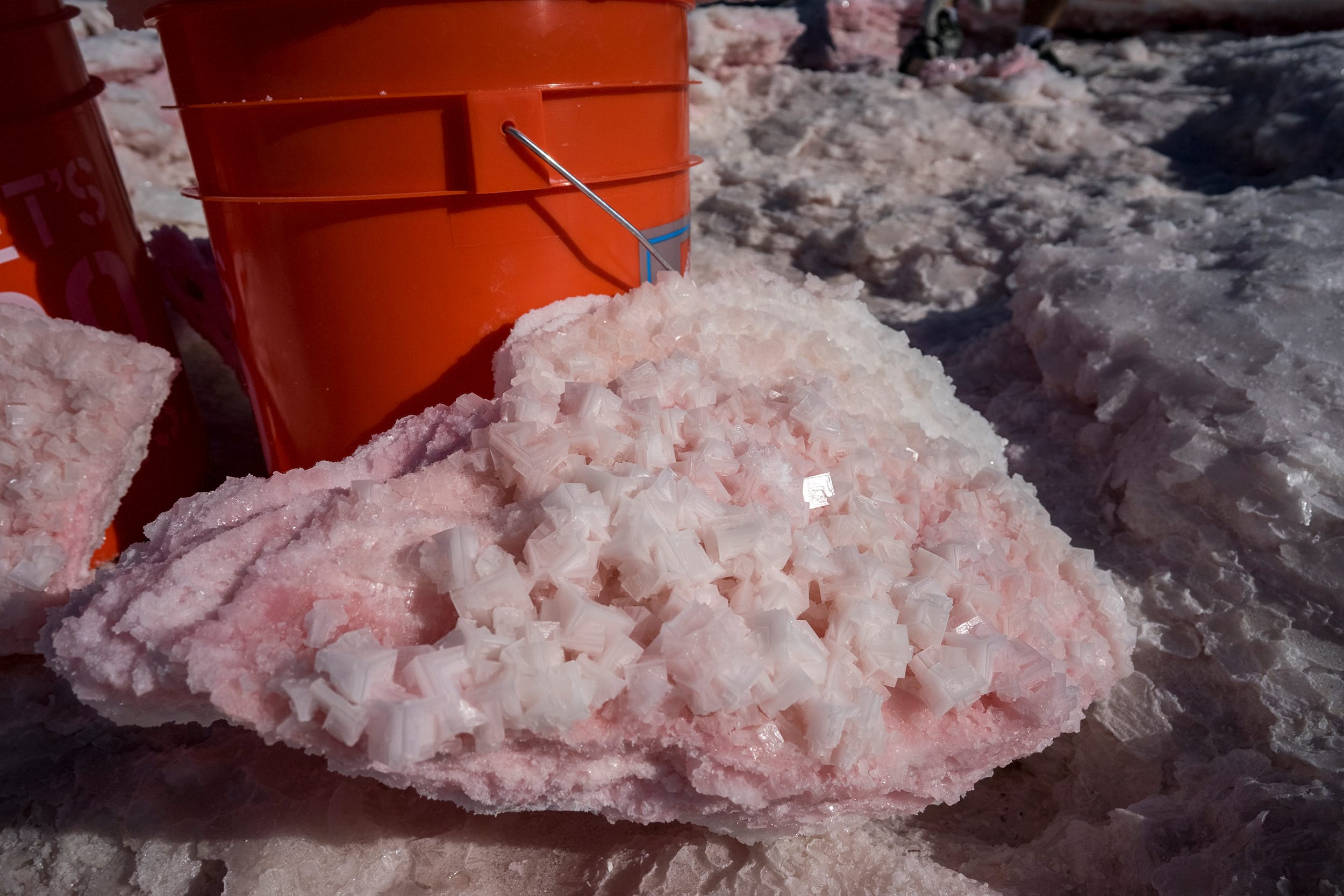
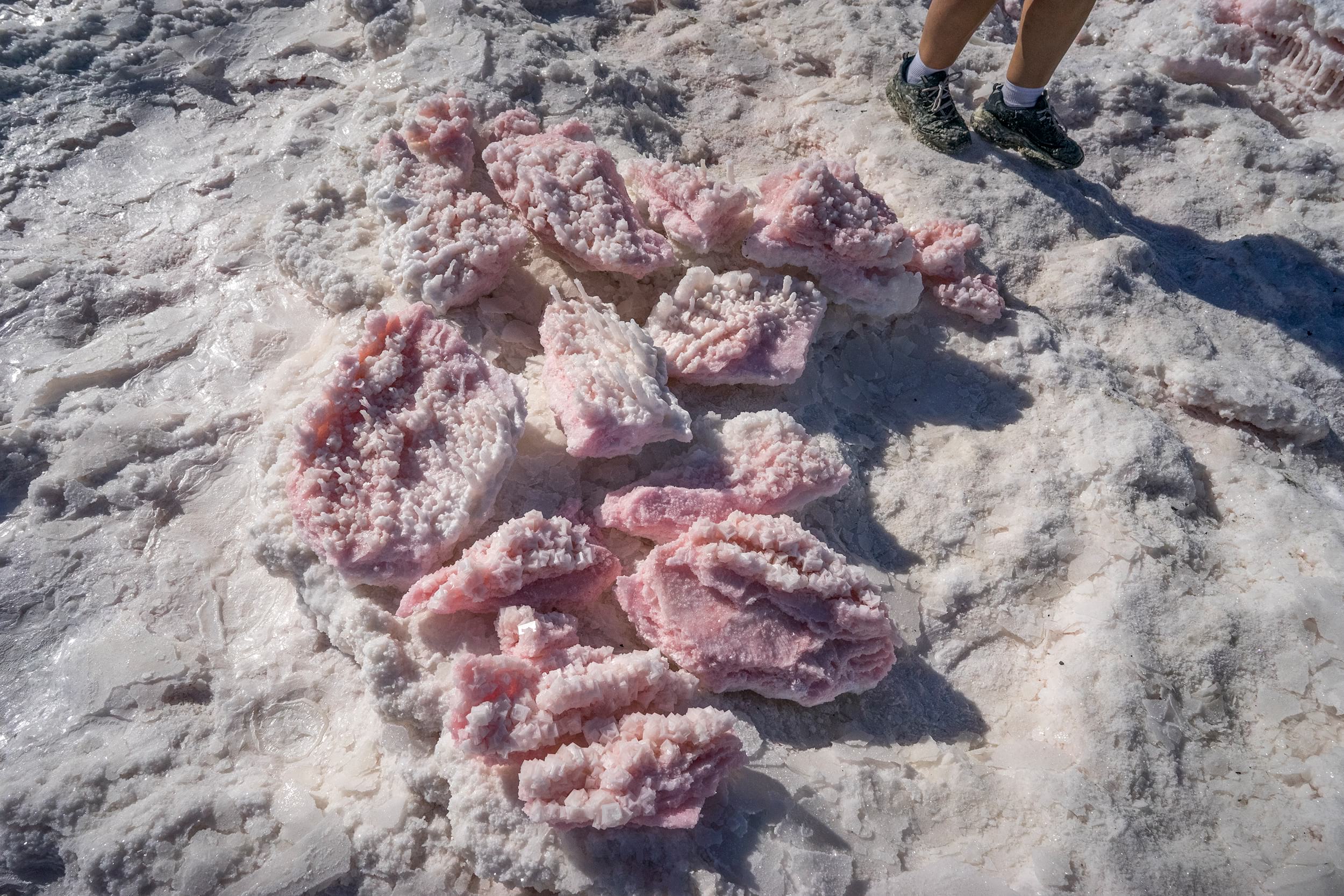
So what did I end up with? Not quite the large 3-4"+ crystals I had hoped for but a halite that was twinned side by side totaling about 2.5". It wasn't even worth my time to set up a proper photoshoot but I wanted to highlight the difference between the two pieces in the photo. The one on the top is a piece that I had bought when I first started out 3 years ago. It has long dried out and is closer to an orange color than the original pink. However, it fluoresces brighter than the fresh piece I had gotten. Quite interesting!


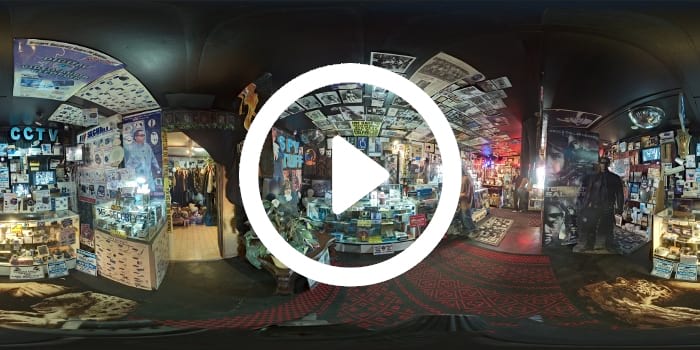
While the events of that year's Gem-O-Rama had concluded I still hadn't had enough. I wanted to explore more since it was still so early in the day. I decided to visit some spots in Randsburg, the first of which was the Historic Owl Cafe. I have to say that places like this are where 360 cameras really shine. There's so much effort and interesting history covering such a small area I don't think anything other than a 360 could do it justice. The owners, a husband and wife duo, had quite an interesting story. Originally their store was situated in Los Angeles as a security store - the remnants of which can be seen in the 3rd 360. However, they wanted to get away from the hustle and bustle of the crowded city and so they moved to Randsburg. The husband already did occasional gold panning so why not settle on a place with so many fee digs and weekend gold mining areas. The amount of artifacts and curiosities they've accumulated is no short of amazing for the size of the place!


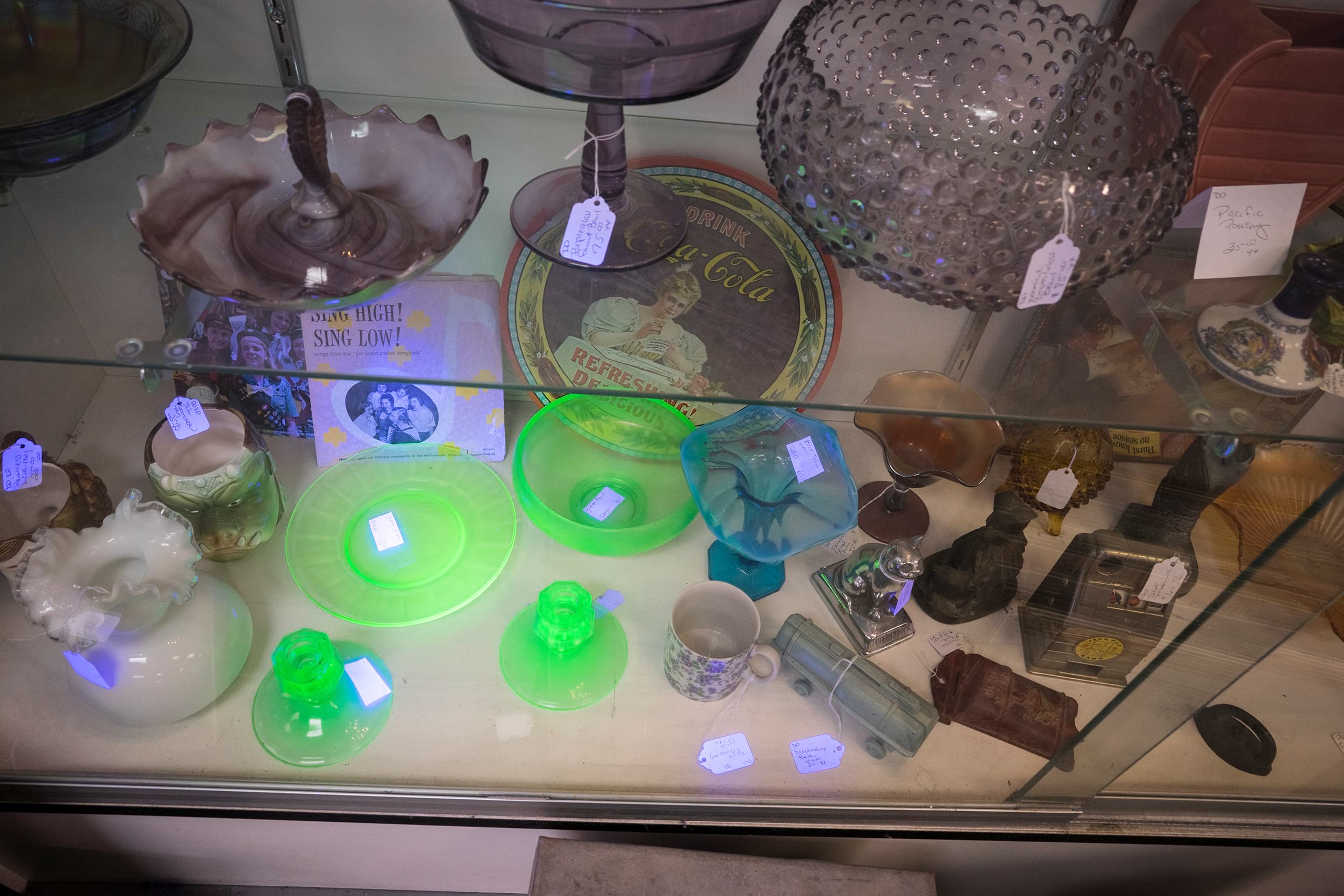
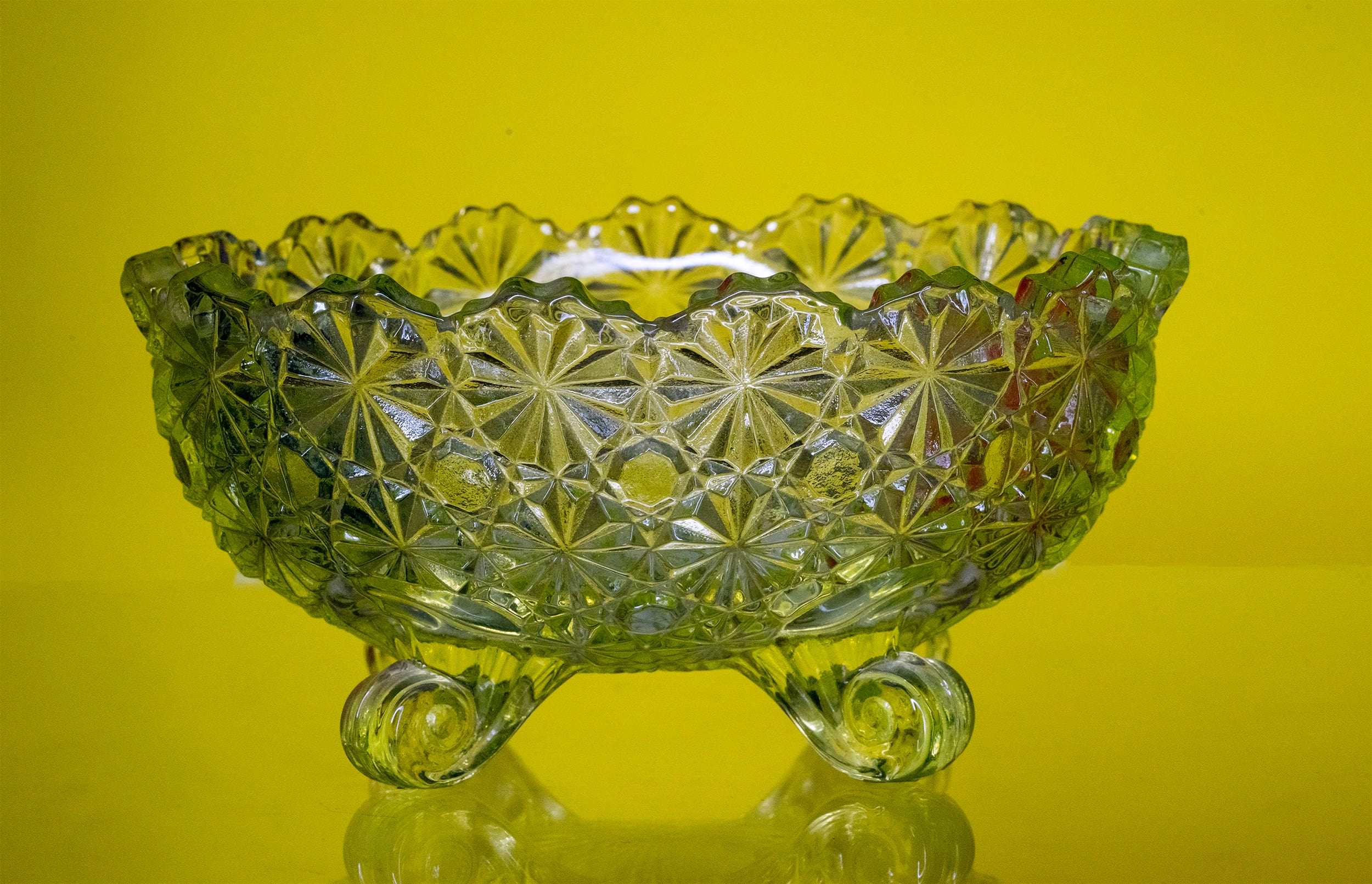
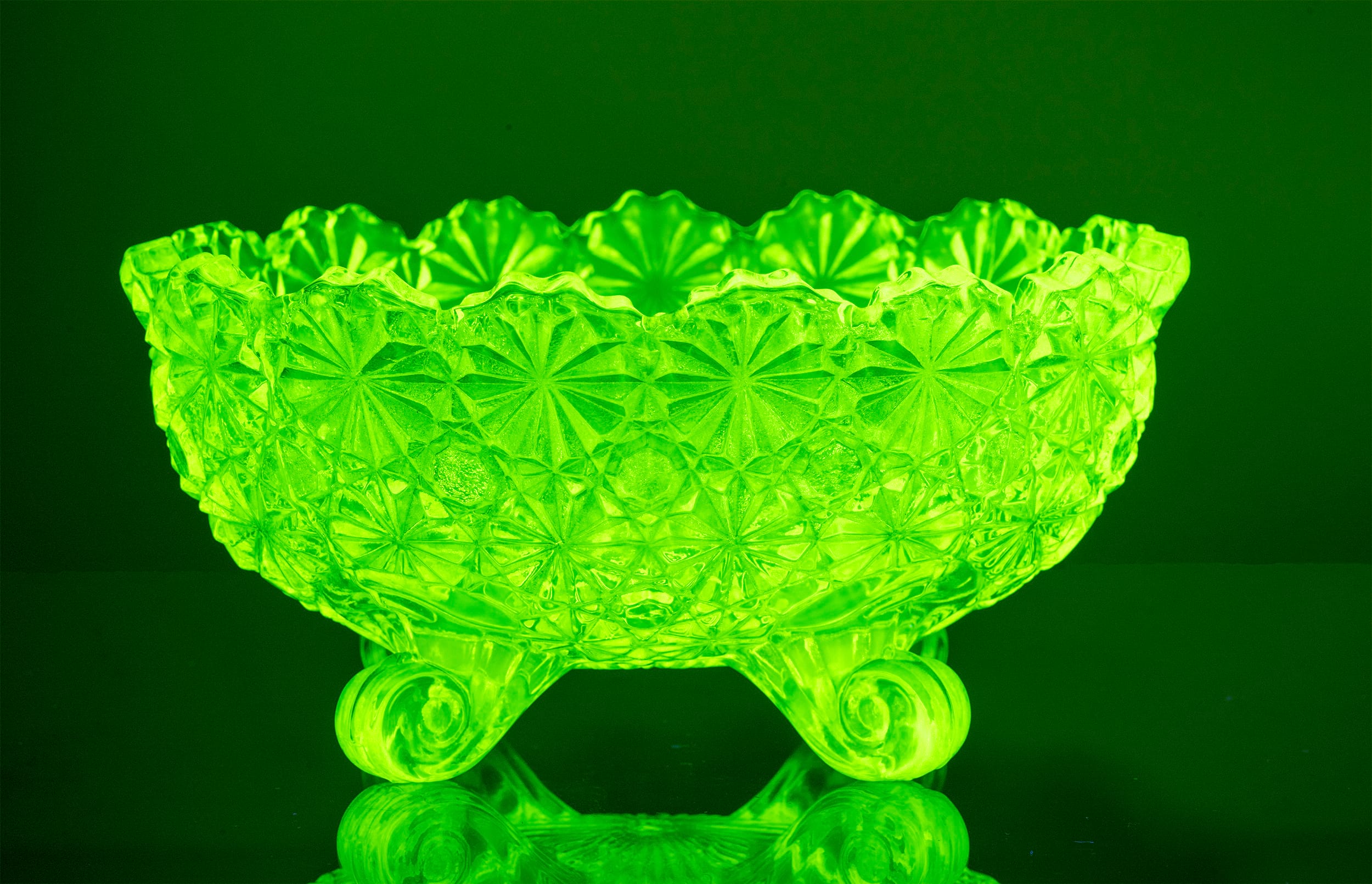
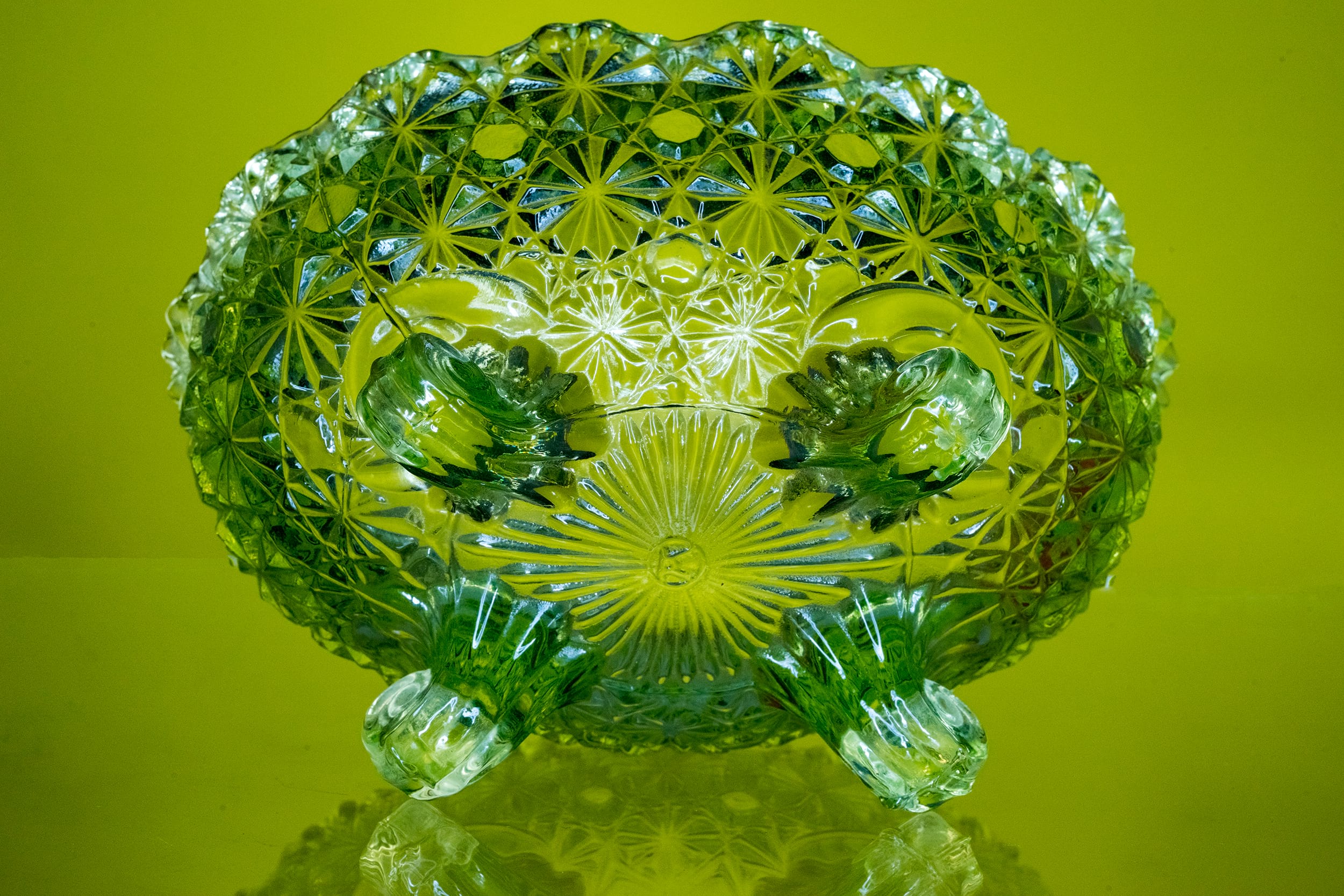
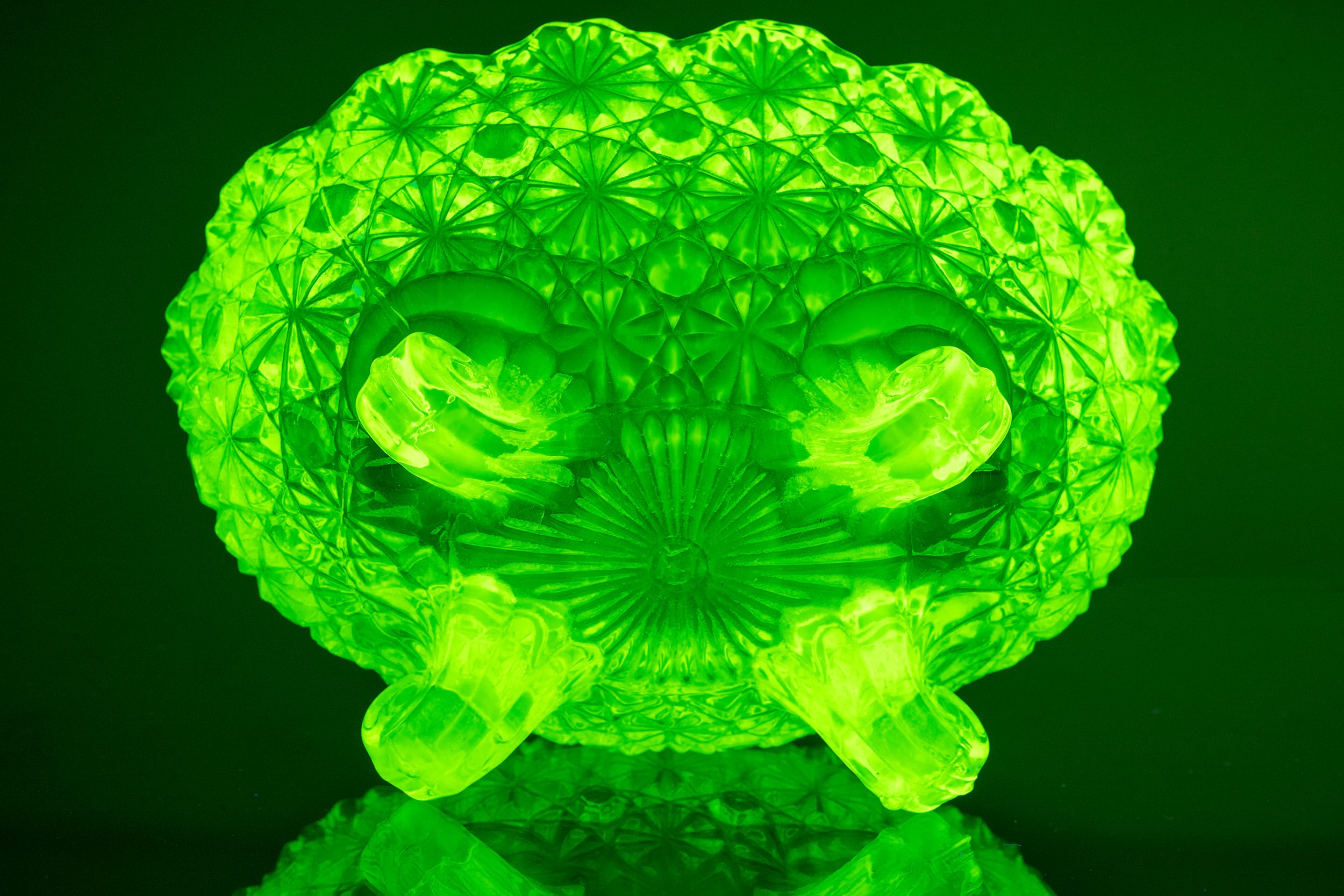
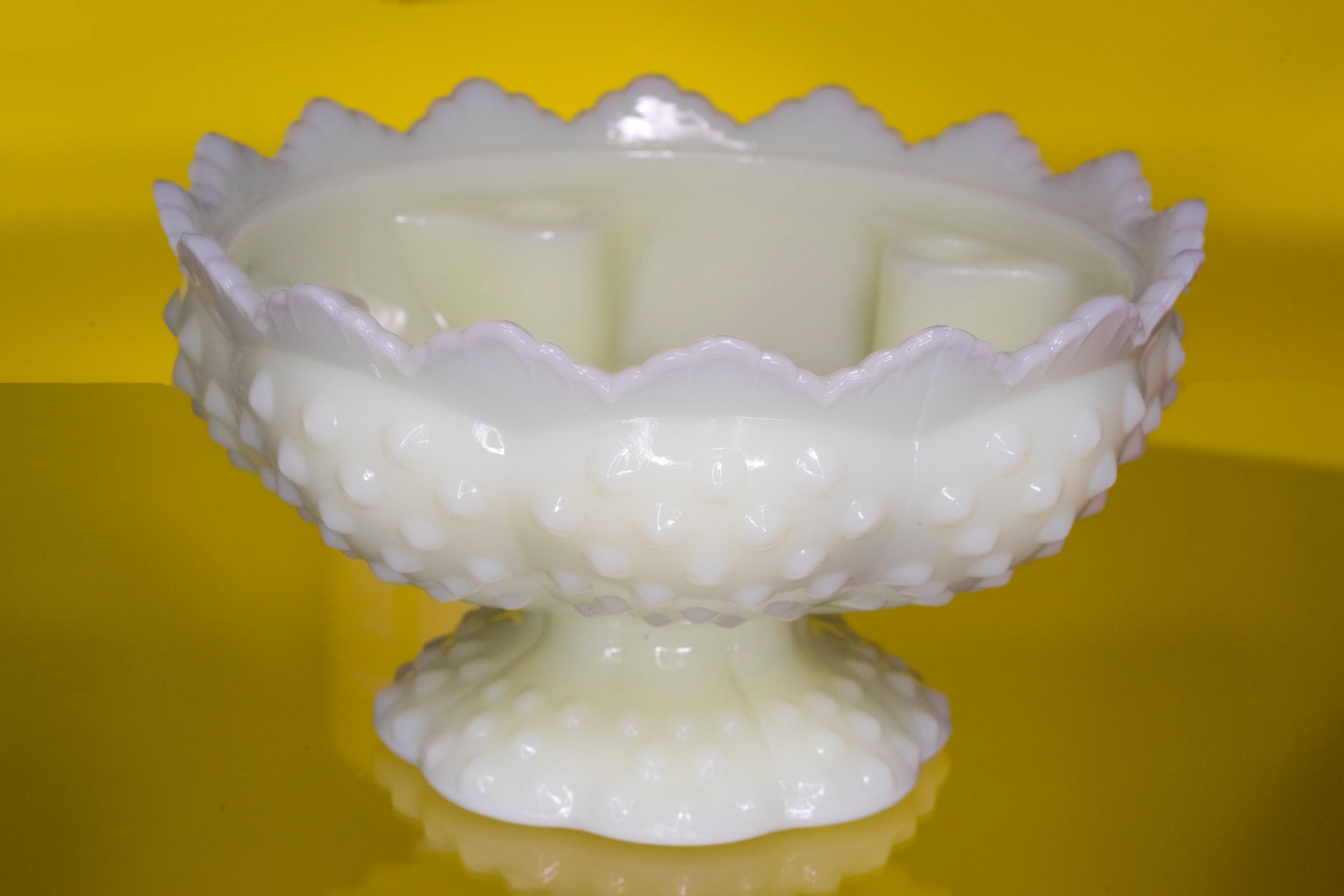
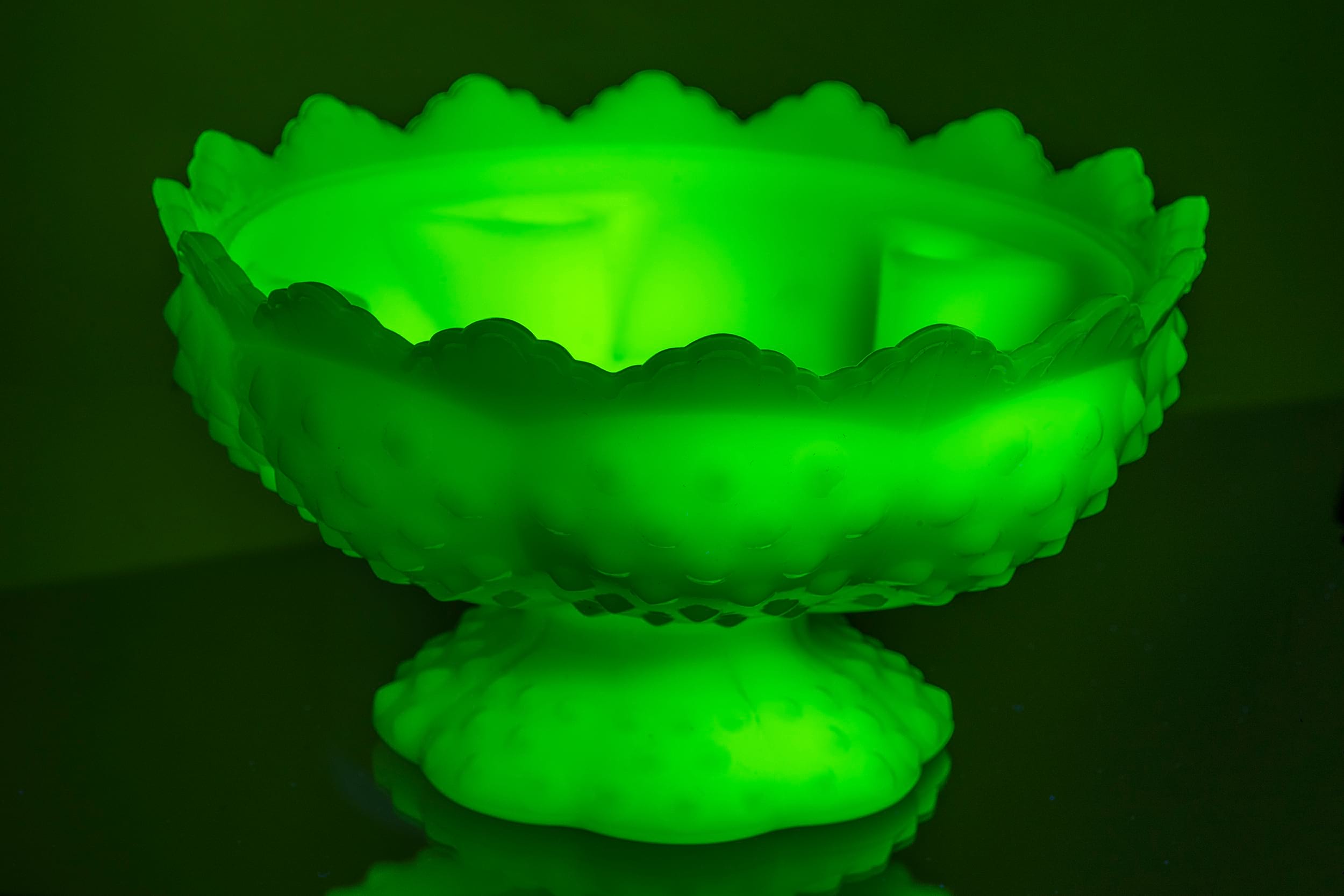
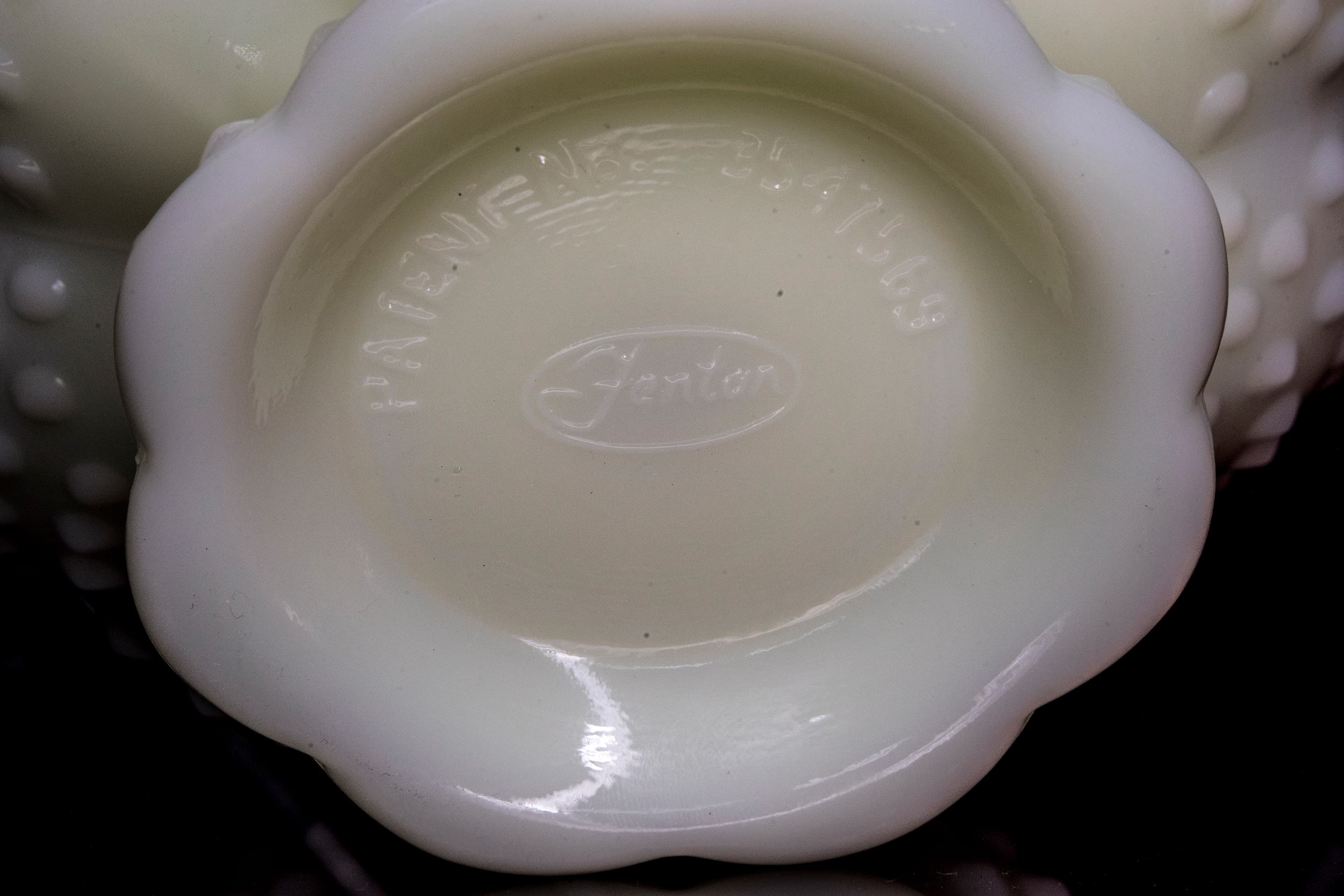
One of the other things that I enjoy doing when I go to remote places like this is look for antique shops. There are always interesting items that had been passed down through the generations. The place I found (and I don't remember the name unfortunately) had a wonderful trough of antiques. However, I decided that since I had found some uranium and depression glass in the remnants of a bonfire I impulse purchased some that was for sale at this antique shop. Unfortunately, while the shop owner didn't know that they had any uranium glass, I didn't get the killer deal I was expecting. Still, it beats having to risk purchases from eBay and the postal service damaging the fragile glass! Interestingly the candelabra is made by Fenton and has the patent no 3547569. Without looking it up I'm going to guess that it's a design patent!

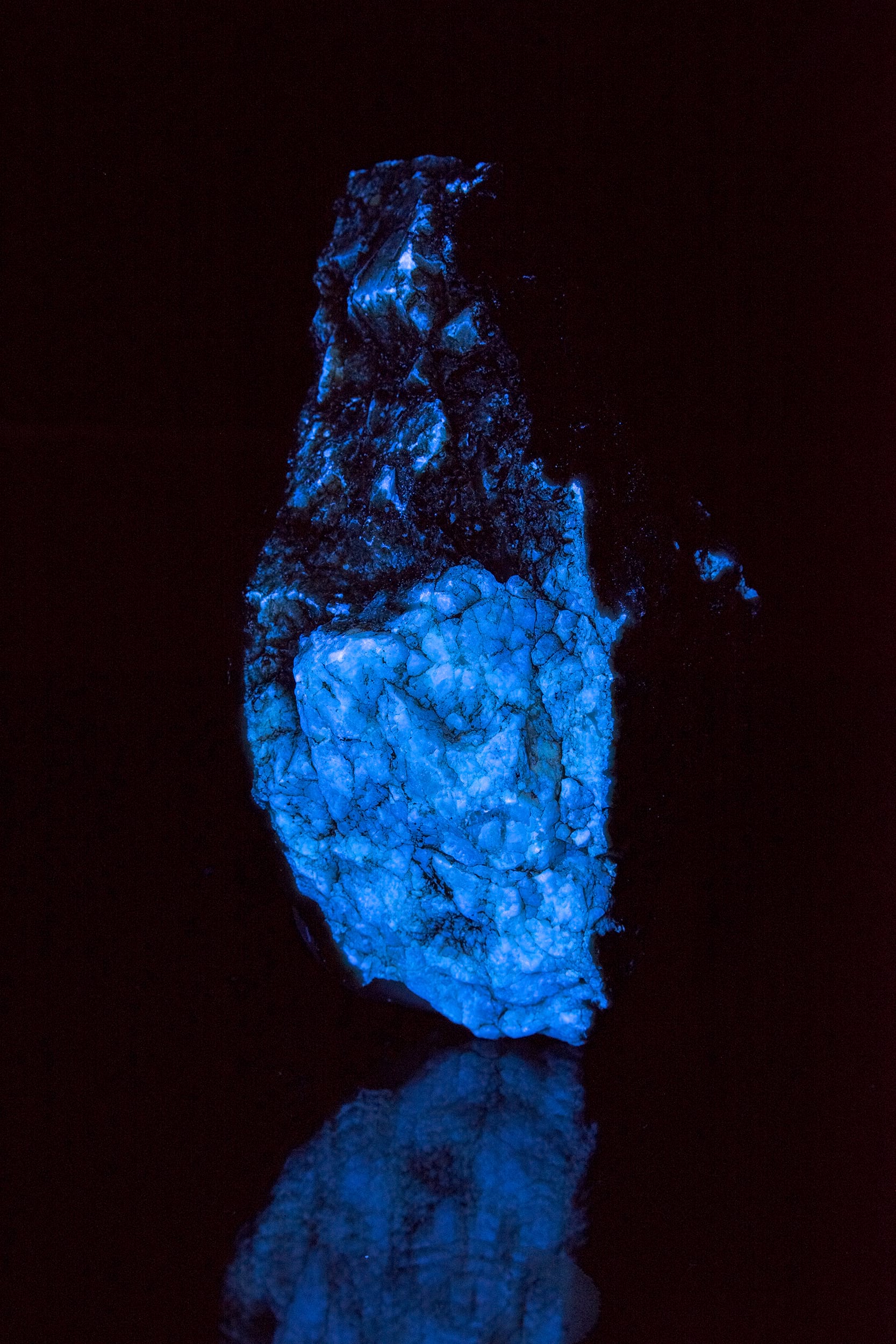
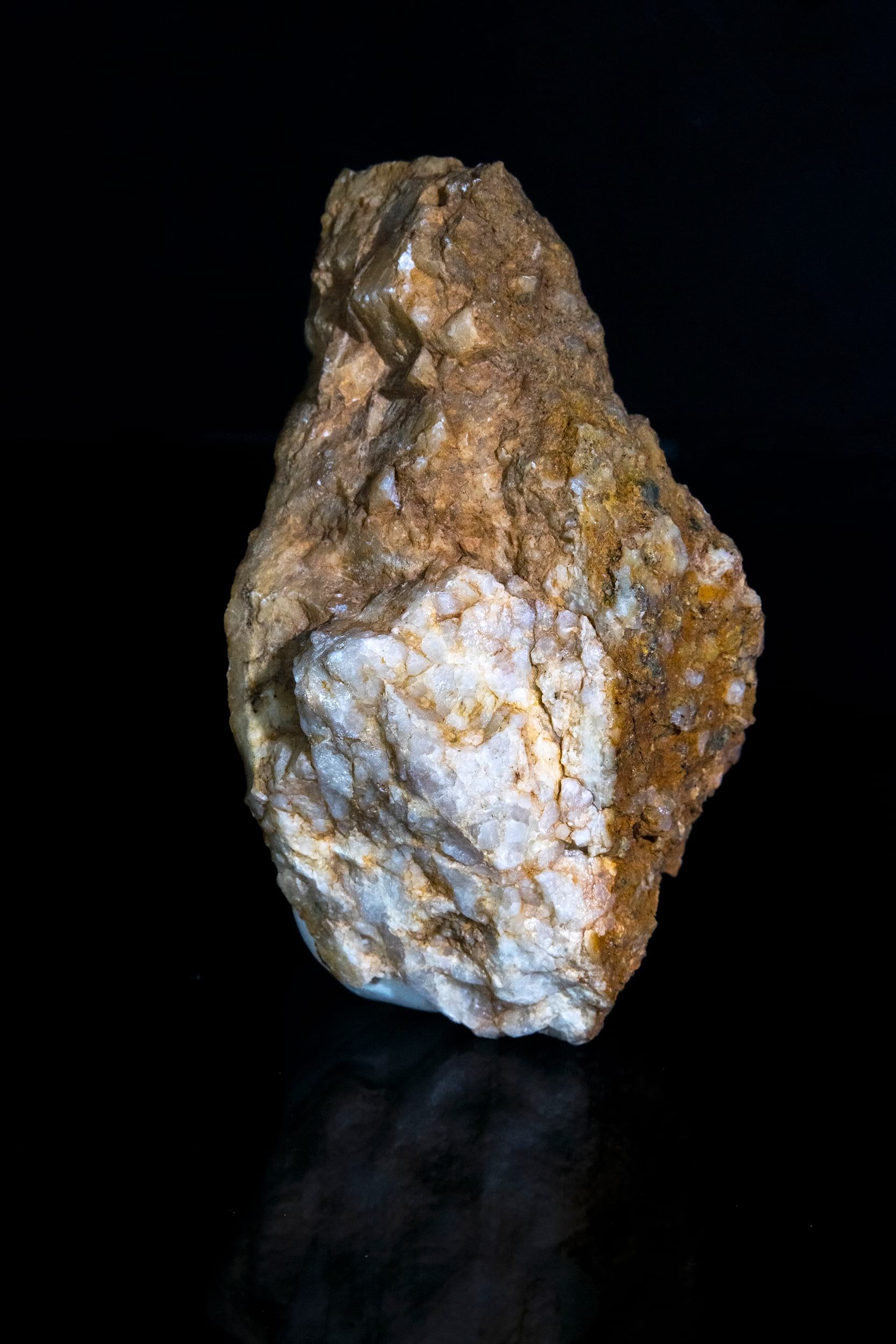
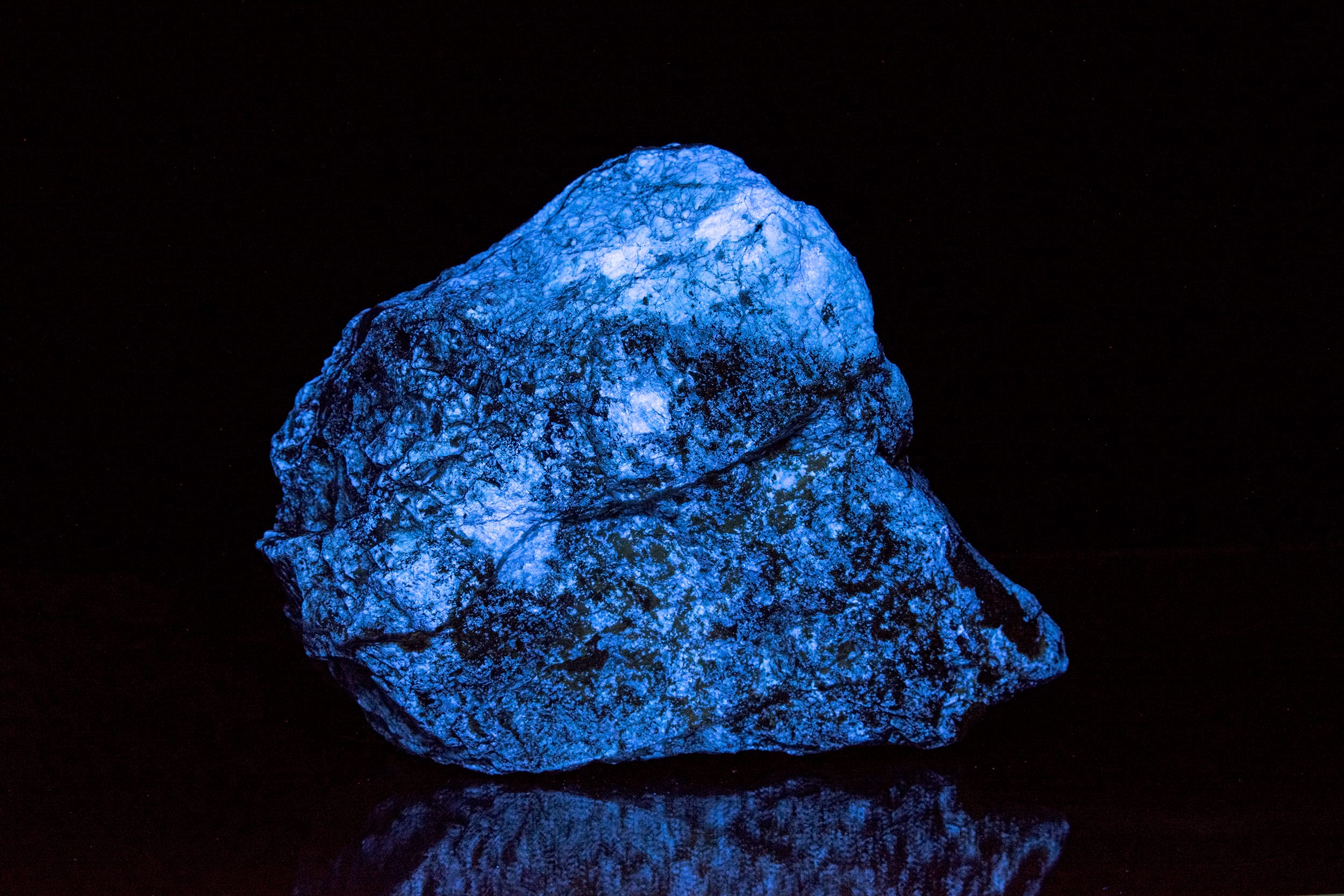
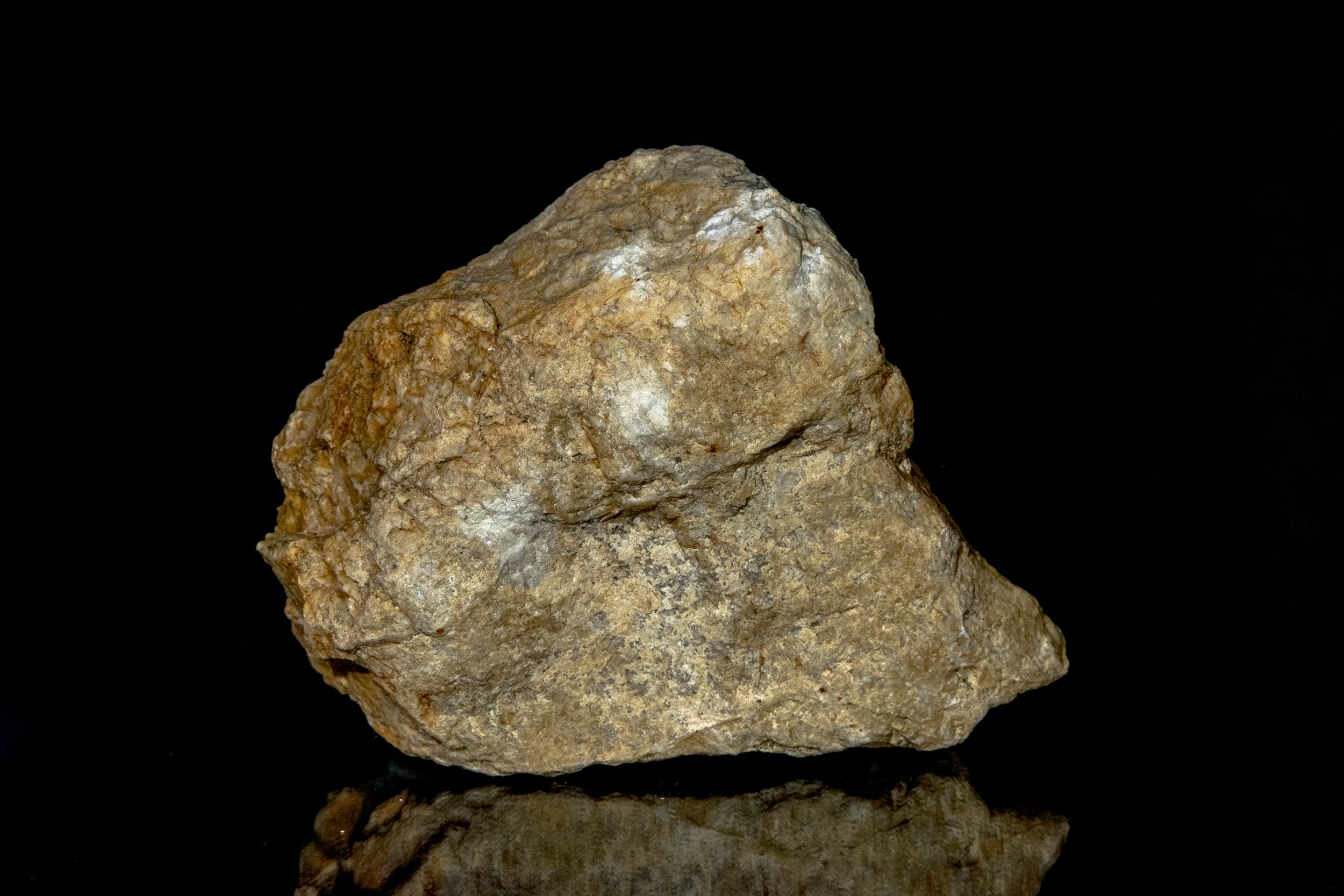
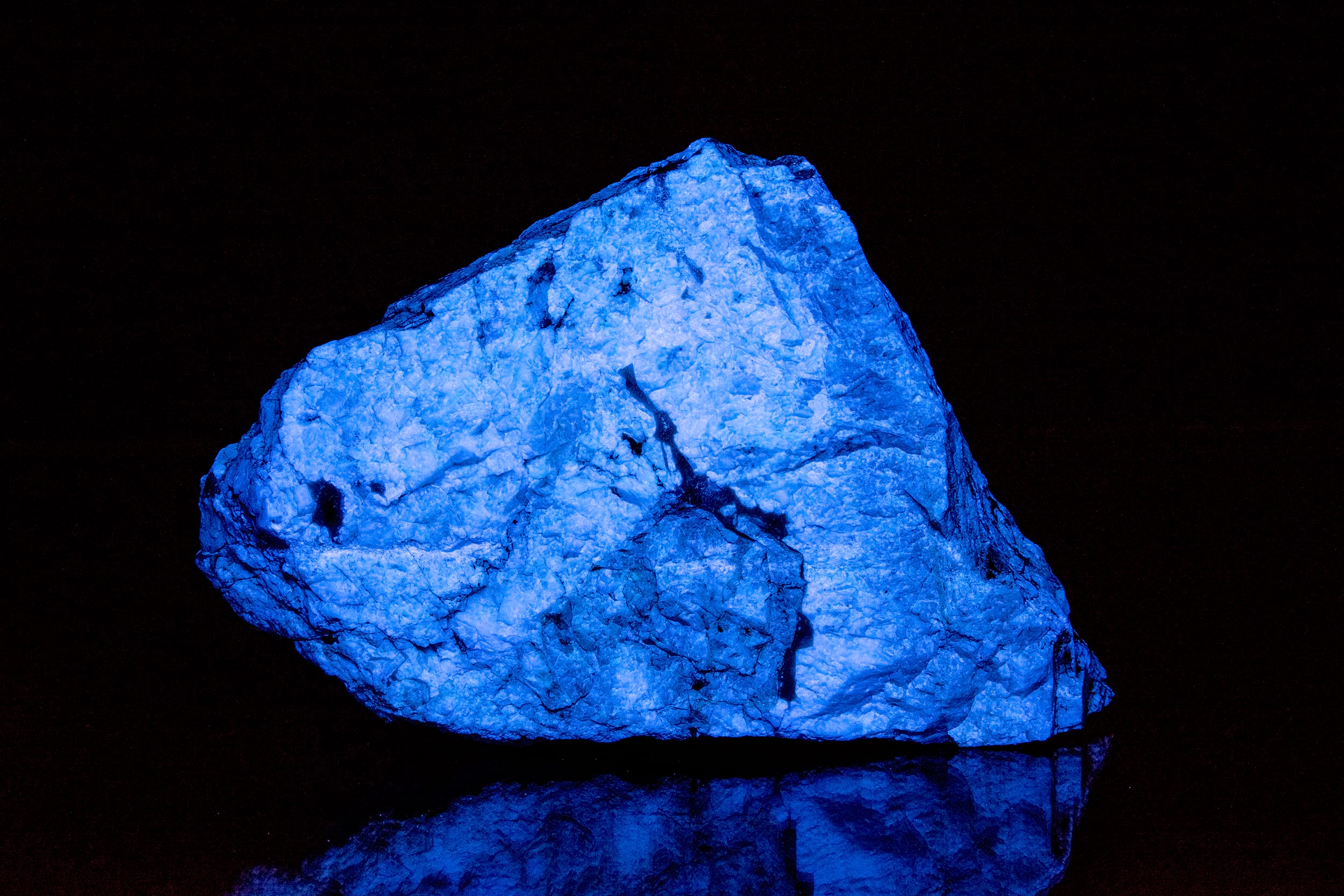
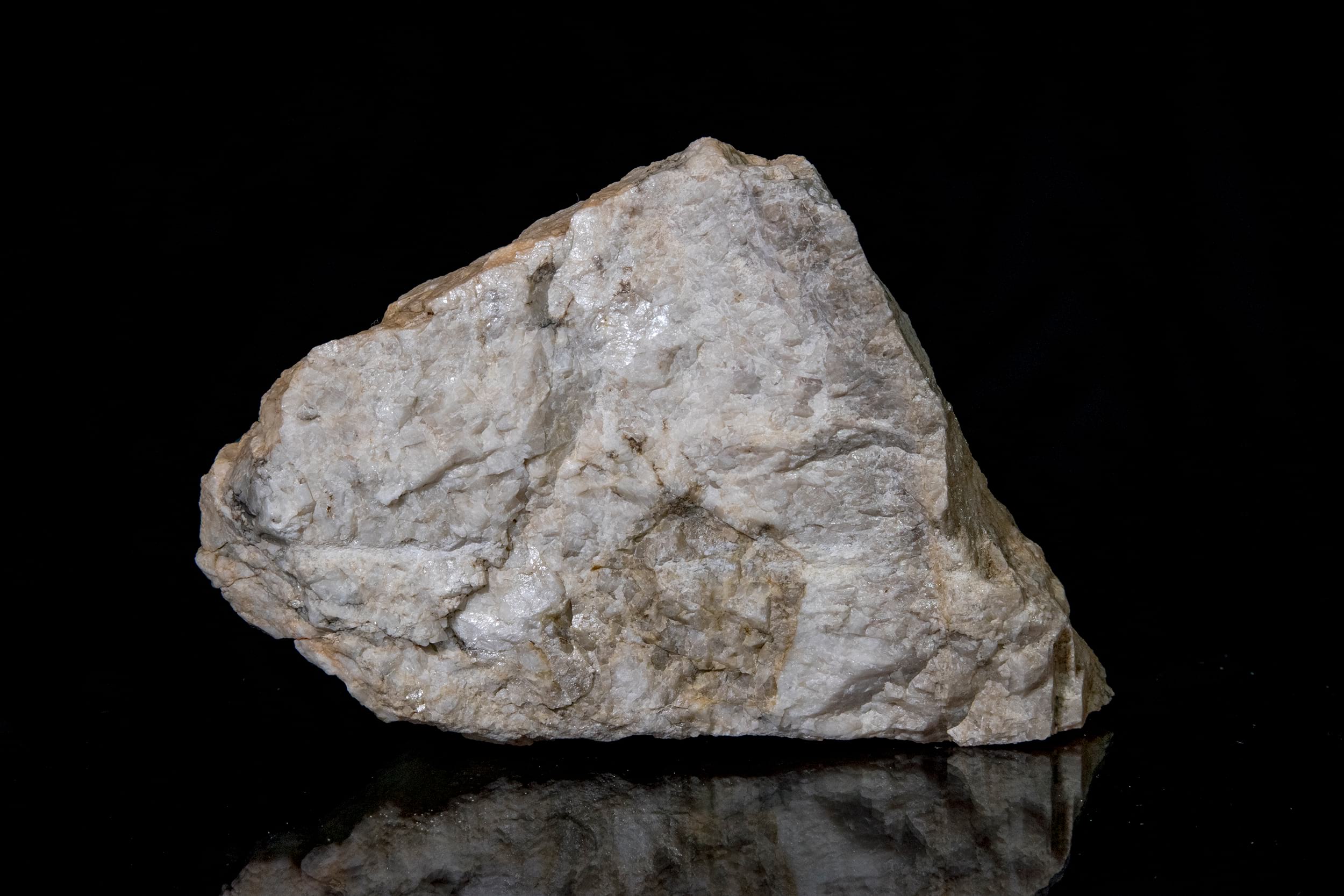
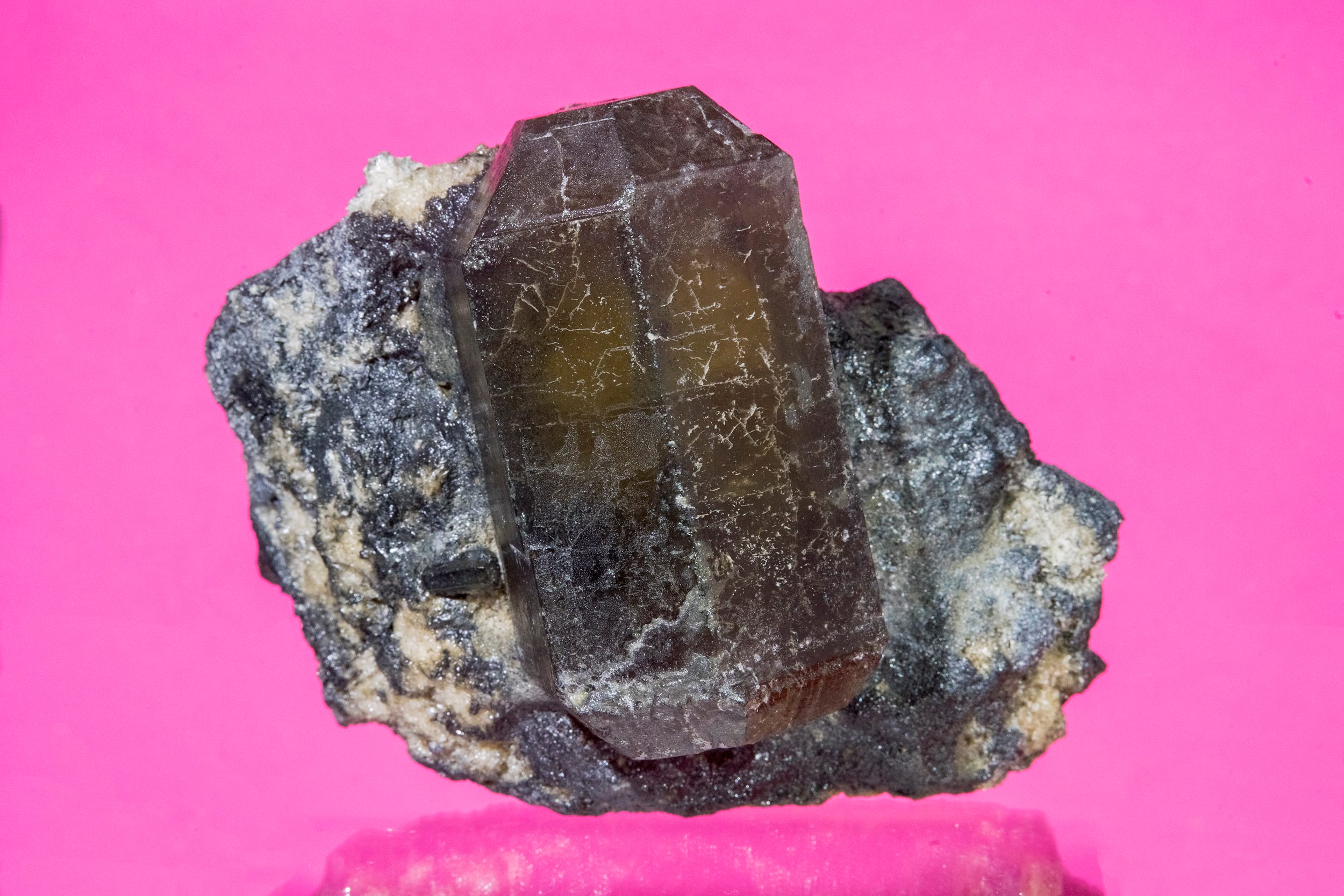
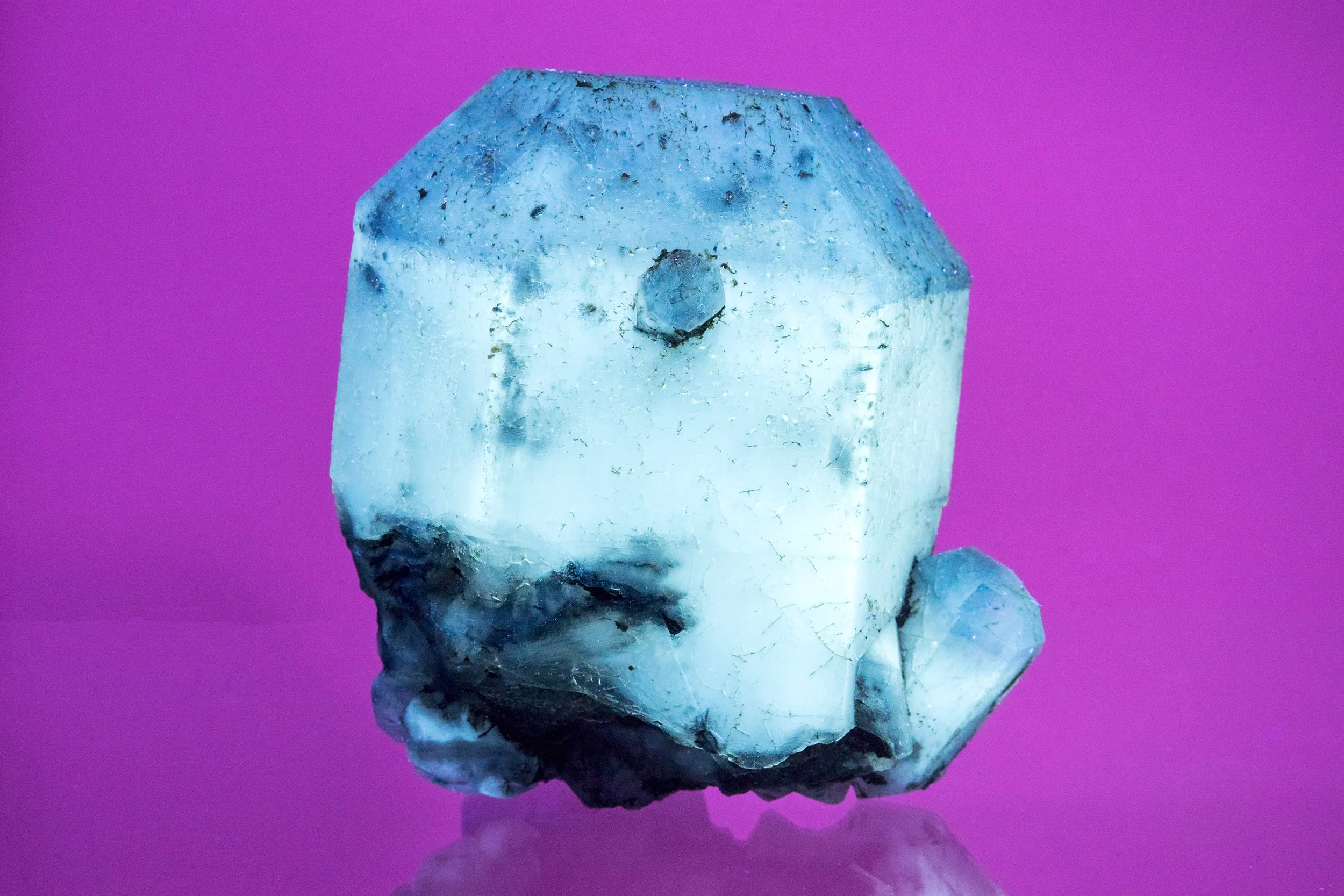
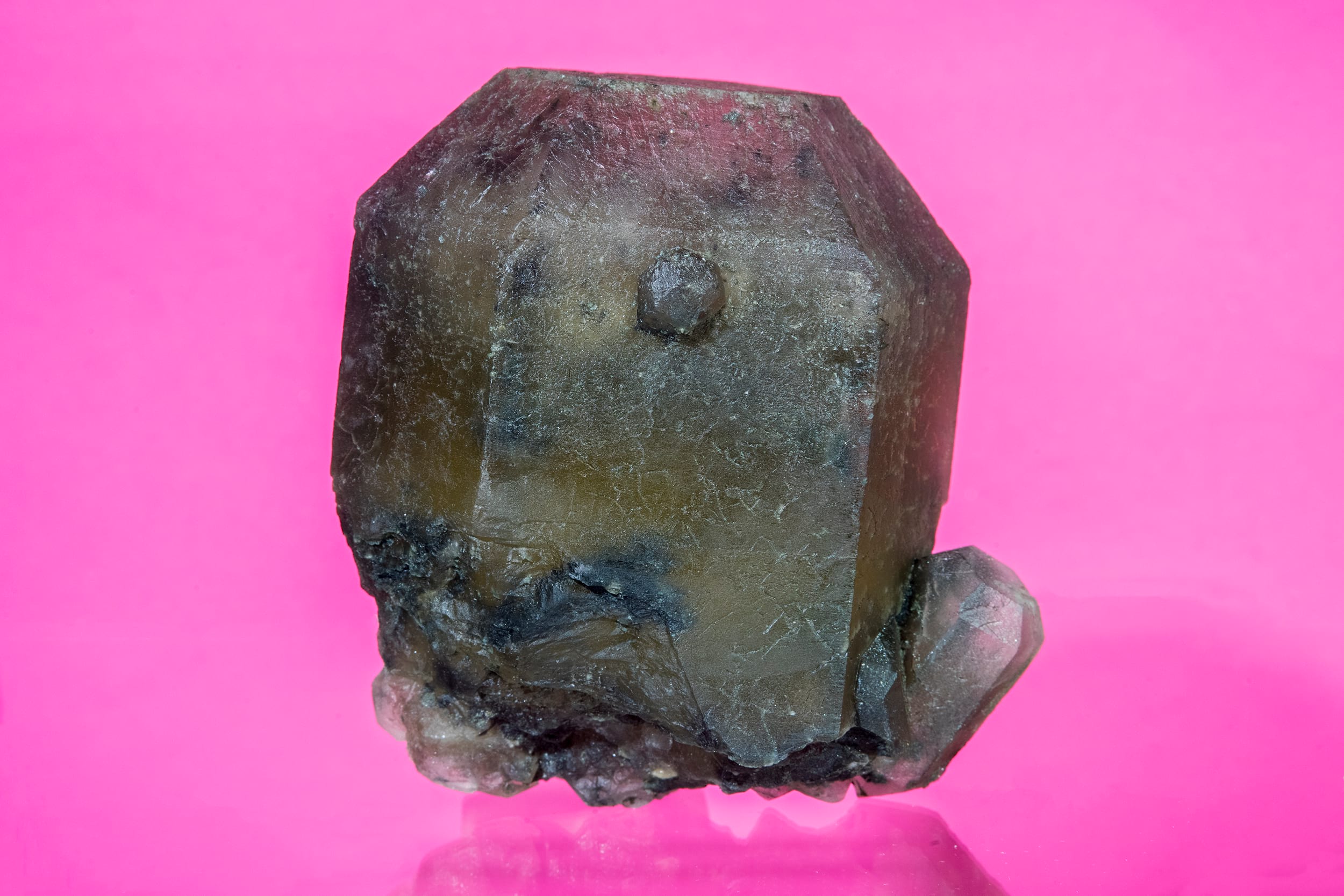
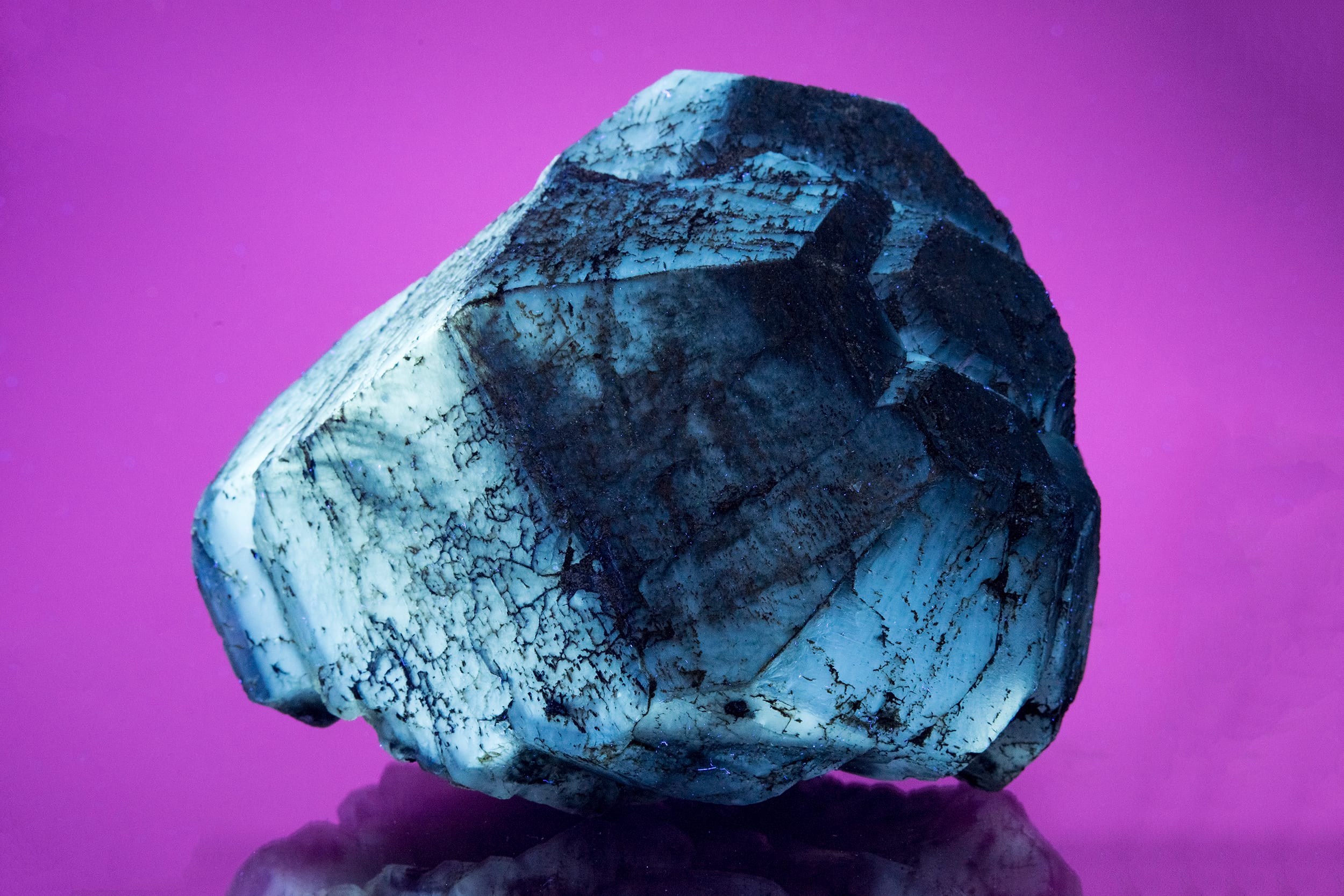
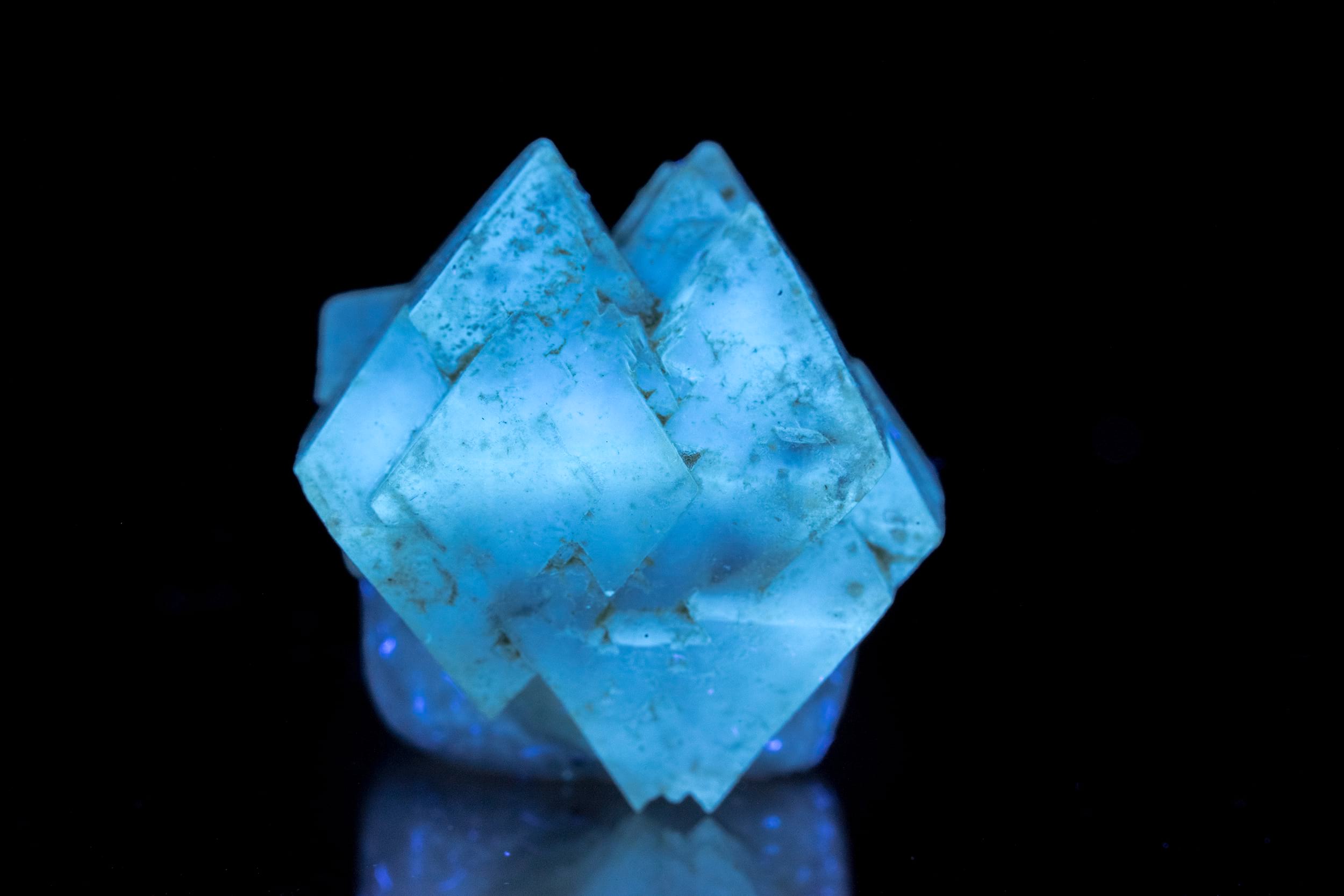
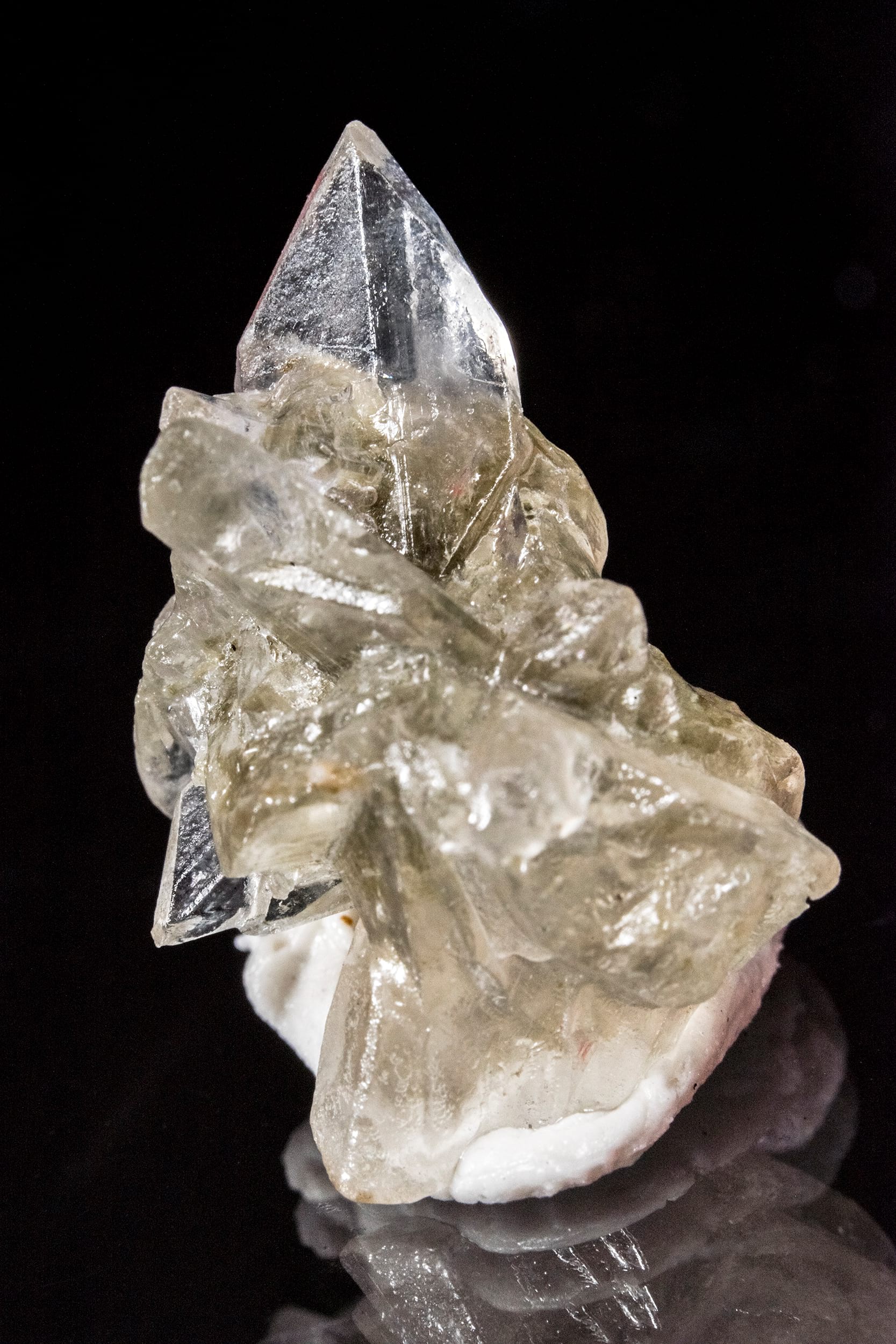
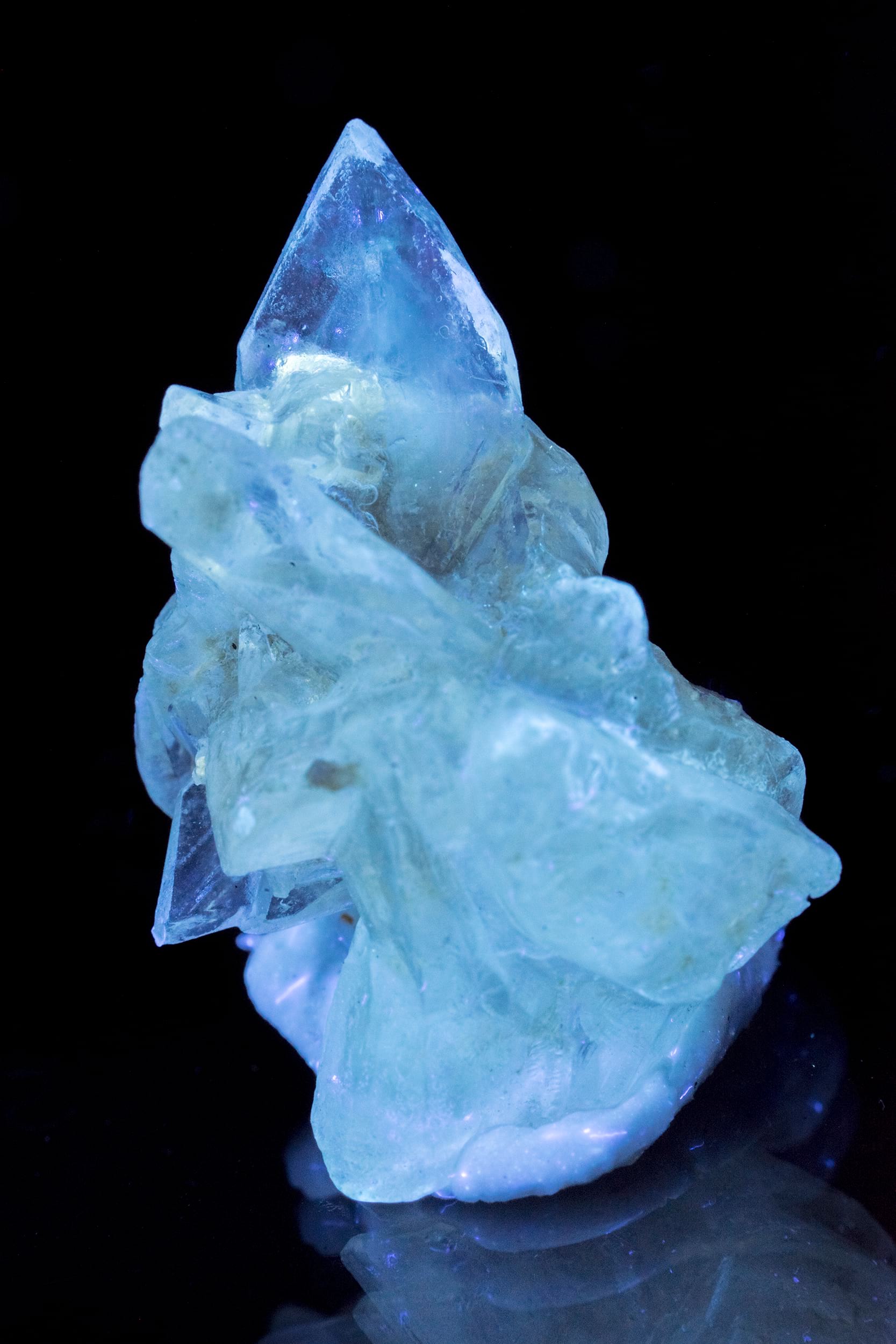
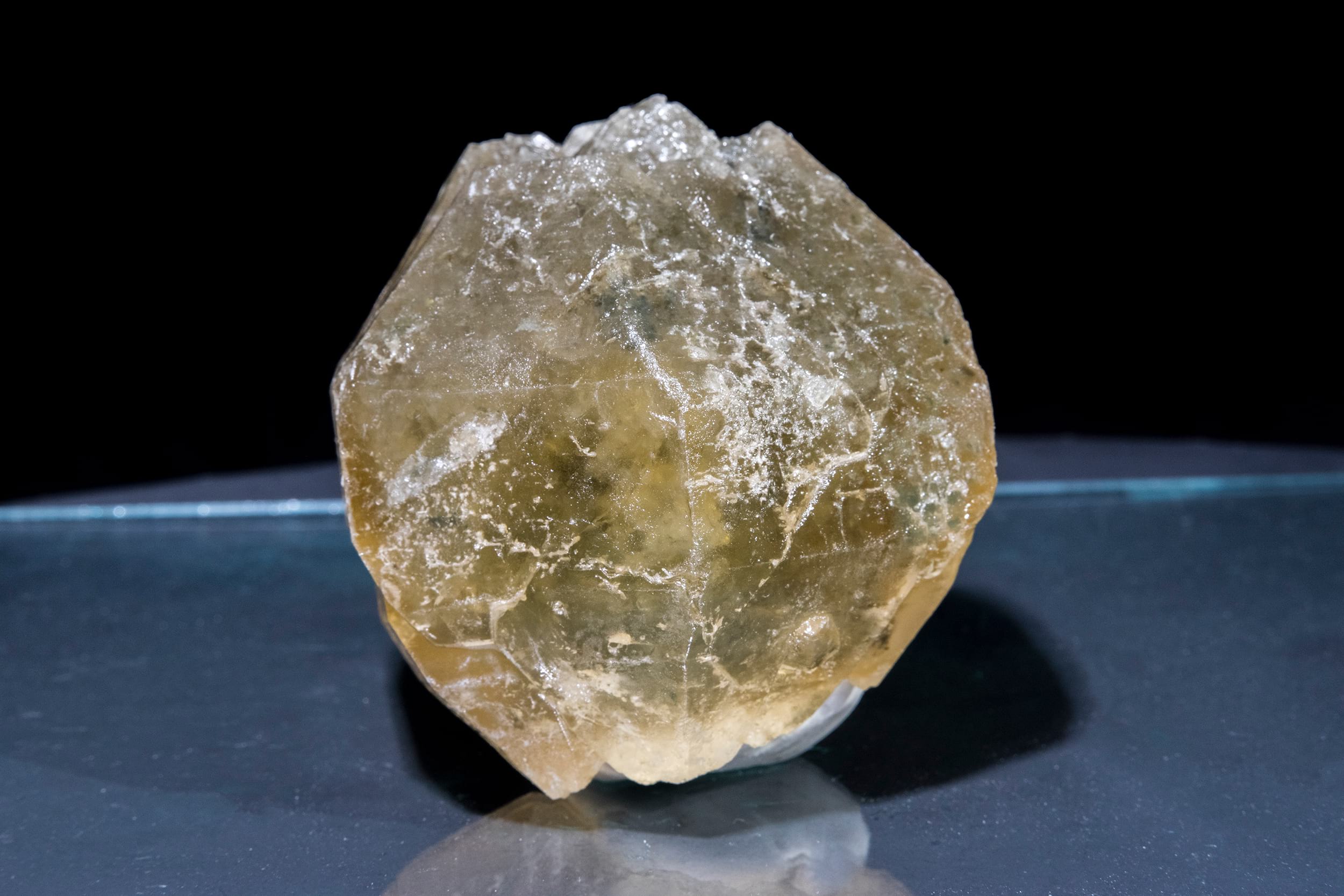
Calcite, Chert, Travertine
Collected on the Gem-O-Rama trip (field report being written!) after the day 1 events had concluded. This is a wonderful example of sedimentary fluorescence with several generations of massive calcite (fl white & cream) on the top and travertine (fl light & darker brown) on the bottom with a thin layer of chert in between. The piece I ultimately ended up keeping was the one on the right of this set. What originally drew me was that color combination of the fluorescent orange caliche on the bottom of the calcite and travertine combination.
Locale: Grimes & Sexton Quarry, Trona, CA
Weight: 2lb 9.5oz | 1174g
Dimensions: 4 x 3.8 x 3.6 in| 101 x 97 x 92 mm
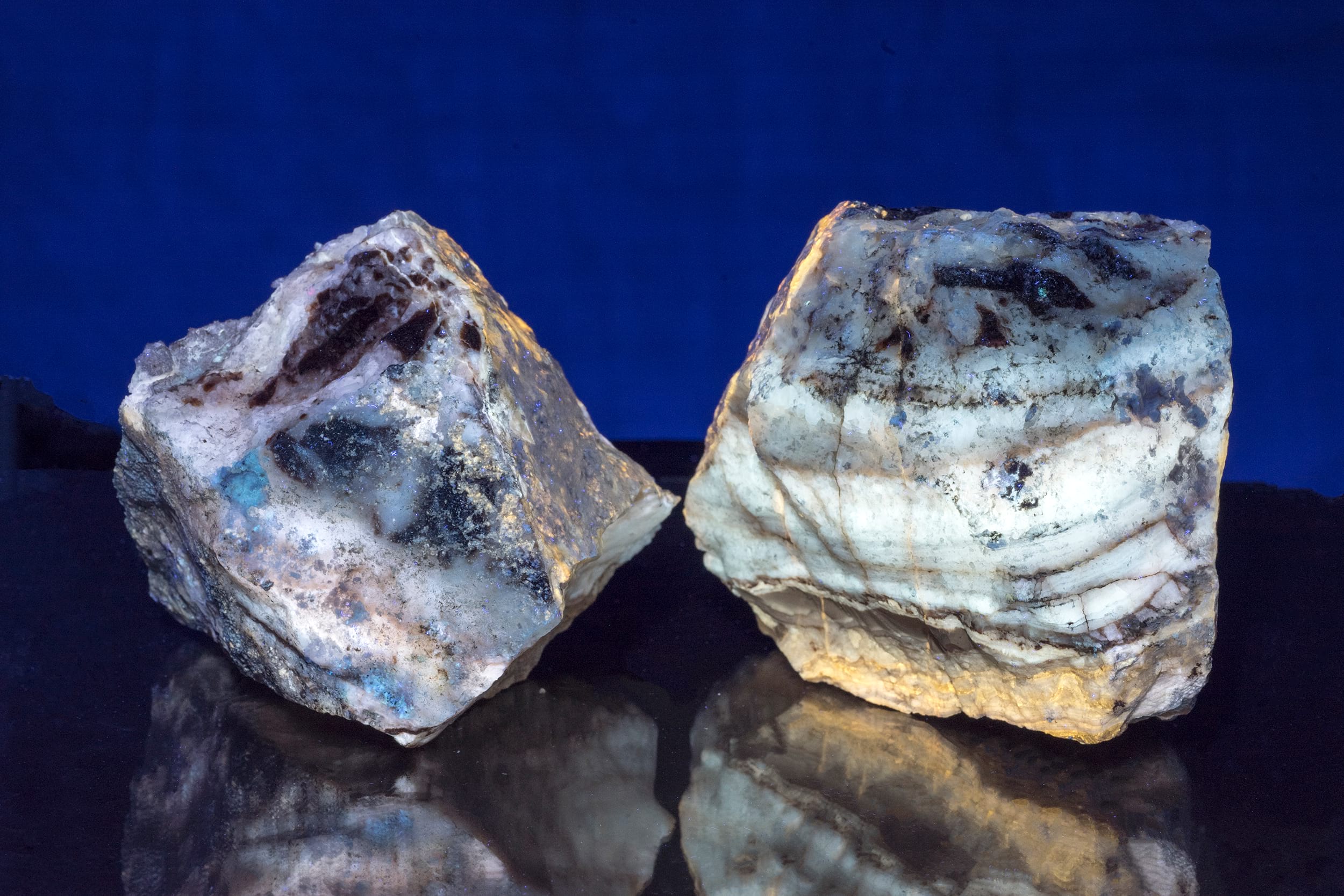
365nm LW
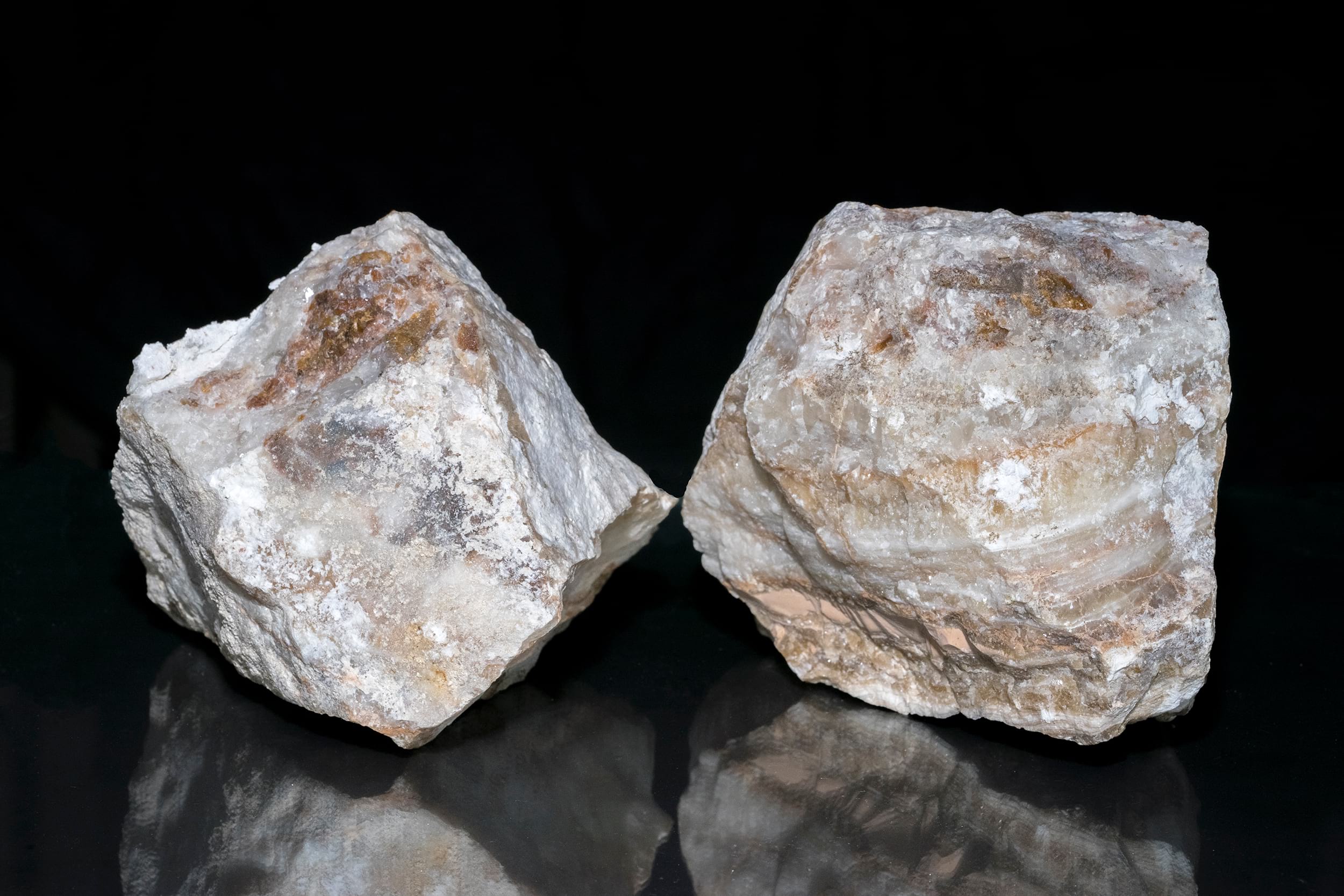
Daylight
However, I knew it wouldn't last as this was destined to be split in half to reveal a fresh face. So, with rotary hammer in hand I started the trimming process and luckily made a perfect split! Surprising considering it already had a massive crack in the opposite direction. Works for me! The piece that'll join my collection is the one on the right as it has the face that originally attracted me as well as a wonderfully bright fresh face while the other will be given away.

365nm LW
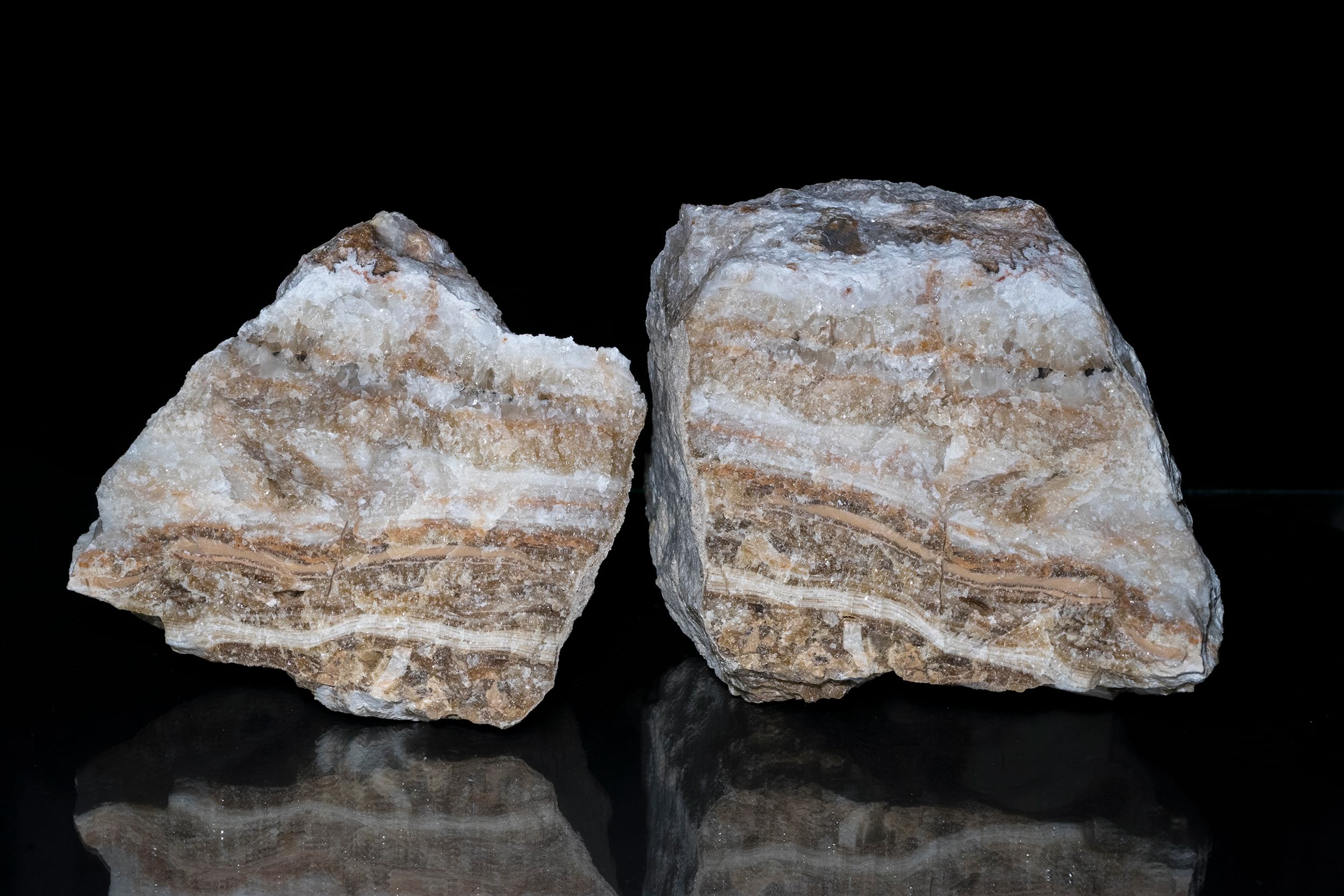
Daylight
It also exhibits brief intense phosphorescence as shown in the video below. Surprisingly the whole face phosphoresces!

Helvetia & Tucson Gem & Mineral Show January 2017
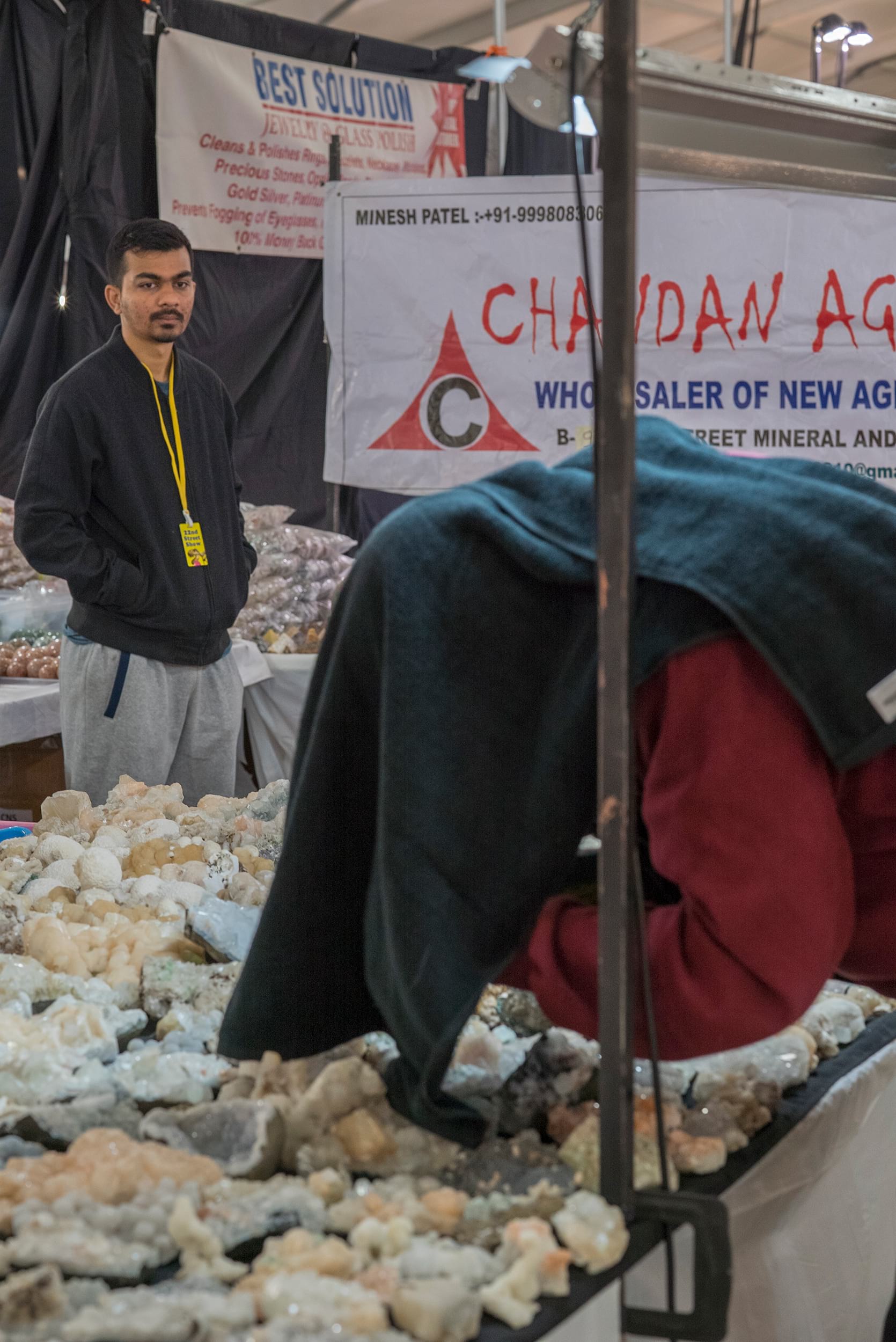
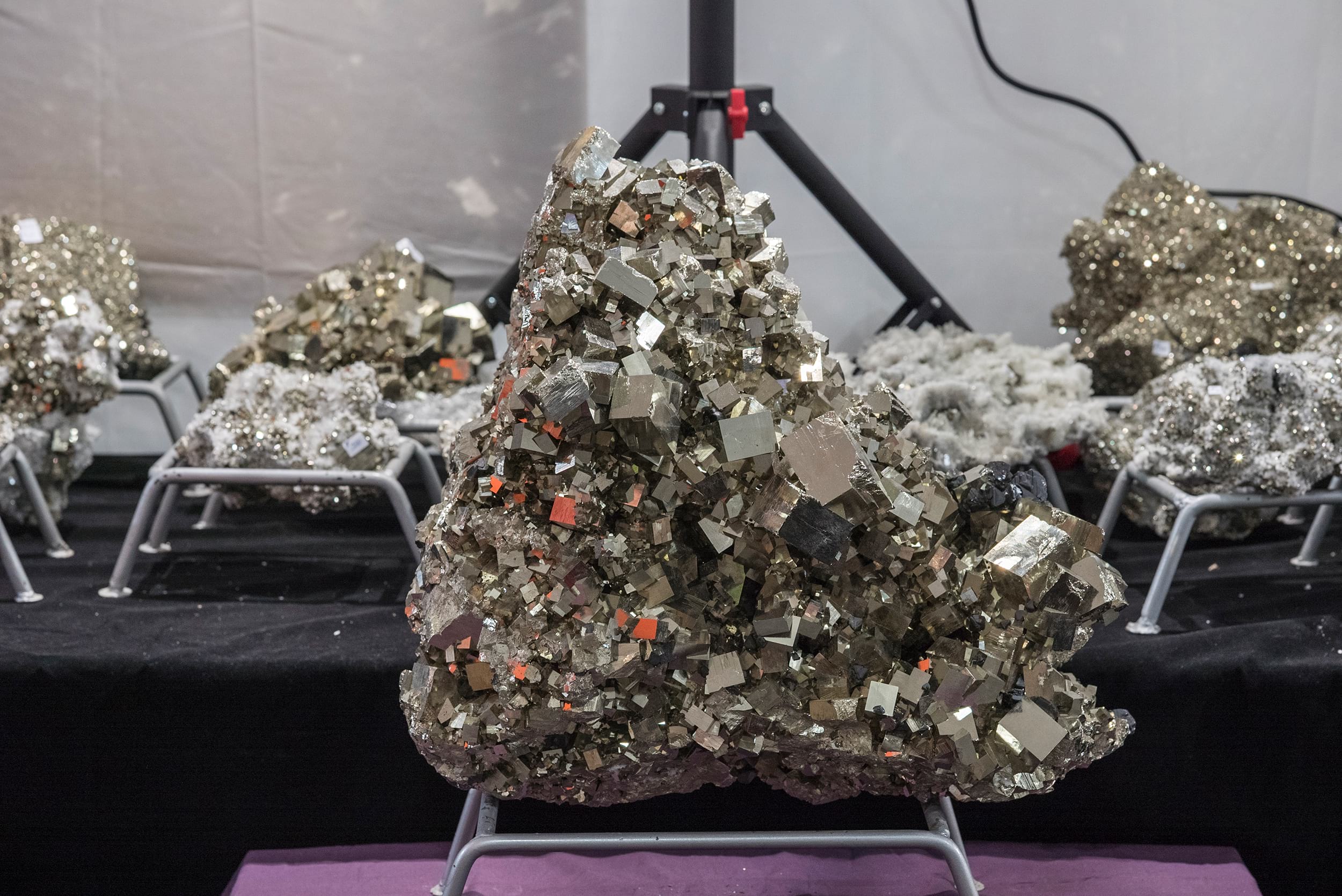
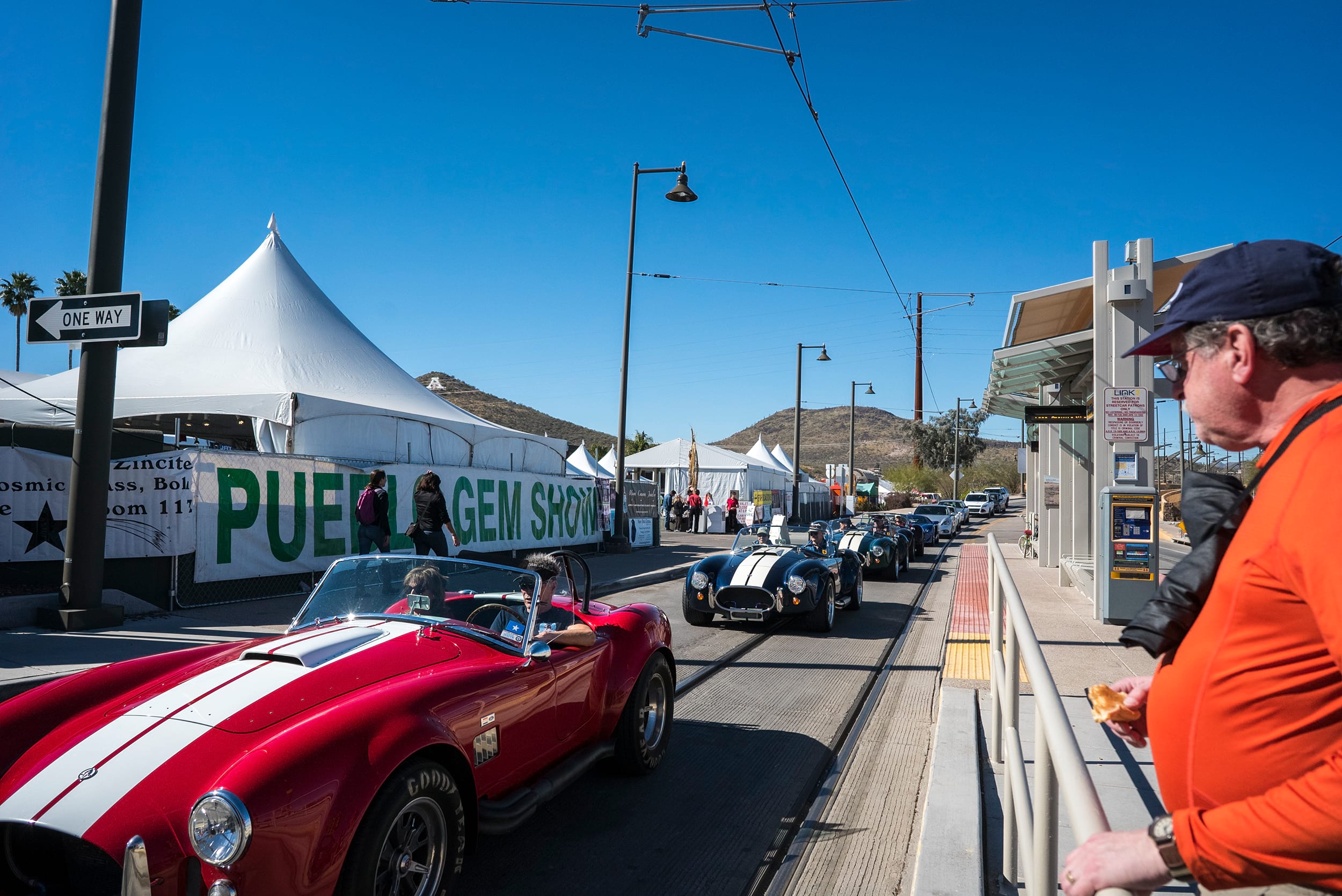
What an exciting time this was. It was my first Tucson experience and I was pumped! I knew that it was one of the biggest gem and mineral shows in the world but I wasn't prepared for the sheer scale of it. The whole town is encompassed and becomes one big show! Dealers from all around the world come over and show their wares. This was also the first time I had done any purchasing with other fluorescent mineral collectors. Boy did we stand out as a group lamping dealer's rocks and covering them with a towel, bbq cover, or otherwise.
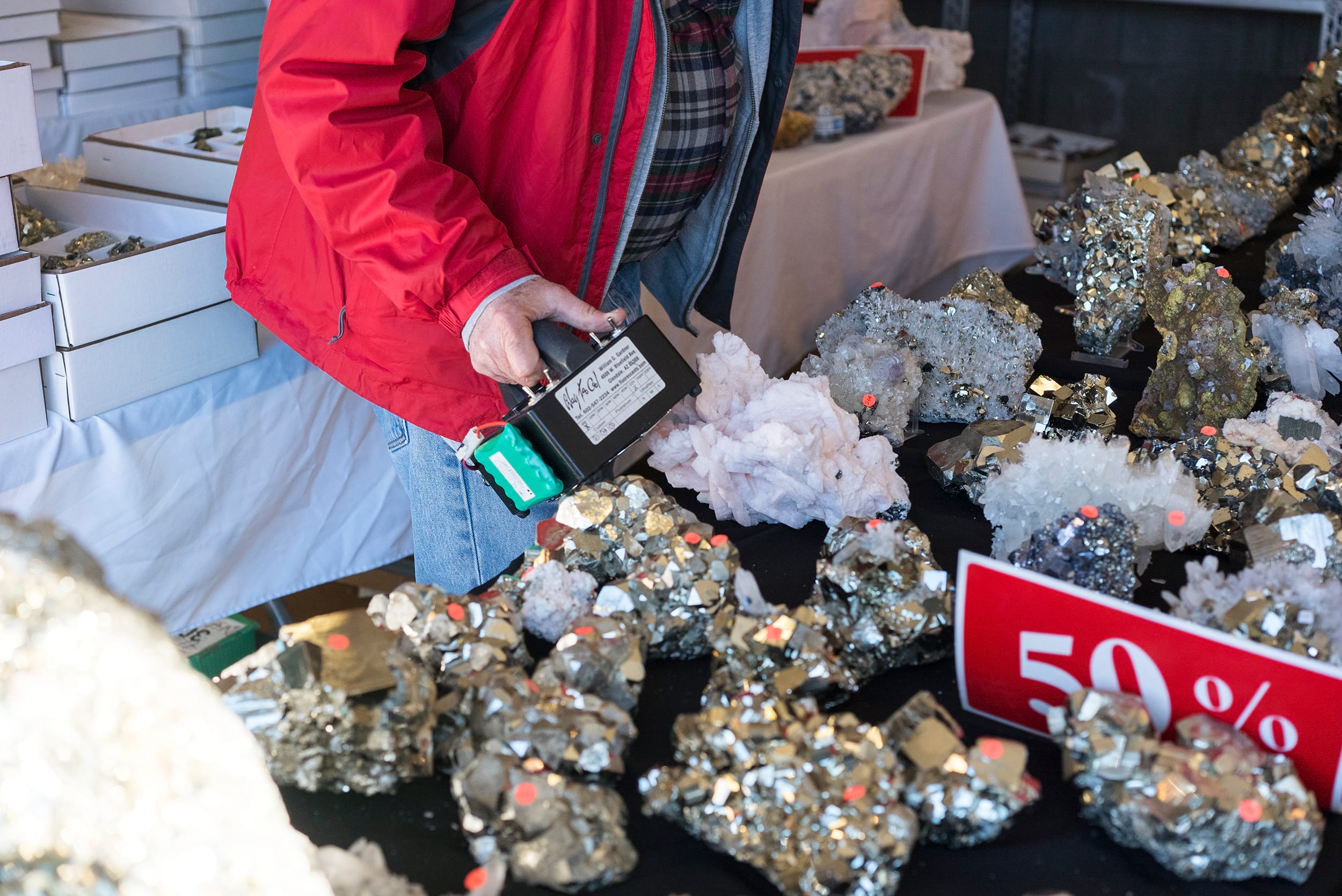
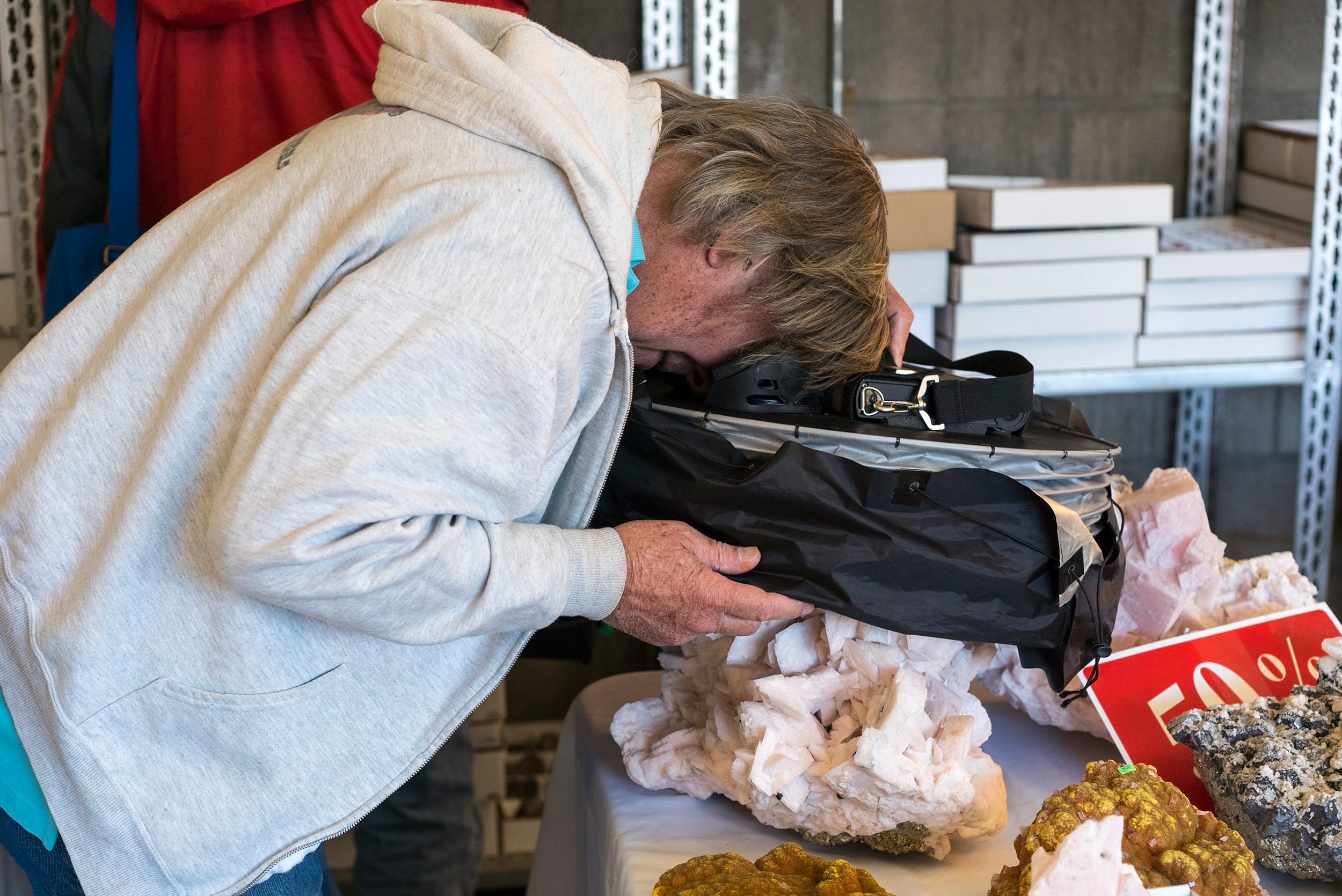
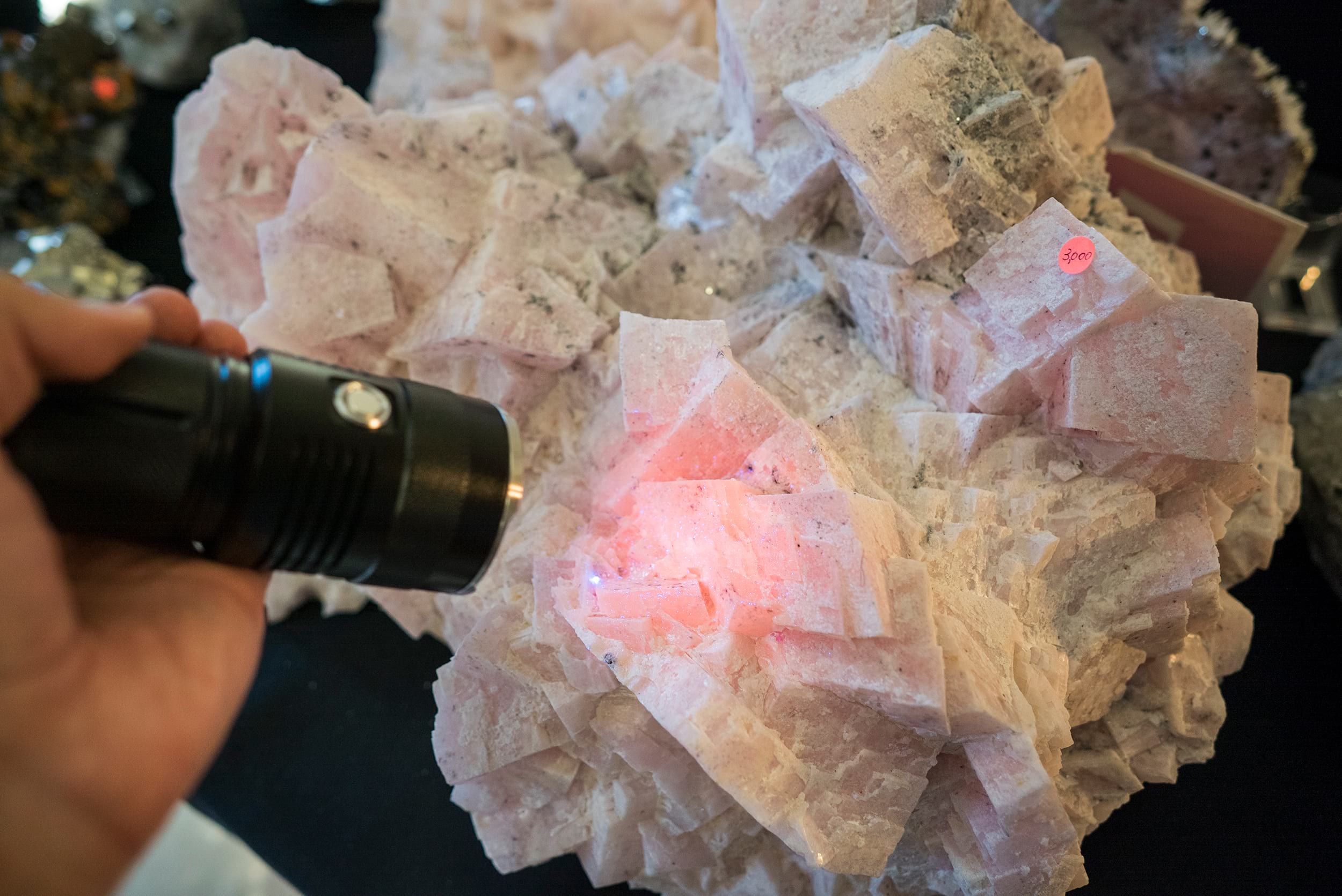
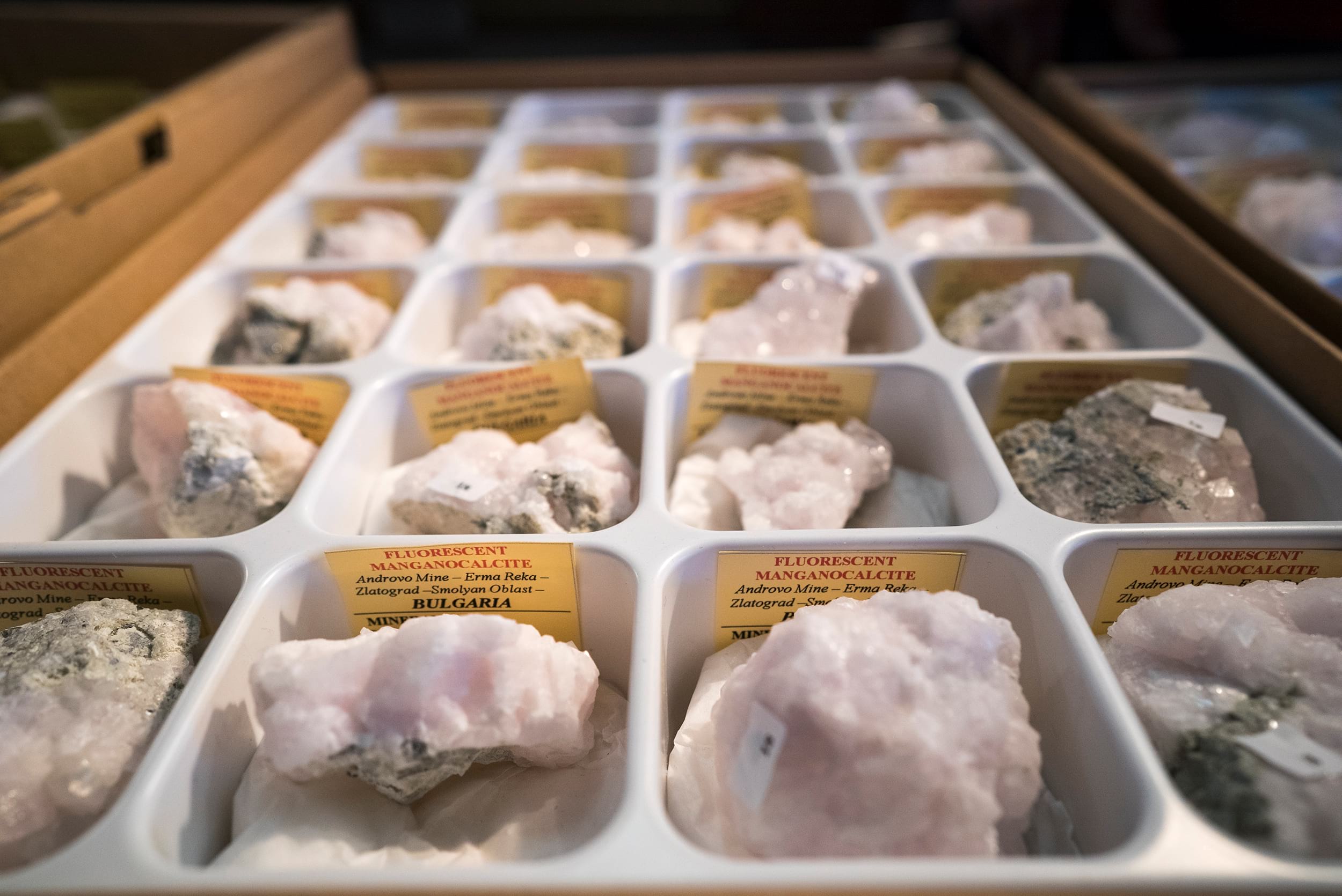
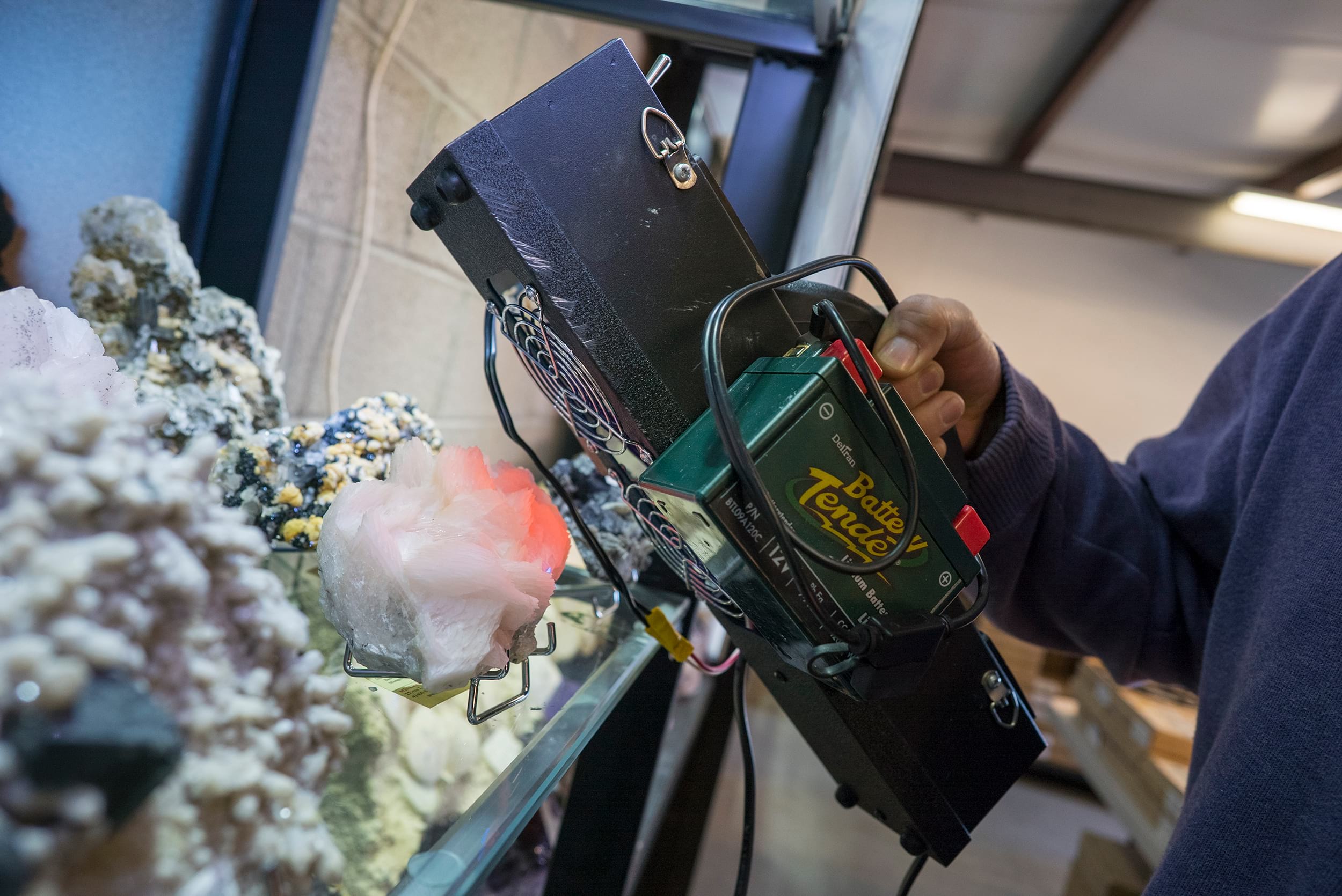
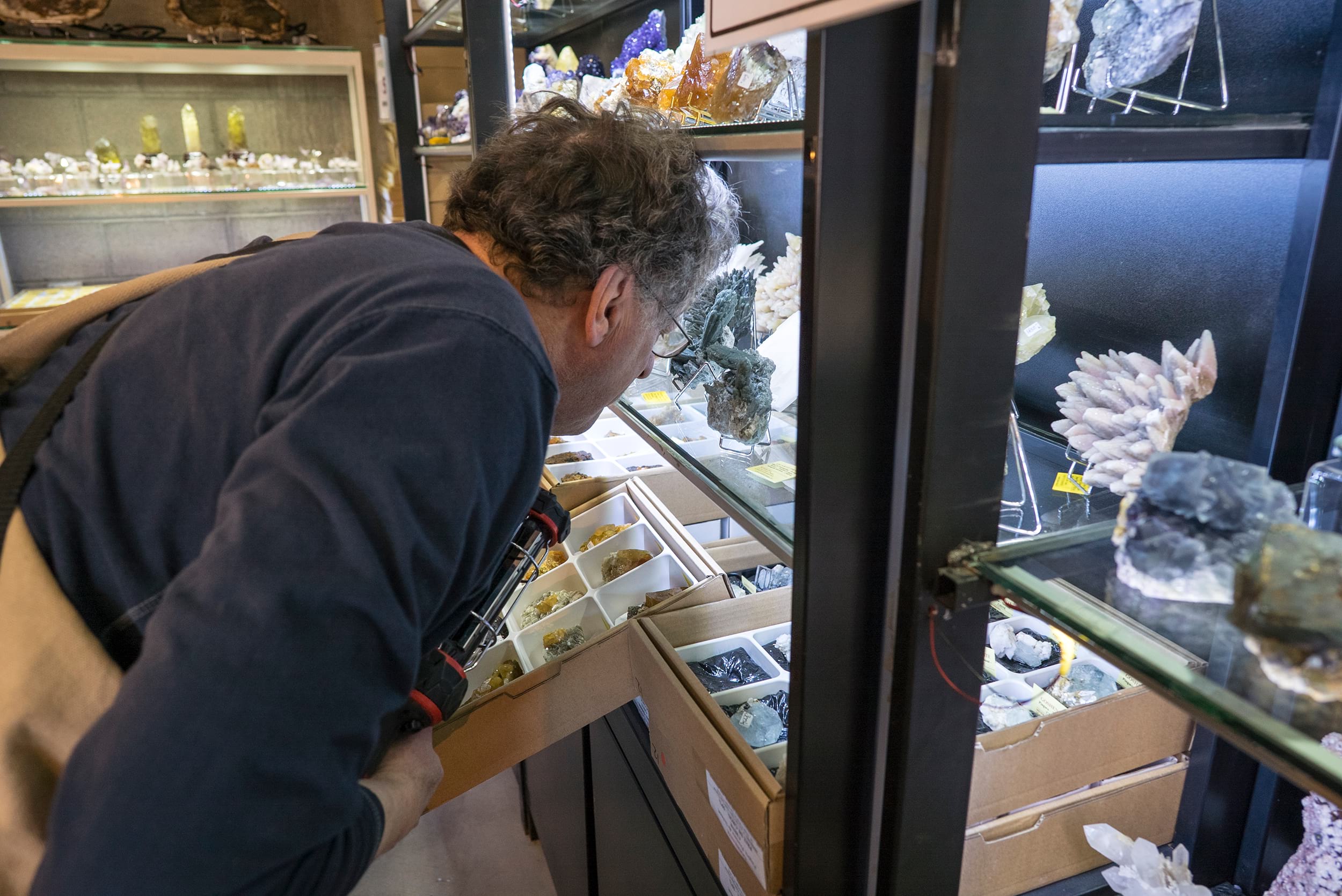
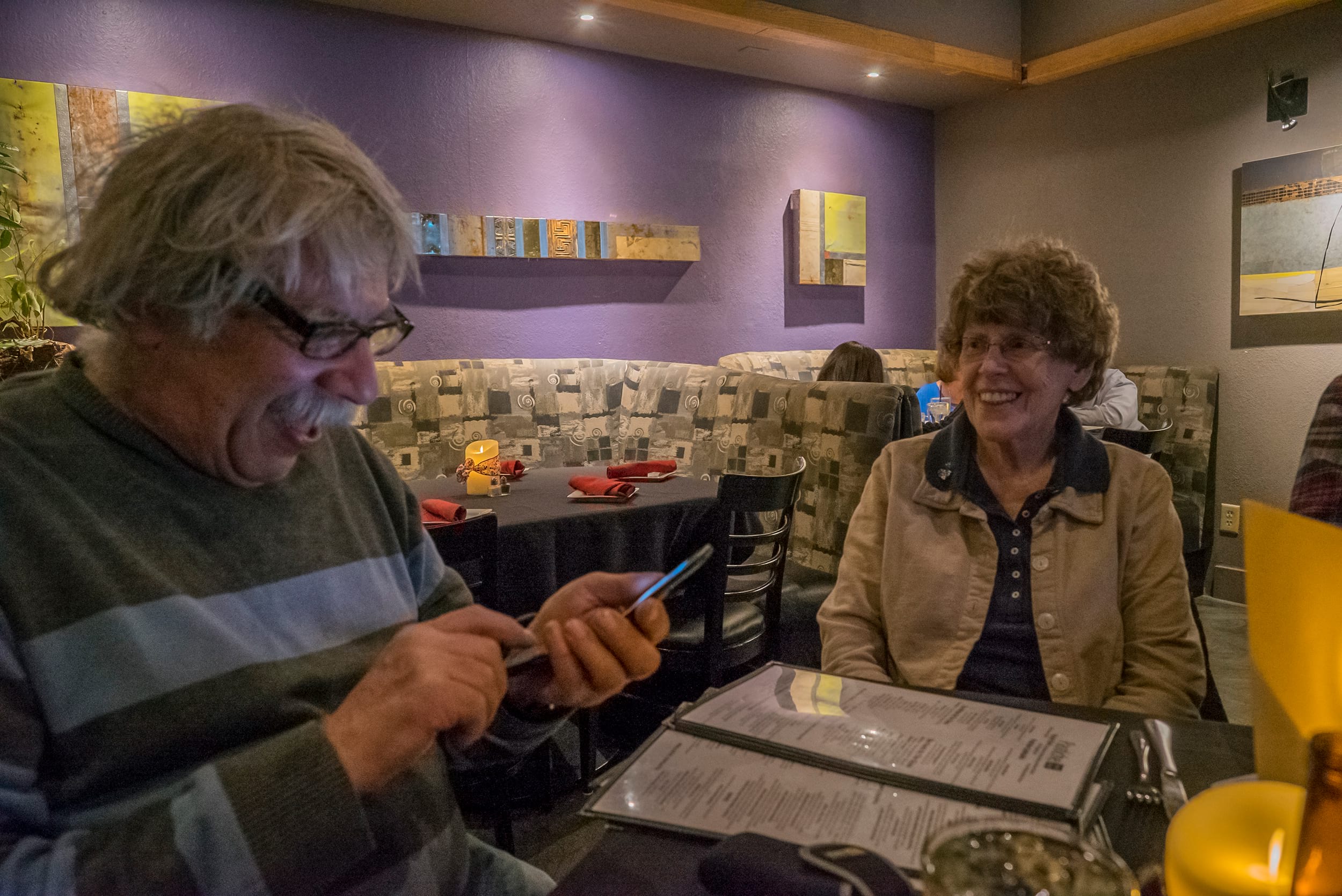
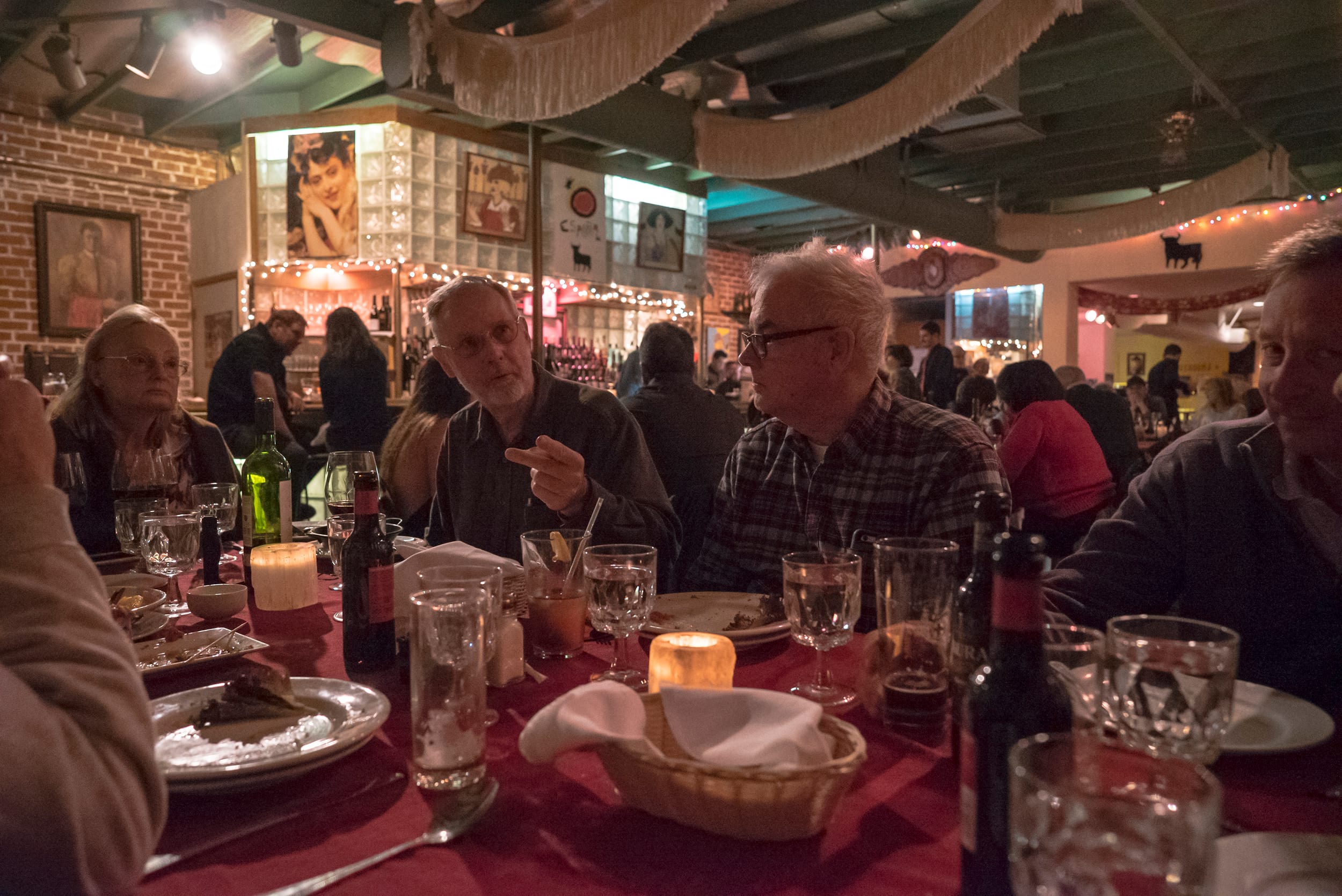
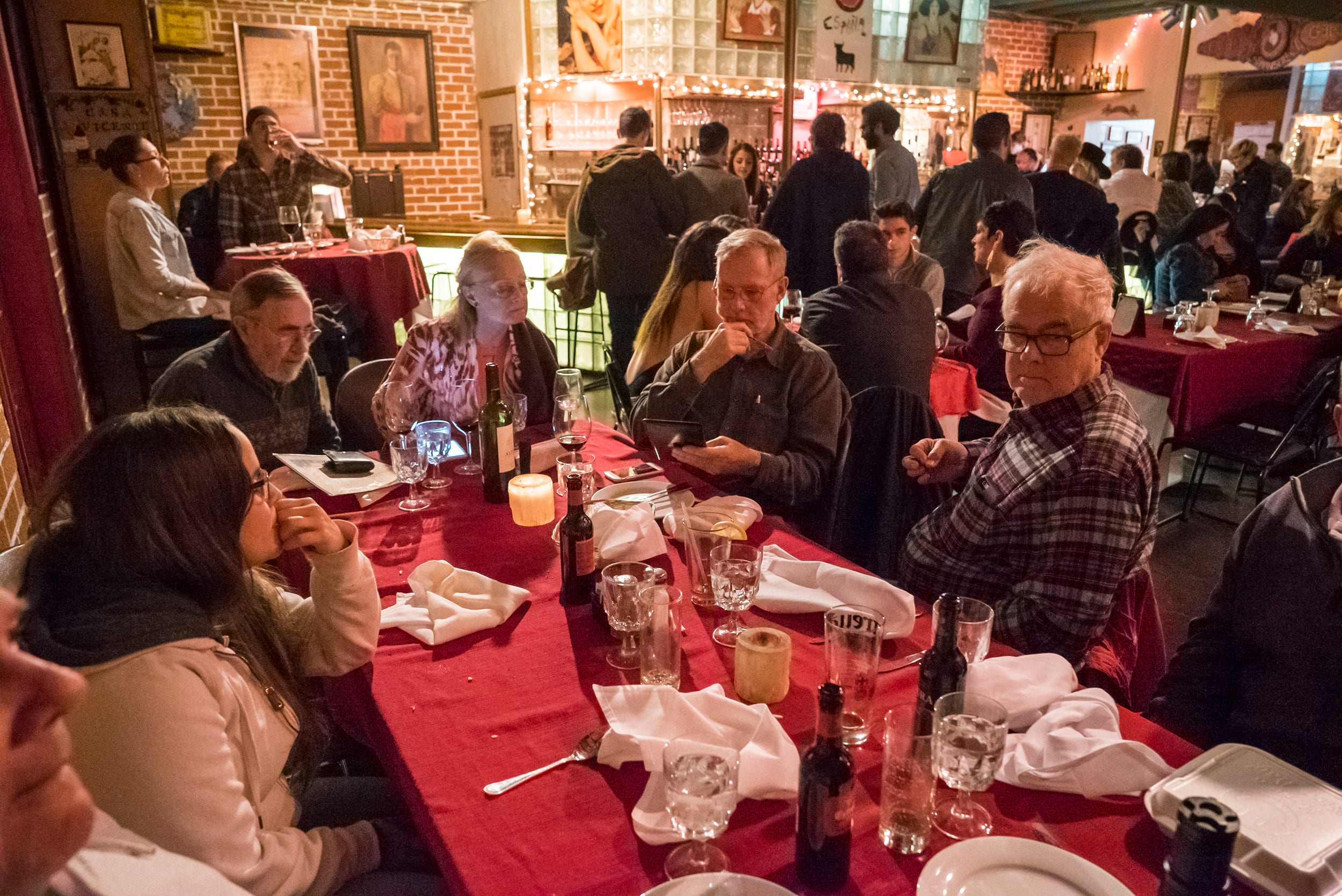
The first night's dinner. Here I got to meet Glenn and Linda Waychunas. Wonderful company and wonderful talks about various fluorescent minerals - some on the cusp on science, others we had found recently or purchased that day, and more. This is where Mark and I first learned of that Convoy S2+, the light that Mark claims brought a new revolution to this hobby. I'll admit I can't come close to the price they're offering for that light. That's Chinese labor for you!
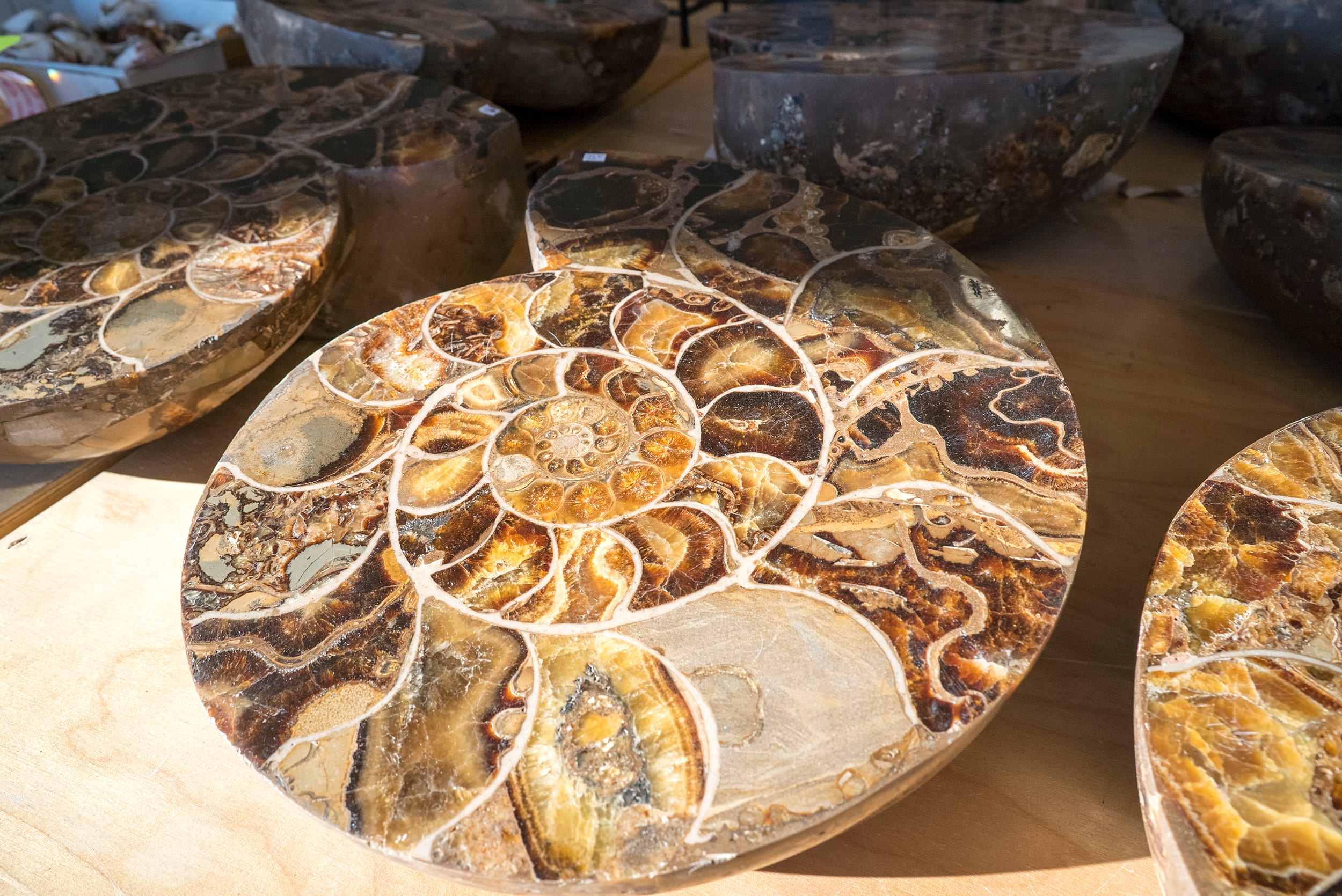
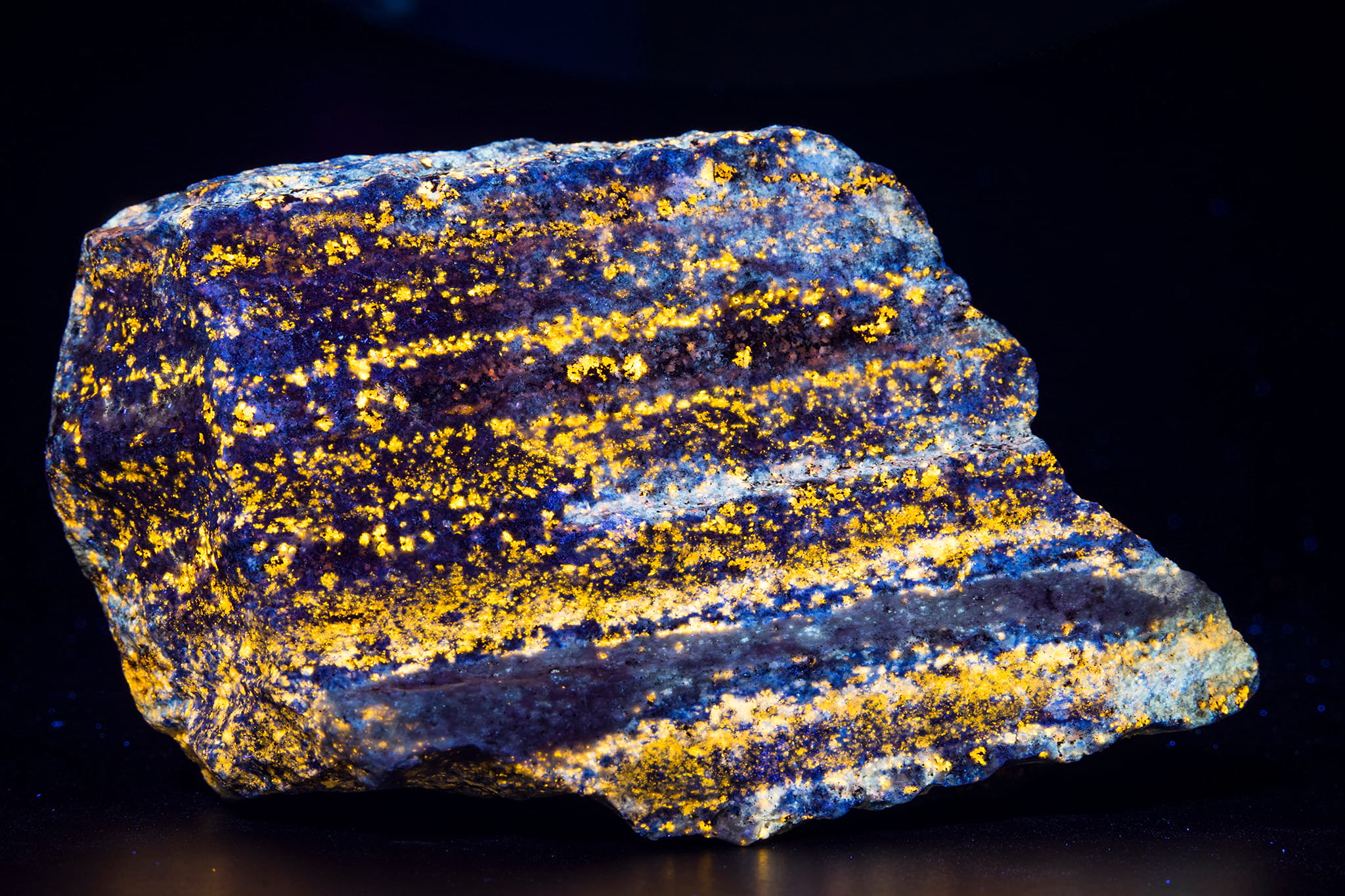
The next day we started at Electric Park (aka Kino Sports Complex). Mark & Co were running late so Steve and I got to look through a couple stalls first. That's where I purchased this beautiful lapis - handpicked from a huge container of lapidary rough for its fluorescence.

When they finally arrived we started exploring. On display were some wonderful works of art made with actual minerals! For example, the purple on the right photo contains actual tourmaline. The artist is a Tucson local named Zee's (https://www.zeesminerals.org/)


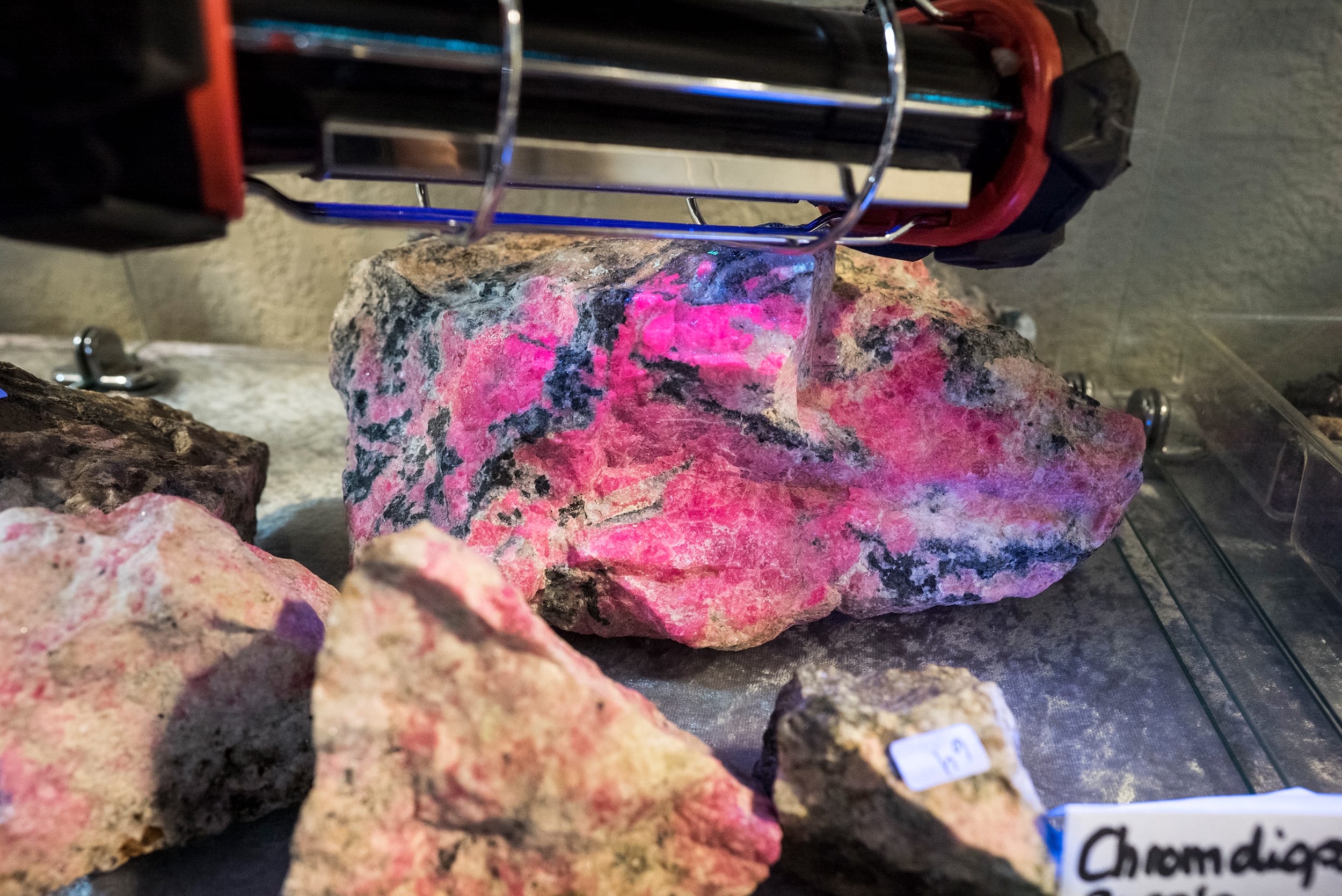
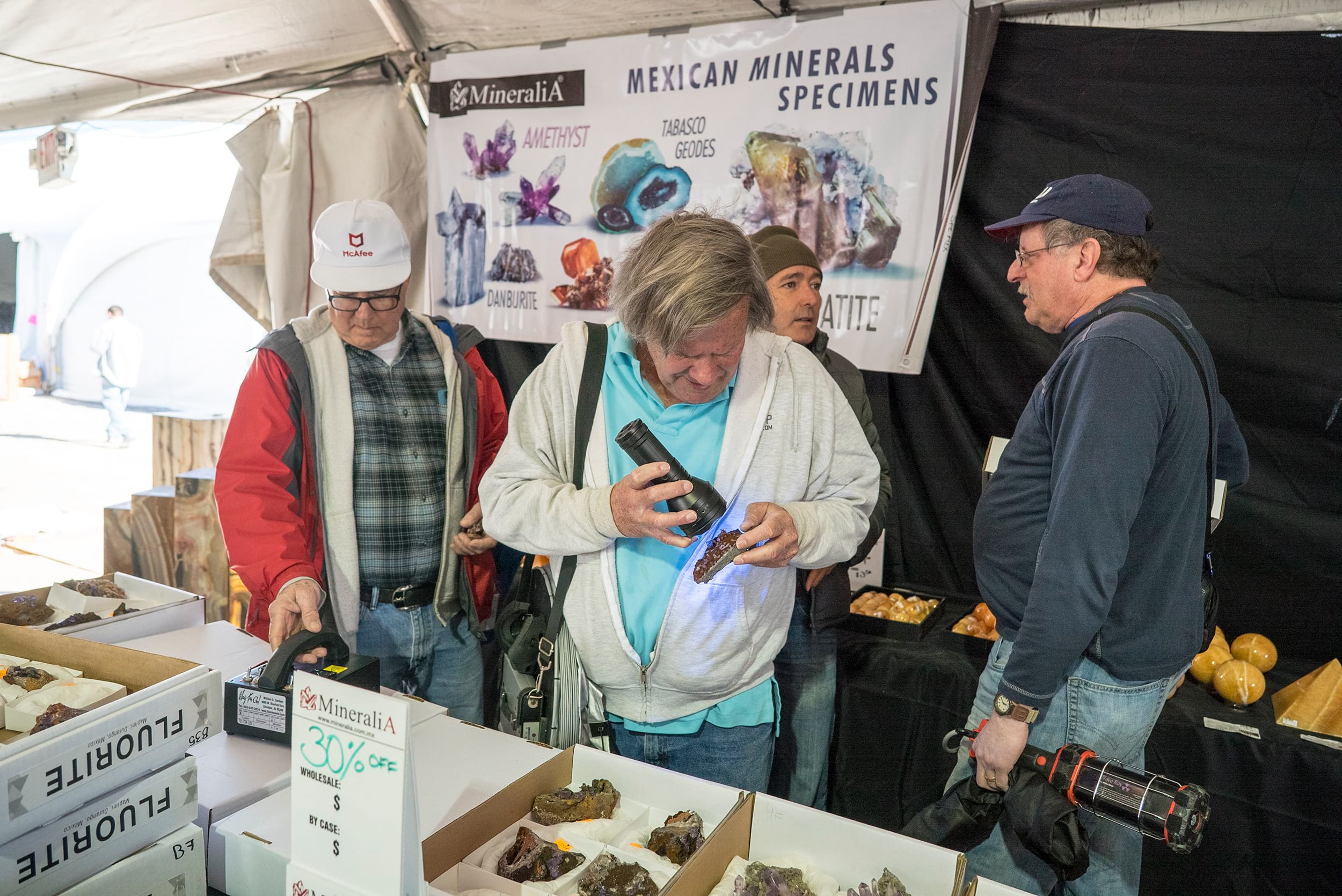
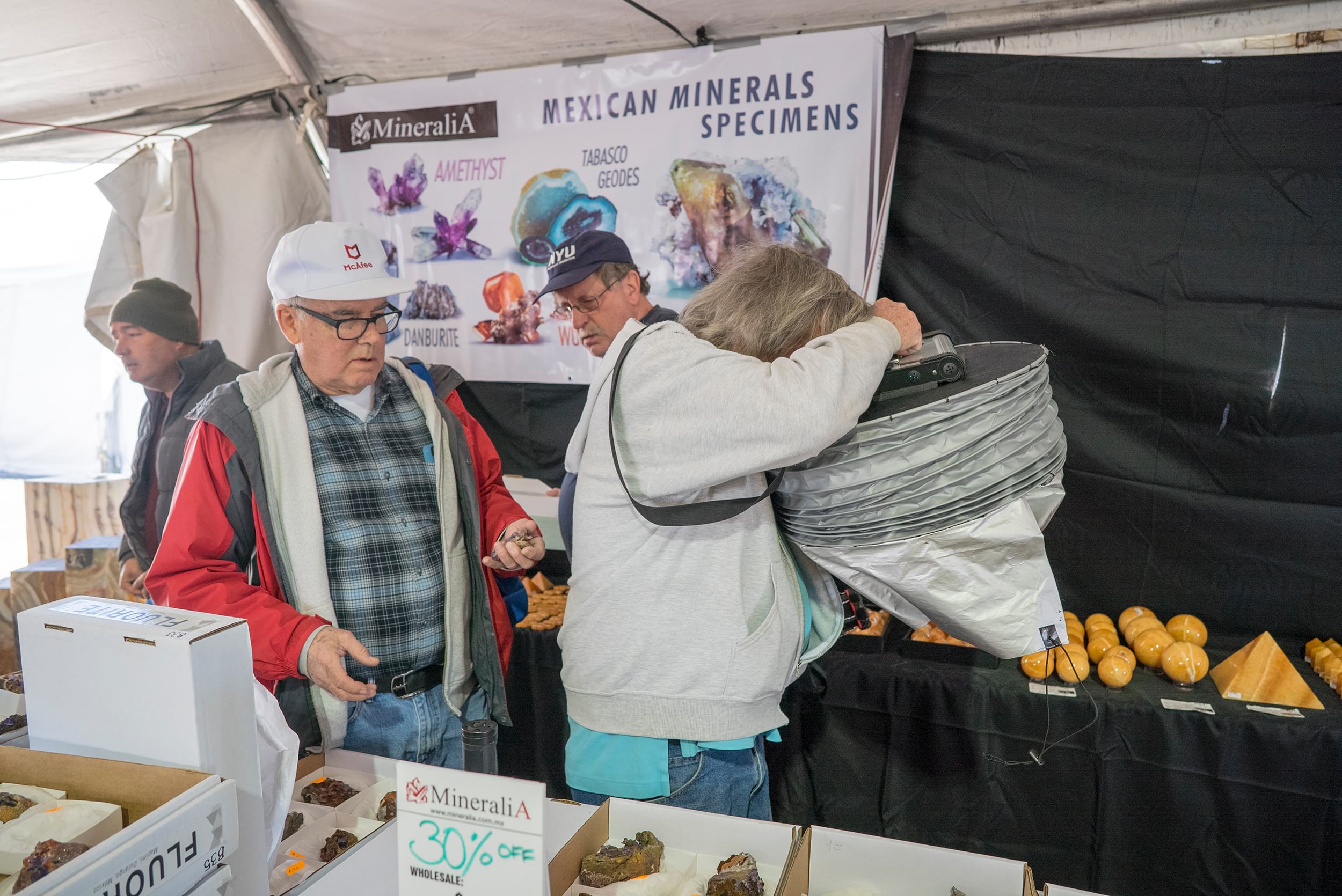
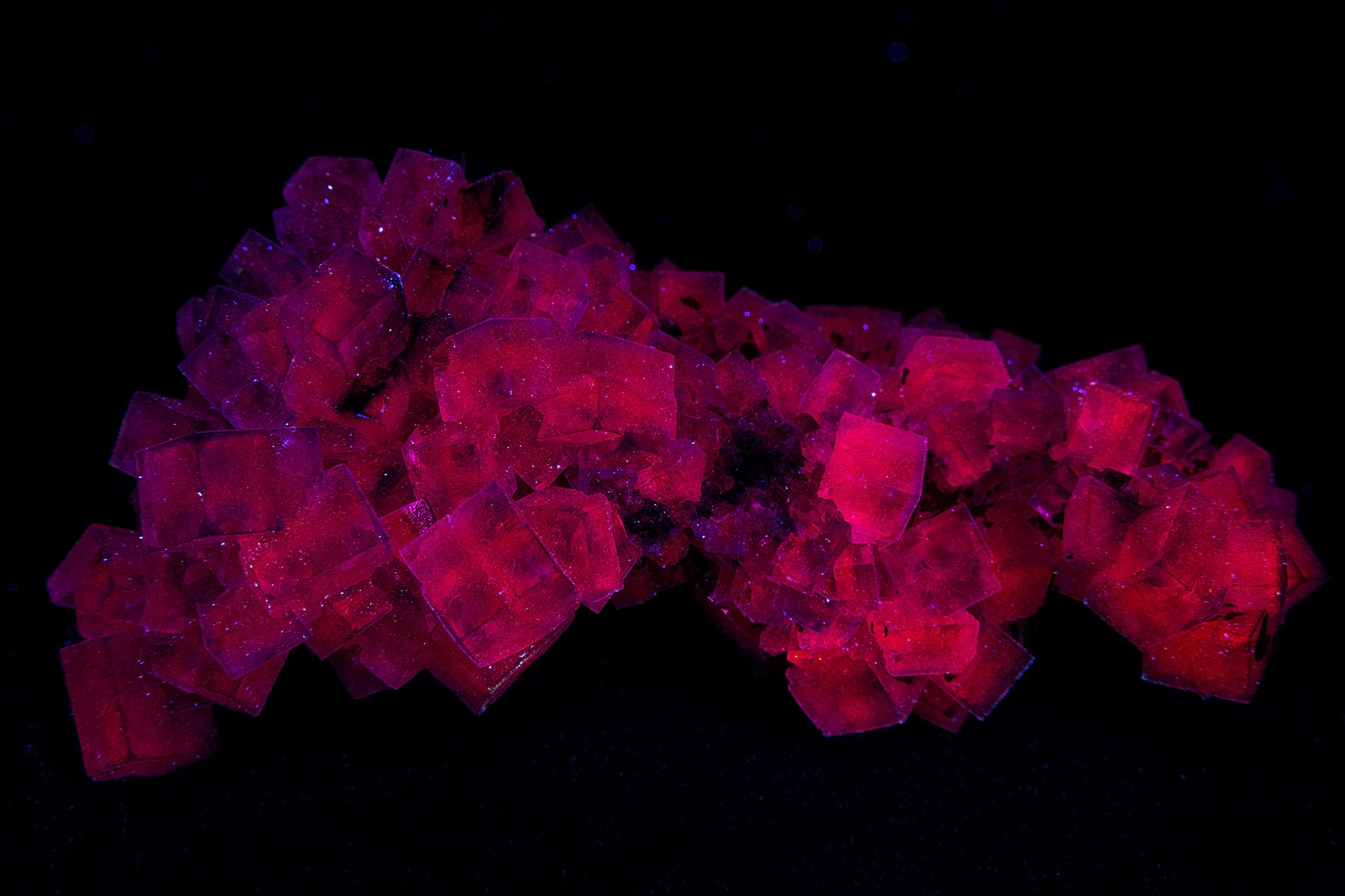
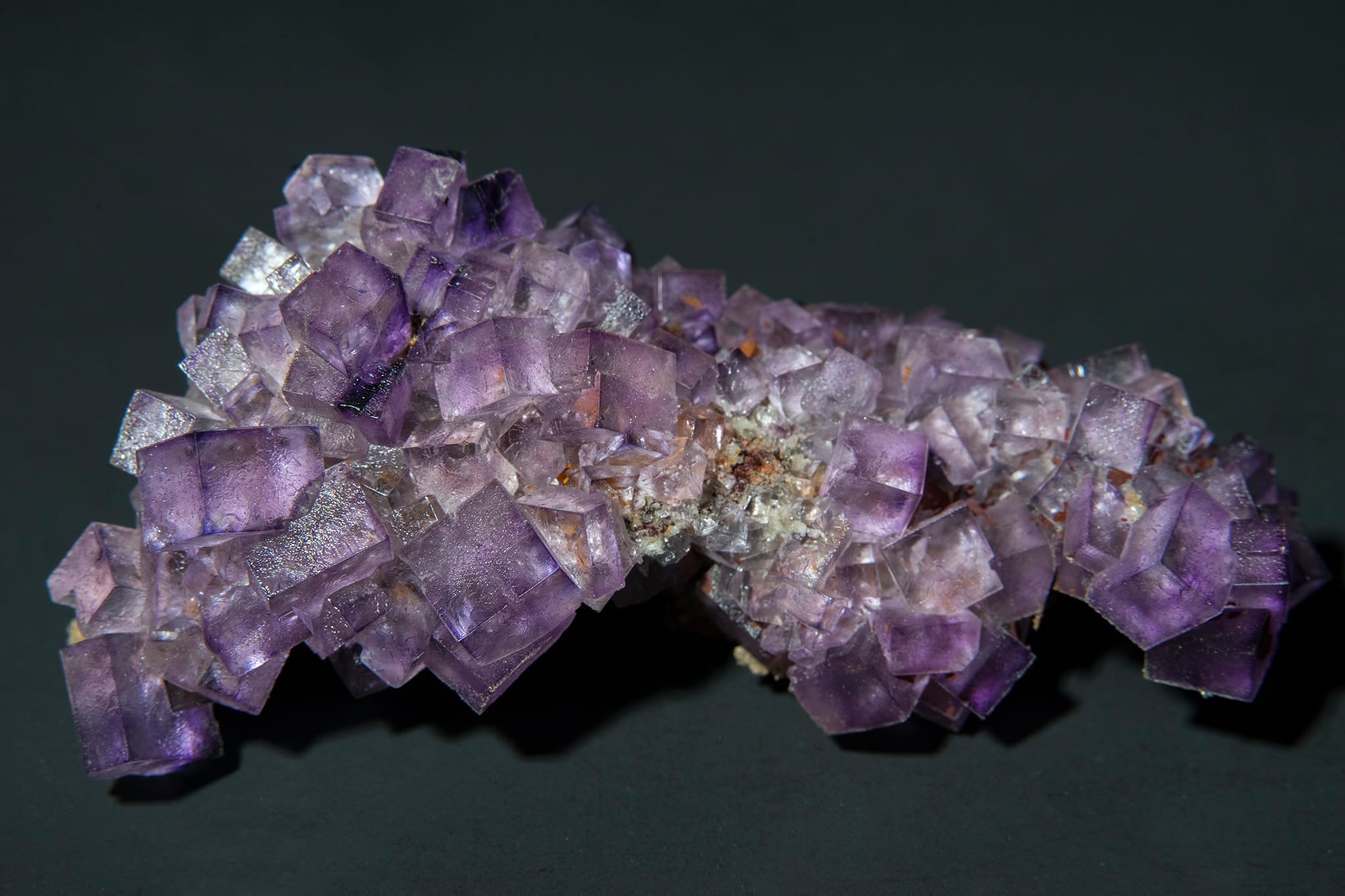
This was my discovery that sparked a lot of sales (I imagine) for this seller specifically. Not having any expectations I tested random minerals for fluorescence, even if I knew they wouldn't be fluorescent or knew their reactions. That's when I stumbled upon this gem. I was with Howie at the moment and had told him "Hey, this fluorite is fluorescing red. Is that rare?" He deadstops and immediately demands that I show him where. That's when I knew I found something good. For the next 30-45 minutes we look through every single box the dealer has of this material picking out the best of the best. Of course, after we pick the ones we want we call Mark & co so that they can pick the rest of the spoils. Because we go to Tucson as soon as it opens (end of January) and most fluorescent collectors go for the Fluorescent Mineral Society meeting or Mindat.org meeting (first week of February) we have a head start. Mark had posted about this and multiple others reported on buying a fluorescent red fluorite from him as well. Hope they put in a good word for us! Maybe we'll get a bigger discount next time!
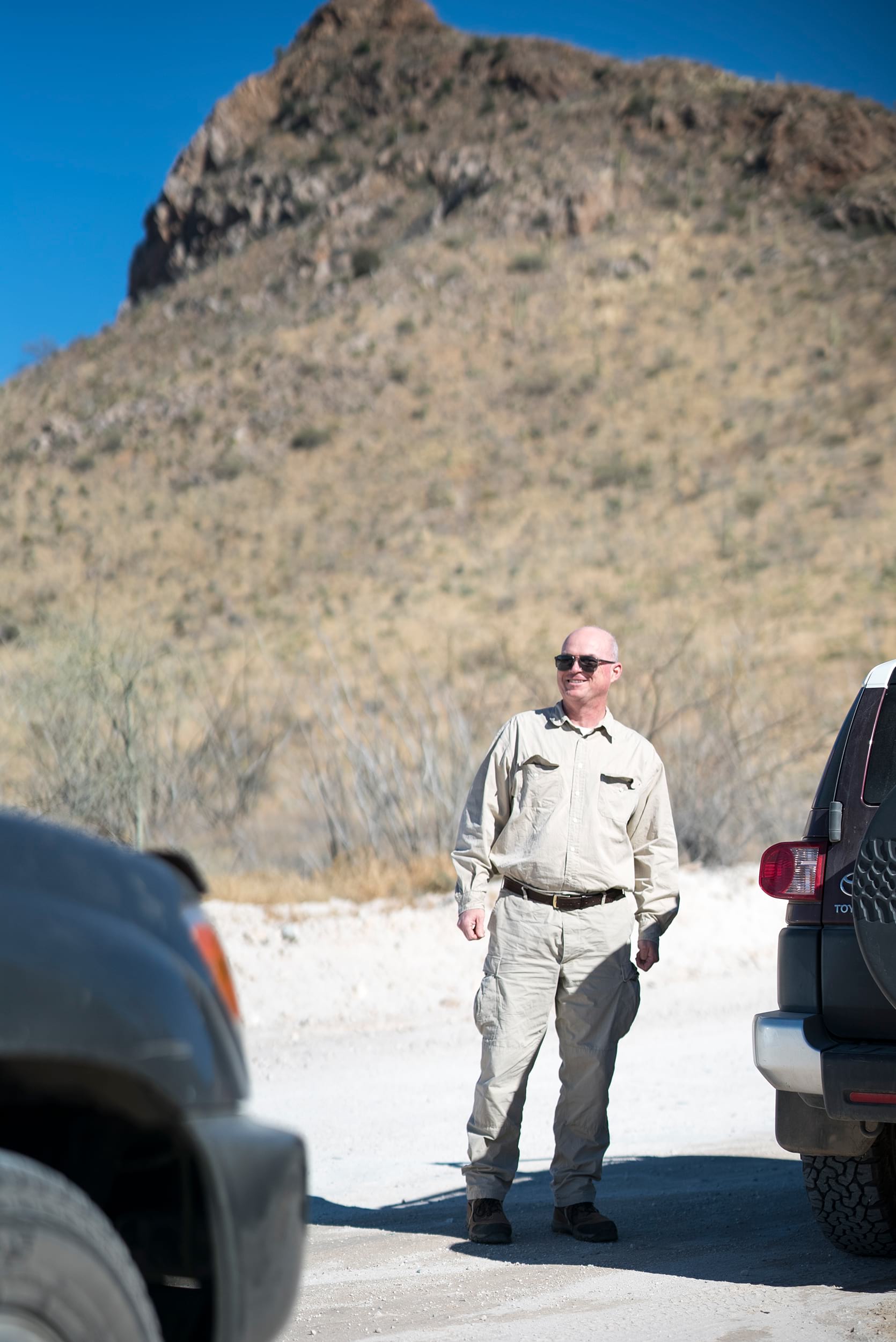
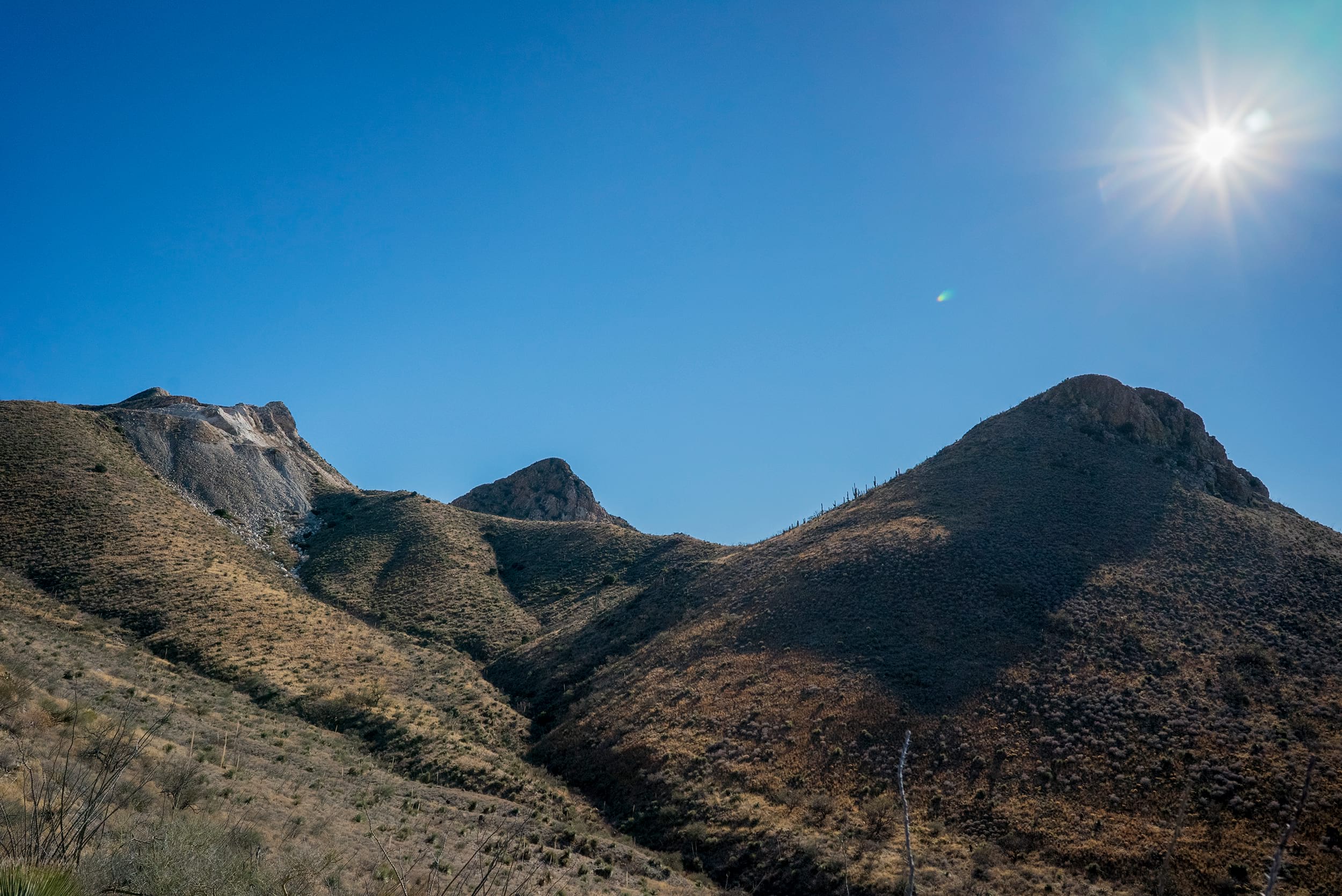
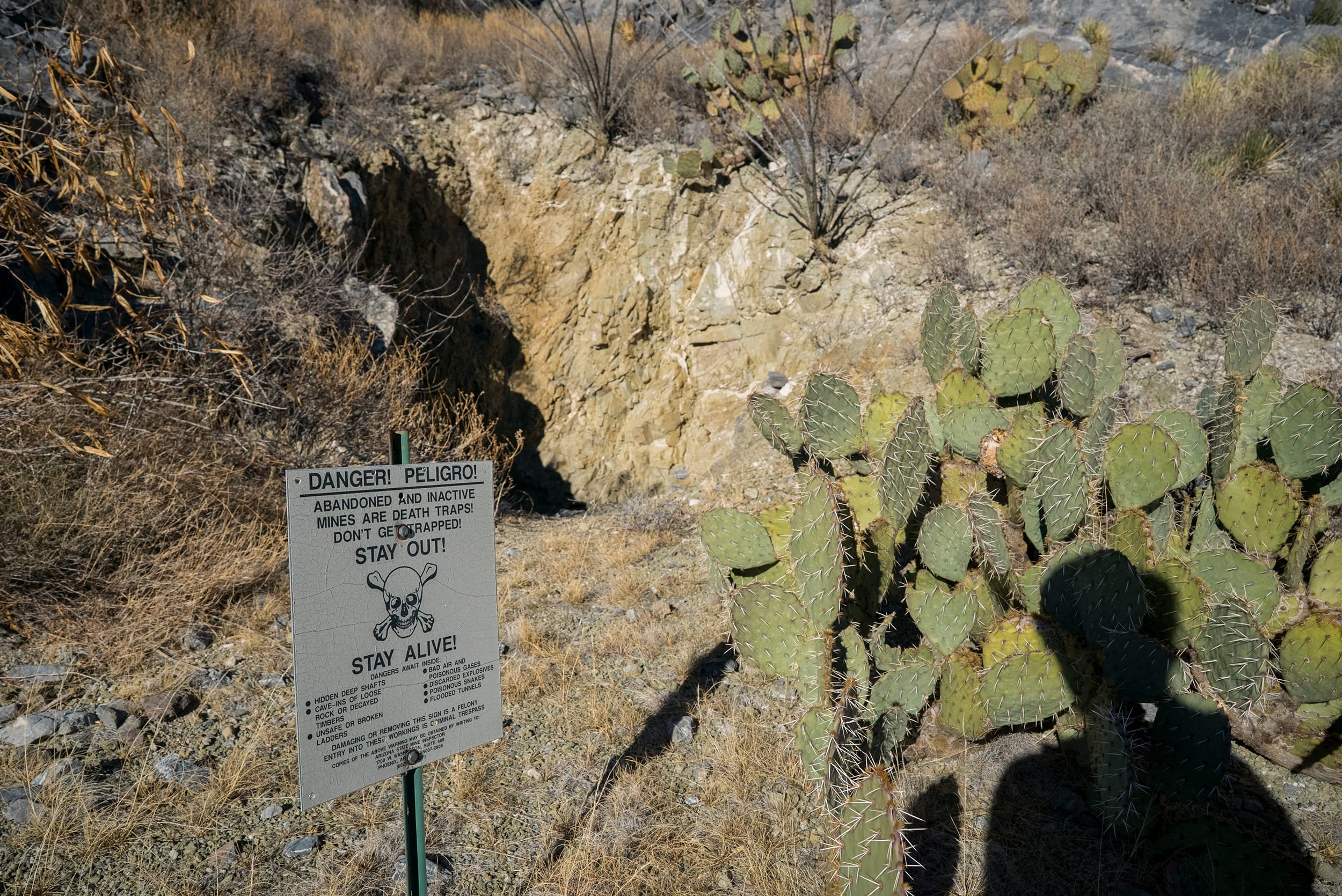
After we had finished shopping for the morning it was time to go collecting! Dan Moore of mineralarts (http://www.mineralarts.com/) took us on a tour to Helvetia. It was a beautiful hike and the weather was great. We did quite a fair bit of bushwhacking though as this trail clearly wasn't used very often. Good! Because that meant not many collectors go there!
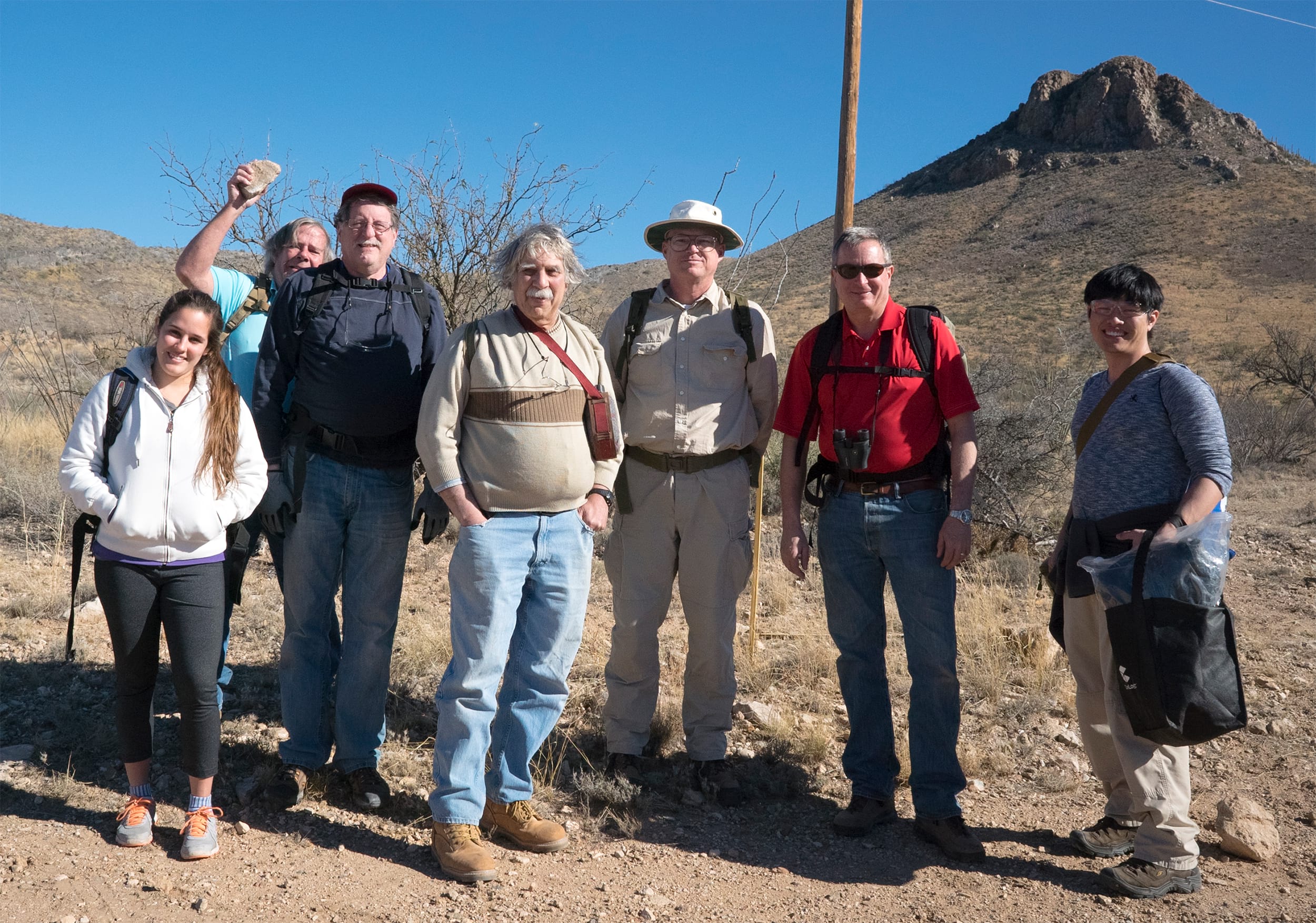
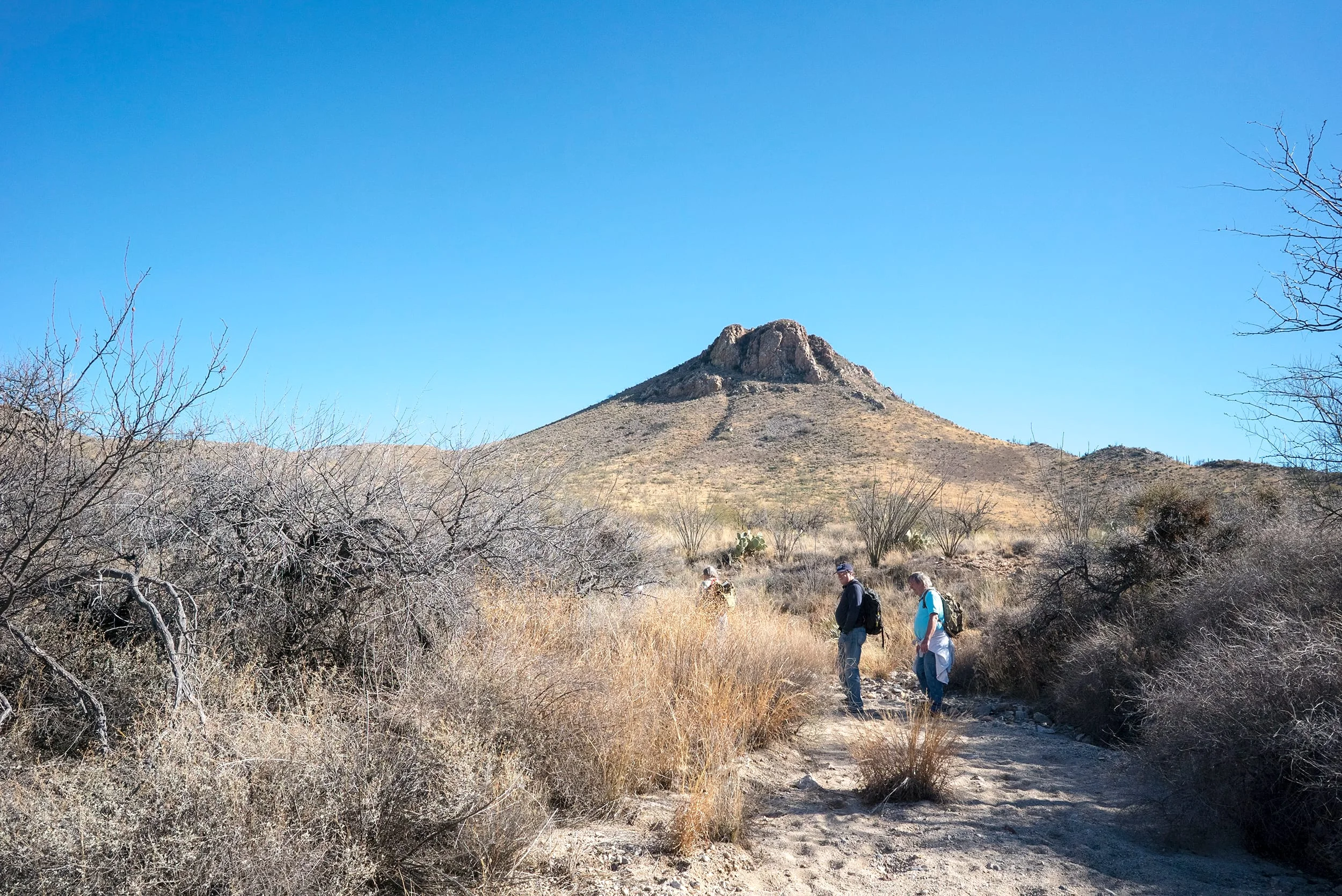
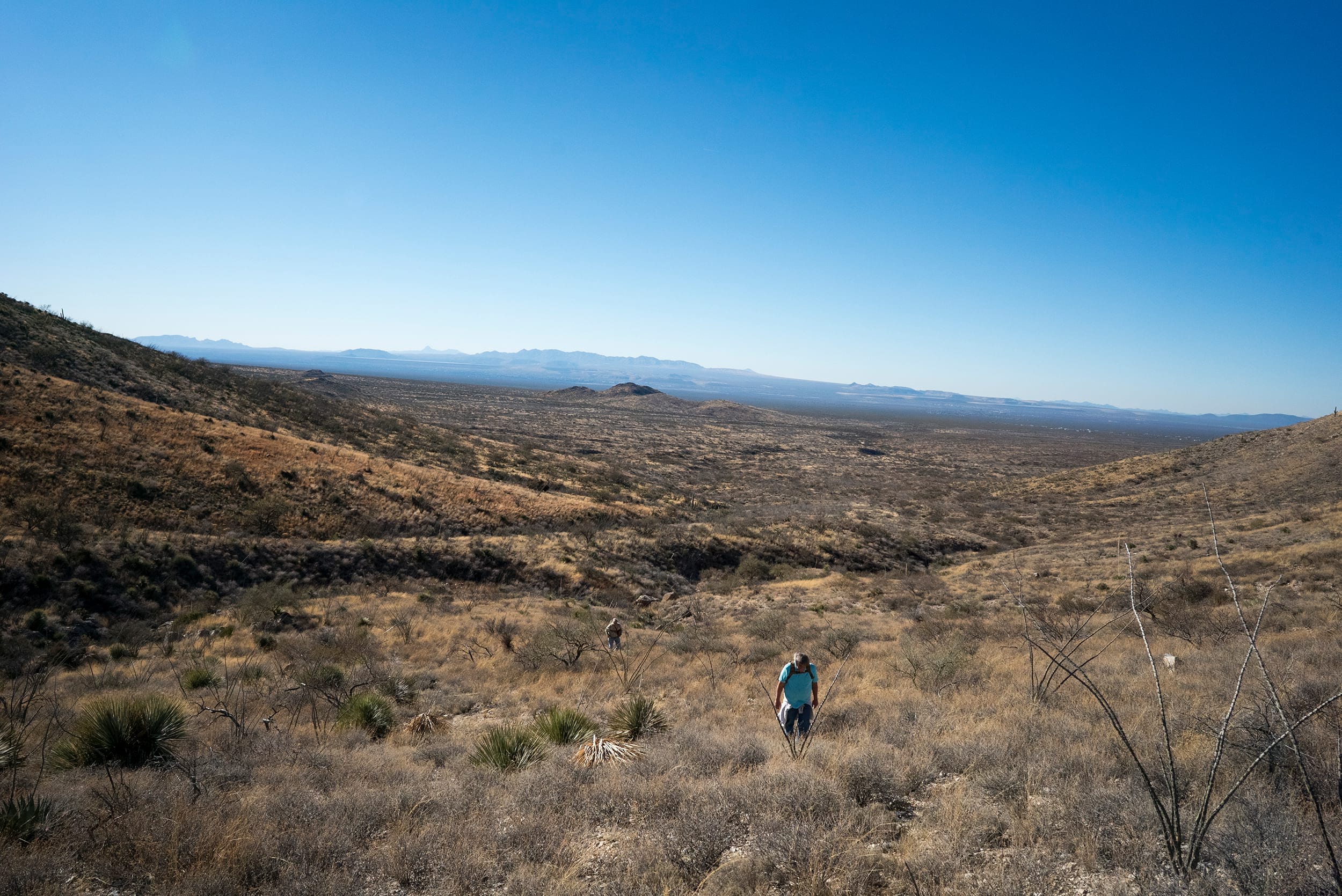
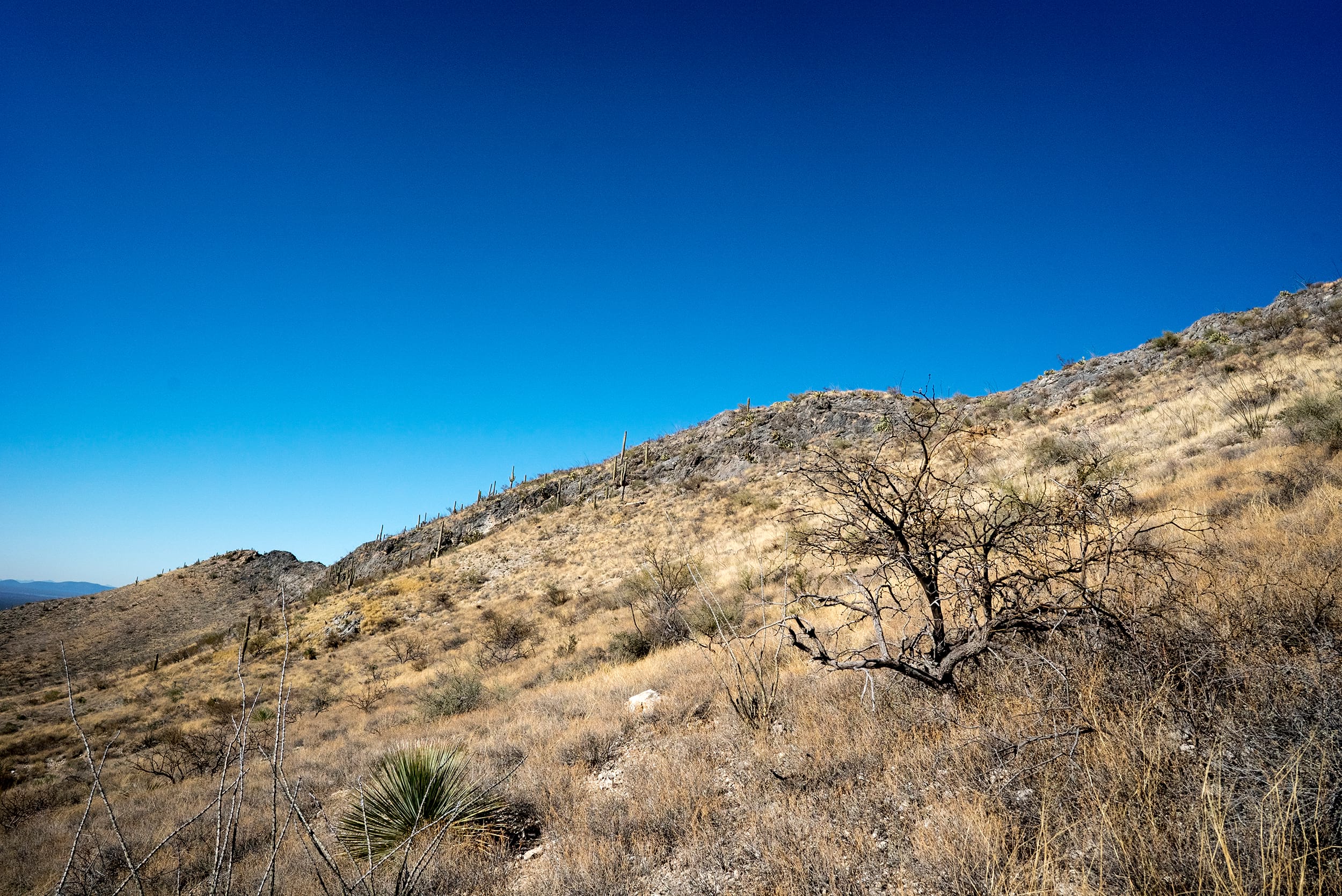
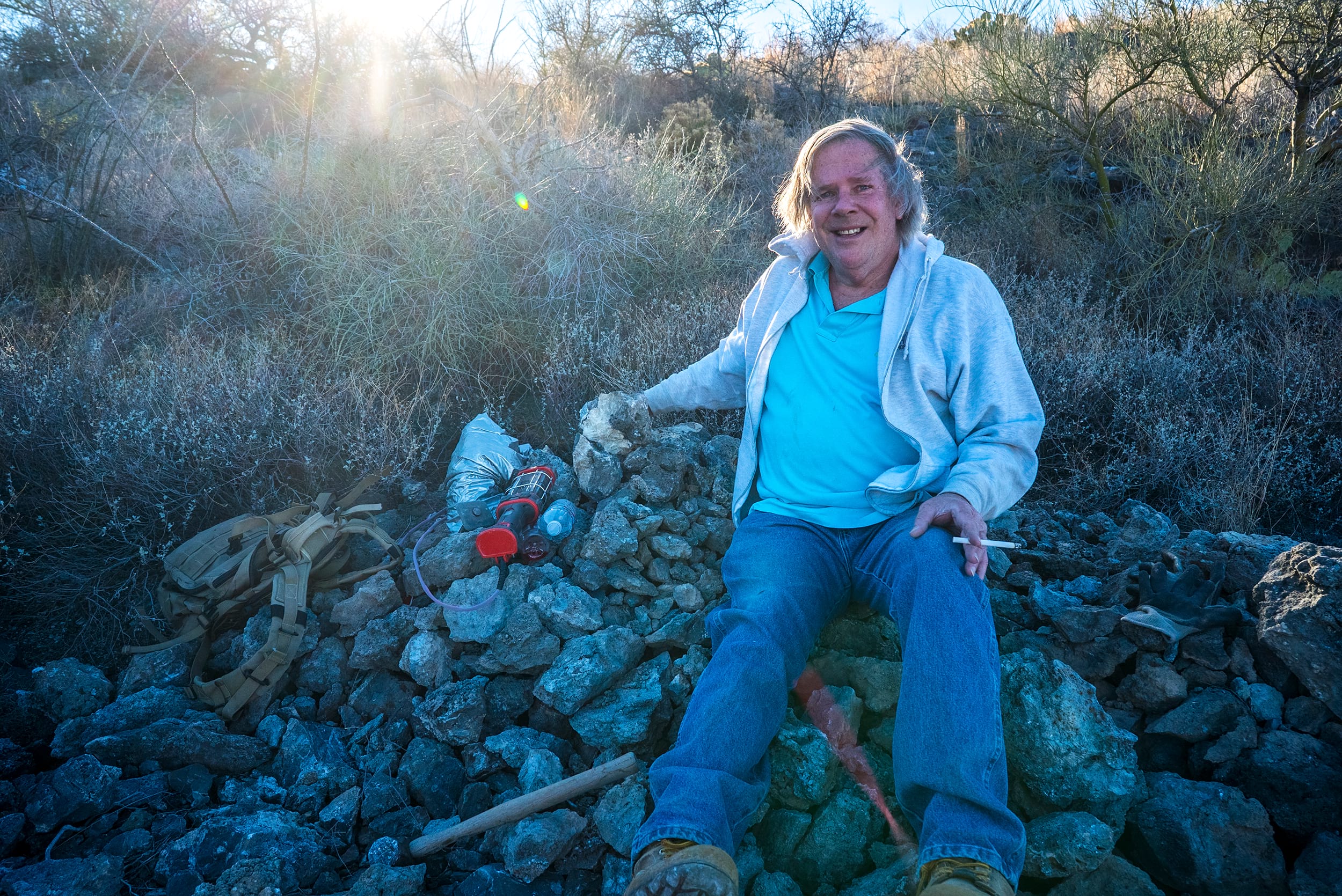
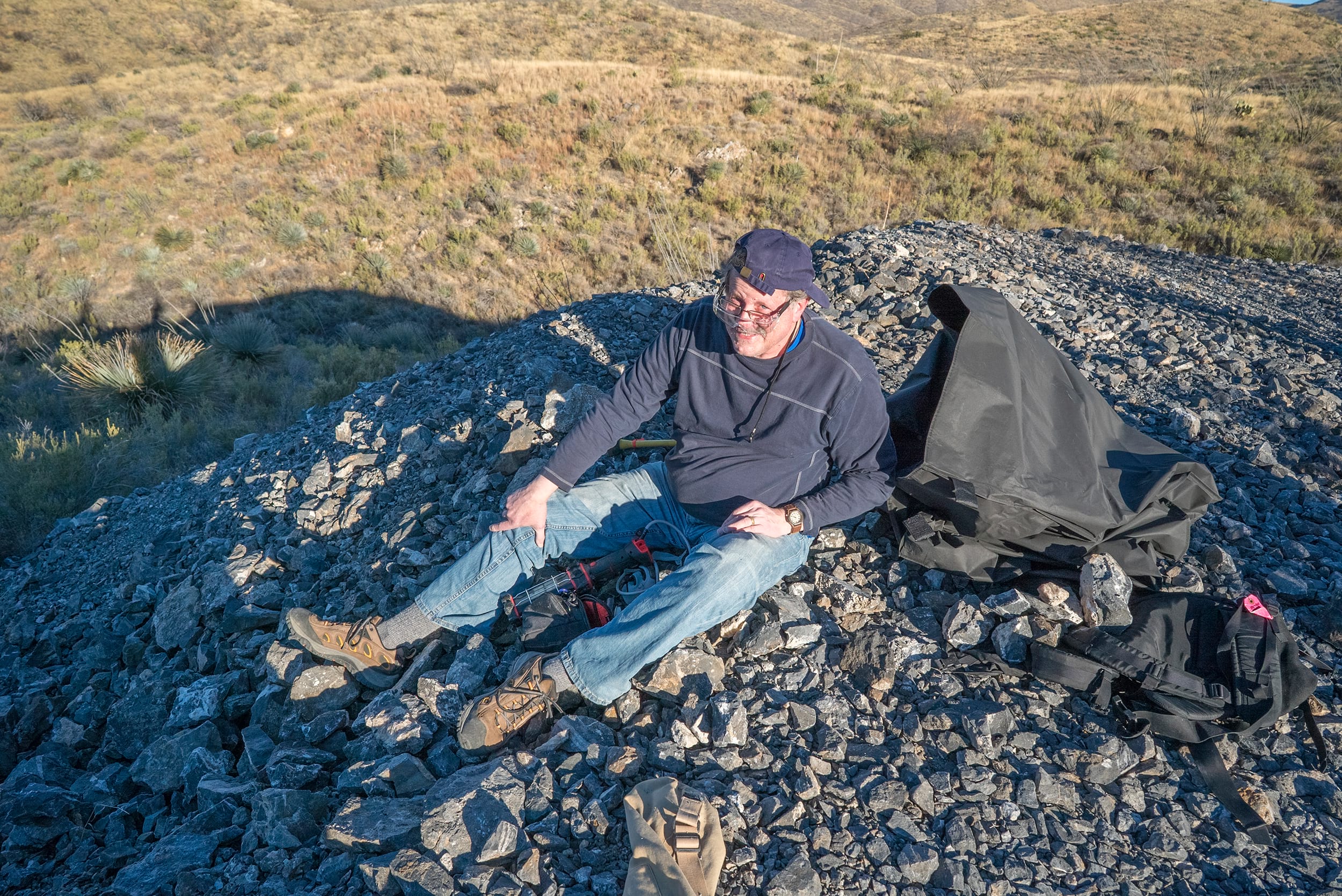
We were now at the spot where Dan had collected his wonderful Helvetia fluorescents. The amazing thing was that we were the first group of fluorescent collectors he had taken up there. Good to know that Dan didn't completely pick over the site! There were wonderful fluorescents to be had there with everyone getting some wonderful specimens to take home.
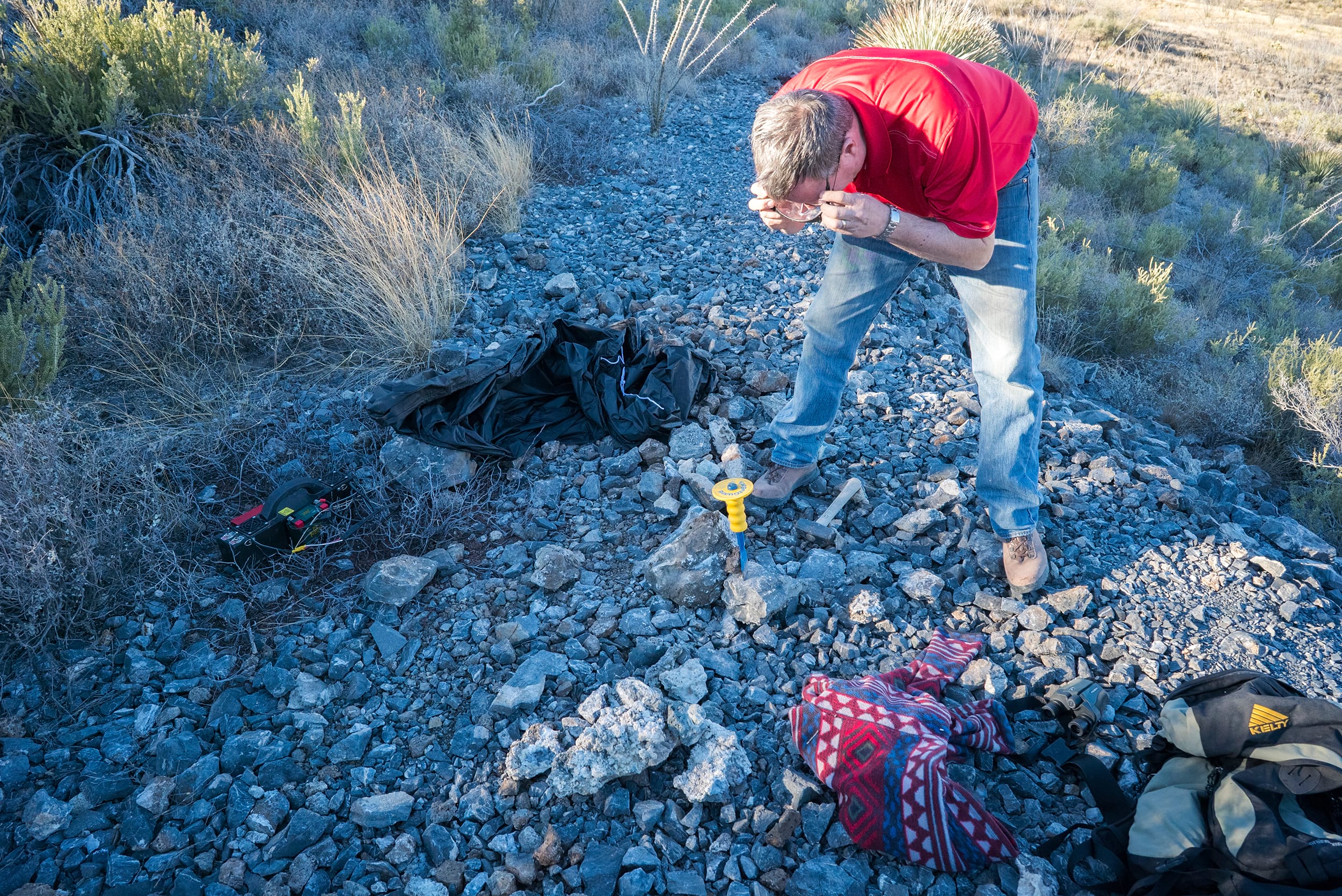
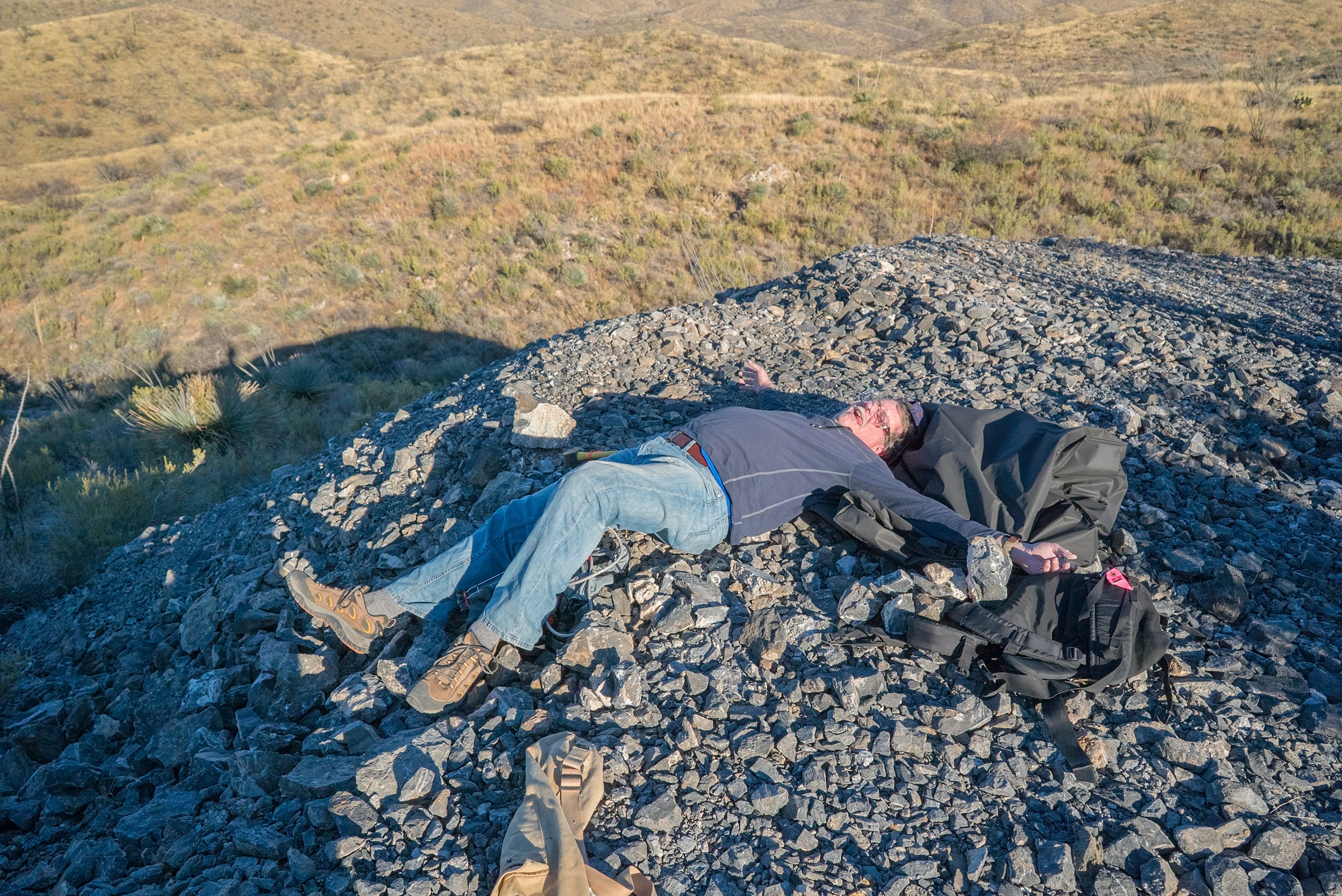
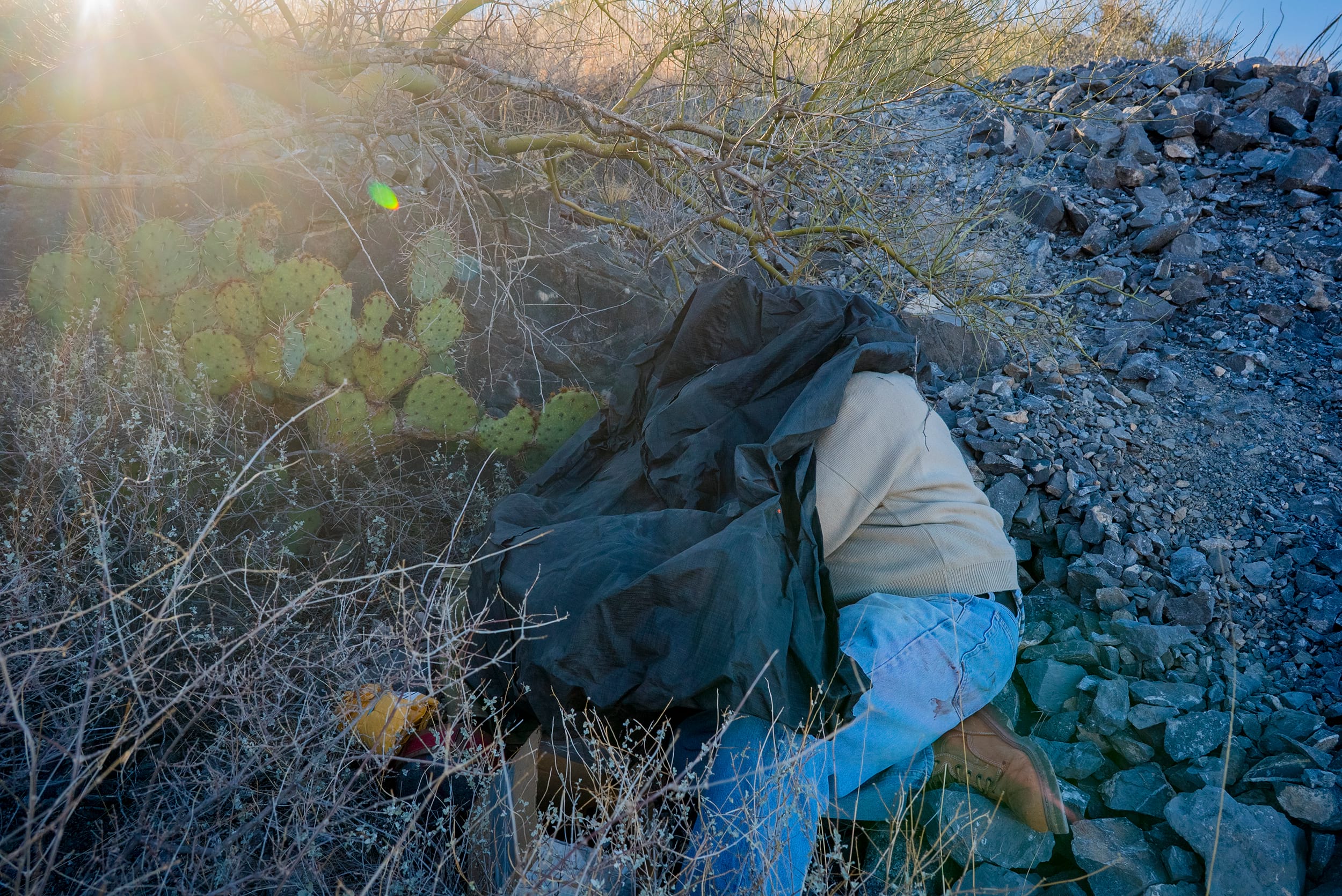
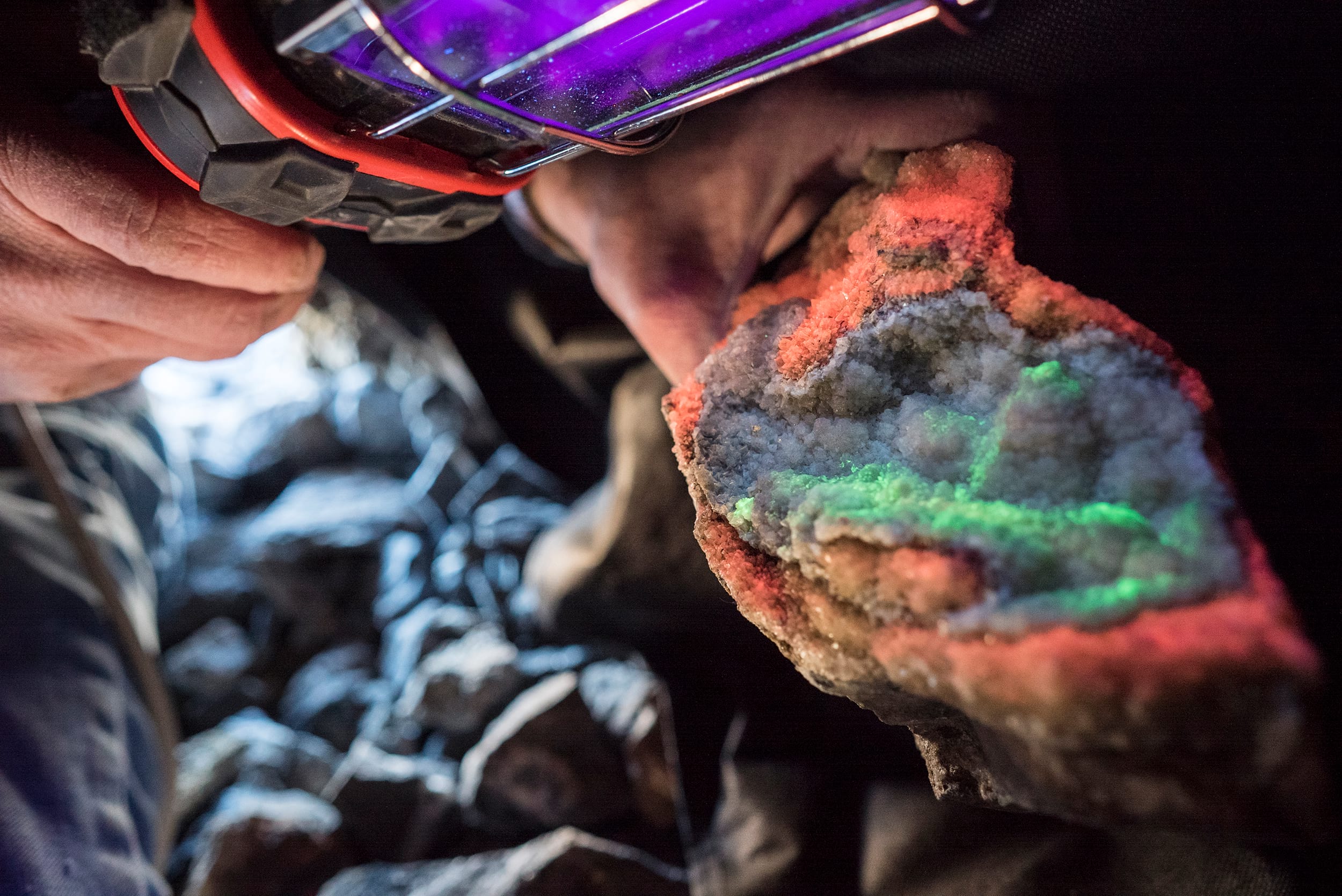
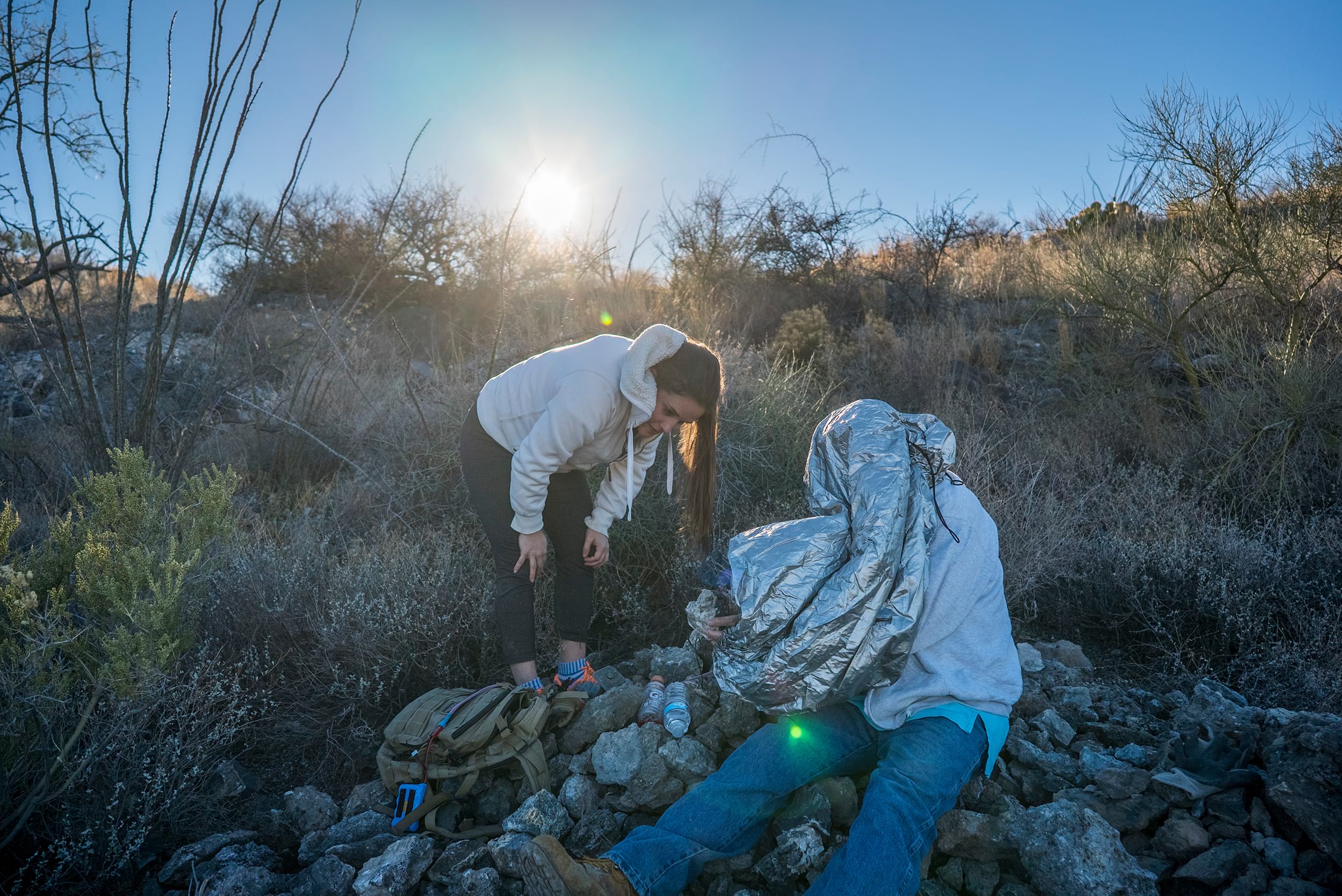
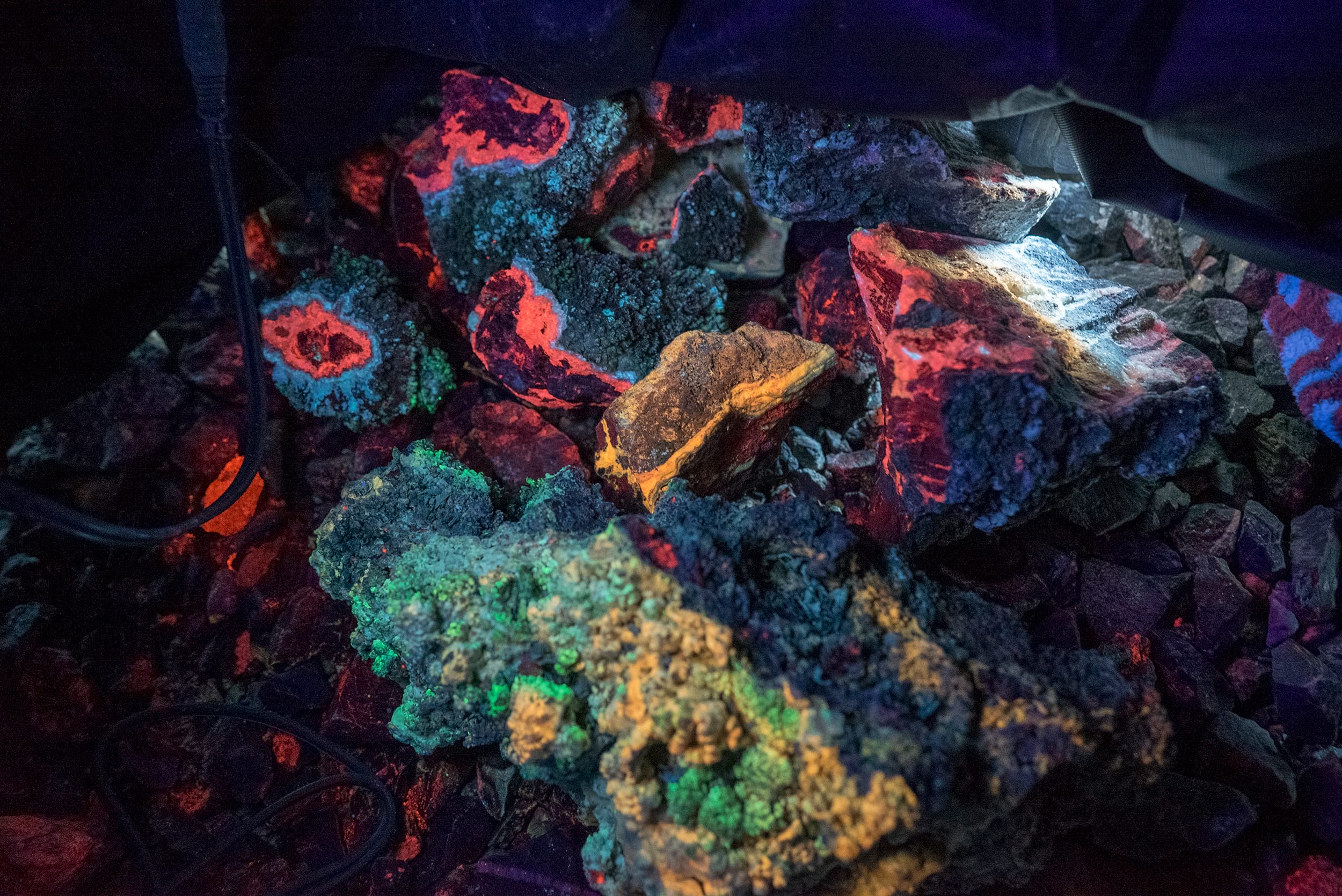
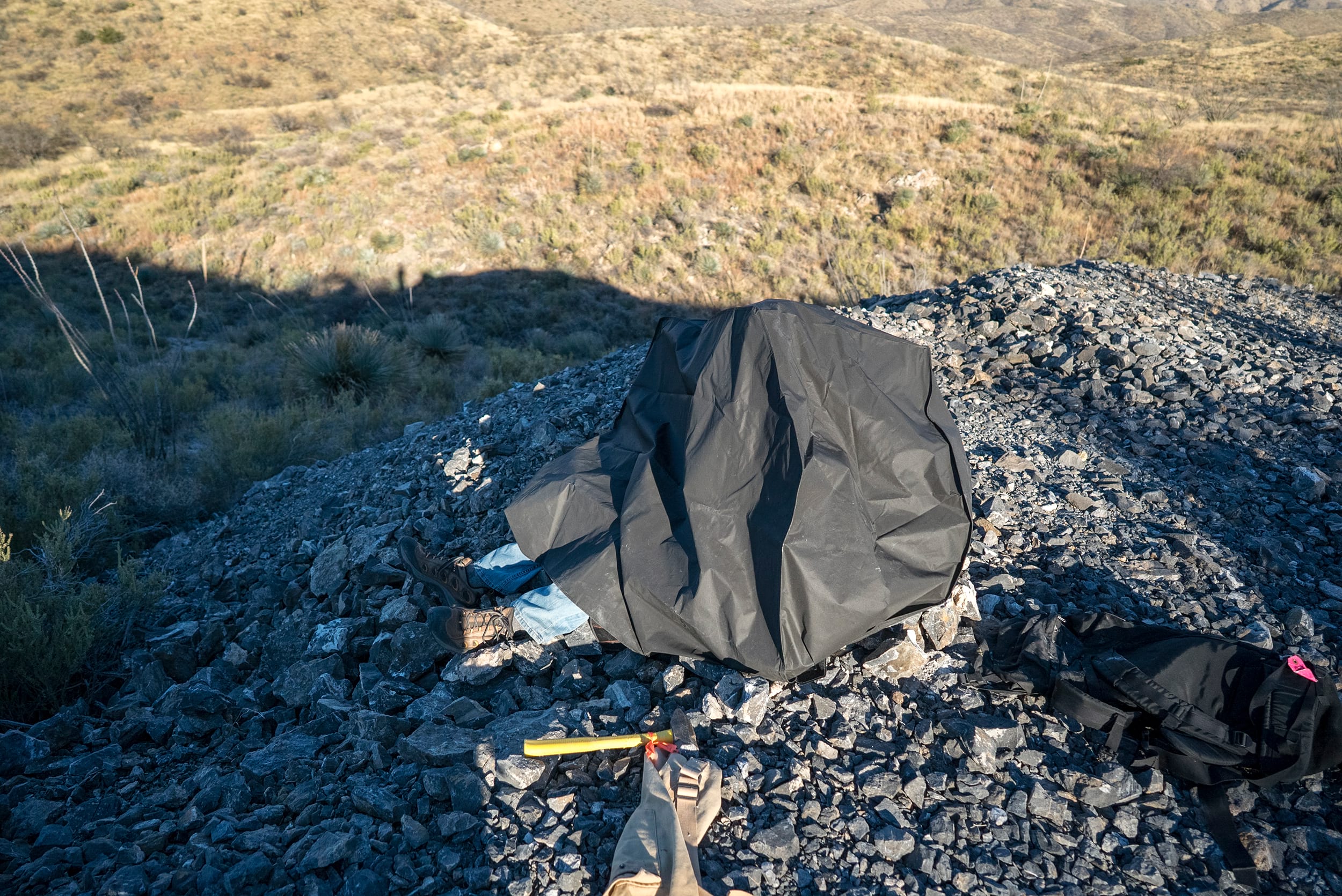
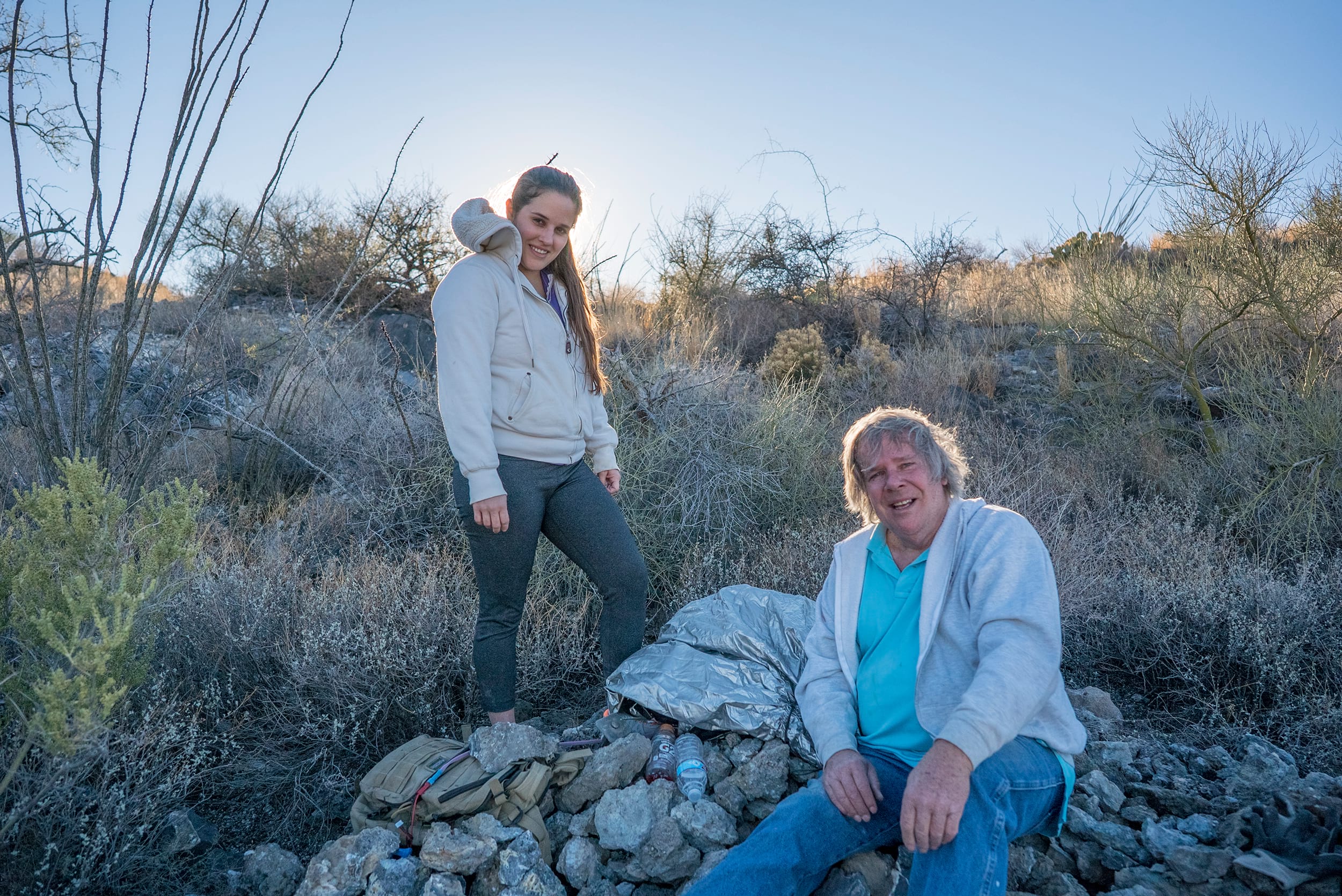
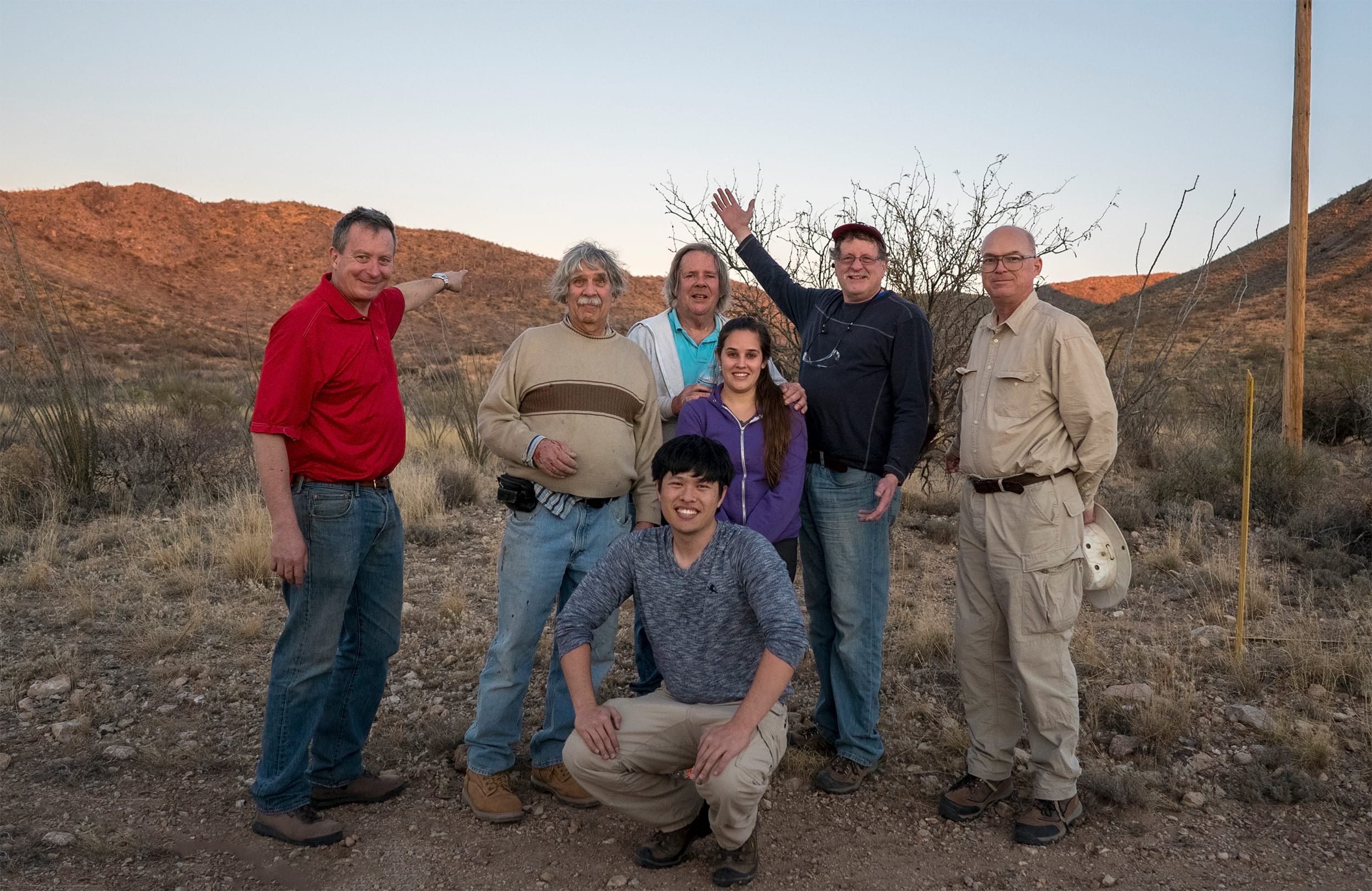
After every night the group would get together and show off their purchases for the day. In this case it was after the Helvetia trip so we got to show off what we found as well. It made for a wonderful group shot with a wide mix of materials.
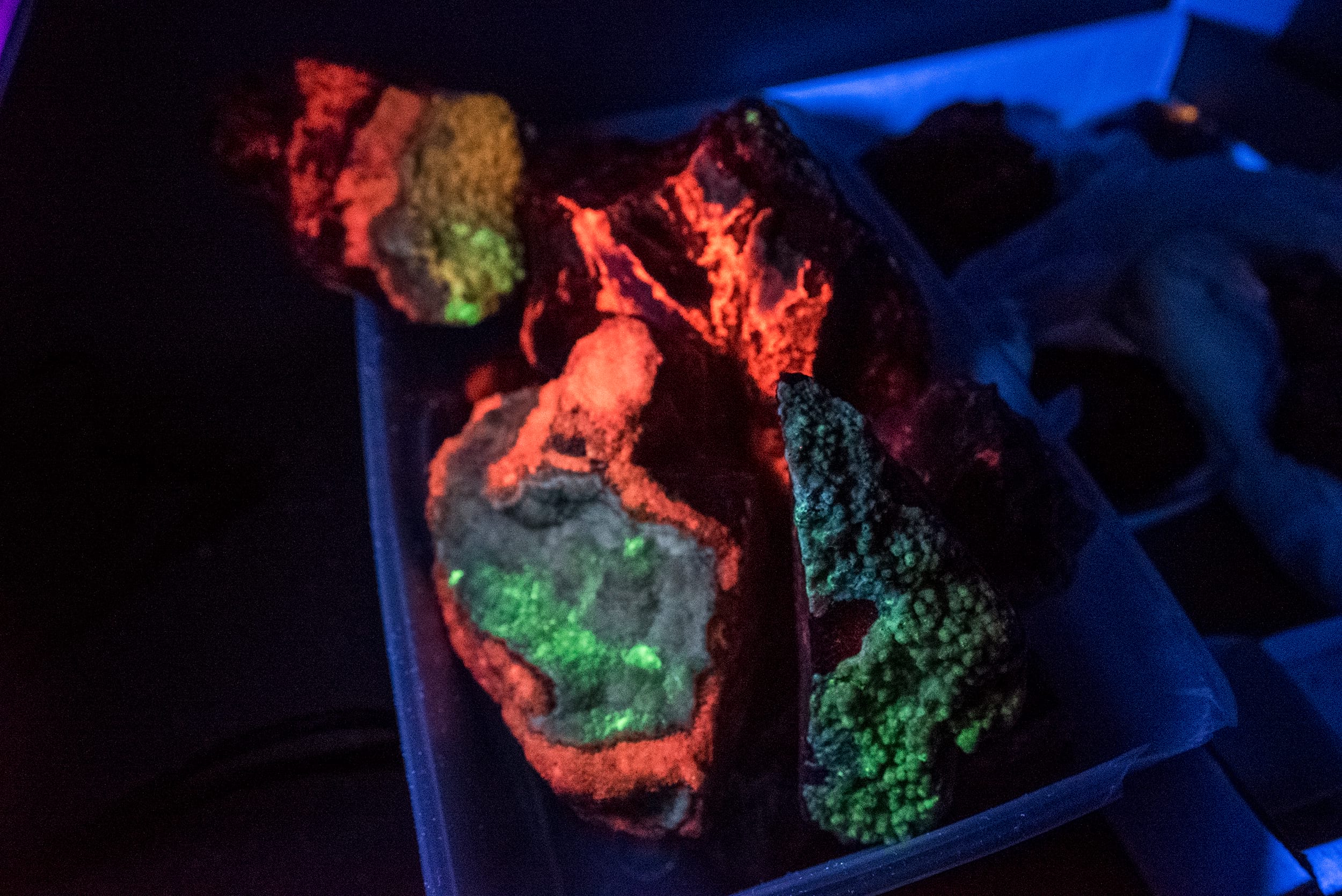
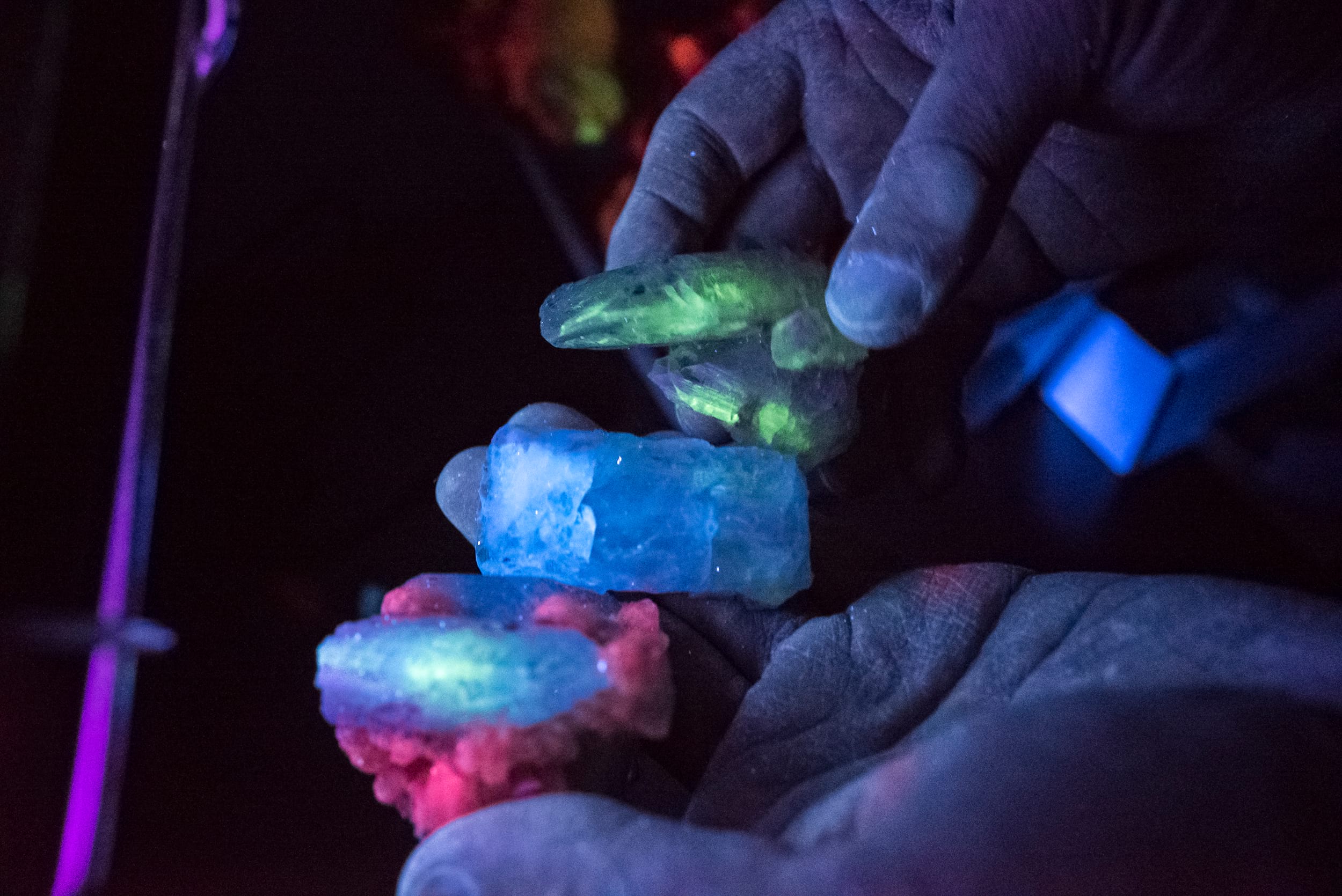
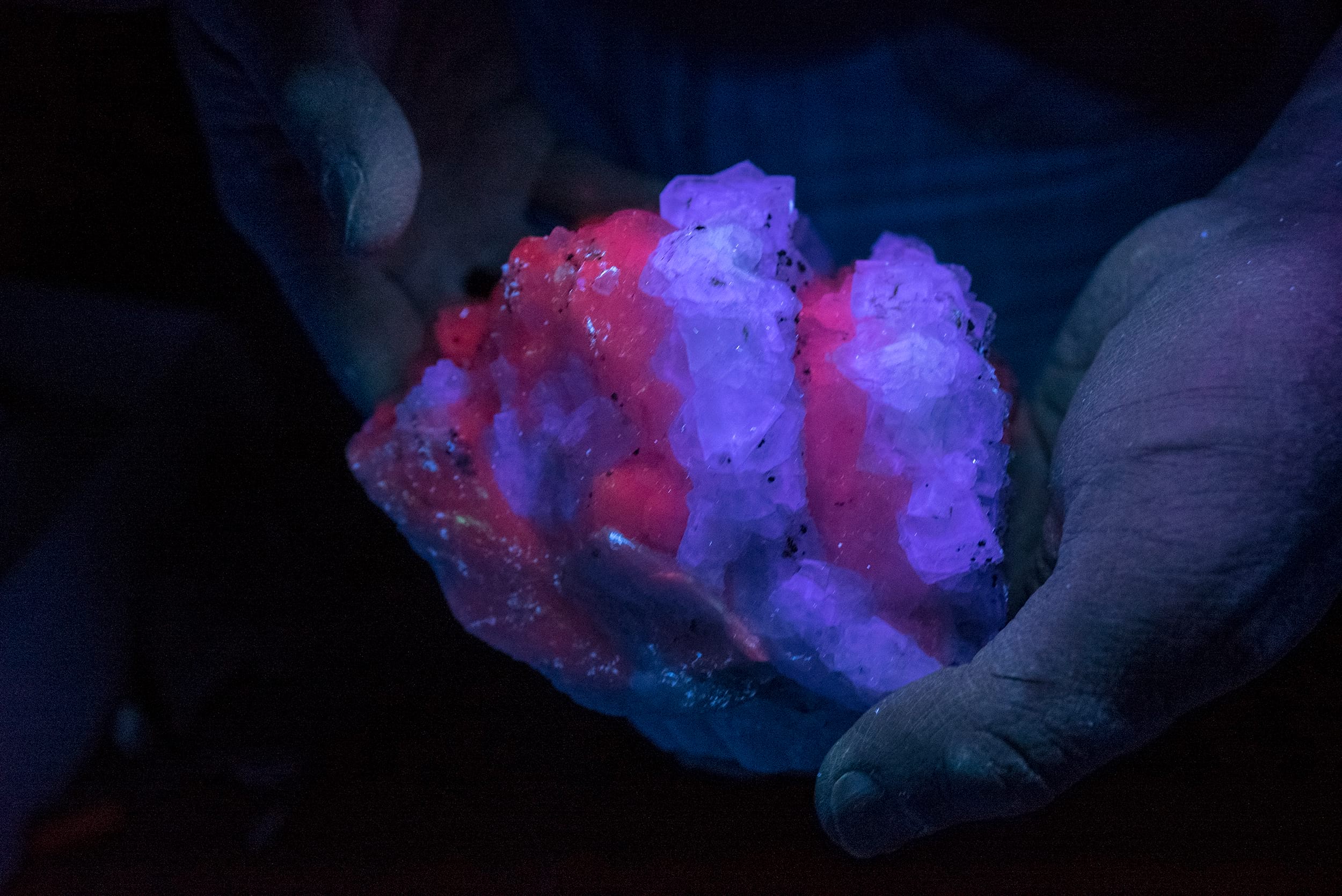
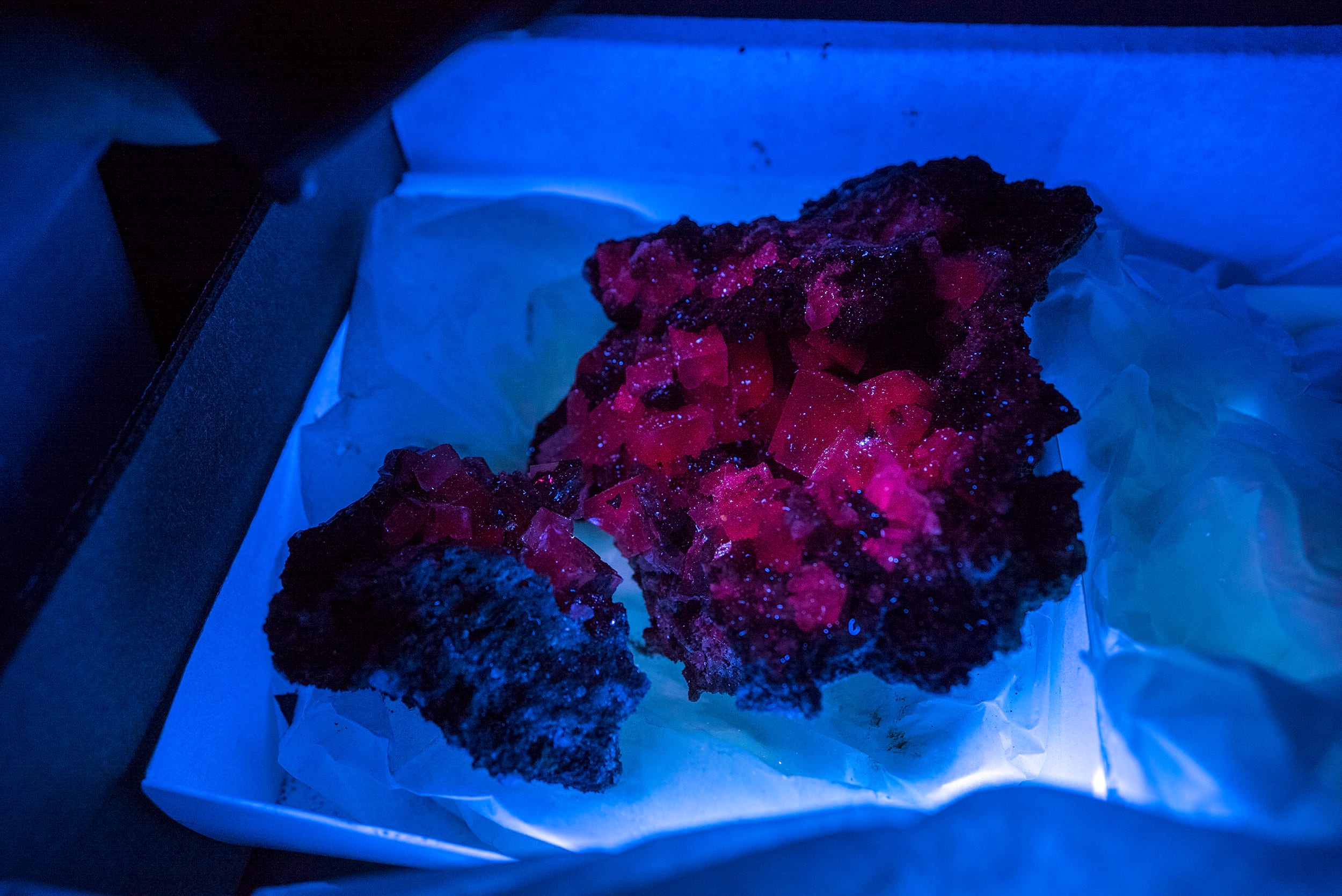
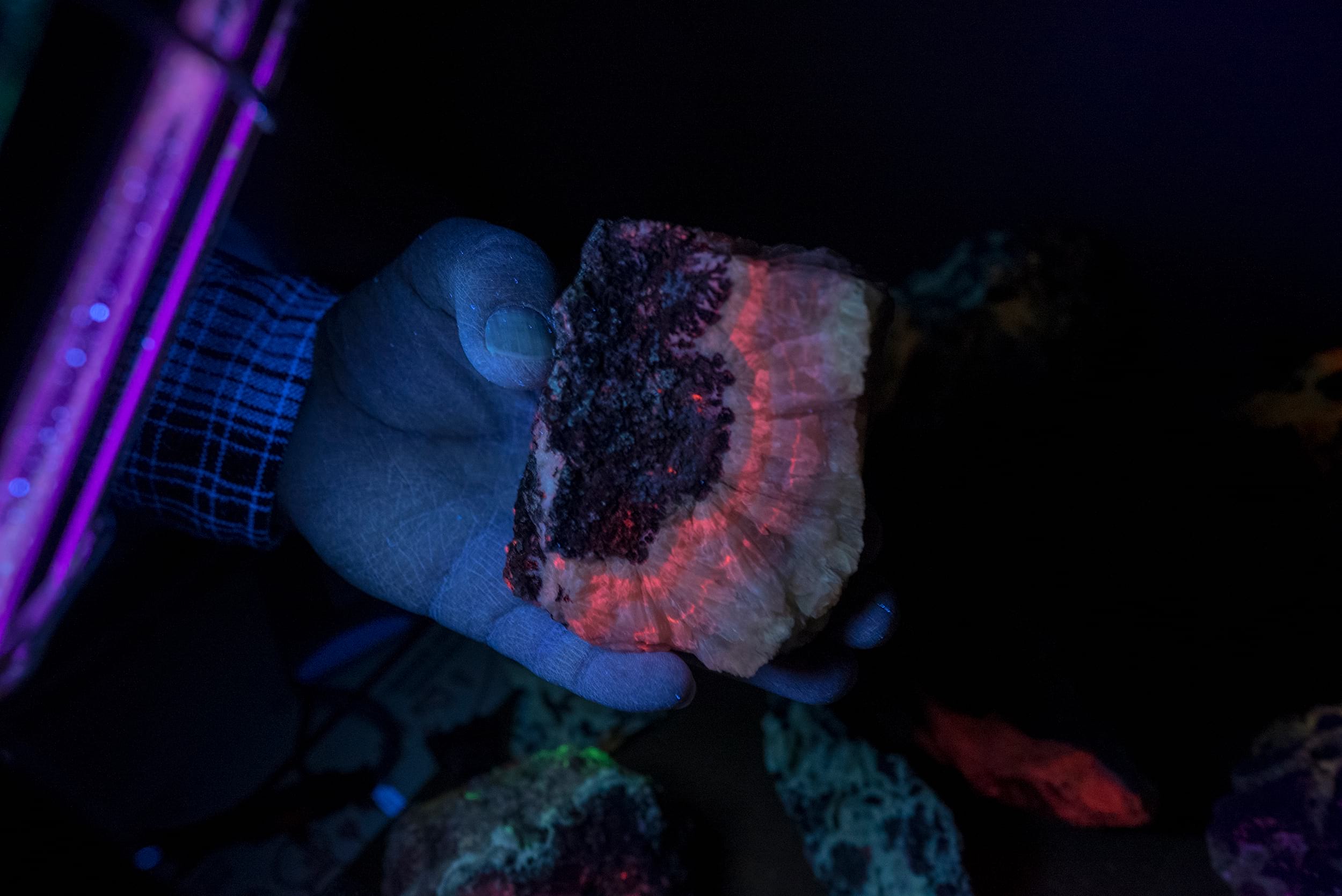
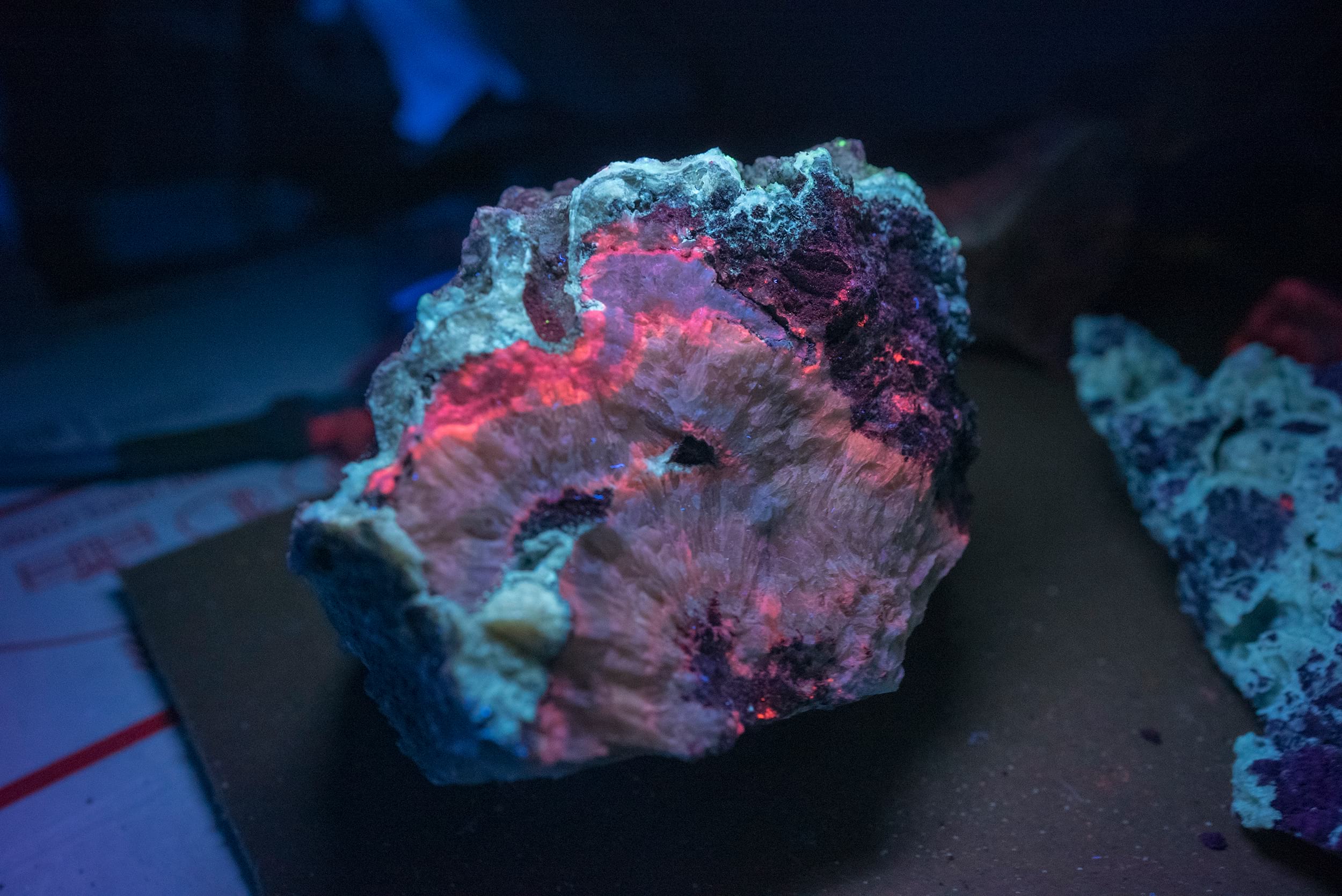
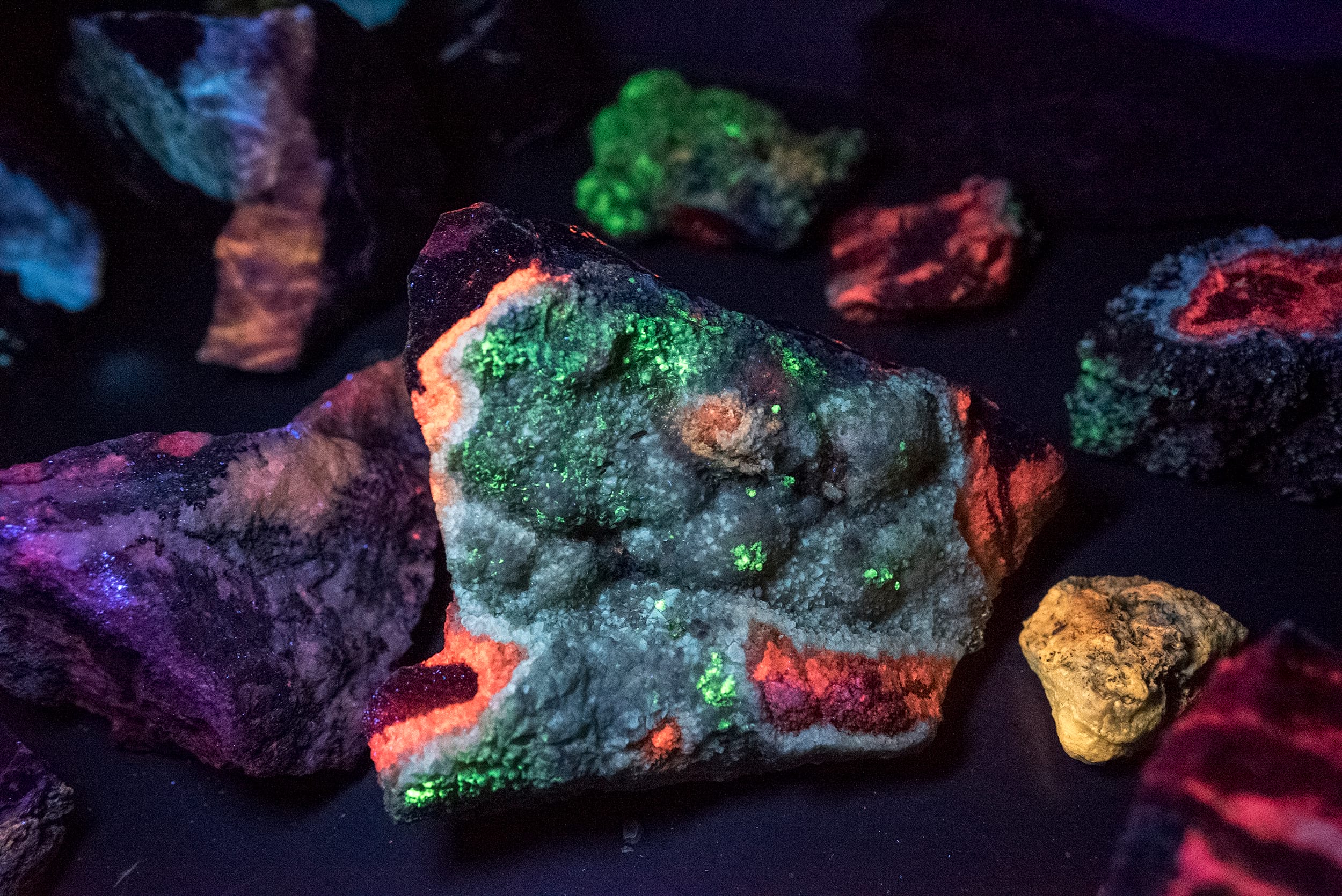
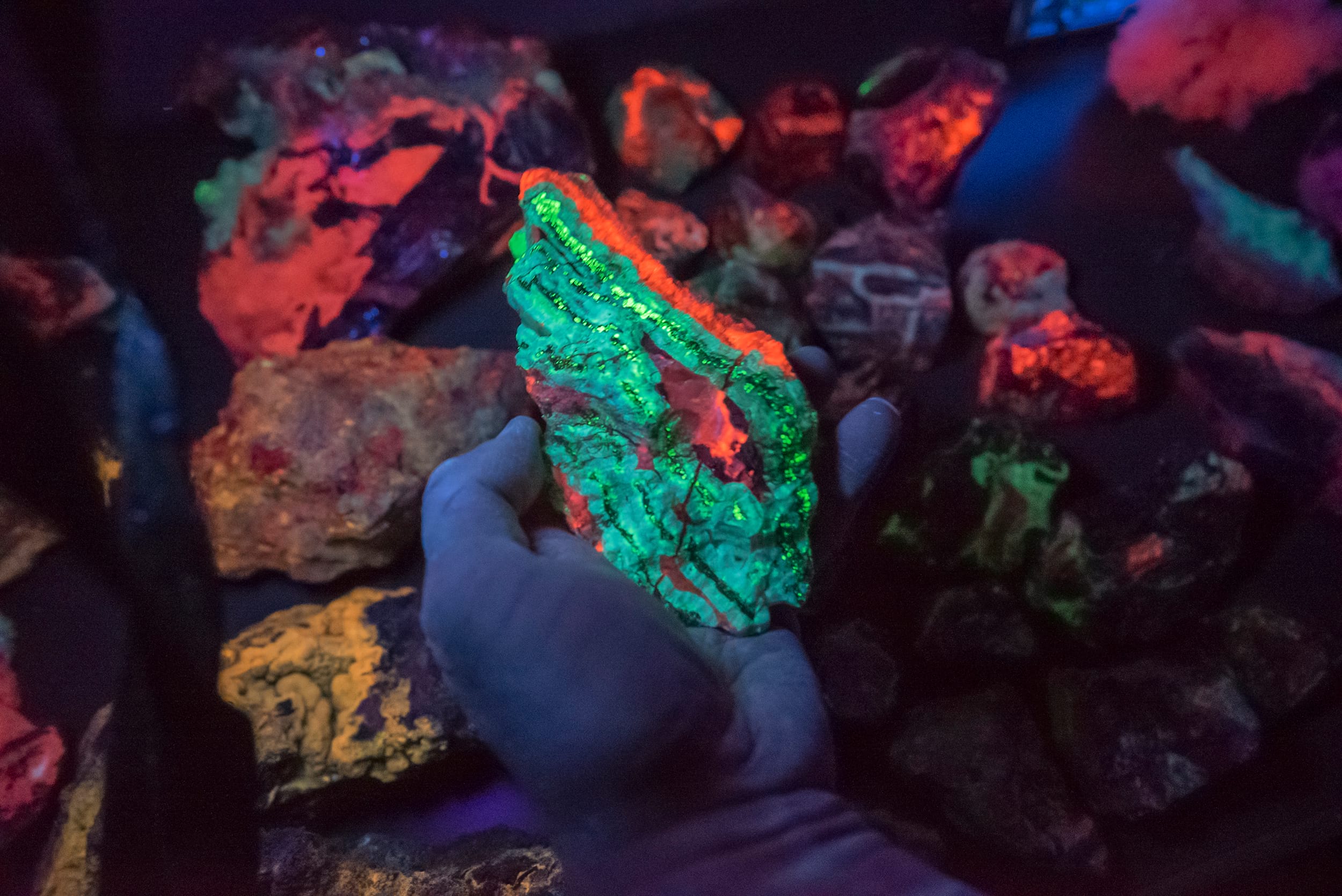
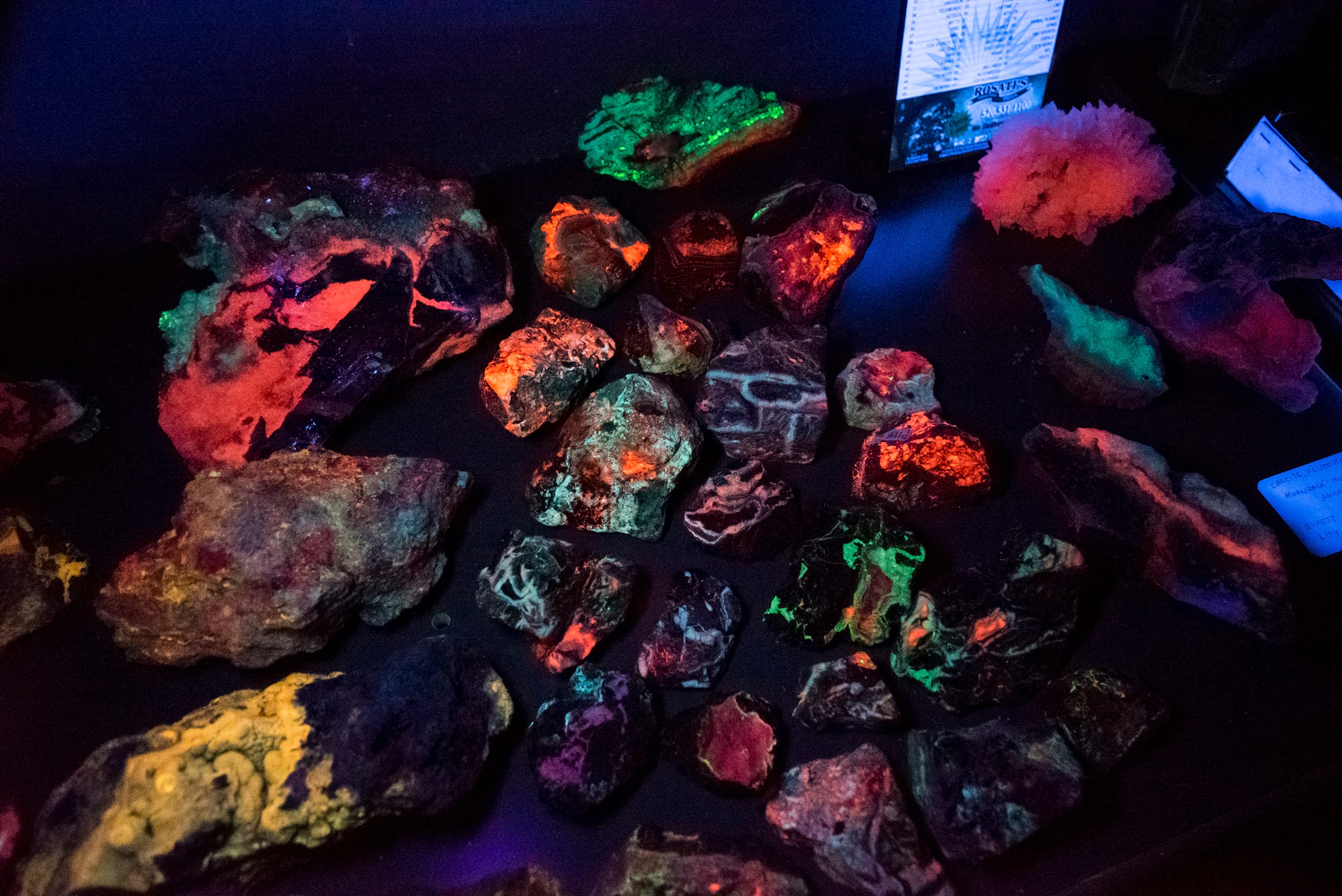
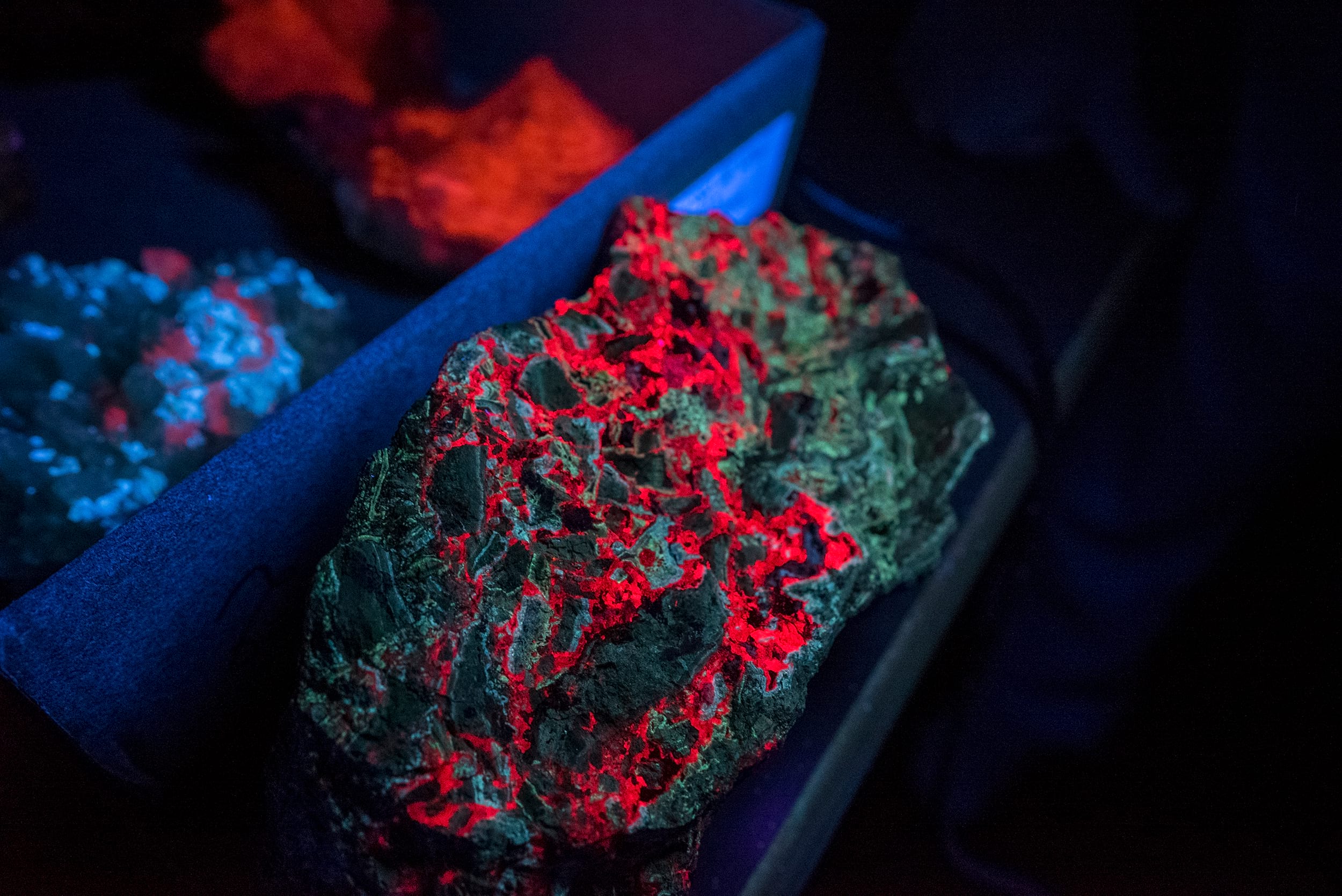
Here are my finds. Wonderful generations of calcite and some nice brief intense phosphorescence in the videos next to them. Pictures in NL, LW, SW
Specimen 1: Caliche (fl orange) coating aragonite with spots of hyalite (fl green). Also has multiple generations of calcite (fl white & red)
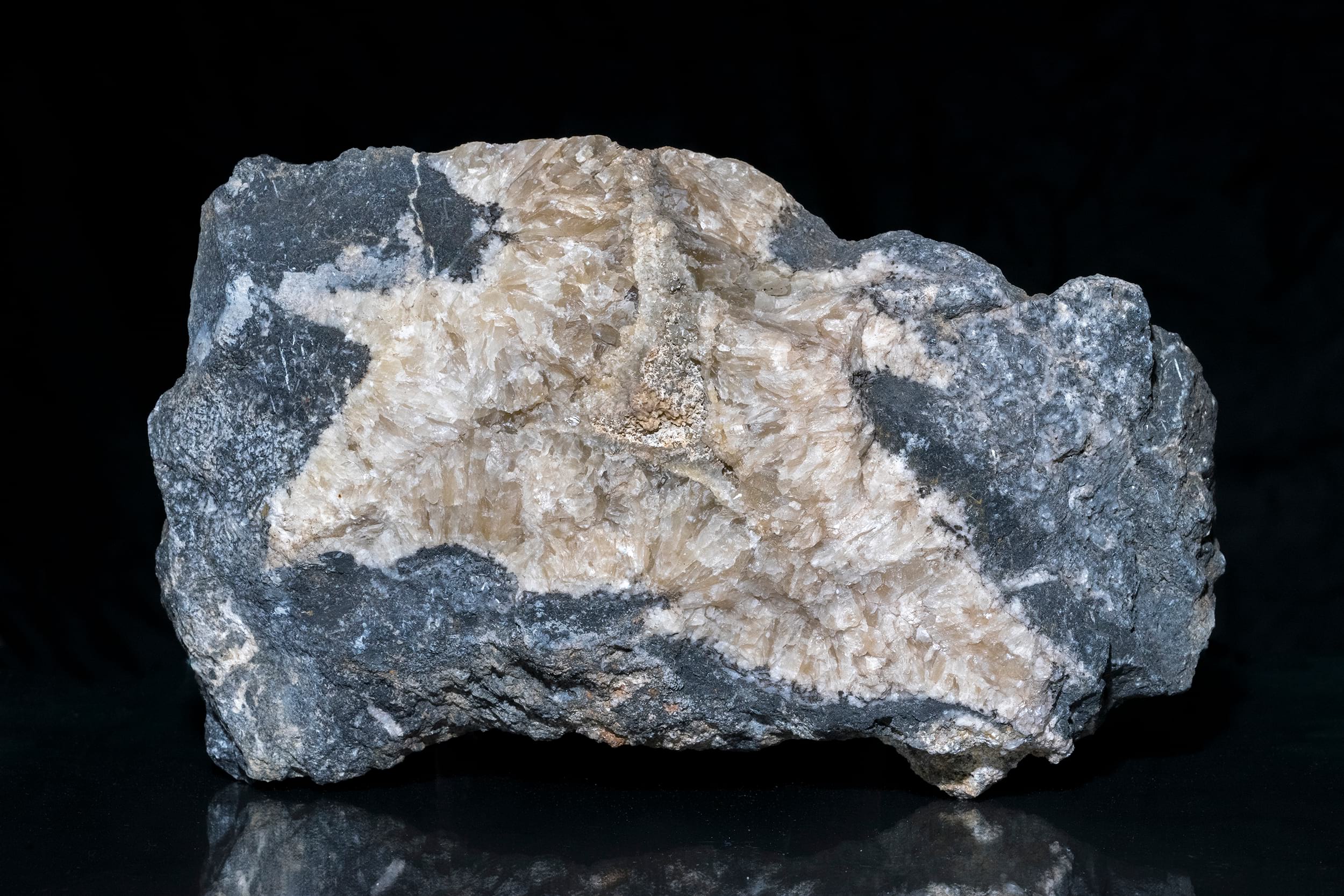
Specimen 2: Multiple generations of fluorescent calcite banding (fl orange, red, yellow-orange)
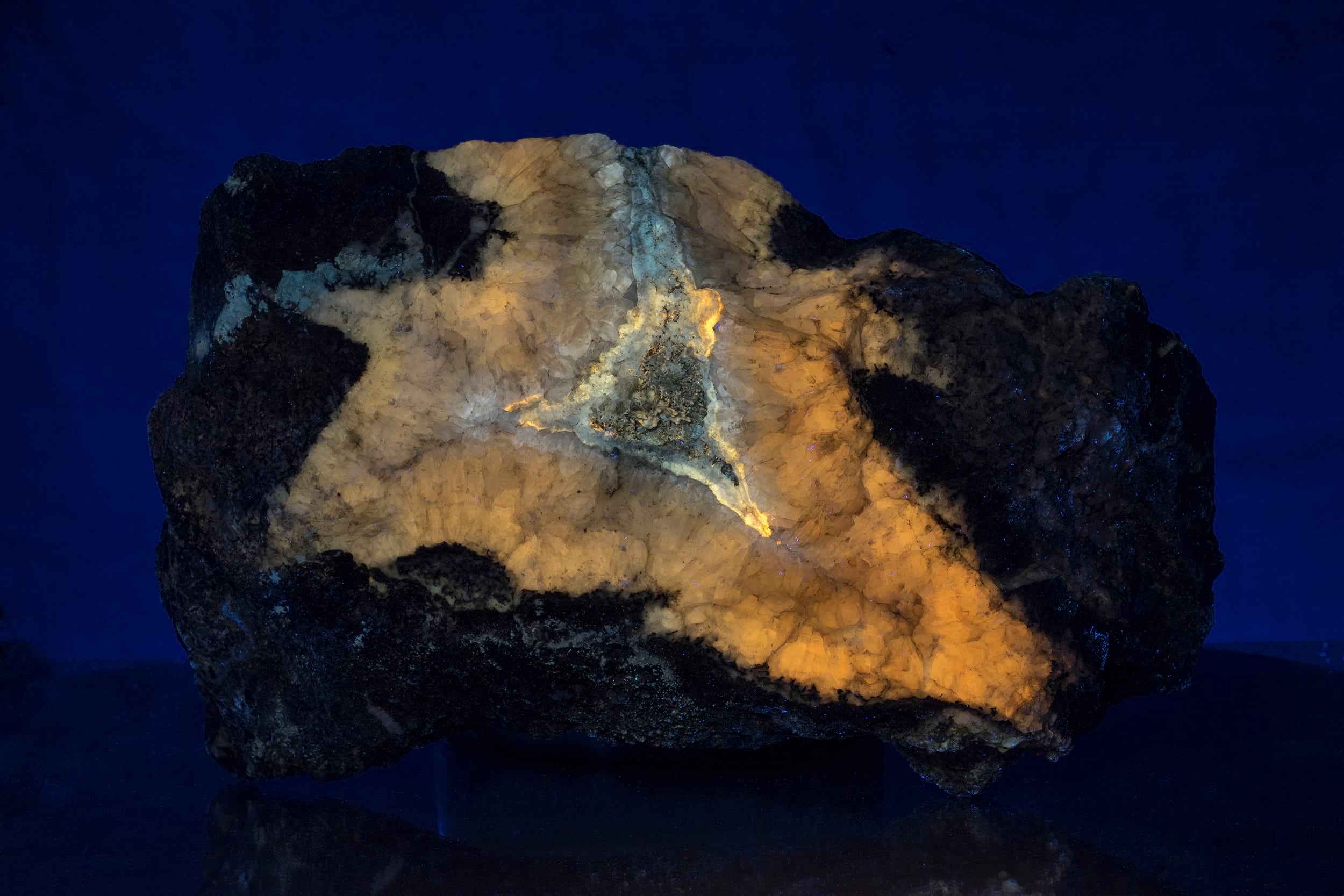
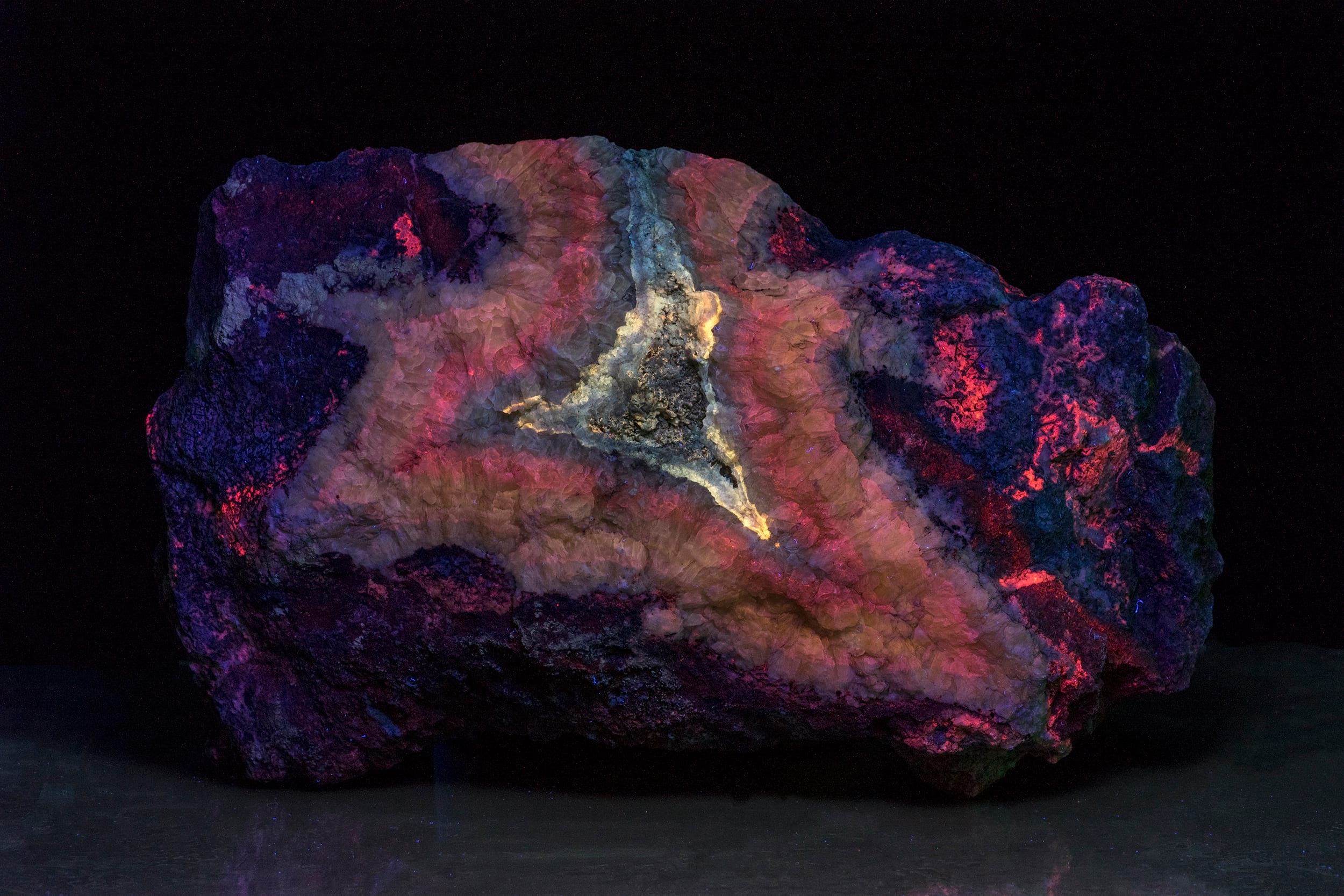
Specimen 3: Caliche (fl orange) coating aragonite with spots of hyalite (fl green). Also has multiple generations of calcite (fl white & red)
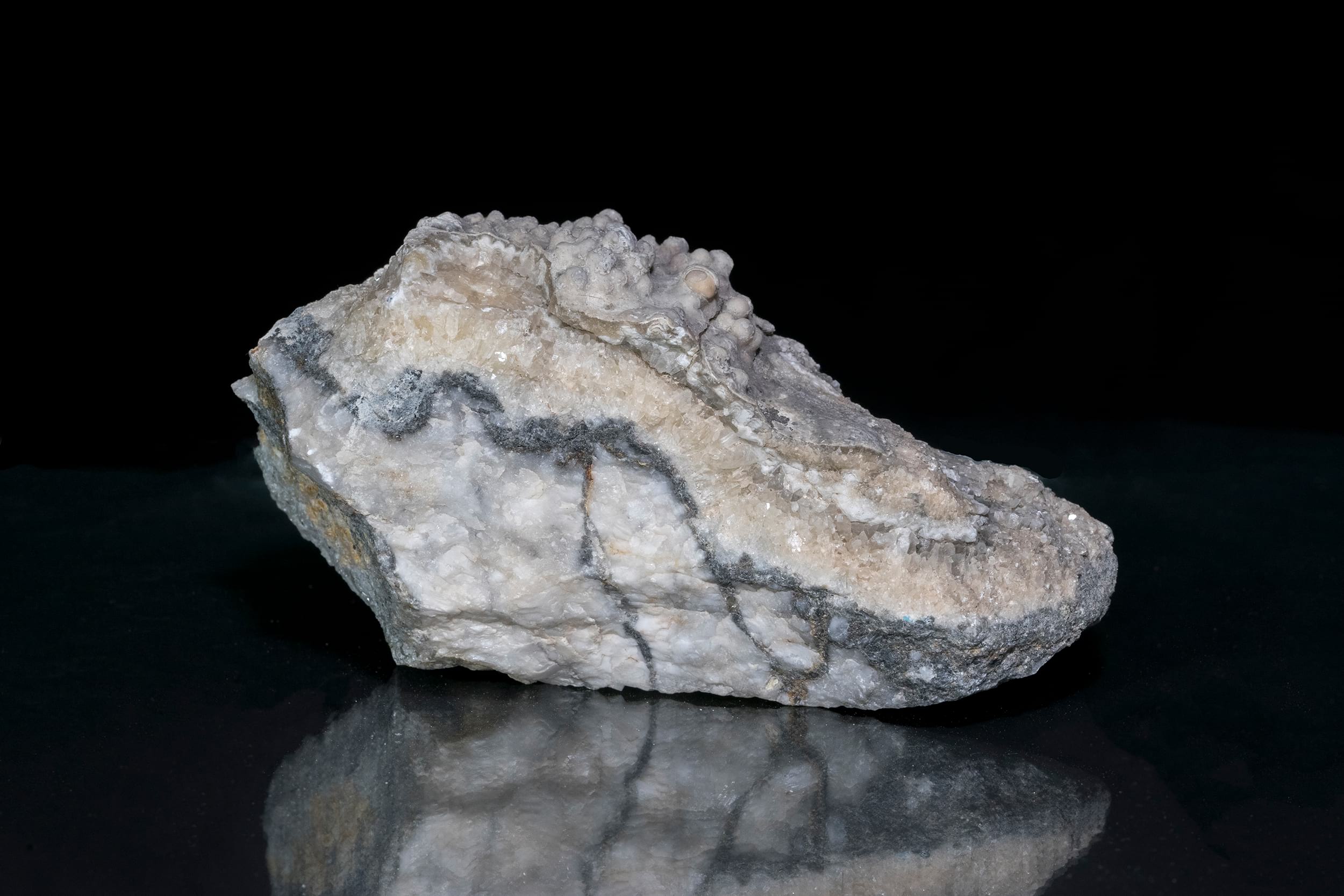
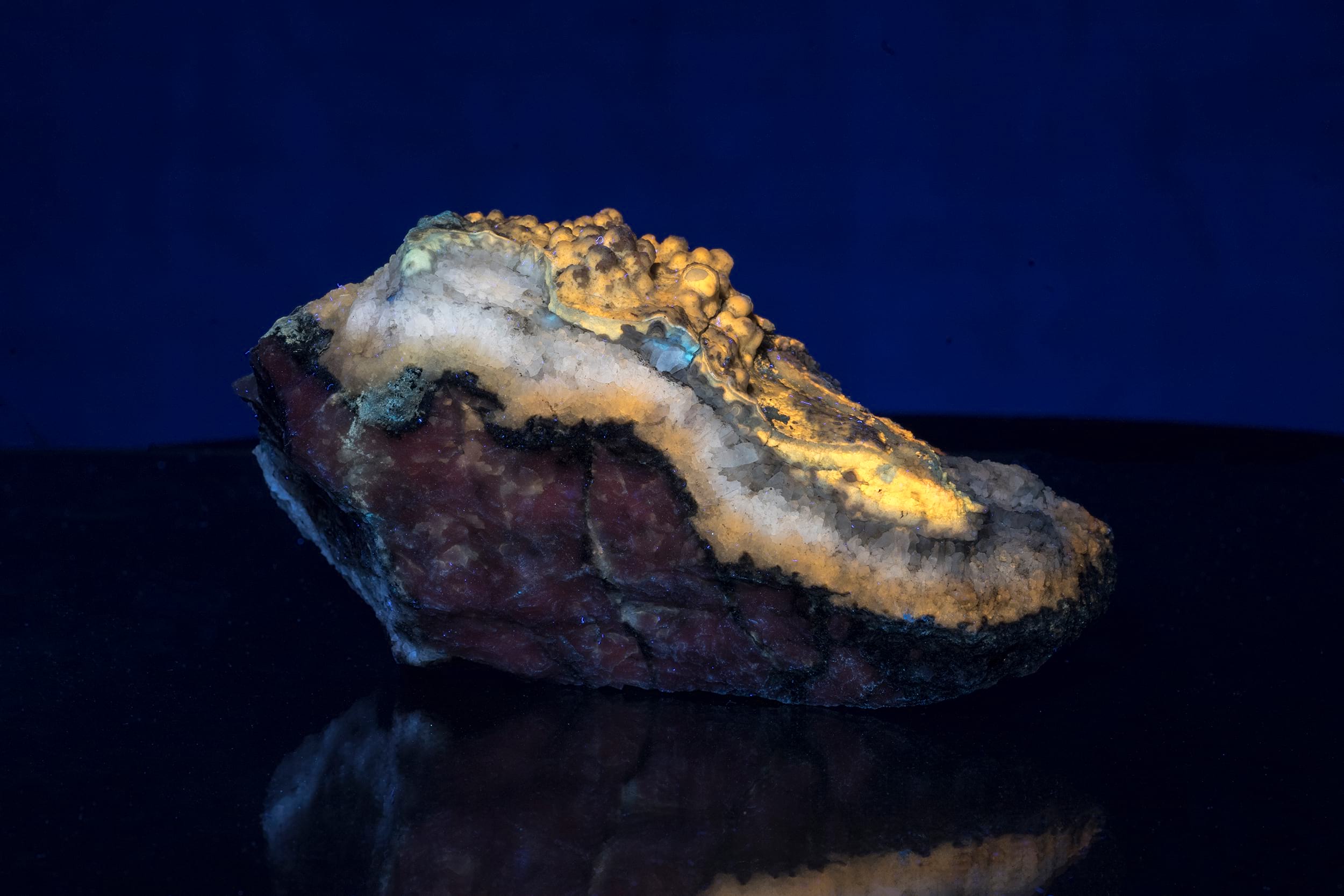
Interestingly the oldest generation of calcite has the strongest phosphorescence under longwave. LW on the left, SW on the right.
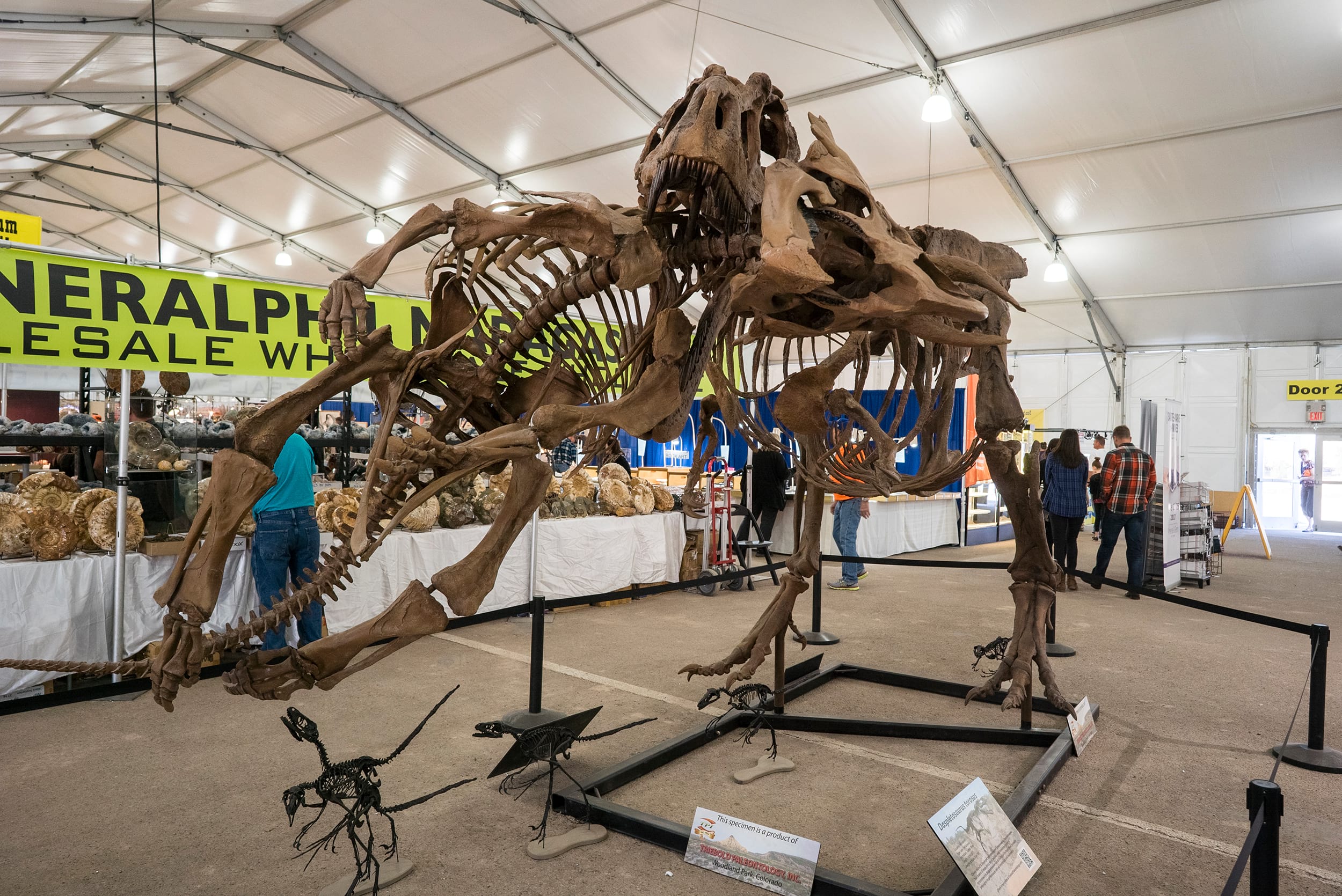
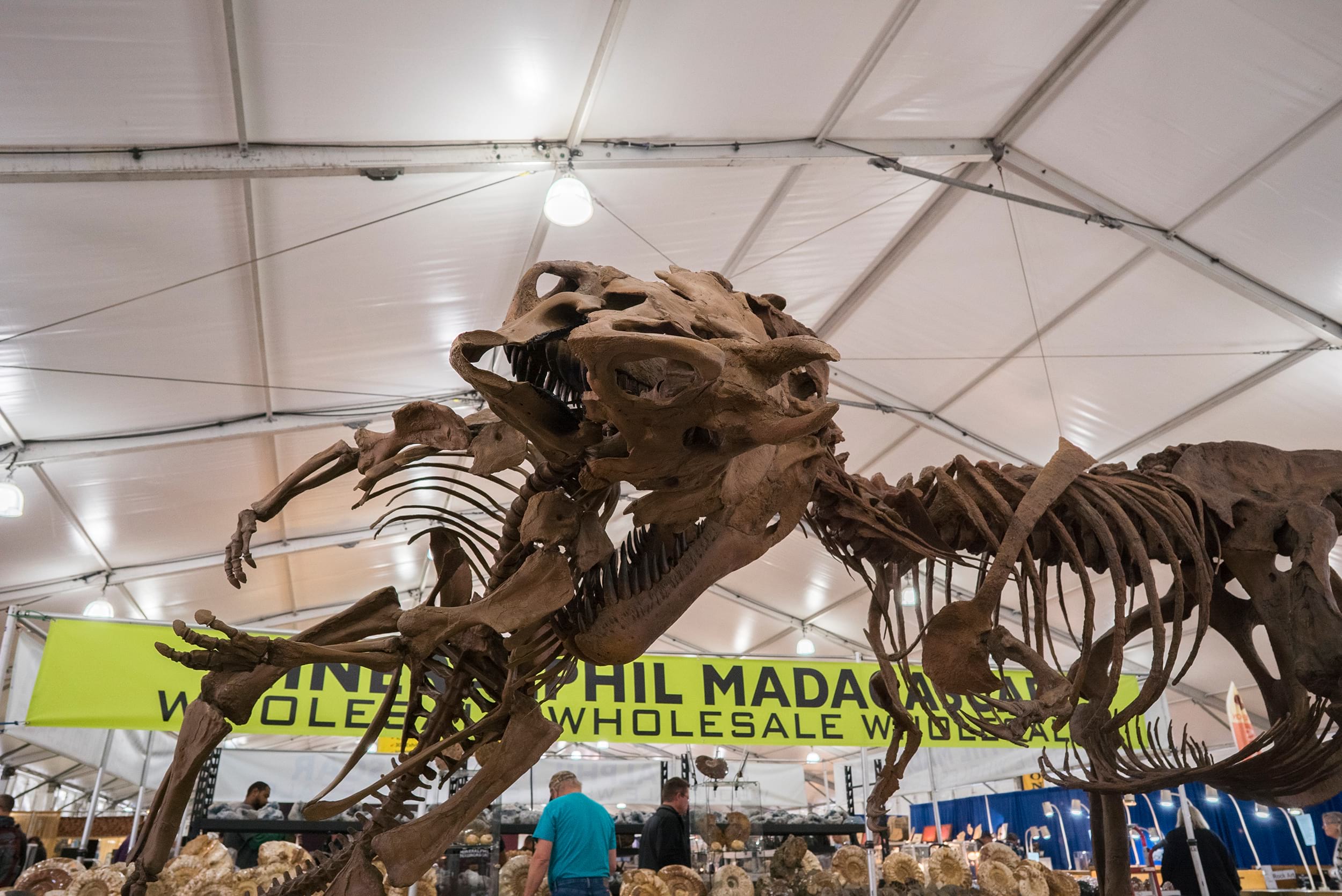
The last day! The highlight for me was definitely that Daspletosaurus in the middle of one of the show tents. What a fantastic sight and well put together. Having volunteered at the Natural History Museum I have a huge appreciation of the logistics it takes to even get specimens in that position. I can only imagine the amount of wiring and balancing that must have been done to set up a display like that!