
Goodsprings, NV Trip June 2015
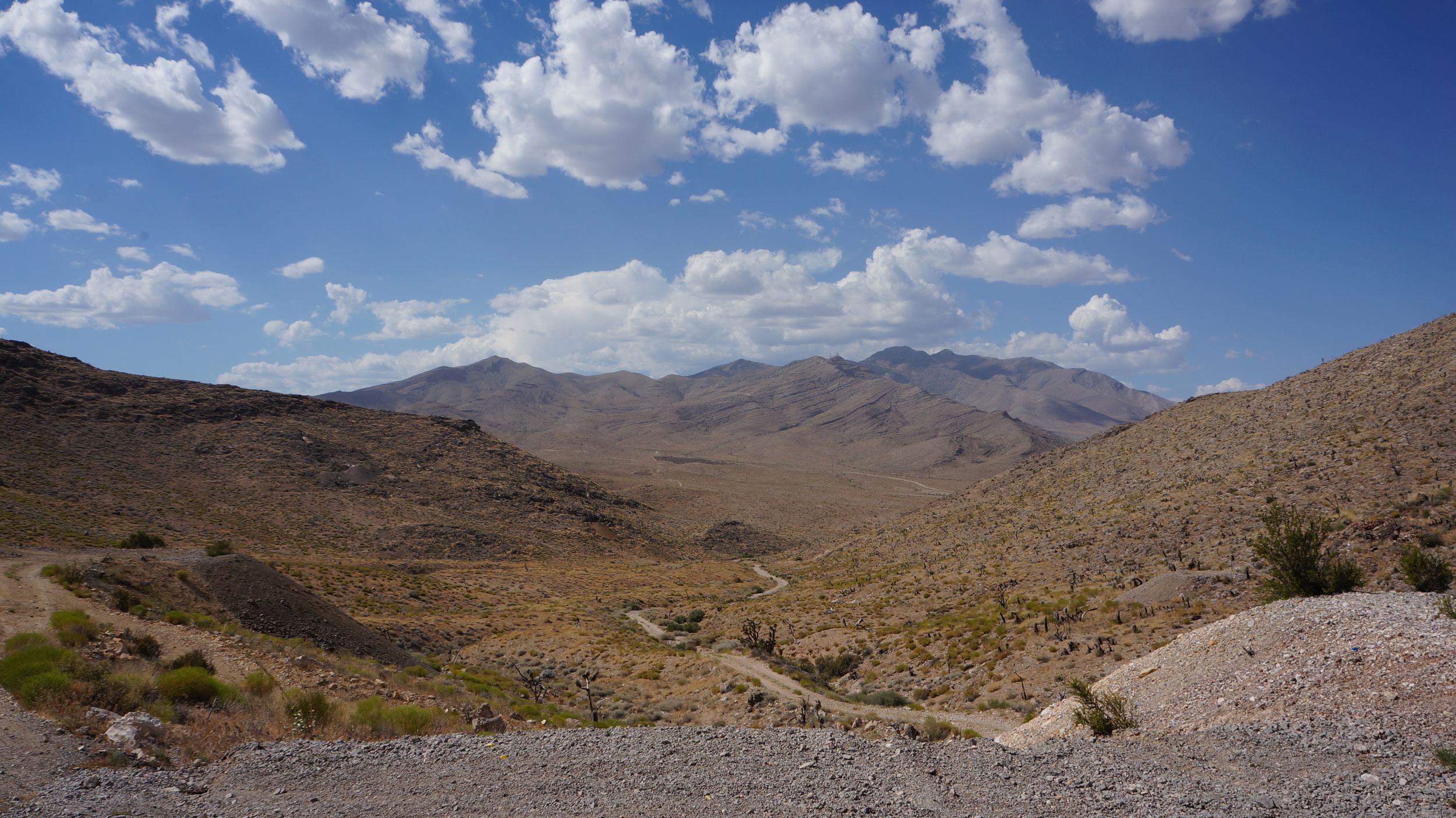
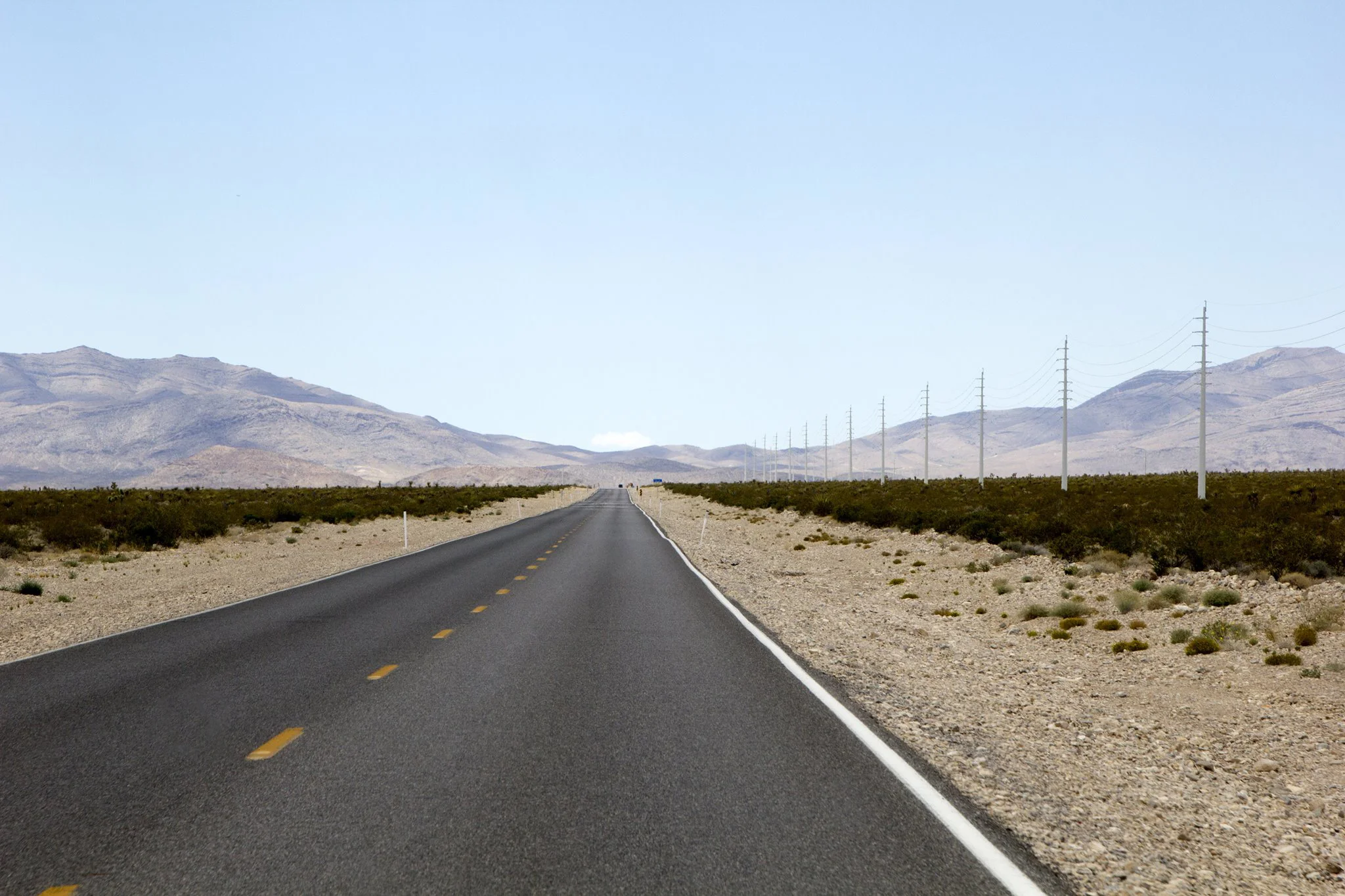
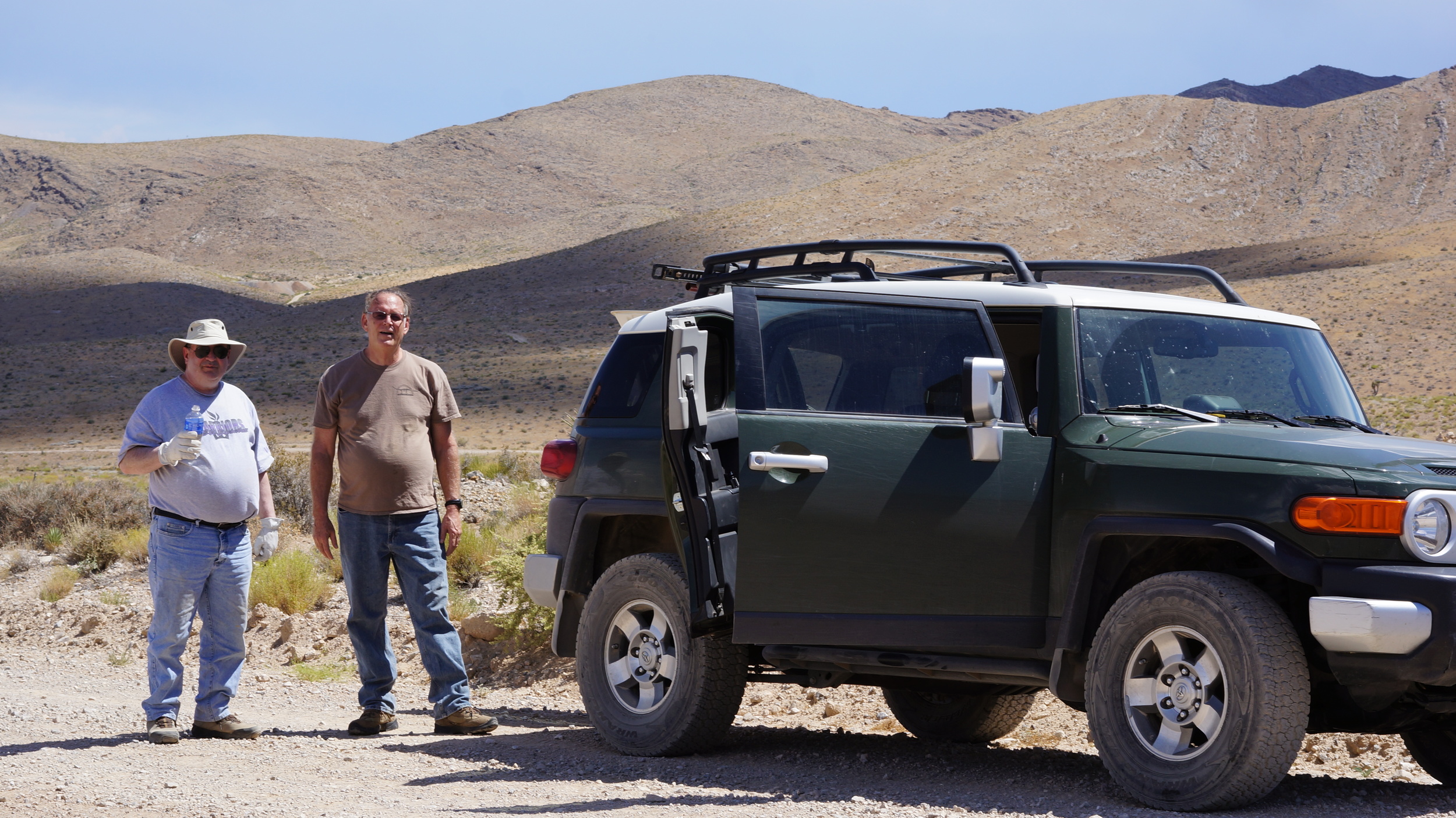
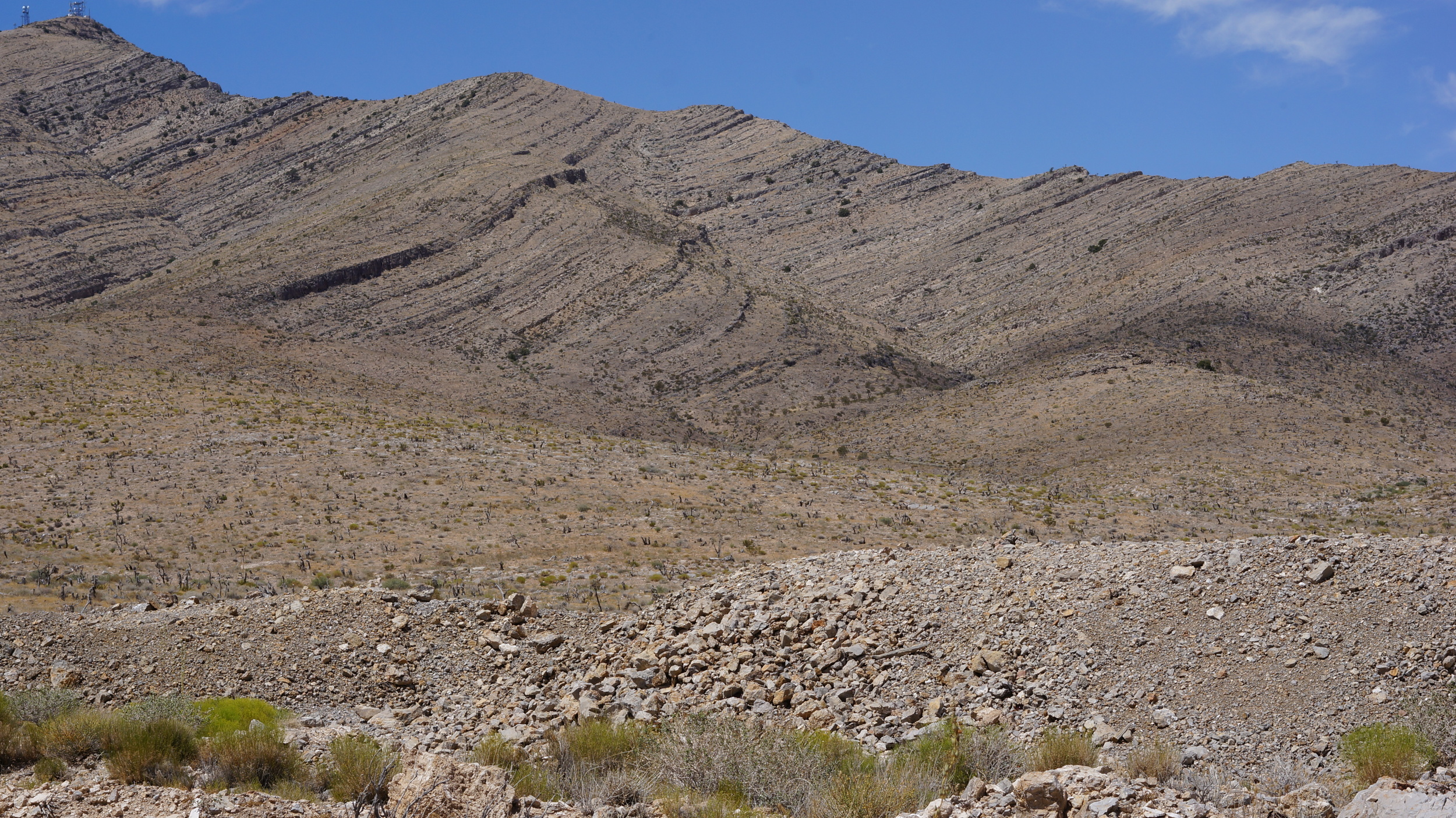
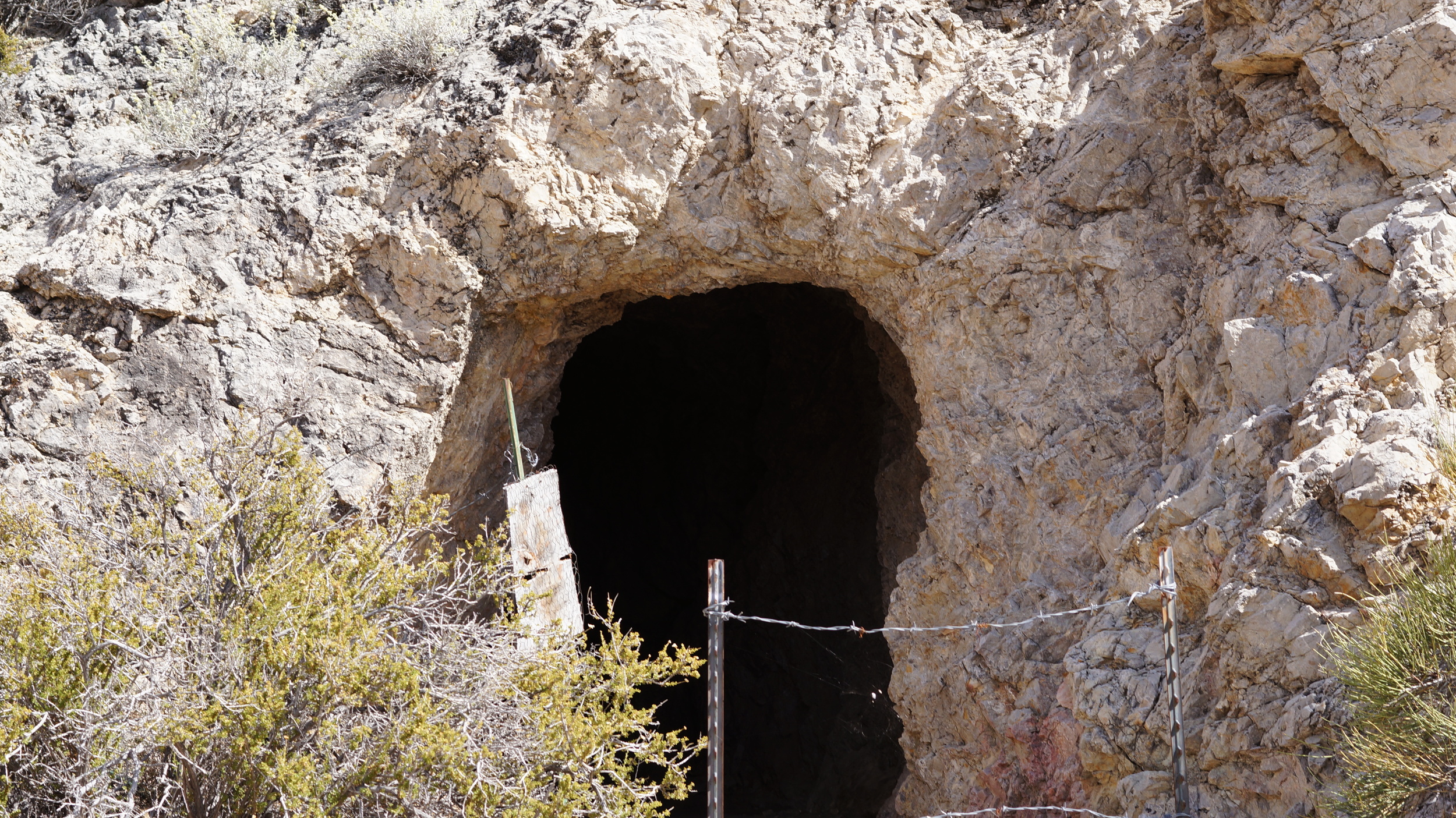
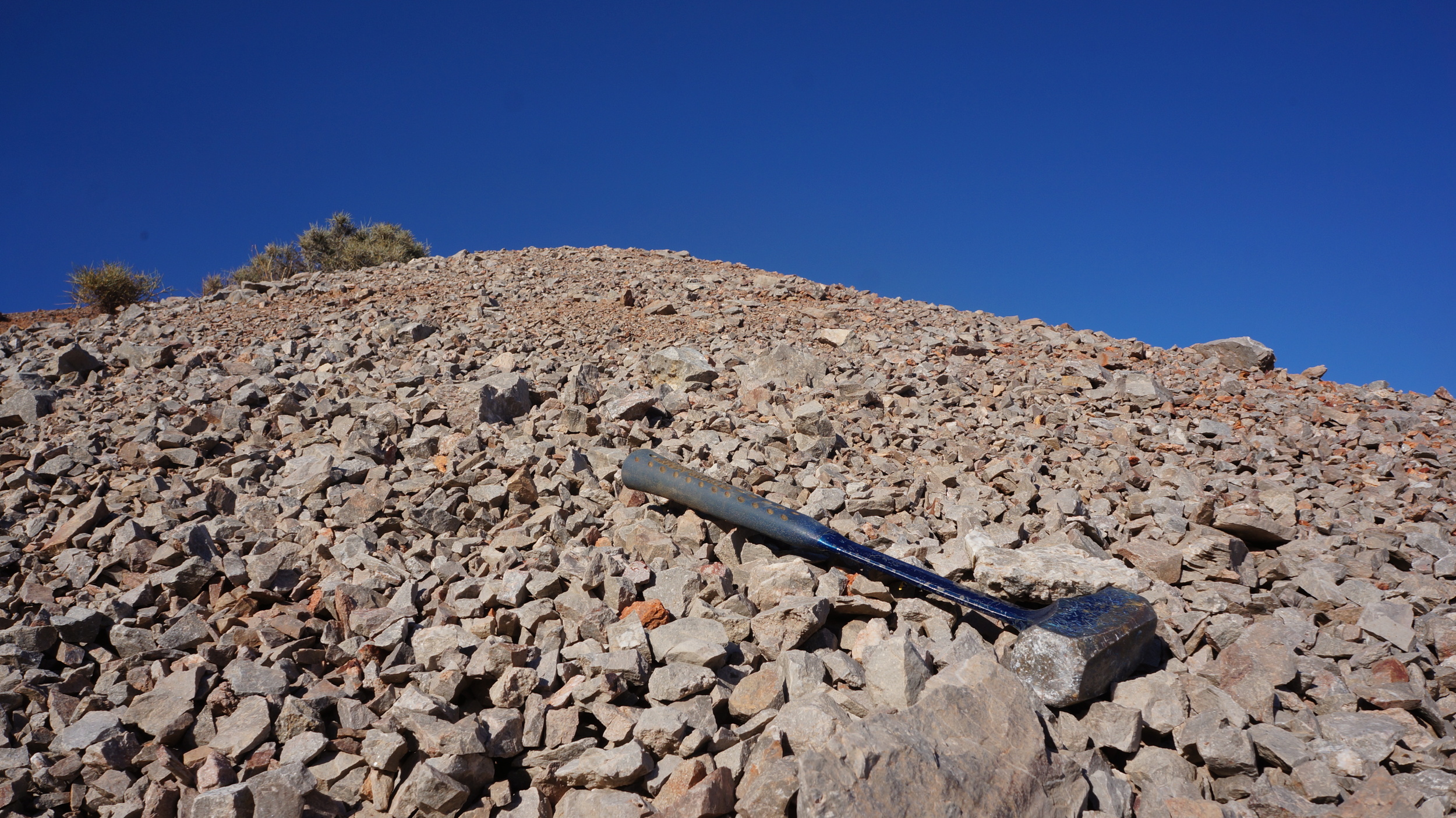
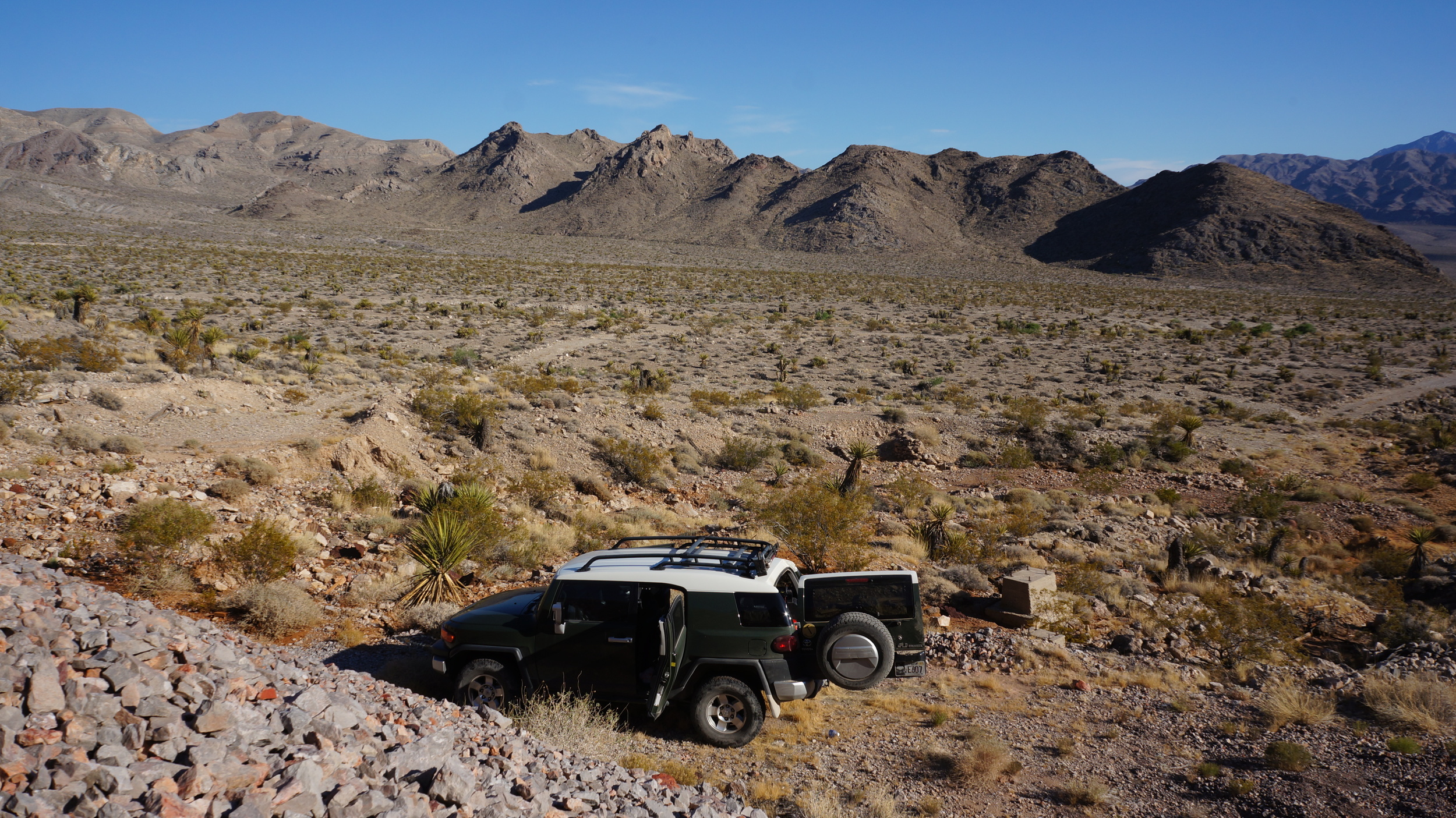
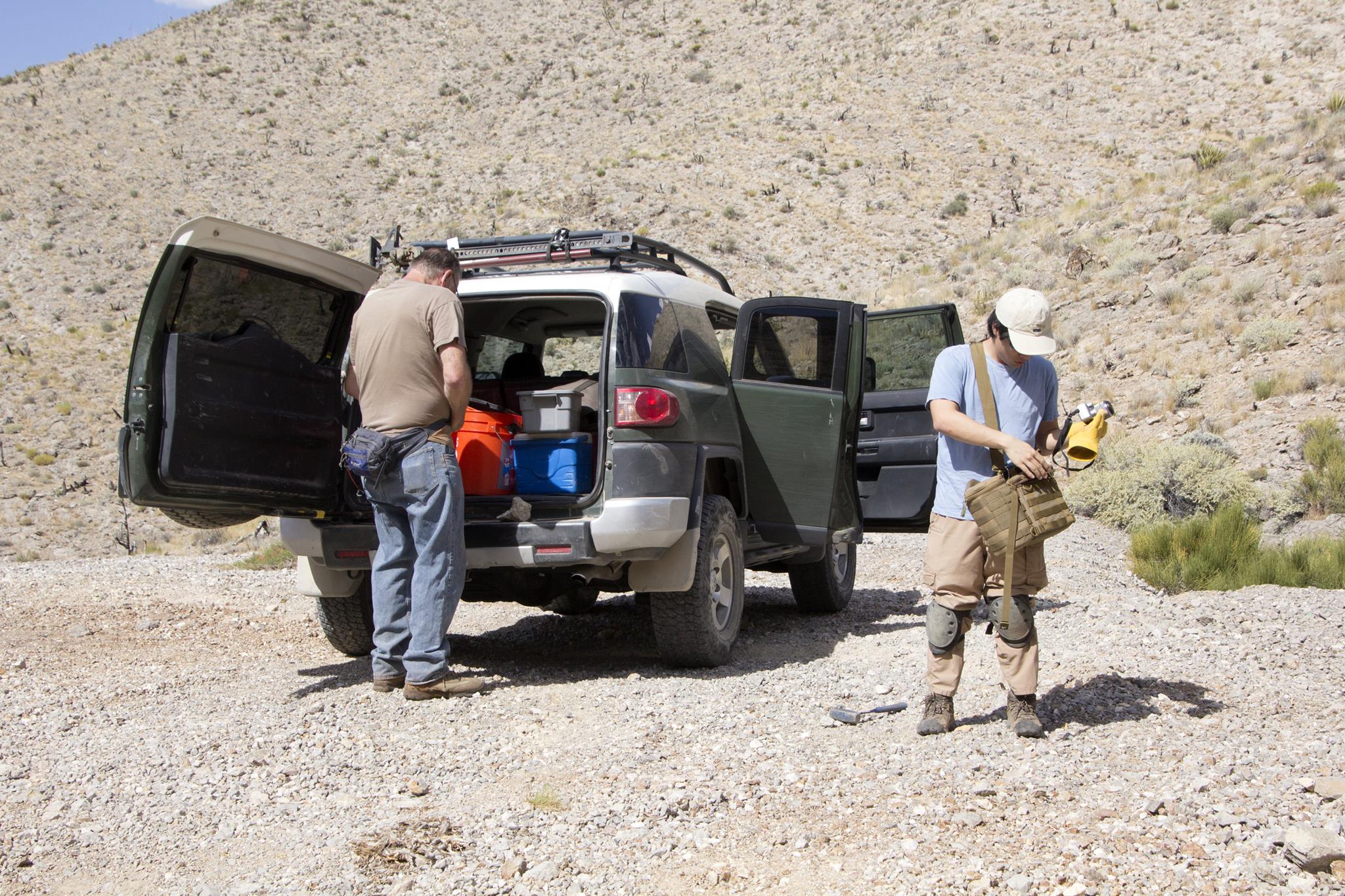
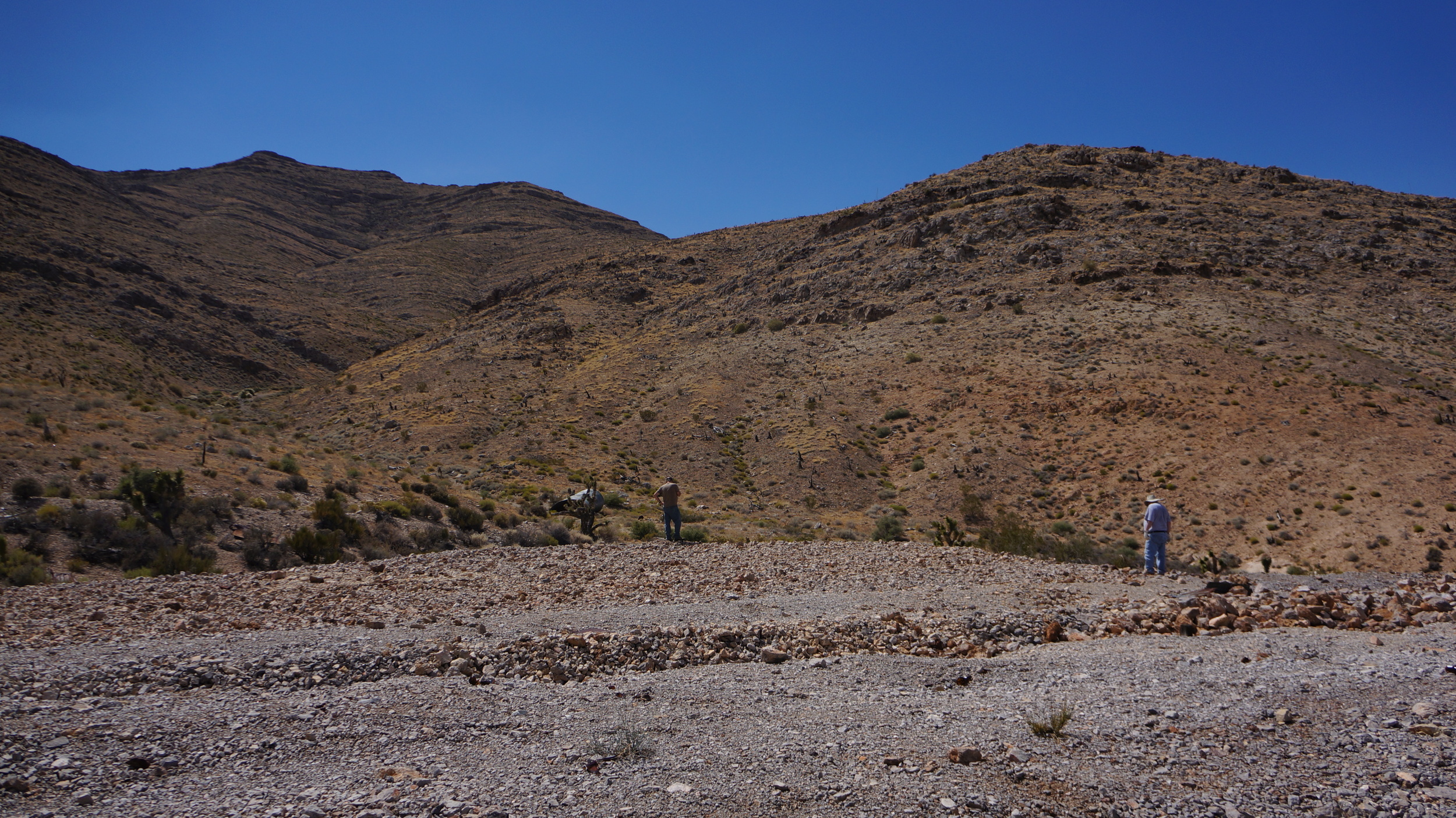
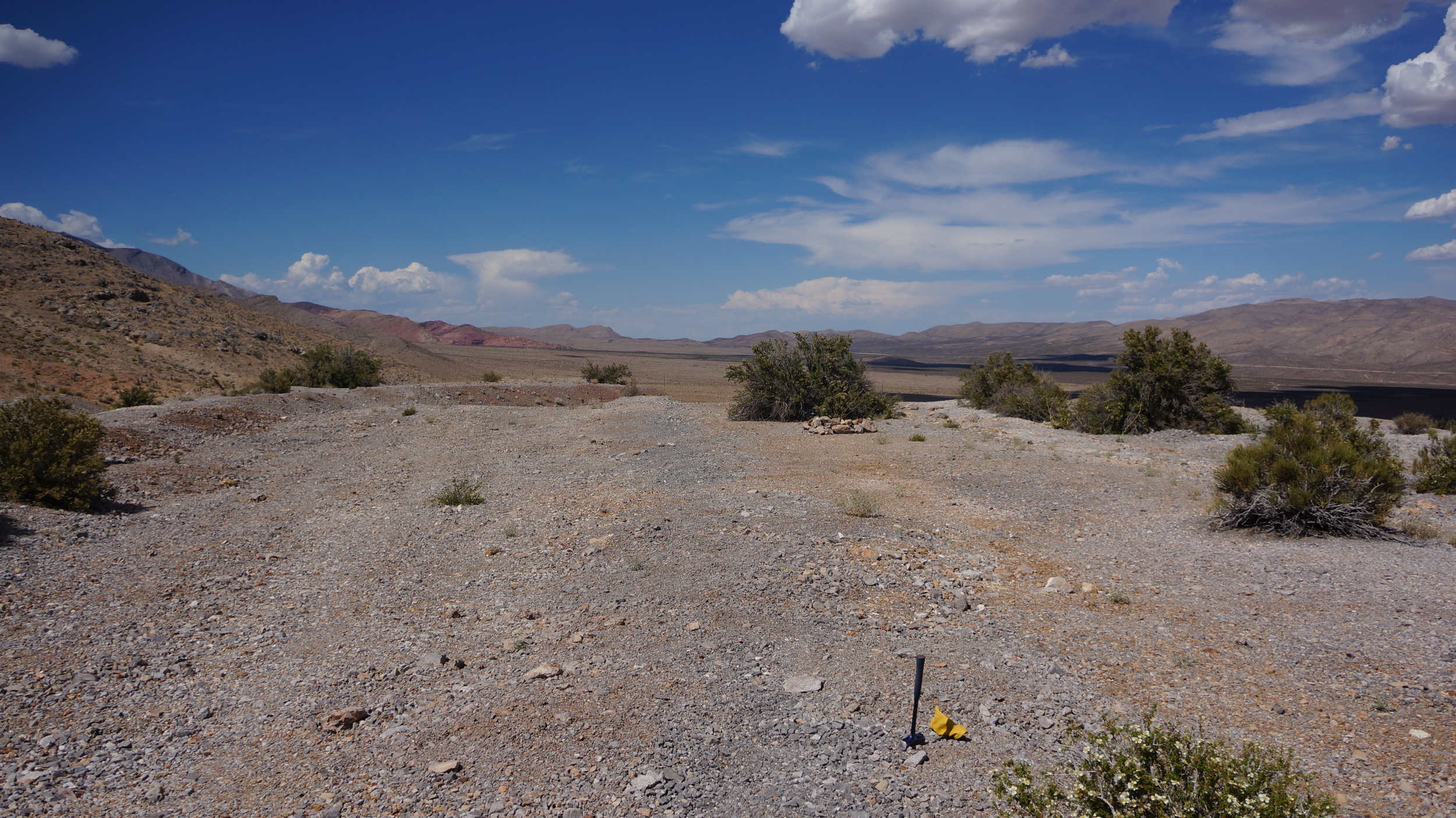
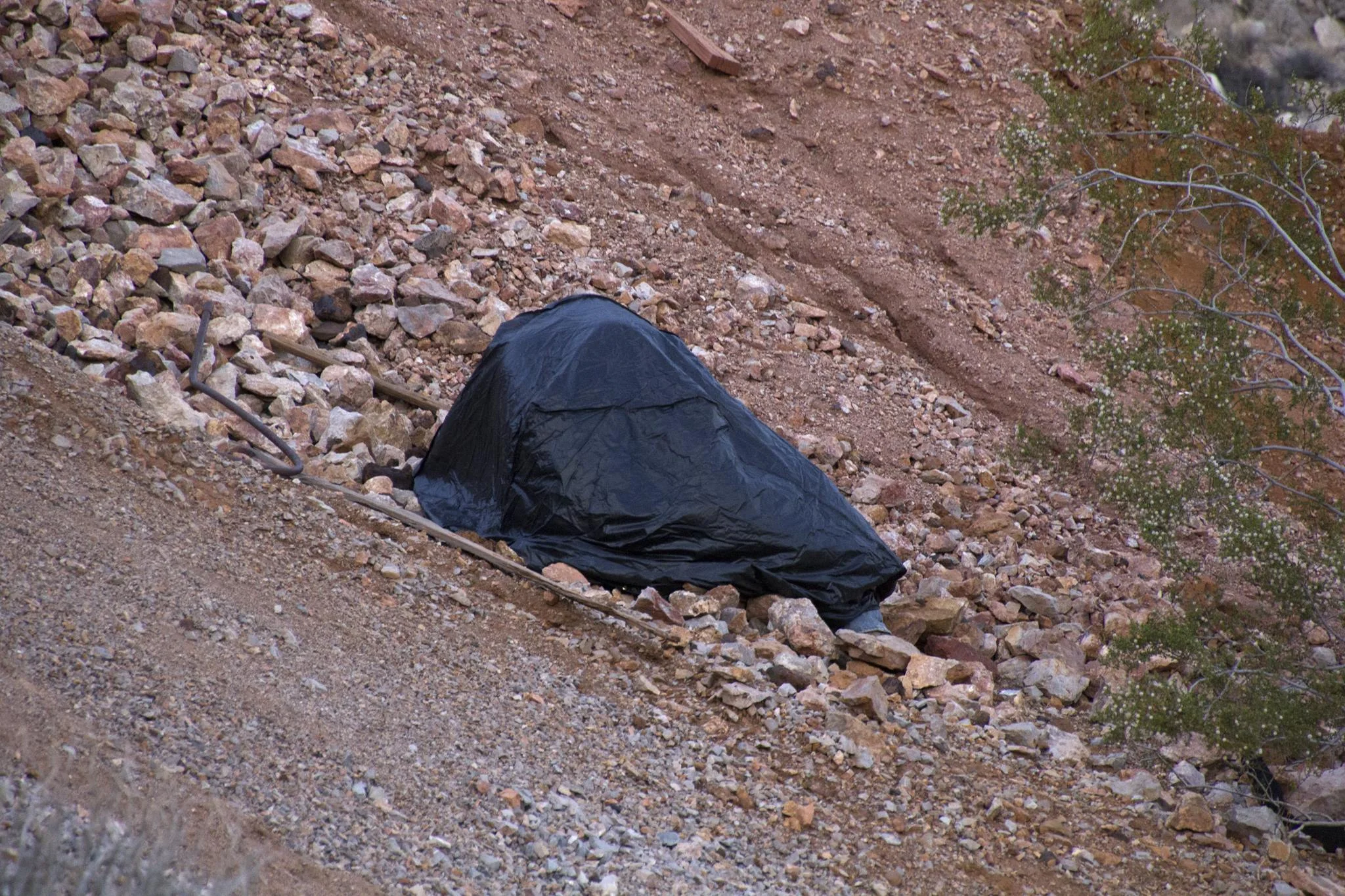
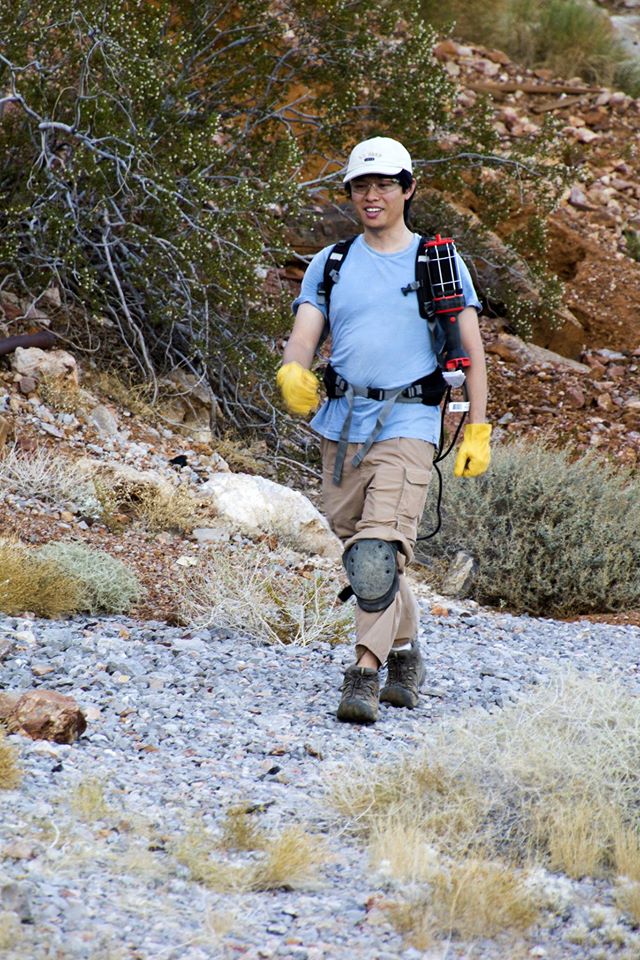
This trip had been in the planning stages since February when Cliff and I saw each other last. He had been telling me about how we should go to Goodsprings together. He had some great spots as he had been throughout the area plenty of times. He's retired and has a database of abandoned mines with GPS in his car so I don't doubt him! Can't deny that great collecting opportunity!
When the time came around the first thing I noticed was the heat. It was, according to Cliff, "Not as bad as previous years! My car's thermostat maxes at 125ºF and it's hit that several times." This time around the peak was only 113ºF. Phew! Glad I made it on a cool Summer year! Needless to say that 2.5 gallon water jug I brought with me was empty by the end of the day. Throughout the day we visited many lead, zinc, and mercury mines, the first of which was the Pilgrim. Boy did that slightly spoil the trip. One of the things I find earlier on are the rare hydrozincite crystals! Cliff himself was surprised as I had found a specimen that was on par with some of his best despite having been around the area many times. Heh beginners always get the luck. I've seen it too many times on the trips that I host! However, because of this great find, I ended up being slightly infatuated. Every subsequent mine we visited had me asking how likely I was to find even better hydrozincite crystals.

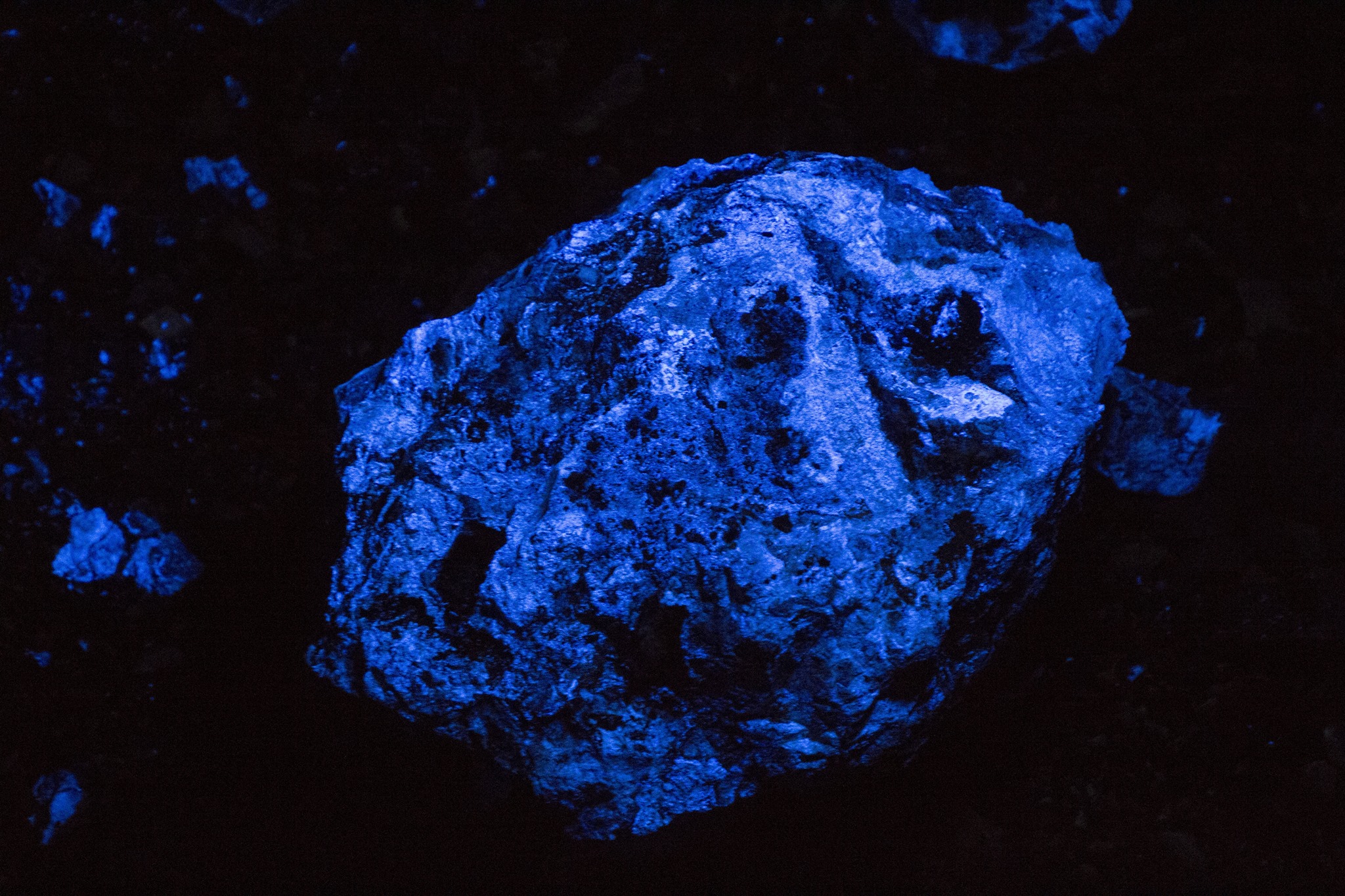
All of that excitement subsided once night rolled around. That's when fluorescent collector me started to get serious. No more tarps to view small sections of the ground. Our night stop was the Addison mine. Cliff wanted to find some of the rare yellow fluorescing willemite that he had seen mentioned in a report. That's when I shifted my focus from finding crystals to a nice bright specimen. Needless to say I wasn't disappointed. The night became alive under shortwave UV (253.7nm) light. So much there was fluorescent. It could have easily been called a field of blue with how much massive hydrozincite was on the ground.
That wasn't quite the end. I had to make one last stop back to the Pilgrim Mine to try finding some more hydrozincite crystals. Probably wasn't going to be very likely as those are much easier to see in daylight but I did it anyways! Overall lots of interesting minerals found and great memories made.

SoCal Fluorescent Mineral Society Meetup April 2015
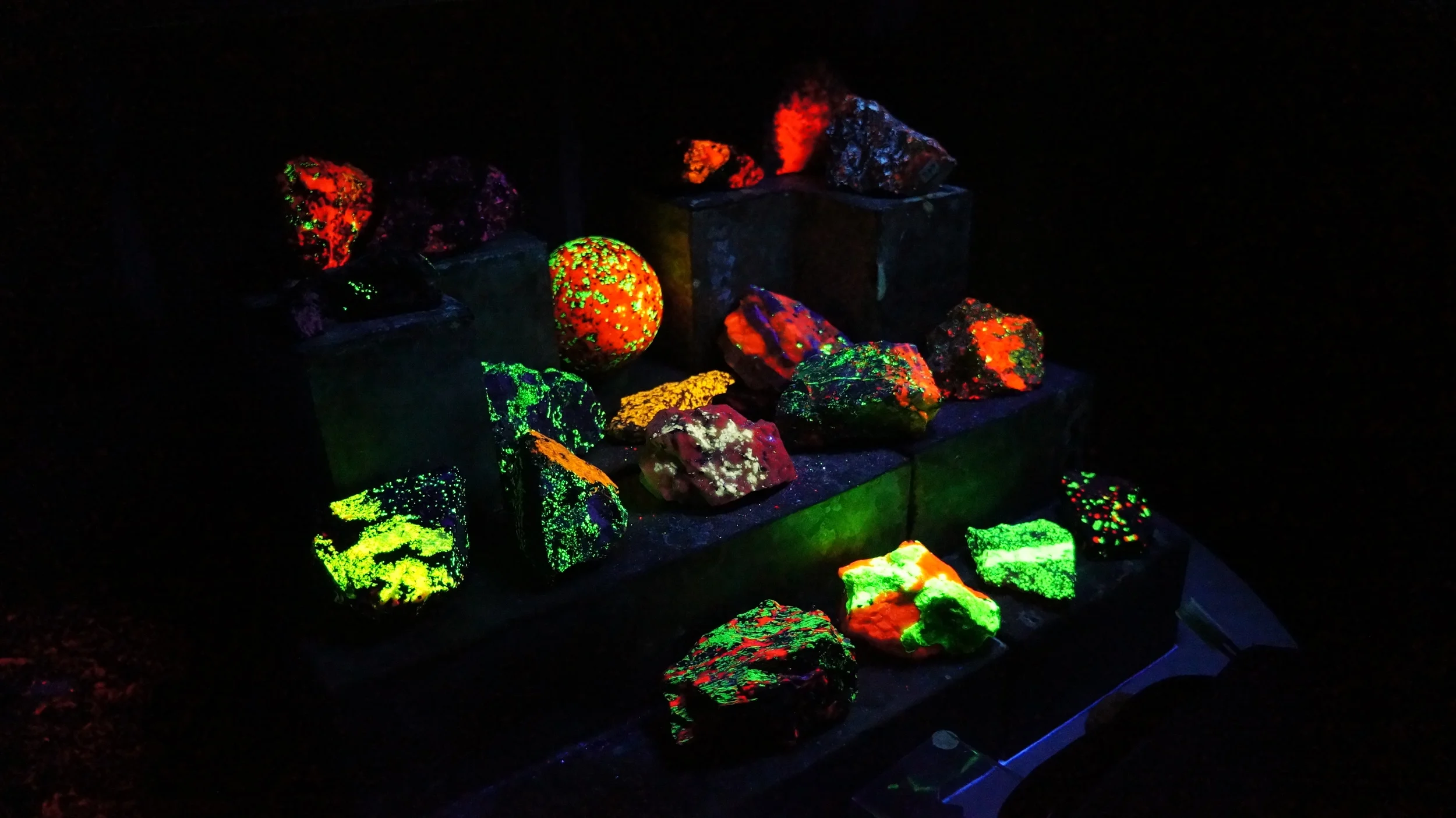
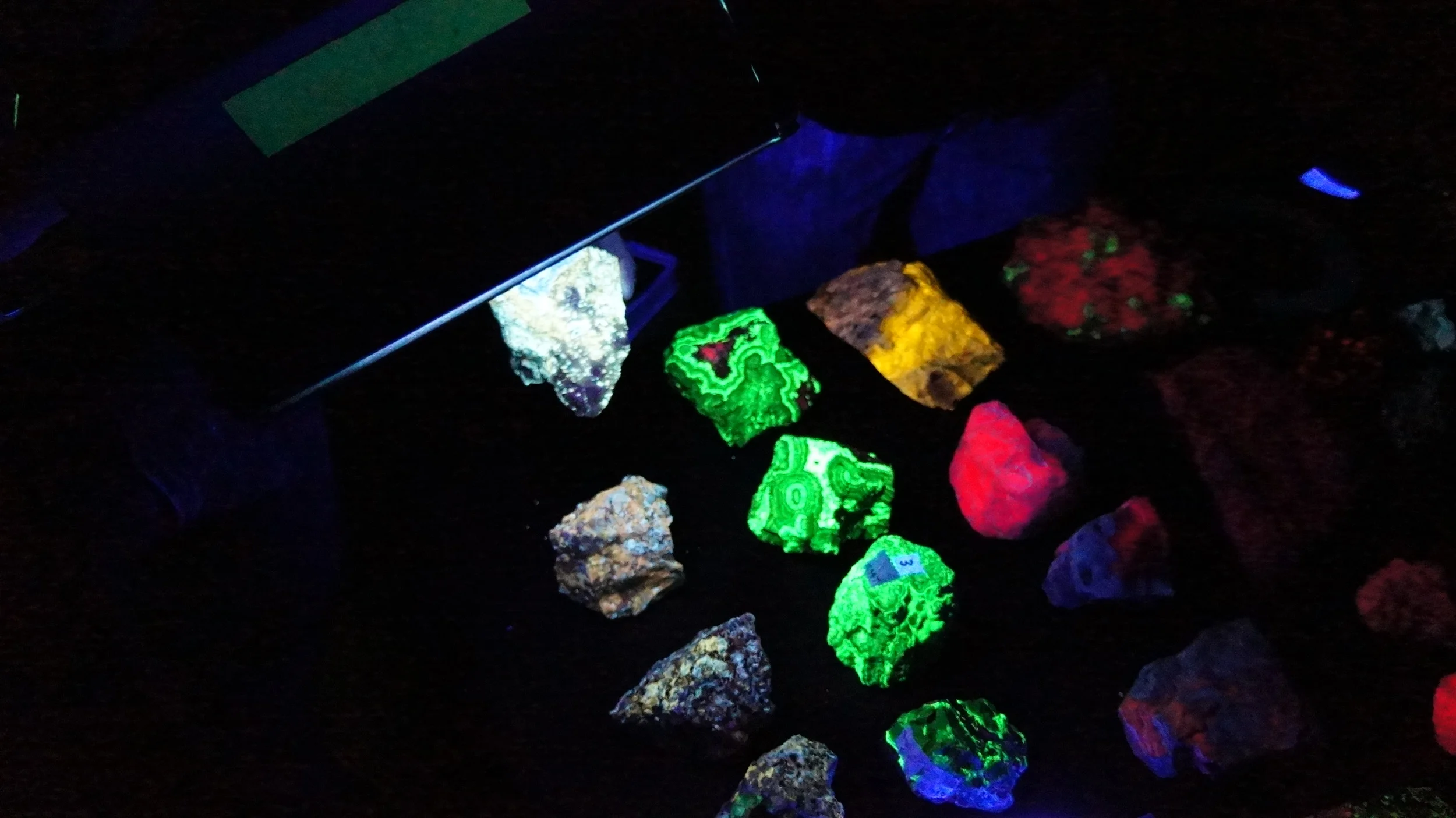
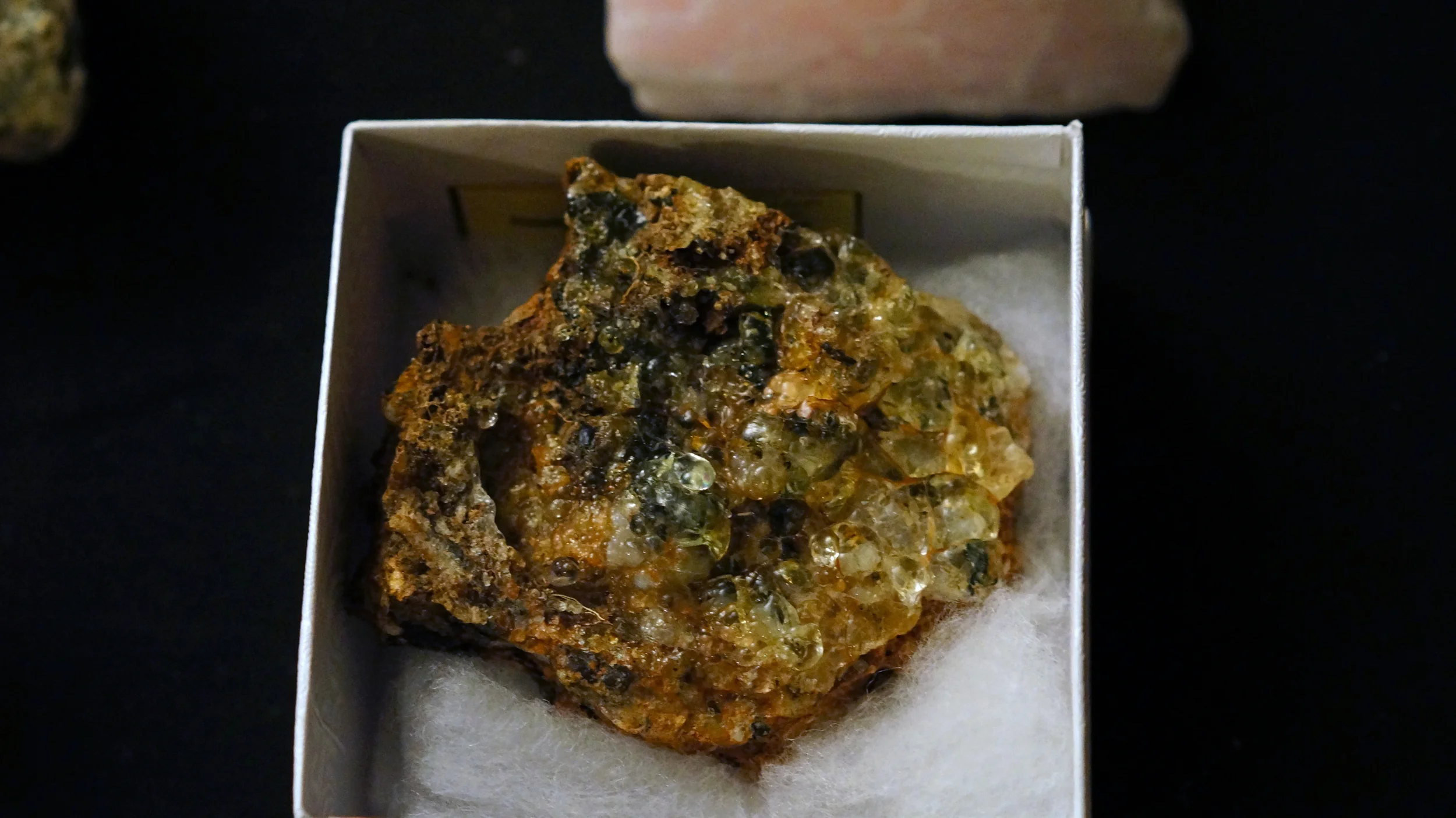
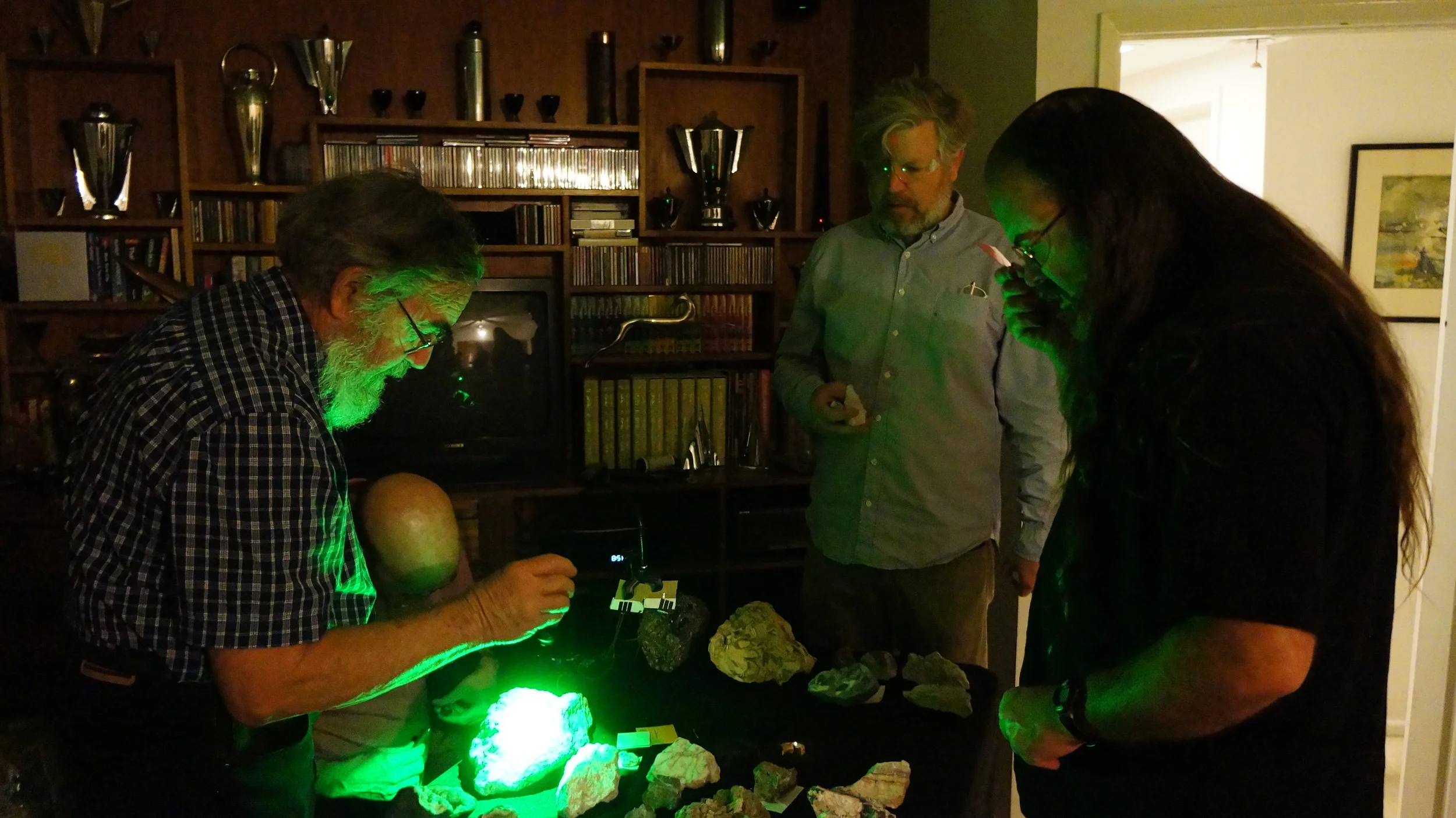
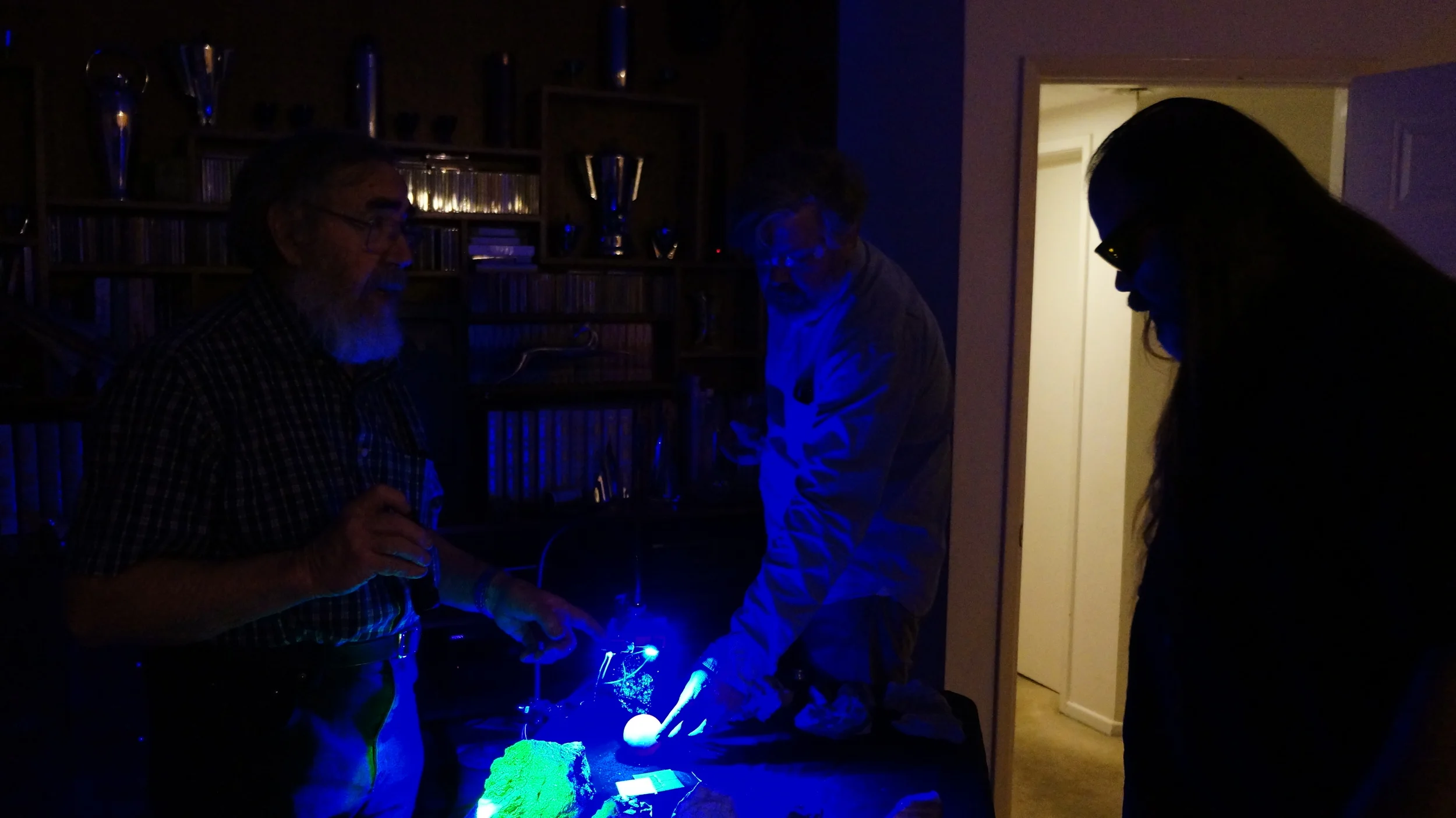
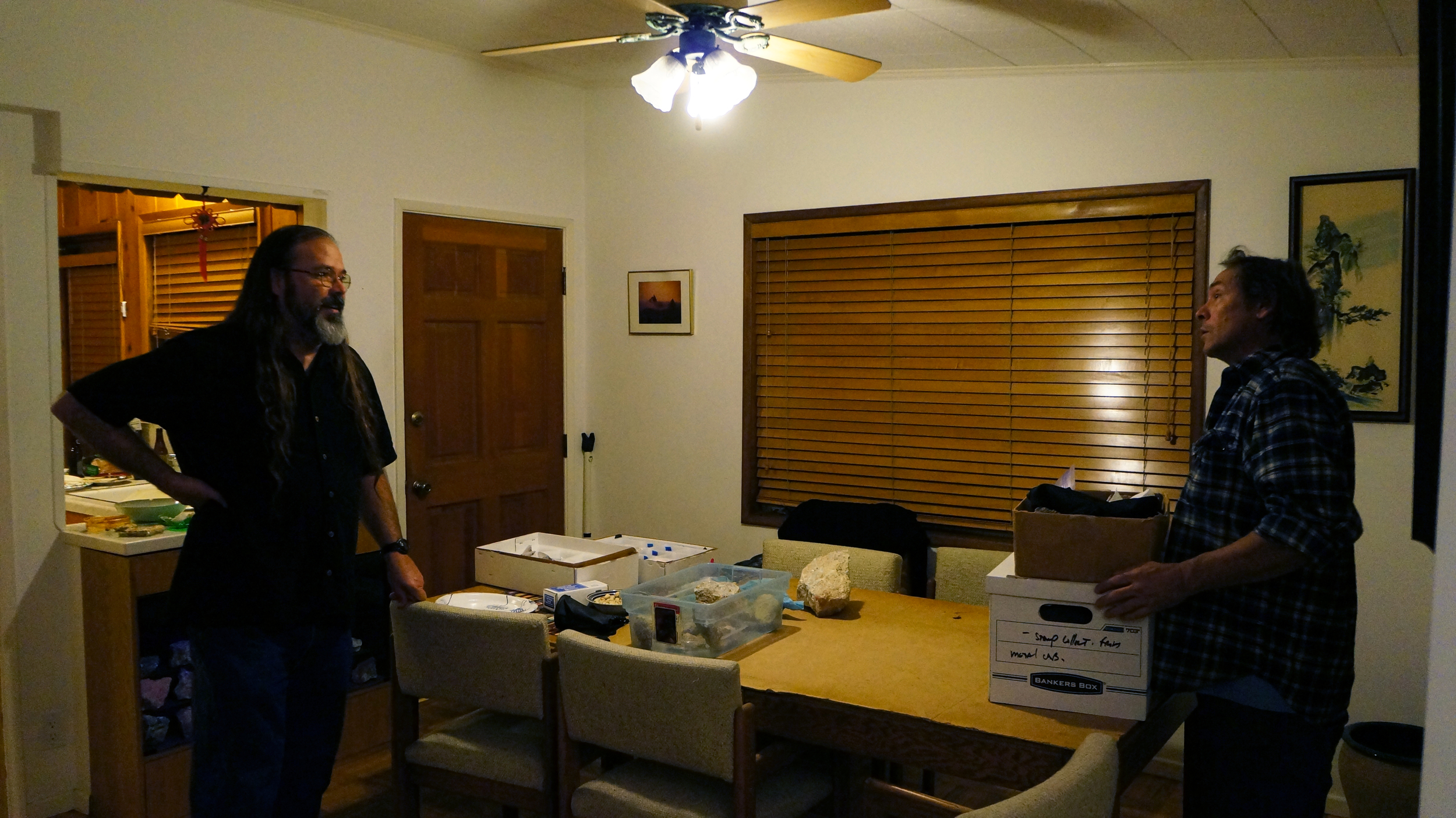
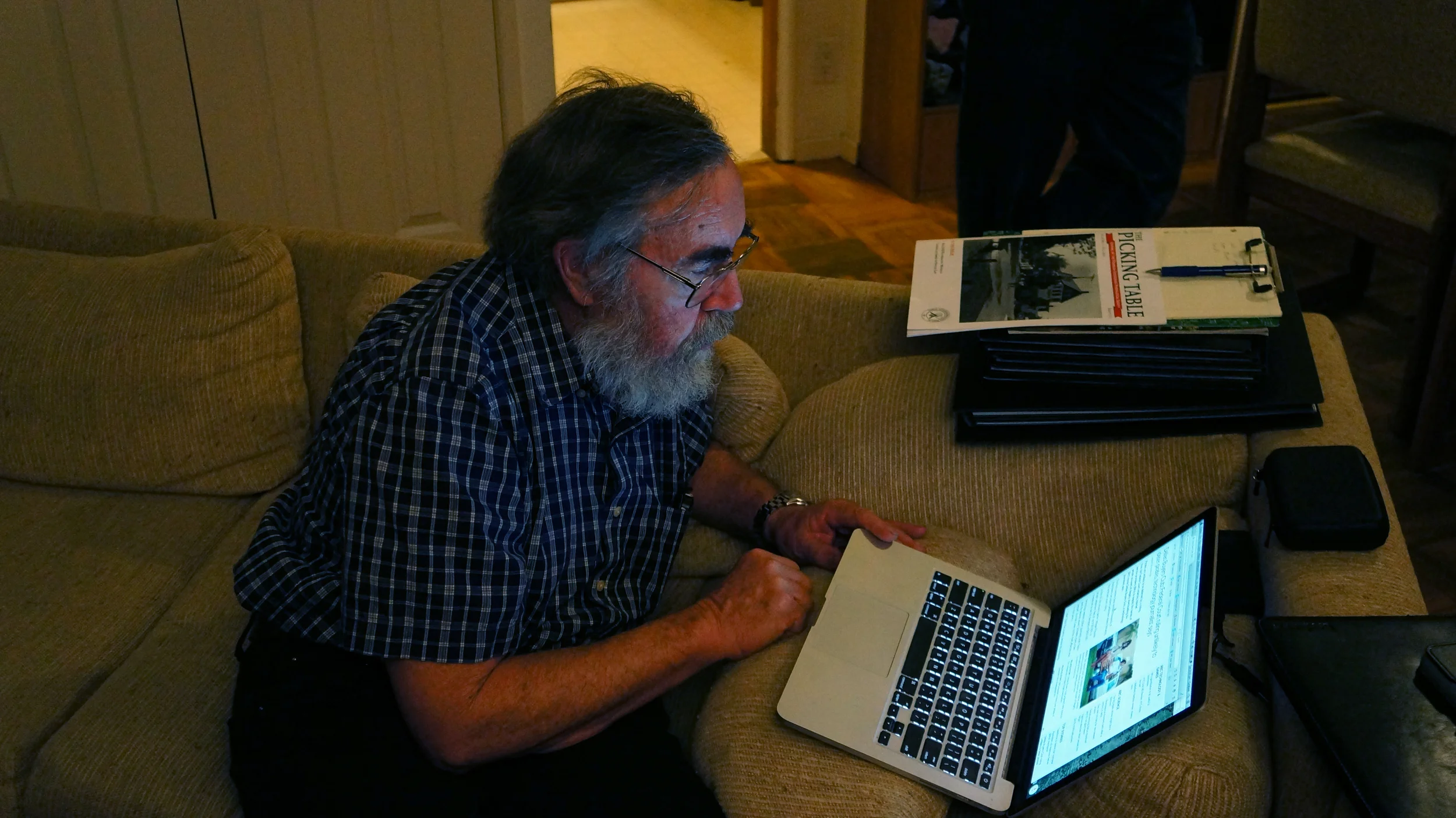
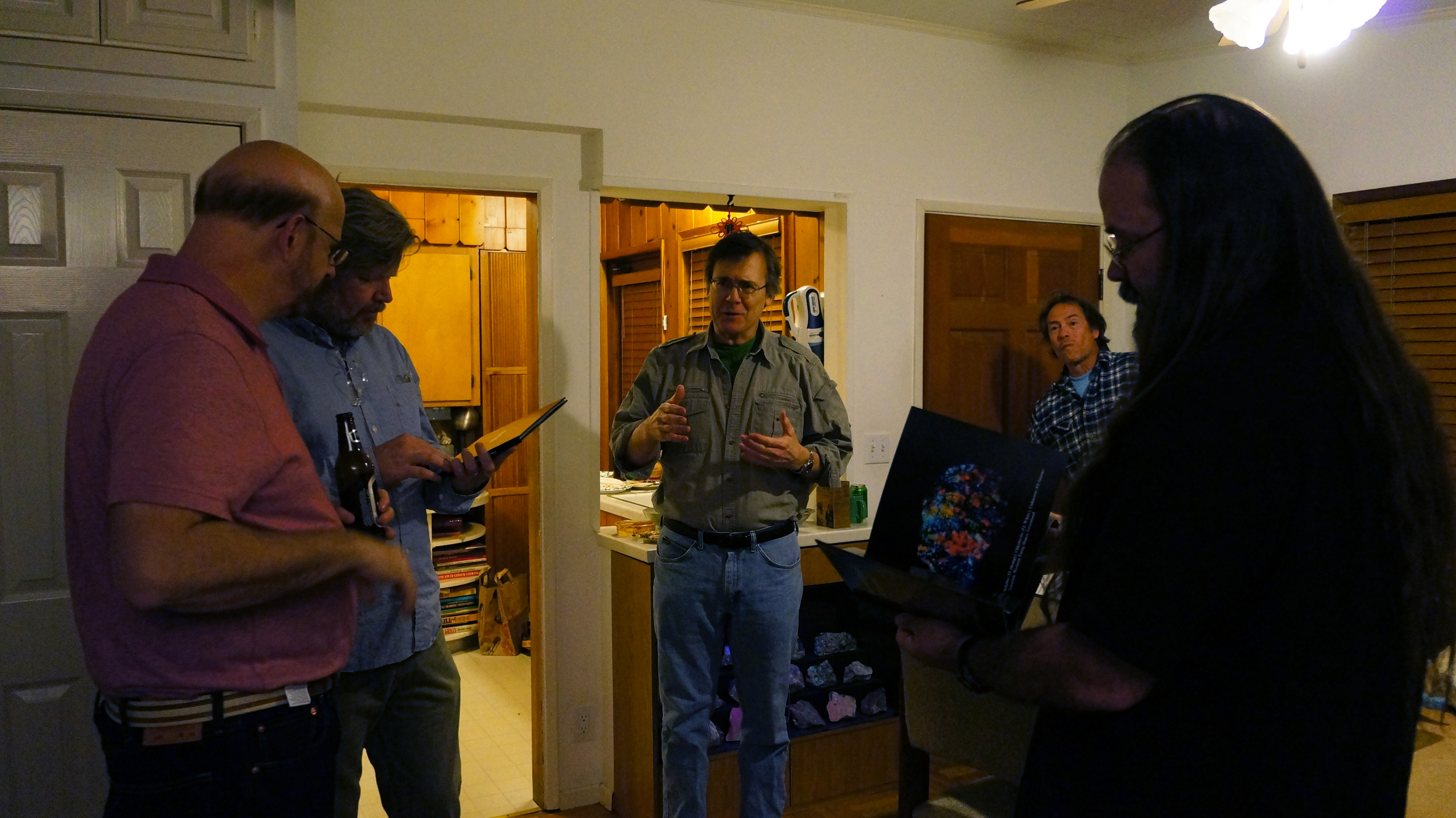
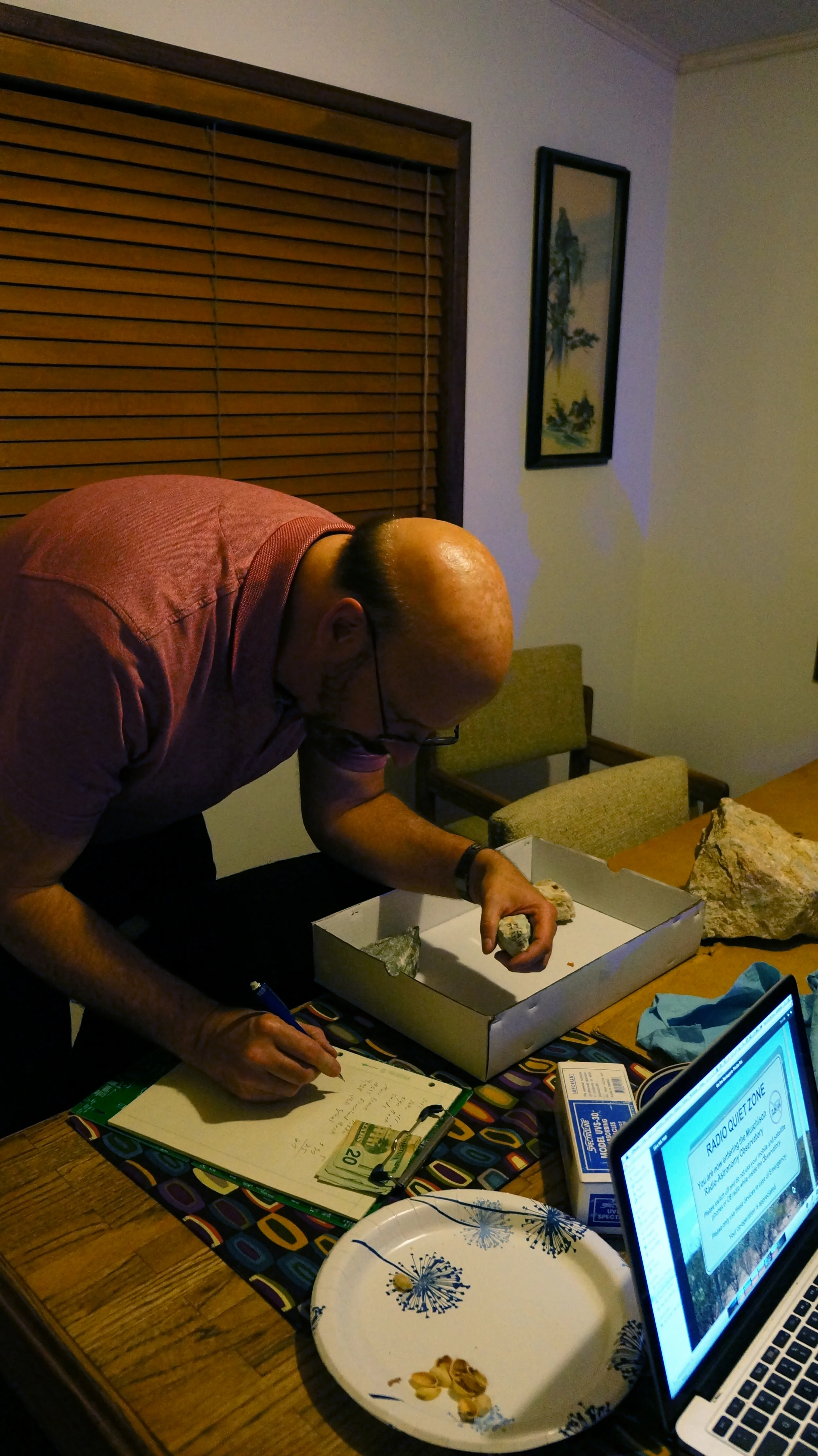
This was the annual post-Tucson meeting where we all show off our purchases, what we collected recently, and as always Jim has some amazing purchases. That hyalite from Zacatecas was an absolute beauty and I HAD to have one in my collection. Well crystallized, bright, and daylight fluorescent. A wonderful combination. Too bad it's so expensive as is! Of interest is Graham showing us fluorescence under other light sources such as blue and green. It would involve shining a blue or green LED light source at the mineral, then using a filter in front of your eyes so that the source color is filtered out. This is in stark contrast to the UV we're so used to. Beautiful reactions that I never would have seen otherwise.
Hope Mine & Amboy Salt Flats February 2015
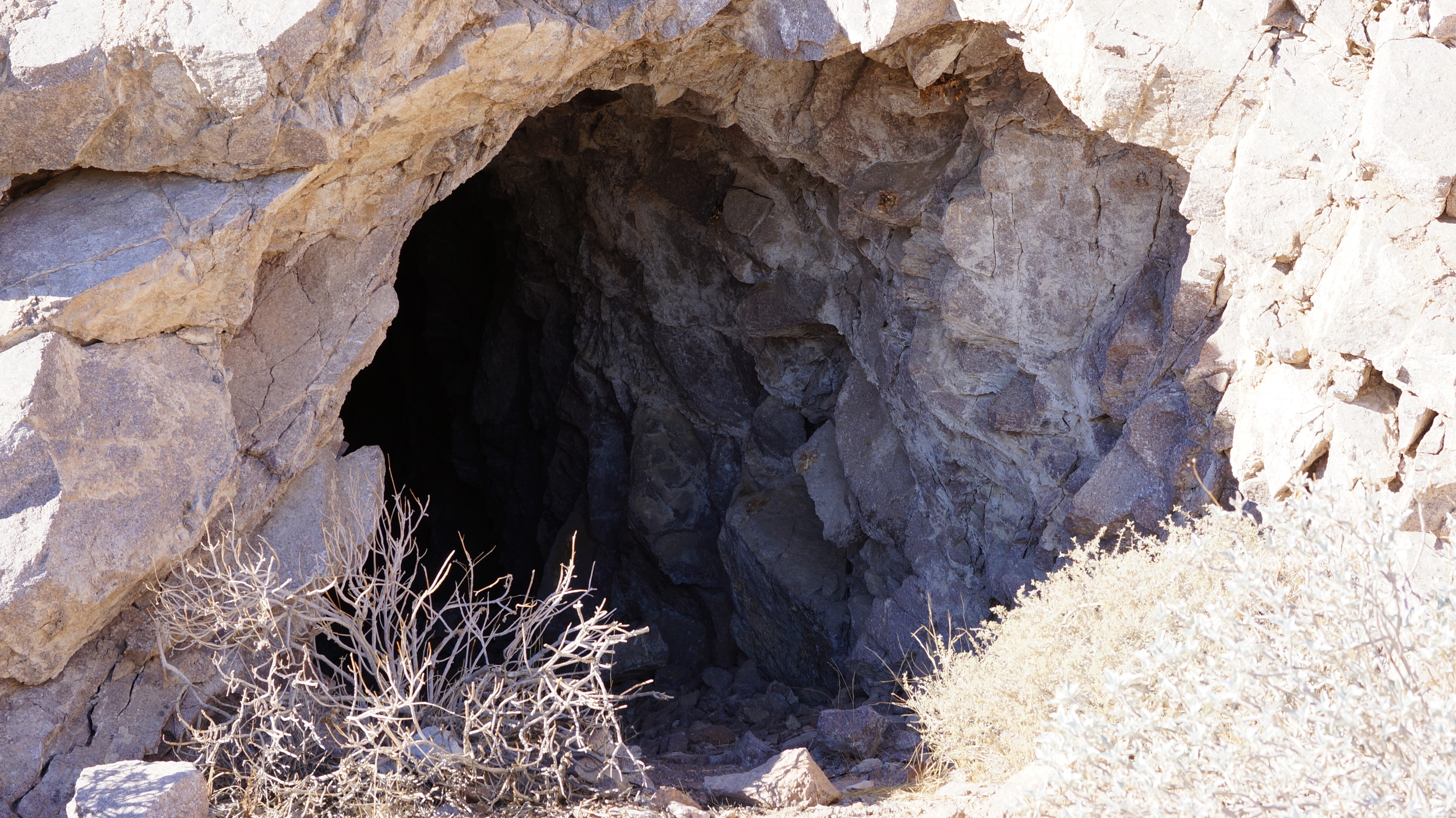
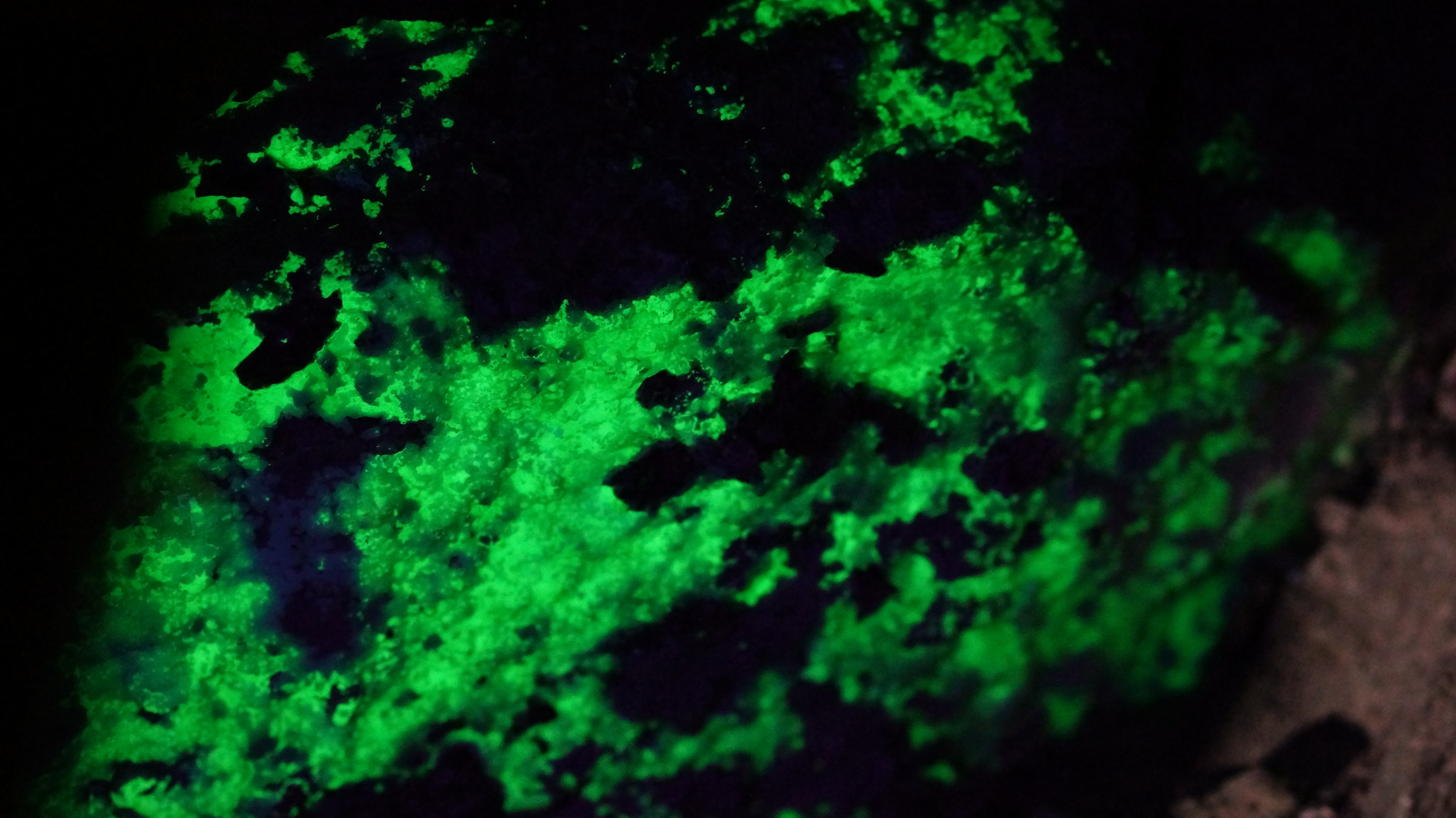
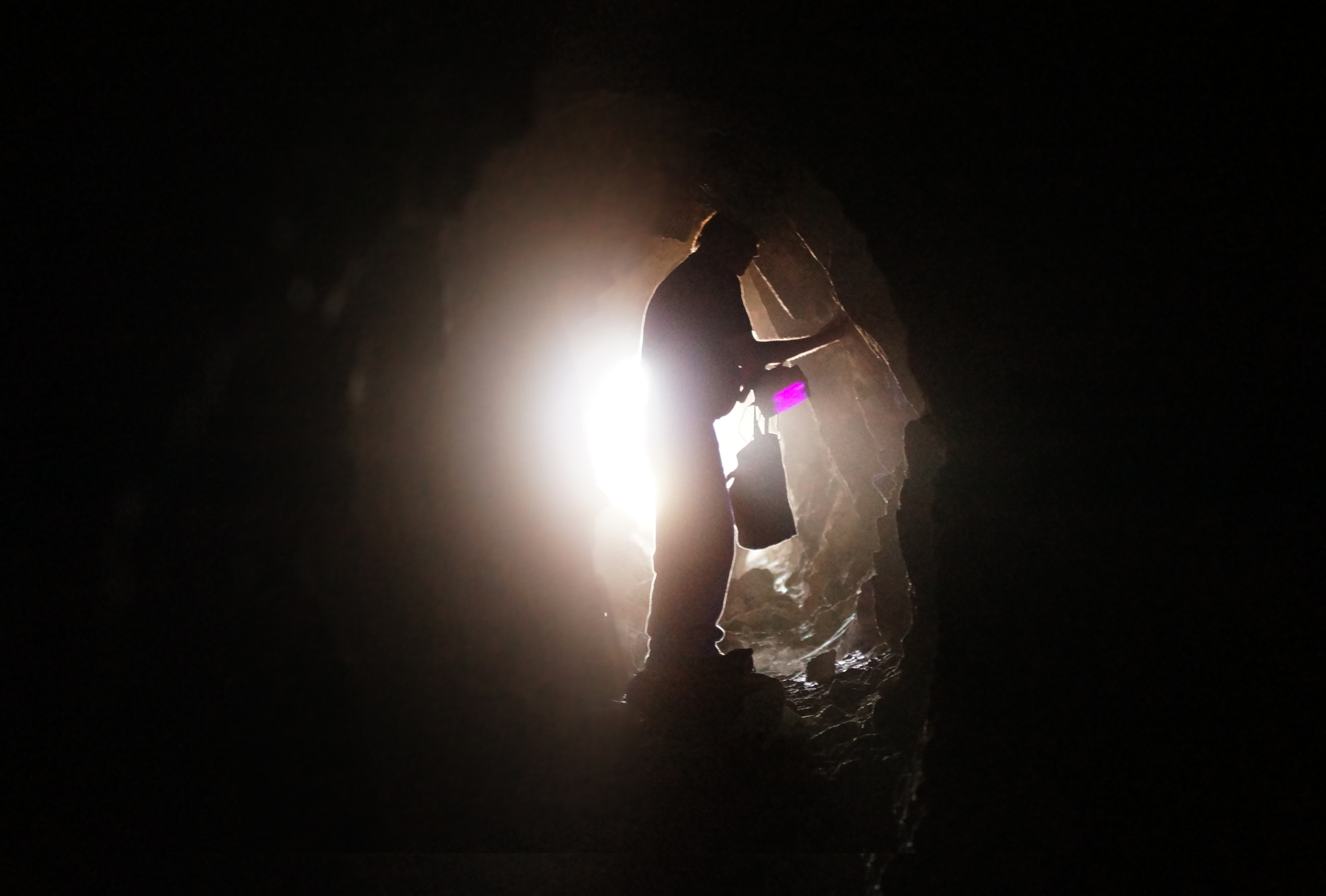
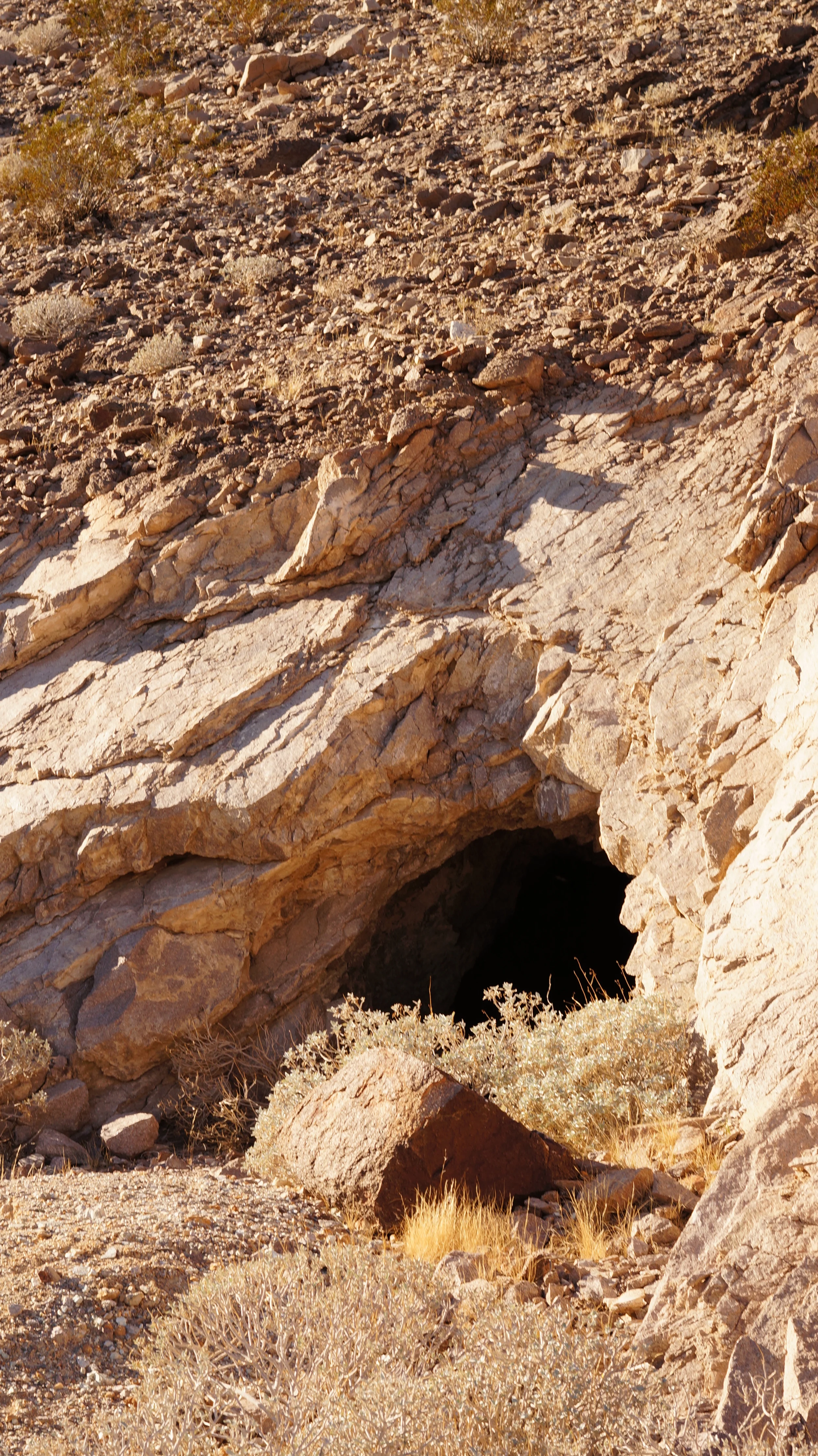
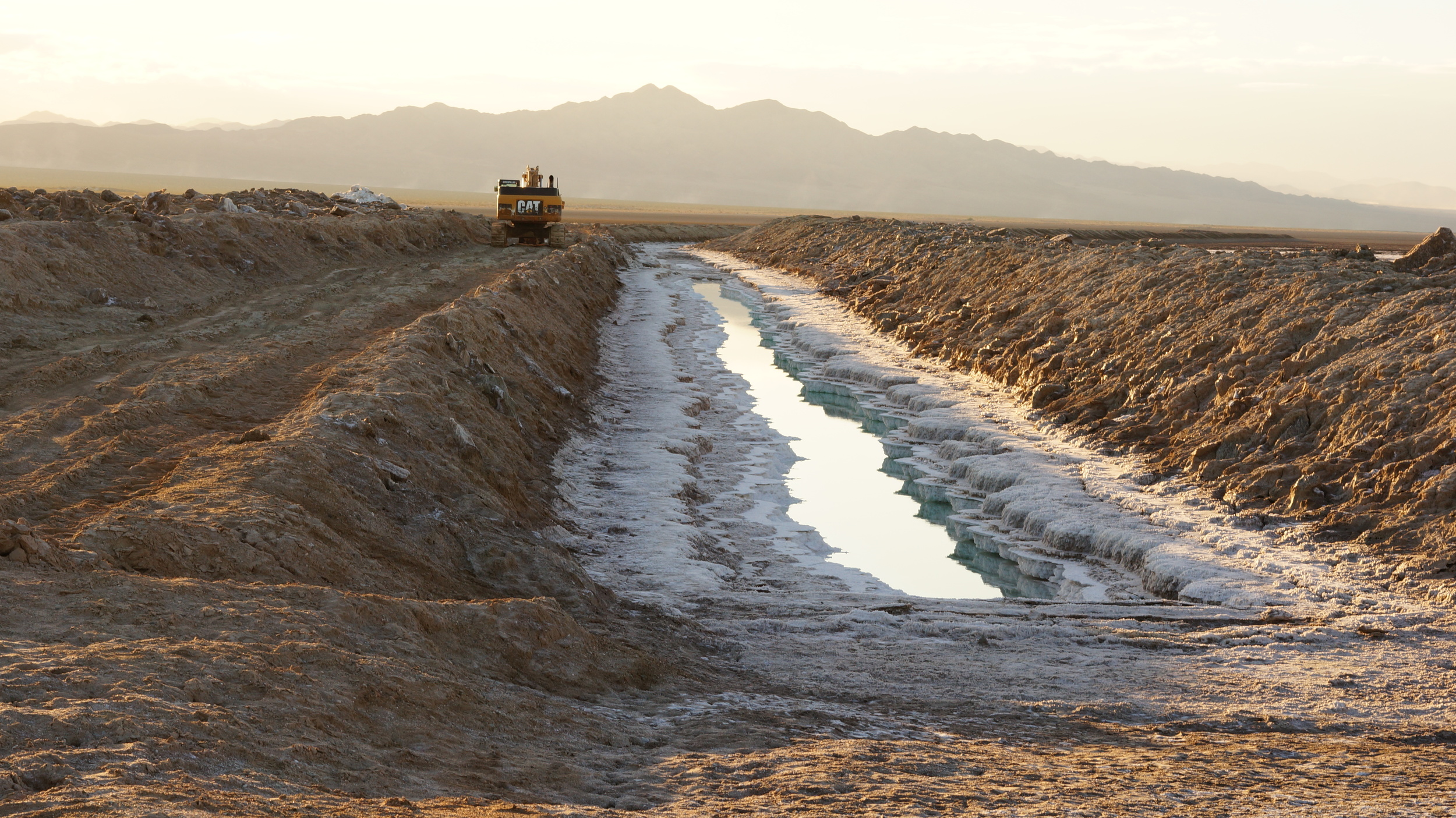
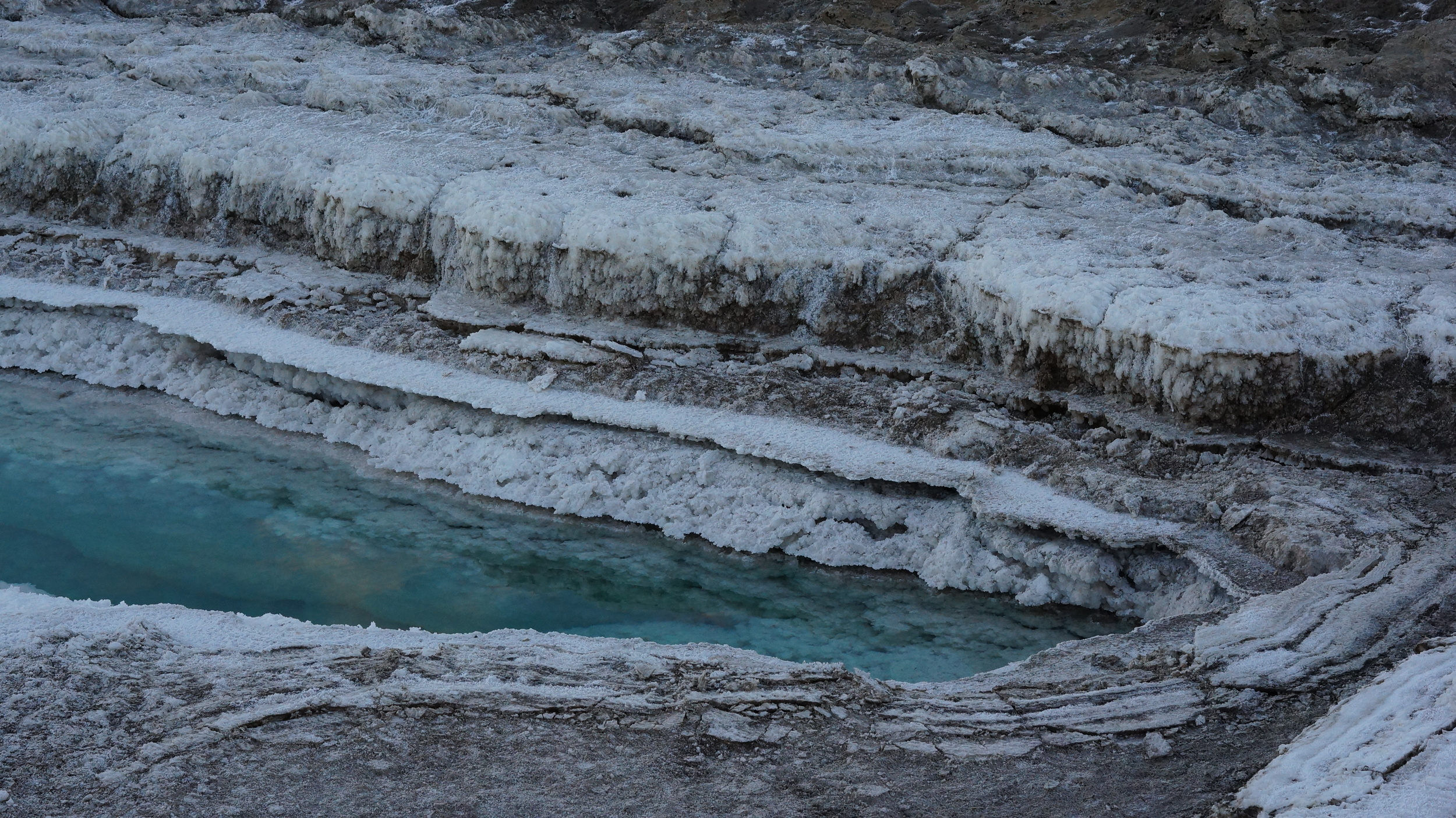
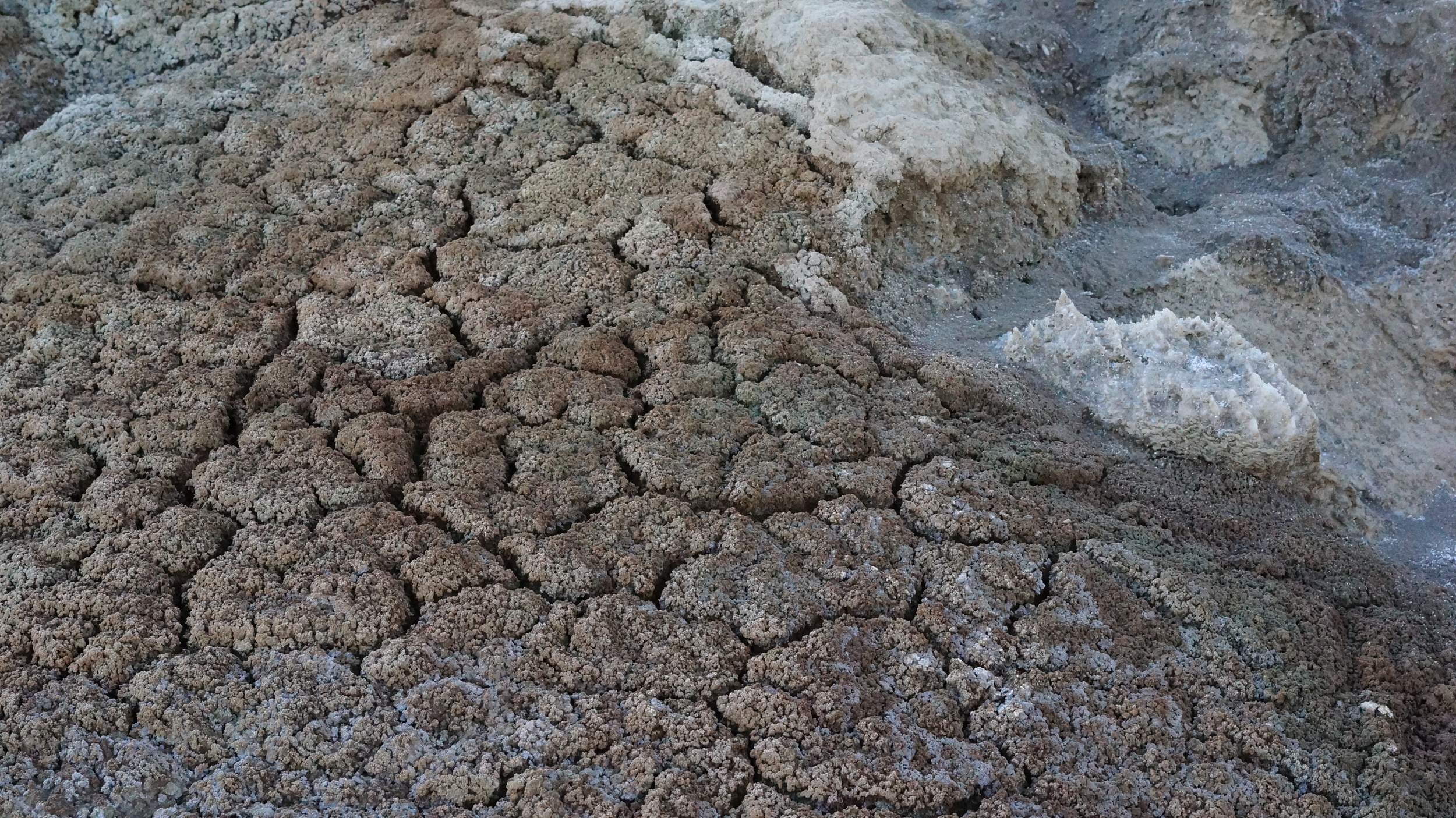
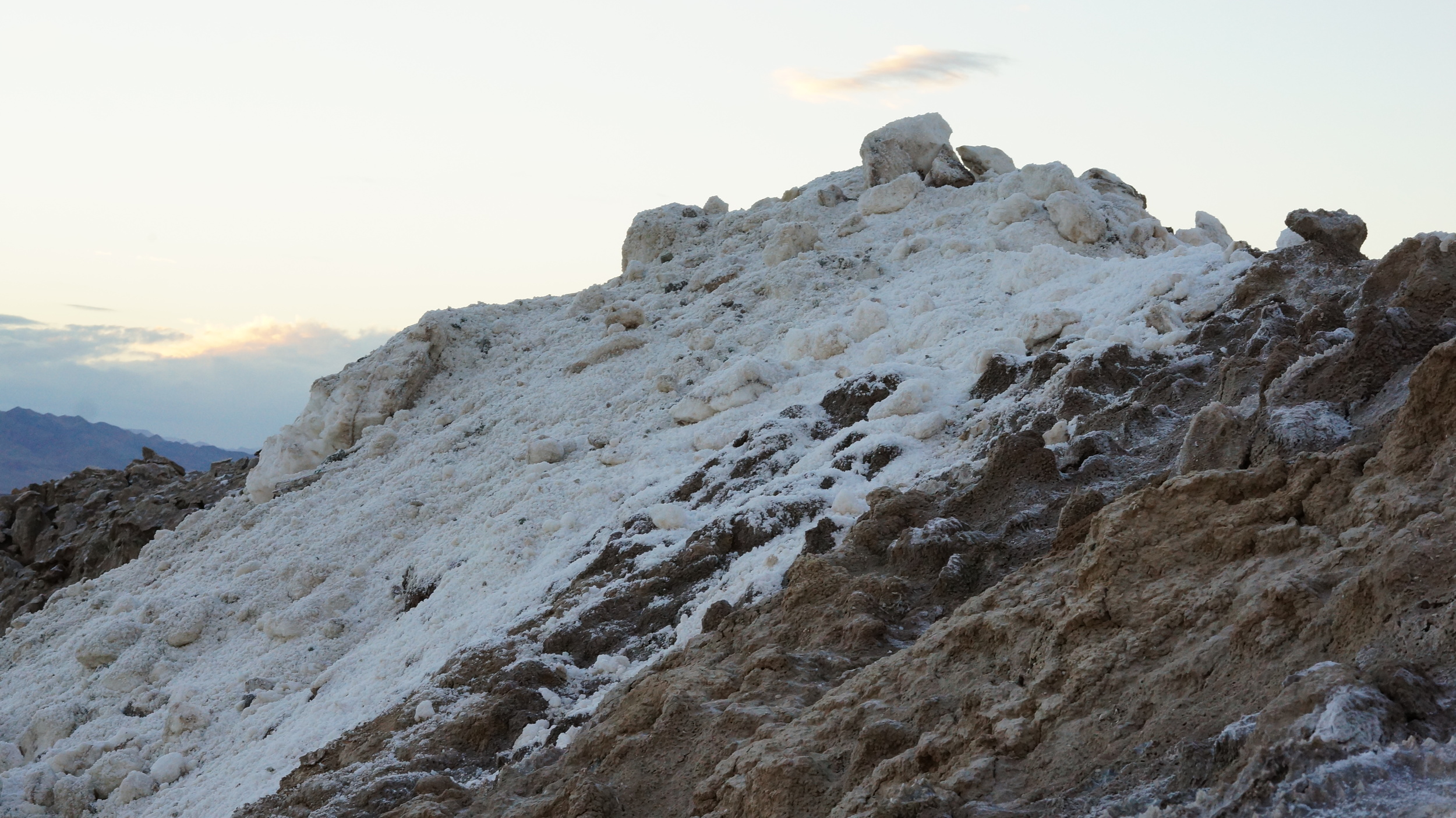
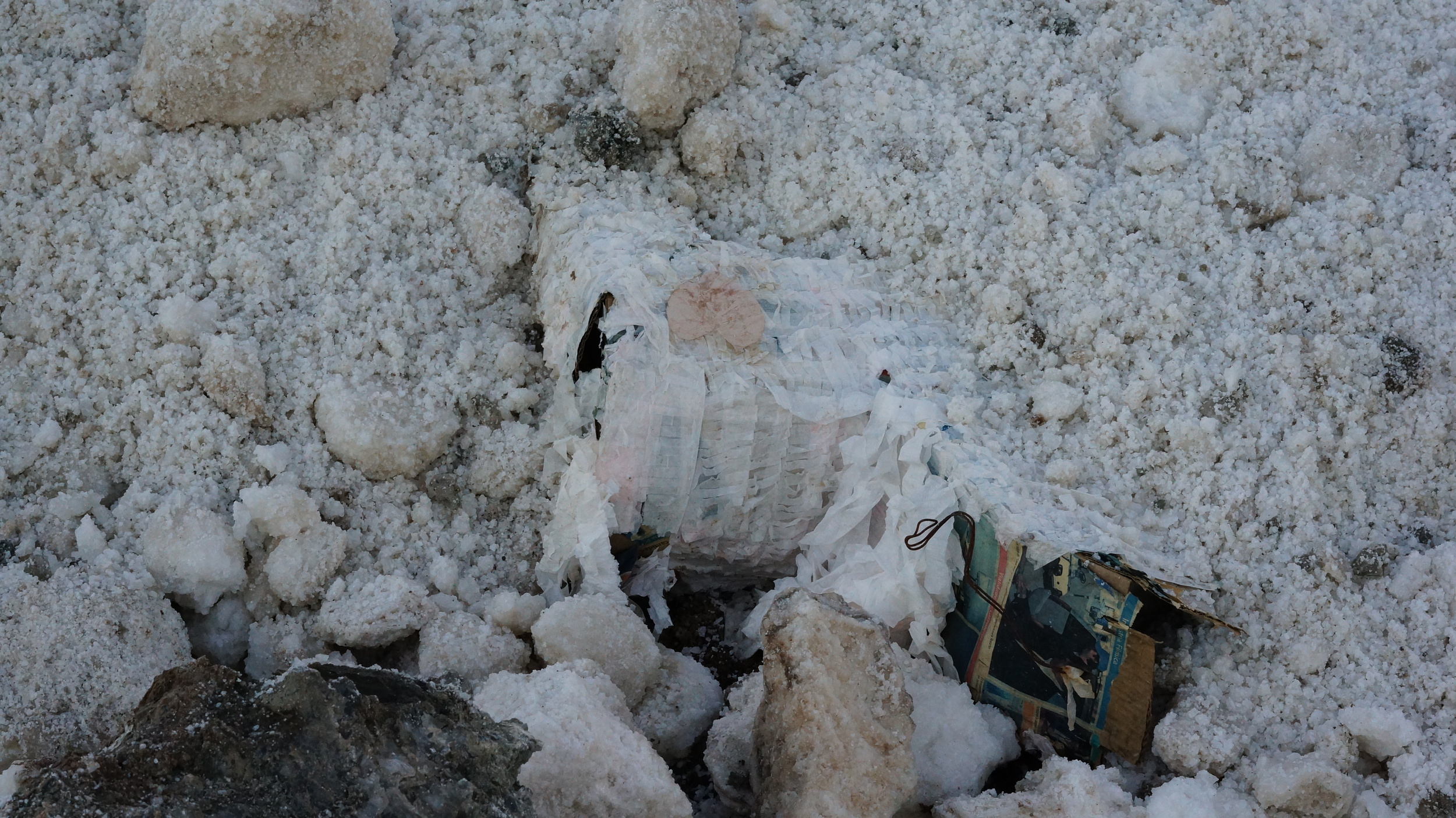
Shortly after Cliff and I had met at the Princess Pat Mines trip I organized he organized one. He had seen some pieces of fluorescent halite from the Amboy salt flats on eBay that he wanted to collect. Quite crazy considering he lives in Nevada! That was about a 4 hour drive just to go prospecting for halite. I think that's what turned off all the people that I had emailed: the possibility that the trip would end with nothing being found. There were only two of us during this trip. The day started out with us going to Hope Mine, an abandoned uranium mine. Nothing too spectacular here so I focused a good amount on photographing.
After that we went to the Amboy salt flats along route 66. Talk about a different landscape. Talk about a desolate area. The area had way too much salinity for anything to be able to grow or thrive off the land. I took several shots of the brine fields that were being cultivated. We eventually we found a discard pile that looked very different. This salt (NaCl/sodium chloride/halite) was noticeably different. It was white so we immediately thought to lamp it. Boom. A bright red fluorescence with plenty to pick from. The trash (presumably the reason all this halite was in the discard pile) was also fluorescent but we didn't take those haha. Mission accomplished!

Princess Pat Highly Phosphorescent Mineral IDed!
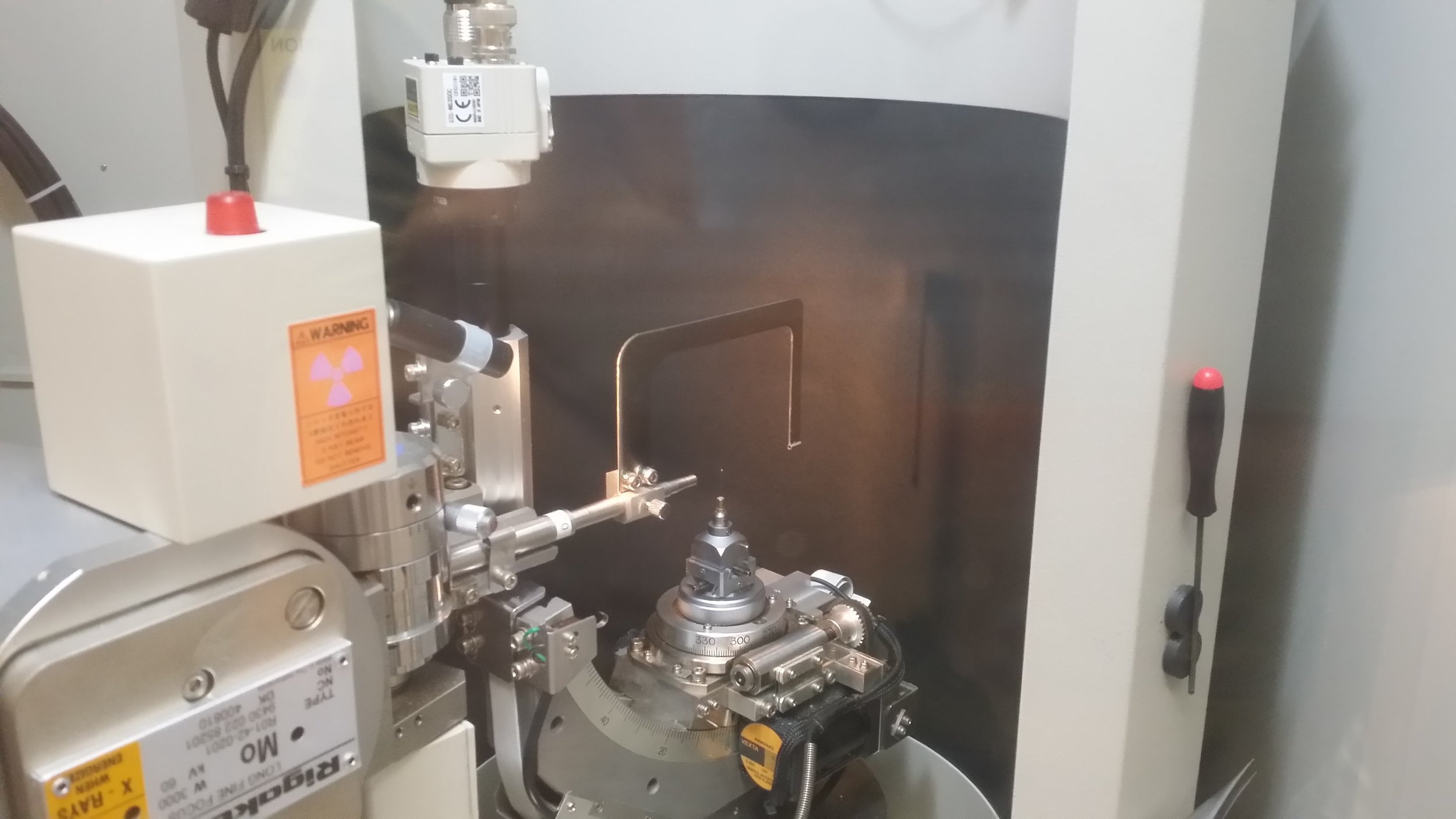
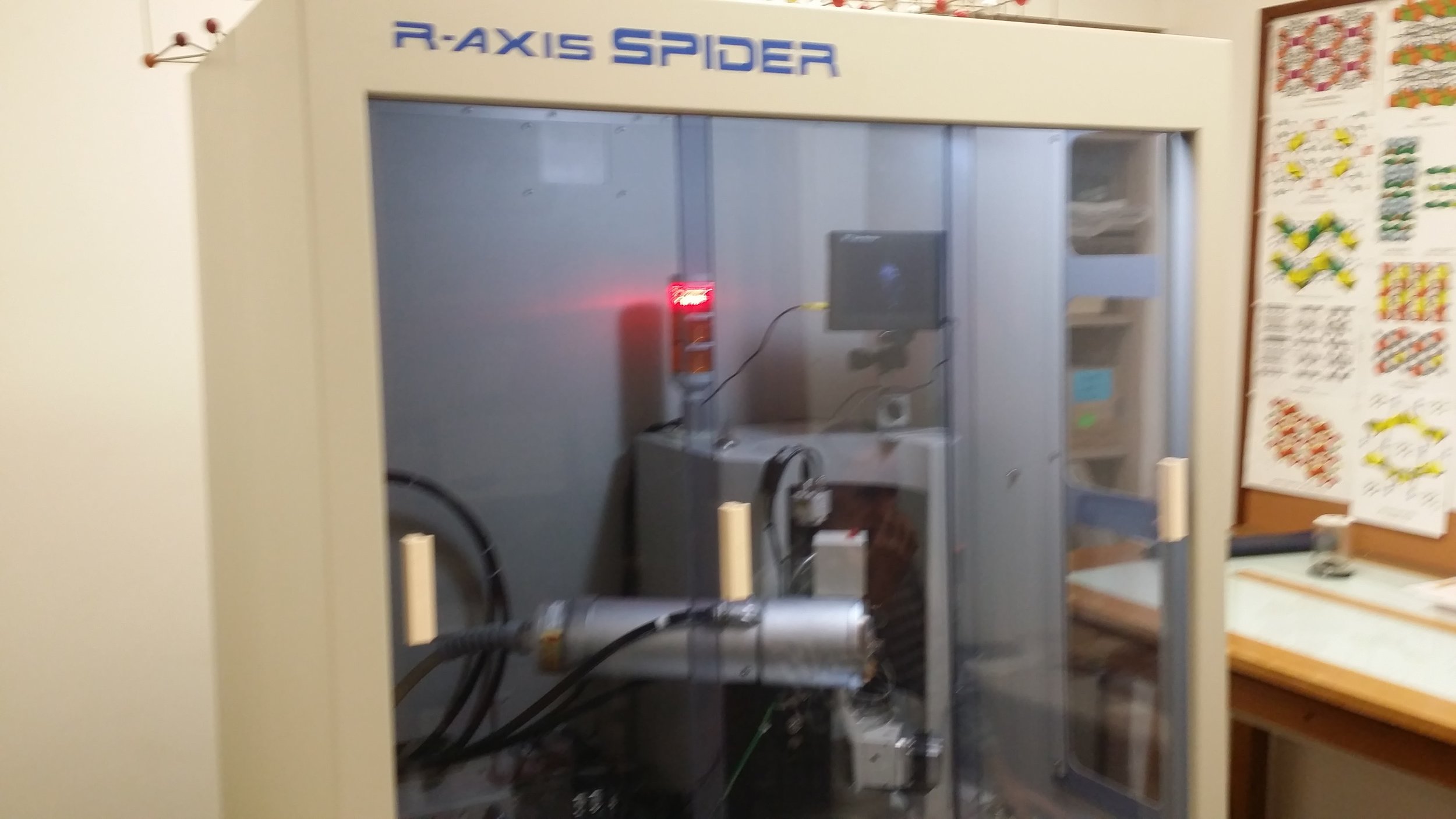
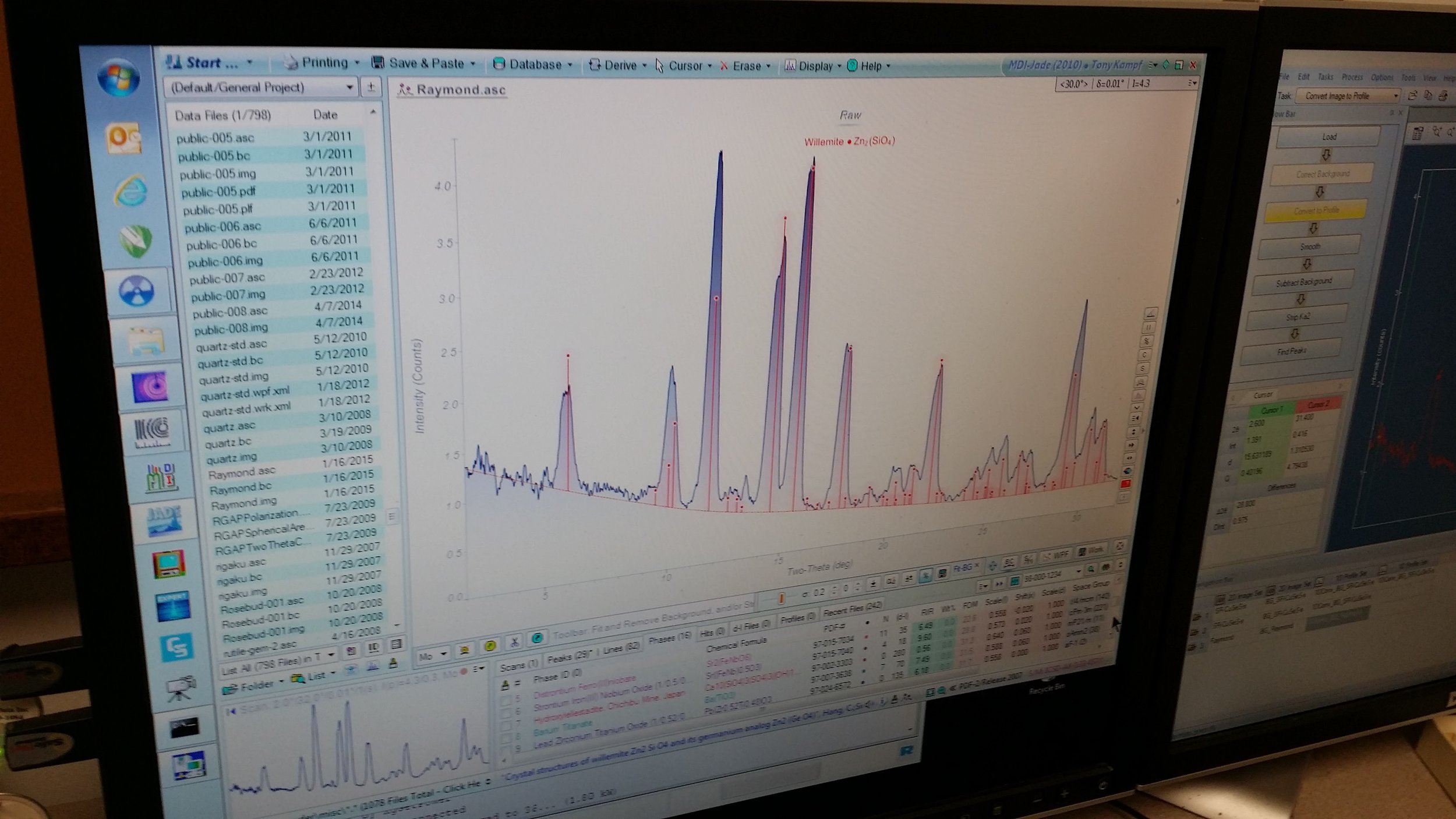
An amazing discovery was made today. Through my contacts at the Natural History Museum of Los Angeles I was able to get a previously unknown mineral identified through the process of x-ray diffraction spectroscopy! Previously this highly phosphorescent material was unknown to science. It was one of my lucky finds the first time I visited the Princess Pat Mine nicknamed "raymondite". Now we know it is actually willemite! Quite an oddity for a mine that was primarily for tungsten.


Princess Pat Mine Socal Fluorescent Mineral Society Trip December 2014
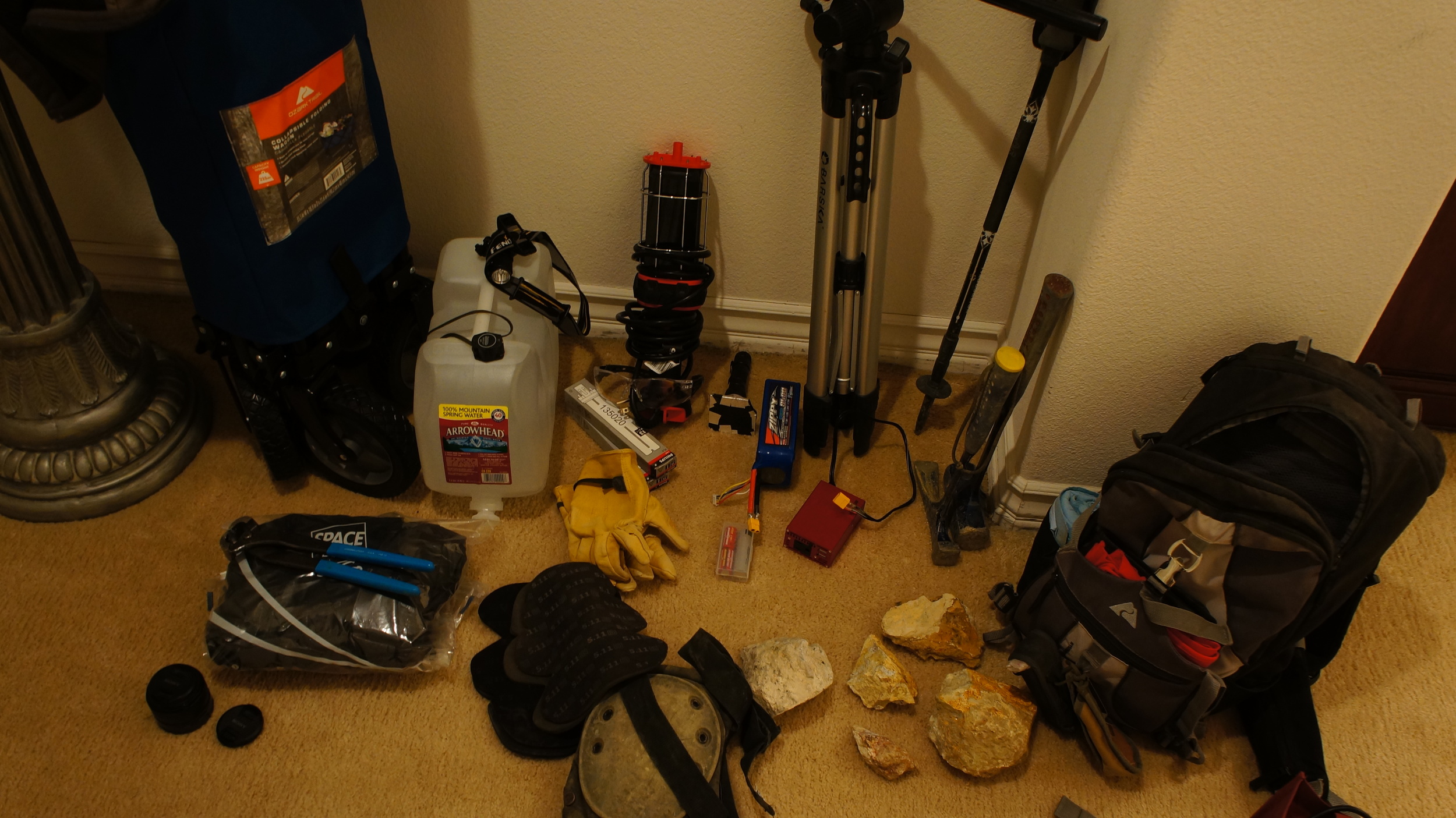
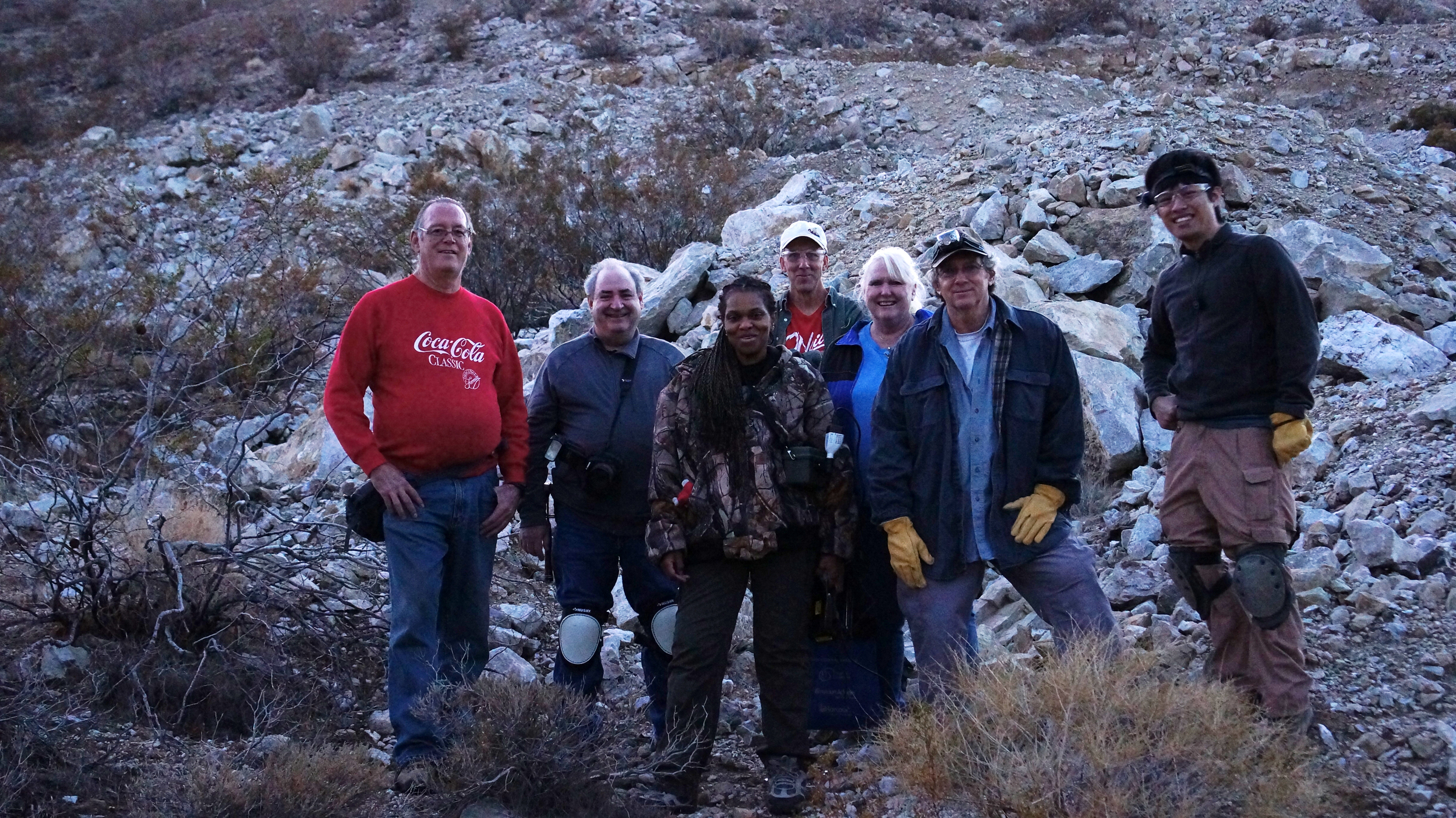
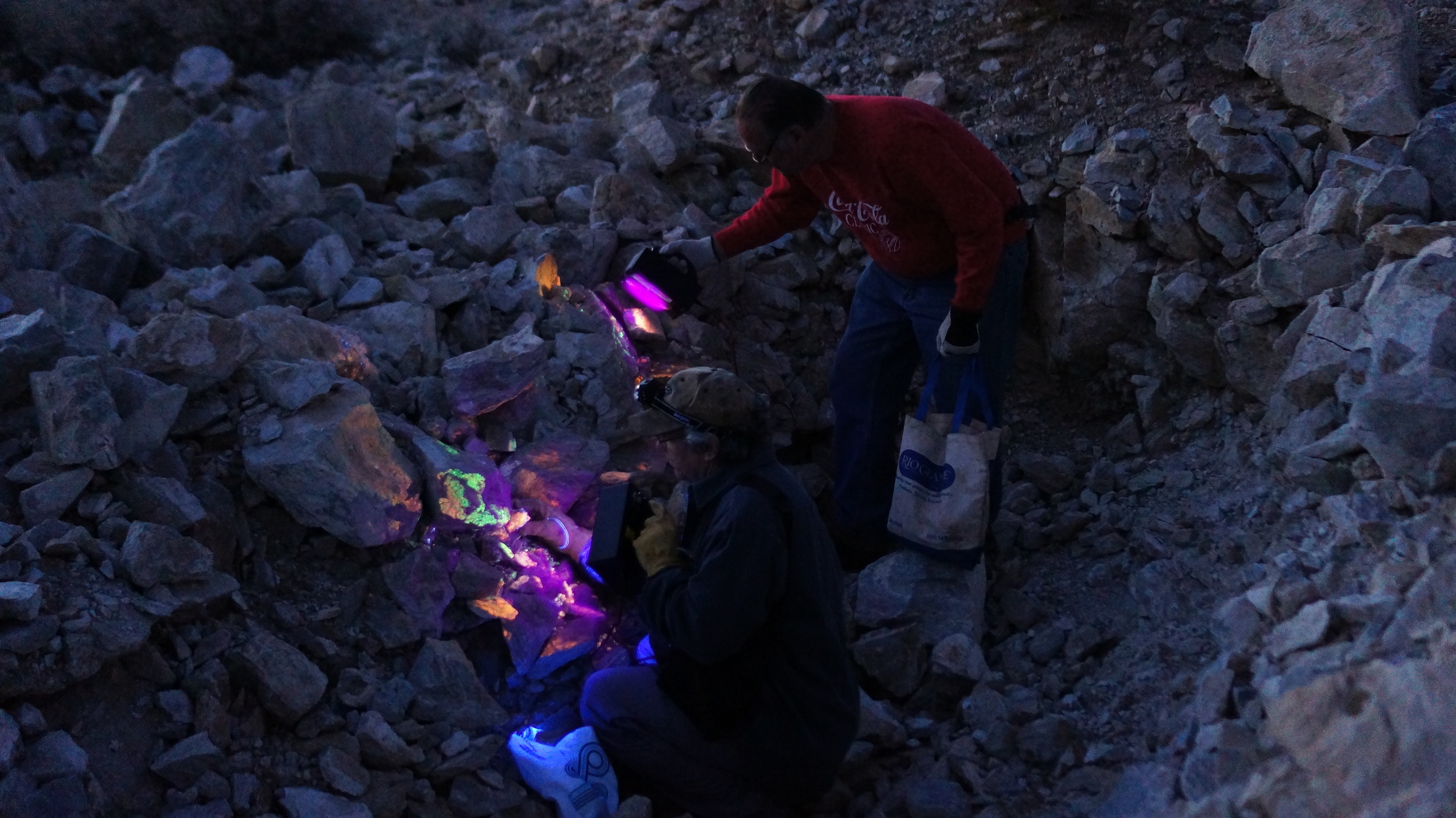
After that high of discovering the vein of the then-unknown green phosphorescing mineral (it was willemite. A new mineral for the location!) I decided to host another trip. Unfortunately Jan & Jeff wouldn't be able to come this time around. This automatically made it much more difficult. How confident was I in driving to a remote place I'd only been to once? I had only been there once but I had the GPS coordinates. I decided to continue with the trip anyways. It really came down to the wire this time around. Combine this with the fact that it was raining heavily (flash flood warnings) up until the days before we were going to go collecting. The crew was mostly different this time. Many fresh new faces. I had reached out to people on Facebook and friends of friends. That friend of a friend was Kevin Brady. I had seen him through one of his eBay auctions when I was curious and tried to find out how much the material I was collecting was worth (spoilers: not much!). I saw that the listing mentioned that he was an active FMS member and still takes part. That's when I decided to reach out to him and, to my surprise, he joined this excursion. He was the one that led us to the Princess Pat mine dumps when we all met up. He had been to the mine dozens of times and all of this was a cakewalk for him.
We arrived at around 3:30PM. I decided to organize the trip an hour before sunset because California was experiencing a record two weeks of rain (a drop of water compared to other places I'm sure) and I wanted to make sure everyone had plenty of daylight to see road conditions. We shared stories of past trips, finds, crazy deals we got, upcoming shows - just about every aspect of the hobby as we waited for it to become dark enough. Cliff Jackson even had a portable viewing cabinet with him so that we could easily see fluorescence in the daylight with his Way Too Cool lamp! I definitely need one of those for when I do smaller presentations!
Energy was high once it became dark enough for us to go collecting. I even showed them some of the unknown phosphorescing mineral and everyone including Kevin was amazed. He had never seen anything like it before in his many trips to the Princess Pat Mine. He almost didn't believe me when we were looking at the specimens under Cliff's cabinet. Thought it was hyalite. That was my goal for the night: finding more of that unknown mineral! Possibly sharing some if I found enough to hand out like last time. Unfortunately this is where a comedy of errors begin. I learned one of the biggest lessons as the trip organizer. Don't plan your trip on a full moon! OOPS! Now the moonlight would be competing with our fluorescence. I would comfortably say it beat most of us. All of us were much closer to the ground than we probably should have been considering how we were in rattlesnake and scorpion territory. This coming from the person that brought a 26W homemade lamp. I wasn't quite on the ground but I was in backbreaking low territory. Tammie had a 36W UVTools lamp and even she was constantly on her knees. Kudos to Mr. Don Newsome of UVSystems though on such a focused reflector design. His Superbright II allowed Kevin to comfortably see the fluorescence at normal heights throughout the night. I secretly look forward to the day when shortwave UV LEDs are viable as I hate working with bulbs.
Next goof: my inverter failed. It got cold enough to the point where I wasn't supplying enough voltage to start both of my bulbs. Probably doesn't help that I got a cheap modified sine wave inverter as well. Combine these factors together and I was left empty handed. I left with none of that new phosphorescent material and nothing else interesting because I spent most of my time looking for it. The rest of the group had a great time and left with some very nice specimens so my goal as the organizer was complete. Just not the collector in me...

Cascade Canyon November 2014
One of the people I had met during my paleontology days was a geologist named Russell. He was an adamant field collector but also a dealer. While he had collected fossils in the past, there was no money to be made with our material. Years later I realized he was right! Haha. However, once I turned more towards the geology side he took me to some very cool places. One of them was Cascade Canyon near Mt. Baldy. It was a beautiful hike with some interesting scenery - one of which was the house pictured below. When I was talking to Russell about Cascade Canyon on the phone one of the things he told me about was a Hansel & Gretel house that was along the way. This certainly matches that description!


One of my best Cascade Canyon specimens. A very rich ruby-filled piece.

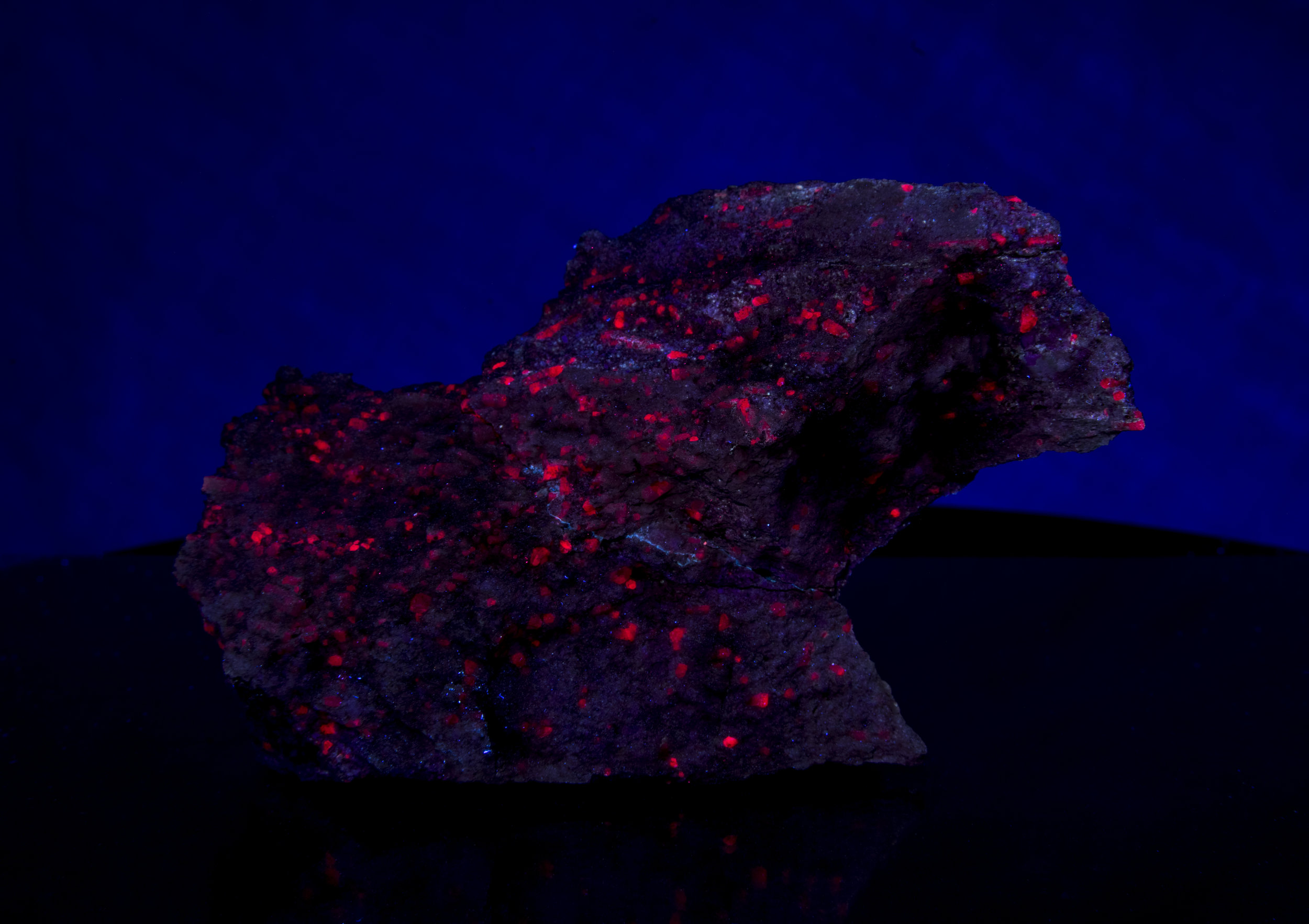
From a later trip in June 2015. I only took 1 picture that day so there was no better place to put it. Featuring Marc Brown (foreground & Todd Richmond (background)


Princess Pat SoCal Fluorescent Mineral Society Trip October 2014
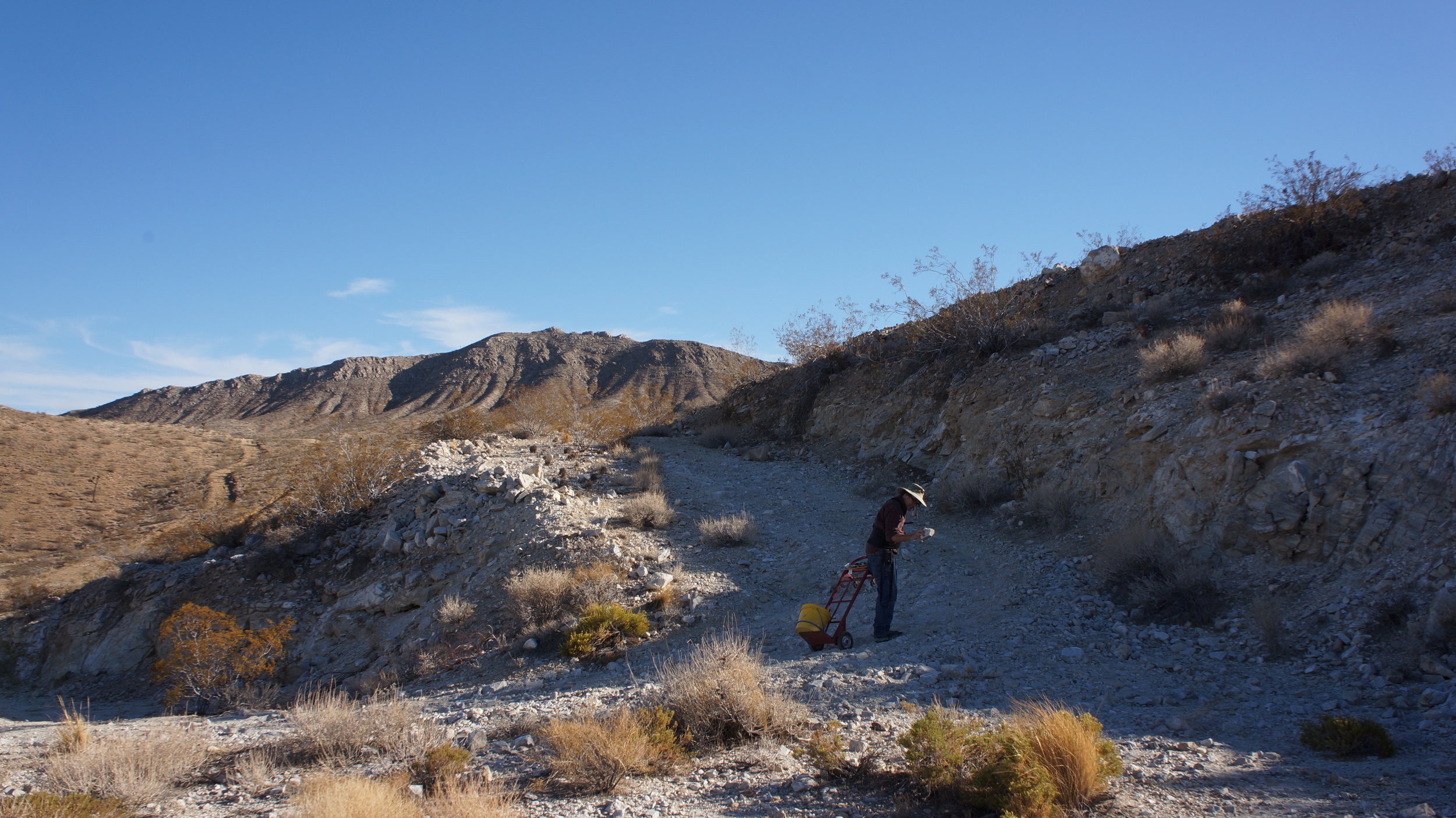
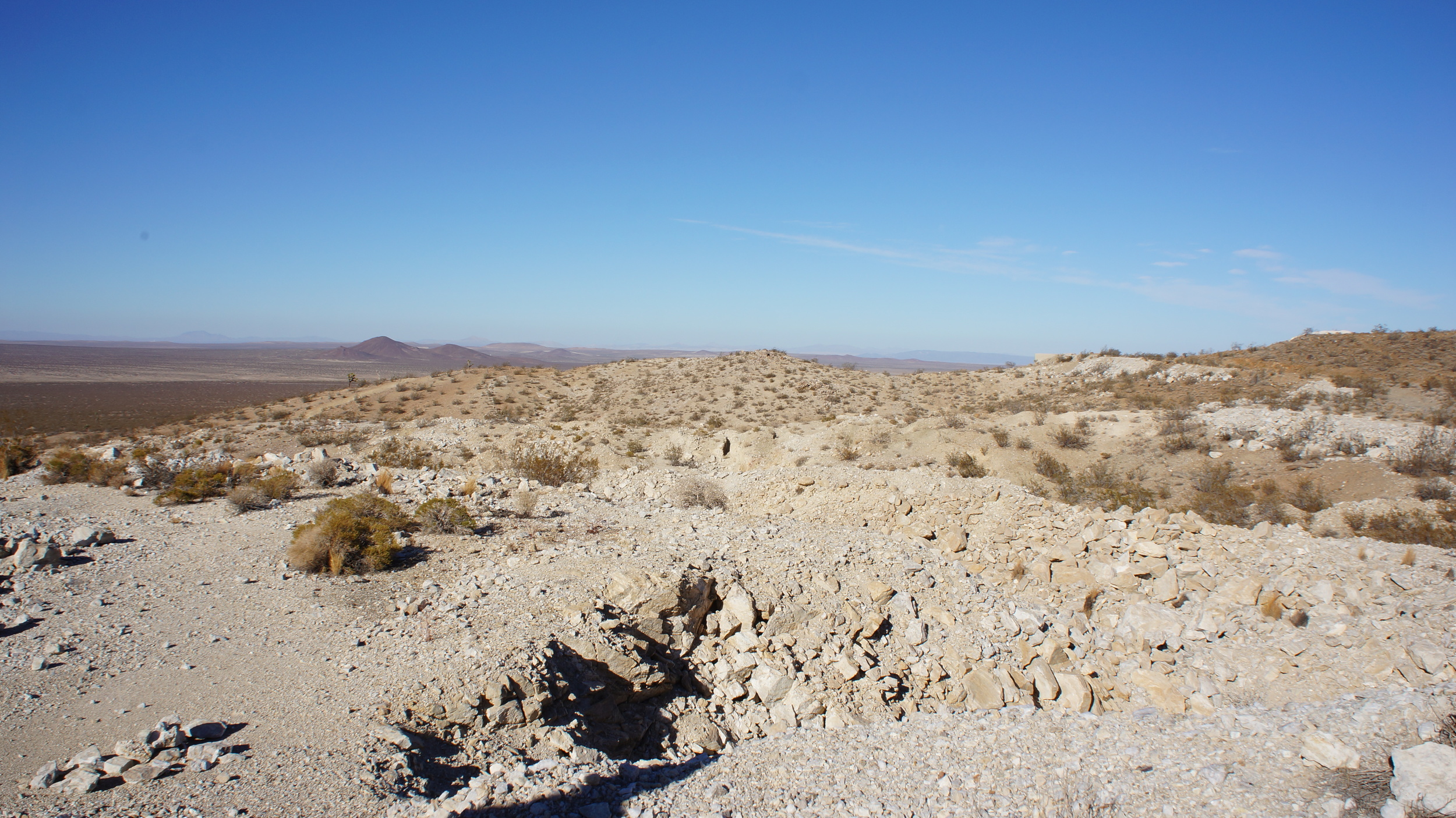
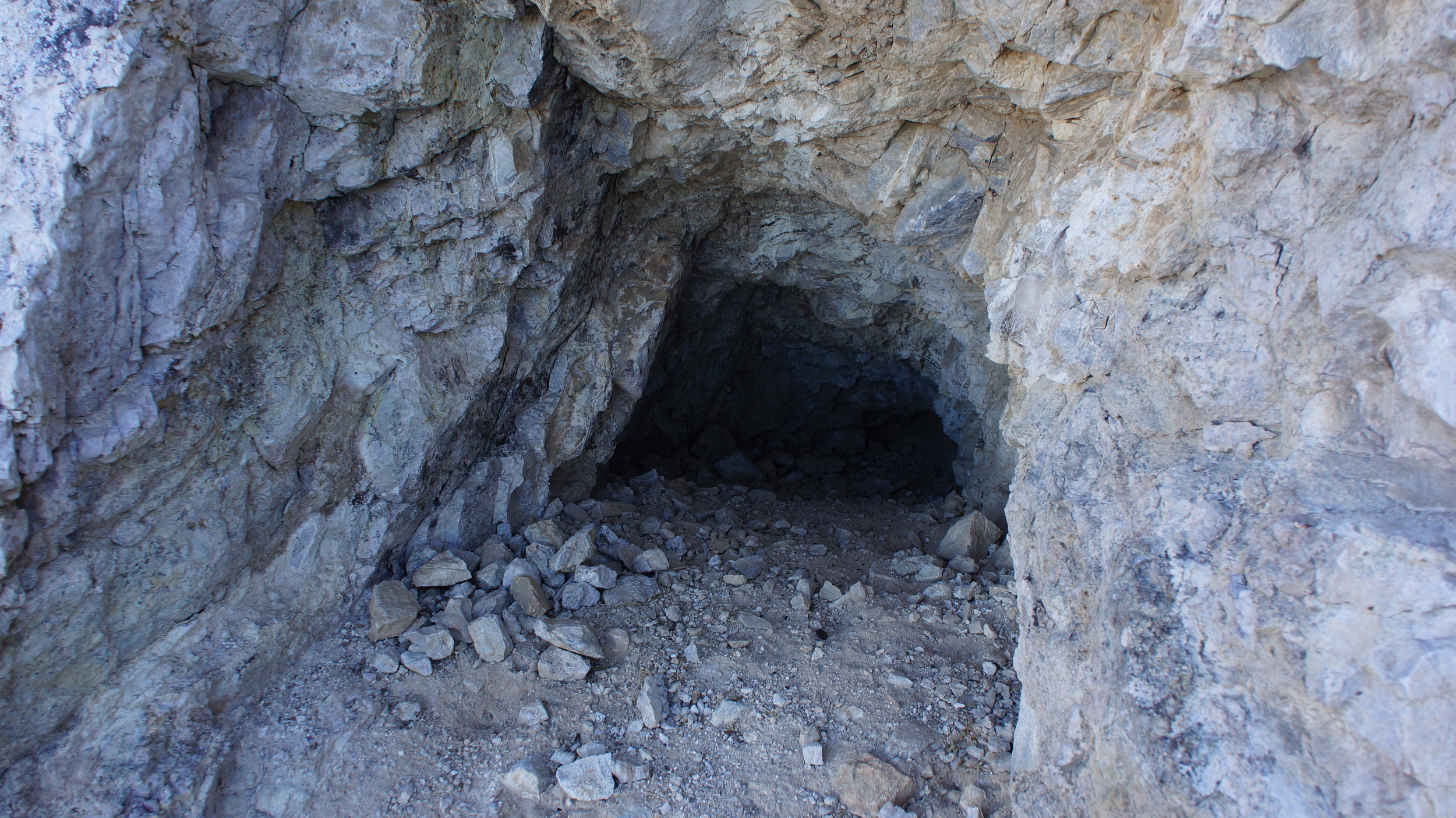
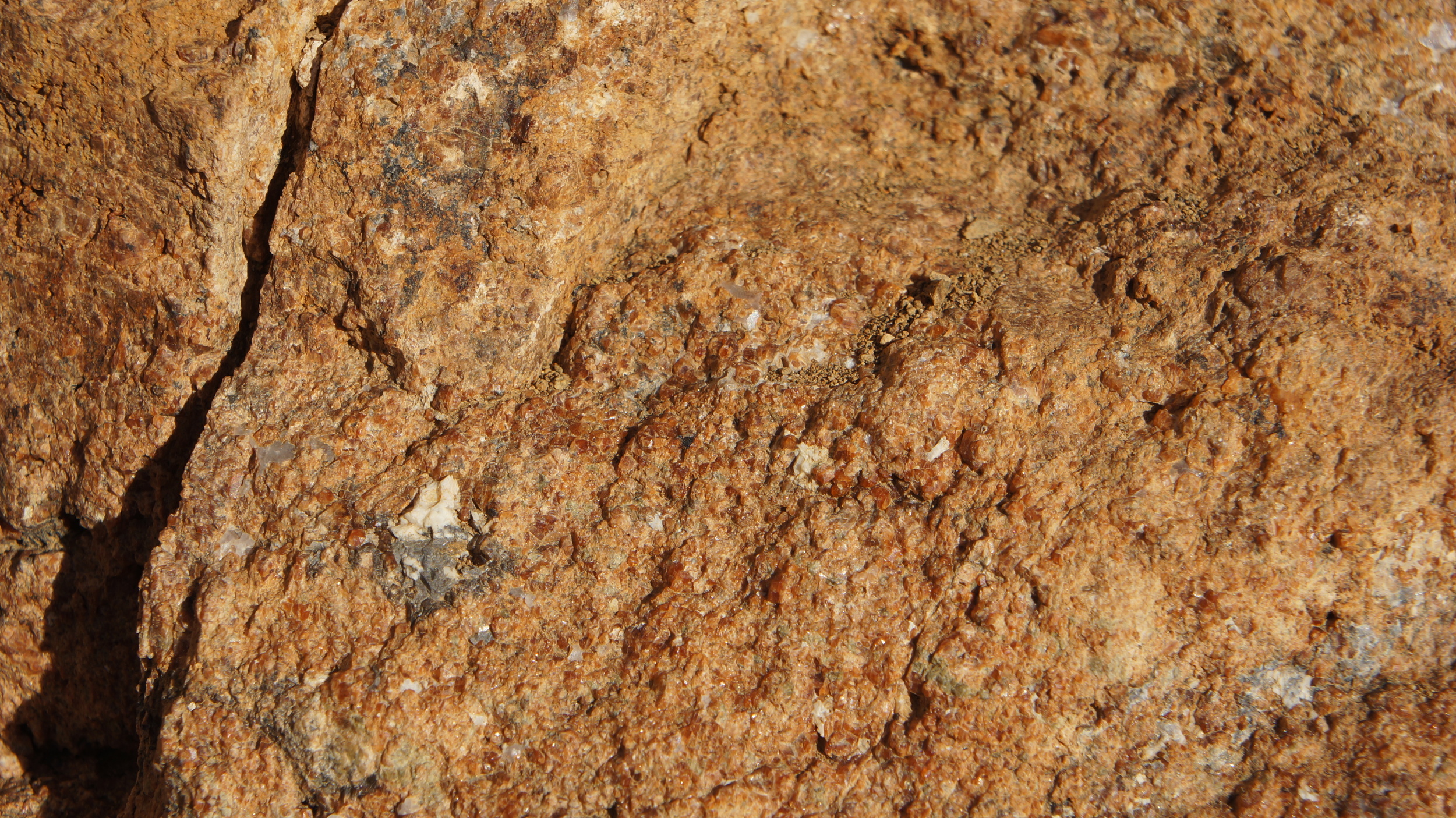
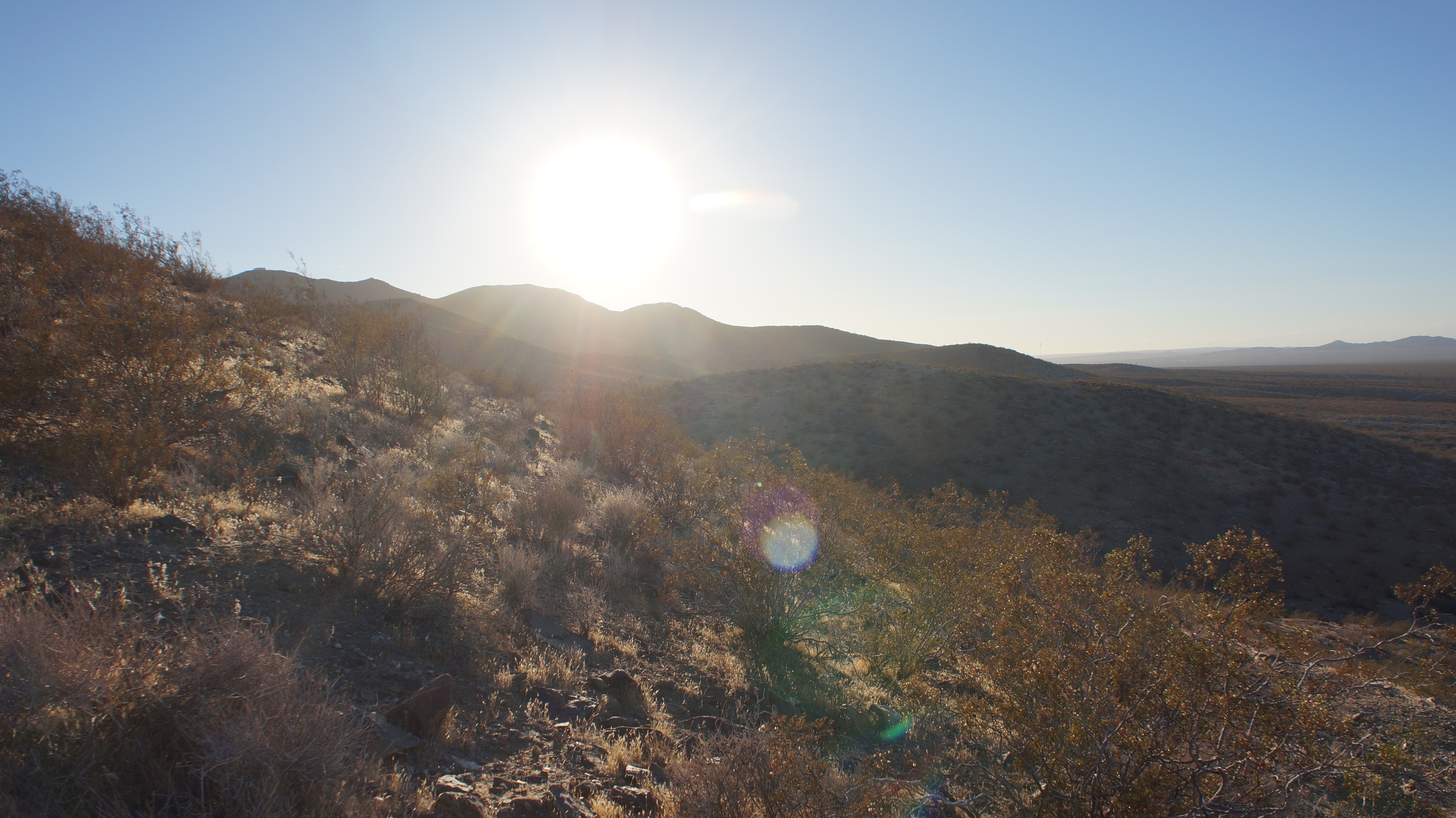
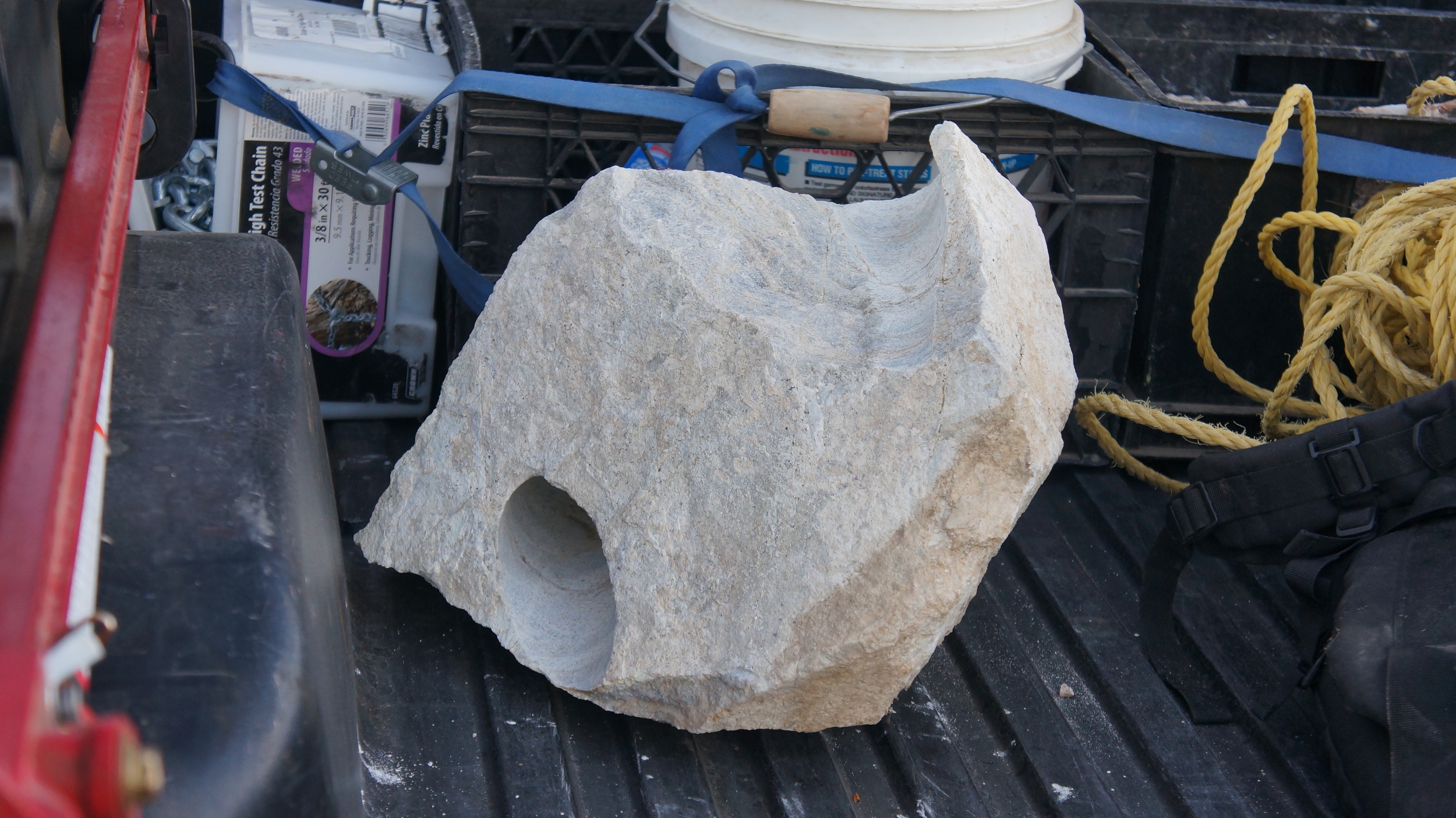
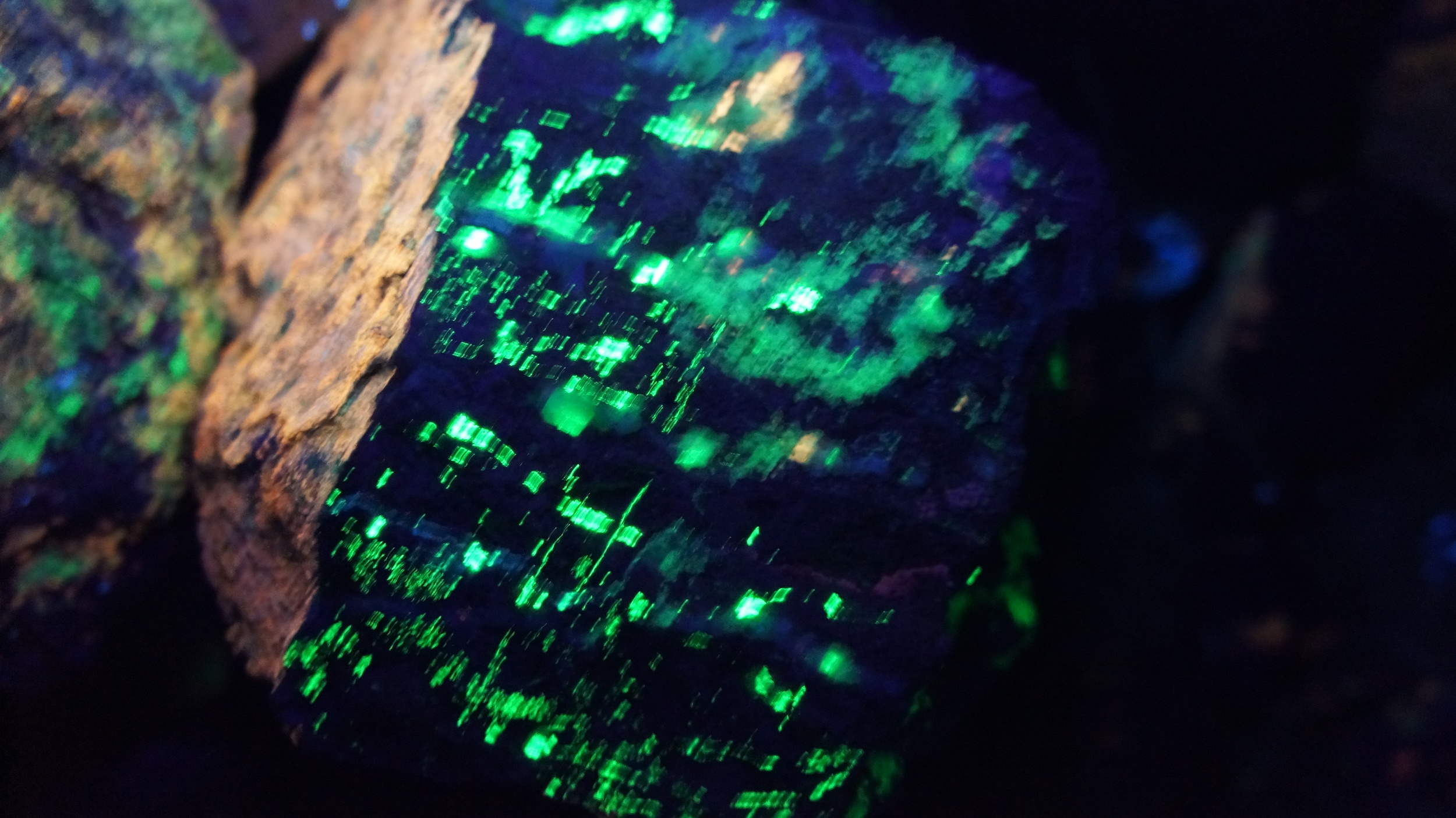
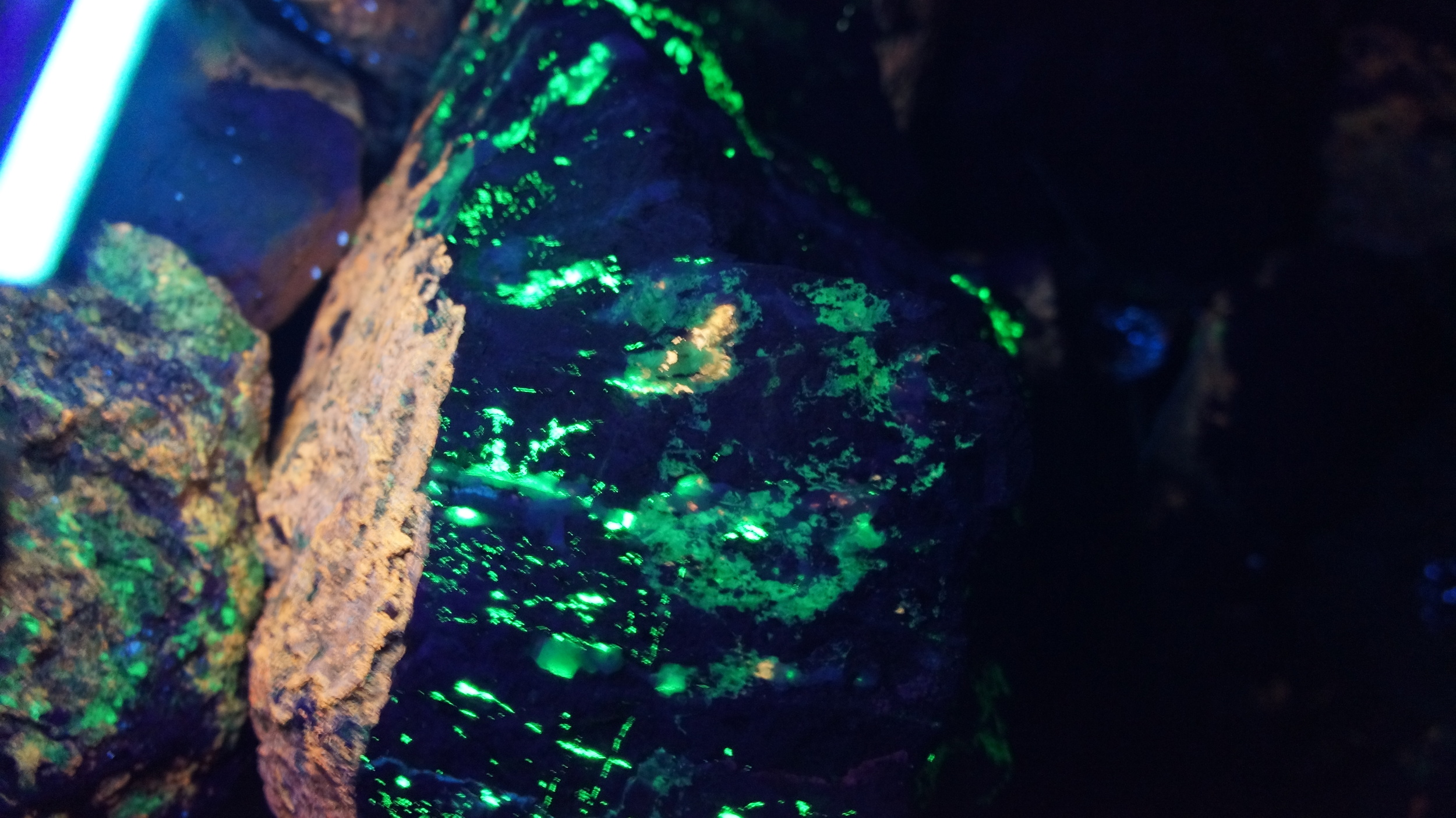
Ah my first foray into the hobby. After about 20 emails and multiple attempts to get things going I finally managed to organize a trip for new members of the Fluorescent Mineral Society (myself included). It was quite an exciting time for all of us as hosts Jan Wittenberg and Jeff Wilmot showed us around the Princess Pat Mine. We started out collecting some nice small root beer colored garnets and poorly terminated quartz. Quite boring looking back on it haha.
However, as the sun set that's when our group's calling came into play. Fluorescent minerals. Everyone starts plugging their shortwave UV lights into their batteries, dawns appropriate clothing, and began the hunt. As someone who had never done this it was incredibly hard to contain my excitement. Never before had I seen a boring landscape of browns, whites, and grey become so alive. The UV lights absolutely transformed the area I was walking just minutes before into a garden of color. There were oranges (caliche), greens (hyalite), whites (aragonite), blues (scheelite), and reds (calcite). I still wish to the time of the writing of this article that I had an incredibly light sensitive camera such as Sony's a7s or Nikon's D4S to capture these moment. It was incredible for all the new members and I'm sure that Jan and Jeff got a kick out of our excitement as we traversed the landscapes in attempt to find the coveted 5 color specimen to bring home.
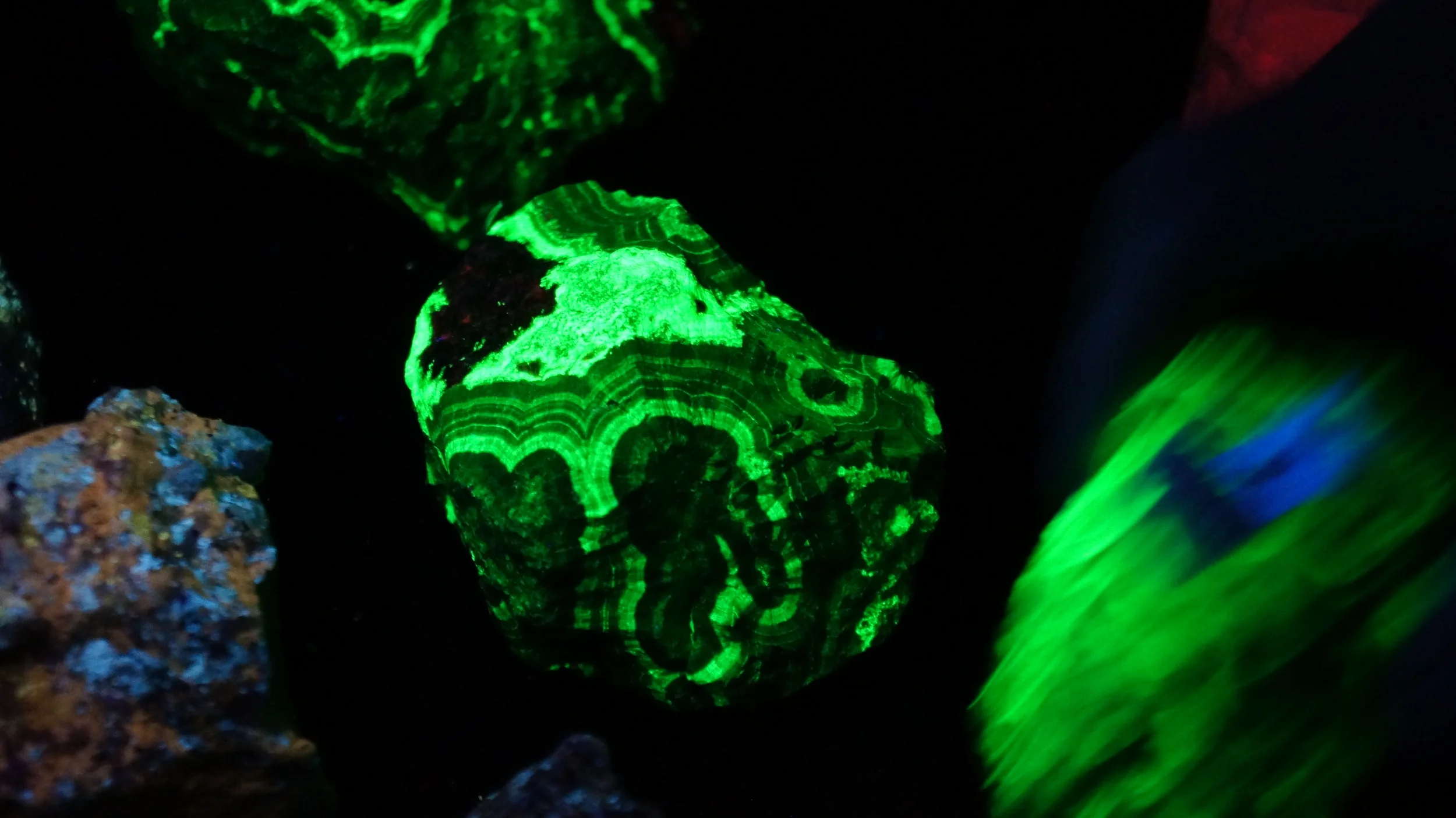
Several hours into my exciting adventure something catches my eye. Normally the minerals would stop fluorescing after you turned off the UV lights - a ground state if you will. The one instance we were shown was with the aragonite which fluoresced white and then retained that energy state for a short time afterwards. I was told it was called phosphorescence. Back to my story, I noticed that there was this green colored mineral that was phosphorescing very brightly and for long durations. In my excited state I immediately call over Jan to ask him what it is. Now, it was close to pitch black with the only thing that illuminating his face being faint moonlight and the fluorescence of the minerals when we had our UV lights turned on, but despite that I could almost sense that his mouth was agape with jaw dropped. He immediately asked where I had gotten it from and explained that I had found the largest instance of an unknown new mineral. Jeff had only found it 6 months prior and even that was literally a speck. This showed rich veins found in a small 2 or 3 inch specimen. Jan almost didn't give it back after I had asked him several times to see it again. The tension and excitement was palpable. The two of us were like sharks after we had smelled blood in the water. Our goal for the night was now to look for the rare new green phosphorescing mineral and collect as much of it as possible. Luckily that didn't take long. Several steps from where I had found the original piece I found another couple small pieces of it, then another, then another! I had to give Jan one of my bags so that he could carry all of this out as he had already filled up his pockets. It's worth mentioning that I had told him that I was going to let him keep most of it. I was taught this rule from my previous 5ish years experience fossil collecting. They'd have a much better chance than I did of getting it identified and making a contribution to this field of science. I was just surprised that they let me keep any of it at all. If it was me on one of my fossil collecting trips I wouldn't let the finders keep any of it in case a quantitative analysis needed to be done. This rule that I had arbitrarily forced myself to follow had me kicking myself soon afterwards. The motherload of all the pieces we had found that night appeared. I had found giant 20+ lb boulder of it while Jan was busy collecting every last scrap. Definitely a photographic moment (albeit very poorly looking back on it). True to my word and science, I called over Jan to come get the biggest and richest piece found. It was quite a way to end the night. He had so much of the unknown mineral that he couldn't carry all of it and the piece that I just found in one trip!
At the end of the night we all went back to our cars and talked about this new find. To have gone from a speck to buckets full was quite an improvement. They now had enough to get it identified through a (then-unknown to me) process called x-ray diffraction. We all stood around and watched the mineral phosphoresce for 5+ minutes since our eyes had long adjusted for the night. Throughout our conversations at least one of us would check up and say "Still going!" in reference to how long it phosphoresced. Jan stated that they needed to bring me to other trips by taping me to their truck as their good luck charm. It seemed that the beginners always had the best luck. Boy could I relate to that having taken others fossil collecting! Beginner's luck indeed. I'd like to think that my experience fossil collecting helped me find the area and pace myself to search an area in a limited time frame though. We even joked about what would happen if it was a mineral new to science. One of the members jokingly stated that it should be called "Raymondite" but I declined that thought without hesitation. I remembered how hard some areas of science were to learn considering some of the terms were in Latin. If I could name the mineral it would be something literal like greenphosphorite. Something that wouldn't have students hate me for having to memorize for generations to come haha.
We all left happy from the experience but I had a taste of a rare new mineral and absolutely had to come back and find more!
Paul Tauger, who also went on the trip, has his perspective here: